
The Aztec Calendar Stone: An Artistic Marvel and Cultural Symbol

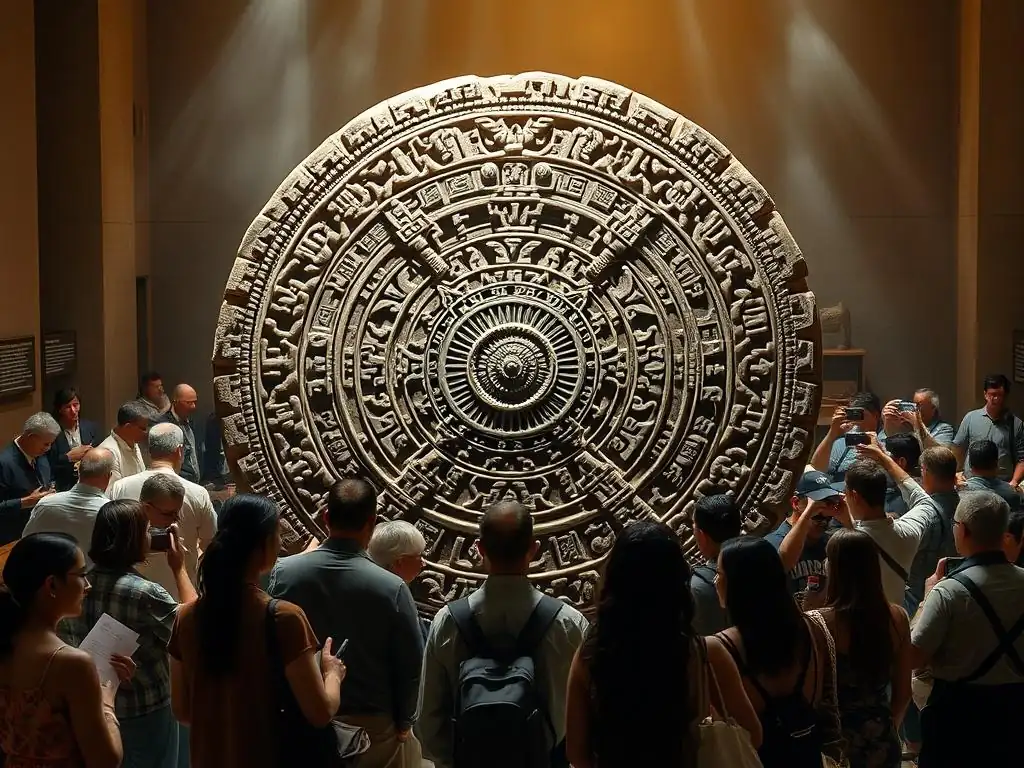
Welcome to Indigenous Civilizations of the Americas, where we embark on a fascinating journey through the rich tapestry of cultures that flourished long before European contact. In our featured article, “The Aztec Calendar Stone: An Artistic Marvel and Cultural Symbol,” we delve into the profound significance of the Aztec calendar stone, uncovering its artistic brilliance and the deep cultural meanings it embodies. Join us as we explore the remarkable achievements and legacies of the Aztec civilization, and discover how these ancient societies continue to influence our world today. Your adventure into the past begins here!
Introduction to the Aztec Calendar Stone
The Aztec Calendar Stone, often referred to as the Sun Stone, stands as one of the most iconic symbols of the Aztec civilization, embodying a fusion of artistic brilliance and profound cultural significance. This monumental sculpture, with its intricate carvings and astronomical features, not only showcases the advanced understanding of time and cosmology possessed by the Aztecs but also serves as a powerful emblem of their identity and beliefs.
As we delve into the Aztec calendar stone significance, we will explore how this remarkable artifact reflects the complexities of Aztec society, their religious practices, and the broader implications of their worldview.
Overview of the Aztec Civilization
The Aztec civilization, which flourished in central Mexico from the 14th to the 16th century, was a vibrant society characterized by rich cultural traditions, advanced agricultural practices, and sophisticated urban centers. At its height, the Aztec Empire controlled a vast territory, encompassing a diverse array of peoples and cultures. The capital city, Tenochtitlan, was a marvel of engineering and architecture, featuring grand temples, bustling marketplaces, and an intricate system of canals.
The Aztecs were known for their polytheistic beliefs, which were deeply intertwined with their agricultural calendar and daily life. Key aspects of their civilization included:
- Religion: The Aztecs worshipped numerous deities, each associated with various aspects of life, nature, and the cosmos.
- Social Structure: The society was hierarchically organized, with a ruling elite, priests, and a large class of commoners, including farmers, artisans, and traders.
- Art and Culture: Aztec art was notable for its intricate designs and symbolism, often depicting gods, nature, and significant historical events.
Importance of the Aztec Calendar Stone in Culture
The Aztec Calendar Stone is not merely an artistic achievement; it is a vital cultural artifact that encapsulates the Aztecs' understanding of time and their place in the universe. The stone features intricate carvings representing the five worlds of creation, the sun god Tonatiuh, and various symbols associated with the days and months of their calendar system. Its central role in Aztec cosmology reflects the belief that time was cyclical and that each cycle had significant implications for agricultural practices, religious ceremonies, and societal organization.
The significance of the calendar stone extends beyond its physical presence; it served as a ceremonial object during important rituals and was a tool for tracking agricultural cycles, which were crucial for sustaining the empire. In this way, the Aztec Calendar Stone is a testament to the ingenuity and sophistication of the Aztec civilization, illustrating how they integrated art, science, and spirituality into their daily lives.
Historical Context of the Aztec Calendar Stone
Origins and Discovery of the Aztec Calendar Stone
The Aztec Calendar Stone was believed to have been carved in the early 16th century, during the height of the Aztec Empire. It was discovered in 1790, buried beneath the Zócalo, the main square of Mexico City, during excavation work for a new building. The stone, measuring about 3.6 meters in diameter and weighing over 25 tons, was initially misinterpreted as a simple decorative piece. However, further analysis revealed its complexity and importance as a calendar and astronomical device.
The discovery of the calendar stone sparked significant interest among scholars and archaeologists, leading to a deeper understanding of Aztec culture and their sophisticated knowledge of astronomy. Today, the stone is housed in the National Museum of Anthropology in Mexico City, where it continues to attract visitors and researchers from around the world.
Historical Uses and Functions of the Calendar Stone
The Aztec Calendar Stone served multiple functions within Aztec society. Primarily, it functioned as a calendar, delineating the 365-day solar year and the 260-day ritual calendar known as the Tonalpohualli. This dual calendar system was crucial for scheduling agricultural activities, religious festivals, and social events.
Furthermore, the stone was a significant ceremonial object, often used during rituals to honor the sun god and other deities. The representation of Tonatiuh at the center of the stone signifies the importance of the sun in Aztec cosmology, as it was believed that the sun required nourishment in the form of human sacrifice to continue its journey across the sky.
The Aztec Calendar Stone is not only a remarkable artistic creation but also a vital cultural symbol that encapsulates the complexities of the Aztec worldview, their understanding of time, and their religious practices. Through its study, we gain invaluable insights into the rich tapestry of the Aztec civilization and its enduring legacy.
Artistic Features of the Aztec Calendar Stone
The Aztec Calendar Stone, also known as the Sun Stone, is a monumental piece of artistry that encapsulates the rich cultural heritage of the Aztec civilization. Its intricate design, striking dimensions, and symbolic representations make it a remarkable artifact in Mesoamerican art.
Detailed Description of the Artwork
The Aztec Calendar Stone measures approximately 3.6 meters (12 feet) in diameter and weighs around 25 tons, showcasing the engineering prowess of the Aztecs. The stone is carved from basalt and features a central depiction of Tonatiuh, the sun god, with his outstretched tongue, signifying the importance of sacrifice for the sustenance of the sun.
Surrounding the central figure, the stone is adorned with intricate carvings representing the four previous eras of the world, each associated with a different sun. The outer ring displays 20 day symbols, which are crucial in the Aztec calendar system, while additional glyphs and motifs enhance the stone's narrative complexity.
Symbolism in the Design of the Aztec Calendar Stone
The design of the Aztec Calendar Stone is steeped in symbolism, reflecting the cosmology and beliefs of the Aztec people. The central figure of Tonatiuh, often interpreted as a representation of the sun, embodies the cycle of life, death, and rebirth. The four previous suns represent the belief in multiple creations of the world, each ending in catastrophe.
The circular nature of the stone symbolizes the cyclical concept of time in Aztec culture, emphasizing the connection between past, present, and future. Furthermore, the day symbols around the stone serve as a reminder of the importance of each day in the Aztec calendar, reinforcing the relationship between time and the divine.
Techniques Used in Crafting the Calendar Stone
The crafting of the Aztec Calendar Stone involved advanced stone-carving techniques that showcased the artisans' skills. The artisans likely utilized tools made from harder stones, such as obsidian, to carve the intricate designs into the basalt surface. The process would have required meticulous planning and precision, as the stone's detailed imagery needed to be executed symmetrically and accurately. The use of geometric patterns and the layering of figures demonstrate an understanding of both aesthetics and symbolism, highlighting the sophistication of Aztec artistry.
The Significance of the Aztec Calendar Stone
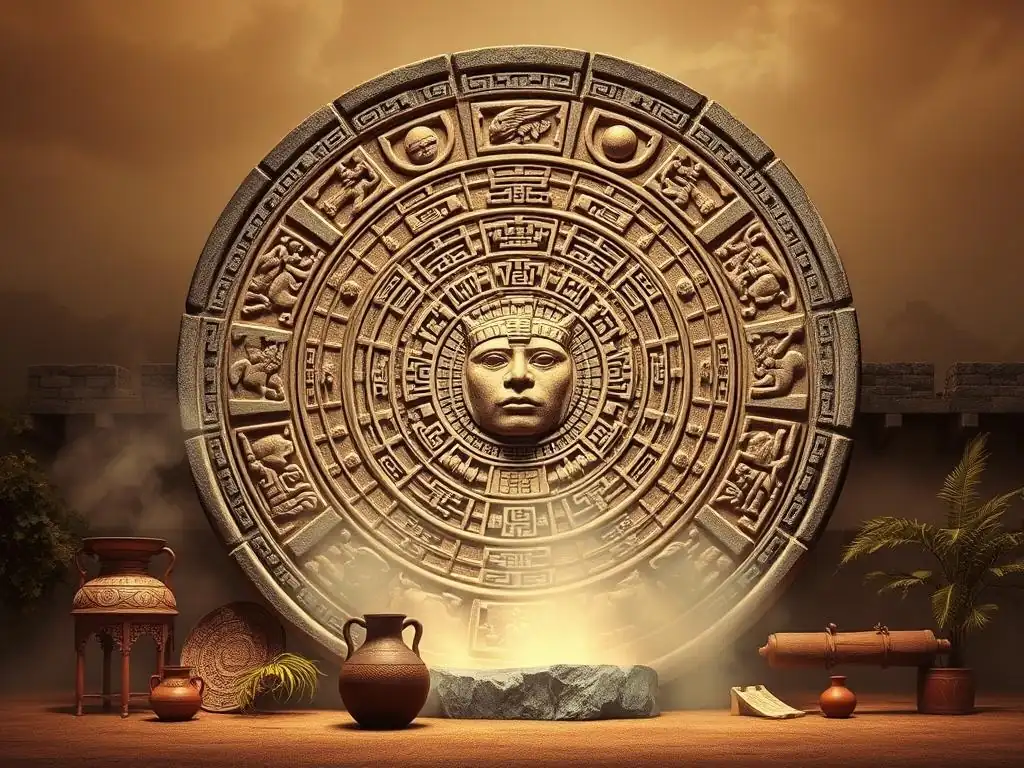
The Aztec Calendar Stone holds profound significance not only as a work of art but also as a cultural and historical symbol within Aztec society. Its importance can be appreciated through its cultural relevance, its role in daily life, and its use in rituals.
Cultural Significance of the Aztec Calendar Stone
As a cultural artifact, the Aztec Calendar Stone represents the deep spiritual beliefs and cosmological understanding of the Aztec civilization. It serves as a testament to their advanced knowledge of astronomy and their ability to map time through their complex calendar systems. The stone embodies the essence of Aztec identity, and its imagery reflects the values, traditions, and religious practices of the society. It is often regarded as a cultural icon that embodies the resilience and creativity of the Aztec people.
The Role of the Calendar Stone in Aztec Society
In Aztec society, the Calendar Stone played a critical role in the organization of daily life and agricultural practices. The cyclical nature of the calendar influenced agricultural cycles, determining when to plant and harvest crops. Additionally, it served as a guide for social and political events, helping to organize festivals and ceremonies. The Calendar Stone was more than just a timekeeping device; it was an integral part of the social fabric, influencing governance and community interactions.
The Aztec Calendar Stone in Rituals and Ceremonies
The Aztec Calendar Stone was central to various rituals and ceremonies that celebrated the cycles of life and the forces of nature. It was often used in religious practices to invoke the gods, particularly during ceremonies seeking to ensure a successful harvest or to honor the sun deity.
The stone served as a focal point during these rituals, where offerings and sacrifices were made to appease the gods and seek their favor. These practices reflected the deep intertwining of art, culture, and spirituality in Aztec society, with the Calendar Stone standing as a powerful symbol of their beliefs and traditions.
Interpretation and Meaning of the Aztec Calendar Stone
The Aztec Calendar Stone, also known as the Sun Stone, is not merely a timekeeping device but a profound representation of the Aztec worldview. Its intricate carvings and astronomical significance reflect the complexities of time, cosmology, and spirituality in Aztec society. The stone serves as a powerful cultural symbol, embodying the beliefs, values, and knowledge that were integral to the Aztec civilization. By studying the various elements of the stone, we can glean insights into how the Aztecs perceived their universe and the role of humanity within it.
Understanding the Calendar System of the Aztecs
The Aztecs utilized a sophisticated calendar system that combined two distinct cycles: the Tonalpohualli, a 260-day ritual calendar, and the Xiuhpohualli, a 365-day solar calendar. The Tonalpohualli consisted of 20 periods of 13 days, while the Xiuhpohualli was divided into 18 months of 20 days, plus an additional month of 5 "unlucky" days. The interplay between these calendars allowed the Aztecs to track agricultural cycles, religious events, and important societal activities.
The Calendar Stone serves as a visual representation of this intricate system, with the central figure of the sun god Tonatiuh surrounded by symbols representing the days and months. The Aztecs believed that time was cyclical, and the stone's design underscores the importance of cycles in their cosmology. The Aztec calendar system not only organized time but also provided a framework for understanding the natural world and the divine forces that governed it.
The Spiritual and Cosmological Interpretations of the Calendar Stone
The Aztec Calendar Stone is steeped in spiritual significance and cosmological beliefs. Central to its interpretation is the idea of creation and destruction, reflecting the Aztec understanding of the universe as being in a constant state of flux. The stone features images of the five worlds or "suns," each representing an era of creation that ended in cataclysm. According to Aztec myth, the current age is the Fifth Sun, which is destined to end in a series of cataclysms unless appeased by human sacrifice.
The stone's imagery illustrates the interplay between life and death, time and eternity, emphasizing the importance of rituals in maintaining cosmic balance. The Aztecs believed that honoring the gods through ceremonies and offerings was essential for ensuring the continuation of the current era and the stability of their world. Thus, the Calendar Stone is a testament to the deep spiritual connection the Aztecs had with time, existence, and the universe.
The Legacy of the Aztec Calendar Stone
The legacy of the Aztec Calendar Stone extends far beyond its initial creation in the 15th century. This iconic artifact continues to captivate scholars, artists, and the general public, serving as a symbol of Mexican heritage and indigenous resilience. The stone has become a focal point for discussions about pre-Columbian cultures and their contributions to human civilization.
Modern Relevance of the Aztec Calendar Stone
In contemporary society, the Aztec Calendar Stone is often invoked as a symbol of identity and pride among Indigenous peoples in Mexico and beyond. It represents a connection to ancestral knowledge and cultural heritage, playing a crucial role in the ongoing efforts to reclaim and celebrate Indigenous histories. The stone's image is frequently utilized in various forms of media, including literature, film, and merchandise, further embedding it within modern cultural narratives.
Moreover, the stone's interpretations and meanings continue to inspire new generations of artists and scholars, prompting a reevaluation of indigenous contributions to science, art, and philosophy. This revitalization of interest in the Aztec Calendar Stone underscores its significance as a cultural touchstone, bridging the past and present.
The Influence of the Aztec Calendar Stone on Contemporary Art and Culture
The Aztec Calendar Stone has profoundly influenced contemporary art and culture, inspiring countless artists to explore themes of identity, time, and spirituality. Its intricate designs and symbolism have been reinterpreted in various artistic mediums, from painting and sculpture to digital art and fashion. Artists often draw on the stone's motifs to express their connection to Indigenous heritage and to challenge prevailing narratives about history and culture.
Additionally, the Calendar Stone serves as a source of inspiration for cultural festivals and events that celebrate Indigenous traditions. By incorporating the stone's imagery and themes, these gatherings promote awareness and appreciation of the rich cultural tapestry of the Aztec civilization. In this way, the Aztec Calendar Stone not only retains its historical significance but also continues to shape contemporary artistic and cultural expressions, ensuring that the legacy of the Aztecs endures in the modern world.
Conclusion: The Enduring Significance of the Aztec Calendar Stone
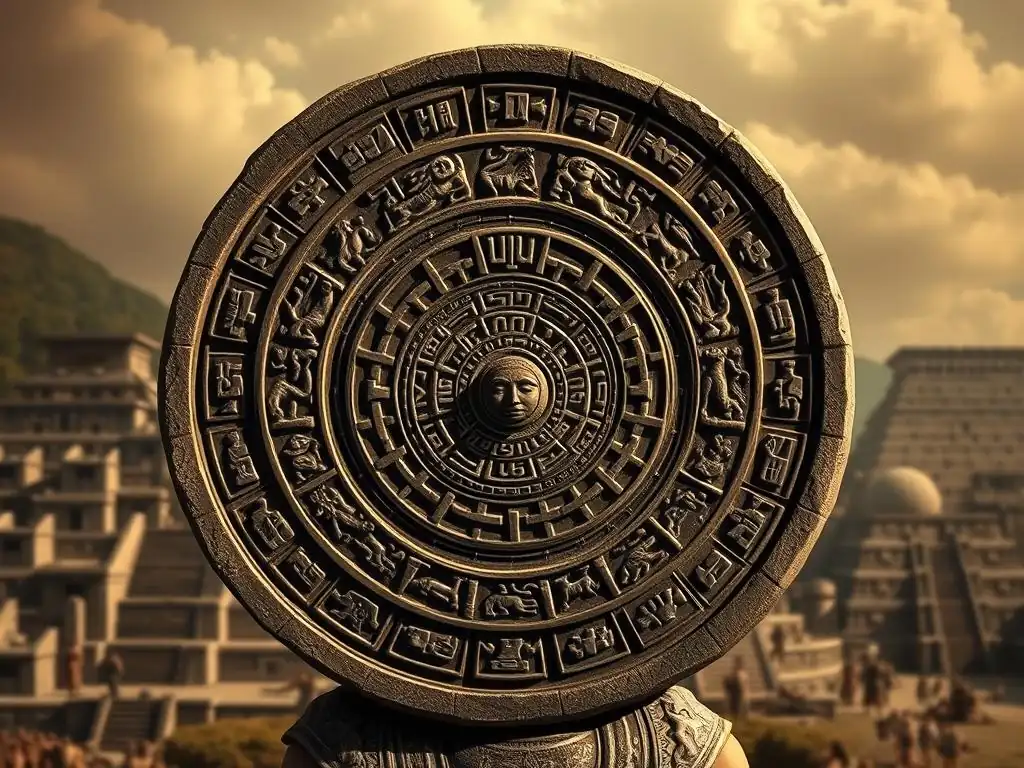
The Aztec Calendar Stone, also known as the Sun Stone, stands as a monumental testament to the rich cultural heritage and intellectual achievements of the Aztec civilization. Its intricate design and symbolic representation of time, cosmology, and the duality of life and death encapsulate the essence of Aztec beliefs and their worldview. The stone is not merely a calendar; it is a narrative of the Aztec understanding of existence, encapsulating their mythology, agricultural cycles, and societal organization.
Moreover, the Aztec Calendar Stone has transcended its original context, becoming a powerful symbol of identity for contemporary indigenous peoples in Mexico. It serves as a reminder of their ancestral roots and the resilience of their cultures in the face of colonization and globalization. The stone’s representation in modern art, literature, and even political discourse highlights its relevance and the ongoing connection to indigenous identity.
Reflection on the Cultural Impact of the Aztec Calendar Stone
The cultural impact of the Aztec Calendar Stone extends far beyond its artistic brilliance. It has played a critical role in shaping the narrative of indigenous history and identity in the Americas. The stone is often featured in cultural events, educational discussions, and public exhibitions that foster a deeper understanding of Aztec civilization and its contributions to global heritage.
Furthermore, the calendar stone has sparked interest and research in various academic fields, including anthropology, archaeology, and art history. Scholars and enthusiasts alike continue to explore its intricate carvings and the meanings behind them, contributing to a growing body of knowledge that honors the sophistication of Aztec culture. This ongoing academic engagement reinforces the significance of the stone as a cultural artifact that continues to educate and inspire future generations.
Final Thoughts on the Artistic Marvel of the Aztec Calendar Stone
The Aztec Calendar Stone is an extraordinary artistic marvel that reflects the ingenuity and creativity of the Aztec civilization. Its complex iconography and monumental scale exemplify advanced artistic techniques and a profound understanding of both form and function. The stone serves not only as a calendar but also as a canvas that conveys the spiritual and philosophical tenets of the Aztecs.
As we reflect on its significance, it becomes evident that the Aztec Calendar Stone is more than an artifact; it is a symbol of cultural pride and a reminder of the rich history that has shaped the Americas. By appreciating and studying this remarkable piece of art, we honor the legacy of the Aztecs and acknowledge the influence their civilization continues to have on contemporary society. The Aztec Calendar Stone stands as a cherished emblem of resilience, creativity, and enduring significance in the tapestry of human history.
- Introduction to the Aztec Calendar Stone
- Historical Context of the Aztec Calendar Stone
- Artistic Features of the Aztec Calendar Stone
- The Significance of the Aztec Calendar Stone
- Interpretation and Meaning of the Aztec Calendar Stone
- The Legacy of the Aztec Calendar Stone
- Conclusion: The Enduring Significance of the Aztec Calendar Stone
- Reflection on the Cultural Impact of the Aztec Calendar Stone
- Final Thoughts on the Artistic Marvel of the Aztec Calendar Stone
Frequently Asked Questions
What is the Aztec calendar stone?
The Aztec calendar stone is an ancient monument created by the Aztec civilization that depicts their understanding of time, cosmology, and religious beliefs.
Why is the Aztec calendar stone significant?
Its significance lies in its detailed representation of the Aztec worldview, showcasing their achievements in art, astronomy, and mythology, and serving as a symbol of their culture.
How was the Aztec calendar stone used in society?
The stone was used as a ceremonial object that marked important rituals and celebrations, reflecting the interconnectedness of their calendar system with daily life.
What does the Aztec calendar stone depict?
It features intricate carvings that include gods, the sun, and various mythological elements, illustrating the complexity of Aztec cosmology and their reverence for time.
Where can one see the Aztec calendar stone today?
The Aztec calendar stone is currently housed in the National Museum of Anthropology in Mexico City, where it remains a popular attraction for those interested in indigenous history.
Final Reflection: The Enduring Significance of the Aztec Calendar Stone
The Aztec Calendar Stone stands as a powerful testament to the ingenuity and cultural richness of the Aztec civilization, reminding us of the intricate relationship between art, science, and spirituality. In today's fast-paced world, where technology often overshadows traditional knowledge, the significance of such historical artifacts becomes even more pronounced. They serve as a bridge connecting us to our past, urging us to appreciate the wisdom embedded in ancient cultures. The Aztec Calendar Stone is not merely a relic; it is a profound symbol of identity and continuity that resonates with contemporary audiences.
The impact of the Aztec Calendar Stone extends beyond its physical form; it has woven itself into the fabric of cultural identity and social consciousness. As we navigate our modern lives, the lessons from this magnificent artifact remind us of the importance of time, cycles, and our place within the universe. The stone encapsulates the Aztec worldview, emphasizing harmony with nature and the cosmos. Time is a circle, and every ending is a new beginning.
This perspective encourages us to reflect on our own lives, recognizing the cycles we experience and the significance of each moment.
As we close this exploration of the Aztec Calendar Stone, I invite you to reflect on its lessons and consider how they might apply to your own life. Embrace the idea that every day is an opportunity for renewal and growth. Let the wisdom of the ancients inspire you to find balance in your life, to honor the cycles of nature, and to appreciate the beauty of your own journey. The significance of the Aztec Calendar Stone is not confined to history; it is a call to live with intention and awareness in the present.
Unveil the Mysteries of the Aztec Calendar!
Thank you for exploring the rich history and artistry of the Aztec Calendar Stone. We hope you’ve gained a deeper appreciation for this remarkable cultural symbol and its significance. Now, it's time to take your interest further and connect with this fascinating legacy.
Here are a few ways you can engage:
- Explore more about the Aztec civilization and other indigenous cultures through additional articles available on our website.
- Share your newfound knowledge with friends or family—spark a conversation about the beauty and complexity of indigenous symbolism.
- Consider visiting a local museum or cultural event that showcases artifacts or exhibitions related to ancient civilizations.
What intrigues you most about the Aztec Calendar Stone and its relevance in today’s world? We invite you to share your thoughts in the comments below!