
Daily Life in Aztec Society: Reflections of Culture Through Art

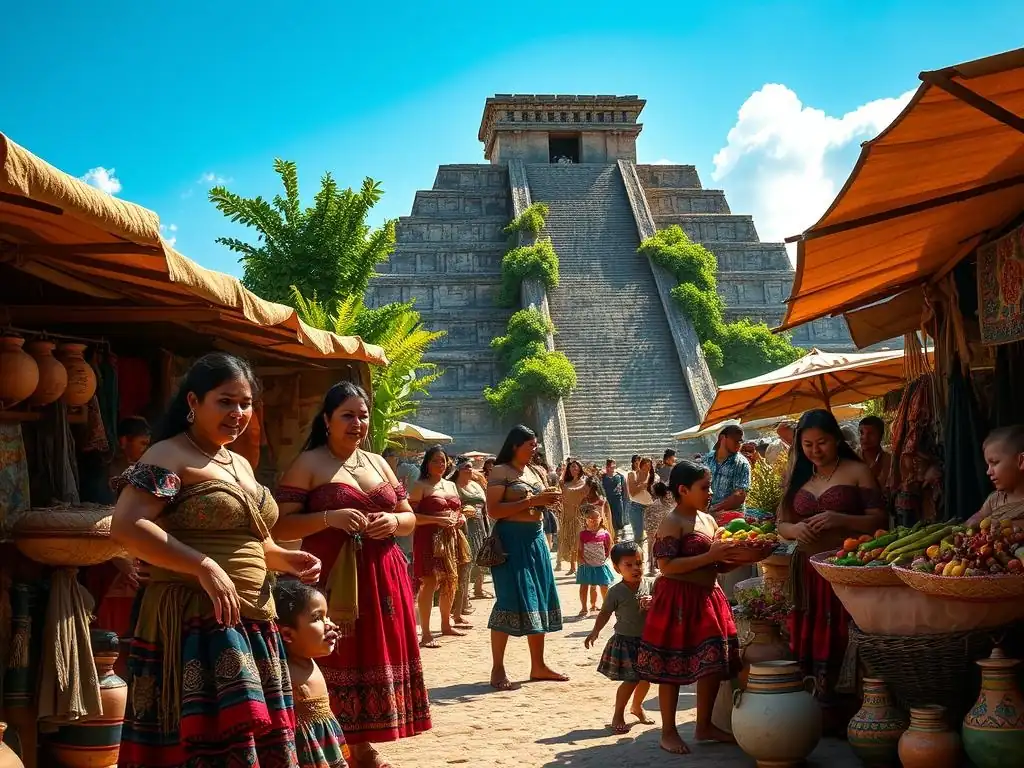
Welcome to Indigenous Civilizations of the Americas, where we invite you to embark on a fascinating journey through the rich tapestry of cultures that flourished long before European footprints graced these lands. In our feature article, “ Daily Life in Aztec Society: Reflections of Culture Through Art,” we delve deep into the vibrant world of Aztec culture and daily life, uncovering how art and daily practices intertwined to reflect their extraordinary achievements and societal structures.
Prepare to be captivated by stories that reveal the essence of a civilization that continues to inspire and influence us today. Join us as we explore the legacies of these remarkable peoples and discover what their lives can teach us about our world!
Introduction to Aztec Culture and Daily Life
The Aztec civilization, which flourished in central Mexico between the 14th and 16th centuries, serves as a profound testament to the complexity and richness of indigenous cultures in the Americas. This article delves into the intricacies of Aztec culture and daily life, exploring how their artistic expressions reflect the values, beliefs, and social structures that defined their society.
From the vibrant murals that adorned their temples to the intricate crafts produced by skilled artisans, the art of the Aztecs offers a window into their everyday experiences, rituals, and interactions. Understanding daily life in Aztec society not only highlights their remarkable achievements but also sheds light on their enduring legacy that continues to influence modern perceptions of indigenous cultures.
Overview of Aztec Civilization
The Aztec Empire, known as Mexica, emerged as one of the most powerful and sophisticated societies in Mesoamerica. Centered around the capital city of Tenochtitlán, the Aztecs developed a complex socio-political structure, advanced agricultural practices, and a rich spiritual life. Their society was characterized by:
- A hierarchical system: With rulers, nobles, priests, and commoners.
- Innovative agricultural techniques: Such as chinampas, which allowed for productive farming on floating islands.
- A polytheistic belief system: Centered around gods representing various aspects of life and nature.
The Aztecs' achievements in architecture, engineering, and art are evident in their monumental structures and exquisite artifacts, making them a focal point for the study of pre-colonial indigenous cultures.
Importance of Art in Aztec Society
Art played a crucial role in Aztec society, serving not only as a means of expression but also as a reflection of their values, religious beliefs, and social structures. The Aztecs utilized various forms of art, including:
- Sculpture: Monumental stone carvings that depicted deities, mythical creatures, and historical events.
- Ceramics: Functionally designed pottery adorned with intricate designs and symbolic motifs.
- Textiles: Colorful garments and woven items that showcased their artistic skills.
Art was intertwined with daily life and rituals, often used in ceremonies to honor their gods or commemorate significant events. This interplay between art and culture highlights the significance of creative expression in shaping the identity and legacy of the Aztecs.
The Daily Life of the Aztecs
Structure of Aztec Society
Daily life in the Aztec Empire was deeply influenced by its rigid social hierarchy. The society was divided into distinct classes:
- Nobility: Comprised of leaders, priests, and wealthy landowners who wielded significant power and influence.
- Commoners: Farmers, artisans, and merchants who formed the backbone of the economy.
- Slaves: Individuals who were often prisoners of war or those who had fallen into debt, performing essential labor for the upper classes.
This stratified structure dictated the roles and responsibilities of individuals within the society, shaping their daily experiences and interactions.
Roles of Different Social Classes in Daily Life
Each social class had specific roles that contributed to the functioning of Aztec society.
- Nobles engaged in governance, religious ceremonies, and warfare, often receiving education in various disciplines.
- Commoners worked the land, produced goods, and participated in trade, playing a vital role in sustaining the economy.
- Artisans specialized in crafts, creating items that were both functional and decorative, reflecting the artistry of their culture.
The collaboration between these classes ensured the prosperity of the Aztec Empire, with each contributing to the cultural and economic fabric of daily life.
Family Life and Social Interactions in Aztec Culture
Family units were central to Aztec society, with household structures typically consisting of extended families living together. These family dynamics fostered strong bonds and community support.
- Marriage and Relationships: Often arranged for social and economic reasons, marriages were seen as a means of strengthening alliances.
- Education: Children were educated based on their social status, with noble children receiving formal schooling, while commoners learned trades from their parents.
Social interactions were vital, with community gatherings, festivals, and religious ceremonies providing opportunities for connection and cultural expression. Through these interactions, the Aztecs maintained a rich tapestry of cultural practices that defined their daily lives and reflected their enduring legacy.
Art as a Reflection of Aztec Daily Life
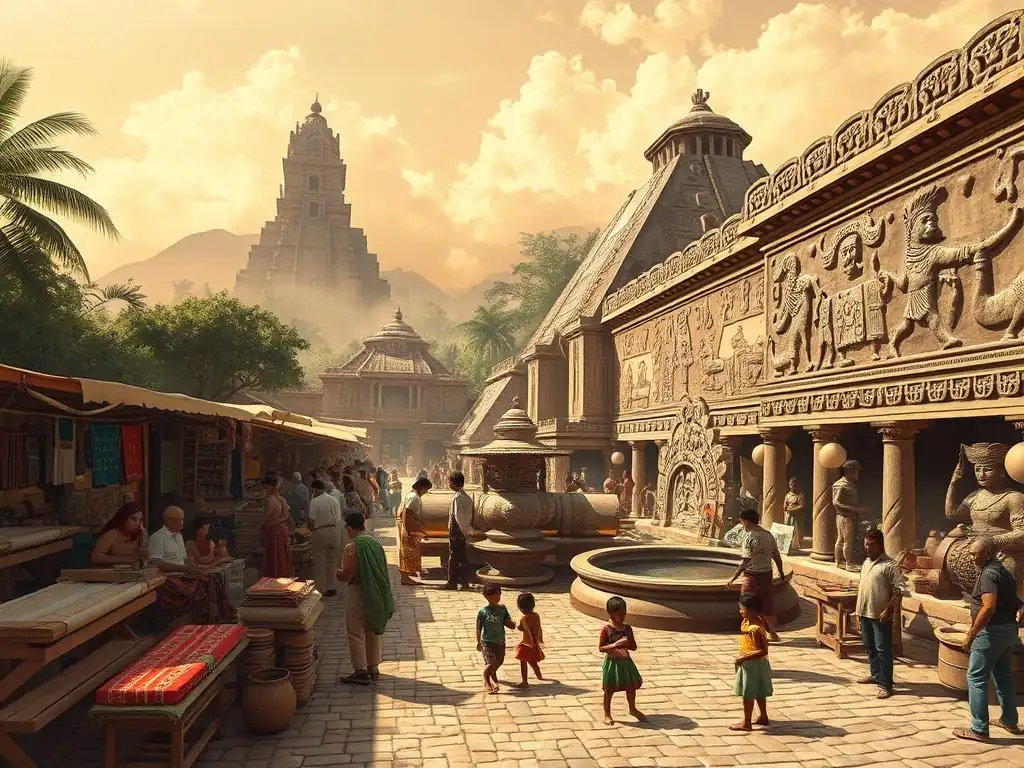
Art in Aztec society was not merely for aesthetic enjoyment; it served as an essential mirror reflecting the complexities of daily life, social structures, and cultural values. The Aztecs infused their art with significance, using it as a medium to convey their beliefs, social status, and community practices. From intricate pottery to grand murals, the various forms of art depicted everything from mundane activities to ceremonial events, making it a vital component of their identity.
Aztec culture and daily life were characterized by a rich tapestry of colors, forms, and materials. Artists employed natural pigments and local resources, such as clay and stone, to produce works that were both functional and symbolic. Artisans were often revered in society, and their creations served both practical purposes and spiritual functions. The artwork functioned as a narrative device, telling stories about the people, their gods, and their environment, thus encapsulating the essence of Aztec civilization.
Types of Art in Aztec Society
The Aztecs produced a diverse array of artistic expressions that served various purposes and reflected different aspects of their daily lives. Some of the primary types of art include:
- Pottery: Aztec pottery was often ornately decorated with designs that depicted gods, animals, and daily activities. Functional items like bowls and jars were common, but ceremonial vessels were crafted for religious rituals.
- Sculpture: Stone sculptures played a crucial role in Aztec art, often representing deities and historical figures. These pieces were typically displayed in temples and public spaces, reinforcing their cultural significance.
- Textiles: The Aztecs were skilled weavers, creating intricate textiles that showcased their artistic talents. These fabrics often featured vibrant colors and patterns, with some serving as status symbols within the society.
- Murals: Wall paintings adorned temples and public buildings, illustrating myths, historical events, and daily life. These murals not only beautified spaces but also served educational purposes, conveying the community's values and beliefs.
- Jewelry and Ornaments: Craftsmanship in gold, silver, and precious stones was prevalent in Aztec jewelry. These items were often worn by the elite and used in religious ceremonies, showcasing wealth and status.
Themes and Symbols in Aztec Art
The themes and symbols in Aztec art were deeply intertwined with their worldview, representing various aspects of life, nature, and spirituality. Some predominant themes include:
- Nature: Many artworks featured natural elements, such as plants and animals, reflecting the Aztecs' connection to the environment. Symbolic representations of crops like maize emphasized the importance of agriculture in their civilization.
- Mythology: Aztec art frequently depicted mythological narratives and deities, showcasing the rich tapestry of their belief system. Artistic representations of gods like Quetzalcoatl and Huitzilopochtli were prevalent, serving both devotional and educational purposes.
- Human Experience: Everyday activities, such as farming, hunting, and family life, were common subjects in Aztec art. These depictions highlighted the values of community, labor, and sustenance.
- War and Conquest: Reflecting the militaristic aspects of Aztec society, art often celebrated victories in battle, illustrating warriors and symbols of power. This theme reinforced the societal importance of strength and dominance.
The Influence of Religion on Daily Life and Art
Religion was a cornerstone of Aztec life, permeating every aspect of their daily routines and cultural expressions. The intricate relationship between religion and art manifested in various ways, influencing the themes, styles, and purposes of artistic creations.
Major Deities and Their Reflection in Daily Activities
The Aztecs worshiped a pantheon of gods, each representing different aspects of life and nature. Major deities such as Tlaloc, god of rain, and Xipe Totec, the god of agriculture and renewal, were central to daily activities. Their influence could be seen in the agricultural calendar, where rituals aligned with planting and harvesting cycles. Artistic representations of these gods served as reminders of their omnipresence and importance in everyday life.
Artworks often depicted these deities in various forms, emphasizing their attributes and powers. For instance, depictions of Tlaloc might include symbols of water and fertility, reinforcing the community’s dependence on agriculture. Such representations were not merely decorative; they served to honor the gods and invoke their blessings, showcasing the deep interconnection between daily life and spirituality.
Rituals and Festivals: A Cultural Expression
Rituals and festivals were vital to Aztec society, providing a structured means to honor their gods and celebrate community life. These events were often marked by elaborate art and performances, showcasing the unique cultural expressions of the Aztecs.
During festivals, intricate masks, costumes, and ceremonial items were crafted, combining artistry with religious significance. The ceremonies served to reinforce social bonds and cultural identity, allowing the community to engage in their shared beliefs. Artistic expressions during these events often included music, dance, and offerings, creating a vibrant atmosphere that reflected the joyous spirit of Aztec culture.
Artistic Depictions of Religious Practices
Art also played a crucial role in depicting religious practices within Aztec society. The sacrificial rituals, often seen as a means to appease the gods, were a recurring theme in Aztec art. Such depictions provided insight into the spiritual beliefs and societal values that governed everyday life.
Sculptures and murals illustrated the act of sacrifice, showcasing the reverence and seriousness with which the Aztecs approached their rituals. These artworks often included detailed representations of the ceremonial attire, the altar, and the participants, emphasizing the communal nature of these practices. Through art, the Aztecs communicated the importance of their religious beliefs, ensuring that the connection between daily life and spirituality remained a focal point of their culture.
The Role of Trade and Economy in Aztec Art
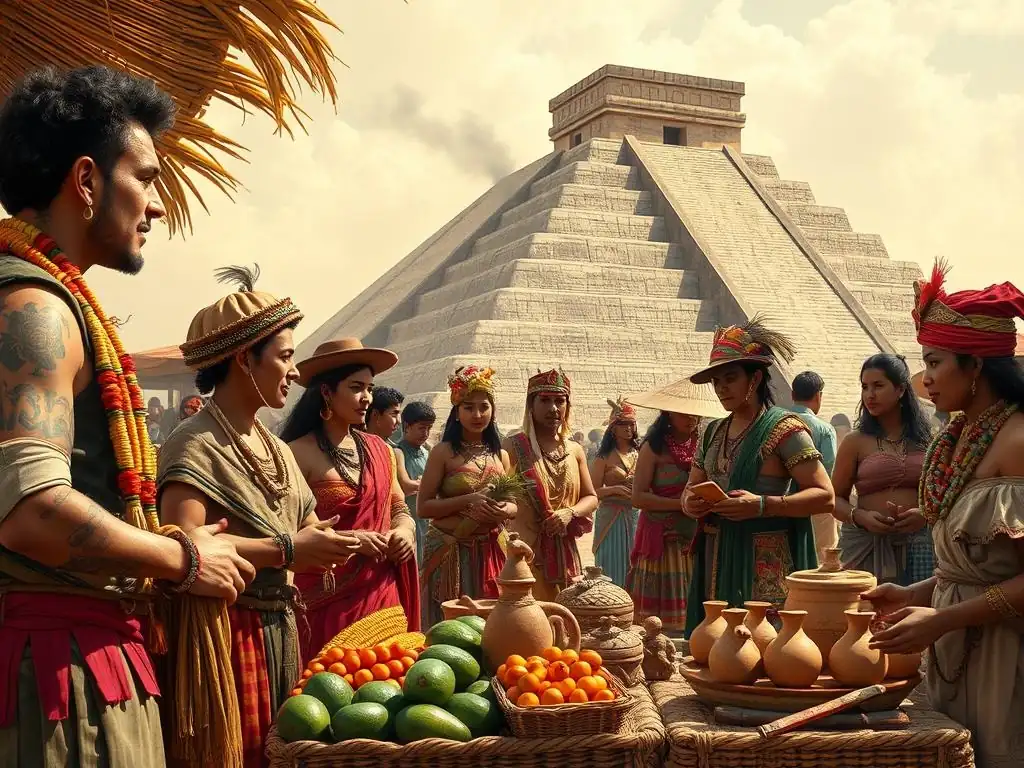
The intricate relationship between trade, economy, and art in Aztec society is a testament to how economic activities influenced cultural expressions. The Aztecs established a complex economy that relied heavily on trade, which in turn had a profound impact on artistic production and cultural development. Art was not merely an aesthetic pursuit; it served as a vital component of trade and a reflection of the society's economic dynamics.
The flourishing trade networks allowed for the exchange of goods, ideas, and artistic techniques across Mesoamerica. This interaction led to a rich tapestry of artistic styles and motifs that were influenced by various cultures. As a result, Aztec art became a unique amalgamation of local traditions and external influences, showcasing the civilization's adaptability and creativity.
Trade Networks and Their Impact on Art Production
Trade networks were essential for the Aztecs, connecting them to distant regions such as the Gulf Coast, the Pacific Coast, and even the American Southwest. These routes facilitated the exchange of not only commodities like cacao, textiles, and pottery but also artistic materials such as jade, obsidian, and feathers. The availability of diverse materials enriched artistic practices and allowed artisans to experiment with various techniques and styles.
For instance, the extensive use of turquoise and other semi-precious stones in Aztec jewelry and sculptures can be traced back to trade with neighboring regions. Moreover, the demand for luxury items among the elite fueled the creation of intricate artworks that depicted their power and prestige. The art produced was often imbued with symbolic meaning, reflecting the values and beliefs of Aztec society.
Artifacts as Indicators of Economic Status
Artifacts from Aztec society serve as significant indicators of economic status and social hierarchy. Items such as elaborately decorated pottery, intricate textiles, and finely crafted jewelry reveal much about the wealth and standing of their owners. The more ornate and detailed the artifact, the higher the social status it represented.
For example, the use of vibrant colors and complex designs in pottery was often reserved for the higher classes, while simpler designs were more common among the common people. Additionally, the presence of specific materials, such as gold or precious stones, in an artifact can indicate the economic power of its owner. Thus, the art produced in Aztec society not only reflects aesthetic values but also serves as a visual representation of the economic stratification within the culture.
Preservation of Aztec Culture Through Art
Art has played a crucial role in preserving the rich cultural heritage of the Aztec civilization. Although much of the society was disrupted following European colonization, the artistic legacy of the Aztecs continues to resonate through various forms, providing insight into their beliefs, practices, and daily life. The preservation of Aztec culture through art is not only vital for historical understanding but also for appreciating the complexity of their social fabric.
Archaeological Discoveries and Their Significance
Recent archaeological discoveries have unearthed numerous artifacts that offer a glimpse into Aztec life and artistry. From monumental sculptures to intricate murals, these findings provide valuable context for understanding the cultural practices and societal structures of the Aztecs. Sites like Templo Mayor in Mexico City have revealed a wealth of artistic treasures, including offerings that highlight the ceremonial importance of art in Aztec religion and daily life.
These archaeological sites serve as crucial links to the past, allowing researchers and historians to piece together the narrative of Aztec civilization. The significance of these discoveries extends beyond mere academic interest; they foster a sense of identity and continuity among contemporary indigenous communities, reminding them of their rich heritage.
Modern Interpretations of Aztec Art
In contemporary society, Aztec art continues to inspire and influence modern artistic expressions. Artists today often reinterpret traditional Aztec motifs and themes, merging them with contemporary techniques and materials. This modern reinterpretation not only honors the legacy of Aztec culture but also serves as a form of resistance against cultural erasure.
Furthermore, the revival of interest in indigenous art has led to a renewed appreciation for Aztec aesthetics in various forms, including fashion, graphic design, and public art installations. By embracing their heritage, modern artists contribute to the ongoing dialogue about identity, culture, and history, ensuring that the legacy of Aztec culture remains vibrant and relevant in today's world.
Conclusion: The Legacy of Aztec Culture and Daily Life
The legacy of Aztec culture and daily life is a profound testament to the creativity and resilience of its people. Despite the challenges posed by European colonization, many aspects of Aztec life have persisted and continue to influence contemporary society, particularly among indigenous communities. Art, as a reflection of daily life, serves as a crucial medium through which the Aztecs expressed their values, beliefs, and social structures. The intricate artistry found in their murals, pottery, and sculptures not only showcases their technical prowess but also embodies the spiritual and social narratives that defined their civilization.
Summary of Key Insights
In examining the daily life of the Aztecs, several key insights emerge:
- Social Structure: Aztec society was highly stratified, with clear distinctions between nobility, commoners, and enslaved individuals. This hierarchy was reflected in their daily practices, roles, and responsibilities.
- Cultural Practices: Rituals, ceremonies, and festivals played a vital role in daily life, reinforcing community bonds and spiritual connections to their gods and ancestors.
- Artistic Expression: The integration of art into everyday life, whether through textiles, pottery, or monumental architecture, highlights the importance of aesthetics in Aztec culture. Art was not merely decorative; it served as a vehicle for storytelling and cultural transmission.
- Agricultural Innovation: The Aztecs were skilled agriculturalists, utilizing advanced techniques such as chinampas (floating gardens) to maximize crop yields, which supported their large population and complex society.
Lasting Impact on Indigenous Identity and Culture
The impact of Aztec culture on modern indigenous identity is substantial. Many contemporary indigenous groups in Mexico and Central America draw upon Aztec traditions, languages, and practices as a source of pride and cultural continuity. Festivals that celebrate Aztec heritage, traditional crafts, and culinary practices are vital in maintaining this connection to the past.
Additionally, the resurgence of Nahuatl language and the incorporation of Aztec symbols in contemporary art and politics serve as affirmations of identity and resistance against colonial legacies. This enduring influence reflects a broader trend of revitalization among indigenous cultures, where ancient practices are adapted and reinterpreted within modern contexts.
Further Exploration of Aztec Art and Culture
To fully appreciate the richness of Aztec art and culture, further exploration is essential. The intricate connections between daily life, spirituality, and artistic expression offer a window into the values and beliefs of this remarkable civilization. Engaging with various resources can provide deeper insights into specific aspects of Aztec life, including their agricultural practices, social organization, and artistic achievements.
Recommended Resources and Additional Readings
For those interested in delving deeper into Aztec culture and daily life, the following resources are recommended:
- Books:
- "Aztec Thought and Culture: A Study of the Ancient Mexicans" by Miguel León-Portilla
- "The Aztecs: A Very Short Introduction" by David Carrasco
- Documentaries:
- "The Aztecs: An Epic History" – A comprehensive documentary series exploring their civilization.
- Online Courses:
- Many universities offer free online courses on Mesoamerican history that cover the Aztec civilization in detail.
Related Articles on Aztec Art and Society
To further enrich your understanding of Aztec art and society, consider exploring these related articles:
- The Role of Religion in Aztec Daily Life: An in-depth look at how spirituality influenced everyday practices and social structures.
- Artistic Techniques of the Aztecs: An exploration of the methods and materials used by Aztec artists to create their distinctive works.
- Aztec Society: Structure and Function: A detailed examination of the social hierarchy and its implications for daily life in the Aztec Empire.
By engaging with these resources and articles, readers can gain a more comprehensive understanding of the vibrant and complex world of the Aztecs, revealing the enduring significance of their culture and daily life.
- Introduction to Aztec Culture and Daily Life
- Overview of Aztec Civilization
- Importance of Art in Aztec Society
- The Daily Life of the Aztecs
- Art as a Reflection of Aztec Daily Life
- Types of Art in Aztec Society
- Themes and Symbols in Aztec Art
- The Influence of Religion on Daily Life and Art
- The Role of Trade and Economy in Aztec Art
- Preservation of Aztec Culture Through Art
- Conclusion: The Legacy of Aztec Culture and Daily Life
- Further Exploration of Aztec Art and Culture
Frequently Asked Questions
What were the main aspects of daily life in Aztec society?
Daily life in Aztec society revolved around agriculture, trade, and community events. The socioeconomic structure was complex, with roles assigned based on class and occupation.
How did art reflect the Aztec culture?
Art in Aztec culture served as a medium for storytelling and religious expression. It depicted myths, rituals, and daily activities, showcasing their values and beliefs.
What role did religion play in Aztec daily life?
Religion was central to Aztec daily life, influencing everything from agricultural practices to social gatherings. Rituals and ceremonies were integral, often involving offerings to their gods.
The social hierarchy in the Aztec civilization dictated roles and responsibilities. Nobles enjoyed privileges, while commoners engaged in labor and trade, impacting their daily experiences.
What were some key achievements of the Aztec civilization?
The Aztec civilization is known for its impressive architecture, sophisticated agricultural techniques, and a rich tradition of art and literature. These achievements significantly influenced later cultures in the Americas.
Final Reflection: The Enduring Legacy of Aztec Culture and Daily Life
The exploration of Aztec culture and daily life reveals a rich tapestry of art and tradition that continues to resonate in contemporary society. Today, as we navigate a world increasingly defined by globalization and cultural exchange, the lessons drawn from the Aztec way of life remind us of the importance of heritage and identity. The intricate artistry and communal values of the Aztecs serve as a powerful reminder of how culture shapes our daily experiences and interactions.
The influence of Aztec culture is not merely a relic of the past; it is a living testament to the resilience of traditions that have transcended time. From the vibrant murals that depict their daily rituals to the intricate crafts that tell stories of their gods and nature, the Aztecs have left an indelible mark on the cultural landscape. As historian Miguel León-Portilla once said, The Aztecs were not just a people of war; they were a people of art, poetry, and profound spirituality.
This observation underscores the multifaceted nature of their society, which continues to inspire artists and scholars alike.
As we reflect on the lessons of Aztec culture, let us embrace the call to honor our own traditions while remaining open to the beauty of diversity. Consider how the values of community, creativity, and respect for nature can enrich your daily life. In a world that often prioritizes individualism, let us strive to cultivate connections that celebrate our shared humanity, drawing inspiration from the past to shape a more inclusive future.
Unveil the Rich Tapestry of Aztec Life!
Thank you for diving into the fascinating world of Aztec society with us! You’ve uncovered treasures of culture and artistry that reveal so much about this remarkable civilization. Now, it's time to take the insights you’ve gained and transform your newfound knowledge into action.
Here are some engaging steps you can take to further explore and celebrate Aztec culture:
- Immerse Yourself in Art: Visit a local museum featuring Mesoamerican artifacts or explore online galleries that showcase the beauty of Aztec art. You might discover a deeper appreciation for their incredible craftsmanship!
- Join a Community Dialogue: Engage with others who share your interest in Indigenous cultures. Consider participating in an online forum or a local group dedicated to exploring Indigenous history and arts.
- Create Your Own Aztec-Inspired Art: Unleash your creativity by crafting your own artwork inspired by traditional Aztec designs. Share your creations on social media to spread awareness and encourage others to appreciate this rich culture!
By taking these steps, you’ll not only honor the Aztec culture but also inspire others to learn and appreciate it.
What aspect of Aztec culture captivates you the most, and how do you plan to explore it further?