
The Influence of the Natural World on Aztec Artistic Expression

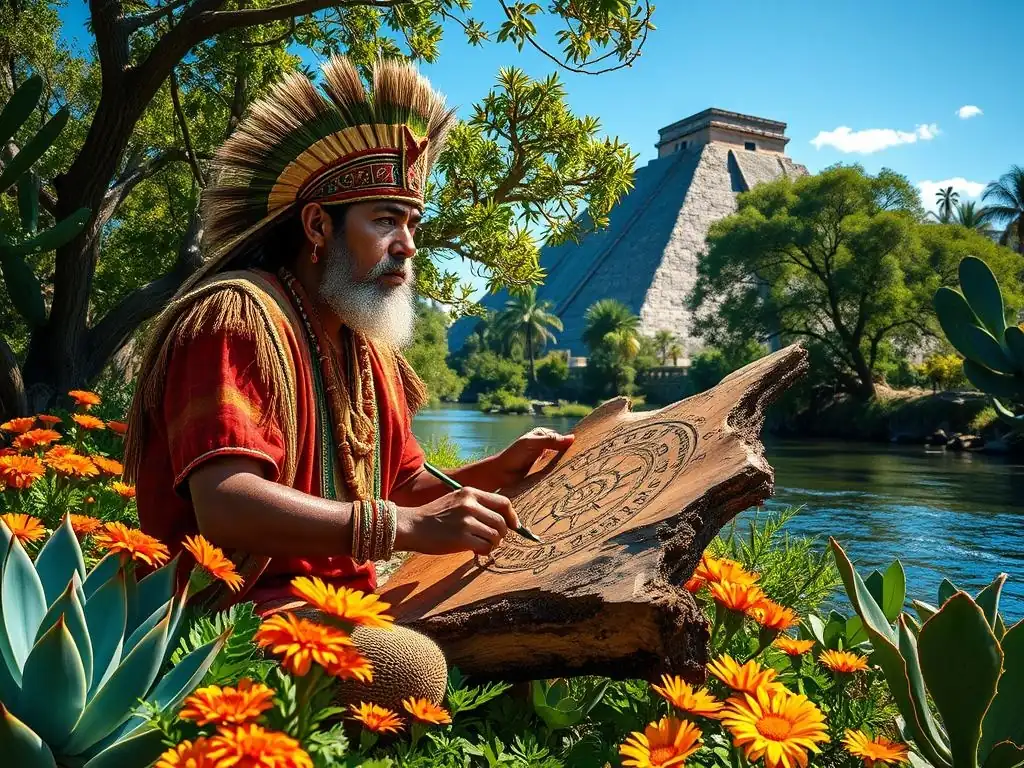
Welcome to Indigenous Civilizations of the Americas, where we invite you to embark on a fascinating journey through the rich tapestry of pre-colonial cultures that flourished across the vast landscapes of the Americas. Dive into our featured article on "The Influence of the Natural World on Aztec Artistic Expression," where we unveil how the vibrant beauty of nature shaped the creative spirit of the Aztec civilization. Discover the intricate connections between their art and the environment, and prepare to be captivated by the profound significance of these cultural legacies.
What secrets lie within the colors and forms of Aztec art? Join us as we explore the answers that await you!
Introduction to Aztec Art and Nature Influence
The Aztec civilization, flourishing between the 14th and 16th centuries in what is now Mexico, is renowned for its complex social structures, impressive architectural feats, and most notably, its vibrant artistic expressions. Central to the creation of Aztec art was the profound relationship these people had with the natural world. The influences of their environment—ranging from the lush landscapes to the diverse ecosystems—shaped not only their artistic practices but also their cultural identity.
Aztec art is characterized by intricate designs, vivid colors, and a deep-rooted symbolism that reflects the interconnectedness of nature and the cosmos. From sculptures to pottery, the natural world is omnipresent, serving as both muse and medium. This article delves into the ways in which nature influenced Aztec artistic expression, exploring the spiritual beliefs that intertwined with their art and the specific symbols derived from their surroundings. Through this exploration, we gain insight into how the Aztecs viewed their world and the legacy of their artistic achievements that continue to inspire contemporary discussions about art and culture.
The Role of Nature in Aztec Beliefs
Nature held a sacred place in the belief systems of the Aztecs, who viewed the world around them as a living entity imbued with spiritual significance. The Aztecs believed that the gods were intimately connected to the natural elements, and this connection influenced their artistic creations.
- Natural Elements in Religion:
- Water: Essential for life, often symbolized fertility and renewal.
- Earth: Represented stability and motherhood, frequently depicted in sculpture and pottery.
- Fire: Associated with sacrifice and transformation, often illustrated in ceremonial art.
As a result, Aztec artists infused their work with symbols and themes that celebrated nature's power and beauty, reflecting the reverence their society held for the natural world.
Nature as a Source of Inspiration
The diverse landscapes of the Aztec empire, from mountains to rivers to forests, provided a plethora of inspiration for artistic expression. Artists often sought to capture the essence of their surroundings, portraying not only the beauty of nature but also its raw power.
- Landscapes in Art: Many murals and sculptures depicted mountains, valleys, and celestial bodies, illustrating the relationship between the people and their environment.
- Textural Elements: Artists utilized natural materials such as clay, stone, and plant fibers, allowing their works to resonate with the texture and feel of the natural world.
This profound connection to nature facilitated a unique artistic language, allowing the Aztecs to express their understanding of the world around them.
Symbolism of Flora and Fauna
Flora and fauna played a vital role in Aztec art, embodying various meanings and cultural narratives. Different plants and animals were not only depicted in art but were also imbued with spiritual significance.
| Symbol | Meaning |
|---|---|
| Eagle | Strength, nobility, and the sun |
| Jaguar | Power, the underworld, and warfare |
| Cacti | Resilience, sustenance, and survival |
| Maize | Fertility, life, and sustenance |
The use of these symbols in artistic representations served to convey messages about the Aztec worldview, their relationship with nature, and their cultural heritage. Through these artistic expressions, the Aztecs communicated not just their aesthetic values but also their spiritual beliefs, creating a rich tapestry of meaning that resonates through the ages.
Common Themes in Aztec Art Reflecting Nature
Aztec art is rich with themes that are deeply rooted in the natural world, reflecting the civilization's intricate relationship with their environment. Nature was not merely a backdrop but a central element that influenced their artistic expression. The Aztecs viewed nature as a living entity, filled with spiritual significance, and this belief system permeated their artwork. Common themes include representations of flora and fauna, the four elements, and the profound cycle of life and death, all of which highlight the integral connection between the Aztec people and their surroundings.
Through their art, the Aztecs conveyed their understanding of the natural world, using various motifs that celebrated the beauty and complexity of life. Animals often symbolized power, fertility, and the divine, while plants represented sustenance and the interconnectedness of existence. This perspective fostered a unique artistic vision that continues to resonate in modern interpretations of indigenous art.
Depictions of the Four Elements
The four elements—earth, water, fire, and air—are recurrent motifs in Aztec art, each representing different aspects of life and the cosmos.
- Earth: Often depicted through images of mountains, soil, and agricultural symbols, earth is associated with fertility and sustenance. The importance of agriculture in Aztec society is reflected in their artistic representations of maize, which was a staple crop.
- Water: Representations of rivers, lakes, and rain deities underscore the significance of water in maintaining life and supporting agriculture. Artistic depictions often include water symbols alongside fertility gods, emphasizing their interdependence.
- Fire: Fire is frequently represented through the imagery of the sun and its life-giving properties. The sun was central to Aztec cosmology, symbolizing warmth, light, and the cycle of day and night.
- Air: Air is represented through birds and clouds, often seen in the context of celestial themes. Birds, in particular, hold spiritual significance, symbolizing the connection between the physical and spiritual realms.
These elemental representations not only showcase the Aztecs' artistic skills but also their deep philosophical understanding of the world around them.
The Cycle of Life and Death in Nature
The cyclical nature of life and death is a prominent theme in Aztec art, reflecting their beliefs about the universe's perpetual regeneration. This cycle is often illustrated through motifs that depict birth, growth, decay, and rebirth.
- Symbolic Representations: Common symbols include skulls, which represent death, and flowers, which signify life and renewal. This juxtaposition underscores the Aztec belief that death is not an end but a transformation.
- Seasonal Changes: Artistic expressions often reflect the changing seasons, correlating with agricultural cycles. For example, depictions of blooming flowers in spring contrast with autumn harvest imagery, emphasizing the rhythm of nature.
- Mythological References: Many artworks incorporate mythological narratives that explain the cycle of life and death, such as the stories of gods who die and are reborn. These narratives reinforce the idea that life is a continuous cycle influenced by natural forces.
Through these themes, Aztec art encapsulates the profound respect and reverence the civilization held for nature and its cycles.
Techniques and Materials in Aztec Art Inspired by Nature
The techniques and materials used in Aztec art were often derived from natural sources, reflecting the civilization's resourcefulness and creativity. By harnessing the materials available in their environment, the Aztecs created stunning artworks that conveyed their connection to nature.
Natural Pigments and Dyes
Aztec artists utilized a wide range of natural pigments and dyes to create vibrant colors in their artwork. These pigments were sourced from minerals, plants, and insects, demonstrating a sophisticated understanding of their environment.
- Mineral Pigments: Colors such as red, yellow, and blue were derived from minerals like ochre, azurite, and hematite. These were ground into powders and mixed with binders to create paints used for murals, pottery, and textiles.
- Plant-Based Dyes: Plants like indigo were used to produce deep blue hues, while cochineal insects provided rich red dyes. These natural dyes were integral to the production of textiles and ceremonial garments, showcasing the Aztecs' expertise in color.
- Sustainability: The use of natural materials underscores the Aztecs' commitment to sustainability, as they utilized resources available in their surroundings without depleting them.
Sculpture and Architecture
Aztec sculpture and architecture were heavily influenced by the natural landscape, often incorporating local stone and materials into their designs.
- Stone Carving: The Aztecs were skilled stone carvers, using volcanic rock like basalt to create monumental sculptures and temple structures. These carvings often depicted natural elements, such as animals and plants, symbolizing their connection to the earth.
- Architectural Design: Structures like the Templo Mayor were designed to reflect the cosmos and the natural world. The layout of the temples often mirrored celestial bodies, reinforcing the belief that their architectural achievements were an extension of nature.
- Integration with the Environment: The placement of sculptures and buildings was carefully considered to harmonize with the surrounding landscape. This integration highlights the Aztecs' ability to blend artistry with functionality, resulting in a cohesive cultural expression.
The techniques and materials used in Aztec art not only showcase their artistic prowess but also reinforce the civilization's deep ties to the natural world, making their art a vibrant reflection of their environment and beliefs.
Case Studies of Notable Aztec Artworks Influenced by Nature
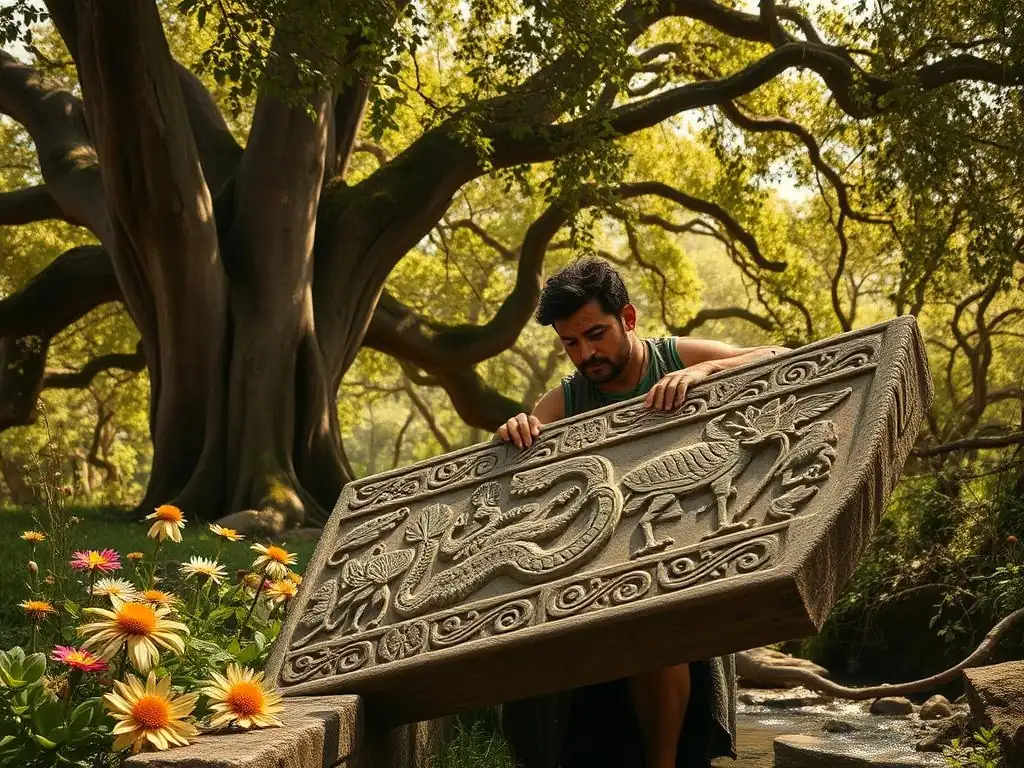
The Aztecs were deeply attuned to their natural environment, and this connection is vividly reflected in their artistic expressions. Two remarkable examples of Aztec artworks that showcase the influence of nature are the Sun Stone and the Coyolxauhqui Stone. Each of these works not only exemplifies the skill of Aztec artisans but also encapsulates the cosmological and cultural significance of natural elements in their society.
The Sun Stone
The Sun Stone, often referred to as the Calendar Stone, is one of the most iconic representations of Aztec art. Measuring over 3.5 meters in diameter and weighing approximately 25 tons, this monumental sculpture is carved from basalt and features a series of intricate designs that represent the Aztec understanding of the cosmos.
At the center of the Sun Stone is Tonatiuh, the sun god, surrounded by four squares that symbolize the four previous worlds or suns, each one destroyed by natural catastrophes. The stone also includes depictions of various elements of nature such as the earth and sky, emphasizing the Aztec belief that human existence was deeply intertwined with the cycles of nature. The reliefs on the stone reflect not only the importance of solar cycles but also the seasonal transitions that dictated agricultural practices, revealing the profound respect the Aztecs held for nature's rhythms.
The Coyolxauhqui Stone
Another significant artwork is the Coyolxauhqui Stone, a large circular stone relief that represents the moon goddess Coyolxauhqui, who was the sister of Huitzilopochtli, the sun god. This stone was discovered at the Templo Mayor in Tenochtitlan and features dramatic depictions of Coyolxauhqui's dismemberment, symbolizing the conflict between the sun and the moon.
The imagery on the stone showcases celestial bodies, including stars and constellations, illustrating the Aztec belief in the interconnectedness of celestial and terrestrial realms. The natural world is not merely a backdrop for the Aztecs but a dynamic part of their mythology and art, demonstrating how deeply their cultural narratives were influenced by their observations of nature and the cosmos. The Coyolxauhqui Stone serves as a powerful reminder of how the Aztecs interpreted their world through a lens that celebrated the forces of nature.
The Lasting Impact of Nature on Aztec Artistic Legacy
The influence of nature on Aztec artistic expression extends beyond their historical context, leaving a lasting legacy that can be seen in contemporary Indigenous art. The themes of nature, life cycles, and the environment continue to resonate in today's artistic endeavors among Indigenous communities.
Influence on Contemporary Indigenous Art
Contemporary Indigenous artists across the Americas often draw inspiration from the natural world, echoing the themes found in Aztec art. This influence can be observed in various mediums, including painting, sculpture, and textile arts. Artists integrate traditional motifs and symbols that reflect their cultural heritage, often reinterpreting ancient themes to address contemporary issues such as environmental preservation and cultural identity.
For instance, many modern artists incorporate elements like animals, plants, and celestial bodies into their work, paralleling the Aztec emphasis on harmony with nature. This continuity of artistic expression demonstrates how the foundational beliefs of the Aztecs about the natural world persist in influencing modern Indigenous narratives.
Preservation of Natural Themes in Art
The preservation of natural themes in art is vital for maintaining cultural identity and heritage among Indigenous peoples. Many artists aim to keep traditional practices alive by exploring and expressing their connections to the land, flora, and fauna through their work. This preservation is not only an artistic endeavor but also an act of resistance against cultural erasure and environmental degradation.
Artistic expressions that celebrate the beauty and complexity of nature serve as a reminder of the interdependence between humanity and the environment. By weaving natural themes into their art, contemporary Indigenous artists honor their ancestors, including the Aztecs, and reinforce the idea that nature remains a central element of cultural expression. This enduring relationship with the natural world continues to inspire new generations of artists, ensuring that the legacy of Aztec art and its profound connection to nature endures.
Conclusion: The Interconnection of Aztec Art and Nature
The relationship between Aztec art and the natural world is a profound testament to the civilization's worldview and cultural values. The Aztecs perceived nature as a living entity, imbued with spiritual significance, and this belief was intricately woven into their artistic expressions. From the vibrant colors of their textiles to the intricate carvings adorning their temples, every piece of art served not just as decoration but as a reflection of their reverence for the environment.
This interconnection is evident in various aspects of Aztec art. For instance, the frequent depiction of natural elements like animals, plants, and celestial bodies illustrates the importance of these motifs in their daily lives and cosmology. Animals like the jaguar and eagle were emblematic of strength and power, while plants such as maize were central to their agricultural society. The use of these natural symbols in art was not merely aesthetic; it was a way to communicate beliefs, values, and the interconnectedness of life.
Moreover, the Aztecs' artistic techniques were deeply influenced by the materials available in their environment. The vivid pigments used in their murals and pottery often came from natural sources, showcasing their resourcefulness and understanding of the landscape. This reliance on local materials not only enhanced their art's beauty but also reinforced their connection to the earth and its cycles.
The influence of the natural world on Aztec artistic expression is a rich tapestry that reflects their spirituality, societal values, and environmental awareness. As we study Aztec art, we gain insight into a civilization that revered nature and incorporated its essence into their artistic legacy, leaving a lasting impact that continues to inspire and educate us today. The legacy of Aztec art serves as a reminder of the intrinsic bond between humans and the natural world, highlighting the importance of respecting and understanding the environment that sustains us.
- Introduction to Aztec Art and Nature Influence
- The Role of Nature in Aztec Beliefs
- Common Themes in Aztec Art Reflecting Nature
- Techniques and Materials in Aztec Art Inspired by Nature
- Case Studies of Notable Aztec Artworks Influenced by Nature
- The Lasting Impact of Nature on Aztec Artistic Legacy
- Conclusion: The Interconnection of Aztec Art and Nature
- What is the main focus of the article on Aztec art and nature influence?
- How did the Aztecs incorporate nature into their art?
- What are some examples of Aztec art influenced by nature?
- Why is understanding Aztec art important for appreciating indigenous cultures?
- How does this topic relate to contemporary discussions about art and culture?
Frequently Asked Questions
What is the main focus of the article on Aztec art and nature influence?
The article explores how the natural world significantly impacted Aztec artistic expression, highlighting the interplay between their environment and creativity.
How did the Aztecs incorporate nature into their art?
Aztec artists often depicted flora and fauna in their works, using natural elements to symbolize cultural beliefs and the spiritual connection to their surroundings.
What are some examples of Aztec art influenced by nature?
Examples include sculptures, pottery, and murals that feature animals and plants, representing both the beauty of nature and its importance in Aztec mythology.
Why is understanding Aztec art important for appreciating indigenous cultures?
Understanding Aztec art provides insight into their societal values, religious beliefs, and how they interacted with the natural environment, enriching our perspective on indigenous history.
How does this topic relate to contemporary discussions about art and culture?
The exploration of nature's influence on Aztec art encourages a broader dialogue about the relationship between culture and the environment, relevant to current sustainability conversations.
Final Reflection: The Enduring Bond Between Aztec Art and Nature
The intricate relationship between the natural world and Aztec artistic expression remains profoundly relevant today. As we navigate an era marked by environmental challenges and a growing disconnection from nature, the artistry of the Aztecs serves as a powerful reminder of the beauty and significance of our surroundings. Their ability to weave elements of nature into their art not only reflects their reverence for the environment but also highlights the urgent need for contemporary society to reconnect with the natural world.
The influence of nature on Aztec art has left an indelible mark on cultural and social landscapes, inspiring generations to appreciate the interconnectedness of life. The vibrant colors, intricate patterns, and symbolic representations found in Aztec art continue to resonate, encouraging us to reflect on our own relationship with nature. As the artist and environmentalist Andy Goldsworthy once said, The landscape thinks itself in me, and I am never out of it.
This quote encapsulates the essence of how art can serve as a bridge between humanity and the natural world, urging us to recognize our place within it.
As we conclude our exploration of Aztec art and its profound connection to nature, I invite you to reflect on your own interactions with the environment. Consider how you can incorporate the lessons of the past into your present and future. Whether through creative expression, conservation efforts, or simply taking a moment to appreciate the beauty around you, let the legacy of the Aztecs inspire you to forge a deeper connection with the natural world. Embrace the opportunity to create and nurture, for in doing so, we honor both our heritage and the planet we inhabit.
Unveil the Wonders of Nature in Art!
Thank you for taking the time to explore the profound connection between the natural world and artistic expression. You've gained insight into how vibrant cultures draw inspiration from their surroundings, and now it’s your turn to dive deeper!
Here are a few ways you can further engage with this beautiful intersection of art and nature:
- Visit a Local Art Exhibit: Seek out exhibitions that showcase nature-inspired artworks or Indigenous art. Observe the techniques and materials used, and reflect on their connections to the environment.
- Create Your Own Artwork: Allow yourself to be inspired by crafting a piece that reflects the beauty of nature around you. Use natural elements such as leaves, stones, or clay to bring your vision to life!
- Share Your Journey: Discuss your favorite nature-inspired art on social media or in community groups. Encourage conversations about the influence of nature on creativity.
What unexpected ways have you found nature inspiring your own artistic endeavors? Let’s discuss in the comments below!