
Aztec Military Leadership: Governance Through Conquest

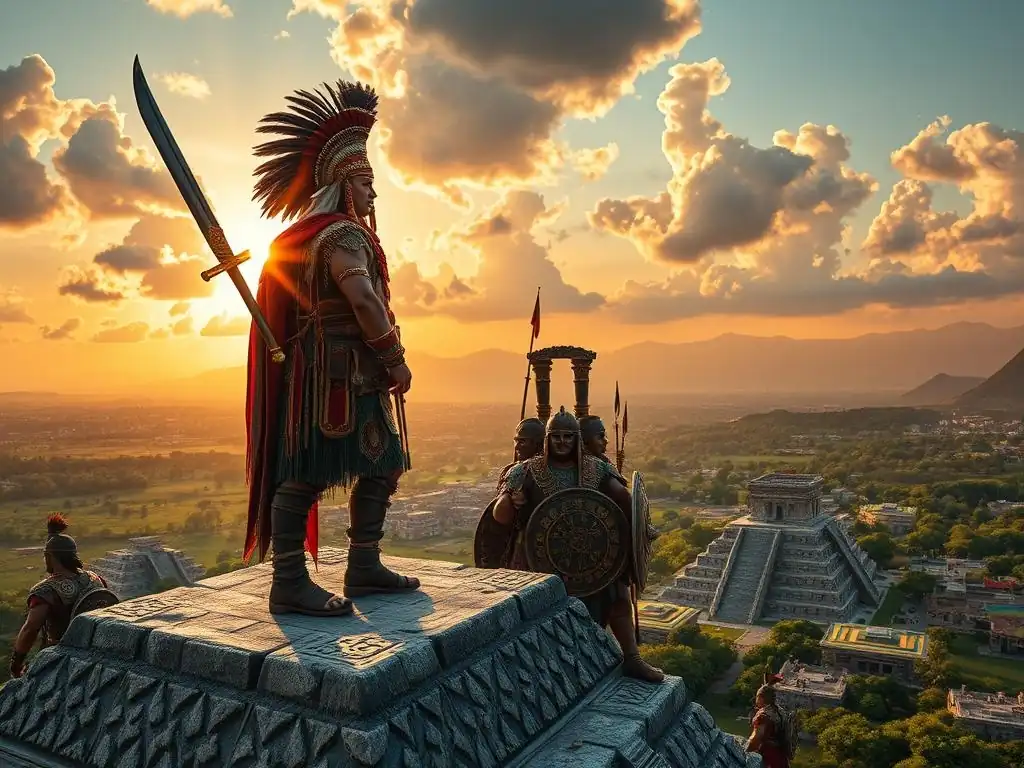
Welcome to Indigenous Civilizations of the Americas, where we invite you to embark on a journey through time to uncover the rich tapestry of cultures that flourished long before European contact. In this edition, we delve into the fascinating realm of Aztec military leadership strategies, revealing how governance was intricately woven with the art of conquest. What drove the Aztecs to become one of the most formidable powers of their time?
As you explore our insights, you'll discover the profound legacy of these indigenous peoples and the strategic brilliance that defined their military prowess. Join us as we unravel the stories of resilience and innovation that shaped the Americas!
- Introduction to Aztec Military Leadership
- Key Elements of Aztec Military Leadership Strategies
- Major Military Campaigns and Their Impact on Governance
- Strategies Employed by Aztec Military Leaders
- The Role of Religion and Culture in Military Leadership
- Case Studies of Prominent Aztec Military Leaders
- The Effects of Military Leadership on Aztec Society
- Conclusion: Legacy of Aztec Military Leadership Strategies
-
Frequently Asked Questions
- What were the key military leadership strategies of the Aztecs?
- How did governance correlate with military leadership in the Aztec Empire?
- What role did alliances play in Aztec conquests?
- How did the Aztecs maintain control over conquered territories?
- What impact did Aztec military strategies have on their cultural legacy?
- Final Reflection: The Enduring Legacy of Aztec Military Leadership Strategies
- Unleash Your Curiosity: Dive Deeper into Aztec Culture!
Introduction to Aztec Military Leadership
The Aztec civilization, flourishing in central Mexico from the 14th to the 16th centuries, is renowned not only for its rich cultural heritage but also for its formidable military prowess. At the heart of this military might lay a complex system of leadership and governance that adeptly combined martial strategies and political authority.
This article delves into the intricacies of Aztec military leadership strategies, examining how these practices were instrumental in shaping their society and expanding their empire. Understanding the role of military leadership within the broader context of Aztec governance offers valuable insights into how this civilization maintained control and influenced the dynamics of power in Mesoamerica.
Overview of Aztec Civilization and Its Military Role
The Aztec Empire, known as Mexica, emerged as a dominant force in Mesoamerica during the 14th century, culminating in a vast empire by the early 16th century. The military was not merely an arm of defense; it was a fundamental aspect of Aztec society, deeply intertwined with their political, religious, and economic frameworks.
- Militaristic Society: The Aztecs viewed warfare as a crucial means of acquiring resources, land, and prestige. Their society was structured around a warrior elite, where prowess in battle was a key determinant of social status.
- Conquest and Tribute: Through conquest, the Aztecs expanded their territories significantly, compelling conquered peoples to pay tribute, which was vital for the empire's wealth and sustenance.
- Strategic Alliances: The Aztec military often formed alliances with other city-states, leveraging these relationships to enhance their military capabilities and political influence.
Key Military Components:
- Warrior Classes: The military was composed of various ranks, including the elite Eagle and Jaguar warriors, who were celebrated for their valor and skill.
- Religious Significance: Military campaigns were often initiated in alignment with religious beliefs, with the gods believed to favor the Aztecs in their conquests.
- Training and Preparation: Young Aztecs were trained from an early age in combat techniques, ensuring a steady supply of capable warriors for the empire's military endeavors.
Importance of Military Leadership in Aztec Governance
Military leadership in the Aztec Empire was not only about battlefield tactics; it was a vital element of governance that shaped the political landscape. The leaders, often drawn from the elite class of warriors, played a significant role in decision-making processes that affected both military campaigns and state affairs.
- Centralized Authority: Aztec emperors, often military leaders themselves, wielded immense power and authority, which allowed them to make decisive military and political decisions swiftly. This centralization facilitated rapid responses to threats and opportunities.
- Diplomatic Negotiations: Military leaders also engaged in diplomacy, negotiating peace treaties and alliances that could shift the balance of power in favor of the Aztecs.
- Societal Integration: The integration of military leaders into the political structure ensured that military successes translated into political stability, reinforcing the social hierarchy and the emperor’s authority.
In essence, the strategies employed by Aztec military leadership were pivotal in establishing and maintaining the empire's dominance. Their ability to navigate the complexities of warfare and governance created a legacy that influenced the sociopolitical dynamics of Mesoamerica long after their decline.
Key Elements of Aztec Military Leadership Strategies
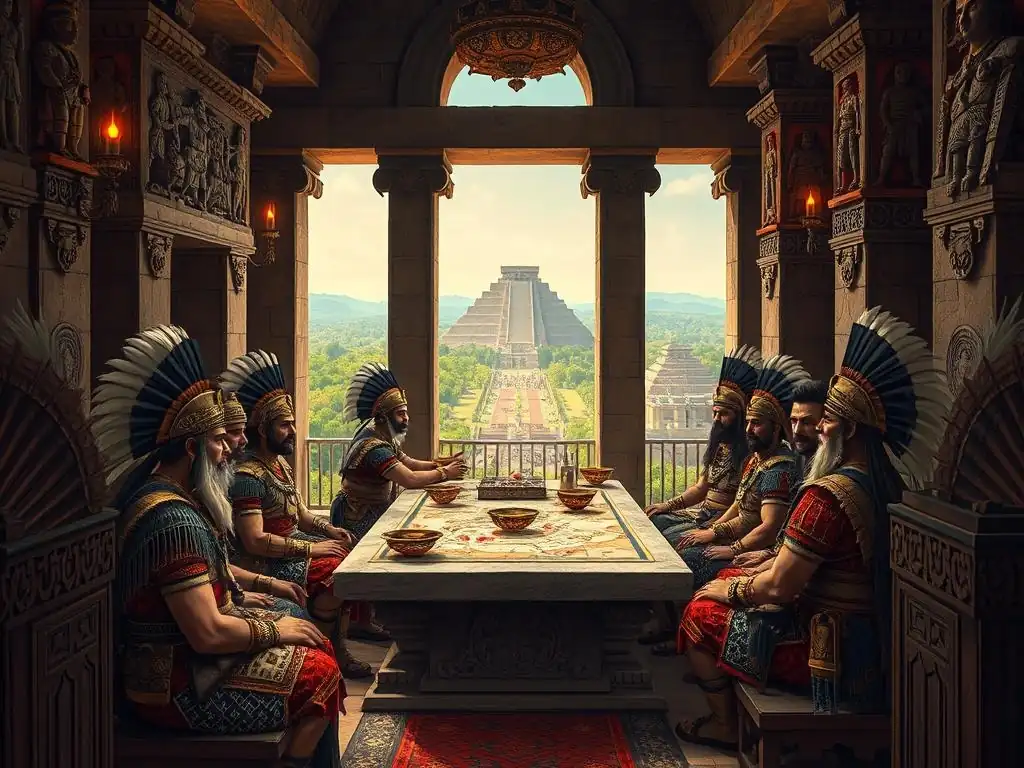
The Aztec civilization is renowned for its complex military leadership strategies that were integral to their governance and expansionist policies. Military leadership within the Aztec society was not merely about conquests; it was a sophisticated system that intertwined governance with military might. Understanding the key elements of these strategies reveals how the Aztecs maintained control over their vast empire and solidified their societal structures.
Structure of the Aztec Military Hierarchy
The hierarchy of the Aztec military was a highly organized system that mirrored their societal structure. At the top of this hierarchy was the tlatoani, or king, who held ultimate authority over military campaigns. Below him were several ranks of military leaders, each with distinct responsibilities and influence.
- Tlatoani (King): The supreme leader who made strategic decisions and led major battles.
- Cuauhtli (Eagle Warriors): Elite warriors who were often in charge of leading troops into battle and executing complex military strategies.
- Jaguar Warriors: Another elite class of warriors, renowned for their bravery and ferocity in combat.
- Tlatocan: Military commanders responsible for specific regions, overseeing local troops and managing logistics.
- Common Warriors: The backbone of the military, these soldiers were recruited from among the common populace and formed the bulk of the fighting force.
This structure ensured that military decisions were made efficiently and that leaders were held accountable for their actions in the field. Each rank had its own set of protocols and expectations, fostering a sense of discipline and loyalty within the ranks.
Roles and Responsibilities of Military Leaders
Military leaders in the Aztec empire had multifaceted roles that extended beyond mere battlefield commands. Their responsibilities included:
- Strategic Planning: Leaders were responsible for devising strategies based on intelligence gathered from scouts and previous encounters. This often included deciding when to engage in battle and when to retreat.
- Resource Management: They oversaw the logistics of supplying their troops, including the procurement of weapons, food, and other necessary supplies. Efficient management was crucial for sustaining long campaigns.
- Training and Mentorship: Leaders played a key role in training new recruits. They were responsible for instilling tactics, discipline, and the cultural values of bravery and honor that were vital to Aztec warfare.
- Political Diplomacy: Military leaders often engaged in negotiations with other city-states, balancing warfare with diplomacy to maintain alliances or avoid conflict when advantageous.
The interconnectedness of military and political roles underscored the Aztecs’ understanding of warfare as a means of governance, allowing them to expand their influence while managing diverse populations.
Training and Recruitment of Aztec Warriors
Training and recruitment were fundamental to the effectiveness of Aztec military leadership strategies. The process was rigorous and designed to cultivate not only skilled warriors but also loyal subjects.
- Recruitment Sources: Warriors were primarily recruited from the common populace, particularly young men aged 15 to 20. Some were volunteers seeking glory and status, while others were conscripted from tribute-paying regions.
- Training Regimens: Young recruits underwent extensive training that included physical conditioning, weapon handling, and tactical drills. Training camps, known as calpulli, were established where warriors learned the skills necessary for combat and the values of the Aztec culture.
- Ceremonial Aspects: Training often included ceremonial elements, such as rituals to honor the gods of war, which played a crucial role in motivating warriors and reinforcing their commitment to the Aztec cause.
- Promotion Based on Merit: Advancement within the military ranks was typically based on merit and achievements in battle rather than noble birth. This system encouraged exceptional performance and loyalty among the warriors.
The emphasis on rigorous training and recruitment strategies not only enhanced the effectiveness of the Aztec military but also fostered a sense of identity and purpose among the warriors, reinforcing their allegiance to the Aztec state.
The strategic integration of military leadership, training, and governance exemplifies the complexity of Aztec civilization and its enduring impact on the history of the Americas.
Major Military Campaigns and Their Impact on Governance
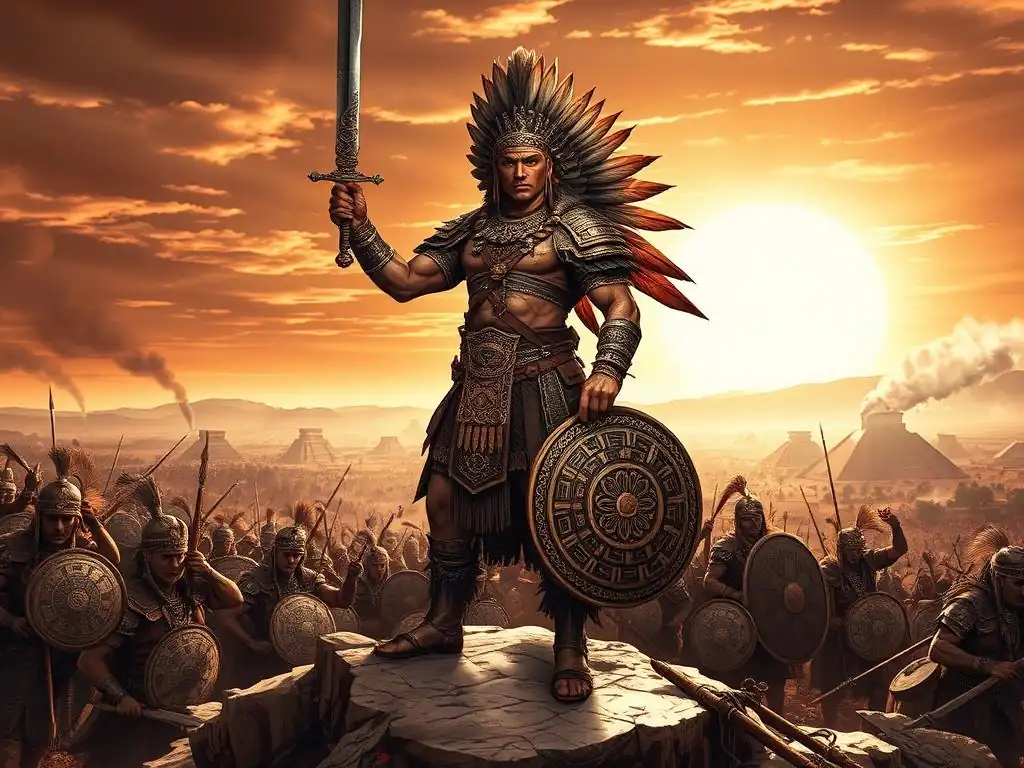
The Aztec Empire, one of the most formidable civilizations in pre-Columbian America, was characterized by its dynamic military strategies that played a critical role in governance. The military not only served as a means of expansion but also as a foundation for the political structure that governed the empire. Major military campaigns were instrumental in establishing the Aztecs as a dominant force in Mesoamerica, and their impact on governance can be understood through several key elements.
Notable Conquests and Expansion Tactics
The Aztec military leadership strategies were marked by a series of notable conquests that expanded their territory and influence. Among the most significant campaigns were:
- The Conquest of the Tepanecs:
- Year: 1428
- Outcome: The Aztecs, under the leadership of Itzcali, allied with the city-states of Texcoco and Tlacopan to overthrow the Tepanecs, a dominant regional power. This victory not only secured a vital alliance but also marked the beginning of the Aztec Triple Alliance, which would lay the groundwork for their future conquests.
- The Campaign Against the Oaxaca Region:
- Year: 1440s
- Tactics: The Aztecs employed strategic warfare tactics, including surprise attacks and the use of skilled warriors known as "Eagle Warriors." These tactics enabled them to conquer the Oaxaca region, further solidifying their power in southern Mexico.
- The Siege of Tenochtitlan:
- Year: 1519
- Significance: Although ultimately leading to their downfall, the siege represented the complexities of military strategy, showcasing both the Aztecs' tactical prowess and the vulnerabilities that could be exploited by their enemies.
These campaigns not only served military purposes but also created a network of tribute relationships that were pivotal for the Aztec economy and governance. The conquered regions were required to pay tribute, which reinforced the central power of the Aztec rulers and allowed for the distribution of resources throughout the empire.
The Relationship Between Military Success and Political Power
The interdependence between military success and political authority in the Aztec Empire is evident in how military leaders often transitioned into political roles. Successful commanders were frequently rewarded with titles and land, which emphasized the importance of military achievements in ascending the political hierarchy.
- Social Hierarchy:
- Military leaders, or tlatoque, enjoyed elevated status and were integral to the governance of the empire. They were expected to provide not only military service but also to contribute to the administration and political affairs of the state.
- Tribute System:
- The Aztecs implemented a sophisticated tribute system, where the success of military campaigns directly influenced the flow of resources. This system allowed the rulers to maintain control over their territories and assert their dominance over rival city-states.
- Legitimacy Through Warfare:
- Military victories were seen as a sign of divine favor, enhancing the legitimacy of the rulers. Successful campaigns were celebrated through rituals and ceremonies, reinforcing the connection between military prowess and the divine right to rule.
The Aztec military leadership strategies were intricately linked to their governance. The impact of major military campaigns not only expanded their territory but also reinforced a political structure that relied heavily on military success for legitimacy and power. Through a combination of tactical innovations and a deep understanding of socio-political dynamics, the Aztecs established a formidable empire that thrived on conquest and tribute.
Strategies Employed by Aztec Military Leaders
Aztec military leadership was characterized by a combination of strategic alliances, psychological warfare, and innovative combat techniques. These strategies not only facilitated the expansion of the Aztec Empire but also reinforced their governance through a military-centric structure. Here, we explore the key strategies employed by Aztec military leaders in their pursuit of power and dominance.
Use of Alliances and Diplomacy in Warfare
The Aztecs understood that military success was often contingent upon strategic relationships with other city-states. Therefore, alliances and diplomacy played a crucial role in their military leadership strategies.
- Tributary Alliances: The Aztecs often formed alliances with neighboring states, promising protection in exchange for tribute. This not only expanded their resources but also increased their military strength. For instance, the alliance with the Tlacopan and Texcoco created the powerful Triple Alliance, which was pivotal in their campaigns against rival states.
- Intermarriage: Marriages between noble families from different city-states were a common strategy to solidify alliances. By marrying off daughters and sisters to allies, the Aztecs ensured loyalty and cooperation among their allies, creating a network of mutual defense.
- Diplomatic Missions: Aztec leaders frequently sent emissaries to negotiate peace or forge alliances. These missions were vital in gathering intelligence and assessing the strengths and weaknesses of potential enemies, allowing for informed military decisions.
While these diplomatic efforts were essential for initial expansions, they also played a key role in maintaining control over conquered territories, as allies were often integrated into the Aztec political and military systems.
Psychological Tactics and Warfare Techniques
Psychological warfare was an integral part of Aztec military leadership, as it aimed to intimidate and demoralize opponents before battle even commenced.
- Fearsome Reputation: The Aztecs cultivated a reputation for brutality in warfare. This included the display of severed heads of enemies as trophies, which served to instill fear and discourage resistance among other potential adversaries.
- Ceremonial Warfare: The Aztecs often engaged in "flower wars," which were ritualized battles intended to capture prisoners for sacrifice rather than to annihilate opponents. This not only showcased their military prowess but also highlighted their cultural values, reinforcing the idea that warfare was both a religious and a political act.
- Use of Banners and Symbols: Aztec leaders utilized banners adorned with symbols of their gods and warriors to instill fear and rally their troops. The psychological impact of these visual elements played a significant role in boosting morale among Aztec soldiers while intimidating their enemies.
By leveraging these psychological tactics, Aztec military leaders were able to enhance their effectiveness on the battlefield and maintain dominance over conquered peoples.
Innovations in Weaponry and Combat Strategies
The Aztecs were not only adept at using traditional military tactics but also excelled in the development and application of innovative weaponry and combat strategies.
- Weaponry: The Aztecs utilized a variety of weapons, including the macuahuitl, a wooden club embedded with obsidian blades. This weapon was especially effective in hand-to-hand combat and contributed significantly to their battlefield dominance. Other weapons included spears, atlatls (spear-throwers), and bows.
- Tactics: Aztec military leaders employed various formations in battle, adapting their strategies based on the terrain and the enemy's strengths. They often used flanking maneuvers to surprise opponents and create chaos within enemy ranks.
- Utilization of Terrain: Knowledge of local geography was crucial for Aztec military leaders. They often chose battle sites that provided them with a strategic advantage, such as elevated positions or areas that limited enemy movement. This tactical awareness allowed them to maximize their combat effectiveness.
Through these innovations, the Aztec military not only demonstrated their prowess in warfare but also established a legacy of effective military leadership strategies that contributed to the empire's expansion and governance.
The interplay of alliances, psychological strategies, and innovative tactics underpinned the Aztec military leadership, enabling them to govern effectively through conquest and maintain control over a vast empire.
The Role of Religion and Culture in Military Leadership
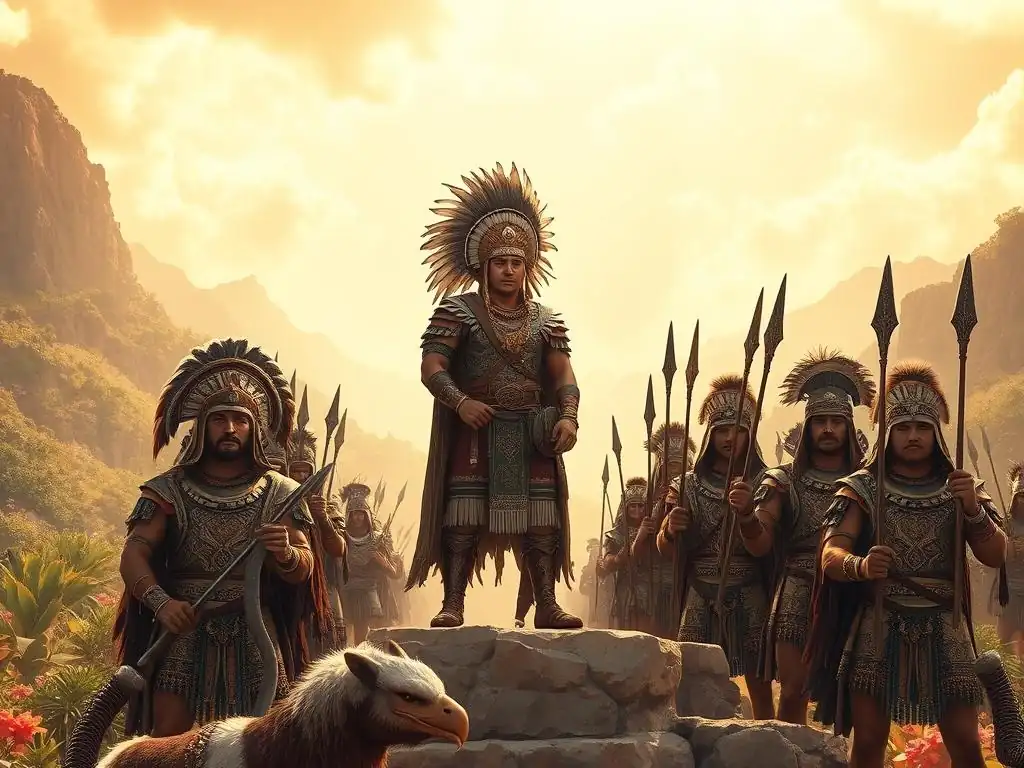
The Aztec civilization was deeply intertwined with religion and culture, which played a pivotal role in shaping their military leadership. The influence of religious beliefs and cultural practices permeated various aspects of Aztec life, particularly in their strategies of governance through conquest. Military leaders were not only warriors but also spiritual figures who upheld the religious duties of their society, blending the spiritual with the martial.
Influence of Religious Beliefs on Military Decisions
Religious beliefs were central to the decision-making processes within the Aztec military hierarchy. The Aztecs worshipped numerous deities, with Huitzilopochtli, the god of war and the sun, being the most significant for military leaders. Before embarking on military campaigns, leaders would conduct rituals to seek divine favor and guidance. These rituals often included offerings, prayers, and the consultation of priests to interpret omens. The outcomes of these rituals could significantly influence military strategies and objectives.
For instance, the Aztecs believed that victories in battle were direct blessings from their gods. This belief instilled a sense of purpose and urgency among military leaders. The importance of capturing prisoners for sacrifice was also rooted in their religious practices; it was seen as a way to appease the gods and ensure the continued prosperity of the Aztec state. This intertwining of religion and warfare highlighted how Aztec military leadership strategies were not merely tactical but were also steeped in spiritual significance.
The Significance of Rituals and Ceremonies in Warfare
Rituals and ceremonies played a crucial role in Aztec military culture, serving both practical and symbolic functions. Before any military engagement, elaborate ceremonies were conducted to invoke divine protection and favor. These ceremonies often involved the entire community, reinforcing social cohesion and the collective identity of the Aztec people.
Key Rituals and Their Functions:
- The New Fire Ceremony: Held every 52 years, this ceremony was essential for renewing the universe. Military leaders would engage in this ritual to ensure that the cosmos remained in balance, which was believed to affect their military endeavors.
- War Dances: Warriors participated in ceremonial dances that served to invoke the strength of their ancestors and deities. These dances not only prepared them mentally and spiritually for battle but also showcased their cultural identity and unity.
- Sacrificial Offerings: Captured enemies were often used in sacrificial rituals, believed to nourish the gods and, in turn, secure victory in future conflicts. This practice reinforced the belief that military success was intertwined with spiritual devotion.
Through these rituals, Aztec military leadership strategies were solidified, as the leaders demonstrated both martial prowess and religious adherence. The outcome of battles was often attributed to the favor of the gods, further embedding spirituality into the very fabric of military governance.
The Aztec military leadership was characterized by a profound connection between warfare, religion, and cultural practices. This connection not only influenced their military strategies but also reinforced their societal values and beliefs, ensuring that the legacy of their governance through conquest would resonate throughout history.
Case Studies of Prominent Aztec Military Leaders
Huitzilopochtli: The God of War and His Influence
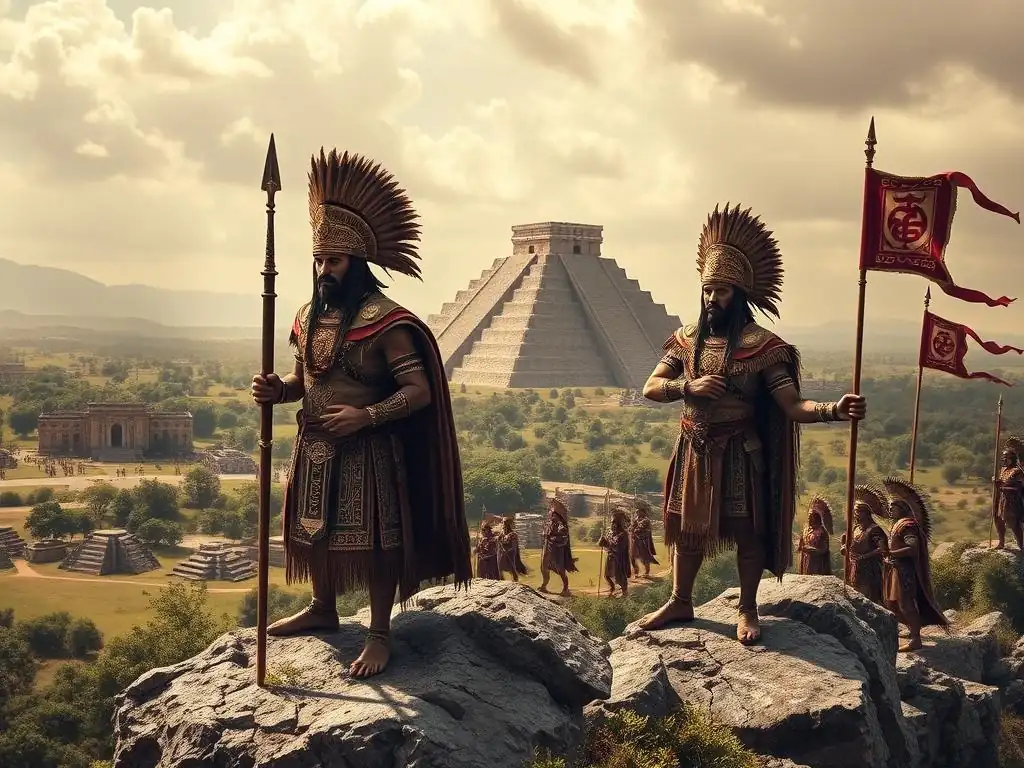
Huitzilopochtli, revered as the Aztec god of war, played a pivotal role in shaping the military ethos of the Aztec civilization. His influence extended beyond mere mythology, as he became a central figure in the justification of military conquests and the expansion of the Aztec Empire. The reverence for Huitzilopochtli was evident in various aspects of Aztec life, particularly in military leadership strategies.
Military Rituals and Warfare
The Aztecs believed that successful military campaigns were not solely dependent on tactical prowess but also on divine favor. Rituals dedicated to Huitzilopochtli were integral to their military strategy:
- Sacrificial Offerings: Before embarking on campaigns, generals conducted ceremonies to appease Huitzilopochtli, often involving human sacrifices. This practice was believed to invoke the god's strength and protection.
- Warrior Societies: Elite warrior groups, such as the Eagle and Jaguar warriors, were named after Huitzilopochtli's symbols. These societies trained rigorously, emphasizing bravery and skill, further embedding the god's influence into the fabric of military leadership.
Legacy of Huitzilopochtli in Leadership
Huitzilopochtli's legacy can be seen in the way military leaders were expected to embody the traits associated with the god:
- Courage and Bravery: Aztec leaders were expected to demonstrate exceptional valor in battle, mirroring Huitzilopochtli's fierce nature.
- Strategic Thinking: The god’s strategic foresight inspired military leaders to develop comprehensive plans that blended aggression with calculated tactics.
In essence, Huitzilopochtli was not just a deity; he was a symbol of the military leadership strategies that guided the Aztec civilization through conquest and governance.
Moctezuma II: Leadership During Conquest and Governance
Moctezuma II, one of the most notable Aztec emperors, exemplified the complexities of Aztec military leadership strategies during a transformative period marked by both internal consolidation and external threats. His reign, from 1502 to 1520, was characterized by aggressive expansion and significant governance challenges.
Military Strategies Under Moctezuma II
Moctezuma II implemented a series of strategies that underscored his military leadership:
- Expansionist Policies: He expanded the empire's territory through a combination of military might and diplomacy. The empire reached its zenith, incorporating various city-states and enhancing its political influence.
- Alliances and Warfare: Moctezuma skillfully navigated alliances with other city-states, using both threats and negotiations to ensure loyalty. His strategic use of tributary states served to bolster the military without overextending resources.
Governance Challenges
Despite his military successes, Moctezuma II faced significant challenges:
- Spanish Conquest: The arrival of Hernán Cortés in 1519 posed an unprecedented threat. Moctezuma’s initial response to the Spanish was marked by confusion; he attempted to engage them diplomatically, which ultimately proved to be a strategic miscalculation.
- Internal Dissent: While expanding the empire, Moctezuma's policies led to resentment among conquered peoples. This dissent weakened his military strategies, making it difficult to maintain control during the Spanish invasion.
Moctezuma II’s leadership underscores the duality of Aztec military leadership strategies—marked by ambitious conquests yet fraught with governance challenges that culminated in the empire's decline. His reign serves as a case study in the complexities of leading an expansive empire amid external threats and internal strife.
The Effects of Military Leadership on Aztec Society
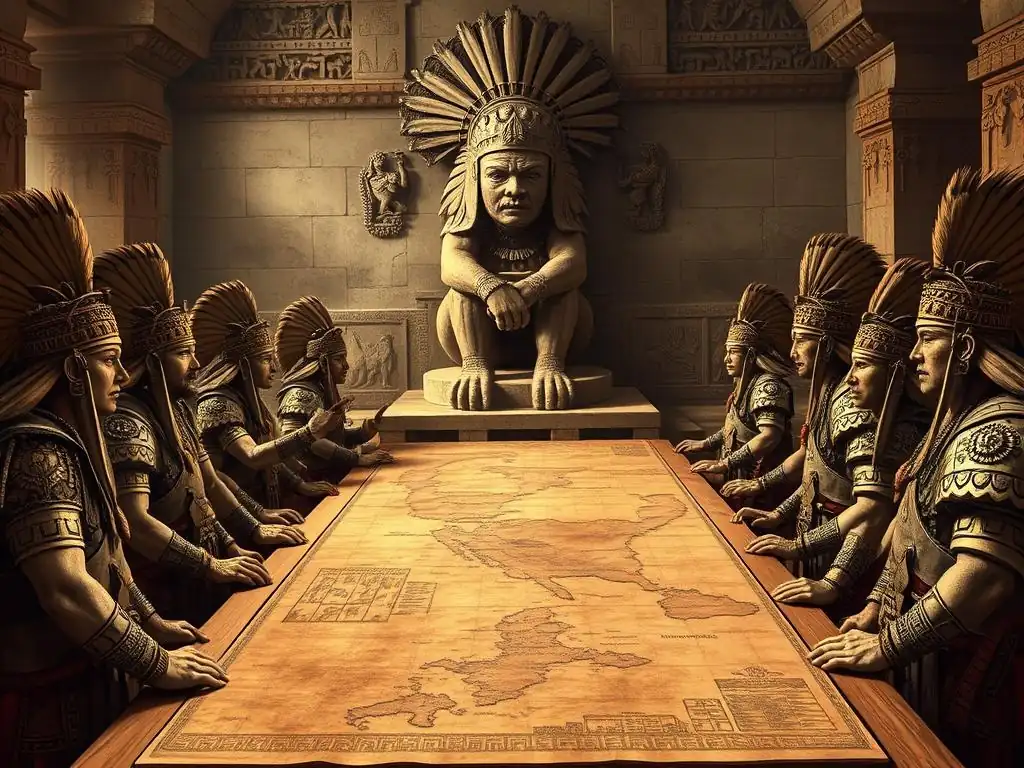
The social structure of the Aztec civilization was intricately linked to its military leadership and the obligations that came with it. At the top of this hierarchy were the nobles, or pipiltin, who played a crucial role in military command and governance. Military achievements were one of the primary ways these nobles could gain prestige and power within Aztec society.
Key Aspects of Social Structure:
- Nobles (Pipiltin):
- These individuals held significant authority, often leading armies into battle.
- Their status was often derived from their military success, allowing them to secure lands and tribute from conquered regions.
- Commoners (Macehualtin):
- The common people were obligated to serve in the military, providing the manpower necessary for the Aztec expansion.
- Their military service was a duty, often linked to the promise of social mobility through valor in battle.
- Warriors (Cuauhtli):
- A specific class of individuals trained from a young age to be elite soldiers, the Cuauhtli were essential in executing the strategies devised by their noble leaders.
- Distinction in battle could lead to titles and land ownership, reinforcing the connection between military prowess and social advancement.
The emphasis on military obligations fostered a culture of honor and courage. Young men were often encouraged to seek out opportunities for combat as a means of proving their worth and securing their place in society. This system created a highly stratified society where military success was not only a matter of personal achievement but also a determinant of social standing.
The Economic Impact of Military Campaigns
The military campaigns conducted by the Aztecs were not only a means for territorial expansion but were also fundamentally linked to the economy of the empire. These campaigns had several economic implications that shaped the livelihood of the Aztec people.
Economic Benefits of Military Conquests:
- Tribute System:
- Conquered territories were subjected to a tribute system, where they were required to provide goods, resources, and labor to the Aztecs.
- This influx of tribute significantly bolstered the Aztec economy, providing essential resources such as food, textiles, and precious metals.
- Control over Trade Routes:
- Military dominance allowed the Aztecs to control crucial trade routes, facilitating the exchange of goods across vast distances.
- This control contributed to the prosperity of Tenochtitlan, the capital, as it became a bustling center of commerce.
- Labor Force:
- Captured warriors and civilians were often conscripted as laborers, fulfilling roles in agriculture, construction, and other vital sectors of the economy.
- This practice not only expanded the workforce but also allowed for the construction of monumental architecture and infrastructure, further enhancing economic growth.
Economic Strain and Consequences:
While military campaigns brought significant wealth, they also imposed economic strains. Continuous warfare required substantial resources, and the Aztecs had to balance military expenditures with the needs of their society.
- Resource Allocation:
- Maintaining a standing army and supporting military leaders often diverted resources from other critical areas, such as agriculture and public welfare.
- Rebellions:
- The imposition of tribute and the harsh treatment of conquered peoples sometimes led to rebellions, which could destabilize regions and disrupt trade.
The Aztec military leadership strategies were not just about conquest; they were a fundamental aspect of the political and economic fabric of Aztec society. The intertwining of military obligations with social structure and economic benefits illustrates how deeply embedded these strategies were in shaping the civilization's legacy.
Conclusion: Legacy of Aztec Military Leadership Strategies
The legacy of Aztec military leadership strategies is profound, extending beyond their immediate historical context into the broader narrative of indigenous governance and societal organization in the Americas. The Aztecs mastered the art of warfare and utilized their military prowess as a means of political consolidation, resource acquisition, and territorial expansion. Their leadership strategies were not merely about conquest; they were intricately tied to their socio-political structures and religious beliefs, which provided a framework for understanding their role as conquerors.
The impact of these strategies can be observed in various aspects of governance, including the establishment of tribute systems and alliances with other city-states. The Aztec military leaders, such as Moctezuma II and Ahuitzotl, were not only warriors but also statesmen who effectively integrated military success into the governance of their empire. This duality allowed them to maintain control over their vast territories while fostering a sense of unity among the diverse peoples within their empire.
Lasting Influence on Subsequent Indigenous Civilizations
The strategies employed by Aztec military leaders left a significant mark on subsequent indigenous civilizations in the Americas. Many of these groups adopted similar military and governance structures, recognizing the effectiveness of combining military strength with political acumen. For example, the Tarascan and Purépecha states in western Mexico mirrored aspects of the Aztec model, particularly regarding their integration of military conquests into political governance.
Moreover, the tribute system established by the Aztecs influenced the economic frameworks of later civilizations. The ability to extract resources and maintain loyalty through military might became a template for governance among various indigenous nations. This legacy is evident in the ways that subsequent leaders approached warfare and diplomacy, often using military success to fortify their political standing.
In addition, the cultural narratives surrounding Aztec military leadership have persisted in indigenous folklore and histories. These stories often highlight the valor, strategy, and governance associated with Aztec leaders, reinforcing their legacy as models of effective military leadership in the context of political governance.
Reflections on Governance Through Conquest in Aztec Culture
The Aztec approach to governance through conquest reflects a complex interplay between military might and cultural identity. The military was viewed not only as a means of expanding territory but also as a way to fulfill religious obligations. The Aztecs believed that warfare was a sacred duty, essential for maintaining the favor of the gods and ensuring the continuation of the world. This belief system intertwined their military strategies with their cultural and spiritual lives, influencing how they viewed conquest.
Furthermore, the administrative structures that emerged from their military conquests played a crucial role in the governance of the Aztec Empire. Captured city-states were often integrated into the empire through a system of tribute and local governance, which allowed for a degree of autonomy while still reinforcing Aztec dominance. This strategy not only facilitated control but also fostered a diverse cultural exchange, enriching the Aztec civilization and its governance.
The Aztec military leadership strategies were pivotal in shaping their political structure and governance. Their legacy continues to resonate through the historical narratives of indigenous civilizations, showcasing the intricate relationship between military power and political authority in pre-colonial America. The reflections on their governance through conquest provide valuable insights into how societies can use military strategy as a foundational element of political organization, a lesson that still echoes in contemporary discussions of governance and leadership.
Frequently Asked Questions
What were the key military leadership strategies of the Aztecs?
The Aztec military leadership strategies included flexibility, adaptability, and a focus on alliance-building. These strategies allowed them to effectively conquer and integrate various regions.
How did governance correlate with military leadership in the Aztec Empire?
In the Aztec Empire, governance was heavily influenced by military leadership. Leaders were often chosen based on their military success, which ensured that the administration was aligned with the goals of conquest and expansion.
What role did alliances play in Aztec conquests?
Alliances were crucial in the Aztec military strategy, as they allowed the Aztecs to expand their reach without solely relying on their forces. By forming partnerships, the Aztecs could overwhelm opponents through combined strengths.
How did the Aztecs maintain control over conquered territories?
The Aztecs implemented a system of tribute and administrative oversight in conquered areas. This ensured that local leaders remained loyal while also providing the empire with essential resources and taxes.
What impact did Aztec military strategies have on their cultural legacy?
The military strategies of the Aztecs contributed significantly to their cultural legacy, as they established a vast empire that influenced art, religion, and social organization. Their strategies are studied today for insights into leadership and governance.
Final Reflection: The Enduring Legacy of Aztec Military Leadership Strategies
The exploration of Aztec military leadership strategies reveals not only the tactical brilliance of a civilization but also underscores the profound impact of governance through conquest on contemporary society. Today, as we navigate complex global dynamics, understanding the historical frameworks of leadership and strategy can provide invaluable insights into modern governance and military practices. The Aztecs, with their intricate systems of organization and discipline, remind us that the art of leadership is as much about vision and strategy as it is about execution and adaptability.
The influence of Aztec military leadership extends beyond mere historical interest; it resonates in the cultural narratives and power structures that shape our world today. The strategies employed by the Aztecs in warfare and governance have left an indelible mark on the collective consciousness, serving as a testament to the effectiveness of strategic planning and decisive action. As historian John P. Schmal notes, The Aztec Empire was a masterclass in the art of war and governance, showcasing how leadership can be both a tool for expansion and a means of maintaining order.
This perspective invites us to reflect on how the principles of leadership can be applied in various contexts, from business to politics, where strategy and governance remain pivotal.
As we conclude this exploration of Aztec military leadership strategies, I invite you to reflect on the lessons learned from this remarkable civilization. Consider how the principles of strategic leadership, adaptability, and resilience can be integrated into your own life and pursuits.
Whether in personal endeavors or professional aspirations, the legacy of the Aztecs serves as a powerful reminder that effective leadership is not merely about conquest, but about inspiring and guiding others toward a shared vision. Embrace the challenge of applying these insights, and let the spirit of Aztec leadership inspire you to forge your own path with courage and conviction.
Unleash Your Curiosity: Dive Deeper into Aztec Culture!
Thank you for exploring the fascinating world of Aztec military leadership with us! You’ve uncovered not only the strategies of conquest but also the intricate governance that shaped one of history's most influential civilizations. Now, it's time to put your newfound knowledge into action!
Here are several ways you can deepen your understanding and connect with this incredible legacy:
- Engage with History: Consider visiting a local museum that features Mesoamerican artifacts or exhibitions. Immerse yourself in the rich heritage of the Aztecs firsthand!
- Join the Conversation: Share your insights or questions about Aztec military leadership in our community forum. Connecting with others can enhance your perspective and enrich your understanding!
- Expand Your Reading: Explore additional resources and books on Indigenous governance and military strategies to further broaden your horizons.
What aspect of Aztec military leadership fascinates you the most, and how do you believe it influences governance today?