
Religious Conflicts: How European Beliefs Challenged Aztec Spirituality

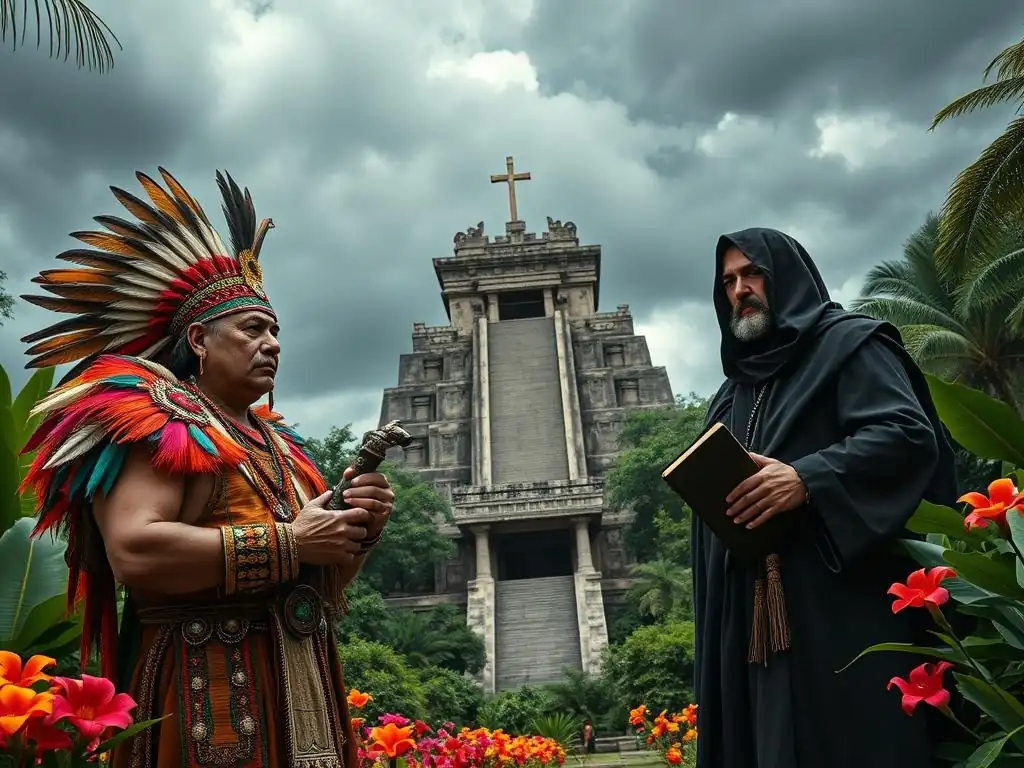
Welcome to Indigenous Civilizations of the Americas, where we embark on an enlightening journey through the rich tapestry of indigenous cultures that flourished long before European contact. In our featured article, "Religious Conflicts: How European Beliefs Challenged Aztec Spirituality," we delve into the profound intersection of Aztec spirituality and European beliefs, revealing how these two worlds clashed and influenced one another in ways that shaped history.
Prepare to uncover the complexities of this extraordinary era, and let your curiosity lead you deeper into the fascinating stories of resilience, innovation, and cultural legacy. Join us as we explore the profound impact of these civilizations and their enduring contributions to our world today.
- Introduction to Aztec Spirituality and European Beliefs
- Historical Context of Aztec Spirituality
- European Beliefs and Their Impact on Indigenous Cultures
- Case Studies of Religious Conflicts
- The Transformation of Aztec Spirituality
- Long-term Effects of European Beliefs on Aztec Spirituality
- Conclusion
-
Frequently Asked Questions
- What were the core beliefs of Aztec spirituality?
- How did European beliefs differ from Aztec spirituality?
- What impact did European colonization have on Aztec spirituality?
- Were there any syncretic practices that emerged from this conflict?
- How do modern perspectives view the conflict between Aztec and European beliefs?
- Final Reflection: The Clash of Aztec Spirituality and European Beliefs
- Unveil the Impact: Take Action for Understanding!
Introduction to Aztec Spirituality and European Beliefs
The encounter between indigenous civilizations and European colonizers marked a pivotal moment in history, particularly in the realm of spiritual beliefs. This article delves into the intricate dynamics between Aztec spirituality and the European beliefs that emerged during the Age of Exploration. The Aztecs, with their rich tapestry of gods, rituals, and cosmologies, developed a profound spiritual system that governed their daily lives and societal structures.
Conversely, the Europeans brought with them a monotheistic worldview, steeped in Christianity, that fundamentally challenged and often sought to supplant the spiritual traditions of the Aztec people. This exploration aims to illuminate how these two distinct belief systems clashed and influenced one another, reshaping the cultural landscape of the Americas and leaving a lasting impact on indigenous spirituality.
Overview of Aztec Spirituality
Aztec spirituality was deeply embedded in the fabric of their society, reflecting a complex understanding of the universe and humanity's place within it. Central to their beliefs was the worship of multiple deities, each representing various aspects of life, nature, and the cosmos. Key gods included:
- Huitzilopochtli - the god of war and the sun, crucial for ensuring victory in battle and sustaining the sun's journey across the sky.
- Tlaloc - the rain god, vital for agricultural success and associated with fertility.
- Quetzalcoatl - the feathered serpent god, symbolizing knowledge, wind, and arts, often linked to creation myths.
Rituals and ceremonies played a fundamental role in Aztec spirituality, often involving offerings, music, dance, and even human sacrifice as a means to appease the gods and ensure the continuation of the world. The calendar was another significant aspect, with various festivals dedicated to different deities occurring throughout the year, highlighting the cyclical nature of life and the importance of cosmic harmony.
Aztec spirituality was not only a reflection of their beliefs but also a defining element of their identity, influencing everything from governance to social hierarchy. The interconnectedness of their religious practices with daily life underscores the richness of their cultural heritage.
The Arrival of European Beliefs in the Americas
The arrival of Europeans in the Americas in the late 15th century introduced a wave of religious upheaval that would profoundly affect indigenous cultures. The Spanish Conquistadors, driven by a desire for wealth and religious conversion, brought with them Christianity, which contrasted sharply with the polytheistic beliefs of the Aztecs. This encounter was marked by several key features:
- Missionary Efforts: Spanish missionaries, particularly the Franciscans and Dominicans, sought to convert indigenous peoples to Christianity. They often viewed Aztec spirituality as paganism and employed various methods, including education and coercion, to achieve their goals.
- Cultural Misunderstandings: The European perception of Aztec rituals and beliefs was often clouded by ignorance and prejudice. Many Europeans failed to understand the significance of Aztec practices, leading to a dismissive attitude towards their spirituality.
- Destruction of Religious Sites: The imposition of European beliefs resulted in the destruction of numerous Aztec temples and sacred sites. This physical dismantling of their spiritual centers was symbolic of the broader ideological conquest taking place.
- Syncretism: Despite the challenges posed by European beliefs, elements of Aztec spirituality began to blend with Christianity, leading to unique forms of religious expression that persist in some indigenous communities today.
The clash of Aztec spirituality and European beliefs not only reshaped individual identities but also transformed the cultural landscape of the Americas, creating a complex interplay of faith that continues to influence indigenous practices. Understanding this historical narrative is essential to appreciate the resilience and adaptability of indigenous cultures in the face of colonization.
Historical Context of Aztec Spirituality
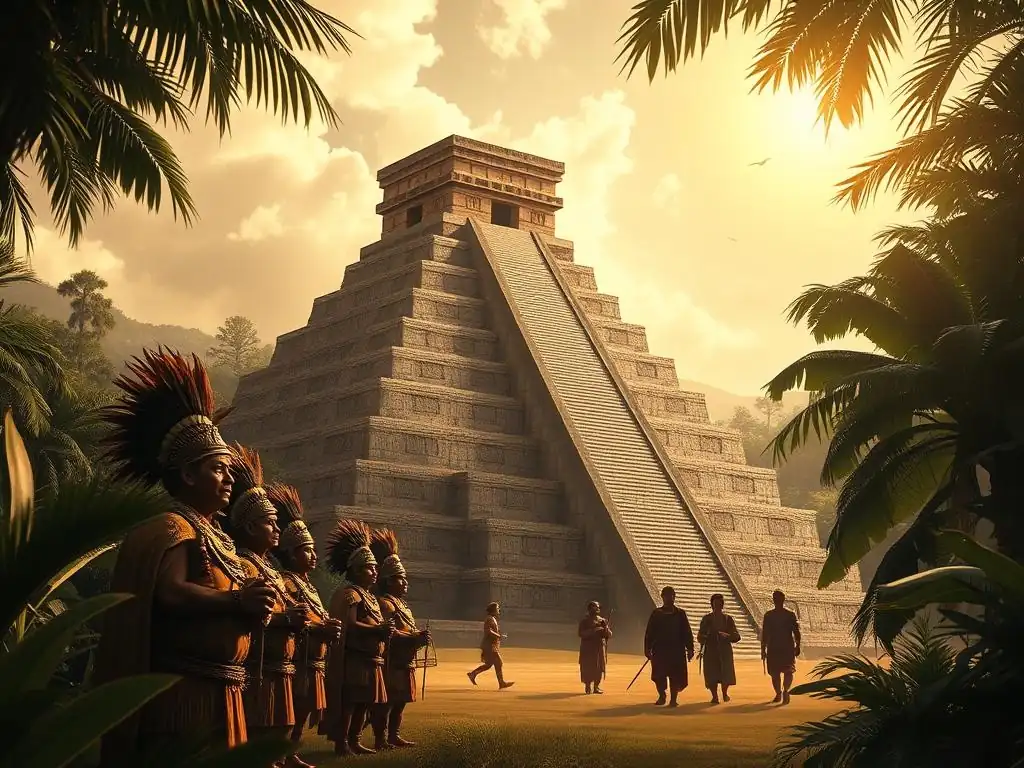
Aztec spirituality was deeply intertwined with every aspect of their civilization, shaping their worldviews, cultural practices, and social structures. Emerging in the region of Mesoamerica, particularly in what is now central Mexico, the Aztec civilization flourished from the 14th to the 16th centuries. This period was characterized by a rich tapestry of beliefs that revolved around the worship of numerous deities, each representing different facets of life and nature.
The historical context reveals that the Aztecs inherited and adapted various religious practices from earlier Mesoamerican cultures, notably the Toltecs and the Olmecs. They believed in a cyclical view of time, where events were repeated, influenced by the movements of celestial bodies. This cyclical understanding also manifested in their rituals, which often coincided with agricultural cycles, ensuring harmony with the gods and the natural world.
As the Aztec Empire expanded through conquest and trade, their spirituality became a synthesis of local beliefs and practices from the diverse peoples they encountered. This syncretism enriched their religious practices but also made them more susceptible to external influences, particularly when European colonizers arrived.
Key Elements of Aztec Spirituality
Aztec spirituality was complex and multifaceted, characterized by several key elements:
- Polytheism: The Aztecs worshipped a pantheon of gods, each responsible for different aspects of existence. Major deities included:
- Huitzilopochtli: God of war and the sun, central to Aztec identity.
- Tlaloc: God of rain, crucial for agriculture.
- Quetzalcoatl: The feathered serpent, symbolizing wind and knowledge.
- Rituals and Sacrifices: Ritual practices were vital in maintaining the favor of the gods. Human sacrifices, often seen as a means to repay the gods for their gifts of sustenance and life, were conducted during significant ceremonies. Notably, the Toxcatl festival honored Tezcatlipoca, showcasing the importance of sacrifice in Aztec spirituality.
- Cosmology: The Aztecs believed in a multi-layered universe, comprising different realms, including the Earth, the underworld (Mictlan), and celestial domains. This cosmological view influenced their architectural designs, such as the construction of temples aligned with celestial events.
- Calendrical Systems: The Aztec calendar consisted of two cycles: the tonalpohualli (260-day ritual calendar) and the xiuhpohualli (365-day solar calendar). These calendars dictated religious ceremonies, agricultural practices, and societal events, reinforcing the connection between spirituality and daily life.
The Role of Religion in Aztec Society
Religion served as the backbone of Aztec society, influencing governance, social hierarchy, and daily activities. The following aspects highlight its essential role:
- Political Authority: The ruler of the Aztec Empire was often regarded as a divine figure, believed to be chosen by the gods. This divine right to rule reinforced the political structure and justified the emperor’s decisions in matters of war, diplomacy, and resource allocation.
- Social Cohesion: Religious festivals and rituals fostered community bonds and social unity. Participation in these ceremonies was a collective experience, reinforcing cultural identity among the diverse populations within the empire.
- Economic Influence: The agricultural calendar was intertwined with religious observances. Crop cycles were planned around religious festivals to ensure successful harvests, underscoring the economic importance of spirituality in daily life.
- Cultural Legacy: The art, architecture, and literature of the Aztecs were heavily influenced by their spiritual beliefs. Temples, such as the Templo Mayor, and codices richly illustrated their religious narratives and cosmology, leaving a lasting cultural legacy.
Aztec spirituality was not merely a set of beliefs but a comprehensive framework that shaped every facet of their civilization. The intricate relationship between their religious practices and societal structures laid the groundwork for their resilience in the face of European contact, even as those very beliefs would soon be challenged by foreign ideologies.
European Beliefs and Their Impact on Indigenous Cultures
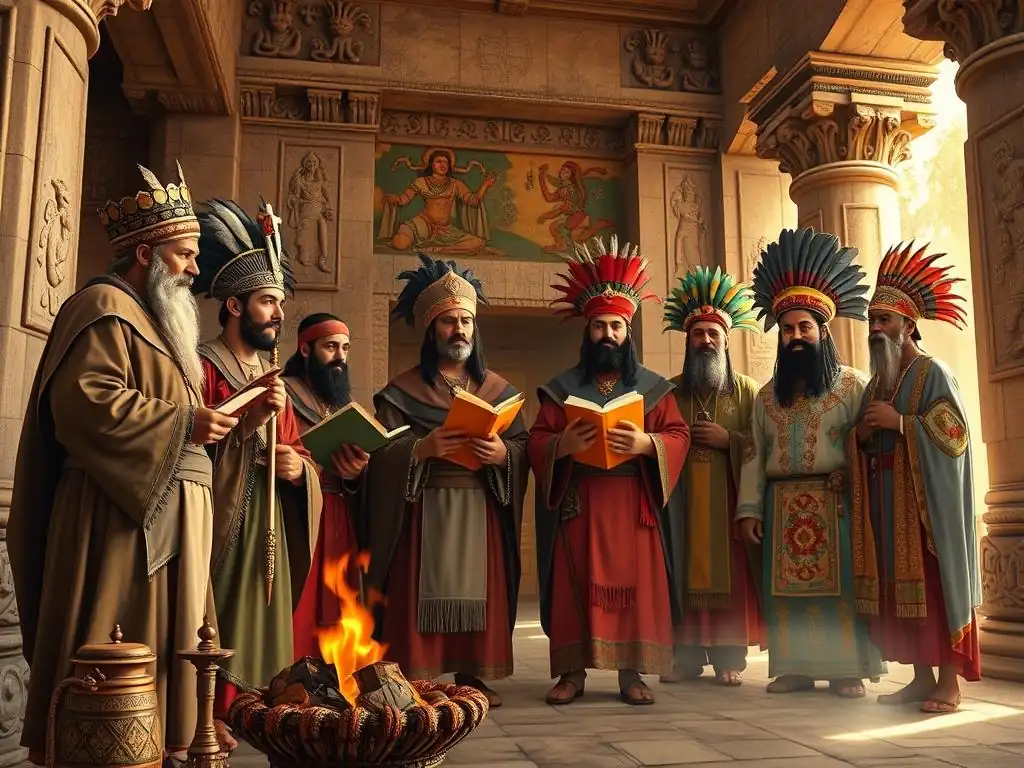
Introduction to European Religious Beliefs
The arrival of Europeans in the Americas brought a dramatic shift in the spiritual landscape. European beliefs, particularly those rooted in Christianity, were marked by distinct doctrines, rituals, and a worldview that often clashed with indigenous beliefs. Central to European religious thought were concepts such as monotheism, salvation, and a linear understanding of time. These beliefs were not merely personal convictions but were deeply intertwined with the socio-political frameworks of European societies, influencing governance, education, and cultural expressions.
European Christianity can be understood through several key characteristics:
- Monotheism: The belief in a single, all-powerful God was central to European religions, contrasting sharply with the polytheistic practices of many indigenous cultures.
- Salvation: The concept of salvation through faith in Jesus Christ was a cornerstone of Christianity, leading to missionary efforts aimed at converting indigenous populations.
- Scriptural Authority: The Bible was considered the ultimate authority, shaping moral and ethical standards, while indigenous traditions were often seen as pagan and inferior.
- Rituals and Sacraments: Christian rituals, such as baptism and communion, were integral to worship and community life, contrasting with the diverse and often localized spiritual rituals of indigenous peoples.
As European colonizers expanded their territories, these religious beliefs were not just a matter of personal faith; they became tools for colonization, often justified by a perceived divine mandate to convert and civilize indigenous populations.
The Clash of Cultures: Aztec Spirituality vs. European Christianity
The encounter between Aztec spirituality and European Christianity was marked by profound misunderstandings and conflicts. The Aztec belief system was rich and complex, encompassing a pantheon of gods, rituals, and a cyclical understanding of time that emphasized the interconnectedness of life, death, and rebirth.
Key Elements of Aztec Spirituality
- Polytheism: The Aztecs worshipped multiple deities, each representing various aspects of life, nature, and the cosmos. Major gods included Huitzilopochtli (the god of war and the sun) and Quetzalcoatl (the feathered serpent god).
- Ritual Sacrifice: Human sacrifice was a significant aspect of Aztec spirituality, believed to nourish the gods and ensure the continuation of the world. This practice was seen as barbaric by Europeans, who could not comprehend its spiritual significance.
- Cosmic Cycles: The Aztecs viewed time as cyclical, with an emphasis on seasons and agricultural cycles, contrasting sharply with the linear perspective of European Christianity.
The Collision of Beliefs
The arrival of Spanish missionaries and conquistadors heralded a period of intense cultural conflict. European beliefs were often imposed upon the Aztecs, who faced coercive conversions and the destruction of their temples and sacred texts.
- Missionary Efforts: Spanish missionaries, driven by the desire to convert indigenous peoples, often viewed Aztec spirituality as a direct challenge to their faith. They sought to replace indigenous belief systems with Christianity through education and enforced conversion.
- Cultural Erasure: The Spanish conquest led to the systematic dismantling of Aztec religious practices. Temples were destroyed, and traditional ceremonies were outlawed, resulting in a significant loss of cultural heritage.
This clash not only disrupted the spiritual lives of the Aztecs but also set the stage for a broader conflict over identity, culture, and belief systems that would have lasting effects on indigenous populations throughout the Americas. The consequences of this struggle resonate to this day, as indigenous communities continue to navigate the legacies of colonization while striving to reclaim and revitalize their spiritual traditions.
The encounter between Aztec spirituality and European beliefs was a complex interplay of conflict and transformation, reflecting broader themes of power, identity, and resilience in the face of colonization.
Case Studies of Religious Conflicts
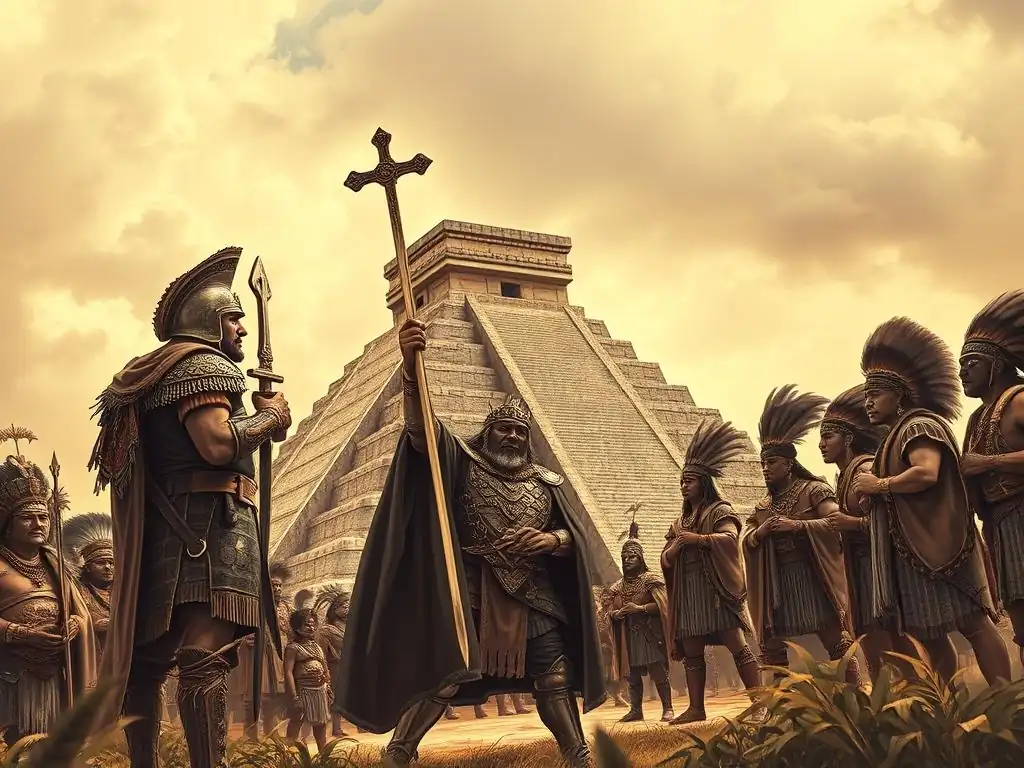
The Conquest of the Aztec Empire: A Clash of Faiths
The encounter between the Aztec civilization and European conquistadors, particularly Hernán Cortés, marked a significant religious clash that reshaped the spiritual landscape of the Americas. The Aztec Empire, with its rich tapestry of spiritual beliefs centered around a pantheon of gods, rituals, and the concept of duality in life and death, faced the monotheistic and dogmatic Christianity brought by the Europeans. This collision of ideologies was not merely a battle for territory but a profound confrontation of worldviews.
The Aztecs viewed their gods as vital to maintaining cosmic balance, believing that the sun required human sacrifice to rise each day. This belief was rooted in the Tonalli, or life force, which was thought to be nourished through offerings. Conversely, European beliefs emphasized the salvation of the soul and the worship of a singular God, which fundamentally contradicted the Aztec practices.
Cortés and his forces leveraged their religious beliefs to justify their actions, framing the conquest as a divine mission to convert the "heathen" Aztecs. They viewed the Aztec pantheon as false idols, and this perspective fueled their violent campaigns. The Spanish were not just conquerors but also missionaries, seeking to replace the Aztec spirituality with Christianity. This clash resulted in widespread destruction of temples and idols, as the Europeans aimed to eradicate what they viewed as pagan practices.
Notable Incidents: Religious Conflicts in the Conquest Era
Several key incidents highlight the intense religious conflicts during the conquest of the Aztec Empire. These incidents illustrate the broader struggle between Aztec spirituality and European beliefs, revealing the complexities of cultural exchange and conflict.
-
The Destruction of Tenochtitlán's Temples
The fall of Tenochtitlán in 1521 was not just a military defeat; it was also a spiritual annihilation. After the city was captured, Spanish forces systematically destroyed various temples dedicated to Aztec deities. Notably, the Templo Mayor, the central temple dedicated to Huitzilopochtli and Tlaloc, was razed to the ground. In its place, the Spaniards built a cathedral, symbolizing the imposition of European beliefs over the indigenous spiritual landscape.
-
The Role of Indigenous Allies
The Spanish conquest was facilitated by alliances with various indigenous groups who opposed Aztec rule. These groups, such as the Tlaxcalans, had their own grievances against the Aztecs, and some converted to Christianity, further complicating the religious dynamics. Their participation in the conquest not only shaped the military outcome but also illustrated the internal divisions within Mesoamerican spirituality.
-
The Conversion Efforts and Resistance
Following the conquest, Spanish missionaries embarked on extensive efforts to convert the indigenous population. The Franciscans and Dominicans played significant roles in this process, often employing tactics that included the destruction of sacred texts and the establishment of schools to teach Christianity. However, many indigenous people resisted these efforts, blending their traditional beliefs with Christian elements, leading to the emergence of syncretic practices that combined aspects of both religions.
-
The Role of Prophecy
Aztec spirituality included prophecies about the arrival of gods from the east. Some Aztecs interpreted the arrival of the Spanish as the fulfillment of these prophecies, which complicated their response to the invaders. The belief that Cortés might be a returning god, Quetzalcoatl, initially led to confusion and hesitation among some Aztec leaders.
The religious conflicts during the conquest of the Aztec Empire were marked by a profound clash of beliefs, where the Aztec spirituality faced unprecedented challenges from European beliefs. The legacy of these conflicts continues to influence the cultural identity of indigenous peoples in Mexico today, as they navigate the complexities of their historical heritage and contemporary spirituality.
The Transformation of Aztec Spirituality
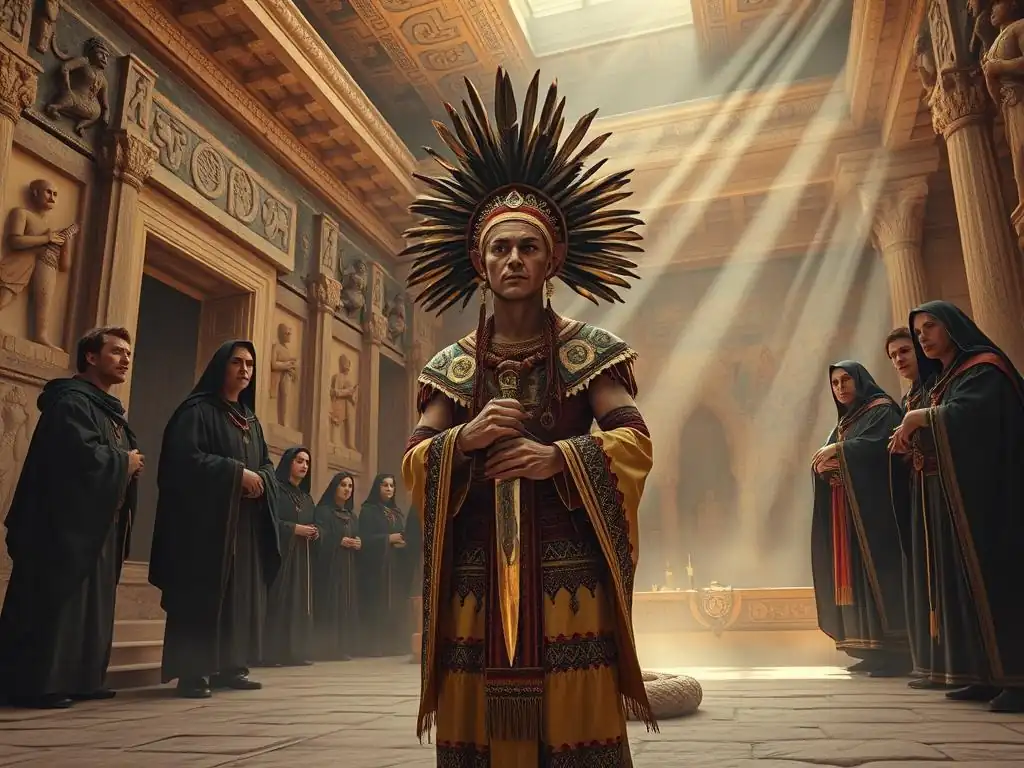
The arrival of Europeans in the Americas marked a turning point for many indigenous cultures, including the Aztec civilization. Their rich and complex spirituality, deeply intertwined with daily life and societal structure, faced significant challenges from European beliefs. The transformation of Aztec spirituality under the weight of colonization involved both adaptation and resistance, shaping the religious landscape of the region in profound ways.
Adaptation and Syncretism: Blending of Beliefs
The interaction between Aztec spirituality and European beliefs led to a fascinating process of adaptation and syncretism. As missionaries and colonizers sought to convert the indigenous populations to Christianity, they encountered a rich tapestry of Aztec religious practices, which they often misunderstood or misrepresented.
- Cultural Exchange:
- Integration of Symbols: Many Aztec deities and rituals found themselves intertwined with Christian icons. For instance, the Virgin of Guadalupe emerged as a significant figure that resonated with both Spanish and indigenous beliefs, symbolizing a fusion of traditions.
- Shared Rituals: Some Aztec ceremonies were adapted to incorporate Christian elements. The celebration of the Day of the Dead, originally a ritual honoring ancestors, began to reflect Christian practices surrounding All Saints' Day.
- Spiritual Adaptation:
- Reinterpretation of Deities: Some indigenous people began to view their gods through a Christian lens, reinterpreting traditional narratives to align with biblical stories. This allowed for a smoother transition into the new religious paradigm while preserving aspects of their heritage.
- Cultural Resilience: The Aztecs demonstrated remarkable resilience in maintaining core aspects of their spirituality despite the pressures to conform. They adapted their practices, ensuring the continuity of their cultural identity.
This blending of beliefs not only allowed for the survival of Aztec spirituality but also enriched the cultural landscape of colonial Mexico, creating a unique fusion that is still evident in contemporary religious practices.
Resistance to European Religious Practices
While adaptation and syncretism were prevalent, numerous Aztecs resisted European religious practices, holding onto their traditional beliefs and rituals with fervor. This resistance manifested in various forms, reflecting the deep-rooted significance of their spirituality.
- Cultural Defiance:
- Preservation of Rituals: Many indigenous communities continued to perform traditional ceremonies in secret, safeguarding their spiritual practices from European scrutiny. This clandestine preservation was crucial for the survival of Aztec cultural identity.
- Revolt and Reclamation: Events such as the Pueblo Revolt of 1680 exemplified resistance against European imposition, where indigenous people reclaimed their spiritual and cultural autonomy, pushing back against colonial forces.
- Spiritual Resilience:
- Community Solidarity: The desire to maintain Aztec spirituality fostered a sense of community among indigenous people, creating networks of support that transcended individual villages. This solidarity was vital in resisting the erasure of their cultural identity.
- Continuity of Beliefs: Many Aztecs viewed their spiritual beliefs as essential to their existence, leading them to reject European ideologies that threatened their cosmology and way of life. Their commitment to their ancestral practices served as a powerful form of resistance.
The transformation of Aztec spirituality in response to European beliefs was characterized by both adaptation and resistance. By blending beliefs and fiercely protecting their traditions, the Aztecs not only navigated the challenges posed by colonization but also laid the groundwork for a resilient cultural identity that persists today.
Long-term Effects of European Beliefs on Aztec Spirituality
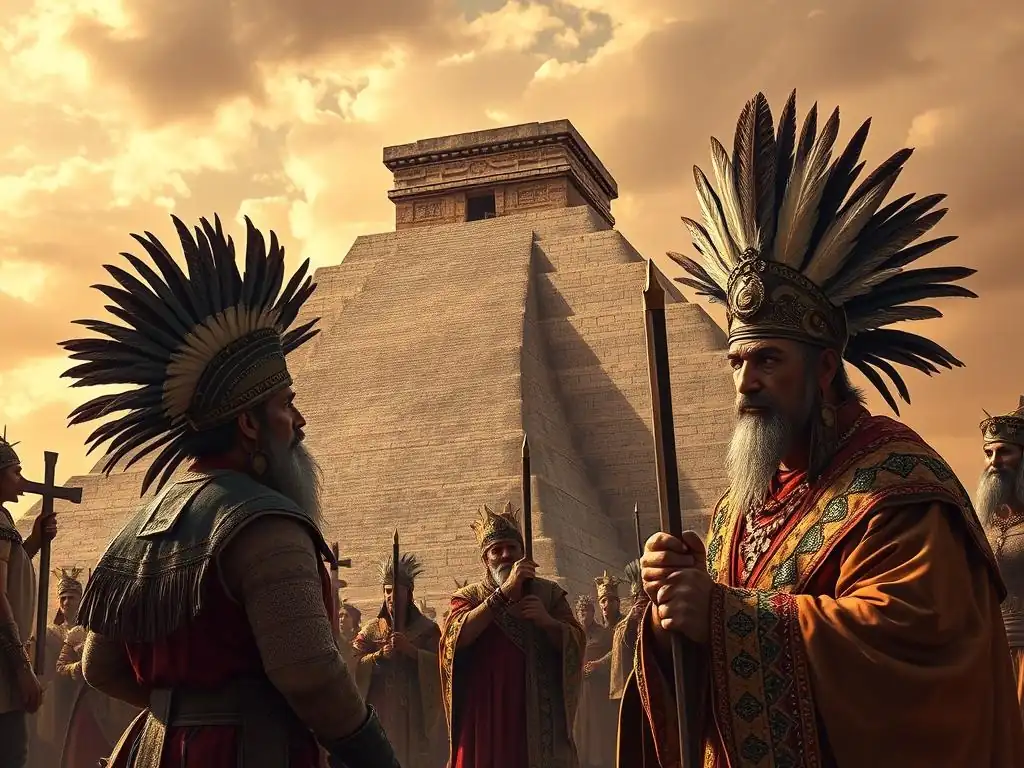
The arrival of European colonizers had profound and lasting effects on Aztec spirituality, shaping not only religious practices during the colonial period but also influencing contemporary cultural expressions. Understanding these effects involves examining the shifts in religious practices that occurred post-conquest and the ways in which Aztec spirituality was preserved and adapted in modern culture.
Changes in Religious Practices Post-Conquest
The Spanish conquest of the Aztec Empire in the early 16th century marked a significant turning point for indigenous religious practices. The introduction of Christianity, particularly Catholicism, led to dramatic changes in how spirituality was expressed and practiced among the Aztec people.
- Forced Conversions:
- European colonizers actively sought to convert the indigenous population, often using coercive methods. Missionaries played a key role in this process, employing tactics such as:
- Destruction of Aztec temples and idols.
- Establishment of missions to educate and convert the local populace.
- Imposition of European religious norms and values.
- European colonizers actively sought to convert the indigenous population, often using coercive methods. Missionaries played a key role in this process, employing tactics such as:
- Syncretism:
- Despite the efforts to eradicate native beliefs, many Aztecs blended elements of their spirituality with Catholic teachings, creating a unique form of syncretism. This resulted in:
- The incorporation of Catholic saints into traditional rituals.
- The adaptation of Christian holidays to align with pre-Columbian festivals, such as the Day of the Dead, which honors deceased ancestors while also incorporating Catholic elements.
- Despite the efforts to eradicate native beliefs, many Aztecs blended elements of their spirituality with Catholic teachings, creating a unique form of syncretism. This resulted in:
- Suppression of Indigenous Practices:
- Traditional Aztec rituals, including human sacrifices and offerings to deities, were deemed heretical and were largely suppressed. The ramifications included:
- A significant loss of cultural heritage and religious identity.
- A shift towards more private and clandestine practices, as many indigenous people continued to honor their traditional beliefs in secret.
- Traditional Aztec rituals, including human sacrifices and offerings to deities, were deemed heretical and were largely suppressed. The ramifications included:
Preservation of Aztec Spirituality in Contemporary Culture
Despite the disruptions caused by European colonization, Aztec spirituality has found ways to persist and adapt in contemporary society. This resilience can be seen in various aspects of culture and identity among descendants of the Aztec people.
- Cultural Revitalization Movements:
- In recent decades, there has been a resurgence of interest in indigenous identity and spirituality among Mexicans and other indigenous groups. Efforts include:
- Community-led initiatives to revive traditional practices and languages.
- Educational programs that focus on the history and significance of Aztec spirituality.
- In recent decades, there has been a resurgence of interest in indigenous identity and spirituality among Mexicans and other indigenous groups. Efforts include:
- Art and Ritual:
- Artistic expressions, such as dance, music, and visual arts, continue to draw inspiration from Aztec spirituality. Notable examples include:
- Traditional dances performed during festivals that reflect ancient rituals.
- Contemporary artists who incorporate motifs and themes from Aztec cosmology into their work.
- Artistic expressions, such as dance, music, and visual arts, continue to draw inspiration from Aztec spirituality. Notable examples include:
- Modern Spiritual Practices:
- Many individuals today blend Aztec spirituality with other belief systems, creating personalized spiritual practices that honor their ancestry. This includes:
- Rituals that invoke Aztec deities, often in conjunction with Christian elements.
- Use of indigenous herbal medicine and healing practices that reflect ancient knowledge.
- Many individuals today blend Aztec spirituality with other belief systems, creating personalized spiritual practices that honor their ancestry. This includes:
The long-term effects of European beliefs on Aztec spirituality have been profound, leading to significant changes in religious practices post-conquest. However, through cultural revitalization and modern adaptations, the essence of Aztec spirituality continues to thrive, showcasing the resilience of indigenous identities in the face of historical challenges.
Conclusion
Reflection on the Legacy of Aztec Spirituality and European Beliefs
The encounter between Aztec spirituality and European beliefs catalyzed profound transformations for both cultures, leading to a complex legacy that continues to resonate today. Aztec spirituality, with its rich pantheon of gods and intricate rituals, was deeply rooted in the natural world and community life. The arrival of European colonizers, who brought with them Christianity and a worldview that often dismissed indigenous beliefs, resulted in significant religious conflicts.
This clash not only sought to convert the Aztecs to Christianity but also aimed to erase the spiritual practices that had defined their society for centuries. The European perspective viewed the Aztec gods and religious ceremonies as primitive, leading to the destruction of temples and the suppression of indigenous rituals. However, the resilience of Aztec spirituality can be seen in the syncretism that emerged, where elements of both belief systems intertwined.
For example, many indigenous communities adopted Christian figures while retaining aspects of their traditional practices. The Virgin of Guadalupe is a prime illustration of this melding, symbolizing both the colonial influence and the enduring spirit of Aztec culture. Thus, the legacy of this interaction is not merely one of conflict but also of cultural resilience and adaptation, showcasing the ability of indigenous peoples to retain elements of their identity in the face of overwhelming opposition.
The Importance of Understanding Cultural Interactions in History
Understanding the cultural interactions between Aztec spirituality and European beliefs is crucial for several reasons. First, it allows us to appreciate the complexity of historical narratives that often simplify or overlook indigenous perspectives. By examining these interactions, we gain insights into how colonial powers imposed their ideologies and how indigenous societies responded creatively and resiliently.
Secondly, this understanding sheds light on the broader implications of cultural exchange. The blending of Aztec and European beliefs serves as a case study for how cultures can influence one another, leading to new forms of identity and spirituality. This dynamic is not limited to the past; it continues to be relevant in contemporary discussions about cultural identity, heritage, and the impact of globalization.
Moreover, recognizing the historical significance of these interactions enables us to confront the legacies of colonialism that persist today. It encourages a more equitable dialogue about history, one that honors the contributions and experiences of indigenous peoples. By exploring how Aztec spirituality adapted in response to European beliefs, we can better understand the ongoing struggles for cultural preservation and recognition faced by indigenous communities.
The legacy of Aztec spirituality and its encounter with European beliefs exemplifies the intricate tapestry of human history, where conflict, adaptation, and resilience intertwine. Understanding these cultural interactions enriches our comprehension of the past and informs our engagement with contemporary issues surrounding cultural identity and respect for indigenous traditions.
Frequently Asked Questions
What were the core beliefs of Aztec spirituality?
Aztec spirituality centered around a polytheistic worldview, where gods represented various aspects of life and nature. Rituals, including sacrifices, were crucial to appease these deities and ensure societal prosperity.
How did European beliefs differ from Aztec spirituality?
European beliefs were primarily monotheistic, focusing on one God and the teachings of Christianity. This fundamental difference led to conflicts with Aztec practices, which Europeans often viewed as pagan and unacceptable.
What impact did European colonization have on Aztec spirituality?
European colonization led to the suppression of Aztec spirituality and the imposition of Christian beliefs. Many indigenous practices were either altered or eradicated, significantly affecting the cultural landscape of the region.
Were there any syncretic practices that emerged from this conflict?
Yes, syncretism occurred as some aspects of Aztec spirituality blended with Christian beliefs. This resulted in new forms of worship and traditions that reflected both cultural heritages.
How do modern perspectives view the conflict between Aztec and European beliefs?
Today, many scholars recognize the complexity of the conflict, acknowledging it as a cultural collision that involved resistance, adaptation, and the resilience of indigenous identities amidst European dominance.
Final Reflection: The Clash of Aztec Spirituality and European Beliefs
The intersection of Aztec spirituality and European beliefs is not merely a historical footnote; it is a profound narrative that resonates with our contemporary world. Today, as we navigate an increasingly multicultural society, the lessons from the past remind us of the complexities and consequences of cultural encounters. The clash of these two belief systems serves as a stark reminder of how deeply held convictions can shape societies, often leading to conflict and transformation.
The impact of this historical confrontation continues to echo in our cultural and social landscapes. The legacy of colonialism and the imposition of European beliefs on indigenous practices have left an indelible mark on identity and spirituality. As we reflect on this, we must acknowledge the resilience of the Aztec spirit, which, despite facing overwhelming odds, has influenced modern interpretations of spirituality and cultural identity. In the midst of chaos, there is also opportunity.
This quote encapsulates the potential for growth and understanding that arises from the tumultuous interactions between differing belief systems.
As you ponder the intricate relationship between Aztec spirituality and European beliefs, consider how these historical dynamics shape your own understanding of faith and identity. Reflect on the importance of respecting diverse perspectives and the value of dialogue in fostering mutual understanding. Let this exploration inspire you to engage with the complexities of belief systems in your own life, encouraging a deeper appreciation for the rich tapestry of human spirituality that continues to evolve.
Unveil the Impact: Take Action for Understanding!
Thank you for exploring the complexities of how European beliefs challenged Aztec spirituality. Your interest in this profound topic fosters a deeper awareness of cultural dynamics and religious conflicts. Now, it’s time to turn your insights into action!
Here’s how you can continue this journey:
- Join a local or online discussion group focused on indigenous cultures to broaden your perspective on these spiritual exchanges.
- Share your insights about this topic on social media or within your community to spark meaningful dialogues.
- Consider reading literature or watching documentaries that explore the interplay of religions during colonization to delve deeper into this complex theme.
How do you think understanding these historical conflicts can shape our perspectives on modern cultural exchanges?