
The Art of Pottery: Scientific Techniques in Cahokia's Craftsmanship

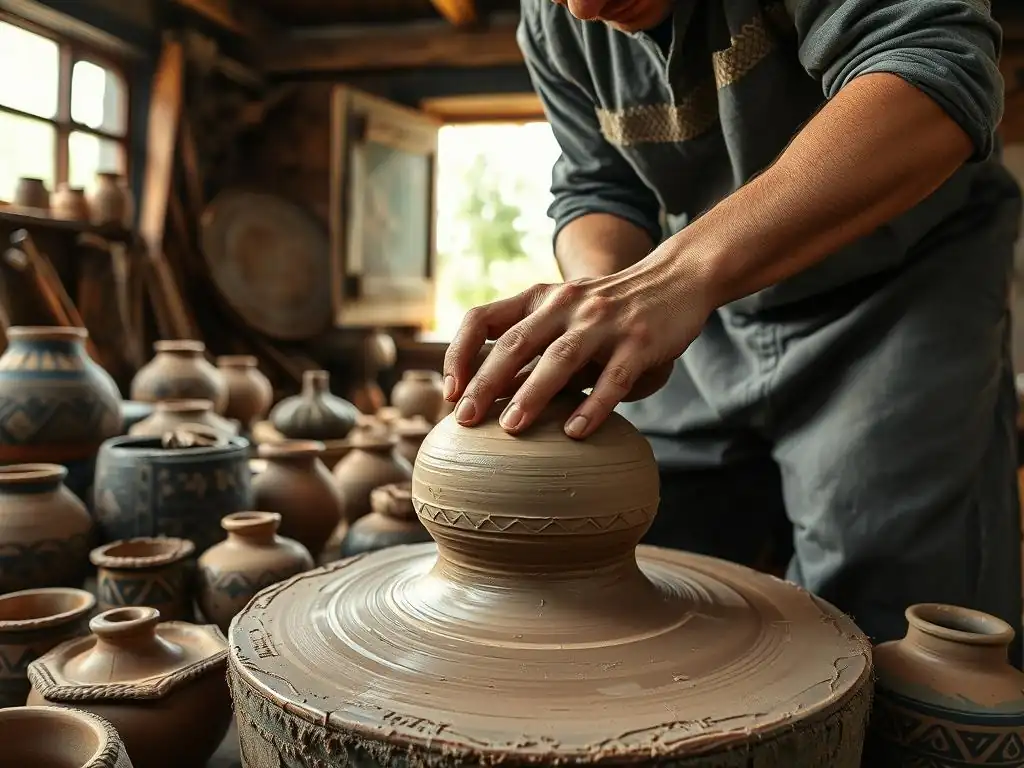
Welcome to Indigenous Civilizations of the Americas, where we invite you to journey through the rich tapestry of indigenous cultures that flourished across the continent long before European arrival. Here, we delve into the extraordinary achievements and enduring legacies of these societies. Prepare to be captivated as we explore the intricate world of Cahokia pottery craftsmanship techniques in our featured article, "The Art of Pottery: Scientific Techniques in Cahokia's Craftsmanship." What secrets do these ancient artisans hold? Join us as we unearth the innovative methods that defined Cahokia's artistry and continue to influence cultures today. Your exploration begins now!
Introduction to Cahokia Pottery Craftsmanship Techniques
Cahokia, once a thriving urban center located near present-day St. Louis, Missouri, is renowned for its intricate pottery craftsmanship. The Cahokia pottery craftsmanship techniques reflect not only the artistic abilities of its creators but also the scientific understanding they possessed regarding materials, firing processes, and decorative methods. This article delves into the sophisticated approaches used by the Cahokians, illustrating how their pottery served as a functional art form that encapsulated their cultural identity, social structure, and technological advancements.
Overview of Cahokia Culture and Society
The Cahokia culture flourished between 600 and 1400 CE, characterized by complex societies and monumental architecture. At its peak, Cahokia was home to tens of thousands of inhabitants, making it one of the largest cities in pre-Columbian North America. The society was organized into a hierarchical structure, with leaders overseeing various aspects of life, including trade, agriculture, and crafts.
- Key features of Cahokia culture include:
- Extensive trade networks that reached across the continent.
- Sophisticated agricultural practices, including the cultivation of maize.
- Monumental earthworks, such as the famous Monk's Mound.
- Diverse spiritual beliefs, often reflected in their art and artifacts.
Pottery was not merely a utilitarian craft; it played a significant role in social and ceremonial practices, showcasing the aesthetic values and technological expertise of the Cahokians.
Importance of Pottery in Indigenous Cultures
Pottery holds a vital place in the cultural heritage of indigenous peoples throughout the Americas. It serves multiple purposes, including storage, cooking, and ceremonial uses. The craftsmanship involved in pottery making reflects the community's identity, historical narratives, and environmental adaptations.
- Benefits of pottery in indigenous cultures:
- Durability: Pottery items could withstand heat and wear, making them essential for daily life.
- Artistic expression: Pottery allowed artisans to showcase their creativity and skills through various designs and techniques.
- Cultural significance: Many pottery pieces were imbued with spiritual meanings or used in rituals, reinforcing cultural beliefs and practices.
The Cahokians' advanced pottery techniques illustrate their understanding of materials and their ability to innovate, ultimately contributing to their legacy within indigenous history.
Historical Context of Cahokia Pottery
Understanding the historical context of Cahokia pottery provides insight into the technological advancements and cultural significance of these artifacts. As one of the earliest urban centers in North America, Cahokia's pottery reflects the evolution of its society and its interactions with neighboring cultures.
The Rise of Cahokia: A Brief History
Cahokia emerged as a significant cultural and political center by around 600 CE, spurred by advancements in agriculture and trade. The city expanded rapidly, leading to the construction of large earthen mounds and a complex urban layout. This growth necessitated innovations in various crafts, including pottery, which evolved to meet the increasing demands of the population.
Evolution of Pottery Techniques in Cahokia
The evolution of pottery techniques in Cahokia can be traced through various archaeological findings, revealing a sophisticated understanding of materials and processes. The Cahokians developed unique methods for shaping, firing, and decorating their pottery, which included:
- Materials: The use of local clay and tempering agents, such as crushed limestone or shell, to enhance durability.
- Firing techniques: Innovations in kiln design and firing temperatures that produced stronger, more resilient pottery.
- Decoration: Intricate designs created through incising, painting, and polishing, often reflecting the cultural and spiritual beliefs of the community.
These advancements in pottery craftsmanship not only highlight the technological prowess of the Cahokians but also their deep connection to their environment and cultural identity.
Scientific Techniques in Cahokia Pottery Craftsmanship
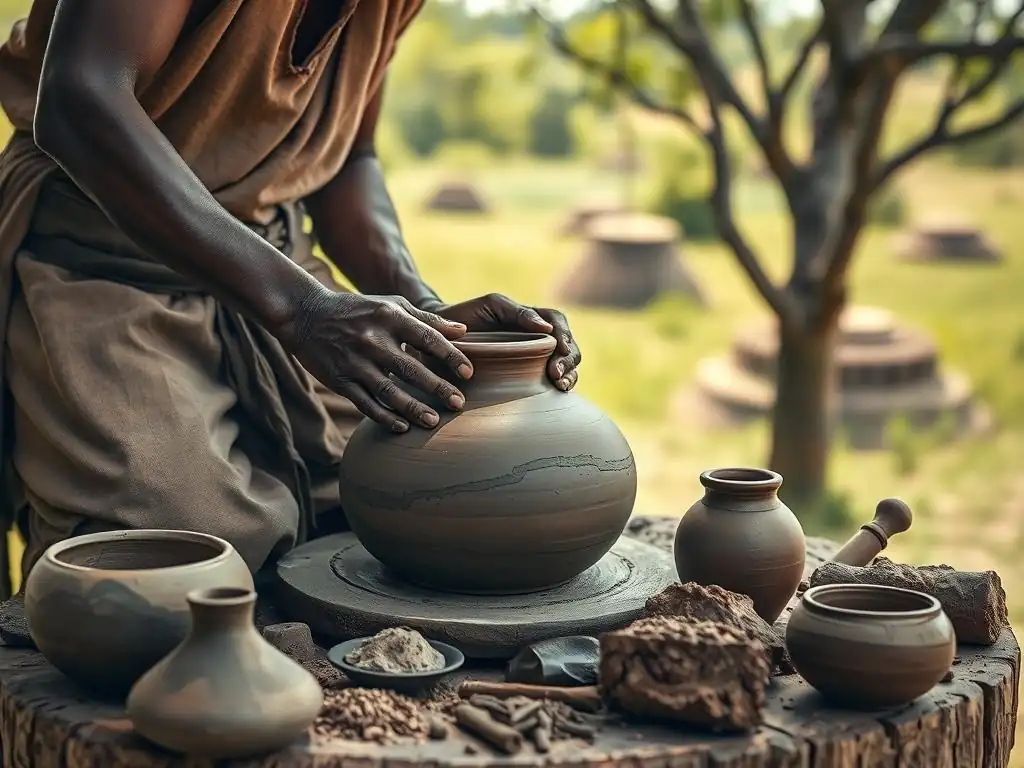
Cahokia, one of the largest and most influential pre-Columbian cities located near present-day St. Louis, Missouri, is renowned for its impressive pottery craftsmanship. The techniques employed by Cahokian artisans reveal a sophisticated understanding of materials and processes that reflect both practical and aesthetic considerations. Scientific methods were integral to the production of pottery, as these artisans combined empirical knowledge with creative expression to produce functional and ceremonial objects. This craftsmanship not only served daily needs but also played a significant role in the cultural and social identity of the Cahokian people.
Material Selection for Pottery
The selection of materials was a crucial aspect of Cahokia pottery craftsmanship. Artisans primarily utilized clay sourced from the local riverbanks of the Mississippi River, which provided a malleable medium for shaping their creations. The quality of clay varied, and potters often tested different sources to find the best fit for their intended forms.
Additionally, tempering agents were added to the clay to enhance its durability and workability. Common tempering materials included crushed shell, sand, and even organic materials such as grass or plant fibers. This strategic blending not only improved the structural integrity of the pottery but also influenced the texture and aesthetic qualities of the finished products. The choice of materials was thus a scientific decision, rooted in the understanding of how different elements would react during firing and usage.
Tools and Methods Used in Pottery Making
The tools and methods used in Cahokia pottery making were reflective of both innovation and tradition. Artisans typically employed simple yet effective tools such as paddles, anvils, and scrapers, which allowed them to shape and refine their pottery. The paddling technique, for example, involved using a wooden paddle to smooth and shape the clay, creating distinct surface patterns that were both functional and decorative.
In terms of methods, coiling was a prevalent technique where long rolls of clay were stacked and smoothed to form the body of the pottery. This method not only facilitated the creation of larger vessels but also allowed for intricate designs to be incorporated into the structure. Once the desired shape was achieved, the pottery was left to dry slowly before being fired, a process that underscored the artisans' understanding of drying times and the importance of moisture control.
The Role of Fire and Kiln Design
Fire played a pivotal role in the transformation of raw clay into durable pottery. Cahokian potters utilized kilns that demonstrated advanced engineering techniques, showcasing their understanding of the principles of heat and material science. The design and construction of kilns greatly affected the firing process, influencing the final appearance and strength of the pottery.
Types of Kilns Used in Cahokia Pottery
Cahokian kilns varied in design, with two main types being predominantly used: pit kilns and updraft kilns. Pit kilns were simple, shallow excavations in the ground where pottery was placed atop a fire. This method was straightforward but had limitations in terms of temperature control and efficiency.
In contrast, updraft kilns, which were more sophisticated, allowed for better heat circulation and temperature regulation. These kilns featured a chamber where pottery was stacked and an external firebox that provided consistent heat from below. The design of these kilns was critical to achieving the high temperatures necessary for durable pottery, demonstrating a keen understanding of thermal dynamics.
Temperature Control and Its Impact on Pottery Quality
Temperature control was essential in the pottery firing process, as it directly impacted the quality, durability, and aesthetic of the finished products. Cahokian potters needed to achieve specific temperatures to ensure that the clay underwent vitrification, a process where the clay particles fuse together and become dense and glass-like.
The skillful management of firing temperatures influenced the color and texture of the pottery. Potters experimented with different firing techniques, including the use of reduction atmospheres, which could create unique finishes and color variations. This meticulous attention to temperature and atmosphere during firing not only showcased the artisans' technical skills but also highlighted their artistic vision, resulting in a wide array of pottery that reflected both scientific understanding and cultural significance.
Decorative Techniques in Cahokia Pottery
Cahokia pottery is renowned for its intricate decorative techniques, which reflect both aesthetic values and cultural significance. Artisans employed a variety of methods to enhance the visual appeal of their wares. Among these techniques, incising, stamping, and painting stand out as prominent forms of decoration.
- Incising involves carving patterns into the clay surface before firing, creating a textured design that could represent various symbols or motifs significant to Cahokia culture.
- Stamping was achieved using tools made from natural materials, such as wood or bone, to impress designs onto the soft clay. This technique allowed for repetitive patterns, which could convey a sense of rhythm and continuity in the artwork.
- Painting involved the application of natural pigments derived from minerals and plants. These pigments were mixed with binders to create durable colors that adorned the pottery, often depicting geometric shapes, animals, and stylized human figures.
These decorative techniques not only served an artistic purpose but also functioned as a means of communication, conveying stories and beliefs of the Cahokian people.
Surface Treatment and Finishing Techniques
The surface treatment of Cahokia pottery was a crucial aspect of its craftsmanship, impacting both aesthetics and functionality. Artisans used various finishing techniques to prepare pots for daily use and ceremonial functions.
- Polishing was a common technique, where the surface was smoothed using tools or natural materials, resulting in a shiny finish that enhanced the beauty of the pottery. This process also helped to create a more impermeable surface, making the vessels more suitable for storing liquids.
- Burnishing involved rubbing the surface with a hard object to create a glossy sheen. This technique not only improved the pottery's appearance but also increased its durability, allowing it to withstand the rigors of everyday use.
- Texturing added depth to the surface, often achieved by manipulating the clay before it dried. This could include techniques such as paddling or using specific tools to create raised patterns or impressions that further enhanced the decorative aspect of the pottery.
These surface treatments highlight the skill and artistry of Cahokian potters, showcasing their ability to blend functionality with beauty.
Symbolism in Pottery Designs
Symbolism played a vital role in the designs of Cahokia pottery, reflecting the spiritual and cultural values of the society. The motifs used in pottery often held significant meanings, conveying messages about identity, cosmology, and social status.
- Geometric Patterns were prevalent, frequently representing the natural world, celestial bodies, or spiritual concepts. These patterns might illustrate beliefs related to agriculture, fertility, or the cycles of life, highlighting the connection between the people and their environment.
- Animal Symbols were also common, with specific creatures representing various traits or powers. For example, the presence of a bird motif might symbolize freedom or connection to the spiritual realm, while serpent designs could denote transformation or renewal.
- Human Figures depicted in pottery designs often portrayed individuals in ceremonial contexts, emphasizing the importance of rituals and community events in Cahokian culture. These representations served as a connection to ancestry and heritage, reinforcing the social fabric of the civilization.
Through these symbolic designs, Cahokia pottery became a medium for storytelling and cultural expression, preserving the values and beliefs of its people for generations.
Comparison of Cahokia Pottery Techniques with Other Indigenous Cultures
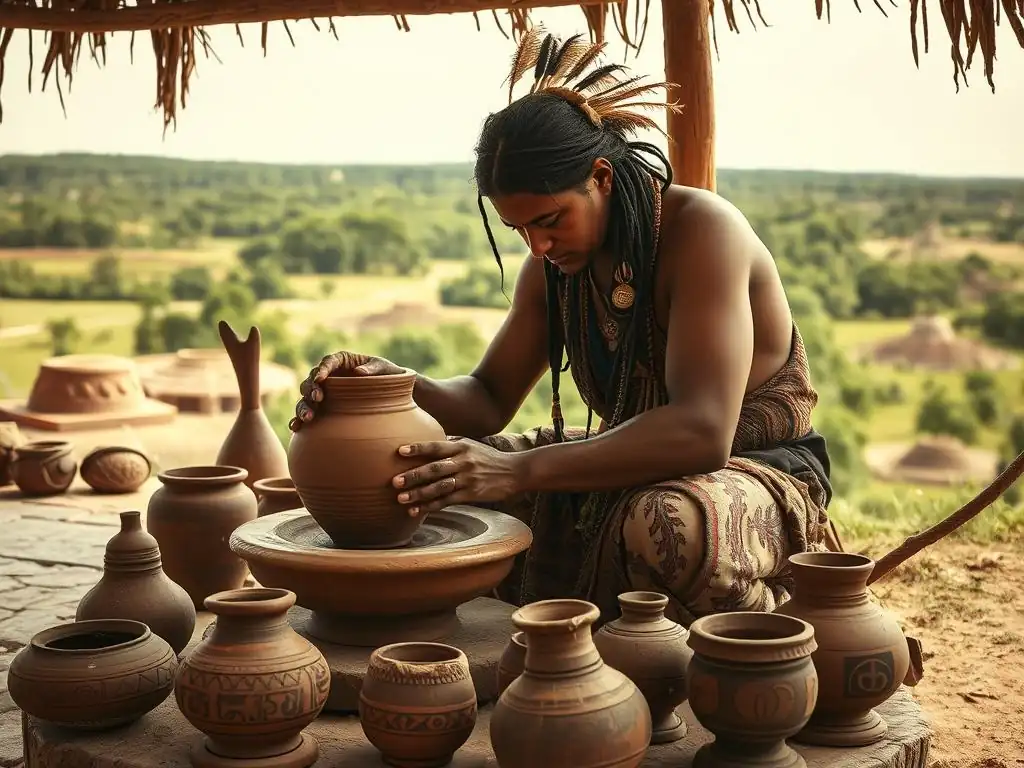
When comparing Cahokia pottery techniques with those of other Indigenous cultures, several similarities and unique aspects emerge, illustrating the diverse approaches to pottery craftsmanship across the Americas.
Similarities in Pottery Techniques Across Cultures
Many Indigenous cultures shared similar pottery techniques, reflecting common environmental influences and cultural exchanges.
- Coiling was a widespread method among various Indigenous groups, including the Pueblo cultures of the Southwest, where clay coils are stacked and smoothed to create vessel walls. This technique allowed for the creation of both functional and decorative forms.
- Use of Natural Pigments for decoration was another commonality, with many cultures employing locally sourced materials to create vibrant colors for their pottery. This practice showcases an understanding of natural resources and their applications in art.
- Ceremonial Use of pottery was prevalent across Indigenous cultures, with vessels crafted for specific rituals or communal gatherings. This functional aspect highlights the integral role that pottery played in cultural practices beyond mere utilitarian purposes.
These similarities reflect shared knowledge and techniques, shaped by the respective environments and cultural contexts of each society.
Unique Aspects of Cahokia Pottery Craftsmanship
While Cahokia pottery shares techniques with other Indigenous cultures, it also possesses distinct characteristics that set it apart.
- Scale and Complexity: Cahokia pottery often featured larger and more complex forms than those of many contemporaneous societies. The sheer size of some vessels reflects the societal structure of Cahokia, which was a major urban center.
- Innovative Decorative Techniques: The use of intricate incising and stamping techniques in Cahokia pottery demonstrates a high level of craftsmanship that was particularly advanced for its time. This innovation allowed for unique artistic expressions, differentiating it from pottery produced in other regions.
- Integration of Social Hierarchy: The designs and forms of Cahokia pottery often indicated social status, with more elaborate and decorated pieces potentially reserved for elites or used in ceremonial contexts. This stratification in pottery use highlights the complex societal structures that existed within Cahokia.
These unique aspects of Cahokia pottery craftsmanship not only reflect the artistic capabilities of its artisans but also provide insight into the social dynamics and cultural values of the Cahokian society.
The Impact of Cahokia Pottery on Modern Ceramics
Cahokia pottery, renowned for its intricate designs and advanced techniques, has left a significant imprint on modern ceramics. The Cahokia culture, thriving between 600 and 1400 CE in what is now Illinois, showcased remarkable craftsmanship through its pottery. This not only served practical purposes for storage and cooking but also held cultural and spiritual significance. The techniques and styles developed by Cahokia artisans have influenced contemporary ceramic artists, who draw inspiration from these ancient practices to enhance their own works.
The use of specific materials, methods of firing, and decorative techniques have been studied and adapted by modern potters. The distinctive styles of Cahokia pottery, such as the use of polychrome glazes and varied surface textures, have inspired contemporary artists seeking to blend historical craftsmanship with modern aesthetics. This fusion of old and new creates a dialogue between indigenous heritage and current artistic expression, enriching the field of ceramics.
Influence on Contemporary Pottery Techniques
The techniques employed by Cahokia potters have been instrumental in shaping contemporary pottery practices. One significant aspect is the use of coiling and slab-building methods, which allow for greater flexibility in creating forms. These techniques have been revived and are widely taught in ceramics courses today, providing students with a foundation rooted in traditional craftsmanship.
Moreover, the natural pigments and materials used in Cahokia pottery have found their way into modern practices. The emphasis on local clay sources and the incorporation of organic materials is a trend that resonates with today’s emphasis on sustainability in art. Contemporary potters often experiment with similar glazes and firing methods, such as wood-firing, which echoes the ancient techniques that Cahokia artisans perfected.
Preservation of Cahokia Pottery Techniques Today
Efforts to preserve Cahokia pottery techniques are evident in various educational and cultural initiatives. Museums and cultural heritage organizations are actively involved in documenting and teaching these traditional methods. Workshops led by indigenous artists and historians aim to pass down knowledge of Cahokia pottery techniques, ensuring that they remain alive in practice.
Additionally, academic research continues to explore the scientific aspects of Cahokia pottery, including studies on clay composition and firing practices. This scientific analysis not only enhances our understanding of the craftsmanship but also informs modern potters about the choices made by their ancestors. By maintaining connections to these ancient practices, the legacy of Cahokia pottery endures in contemporary ceramics.
Conclusion
Summary of Cahokia Pottery Craftsmanship Techniques
The craftsmanship techniques of Cahokia pottery are characterized by advanced methods of shaping, firing, and decorating. Key techniques include coiling, slab construction, and the use of natural pigments. The polychrome designs and intricate motifs reflect a deep connection to cultural narratives and environmental elements. These practices have laid the groundwork for modern ceramic techniques, demonstrating the enduring influence of Cahokia artisans.
The Lasting Legacy of Cahokia’s Artistic Innovations
The legacy of Cahokia’s artistic innovations extends beyond mere aesthetics; it represents a profound cultural identity and historical narrative. The pottery created by Cahokia artisans serves as a testament to their ingenuity and resourcefulness. As contemporary ceramists continue to draw inspiration from these ancient techniques, they contribute to a broader understanding of indigenous art and its relevance today.
In essence, Cahokia pottery craftsmanship techniques not only enrich the modern ceramic landscape but also foster a greater appreciation for the cultural heritage of indigenous peoples in the Americas. The ongoing exploration of these techniques ensures that the spirit of Cahokia lives on, inspiring future generations of artists and scholars alike.
- Introduction to Cahokia Pottery Craftsmanship Techniques
- Overview of Cahokia Culture and Society
- Importance of Pottery in Indigenous Cultures
- Historical Context of Cahokia Pottery
- Scientific Techniques in Cahokia Pottery Craftsmanship
- The Role of Fire and Kiln Design
- Decorative Techniques in Cahokia Pottery
- Comparison of Cahokia Pottery Techniques with Other Indigenous Cultures
- The Impact of Cahokia Pottery on Modern Ceramics
- Conclusion
Frequently Asked Questions
What is Cahokia known for in terms of pottery craftsmanship?
Cahokia is renowned for its sophisticated pottery craftsmanship techniques that included intricate designs and functional forms. This artistry reflects the cultural significance of pottery in their daily life and rituals.
How did Cahokia's pottery reflect their society?
The pottery of Cahokia served both practical and ceremonial purposes, illustrating the social hierarchy and communal practices. Techniques and styles varied, indicating the status and roles within their society.
What materials were used in Cahokia pottery?
Cahokia artisans primarily utilized natural clay sourced locally, often mixed with tempering agents like sand or crushed shell to enhance durability. This choice of materials was essential for creating resilient pottery suited for various uses.
What scientific techniques were employed in Cahokia's pottery making?
Cahokia potters employed scientific techniques such as fire control and temperature regulation during the firing process, ensuring the durability of their wares. These methods showcase their advanced understanding of materials and craftsmanship.
How has Cahokia's pottery influenced modern pottery techniques?
The craftsmanship of Cahokia has inspired contemporary potters by showcasing techniques that emphasize functionality and aesthetics. Modern artisans often study these ancient methods to incorporate traditional elements into their own work.
Final Reflection: The Enduring Legacy of Cahokia's Pottery Craftsmanship
Cahokia's pottery craftsmanship techniques are not merely relics of the past; they resonate profoundly in today's world, reminding us of the intricate relationship between art and science. The meticulous methods employed by the artisans of Cahokia reveal a sophisticated understanding of materials and processes that continues to inspire contemporary potters and artisans alike. As we delve into the rich history of these techniques, we uncover a narrative that emphasizes the importance of cultural heritage in shaping our present and future.
Cahokia's legacy is a testament to the power of creativity and innovation in human expression. The techniques used by these ancient craftsmen have influenced modern pottery practices, fostering a deeper appreciation for the blend of artistry and scientific principles. As we reflect on this cultural heritage, we are reminded of the words of renowned potter Bernard Leach: The potter's work is a reflection of the world around him, a fusion of nature and human ingenuity.
This observation underscores the ongoing impact of Cahokia's craftsmanship, encouraging us to recognize the interconnectedness of our artistic endeavors with the environment and community.
As we conclude our exploration of Cahokia's pottery craftsmanship techniques, I invite you to reflect on how these ancient practices can inform your own creative journey. Consider the ways in which you can incorporate the principles of craftsmanship, attention to detail, and respect for materials into your work. Let the story of Cahokia inspire you to embrace the art of creation, fostering a deeper connection with both your craft and the world around you. Together, we can honor the legacy of these artisans by continuing to innovate and create with purpose and passion.
Unleash Your Creativity: Dive into the World of Pottery!
Thank you for exploring the fascinating intersection of art and science in Cahokia's pottery craftsmanship! We've uncovered how ancient techniques can inspire your creative journey. Now, it's time to take the insights you've gained and apply them to your own pottery endeavors.
Here are some actionable steps to get you started:
- Get your hands dirty! Find a local pottery class or create a dedicated space at home to experiment with clay. The joy of crafting with your hands awaits you!
- Study the past. Explore traditional pottery techniques from various indigenous cultures. This will deepen your appreciation and spark new ideas for your creations.
- Share your art. Join pottery communities online or participate in local art groups to showcase your work and connect with fellow enthusiasts.
What unique techniques or inspirations from Cahokia could enhance your pottery practice? Let's discuss your thoughts in the comments!