How to Infuse Your Meals with Andean Superfoods for Health and Flavor
Unlock the nutritional power of Andean superfoods for health benefits by incorporating quinoa, maca, and amaranth into your meals. Explore vibrant recipes…
Read article
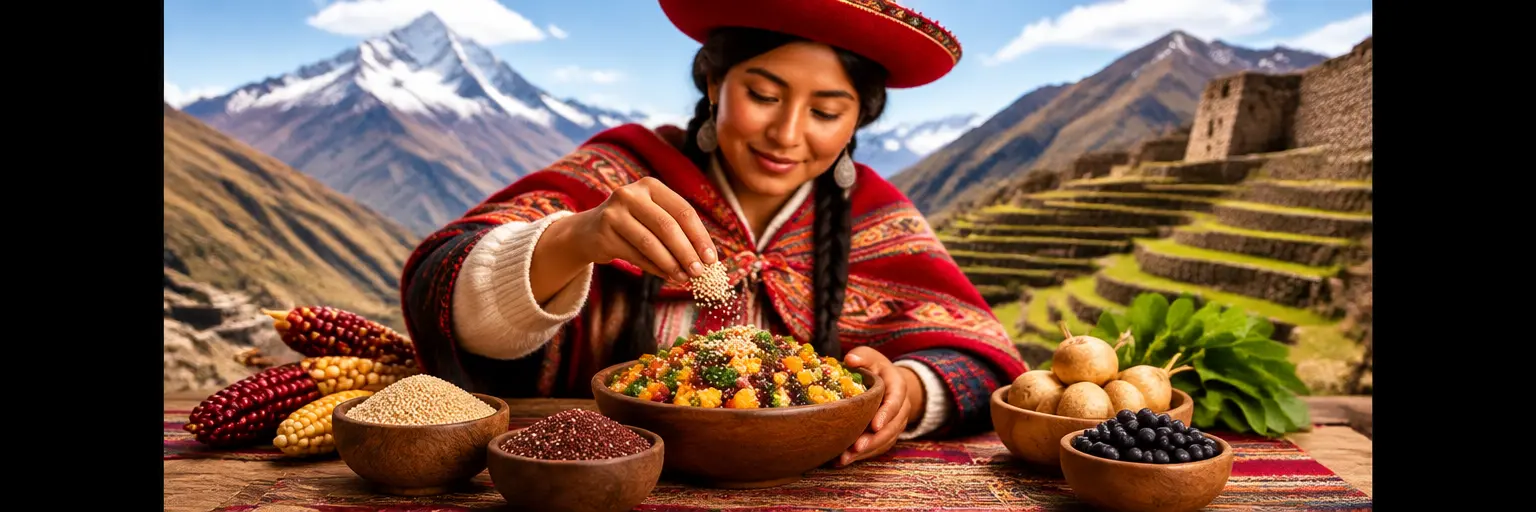
Discover the vibrant legacy of the Andes through Incorporating Andean Superfoods into Daily Meals, where ancient grains, tubers, and seeds meet modern nutrition. From the protein-rich quinoa and amaranth to the earthy purple potatoes and macafiber, these indigenous staples offer a powerhouse of vitamins, minerals, and sustainable energy. Learn how to weave kiwicha, lupini beans, and oca into hearty breakfasts, vibrant salads, and comforting stews—transforming everyday cooking with flavors that honor the agricultural genius of the Inca, Aymara, and Quechua peoples. Whether you’re seeking gluten-free alternatives, plant-based protein, or simply a taste of ancestral wisdom, this guide brings the Sacred Valley’s harvest to your table, proving that ancient foods solve modern dietary challenges. Embrace the crunch of toasted canihua, the creaminess of mashua, and the subtle sweetness of yacon—each bite a bridge to millennia of Andean resilience. Perfect for health enthusiasts, cultural explorers, and culinary adventurers, these ingredient swaps and meal ideas make biodiversity deliciously accessible.
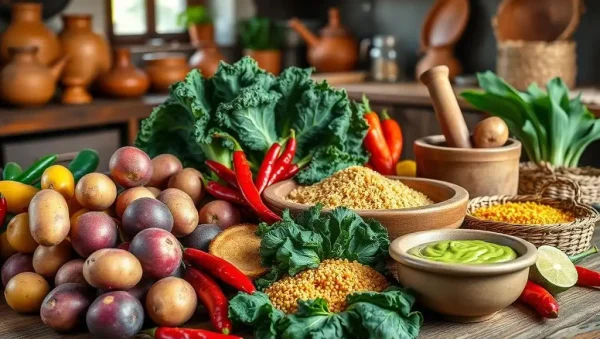
Unlock the nutritional power of Andean superfoods for health benefits by incorporating quinoa, maca, and amaranth into your meals. Explore vibrant recipes…
Read article
Discover the rich heritage of Andean superfoods with practical cooking tips that enhance your everyday meals. Incorporate quinoa, amaranth, and maca to…
Read article
Discover the rich heritage of Andean superfoods, exploring their incredible benefits and delicious recipes. This guide delves into how these nutrient-dense ingredients…
Read articleDiscover how the ancient agricultural wisdom of the Andes can transform your modern kitchen. This subcategory explores the practical integration of nutrient-dense, indigenous ingredients like quinoa, amaranth, maca, and purple potatoes into everyday breakfasts, lunches, and dinners. By embracing these superfoods, you not only elevate your health but also honor the culinary traditions of Quechua and Aymara peoples whose sustainable farming practices still thrive at high altitudes. Here is your guide to making these powerful foods a delicious part of your routine.
Quinoa, the "mother grain" of the Incas, is a complete protein that deserves more than a side dish. Rinse it thoroughly to remove bitter saponins, then toast it dry for a nutty flavor before simmering in broth. Use it as a breakfast porridge with cinnamon and berries, or fold it into veggie burgers, salads, and even baked goods for added texture and protein.
For busy weeknights, create a one-pan quinoa pilaf with roasted Andean vegetables like oca or mashua. Its versatility means you can swap it for rice in stir-fries or use it as a gluten-free thickener for soups. Pre-cook a large batch on Sunday and refrigerate for up to five days, making weekday meals effortless. This ancient grain’s high fiber and magnesium content supports heart health, making it a daily staple worth mastering.
Native to the Andes with over 4,000 varieties, purple potatoes are rich in anthocyanins—powerful antioxidants that fight inflammation. Roast them with olive oil and rosemary, or mash them with garlic and a splash of plant milk for a vibrant, nutrient-packed side. Their naturally earthy flavor pairs beautifully with smoky spices like cumin and paprika.
Beyond potatoes, explore maca root, a adaptogen that boosts energy and hormonal balance. Add maca powder to smoothies, oatmeal, or homemade energy balls—just one teaspoon daily. Also try yacon syrup, a low-glycemic sweetener from Andean tubers, perfect for drizzling over yogurt or using in salad dressings. These root vegetables provide steady, slow-release energy, keeping you fueled without crashes, while connecting you to pre-Columbian agricultural genius.
Amaranth and its Andean cousin kiwicha are gluten-free pseudocereals with lysine, an amino acid rare in plant foods. Pop them like popcorn in a dry skillet for a crunchy topping on salads, soups, or yogurt. Or simmer them into a creamy porridge with coconut milk, vanilla, and honey—a hearty breakfast that sustains you for hours.
For savory uses, toast amaranth and add to granola bars or use as a binding agent in veggie patties. Its high calcium and iron content makes it especially beneficial for women and athletes. Kiwicha’s tiny grains cook in just 15 minutes, making it a perfect quick lunch base with roasted vegetables and a lime-tahini dressing. These seeds also support collagen production, promoting healthy skin and joints—truly a daily superfood.
Transform your morning ritual with traditional Andean drinks. Prepare a classic chicha morada by simmering purple corn with pineapple peels, cinnamon, and cloves—serve chilled as a refreshing, antioxidant-rich beverage. For a caffeine-free coffee alternative, roast and grind barley (machica) or blend it with cacao for a creamy, energizing hot drink.
For post-workout recovery, mix maca powder with cacao, banana, and almond milk for a smoothie that boosts stamina and mood. You can also infuse water with lucuma, a sweet Andean fruit powder, for a natural sugar substitute in iced teas. These beverages offer a flavorful, healthful way to stay hydrated while paying homage to ancestral rituals that used these plants for medicinal and ceremonial purposes.
Andean cuisine excels at soul-warming stews, ideal for family dinners. Create a quinoa locro, a creamy stew with potatoes, corn, and cheese, using quinoa as the protein centerpiece. Or prepare a heart-vegetable sancocho with oca, carrots, and amaranth leaves, simmered with garlic and cumin—a comforting meal packed with fiber.
Batch cooking these stews is smart: they freeze well and improve in flavor overnight. Use leftover stew as a filling for empanadas or as a sauce over baked sweet potatoes. These one-pot meals simplify daily nutrition while showcasing the depth of Andean flavor profiles—earthy, slightly sweet, and aromatic. By rotating different roots and grains, you ensure a diverse microbiome and sustained energy without monotony.
Keep quinoa, amaranth, and kiwicha in airtight glass jars in a cool, dark pantry for up to a year. Purple potatoes and roots like oca should stay in a perforated bag in a cool, dark cupboard, not the fridge, to prevent sprouting. Maca and lucuma powders must be sealed and refrigerated after opening to maintain potency.
Yes, all Andean grains—quinoa, amaranth, and kiwicha—are naturally gluten-free, making them excellent alternatives to wheat. However, always buy certified gluten-free labels because cross-contamination can occur during processing. Always rinse quinoa and amaranth thoroughly before cooking to remove any residual plant compounds that might cause digestive discomfort.
Absolutely. Quinoa flour can replace up to 25% of wheat flour in muffins or bread, adding moisture and protein. Amaranth flour works well in pancakes or cookies, but combine with a binding agent like xanthan gum for structure. For savory baking, use cooked quinoa as a burger binder or pizza crust base, reducing carbs while boosting nutrition.
Start with mild-tasting purple potatoes roasted with cheese or sweet paprika. Blend small amounts of amaranth into smoothies or applesauce to hide texture. For kids, pop amaranth and mix with honey and nuts to make homemade granola bars. Gradually increase portions, and always pair with familiar flavors like tomato sauce or mild herbs to ease acceptance.
Quinoa takes about 15 minutes, amaranth and kiwicha 15–20 minutes, while purple potatoes need 20–25 minutes for boiling or roasting. Always use a 1:2 ratio of grain to liquid, and let the pot rest covered for 5 minutes after cooking to fluff. For roots, test with a fork; they should be tender but not mushy. Low simmering yields better texture than rapid boiling.