Reviving Native American Flavors: A Culinary Journey Through Indigenous Americas
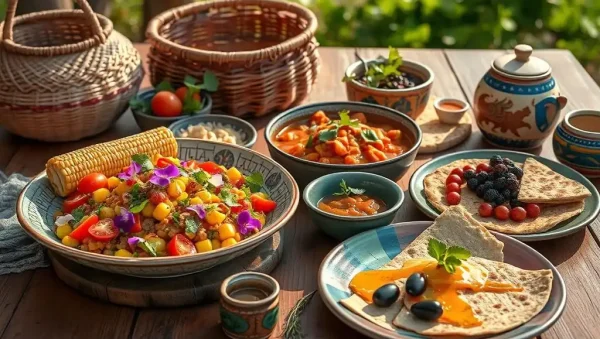
Welcome to Reviving Native American Flavors, a vibrant subcategory within our Culinary Traditions section dedicated to the authentic tastes, ingredients, and cooking techniques that sustained Indigenous civilizations across the Americas. Here, we uncover the deep-rooted history of ancestral foods—from the Three Sisters agriculture of maize, beans, and squash to the wild rice harvesting of the Great Lakes. This space is your gateway to understanding how pre-Columbian cuisines shaped modern gastronomy, offering practical insights into heirloom ingredients, traditional preparation methods, and the cultural significance behind every dish. Whether you are a food historian, home cook, or curious explorer, you’ll find rich narratives, step-by-step guides, and sustainable practices that honor Indigenous wisdom.
🌽 The Three Sisters: Maize, Beans, and Squash
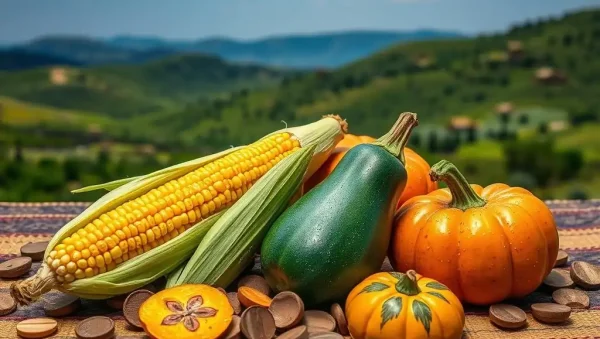
Dive into the cornerstone of Native American agriculture—the symbiotic planting of maize, beans, and squash, which provided balanced nutrition and soil fertility for centuries. This section explains the ecological genius of companion planting, where corn stalks support climbing beans, beans fix nitrogen, and squash leaves shade the soil, reducing weeds and moisture loss. You’ll learn how these crops were revered not just as food but as spiritual gifts, with ceremonies tied to planting and harvest seasons.
Expect detailed guides on heirloom varieties, such as blue corn, tepary beans, and delicata squash, including their unique flavors and cooking properties. We’ll share traditional recipes like succotash, hominy stew, and squash blossom quesadillas, along with modern adaptations that respect ancestral methods. By understanding the Three Sisters, you’ll appreciate how this trio sustained vast empires like the Aztec and Iroquois, and how reviving these crops today supports biodiversity and food sovereignty.
🔥 Traditional Cooking Techniques: Earth Ovens & Stone Griddles
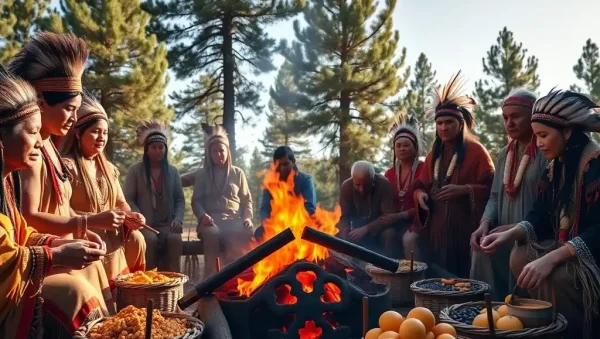
Native American culinary traditions were defined by ingenious heat management, using earth ovens, hot stones, and clay griddles to transform raw ingredients into nourishing meals. This section explores the pib of the Maya, where meat and vegetables were slow-cooked in underground pits lined with heated rocks and wrapped in banana leaves. You’ll also discover the comal, a flat stone or clay griddle used for toasting maize and cooking tortillas, still essential in Mesoamerican kitchens today.
We provide step-by-step tutorials for recreating these techniques at home, including pit-cooking fish, making fire-roasted salsas, and steaming tamales in corn husks. Learn how smoking, drying, and nixtamalization (alkaline processing of maize) preserved foods without refrigeration, enhancing flavor and nutritional value. These methods are not just historical curiosities—they offer sustainable, low-energy cooking alternatives that connect modern cooks to ancestral wisdom. Expect practical tips on equipment, safety, and flavor profiles unique to each technique.
🌿 Foraged & Wild Ingredients: From Acorns to Wild Rice
Indigenous peoples were master foragers, utilizing thousands of native plants, nuts, seeds, and fungi that are often overlooked today. This section highlights seasonal gathering practices, including the careful harvesting of acorns (leached to remove tannins), wild rice (hand-harvested by canoe in the Great Lakes), and mesquite pods (ground into sweet flour in the Southwest). You’ll learn about edible weeds like lamb’s quarters and purslane, plus medicinal herbs that doubled as seasonings, such as sage, juniper, and wild mint.
Each ingredient is documented with its ecological role, cultural significance, and culinary uses, from acorn porridge to wild rice pilaf. We’ll also cover ethical foraging principles—taking only what you need, respecting plant populations, and obtaining permission on tribal lands. For those unable to forage, we suggest reliable sources for heirloom seeds and wild-harvested products. This knowledge empowers you to diversify your pantry while honoring the deep relationship between Indigenous communities and their homelands.
🍲 Regional Cuisines: From Arctic to Amazon
Native American flavors vary dramatically across ecosystems, from the whale and seal dishes of the Inuit to the cassava and chili-based stews of the Amazon. This section offers a culinary map of pre-Columbian America, highlighting iconic regional dishes such as Navajo fry bread (a post-contact adaptation), Maya chocolate drinks, Andean quinoa soups, and Pueblo green chili stew. You’ll understand how geography, climate, and trade networks shaped local diets, creating unique flavor profiles that persist in modern regional cuisines.
Expect in-depth profiles for each region, including key ingredients, cooking styles, and ceremonial foods linked to festivals and rites of passage. We’ll also address common misconceptions—like the myth of a monolithic “Indian food”—by celebrating the diversity of over 500 distinct Indigenous nations. Recipes are adapted for home kitchens, using accessible substitutes for rare items while maintaining authenticity. This section is ideal for planning cultural food tours or simply expanding your culinary repertoire with bold, earthy flavors.
🔄 Modern Revitalization: Indigenous Food Sovereignty
Today, a powerful movement led by Native chefs and activists is reviving ancestral foods to combat health disparities, reclaim cultural identity, and restore ecosystems. This section profiles leaders like Sean Sherman (The Sioux Chef) and Lois Ellen Frank, who are decolonizing diets by replacing processed ingredients with native plants and regenerative farming. You’ll learn about food sovereignty as a political and spiritual act, with initiatives to restore buffalo herds, grow heirloom corn, and revitalize traditional seed banks.
We’ll explore practical ways you can support this movement, such as buying from Indigenous-owned food businesses, visiting native farms, and advocating for policy changes that protect tribal food systems. The section also includes success stories of community gardens, youth cooking programs, and restaurant partnerships that bring native flavors to mainstream audiences. By understanding this revitalization, you’re not just learning recipes—you’re participating in a broader justice movement that values ecological balance and cultural resilience.
Frequently Asked Questions
What are the most commonly used native ingredients in modern recipes?
Key ingredients include maize (especially blue and red varieties), beans (tepary and kidney), squash (acorn and butternut), wild rice, amaranth, chia, sunflower seeds, and indigenous herbs like sage and sumac. Protein sources ranged from bison and venison to fish and insects. These ingredients are rich in fiber, protein, and antioxidants, and many are now available in specialty stores or online.
How can I start cooking Native American dishes at home?
Begin with simple recipes like three sisters stew, roasted pumpkin seeds, or blue corn pancakes. Source heirloom ingredients from native farms or reputable online retailers. Follow traditional techniques like soaking beans overnight or nixtamalizing corn for authentic texture and flavor. Start small, respect cultural protocols (e.g., offering gratitude), and gradually explore regional specialties.
Are Native American foods gluten-free and healthy?
Yes, most traditional foods are naturally gluten-free, as they rely on maize, rice, beans, tubers, and game rather than wheat. They are generally high in fiber, complex carbohydrates, and lean protein, with low processed sugars. However, some modern iterations like fry bread can be high in fat and calories, so seek baked or roasted alternatives for everyday health.
Can I forage for wild ingredients used by indigenous peoples?
Absolutely, but always forage responsibly. Learn to identify plants with local experts, avoid endangered species, and never harvest on private or tribal lands without permission. Start with common edibles like dandelion, cattail, and acorns. Check local regulations—some wild rice lakes require permits. Consider joining a foraging group or taking an ethnobotany class for safe practice.
How does reviving these flavors help indigenous communities today?
Reviving traditional foods supports economic empowerment, preserves cultural continuity, and improves public health by reducing diet-related diseases like diabetes. It also fosters environmental stewardship, as native crops are adapted to local climates and require fewer inputs. Supporting indigenous food businesses and chefs creates jobs and ensures that knowledge is passed to younger generations.