Feast Like a Maya: Exploring Festive Dishes and Their Meanings
Discover the rich tapestry of Maya festive dishes and their meanings, as we delve into the vibrant culinary traditions that reflect the…
Read article
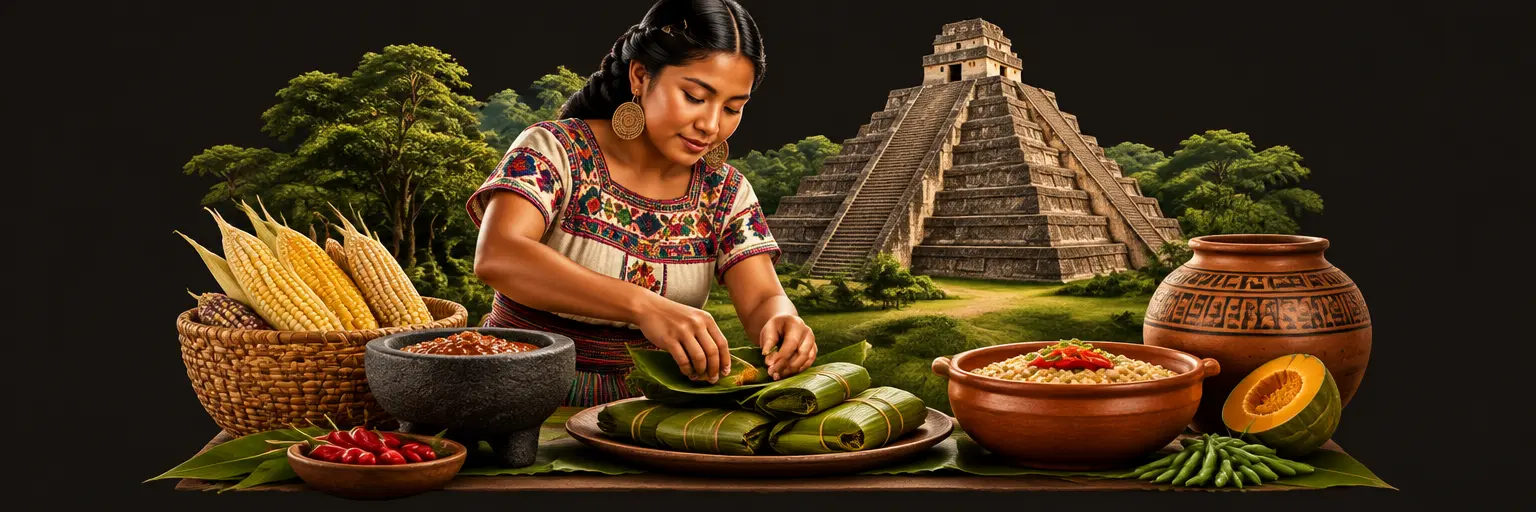
Discover the bold, ancient flavors of Mayan cuisine—a vibrant culinary heritage rooted in jungle botanicals, sacred cacao, and stone-ground maize. This journey unveils how the Maya transformed humble ingredients into complex dishes that still echo in modern kitchens. From smoky pibil slow-cooked in underground pits to the frothy, spicy kakaw once reserved for royalty, every recipe is a story of innovation and reverence for nature. You’ll explore the essential trio of corn, beans, and chili, alongside unique additions like achiote, chaya, and the elusive huitlacoche. More than just food, this deep dive highlights the spiritual symbolism of meals, the gender roles in preparation, and the sustainable farming methods that sustained mighty city-states for millennia. Whether you’re a foodie, historian, or curious traveler, this page serves as your passport to taste the resilient, soulful legacy of one of the world’s most sophisticated ancient cultures—and shows how its flavors survive in today’s Yucatán, Guatemala, and Belize. Prepare to see dinner through a whole new lens. 🌽🔥🍫
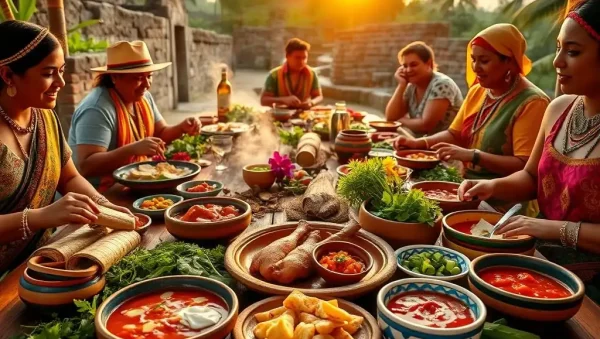
Discover the rich tapestry of Maya festive dishes and their meanings, as we delve into the vibrant culinary traditions that reflect the…
Read article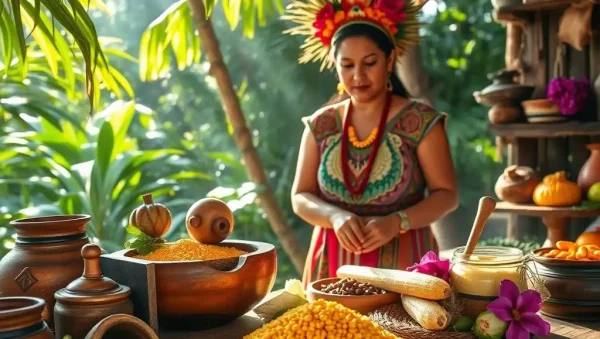
Mayan food rituals and culture were integral to their society, reflecting spiritual beliefs and social structures. From sacred ceremonies to communal feasts,…
Read article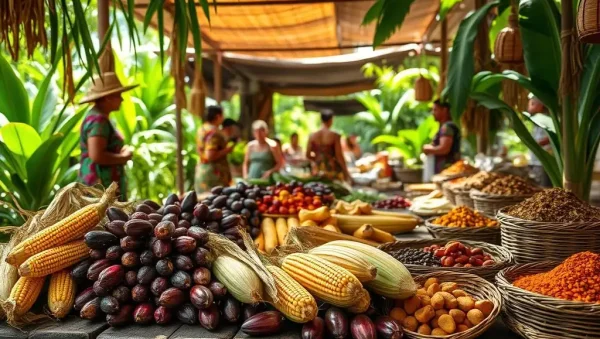
🌽 Discover the rich tapestry of Mayan culinary traditions and ingredients, where corn and cacao play pivotal roles in shaping a vibrant…
Read articleStep into the heart of Mesoamerican gastronomy with A Taste of Mayan Cuisine, a culinary journey through the ingredients, techniques, and rituals that defined one of history’s most sophisticated food cultures. From the humble maize field to the royal feasts of Tikal, this subcategory reveals how the Maya transformed local biodiversity into a timeless palate. Whether you’re a home cook, a history enthusiast, or a traveler dreaming of Yucatán flavors, you’ll find actionable insights, historical context, and modern adaptations that make ancient recipes relevant today.
At the core of Mayan cooking lies the milpa system, an intercropping method where maize, beans, and squash grow together, each supporting the soil and the diet. Maize (ixim) was not just food but the very substance of creation—the Popol Vuh tells of humans formed from maize dough. Nixtamalization, the process of soaking kernels in alkaline lime water, unlocked niacin and made corn a complete protein source. Beans provided lysine, while squash offered seeds and leaves rich in vitamins. This synergy created a nutritionally balanced base that sustained millions for centuries. Expect to learn how this triad shaped Mayan cosmology and why it remains the backbone of modern Mesoamerican diets.
Modern chefs and home cooks can replicate this ancient balance by sourcing heirloom corn varieties like cacahuazintle and pairing them with black beans and pumpkin. The milpa’s philosophy of companion planting also inspires sustainable gardening practices today. As you explore this section, you’ll uncover practical tips on nixtamalizing at home, soaking beans for optimal texture, and roasting squash seeds for snacks. This isn’t just history—it’s a blueprint for resilient, flavorful eating that respects the land and its ancestral wisdom.
Mayan kitchens were testament to ingenuity, using comals (flat clay griddles), pib (underground earth ovens), and chiltepin-infused stews. The pib involved digging a pit, heating stones, and slow-cooking wrapped meats and vegetables for hours, imparting a smoky, earthy depth that no modern oven can replicate. Similarly, the comal was used to toast tortillas, roast chiles, and char tomatoes, creating layers of flavor through direct heat. These techniques were not random—they conserved fuel, retained moisture, and enhanced digestibility. You’ll discover step-by-step descriptions of building a backyard pib, plus safety tips for adapting them to modern grills.
For the curious cook, this subcategory explains how to recreate these methods with accessible tools: a cast-iron comal, a camping earth oven, or even a slow cooker that mimics low-and-slow cooking. You’ll also learn about metate and mano grinding stones, which produced the fine masa that made tortillas pliable. Understanding these techniques elevates your appreciation for the labor behind every tortilla and stew, transforming a simple meal into a cultural experience. Expect practical troubleshooting, such as how to avoid burnt bottoms or achieve the perfect char on tomatillos.
No exploration of Mayan cuisine is complete without its iconic dishes. Cochinita pibil—achiote-marinated pork slow-roasted in banana leaves—is a festival favorite, with roots in sacrifice and celebration. Sopa de lima, a tangy chicken-lime soup, showcases the Yucatán’s citrus bounty. Papadzules (rolled tortillas in pumpkin seed sauce) and <b