Modern Takes on Aztec-Inspired Dishes: A Culinary Bridge Across Centuries
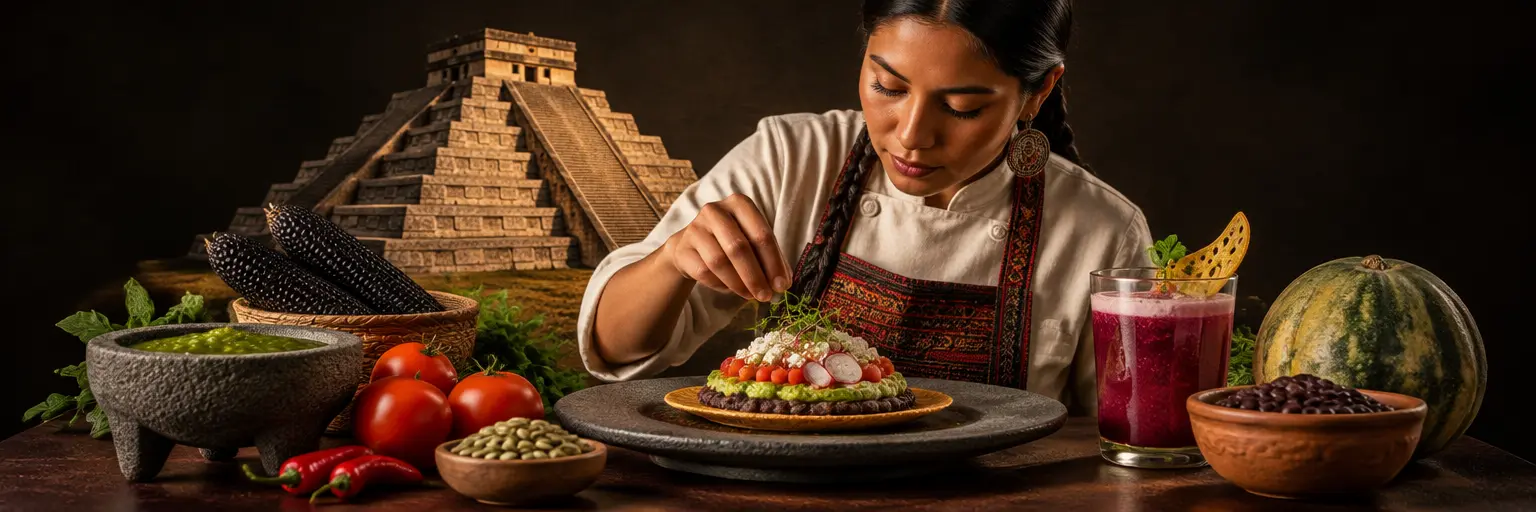
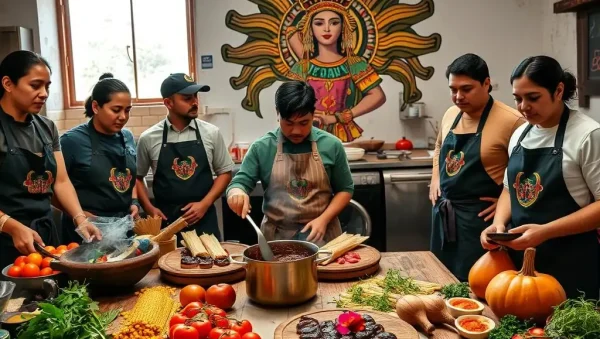
Welcome to the vibrant intersection of ancient heritage and contemporary creativity. In this subcategory of Culinary Traditions, we explore how chefs, home cooks, and food innovators are reimagining the ingredients, techniques, and flavors of the Mexica (Aztec) empire for modern palates. Expect a fusion of nixtamalized corn, chilies, cacao, and amaranth with global techniques, all while honoring indigenous wisdom. These dishes are not just meals—they are edible stories of resilience, adaptation, and cultural pride. Here, you’ll discover recipes, historical context, and practical tips for bringing Aztec-inspired flavors into your kitchen, from street-food reimaginings to fine-dining masterpieces.
🌽 Nixtamalization and Corn: The Soul Reinvented
Nixtamalization—the ancient alkaline treatment of corn—remains the bedrock of Aztec foodways and modern reinterpretations. Today, chefs are elevating this process with heirloom maize varieties like blue, red, and yellow, crafting tortillas, tlacoyos, and huaraches with complex nutty profiles. You’ll see creative uses like corn-based gnocchi, fermented corn beverages (tejuino), or even corn-husk-infused desserts. The key is preserving the nutritional boost—calcium, niacin, and amino acids—while experimenting with textures and umami depth.
For home cooks, this means sourcing high-quality masa or nixtamal, learning to balance traditional resting times with modern shortcuts, and embracing the earthy sweetness that industrial corn lacks.
🌶️ Chili and Salsa: From Molcajete to Molecular Gastronomy
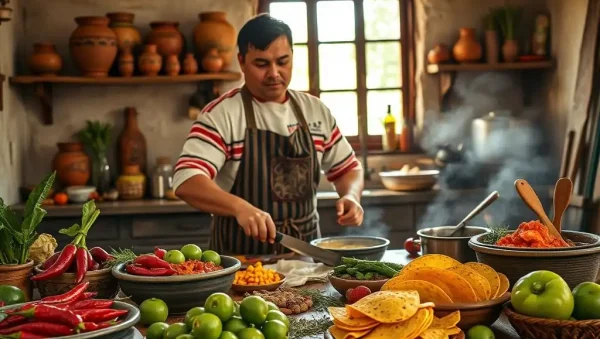
The Aztec reverence for chilies—from smoky chipotle to fiery habanero—inspires a new wave of salsas and hot sauces. Modern takes include fermented chili pastes, smoked chili oils, and dehydrated chili powders blended with herbs like epazote and hoja santa. Expect to see traditional mole negro reimagined with Asian miso or European chocolate, creating hybrid umami bombs. For the adventurous, there are chili-infused cocktails, chili-spiced fruit leathers, and even chili-based vegan cheeses.
This section will guide you through balancing heat with acidity and sweetness, using molcajetes or blenders, and storing your creations. The goal is to capture the Aztec belief that chili is not merely a spice but a spiritual and medicinal ally.
🍫 Cacao and Amaranth: Superfoods of the Gods, Modernized
Cacao—once currency and ritual drink—now stars in savory rubs, mole bases, and guilt-free energy bars. Modern chefs pair raw cacao with quinoa, chia, or amaranth to create nutrient-dense breakfast bowls, granolas, and even cacao-infused barbecue sauces. Amaranth, banned by colonizers for its sacred status, is making a comeback as a gluten-free flour, popped grain for desserts, and protein-rich addition to salads. Look for amaranth-based tortillas, porridges, and even amaranth “popcorn” snacks.
Here, you’ll learn to toast amaranth properly, temper cacao without bitterness, and combine these superfoods with seasonal fruits or exotic spices like allspice and vanilla. The result is a health-conscious twist on ancient pantry staples that honors their ceremonial legacy.
🐟 Protein and Aquatic Heritage: From Lake Texcoco to Modern Seafood
The Aztecs thrived on lacustrine resources—fish, axolotl, insects, and algae from Lake Texcoco. Modern reinterpretations include aquafaba-based meringues, spirulina-infused pastas, and sustainable insect-based protein bars. For seafood lovers, try reimagined tamales de pescado with lime-cured white fish, or a miso-tomatillo broth for a Mexican-Japanese fusion. Chefs are also reviving algae in salads and sauces, offering a briny, mineral-rich flavor profile that echoes the lake’s bounty.
Expect recipes for cricket tacos (chapulines), ant-egg omelets (escamoles), and fish jerky with chili-lime furikake. This section will also discuss ethical sourcing, foraging, and the environmental benefits of incorporating insects and aquatic plants into modern diets.
🌿 Foraged and Wild Ingredients: Edible Weeds and Native Herbs
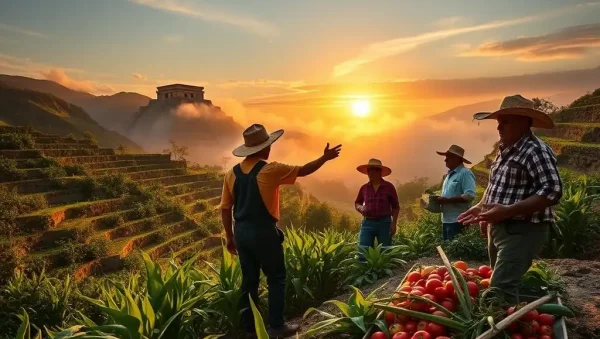
Aztec cuisine celebrated wild greens, mushrooms, and herbs like quelites, huitlacoche (corn smut), and nopal cactus. Modern takes feature these in gourmet salads, wild mushroom risottos, and plant-based tacos. Huitlacoche—the “Mexican truffle”—is now prized in upscale restaurants for its earthy, sweet flavor, often paired with cream or stuffed in quesadillas. Nopal cactus is being grilled, pickled, and blended into smoothies or vegan tacos. You’ll also find yerba santa-infused syrups for cocktails and epazote-enriched bean dishes.
This segment will teach you safe foraging practices, where to buy specialty produce, and how to preserve wild herbs. It’s a celebration of biodiversity that reconnects diners with the land’s natural abundance.
Frequently Asked Questions
Is it respectful to modernize Aztec dishes?
Yes, when done with cultural appreciation rather than appropriation. Modernizing involves acknowledging the ingredients’ origins, supporting indigenous producers, and telling the story of pre-Columbian foodways. Avoid trivializing sacred items like cacao or amaranth. Collaboration with Mexican or indigenous chefs adds authenticity and respect.
What ingredients are essential starting points?
Begin with nixtamalized corn (masa harina), dried chilies (ancho, guajillo), Mexican oregano, epazote, cacao, amaranth, and tomatillos. These form the flavor backbone. For proteins, try wild-caught fish, insects like chapulines, or mushrooms for vegetarian approaches. Fresh herbs like cilantro and hoja santa add brightness.
Can I make these dishes gluten-free or vegan?
Absolutely. Corn, amaranth, and nopal are naturally gluten-free. For vegan versions, replace lard with vegetable shortening in tamales, use aquafaba for egg whites, and substitute cheese with cashew crema. Mole sauces can be thickened with ground nuts or tortillas instead of bread.
How do I balance strong flavors like huitlacoche or epazote?
Start with small amounts—taste as you go. Huitlacoche pairs well with dairy, garlic, and lime. Epazote is best with beans, two to three leaves per pot. For chilies, remove seeds to reduce heat while keeping flavor. Acid (lime, tomatillo) cuts bitterness. Use neutral oils to sauté aromatics before adding robust elements.
Where can I find authentic Aztec-inspired ingredients?
Check Latin American grocery stores for dried chilies, masa harina, and spices. Online retailers like Masienda, Rancho Gordo, or specialty importers offer heirloom maize and amaranth. For insects, try food-grade producers like Don Bugito or local farms. Farmers’ markets often carry nopal and fresh herbs like epazote.