Rediscovering Indigenous Recipes: A Culinary Journey Through the Americas
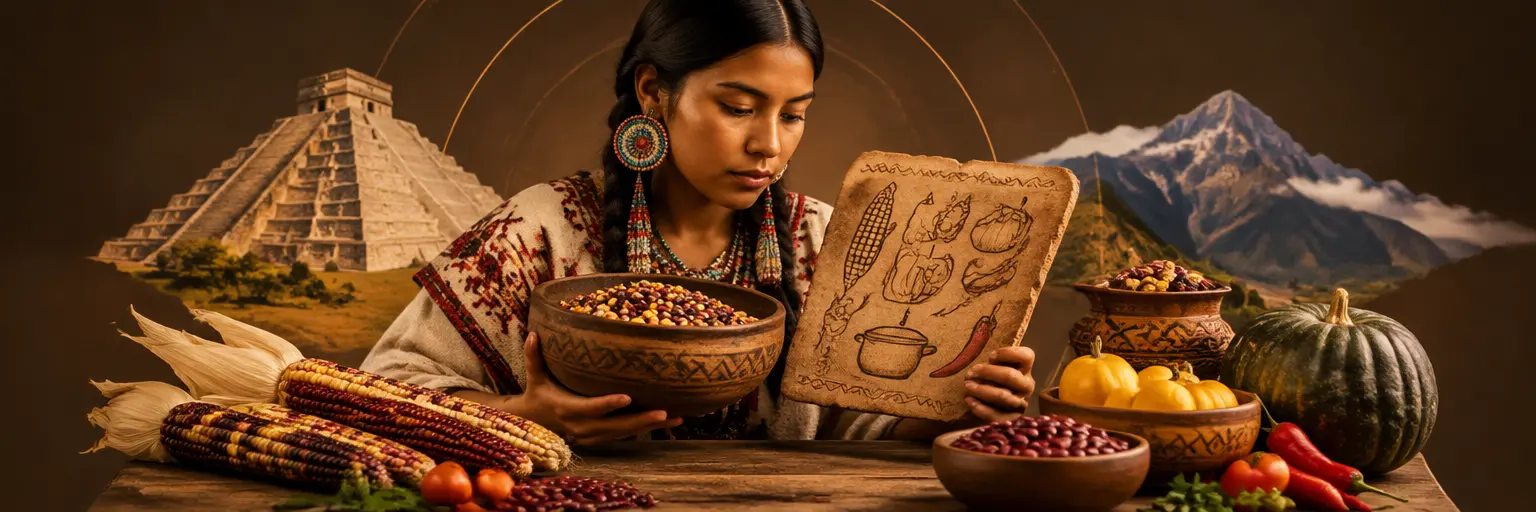
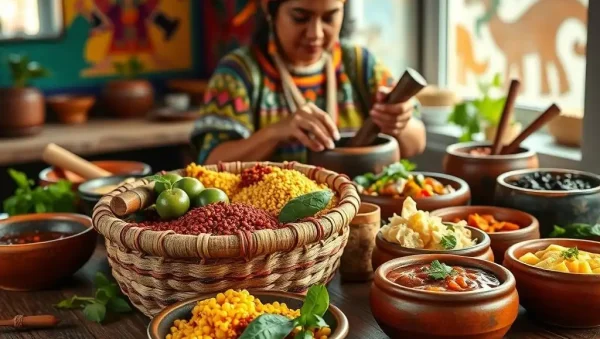
Embark on a flavorful exploration of ancestral cooking techniques, native ingredients, and traditional foodways that sustained Indigenous civilizations across the Americas for millennia. This subcategory brings you authentic, adapted recipes that honor pre-Columbian culinary heritage, from the Three Sisters agricultural triad to wild-harvested superfoods. Rediscover the cultural significance of maize, amaranth, quinoa, chiles, and cacao, and learn how to respectfully recreate these dishes in modern kitchens while supporting Indigenous food sovereignty and historical accuracy.
🌽 The Three Sisters: Corn, Beans, and Squash in Traditional Cooking
The Three Sisters method—companion planting of maize, beans, and squash—is more than agriculture; it’s a nutritional and spiritual cornerstone. Recipes here focus on nixtamalized corn (hominy), heirloom beans, and winter squash varieties like Hubbard or butternut. Expect dishes such as succotash-inspired stews, corn cakes (arepas or jonnycakes), and three sisters soup that layer flavors and textures. You’ll also find guidance on nixtamalization—the ancient alkaline process that unlocks corn’s niacin and improves protein quality—alongside tips for sourcing heritage seeds and preserving heirloom varieties.
Each recipe includes step-by-step instructions, ingredient substitutions for regional availability, and historical context about how different nations (Haudenosaunee, Pueblo, Cherokee) adapted this trio. Learn to roast squash seeds, ferment bean broths, and use corn husks for steaming. These dishes are hearty, plant-forward, and perfect for modern meal prep while honoring the ecological wisdom behind their creation. The flavor profiles range from smoky and earthy to subtly sweet, making them versatile for both everyday meals and ceremonial feasts.
🌾 Ancient Grains: Amaranth, Quinoa, and Wild Rice
Long before European wheat, Indigenous peoples cultivated pseudocereals like amaranth and quinoa, and harvested wild rice (manoomin) from northern lakes. This section dives into recipes for amaranth porridge, quinoa salads with native herbs, and wild rice pilafs featuring cedar, juniper, or cranberries. You’ll learn the sacred status of these grains—amaranth was used in Aztec rituals, quinoa in Andean offerings—and how to toast, pop, or simmer them for optimal texture. Discover traditional “pinole” (ground toasted grain) that served as portable energy for travelers and warriors.
Recipes include pre-columbian energy bars, savory grain bowls with roasted root vegetables, and ceremonial “chicha” (fermented beverage) variations that are non-alcoholic for home cooks. We emphasize foraging ethics when sourcing wild rice or berries and provide clear instructions for rinsing, soaking, and cooking each grain to avoid bitterness. Whether you’re gluten-free or a culinary historian, these recipes offer a nutrient-dense alternative to modern staples, directly linking your palate to the fields and forests of ancient America.
🌶️ Chiles, Cacao, and Native Spices: Building Pre-Columbian Flavor
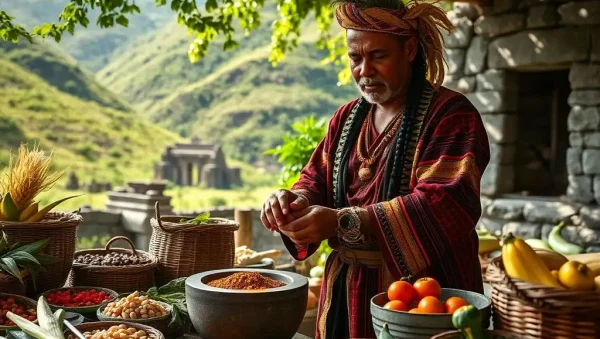
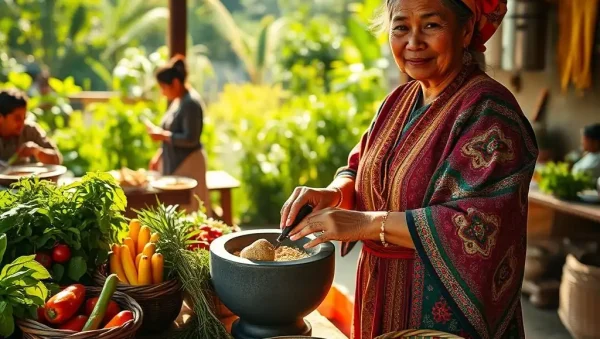
Unlock the complex heat of heirloom chiles (ancho, guajillo, chipotle) and the bitter-sweet depth of ceremonial cacao (used as a savory sauce, not just chocolate). This subcategory provides recipes for mole-based stews (without European spices like cinnamon or black pepper), chile-spiced corn drinks (atole), and cacao-chile marinades for grilled meats or tofu. You’ll discover native aromatics like epazote, hoja santa, and achiote that define authentic taste profiles, and learn to blend spices using a metate (grinding stone) or modern spice grinder.
Expect clear guidance on toasting chiles to release smoky oils, rehydrating them for sauces, and balancing heat with sweetness from squash or fruit. We also cover pre-contact sweeteners like maple syrup and agave nectar, avoiding honey if you’re replicating a strict pre-Columbian pantry. These recipes are ideal for adventurous home cooks looking to elevate their spice cabinet beyond conventional paprika and cumin. Each dish includes a “heat level” indicator and cultural notes on the chile’s origin—from the Aztec’s chiltecpin to the Maya’s habanero.
🔥 Cooking Techniques: Earth Ovens, Clay Pots, and Stone Griddles
Recreate the ancient cooking methods that defined Indigenous cuisine—no modern appliances required. Learn to build a pib (earth oven) for slow-roasting meats and vegetables, use comal (clay griddles) for tortillas and toasting seeds, and employ stone boiling for soups in gourd containers. This section includes step-by-step guides for pit-cooking (as done by the Taíno for barbacoa), smoking fish on cedar planks (Pacific Northwest style), and using clay pots that impart earthy mineral notes to beans and broths. We’ll also cover fermentation for beverages like tepache and for preserving vegetables, a method widely used from the Maya to the Inca.
Practical tips include fire safety, substituting with slow cookers or Dutch ovens when outdoor cooking isn’t feasible, and sourcing food-safe clay or volcanic stone. For urban cooks, we offer adaptations like using a cast-iron skillet as a comal or a ceramic slow cooker for earth-oven flavor. These techniques aren’t just historical—they create distinct textures and smokiness that modern stovetops cannot replicate, making your dishes more authentic. Each method is paired with a sample recipe, from carnitas-style braised pork to smoked salmon spread, ensuring you can immediately practice what you read.
🌿 Foraged & Wild Foods: Roots, Greens, and Fruits of the Americas
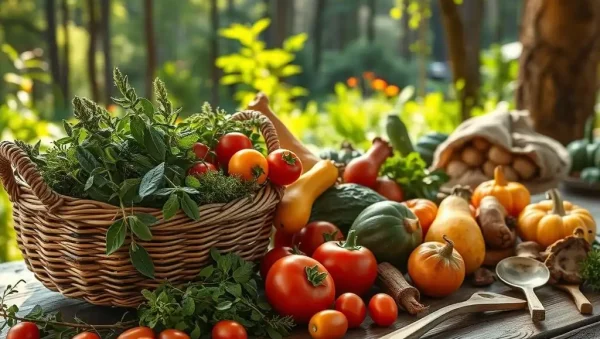
Indigenous diets were deeply rooted in seasonal foraging. This subcategory highlights recipes using native plants like purslane, lamb’s quarters, wild onions, Jerusalem artichokes (sunchokes), and berries (serviceberries, chokecherries). Learn to make cattail heart stir-fries, nettle soups, and prickly pear cactus pads (nopales) salads with lime and chili. We emphasize sustainable harvesting practices and include warnings about look-alikes, always directing you to expert field guides or local foraging groups. You’ll also find preservation methods such as sun-drying, smoking, and pit-storing roots, mirroring the storerooms of ancient households.
Recipes focus on simple preparation to highlight natural flavors—a light sauté with sunflower oil, a sprinkle of salt, or a squeeze of citrus (which came later with Europeans, but we offer sumac or hibiscus as pre-Columbian souring agents). We also cover mushroom hunting for species like chanterelles and morels, common in Mesoamerican markets, and how to safely process them. For those without access to wild spaces, we provide cultivated substitutes (e.g., watercress for wild cress) and suggest seed catalogs for growing native herbs in home gardens. This section is perfect for locavores, permaculturists, and anyone curious about eating in sync with native ecosystems.
Frequently Asked Questions
Are these recipes historically accurate to pre-Columbian times?
Yes, as much as possible. We focus on indigenous ingredients and methods documented by archaeological findings, codices, and oral traditions. However, we sometimes include post-contact ingredients (like citrus or pork) only when flagged, so you can choose strict authenticity or practical adaptation.
Can I adapt these recipes for gluten-free or vegan diets?
Absolutely. Most Indigenous recipes are naturally gluten-free (using corn, beans, grains) and vegan-friendly when omitting meat. We provide substitutions like mushrooms for game and coconut aminos for soy (not native but a modern alternative).
Where can I buy authentic ingredients like amaranth or nixtamalized corn?
Look for Latin American grocery stores, online retailers like Native Seeds/SEARCH, or co-ops specializing in heritage foods. You can also order dried heirloom corn or amaranth grains from Indigenous-owned businesses that we recommend in the introduction of each recipe.
How do I respect Indigenous food culture without appropriation?
Always credit the original nations and their culinary knowledge. We recommend supporting Indigenous chefs and food activists, visiting cultural centers, and using recipes as a starting point rather than a claim of ownership. We also share tips on donating to land sovereignty projects.
Do these recipes require specialized cooking tools?
No. While we show traditional methods, every recipe includes modern kitchen equivalents like a heavy skillet, Dutch oven, or steamer. You only need a handful of spices and ingredients; we avoid obscure tools that would discourage home cooks.