Documentaries Exploring Indigenous Civilizations
Immerse yourself in the rich, complex world of pre-Columbian Americas through the lens of award-winning documentaries. This subcategory curates visual narratives that bring ancient Maya, Inca, Aztec, and countless other civilizations to life, blending archaeological evidence, indigenous voices, and cinematic storytelling. Whether you’re a student, educator, or history enthusiast, these films offer a accessible gateway to understanding monumental architecture, sophisticated agriculture, and resilient cultures that shaped the hemisphere. Explore our handpicked selection bridging science, tradition, and human achievement.
🏛️ Deep Dives into Maya and Inca Engineering
Discover how documentaries reveal the mathematical precision behind Maya pyramids and Inca road networks, using LiDAR scans and drone footage to strip back jungle canopies. Expect expert interviews explaining celestial alignments and water management systems that still baffle engineers today. These films emphasize technological ingenuity without romanticizing collapse, showing adaptive societies thriving for millennia. Ideal for those seeking hard data wrapped in gripping visuals, each episode connects monumental stones to everyday life, from farmers to kings.
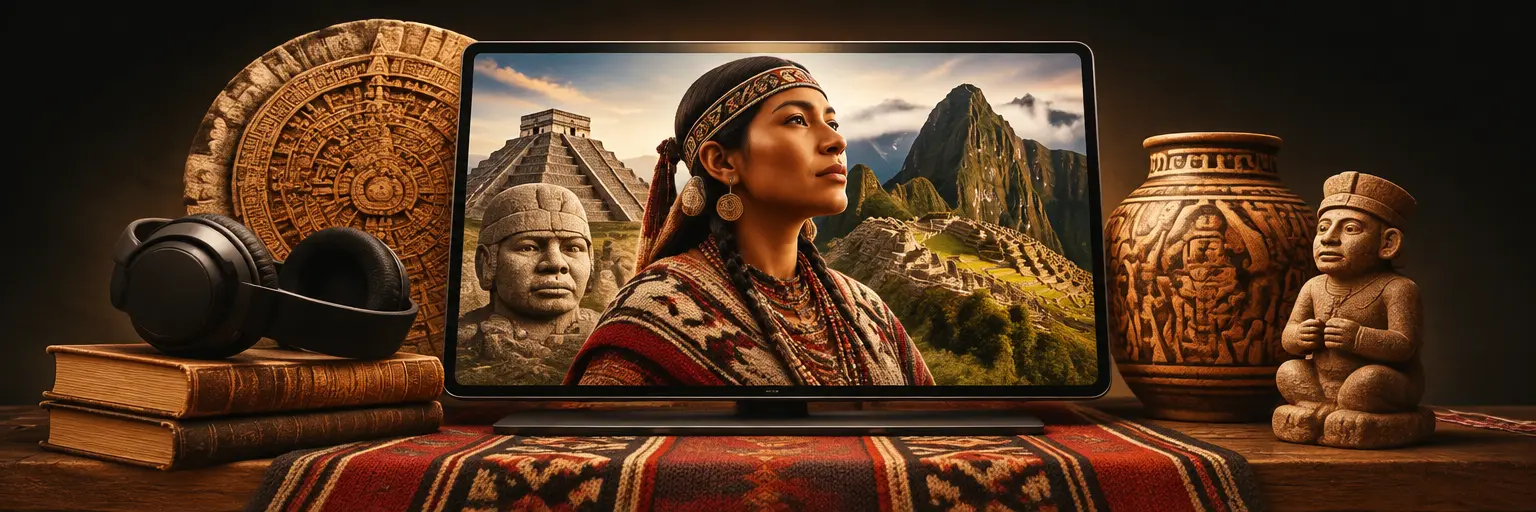
You’ll learn why the Maya developed the concept of zero, and how Inca terrace farming supported hundreds of thousands in the Andes. Breathtaking reconstructions and on-location filming at Chichen Itza and Machu Picchu make abstract history tangible. These documentaries prioritize archaeological accuracy, debunking alien-theory myths while celebrating human innovation under extreme environmental pressure.
🌎 Untold Stories of Amazonian and Coastal Cultures
Beyond the famous empires, this subcategory champions lesser-known societies like the Marajoara of the Amazon estuary and the Chinchorro mummy-makers of Chile’s coast. Documentaries here challenge outdated “pristine wilderness” narratives, showing vast urban centers, raised fields, and fish farms that supported dense populations. Through indigenous oral histories and recent archaeological digs, you’ll witness how these communities profoundly managed biodiversity, creating fertile dark earth and sustainable fisheries.
Films also explore the resilience of descendants today, linking ancient practices to current ecological stewardship. Expect vibrant ceramics, elaborate textiles, and shell-mound architecture, all narrated with respect and nuance. These stories are eye-opening for anyone curious about non-state societies that rivaled empires in complexity, offering powerful lessons on coexistence with nature that resonate in our climate-changing world.
🎬 Cinematic Reenactments and Visual Effects
For those who thrive on spectacle, this subcategory includes high-budget productions using CGI to recreate Tenochtitlan’s grandeur or the final siege of Cusco. Dramatizations are carefully grounded in primary sources like the Florentine Codex and chronicles of Diego Durán, blending actor portrayals with expert commentary. These films are perfect for visual learners, transforming dense historical events into emotional, character-driven arcs—from a Mexica poet’s perspective to a Inca chasqui’s relay run.
While some purists prefer pure archaeological footage, these reenactments boost memorability and engagement, especially for younger audiences. The visual effects team collaborates with historians to ensure clothing, rituals, and weaponry are as accurate as possible. Expect battle sequences that highlight strategic brilliance, not just violence, and daily life scenes that humanize rulers and commoners alike. This is history seen through a blockbuster lens, yet anchored in solid scholarship.
🗣️ Indigenous Filmmakers and Community Narratives
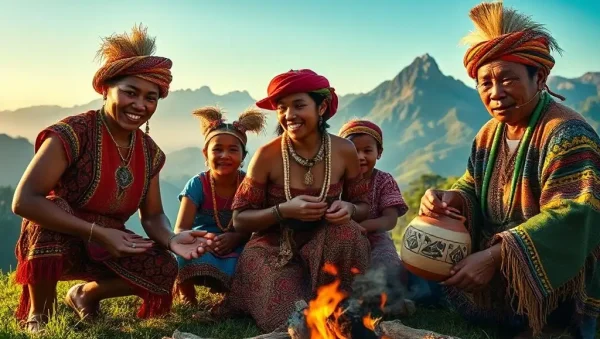
Center stage here are documentaries made by and with indigenous peoples, foregrounding their own interpretations of ancestral heritage. From Zapotec producers in Oaxaca to Quechua collectives in Peru, these films prioritize cultural sovereignty, oral tradition, and storytelling aesthetics that differ from Western doc conventions. You’ll hear direct descendants discuss the spiritual meaning of sacred sites, decipher codes in woven patterns, and practice rituals that have survived persecution.
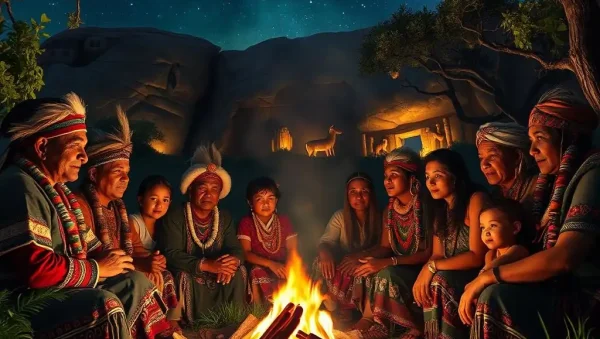
This selection also covers contemporary struggles—water rights, land restitution, and language revival—linking past glories to present resilience. Expect intimate interviews shot over years, featuring elders imparting prophecies and youth using drones to map ancestral lands. These documentaries are profoundly moving, offering a corrective to external narratives and an authentic glimpse into living cultures that have trebled their visibility through modern media.
🔬 Science Meets Story: Carbon Dating and Ethnobotany
Bridging hard science and human interest, this subcategory showcases documentaries that follow researchers paleo-botanists, bioarchaeologists, and geochemists evaluating ancient diets, DNA, and climate records. Films explain how stable isotope analysis traces maize migration, and how pollen cores reveal pre-Columbian forest management. The production crews translate laboratory jargon into engaging visuals, using animated graphics and 3D models of skulls, soils, and pollen grains. Interdisciplinary research shines, connecting genetics to language trees.
You’ll also explore ethnobotanical documentaries that film shamans demonstrating medicinal plants still used today—from coca leaf rituals to curare’s use in medicine. These films emphasize living knowledge systems, not frozen relics. Expect exciting breakthrough stories, like how coprolite analysis proved the cultivation of sunflowers in 2000 BCE. For curious minds wanting the “how do we know” behind the history, these documentaries offer gripping narratives of discovery.
Frequently Asked Questions
Are these documentaries suitable for classroom use?
Yes, most selections include the educational rights for in-class screening, and several come with teacher’s guides featuring discussion prompts and primary source primary source excerpts. We mark age ratings and content flags (e.g., human sacrifice, warfare) so educators can filter appropriately. For younger grades, we recommend titles with more focus on architecture and daily life.
Do any documentaries feature modern descendants speaking?
Absolutely. Roughly 70% of our curated films include contemporary interviews with, and narration by, indigenous community members. These segments are not token additions but central to the narrative, often correcting historical inaccuracies and sharing prophecies that guide modern activism. Look for credits listing cultural consultants—a sign of respectful collaboration.
How accurate are the CGI reconstructions of ancient cities?
We only list productions that base their 3D models on published archaeological maps, statement of survey data, and peer-reviewed journal articles. Many employ on-screen disclaimers indicating speculative areas. However, creative liberty is always explained via side-by-side comparisons with real ruins and quotes from excavation teams. This transparency helps viewers distinguish proven fact from plausible visualization.
Can I stream these documentaries directly on this website?
No, we provide detailed reviews and curated links to official streaming platforms (Amazon Prime, Apple TV, YouTube, Kanopy) and DVD purchases. We deliberately avoid piracy and untrusted uploads. Some titles are free on public broadcast archives or PBS. We update links regularly to reflect current availability and regional restrictions.
Are there documentaries focusing on specific regions only, like Mesoamerica?
Yes, our filters let you sort by region (Andean, Central America, Amazon Basin, North America) and by time period (Preclassic, Classic, Postclassic). The subcategory includes wide-reaching global titles on parallels with African or Asian civilizations, but the core focus remains the Americas. Every film is described with geographic tags for easy browsing.