Aztec Spirituality Today: How Ancient Beliefs Shape Modern Practices
🌿 Aztec spirituality today intertwines ancient beliefs with modern practices, revitalizing rituals and traditions that honor the earth and ancestors. This exploration…
Read article
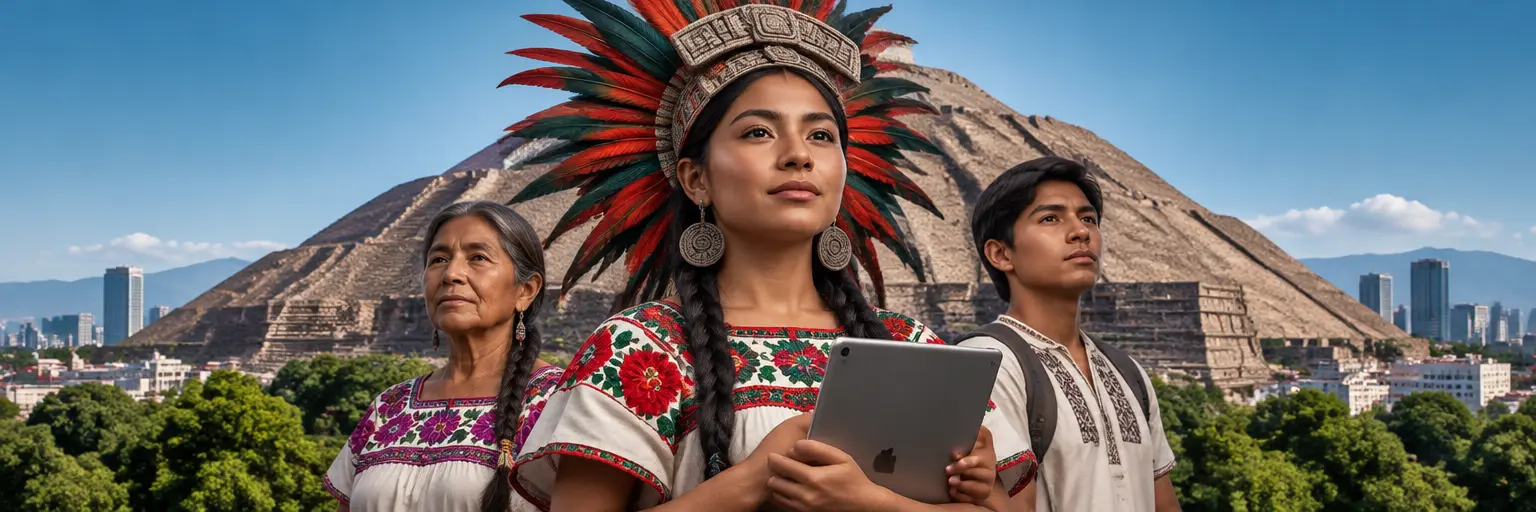
Explore the vibrant resilience of Contemporary Aztec Communities, where ancient traditions thrive in modern Mexico. Discover how today’s Nahua peoples—direct descendants of the Aztec empire—preserve their Nahuatl language, ancestral farming methods, and ceremonial rituals alongside urban life. From the bustling streets of Mexico City, where the Zócalo echoes with pre-Hispanic history, to remote villages practicing milpa agriculture and traditional healing, these communities bridge a 700-year legacy with today’s globalized world. Learn about their ongoing struggles for land rights, cultural recognition, and self-determination, while celebrating their vibrant art, cuisine, and worldviews. This is a living heritage—not a relic—shaping contemporary identity, environmental stewardship, and social justice. Dive into the heart of modern indigeneity, where the past is not past, but a dynamic force for the future.
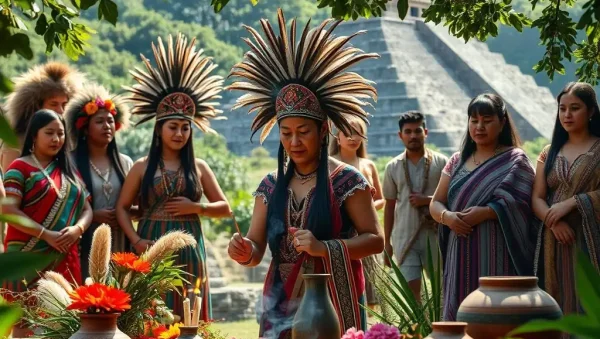
🌿 Aztec spirituality today intertwines ancient beliefs with modern practices, revitalizing rituals and traditions that honor the earth and ancestors. This exploration…
Read article
Campo_por_completar
Read article
Campo_por_completar
Read article
Campo_por_completar
Read article
Campo_por_completar
Read articleWelcome to our deep dive into Contemporary Aztec Communities, a vital subcategory within Modern Indigenous Cultures. Here, we move beyond the ancient ruins to spotlight the vibrant, living Nahua people who carry forward Aztec language, customs, and identity in today’s Mexico. This page is your gateway to understanding how these communities adapt, thrive, and preserve their ancestral legacy amidst globalization, urbanization, and political change. From the cultivation of milpa agriculture to the revival of Nahuatl in digital spaces, discover a world where the past and present coexist dynamically. We’ll explore cultural continuity, economic strategies, spiritual practices, and the contemporary challenges these groups face, offering SEO-rich insights for researchers, travelers, and cultural enthusiasts alike.
In contemporary Aztec villages across Puebla, Veracruz, and Guerrero, the milpa system—a polyculture of maize, beans, and squash—remains the heartbeat of subsistence and identity. Families still practice chinampa-inspired gardening in wetland areas, while traditional cooking methods like nixtamalization transform corn into tortillas, tamales, and atole. These practices are not mere nostalgia; they are adaptive strategies for food sovereignty and climate resilience. Visitors and scholars can expect to learn how modern farmers integrate ancestral crop rotation with organic certifications, selling heirloom maize varieties at premium markets. Moreover, daily life often revolves around communal work parties (tequio), where reciprocity and collective labor strengthen social bonds, ensuring that pre-Hispanic ethics of cooperation endure in contemporary settings.
The Nahuatl language, spoken by over 1.5 million people, is experiencing a powerful renaissance through bilingual education programs, community radio stations, and smartphone apps. Contemporary Aztec communities are leveraging social media platforms like TikTok and YouTube to teach Nahuatl vocabulary to younger generations, while universities in Mexico City offer accredited courses with native speakers as instructors. This subcategory examines how linguistic preservation intersects with political activism, as communities demand official recognition and resources for language rights. Expect to find case studies of digital storytelling projects, where elders record oral histories to create audio archives accessible worldwide. These efforts not only safeguard a UNESCO-recognized language but also challenge colonial narratives, asserting that Aztec culture is a living, evolving force—not a museum artifact.
Contemporary Aztec communities actively engage in self-governance through usos y costumbres (customary law), often electing leaders in open assemblies rather than through party politics. This subcategory highlights regions like the Sierra Norte de Puebla, where Nahua municipalities have gained constitutional recognition of their autonomous systems, enabling them to manage local justice, natural resources, and cultural ceremonies. Readers will discover how these communities negotiate with federal and state governments over land rights, mining concessions, and mega-projects. Additionally, we delve into youth-led movements that fuse indigenous rights with environmental justice, positioning Aztec communities as key actors in national debates on sustainability. This analysis provides a nuanced view of how ancient governance models—based on consensus and rotation—are being reinvented to meet modern legal and ecological challenges.
Beyond subsistence, contemporary Aztec artisans are transforming traditional crafts into global market commodities while protecting intellectual property. From intricate tenango embroidery to amate bark paintings, these products now feature on ethical fashion runways and fair-trade platforms. This section explores cooperative models where profits are reinvested in community infrastructure, such as health clinics and schools, rather than individual accumulation. Expect insights into digital storefronts, blockchain-based provenance tracking, and cultural tourism initiatives that allow travelers to visit workshops ethically. We also analyze the tension between commercialization and cultural authenticity, showing how artisans innovate designs while rooted in centuries-old iconography. For entrepreneurs and hobbyists, this content offers practical lessons in sustaining heritage economies without cultural dilution.
Contemporary Aztec spirituality is a living tapestry blending pre-Hispanic rites with Catholic symbolism, resulting in unique celebrations like Día de los Muertos and Xantolo in the Huasteca region. This subcategory examines how ceremonial centers, temazcal sweat lodges, and danza azteca groups function as spaces for healing and identity affirmation in urban hubs like Mexico City and Los Angeles. We highlight the role of abuelos (spiritual guides) who adapt ancient rituals—such as the new fire ceremony—to address contemporary anxieties, from climate change to migrant separation. Readers will explore the ethical debates surrounding cultural appropriation versus indigenous-led revival, and how communities guard sacred knowledge while inviting respectful participation. This content is essential for understanding resilience, as spirituality becomes a tool for psychological well-being and collective memory preservation.
Yes, millions of indigenous people in Mexico identify as Nahua, the ethnic group that spoke Nahuatl and formed the Aztec Empire. They live primarily in central and southern Mexico, maintaining distinct languages, clothing, and customs. Many proudly claim Aztec ancestry, though “Aztec” as a self-identifier is less common than “Nahua” or specific community names.
They preserve history through oral traditions, ritual performances, and community archives. Elders pass down huehuetlahtolli (ancient words) in storytelling sessions, while younger members digitize documents and maintain archaeological sites. Local museums and cultural centers are often co-managed with community councils, ensuring narratives remain indigenous-led and accurate.
Key challenges include land dispossession due to industrial agriculture and mining, linguistic shift toward Spanish, migration that fragments families, and systemic poverty. Additionally, climate change threatens traditional crops and water sources. However, community organizing, legal victories, and international solidarity are helping to mitigate these threats, fostering adaptive strategies.
Yes, but visitors should engage respectfully and seek ethical tourism options. Many communities offer guided tours, homestays, and cultural workshops that directly benefit local economies. It’s crucial to ask permission before photographing people or ceremonies, follow host guidelines, and prioritize forms of travel that honor communal autonomy rather than intrusive observation.
Aztec symbols, language, and food permeate Mexican national identity, from the eagle on the flag to words like “chocolate” and “avocado.” Contemporary Aztec communities serve as living reminders of indigenous roots, influencing art, literature, and political discourse. Their activism has also pushed for constitutional recognition of native rights, reshaping what it means to be Mexican today.