The Resilience of Indigenous Cultures: Modern Expressions and Traditions
Campo_por_completar
Read article
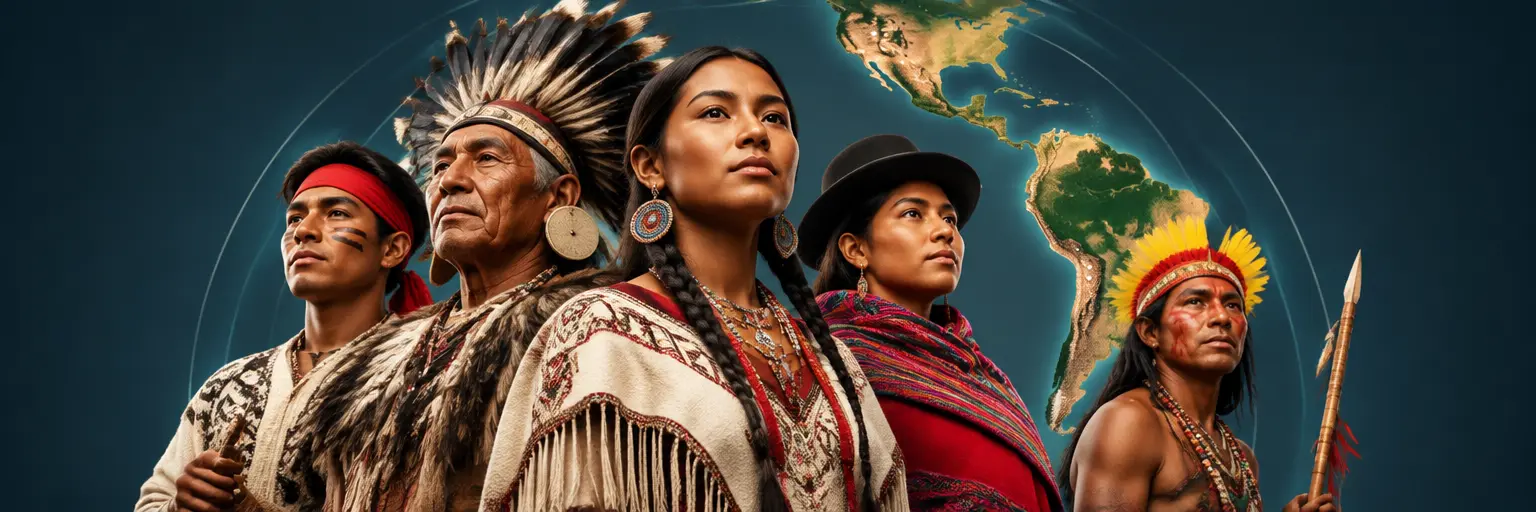
Explore the rich tapestry of Modern Indigenous Cultures beyond the well-known nations, where other indigenous cultures across the Americas thrive with vibrant traditions, resilient languages, and innovative adaptations. From the high Andes to the Amazon rainforest and the Arctic tundra, these communities preserve ancient wisdom while navigating contemporary challenges. Discover how their unique worldviews, sustainable practices, and artistic expressions continue to shape regional identities and global conversations about heritage. Whether it’s the intricate weaving of Andean peoples, the ceremonial rituals of the Gran Chaco, or the coastal stewardship of Pacific Northwest groups, each culture offers profound insights into humanity’s enduring connection with the land. This section celebrates the diversity and dynamism of these lesser-known yet equally vital societies, emphasizing their ongoing contributions to biodiversity, cultural plurality, and social resilience today. Dive in to understand why safeguarding these cultures is not just about preserving the past but ensuring a more inclusive, sustainable future for all.
Campo_por_completar
Read article
Campo_por_completar
Read article
Campo_por_completar
Read article
Campo_por_completar
Read article
Campo_por_completar
Read articleWhile the Aztec, Maya, and Inca often dominate the spotlight, the Americas are home to hundreds of vibrant, living Indigenous cultures that continue to shape their nations today. The “Other Indigenous Cultures” subcategory within Modern Indigenous Cultures celebrates the rich diversity of communities that are less frequently discussed but equally vital—from the Arctic Inuit to the Mapuche of Patagonia. Here, you’ll discover their contemporary struggles, artistic expressions, languages, and resilience, all grounded in deep historical roots that predate European contact. This page is your gateway to understanding the full mosaic of Indigenous life in the Americas, beyond the famous empires.
This section focuses on how “Other Indigenous Cultures” maintain their traditional practices while navigating the modern world. Expect to learn about the Guarani of Paraguay, the Kuna of Panama, and the Samí (in Arctic regions) as they balance subsistence hunting, weaving, and communal governance with digital activism and legal battles for land rights. You’ll see how these communities are not relics but dynamic societies that innovate within their own cultural frameworks.
For SEO, this page targets keywords like indigenous resilience, modern tribal governance, cultural preservation, and traditional livelihoods. By reading in-depth case studies, you’ll understand how these groups use international law (e.g., UNDRIP) and local alliances to protect their territories. This insight is essential for anyone studying anthropology, environmental justice, or Latin American studies, as these examples challenge stereotypes of Indigenous peoples as passive victims.
Here, we explore the linguistic diversity of “Other Indigenous Cultures,” spotlighting languages like Quechua (beyond Inca), Nahuatl (beyond Aztec), and smaller languages such as Yanomami or Lenca. This section details grassroots efforts in schools, radio stations, and digital apps used to teach younger generations, alongside the role of oral historians who keep creation stories and medicinal knowledge alive.
Readers will find curated lists of language revitalization programs, including successful models from New Zealand’s Māori (as a comparative example) applied to the Americas. The content emphasizes that language is not just communication but a vessel for worldview—often including unique concepts of time, nature, and community. For SEO, we integrate terms like endangered languages, linguistic revival, native language apps, and storytelling traditions to attract educators and linguists.
This part showcases how artists from “Other Indigenous Cultures” merge ancestral techniques with modern media. Expect profiles of Maya weavers in Guatemala, Shipibo-Conibo painters in Peru using geometric patterns from ayahuasca visions, and Inuit printmakers. We also cover digital art, fashion design, and music—from Andean panpipe fusion to urban hip-hop in native languages.
Through gallery-style descriptions and artist interviews, this content highlights cultural appropriation vs. appreciation and fair trade ethics. For search optimization, we target indigenous art market, native textile patterns, contemporary indigenous music, and ethical fashion. This section appeals to art collectors, travelers, and social justice advocates, providing practical tips on supporting Indigenous artists directly through cooperatives and online platforms.
Here, we examine how “Other Indigenous Cultures” serve as frontline defenders of biodiversity. Case studies include the Asháninka in the Amazon fighting deforestation, the Miskito in coastal Nicaragua managing fisheries, and the Kichwa of Sarayaku, who legally defended their forest against oil drilling. This section translates traditional ecological knowledge (TEK) into modern conservation frameworks.
You’ll learn about specific practices like agroforestry, controlled burns, and sacred-site protection that are now being adopted by national parks and climate scientists. Keywords like indigenous conservation, traditional ecological knowledge, climate adaptation, and land-back movements are woven throughout. This content is crucial for environmental policymakers, students, and NGOs seeking collaborative models that respect Indigenous sovereignty while addressing global climate crises.
This section dissects the legal landscape affecting “Other Indigenous Cultures” today. We highlight landmark cases, such as the Kichwa people of Ecuador’s successful lawsuit for prior consultation, and the Mapuche struggles in Chile and Argentina for autonomy. Expect explanations of International Labour Organization Convention 169, free prior informed consent (FPIC), and constitutional recognition across different nations.
Readers will gain insight into the successes and setbacks faced by communities as they negotiate with mining, logging, and hydroelectric companies. We also discuss the rise of Indigenous political parties and parliamentarians, like those in Bolivia and Mexico. For SEO, we target indigenous land rights, self-determination, UNDRIP, legal victories, and consultation protocols—a resource for activists, lawyers, and journalists covering these pressing issues.
We use this term to encompass any living Indigenous community in the Americas that is not primarily classified under the most famous Mesoamerican or Andean empires. This includes Arctic peoples, Amazonian tribes, Plains nations, and Caribbean descendants. Our focus is on their contemporary existence, not just pre-Columbian history, acknowledging their unique linguistic and social structures.
Yes, modernity includes adaptation. Many communities use GPS collars for reindeer herding or smartphones for language apps, yet still practice seasonal rituals. We define “modern” as actively living in the 21st century, not frozen in time. Their traditions evolve, and that evolution is a key part of their resilience and cultural vitality.
The main category covers broad themes and famous nations like the Navajo or Quechua. This subcategory deepens the dive into lesser-known groups, providing more detailed case studies on distinct regions, languages, and legal struggles. It’s for users seeking granular examples beyond general overviews, often highlighting communities with smaller populations or less media coverage.
Yes, our Art and Environmental sections include practical guides on sustainable tourism, such as choosing community-run lodges or purchasing crafts through certified fair-trade cooperatives. We also list organizations that accept donations for language programs or land defense funds. Always verify current recommendations, as conditions change frequently.
Historical factors play a role—groups with large empires or early colonial documentation became icons. Others, often nomadic or forest-dwelling, were less chronicled and remain marginalized. Media visibility also depends on current political conflicts and activist campaigns. Our subcategory aims to correct this imbalance by amplifying voices that are often overlooked in mainstream narratives.