Future Generations: Educating Inca Descendants on Their Rich Cultural Heritage
Campo_por_completar
Read article
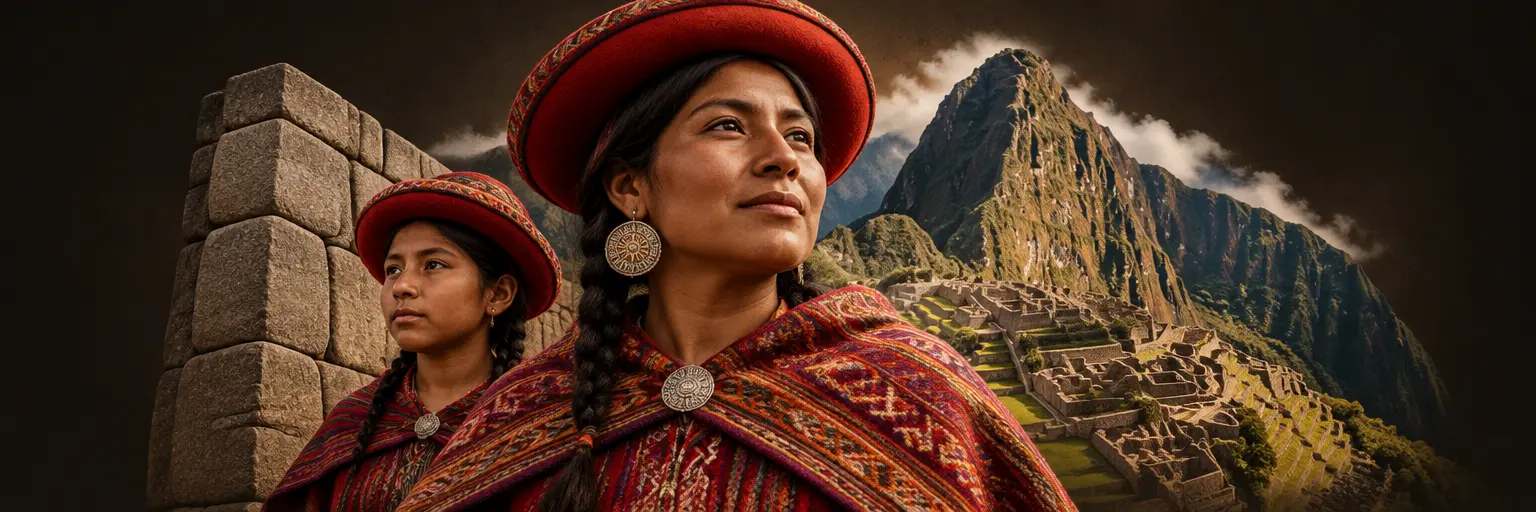
Discover the enduring legacy of the Inca Empire through the vibrant lives of its modern descendants. Across the Andean highlands of Peru, Bolivia, Ecuador, and beyond, millions of Quechua- and Aymara-speaking communities preserve ancient agricultural terracing, weaving traditions, and ceremonial rituals that trace directly back to their imperial ancestors. From the living stone walls of Cusco to the sacred festival of Inti Raymi, these resilient cultures blend pre-Columbian wisdom with contemporary identity. Explore how Inca heritage thrives today in language, music, and spiritual connections to Pachamama, offering a powerful bridge between a storied past and a dynamic present.
Campo_por_completar
Read article
Campo_por_completar
Read article
Campo_por_completar
Read article
Campo_por_completar
Read articleWelcome to our deep dive into Inca Descendants, a vital subcategory of Modern Indigenous Cultures. Here, we explore how the mighty Inca Empire’s bloodlines, traditions, and Quechua language endure today across Peru, Bolivia, Ecuador, and beyond. From vibrant textile weavings to centuries-old agricultural terraces, this page reveals the resilient communities that carry the Inca torch. Whether you’re a student, traveler, or cultural enthusiast, you’ll find authentic insights into their contemporary life, spiritual practices, and ongoing fight for recognition. Let’s journey through the living history of the Children of the Sun.
The Quechua people are the primary descendants of the Inca, speaking a language that once unified an empire stretching 2,500 miles. Today, an estimated 8–10 million Quechua speakers live in the Andes, preserving phonetic sounds and vocabulary directly inherited from their royal ancestors. In villages like Ollantaytambo and Pisac, you’ll hear daily conversations that echo the past, while community councils still use ayllu (extended family) structures to govern land and water rights. This living connection offers an unmatched window into pre-Columbian social organization, making Quechua communities a cornerstone of modern Andean identity.
Visitors to these high-altitude settlements often witness traditional farming on Inca-built terraces, growing potatoes, quinoa, and maize using techniques passed down for 500 years. Textile cooperatives, run largely by women, weave intricate chumpi belts and ponchos with iconography that mirrors pre-Hispanic designs. By supporting these artisans and cooperatives, you’re not just buying souvenirs—you’re sustaining a cultural economy that directly benefits descendants. Expect warm hospitality, but always ask permission before photographing; for locals, these practices are sacred, not spectacles.
Inca descendants have mastered vertical ecology, cultivating crops at altitudes from 2,000 to 4,500 meters using ancient andenes (terraces). These stone-walled steps, built with sophisticated drainage systems, still prevent erosion and create microclimates that allow diverse harvests. In Cusco’s Sacred Valley, you’ll see families rotating crops of native potatoes—over 3,000 varieties exist—alongside quinoa, amaranth, and oca. This isn’t just subsistence; it’s a deliberate preservation of biodiversity that modern agronomists now study to combat climate change.
What makes this subcategory essential is its practical continuity. Unlike museum exhibits, these terraces remain fully operational, with irrigation channels diverted from glacial streams exactly as the Inca did. Community work parties, called minka, gather seasonally to repair stone walls and celebrate planting festivals like Pachamama Raymi. For those interested in sustainable agriculture, observing these methods offers a blueprint for resilient farming. Don’t miss the chance to taste chicha (corn beer) during harvest rituals—it’s a fermented link to the empire’s ceremonial economy.
Descendants blend Catholicism with ancient Andean cosmology, a fusion that emerged during Spanish colonization yet remains vibrantly alive. At the heart is Pachamama (Mother Earth) worship, where offerings of coca leaves, maize, and llama fat are buried to ensure fertility. During the Inti Raymi festival every June 24th, thousands gather at Sacsayhuamán to reenact the Inca sun ceremony, complete with ceremonial fires and Sapa Inca impersonators. This isn’t tourist theater—for many indigenous locals, it’s a spiritual obligation to maintain cosmic balance.
The syncretic blend also appears in patron saint feast days, where Catholic processions stop at mountain shrines called apus. Shamans, known as paqos, still perform divinations using coca leaves, interpreting their patterns for health, travel, or marriage decisions. For visitors, participating in a despacho (offering bundle) ceremony offers profound insight into reciprocity between humans and nature. Always approach these practices with respect; they are living beliefs, not folklore, and many families will gladly share their teachings if asked humbly.
Inca descendants are world-renowned for backstrap loom weaving, a technique unchanged since pre-Columbian times. Each village has its own patterns that encode khipu-like symbols—animals, mountains, and geometric shapes—often indicating marital status, community, or spiritual affiliations. In Chinchero, a renowned weaving town, women create textiles using natural dyes from cochineal insects, indigo, and plants, then teach these skills to younger generations. This isn’t just craft; it’s a visual language that preserves history without written records.
Sustainable fashion brands now collaborate with these artisans, paying fair wages for authentic, handwoven goods. By purchasing these textiles, you’re directly funding cultural education programs that keep weaving alive in schools and community centers. Expect to find vibrant awayo cloths used as baby carriers, ponchos for men, and festival garments adorned with silver tupus (pins). Each piece tells a story of resilience—when the Spanish banned Inca regalia, weavers hid symbols in their patterns, inspiring a quiet rebellion that endures today in every thread.
Although Spanish dominates, Quechua language revival is surging among young Inca descendants. In Peru, Quechua is officially recognized, and bilingual education programs now teach children in their mother tongue alongside Spanish. Radio stations in Cusco broadcast news and music in Quechua, while social media influencers promote phrases like “Allinllachu?” (How are you?) to wider audiences. This linguistic reclamation is central to indigenous rights, as language carries worldviews—Quechua has no word for “mine” in the possessive sense, reflecting communal land ethics.
Political movements of indigenous self-determination have gained momentum, with leaders like Ollanta Humala (a former president) and numerous congresspeople claiming Quechua ancestry. These advocates push for land rights, constitutional recognition, and an end to discriminatory policies that once forced children to speak Spanish in schools. For language learners, immersion programs in the Andes offer a chance to engage directly with native speakers, accelerating cultural understanding. Remember, listening actively is the highest form of respect—ask elders to teach you a phrase, and you’ll unlock a door to centuries of oral history.
Inca descendants are primarily the Quechua-speaking peoples of the Andes, especially in Peru, Bolivia, Ecuador, and parts of Argentina and Chile. Genetic studies show significant continuity with ancient Inca populations, but cultural and linguistic affiliation is equally important. Many identify as indigenous Andeans, while some noble lineages claim direct descent from royal families like the Sapa Inca.
No, human sacrifice ended with the Spanish conquest in the 1530s. Modern Inca descendants practice symbolic offerings, such as burning miniature llama figurines, or performing despacho ceremonies with coca leaves and sweets. These rituals honor Pachamama and mountain spirits without any harm to humans or animals.
Yes, but respectfully. Festivals like Inti Raymi in Cusco are open to the public, and some communities welcome tourists to observe or even join in agricultural work. Always hire local guides, ask permission before photographing, and avoid touching sacred objects. Purchasing artisanal goods supports the community, but refrain from buying items made from endangered animals.
Key issues include land conflicts with mining and logging companies, water access due to climate change, and discrimination in jobs and education. Many also struggle with preserving their languages as younger generations migrate to cities. However, robust indigenous rights movements and growing global interest in Andean culture are creating new opportunities for economic and political empowerment.
Support ethical tourism by choosing community-based lodges and cooperatives. Purchase fair-trade textiles and quinoa directly from producers. Donate to nonprofits focused on Quechua language education or land rights, such as the Quechua Language and Culture Association. Additionally, spread awareness of their culture by sharing their stories—but always credit indigenous voices, not your own interpretations.