Community Health: Traditional Healing Practices in the Face of Modern Medicine
Campo_por_completar
Read article
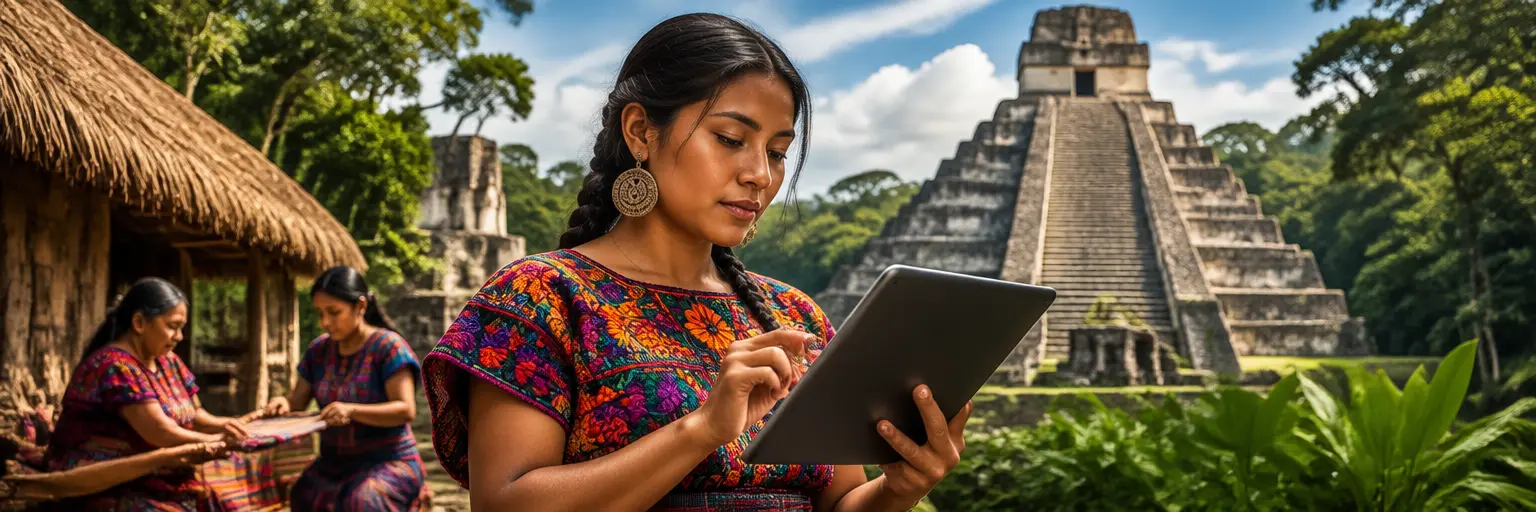
Explore the vibrant resilience of Contemporary Mayan Communities, where ancient traditions seamlessly blend with modern life across Mexico, Guatemala, Belize, and Honduras. Today, over six million Maya people preserve their ancestral languages, woven textiles, sacred rituals, and deep connection to the land, while actively shaping their future through art, activism, and sustainable development. From the bustling markets of Chichicastenango to the autonomous Zapatista villages in Chiapas, these communities are not relics of the past but living cultures that thrive amidst globalization. Discover how they safeguard their cosmovision—a holistic worldview balancing nature, spirituality, and community—while adapting to contemporary challenges like climate change, land rights, and cultural preservation. This section highlights innovative Mayan leaders, revived ceremonial calendars, and eco-tourism initiatives that empower local economies. Whether exploring their intricate backstrap weaving, tasting traditional maize-based cuisine, or learning about their revolutionary educational programs, you’ll see how these communities honor their heritage while forging bold paths forward.
Campo_por_completar
Read article
Campo_por_completar
Read article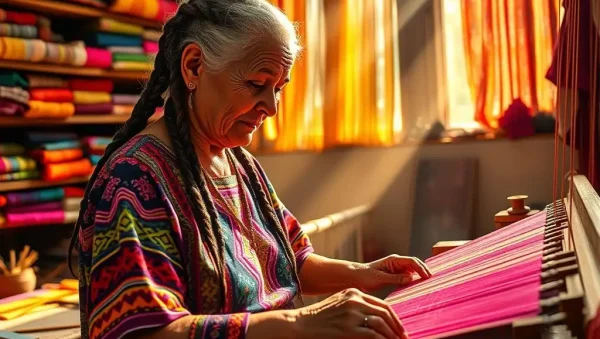
🌟 Traditional Mayan craftsmanship influence remains a vital thread in the tapestry of contemporary Mayan identity, weaving together ancestral techniques and cultural…
Read article
Campo_por_completar
Read articleWelcome to the vibrant world of Contemporary Mayan Communities, a living tapestry woven from ancient threads and modern realities. Here, we delve into the resilience, creativity, and daily life of the over six million Maya people who thrive today across Mexico, Guatemala, Belize, and Honduras. This subcategory moves beyond museum artifacts to explore how these communities navigate the 21st century while fiercely preserving their indigenous heritage, languages, and spiritual practices. Discover the dynamic intersection of tradition and innovation, from sustainable farming to digital activism, and understand why the Maya are not a relic of the past but a flourishing, contemporary force shaping the Americas.
Contemporary Mayan communities are engaged in a powerful movement to keep their 30+ distinct languages, from Yucatec Maya to K’iche’, alive and thriving. Modern efforts combine ancestral oral traditions with cutting-edge technology, including language apps, online dictionaries, and social media campaigns. These initiatives combat historical marginalization and ensure that younger generations grow up bilingual and proud of their linguistic roots.
Expect to find deep dives into community-led schools, radio programs broadcasting in native tongues, and digital platforms that teach Mayan languages to global audiences. We also explore the legal victories that have granted official status to these languages in Guatemala and Mexico, alongside the challenges of urbanization and migration. The heart of this section is the inspiring story of cultural survival, where every word spoken is an act of resistance and identity affirmation.
The milpa system—a sustainable, polyculture farming method combining maize, beans, and squash—remains the cornerstone of many contemporary Maya households. This ancient agricultural practice is not just about food; it’s a spiritual and communal ritual that reinforces ties to the land and ancestors. Today, communities are reviving these methods to combat climate change and industrial agriculture’s pressures.
This section explores how Mayan farmers are integrating ancient wisdom with agroecological innovations, such as terracing, rainwater harvesting, and seed banks. We highlight community cooperatives that ensure fair trade for their organic cacao, coffee, and honey products. Additionally, we examine the cultural significance of the sacred maize, the challenges of land rights and GMO contamination, and how food sovereignty is a catalyst for economic empowerment and environmental stewardship.
Contemporary Mayan communities are powerful actors in the fight for indigenous rights, from the Zapatista uprising in Chiapas to the Truth Commission in Guatemala. These movements have secured constitutional reforms, recognition of customary law, and greater representation in national parliaments. The struggle is global, linking local activism with international frameworks like the UN Declaration on the Rights of Indigenous Peoples.
In this section, we profile key leaders, women’s collectives, and grassroots organizations that are reshaping governance. Expect analyses of land repatriation cases, environmental justice campaigns against mining and dams, and the rise of Mayan political parties. We also discuss the internal debates within communities about how to balance autonomy with national development while passing leadership roles to the youth. This is a story of agency, legal precedent, and unyielding hope.
Far from being a museum piece, Mayan spirituality is a living, evolving practice that blends ancient calendar cycles, ancestor veneration, and Catholic and evangelical elements. Ceremonies at sacred sites like Tikal or Chichén Itzá now coexist with private family altars and community healers. The 260-day Tzolk’in calendar still guides rituals, planting seasons, and ceremonies for life events.
Here, we explore how modern Maya interpret their cosmology in the context of climate change, tourism, and religious pluralism. Learn about the role of ajq’ij (day keepers) and midwives, the resurgence of sweat lodges and sacred fire ceremonies, and the adaptation of rituals to urban settings. We also address the delicate negotiation between cultural commodification and authentic practice, showing how spirituality remains a source of resilience and ecological ethics for contemporary communities.
Mayan artistry is a vibrant, global phenomenon, with weavers, painters, sculptors, and filmmakers infusing traditional techniques with contemporary themes. Huipiles (woven blouses) are not just clothing but canvases that encode community identity, cosmology, and personal stories. The global demand for authentic art has opened economic doors, yet also sparked debates on intellectual property and cultural appropriation.
This section showcases the workshops of master weavers, the murals of activist artists, and the film festivals and literary works by contemporary Maya authors. We analyze how digital platforms like Instagram and Etsy are expanding market reach while preserving authenticity. You’ll discover how art is used as a tool for memory, protest, and healing, from memorializing the civil war to celebrating queer Mayan identities. Expect a colorful, tactile journey that proves innovation and tradition are not opposites.
There are approximately 6 to 7 million Maya people living today, making them the largest indigenous language group in the Americas. The majority reside in Guatemala (especially the highlands) and Mexico’s Yucatán Peninsula, with significant communities in Belize, Honduras, and El Salvador.
Yes, many contemporary Maya use the 260-day Tzolk’in calendar for spiritual ceremonies, divination, and agricultural cycles. The 365-day Haab’ calendar also remains in community use, and a “Calendar Round” combining both is still celebrated, especially in Guatemala’s highland towns.
Preservation efforts include bilingual education programs, community radio stations, digital apps and online courses, and national language laws. In Guatemala, the Academy of Mayan Languages promotes research and standardization. Many families are also socially encouraging children to speak their ancestral language at home as a point of pride.
Agriculture (maize, beans, coffee, cacao), artisan crafts (textiles, pottery, jewelry), and ecotourism are primary livelihoods. Many also work in construction, commerce, and the service sector. Community cooperatives are increasingly used to secure fair wages and market access for their products.
Yes, numerous organizations exist, including the Zapatista Army of National Liberation (EZLN) in Mexico, the Committee for Peasant Unity (CUC) in Guatemala, and the Maya Leaders Alliance in Belize. These groups advocate for land rights, political autonomy, and cultural preservation at local, national, and international levels.