Community Initiatives in Indigenous Preservation Efforts
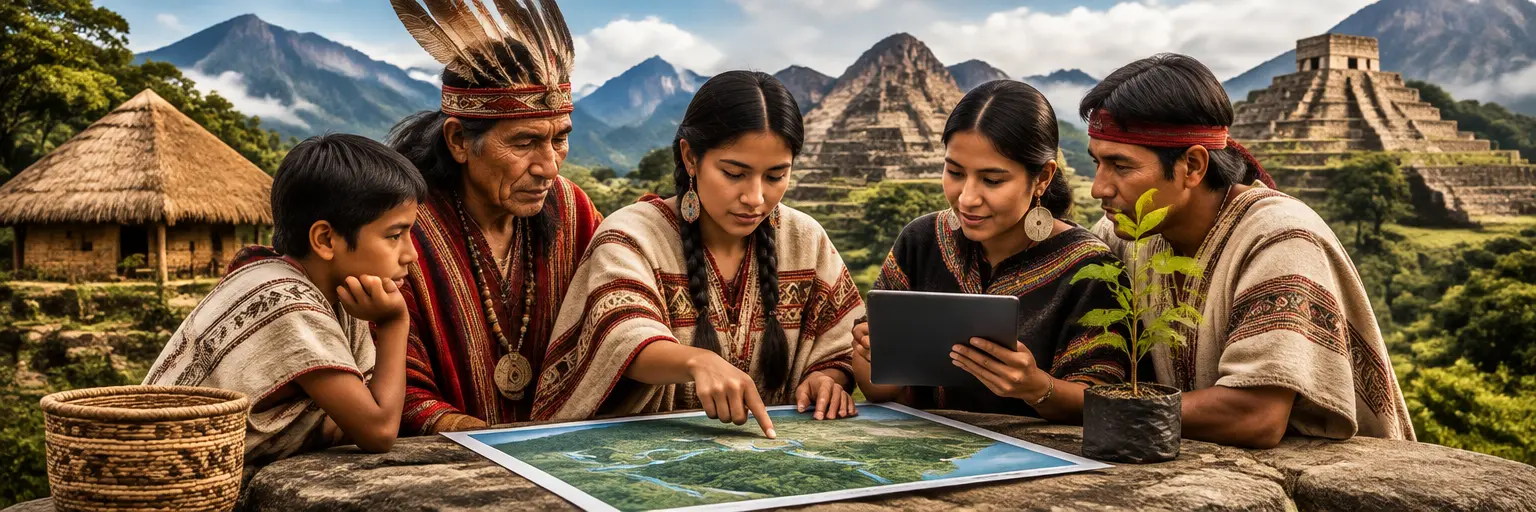
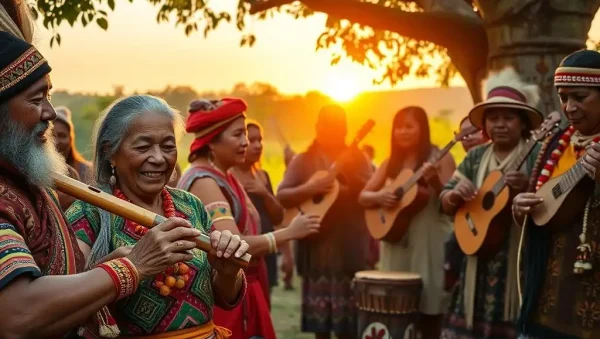
Explore how grassroots actions, local leadership, and collective memory are reshaping the preservation of Indigenous civilizations across the Americas. Community initiatives move beyond institutional walls, placing knowledge and stewardship back into the hands of descendants, ensuring that traditions, languages, and sacred sites thrive for future generations. This subcategory highlights real-world projects, partnerships, and volunteer-driven models that honor ancestral wisdom while adapting to modern challenges.
🌱 Revitalizing Indigenous Languages Through Local Programs
Language is the living heartbeat of any culture, and community-initiated language nests, immersion schools, and digital archives are breathing new life into endangered tongues. These programs often pair fluent elders with young learners in informal, family-like settings, making recovery practical and emotional. Expect to find case studies from Quechua communities in the Andes, Navajo chapters in the Southwest, and Guarani villages in Paraguay, each using tailored tools like mobile apps and storytelling circles.
Key to success is community ownership—programs are designed, funded, and evaluated by local members, not external NGOs. This ensures cultural relevance, such as using ceremonial vocabulary alongside everyday speech. By focusing on intergenerational transmission, these initiatives not only preserve words but also the worldviews, humor, and ecological knowledge embedded within them. You will discover measurable outcomes, like increased youth fluency, and soft benefits like strengthened identity and pride.
🏛️ Protecting Sacred Sites with Landback and Co-Management
Across the Americas, Indigenous communities are leading land-back movements and co-management agreements to reclaim and protect ancestral ceremonial grounds, burial mounds, and pilgrimage routes. These initiatives often combine legal advocacy, direct action, and ecological restoration, treating sites as living entities rather than inert monuments. Examples include the Pueblo stewardship of Chaco Canyon and the Wampanoag care for Herring Pond, where community rangers replace external security.
Expect detailed accounts of how communities negotiate with federal and private landowners, using Traditional Ecological Knowledge (TEK) to manage fire, water, and plant life. These efforts frequently generate economic spin-offs, such as eco-tourism and native plant nurseries, but the core goal is spiritual continuity. You will learn about successful disputes, like the protection of Bears Ears, and the ongoing challenges of enforcing sacred site rights within colonial legal frameworks.
🪶 Community Archaeology and Digital Repatriation Projects
Local non-profits, tribal historic preservation offices, and volunteer dig teams are transforming archaeology from extraction to collaboration. Non-destructive surveys, ground-penetrating radar, and community-led excavation now prioritize descendant interpretations, with decisions on artifact handling and reburial made by elders. Simultaneously, digital repatriation returns knowledge encoded in museum catalogs, photos, and field notes to originating communities via searchable, culturally sensitive online portals.
These programs bridge generations, training youth in GIS mapping and archival curation while embedding ethical protocols, such as avoiding public display of funerary objects. Case studies include the Zapotec communities of Oaxaca using drone mapping to track looted tombs and the Haudenosaunee reconnecting with wampum belts stored in international collections. This approach turns data into a resource for cultural renewal, not just research, and creates replicable frameworks for other nations.
🌾 Food Sovereignty and Seed Banks as Living Heritage
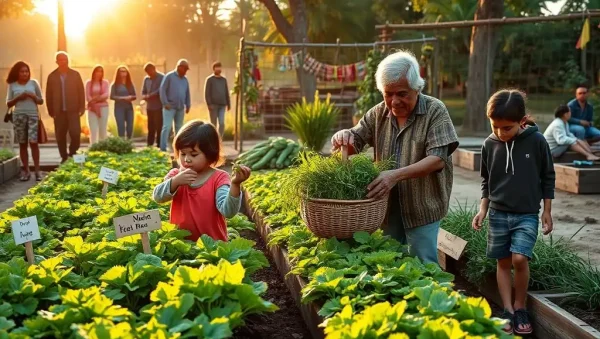
Community food initiatives preserve ancestral crops, culinary rituals, and agricultural calendars that colonialism nearly erased. Seed banks run by Indigenous farming cooperatives—like the Andean potato park in Peru or the Three Sisters gardens in the Northeast—store heirloom varieties and exchange seeds across generations. These projects often combine ancient terracing techniques with modern climate resilience, making preservation a tangible daily practice.
You will explore how land restoration goes hand in hand with cuisine revival, from nixtamalization workshops to ceremonial feasts that sustain social bonds. These initiatives also act as living classrooms, where youth learn soil health, water harvesting, and lunar planting cycles from elders. Beyond biology, they preserve narratives, songs, and taboos tied to harvests, proving that food systems are cultural systems with profound spiritual and economic significance.
📚 Community Archives: Storytelling, Oral Histories, and Memory Banks
Grassroots archives are collecting and safeguarding oral histories, rituals, and personal narratives that official records omitted. Led by local historians, librarians, and families, these projects use audio recordings, video testimonies, and handwritten journals to create respectful, searchable collections. Important models include the Native American Community Board’s digital library and the Mapuche audiovisual archive, which prioritize community consent before any public release.
These archives support intergenerational healing and legal claims, such as land rights or cultural heritage protection. They also foster artistic creativity, providing raw material for contemporary filmmakers, poets, and visual artists. Expect to see practical guides on recording protocols, metadata standards rooted in Indigenous epistemologies, and how to handle sensitive knowledge—like medicine songs—with restricted access layers. The outcome is a vibrant, self-determined memory ecosystem.
Frequently Asked Questions
How can I volunteer for community-led Indigenous preservation projects?
Start by researching local tribal organizations or urban Indigenous centers in your area, then attend public events or land-based workshops. Many initiatives welcome hands-on help with seed saving, language tutoring, or archival digitization, but always ask for explicit protocols. Virtual volunteering, such as transcribing old documents or mapping sacred sites, is also common. Avoid assuming leadership roles; instead, center Indigenous voices and follow their priorities.
What is the difference between co-management and full land-back?
Co-management involves shared decision-making between a tribe and a government or private owner, often codified in legal agreements with defined responsibilities. Full land-back transfers legal title and decision-making authority entirely to the Indigenous community, allowing them to manage the land without external veto. Both strategies can protect sites, but land-back is considered more sovereign and sustainable, though it faces greater legal and political barriers.
Are community initiatives more effective than government-run preservation?
Often yes, because community initiatives operate with intrinsic motivation, deep local knowledge, and flexibility—unlike bureaucratic programs. They can respond quickly to threats, integrate spiritual needs, and build long-term trust among descendants. However, they may lack funding and legal enforcement power, so partnerships with universities or agencies can be beneficial, provided the community retains control. Success depends on sustained leadership, not just scale.
How do digital repositories ensure cultural sensitivity for sacred materials?
Repositories establish tiered access levels, requiring consent from knowledge keepers for public display, and sometimes restricting access to initiated members only. Metadata can include context about protocols, and some sites use “take-down” options if community members later request removal. Digital tools also allow password-protected layers, separating genealogical data from ceremonial songs. Moreover, training local archivists ensures ongoing ethical review rather than one-time approvals.
Can urban Indigenous communities participate in rural land-based initiatives?
Absolutely. Many rural projects create fellowship programs, online learning series, and remote volunteer roles for urban members. Digital seed-sharing networks, virtual language classes, and remote archival transcription are common bridges. Additionally, urban communities can host cultural events that financially support rural stewardship, such as benefit dinners or craft fairs. Even short visits for ceremonial gatherings strengthen bonds, but long-term relationships require reciprocal exchange, not one-way support.