Discover the Living Legacy of Indigenous Heritage Conservation
Heritage Conservation within the Preservation Efforts category is the vital practice of safeguarding the tangible and intangible cultural assets of the Indigenous civilizations of the Americas. From monumental earthworks and cliff dwellings to oral traditions, ceremonial languages, and traditional ecological knowledge, this subcategory explores how modern custodians—tribal communities, archaeologists, and policy makers—collaborate to protect and revitalize these irreplaceable treasures. Here, you’ll uncover the methods, challenges, and triumphs behind keeping ancient wisdom and physical sites vibrant for future generations, while learning how you can support these essential preservation initiatives.
🏛️ Protecting Archaeological Sites and Sacred Landscapes
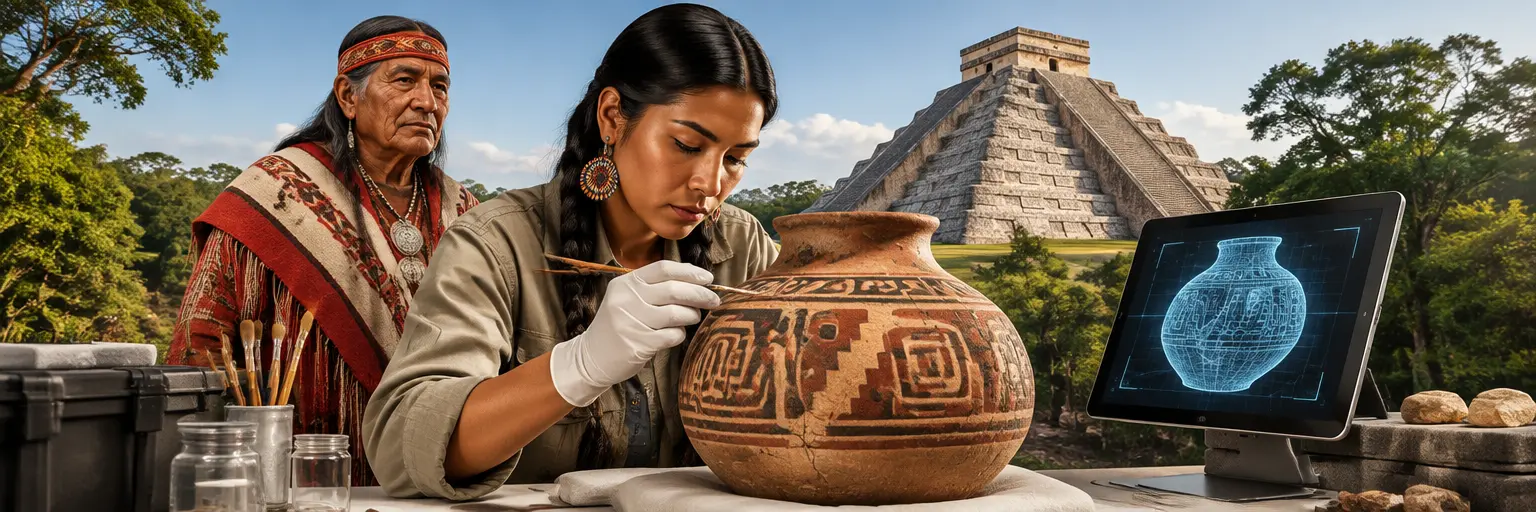
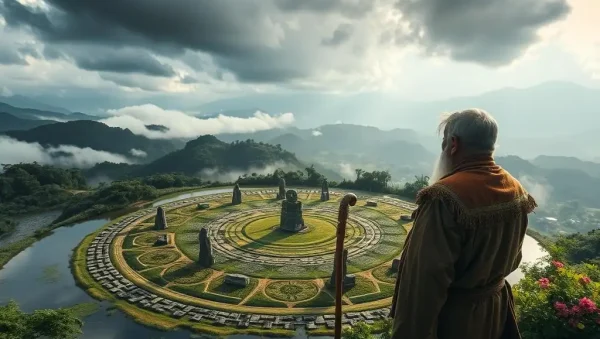
This facet focuses on the physical remnants of Indigenous life—from the massive pyramid complexes of the Mississippian culture to the cliff palaces of Mesa Verde and the geoglyphs of the Nazca. Conservation efforts here include stabilization of crumbling adobe, reburial of sacred artifacts, and the use of non-invasive technologies like LiDAR and ground-penetrating radar to map and monitor sites without disturbance. Collaborative stewardship agreements often place tribal nations at the center of decision-making, ensuring that preservation respects both scientific accuracy and spiritual significance. Expect to learn about the legal frameworks like the Native American Graves Protection and Repatriation Act (NAGPRA) and how climate change accelerates threats to these fragile landscapes.
You will also explore community-led initiatives that blend traditional building materials—such as rammed earth, stone, and thatch—with modern engineering to prevent erosion and collapse. These projects prioritize authentic restoration over mere stabilization, ensuring that future visitors experience the sites as close to their original state as possible. Additionally, discover how drone photography and 3D scanning create digital twins of endangered sites, providing permanent records for scholarship and virtual tourism when physical access is restricted. This conservation track is essential for maintaining the cultural continuity that anchors Indigenous identity in the Americas.
📜 Revitalizing Dying Languages and Oral Traditions
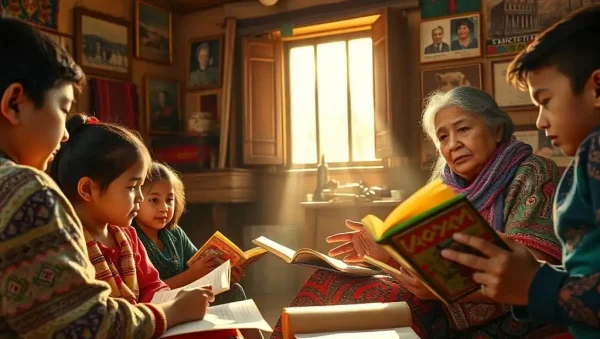
Language is the living engine of heritage, and this section addresses the urgent mission to rescue Indigenous tongues from extinction. With many North American languages having fewer than a dozen fluent speakers, conservation here involves immersive master-apprentice programs, digital dictionaries, and AI-assisted transcription of ancient recordings. Intergenerational transmission is key—initiatives such as language nests for preschoolers, immersion schools, and weekend camps reconnect youth with the verbal artistry of their ancestors. You’ll find case studies like the successful revival of the Wampanoag language, which had been dormant for over a century, and the growing use of Zoom-based classes that bridge remote communities.
Oral traditions—stories, songs, prayers, and ecological calendars—are equally critical. Conservationists work with elders to videotape narratives, not just as archives but as living pedagogical tools used in tribal schools and museums. This facet also examines the ethical dilemmas of documenting sacred knowledge, balancing the need for preservation with the right to secrecy. Expect to see examples of multimedia platforms that allow communities to manage access levels, ensuring that ceremonial content remains protected. By keeping these voices alive, heritage conservation ensures that the philosophical and cosmological frameworks of Indigenous peoples continue to shape global understanding.
🌿 Preserving Traditional Ecological Knowledge and Practices
Indigenous civilizations of the Americas developed sophisticated systems of land stewardship that sustained biodiversity for millennia. This facet of heritage conservation focuses on reviving agricultural techniques like the “Three Sisters” polyculture (corn, beans, squash), controlled burns for prairie health, and ancient water-harvesting channels in the arid Southwest. Conservationists collaborate with tribal seed banks to safeguard heirloom varieties—such as Hopi blue corn and Cherokee white flint corn—ensuring genetic resilience against modern monocultures. This section highlights how working with Indigenous elders on seasonal gathering practices (e.g., wild rice harvesting in the Great Lakes) preserves both culinary heritage and wetland ecosystems.
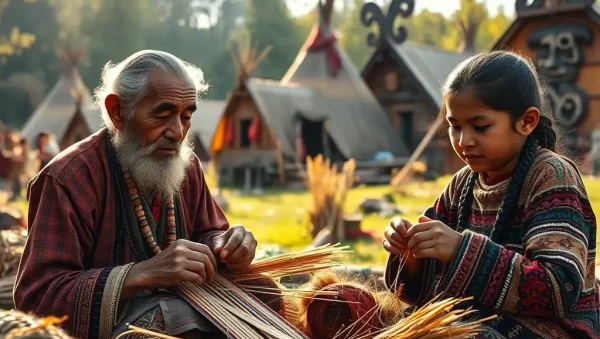
Additionally, the revival of traditional crafts—like basketry using invasive species management or pottery made from local clay—serves as both cultural expression and environmental correction. You’ll learn about the fight against biopiracy, where corporations patent Indigenous plant knowledge without consent, and the legal victories that established prior informed consent and benefit-sharing. Conservation here is not about freezing the past but about adapting ancient wisdom to solve contemporary climate crises, such as using fire breaks modeled on Maya-based forest management to reduce wildfire severity. This approach frames heritage as a dynamic, living toolbox for planetary survival.
📖 Digitization and Virtual Preservation of Material Culture
With museums holding millions of Indigenous artifacts—from feather headdresses to obsidian blades—digitization has become a non-invasive conservation frontier. High-resolution photogrammetry and x-ray fluorescence allow for detailed recording without touching fragile items, while 3D printing creates replicas for community use and exhibition without risking originals. Open-access databases like the Smithsonian’s Human Studies Film Archives now allow tribal researchers to view collection records and request the return of ancestral belongings. This facet also covers the creation of legal repatriation protocols by which sacred items are transferred from institutions back to descendant communities, often accompanied by traditional reburial ceremonies.
Virtual reality (VR) and augmented reality (AR) experiences are increasingly used to reconstruct destroyed or inaccessible sites, like the Six Nations’ virtual longhouse or the pre-Columbian city of Cahokia. These tools not only serve education but also provide a platform for Indigenous people to reclaim their own narratives without colonial filters. Additionally, conservationists are working on digital memory preservation for petroglyphs and pictographs that are fading due to acid rain or vandalism. Expect to see how low-cost scanning methods are now being used on-site in remote reservations, democratizing access to preservation tech. This digital turn ensures that even if physical objects degrade, their knowledge and meaning persist.
🤝 Community-Led Governance and Indigenous Rights in Conservation
The most significant shift in heritage conservation is the move from “preservation for the public” to “preservation by and for Indigenous peoples.” This facet examines co-management agreements between federal agencies like the National Park Service and tribal nations, where Indigenous laws and oral histories are given equal weight to scientific data. Cultural landscape assessments now include spiritual values, such as identifying places of prayer, vision quests, or astronomy observation. You’ll learn about the 2019 law granting Native Hawaiian groups the exclusive right to manage Mauna Kea’s summit custodianship and the ongoing negotiations over Bears Ears National Monument, which is jointly overseen by five tribes.
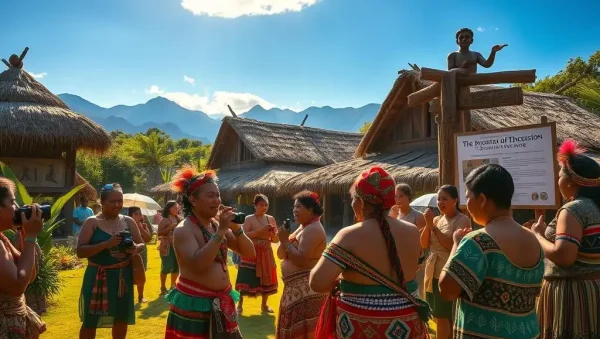
This section also explores the economic empowerment tied to conservation through tourism, where tribes operate their own heritage sites, museums, and interpretive centers, retaining profits and employment. Moreover, it addresses the protection of intangible heritage through customary laws and intellectual property rights, preventing misappropriation in fashion, art, and films. Conservation is thus framed not as a bureaucratic process but as a sovereign act of self-determination. You will find resources for supporting Indigenous-led non-profits and understanding the Free, Prior, and Informed Consent (FPIC) principle that guides all legitimate preservation. This governance model is the ultimate safeguard for the longevity of Indigenous heritage.
Frequently Asked Questions
Why is heritage conservation important for Indigenous civilizations of the Americas?
Conservation ensures that future generations can access the physical sites, languages, and knowledge systems that define Indigenous identity and resilience. It also corrects historical erasure, affirms sovereignty, and contributes to global biodiversity and climate adaptation. Without active preservation, irreplaceable insights into sustainable living and spiritual worldviews would be lost forever.
How can I get involved in supporting Indigenous heritage conservation?
Support tribal-run museums and land trusts, donate to language immersion programs, and participate in virtual tours or citizen science projects that document sites. Always seek permission before visiting sacred places and buy authentic Indigenous crafts from tribal-owned sources. Advocacy for stronger legal protections, such as NAGPRA expansions, is also impactful.
What is the biggest threat to heritage conservation today?
Climate change is the most pressing threat—rising seas flood coastal villages, wildfires destroy rock art, and permafrost melts disrupt archaeology. Combined with looting, urban development, and political interference, these forces require adaptive strategies. Conservationists now prioritize community-led monitoring and emergency “first aid” protocols for at-risk sites.
Are there examples of successful tribal-led conservation projects?
Yes—the Zuni tribe’s use of traditional stone masonry to restore the Hawikuh ruins, the Chumash community’s co-management of Painted Rock, and the Maya’s revival of milpa agriculture in Belize are notable. The Wixárika (Huichol) people’s guardianship of Wirikuta protected sacred peyote habitats. These projects blend science and tradition with measurably positive outcomes.
Can I study heritage conservation as a career focused on Indigenous cultures?
Absolutely. Programs in public archaeology, cultural resource management, and Indigenous studies offer pathways. Seek mentorship from tribal organizations, learn relevant languages, and take courses in repatriation law and digital curation. Certifications like the Registered Professional Archaeologist (RPA) are valuable, but equally important is deep respect for community protocols and collaborative ethics.