Explore Museums and Exhibitions Dedicated to Indigenous Civilizations of the Americas
Discover how museums and exhibitions preserve, interpret, and celebrate the rich legacy of Indigenous civilizations across the Americas. From the Aztec and Maya to the Inca and Ancestral Puebloans, these institutions offer immersive experiences that connect modern audiences with ancient worlds. Our curated guide highlights must-see collections, virtual tours, archaeological artifacts, and cultural reenactments, ensuring you understand the profound depth of these societies. Whether you are a history enthusiast, educator, or traveler, this subcategory reveals where and how to engage with authentic Indigenous heritage, emphasizing both historical accuracy and living cultural continuity.
🏛️ Iconic Museum Collections and Their Must-See Artifacts
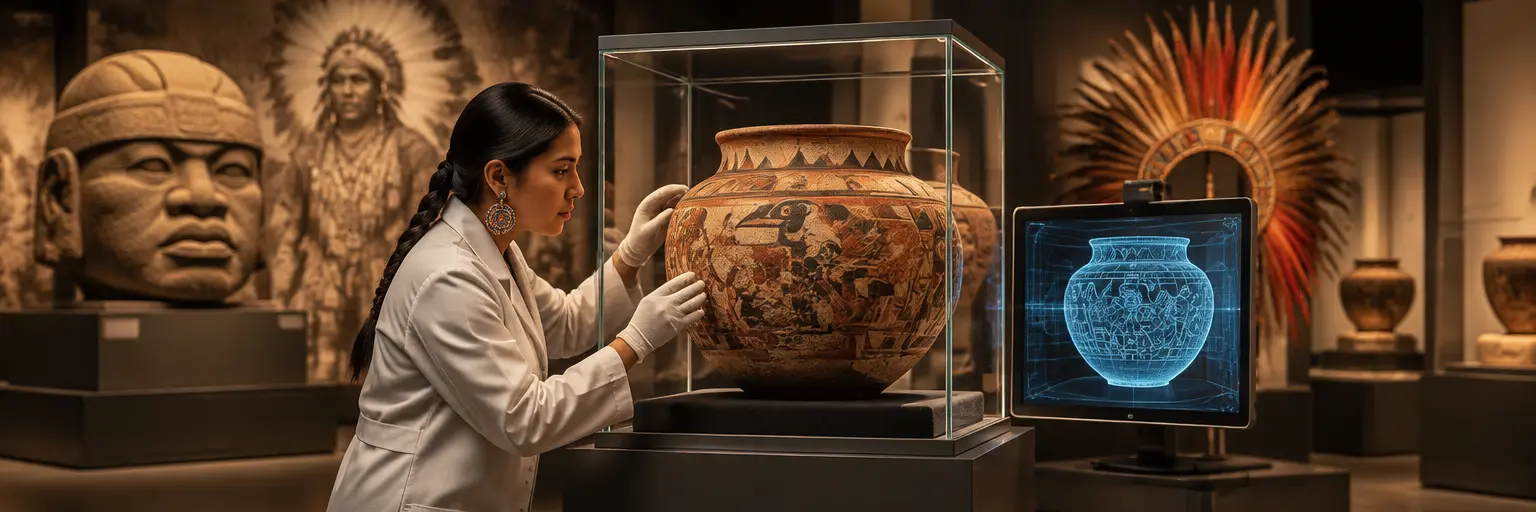
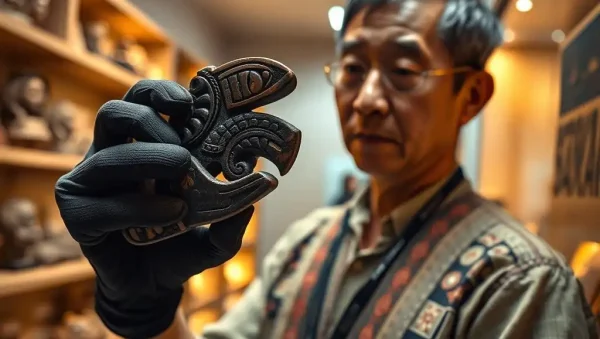
Expect to explore world-renowned institutions like the National Museum of Anthropology in Mexico City, the Museo Larco in Peru, and the Smithsonian’s National Museum of the American Indian. These venues house extraordinary objects—from Aztec sun stones and Maya jade masks to Inca quipus and Andean textiles. Each artifact tells a story of innovation, spirituality, and daily life, offering tangible connections to pre-Columbian eras. Museums often rotate exhibits, so you can discover new pieces that highlight lesser-known cultures, such as the Moche or Nazca, while immersive displays recreate temple interiors and market scenes.
Beyond static displays, many institutions now integrate digital reconstructions and 3D scanning, allowing you to view artifacts from angles impossible in person. Interactive touchscreens explain hieroglyphic writing systems and ceremonial uses, while bilingual labels ensure accessibility. By focusing on provenance and community collaboration, these museums actively return stewardship to Indigenous groups, fostering respectful representation. For practical planning, we list opening hours, ticketing options, and highlight temporary exhibitions that explore themes like cosmology, warfare, or agricultural innovation.
🌎 Virtual Exhibitions and Online Archives for Global Access
If you cannot travel, virtual exhibitions bring Indigenous civilizations to your screen. Institutions like the British Museum and the Getty offer free online galleries with high-resolution imagery, narrated tours, and downloadable educational resources. You can explore the Maya codices, Inca goldwork, or Hopewell earthworks from anywhere, often with zoomable details that reveal tool marks and pigment layers. These digital archives are invaluable for researchers and students, as they provide metadata, excavation histories, and comparative analyses across cultures.
Many virtual exhibits feature augmented reality (AR) that places artifacts in original archaeological contexts, such as a Chichen Itza pyramid or a Mesa Verde cliff dwelling. Curated playlists combine videos, oral histories, and scholarly essays, offering a multi-sensory journey. Additionally, online forums and live Q&A sessions with curators let you ask questions in real time. This accessibility ensures that Indigenous knowledge reaches classrooms, community centers, and homes, breaking geographical and economic barriers. We provide direct links, system requirements, and tips for optimizing your virtual visit.
🏺 Archaeological Site Museums: Where History Meets the Ground
Site museums, located directly at archaeological complexes like Teotihuacan, Machu Picchu, or Cahokia, offer an unparalleled contextual experience. You can walk among ruins and then see the original artifacts unearthed from those very structures, creating a profound sense of place. These museums often include open-air lithic gardens, replica houses, and interpretive trails that explain urban planning, water management, and astronomical alignments. Exhibits are designed to mirror the immediate landscape, blurring the line between past and present.
Expect to find hands-on activities like pottery shaping or Atlatl throwing demonstrations, guided by local Indigenous descendants who share ancestral narratives. Conservation labs within these sites allow visitors to observe ongoing restoration work, from fresco stabilization to ceramic reconstruction. Seasonal festivals, such as equinox celebrations at Chichen Itza, transform the museum into a living cultural hub. We detail which site museums are most accessible, essential gear to bring, and how to support preservation through entry fees and ethical tourism practices.
🎭 Cultural Festivals & Pop-Up Exhibitions in Museums
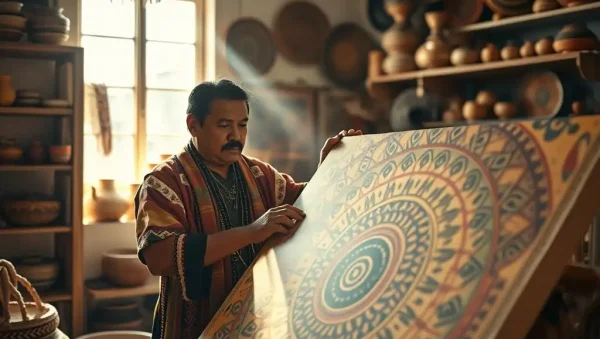
Museums increasingly host temporary exhibitions and cultural festivals that highlight contemporary Indigenous artistry and oral traditions. These events feature living artists, dancers, weavers, and storytellers who reinterpret ancient techniques while addressing modern issues. You’ll see new works in jade, silver, and natural dyes that pay homage to ancestral motifs while exploring themes of identity, resistance, and climate adaptation. Pop-up exhibitions often travel to smaller venues, making regional cultures visible to broader audiences.
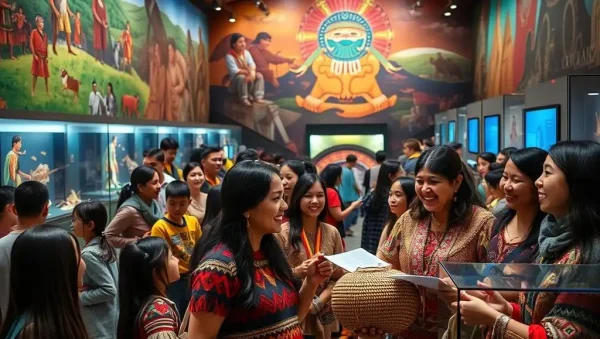
Expect interactive workshops where you can learn to weave a Maya backstrap loom or create a Nazca-style ceramic. Film screenings and panel discussions with tribal elders offer deeper insights into ceremonial cycles and spiritual worldviews. Many festivals include children’s trails, scavenger hunts, and language revival stations. These events strengthen communal bonds and ensure traditions evolve rather than remain frozen. We list upcoming festivals, how to purchase tickets, and special family programming, plus tips for respecting cultural protocols during performances.
🧭 Planning Your Educational Visit: Tours, Guides, and Accessibility
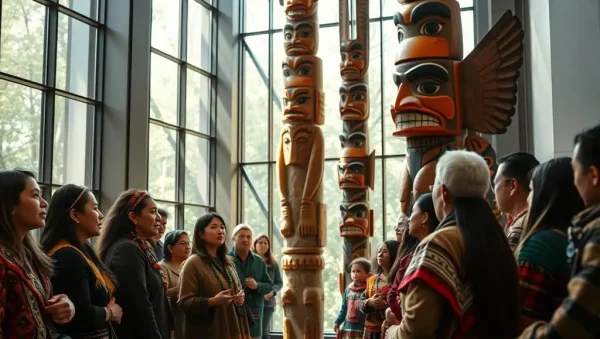
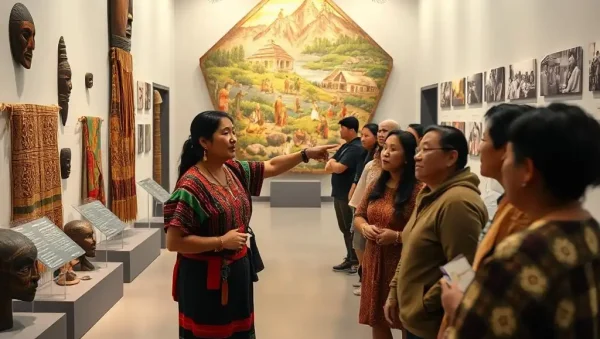
To maximize your museum or exhibition experience, strategic planning is essential. Consider booking a docent-led tour that highlights cross-cultural comparisons, such as parallels between Maya and Inca astronomy or Aztec and Cherokee agriculture. Many museums offer specialized tours for educators, children, or those with mobility needs, including tactile replicas, sign language interpretation, and sensory-friendly hours. Pre-visit materials—like reading lists, maps, and audio guides—can enrich your understanding before you arrive.
For self-guided explorers, we recommend downloading official apps that offer augmented reality overlays and curated routes based on themes like “Power and Ritual” or “Daily Life.” Check for combined tickets that grant access to multiple exhibitions and special exhibits. Accessibility varies widely, so we list which venues provide wheelchairs, elevators, and quiet spaces. Additionally, we suggest visiting during off-peak hours to avoid crowds and enjoy quieter reflection. By planning ahead, you ensure a meaningful, comfortable, and respectful encounter with Indigenous heritage.
Frequently Asked Questions
What are the most famous museums for Indigenous American artifacts?
The National Museum of Anthropology in Mexico City holds the Aztec Sun Stone and Maya sculptures. The Museo Larco in Lima features remarkable Moche and Chimú pottery. The Smithsonian’s National Museum of the American Indian in Washington, D.C., offers vast collections and contemporary exhibitions. Each institution provides unique depth, so choose based on the civilizations you wish to explore.
Can I view these exhibitions online if I cannot travel?
Yes, many museums offer virtual tours with 360-degree views, high-resolution artifact galleries, and downloadable educational guides. The British Museum and Getty have extensive free online archives. Some platforms also host live curator talks and interactive Q&A sessions, making remote access engaging and informative for all ages.
Are there museums located directly at archaeological sites?
Absolutely. Examples include the Teotihuacan Site Museum in Mexico, the Machu Picchu Museum in Peru, and the Cahokia Mounds State Historic Site in Illinois. These facilities display original artifacts excavated on-site, offering immediate contextualization. Visitors often gain a deeper appreciation for the culture’s engineering and daily practices while standing among the ruins.
How can I ensure my visit respects Indigenous cultural sensitivities?
Check museum guidelines about photography, touching replicas, and ceremonial areas. Some objects are considered sacred, so avoid flash or close-ups if prohibited. Engaging with Indigenous-led tours ensures respectful narratives. Additionally, support museum shops that partner with local artisans, and refrain from purchasing unauthorized replicas that may exploit sacred designs.
Do museums offer programs specifically for children and students?
Yes, most institutions have dedicated educational programs. These include scavenger hunts, hands-on artifact handling, storytelling sessions, and craft workshops. Many offer discounted school group rates and free educator resource packs. Check each museum’s calendar for summer camps or family weekends that focus on Indigenous history in an engaging, age-appropriate manner.