The Influence of Geography on Indigenous Trade Routes Across the Americas
🌎 Indigenous trade routes geography played a crucial role in shaping the economic and cultural exchanges among diverse indigenous societies across the…
Read article
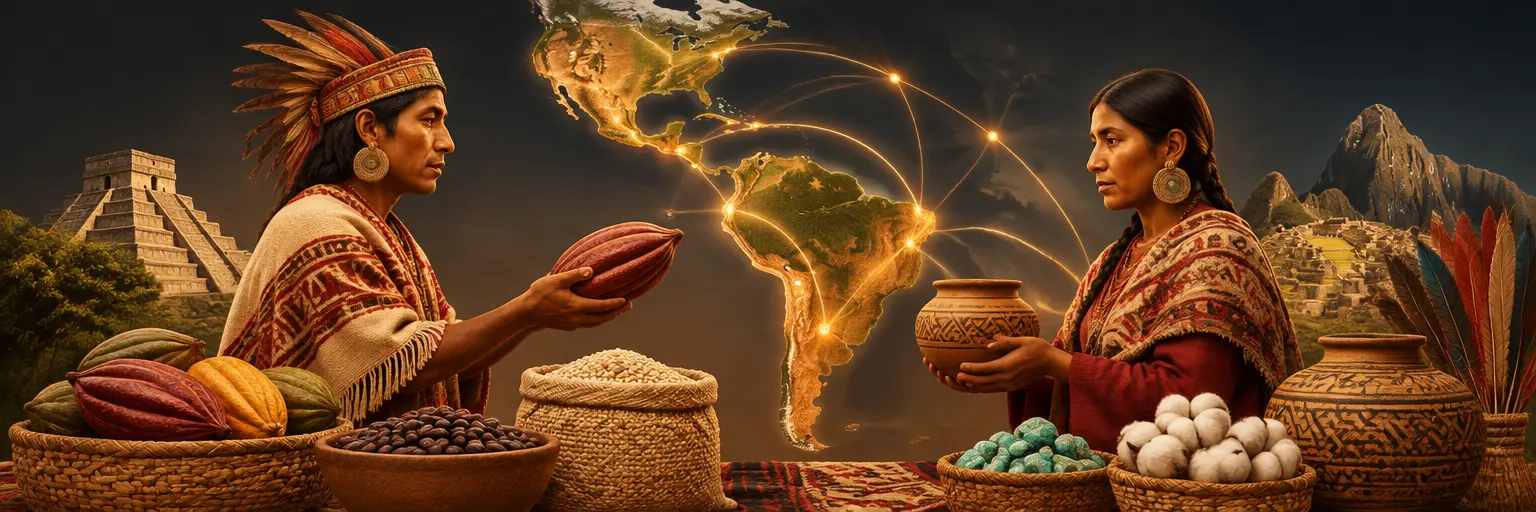
Trade Networks were the lifeblood of pre-Columbian Americas, weaving together distant civilizations through the exchange of goods, ideas, and culture. From the Aztec pochteca merchants traversing vast overland routes to the complex Inca road system spanning the Andes, these networks facilitated the flow of obsidian, cacao, turquoise, and textiles—fueling economic prosperity and political alliances. Discover how these interconnected pathways not only distributed resources but also spread religious beliefs, agricultural practices, and technological innovations across thousands of miles, showcasing the ingenuity and resilience of indigenous economies long before European arrival.
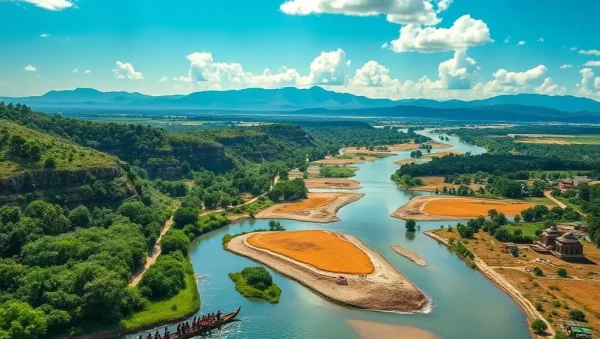
🌎 Indigenous trade routes geography played a crucial role in shaping the economic and cultural exchanges among diverse indigenous societies across the…
Read article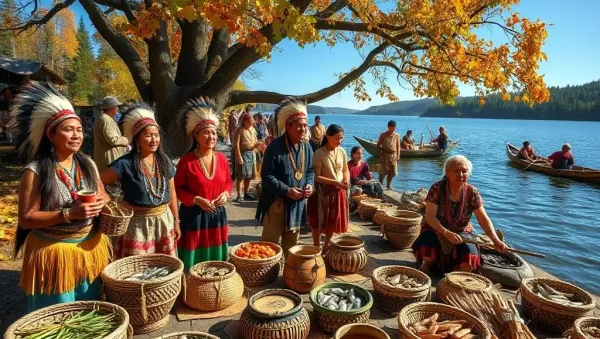
🌍 North America's indigenous trade systems were intricate networks that connected diverse cultures, facilitating the exchange of goods, ideas, and traditions. This…
Read article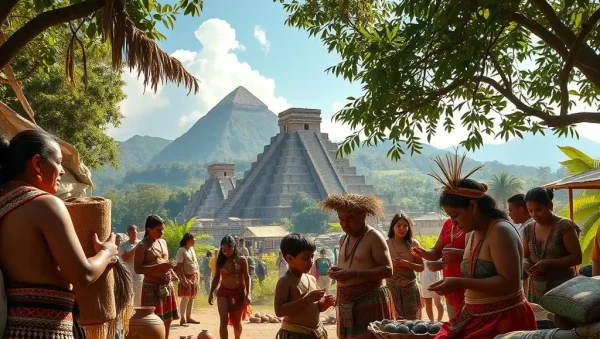
The Pre-Columbian trade networks impact significantly shaped the socio-economic landscapes of ancient civilizations, fostering cultural exchange, resource distribution, and technological advancements. Understanding…
Read article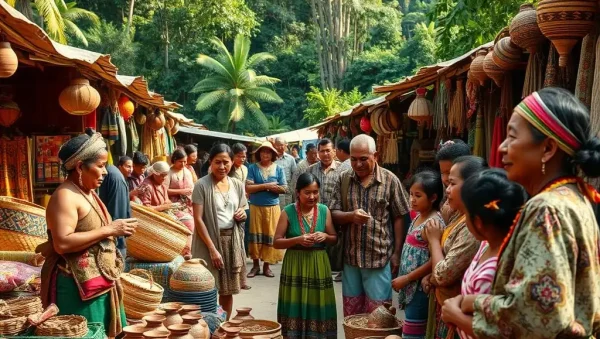
Trade in Indigenous Communities played a vital role in shaping social structures, fostering relationships among tribes, and facilitating the exchange of goods,…
Read article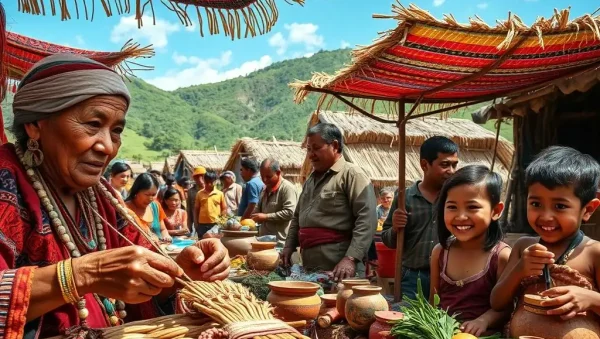
🌍 Uncover the rich tapestry of Indigenous economies of the Americas, highlighting the intricate trade networks, sustainable practices, and cultural significance of…
Read article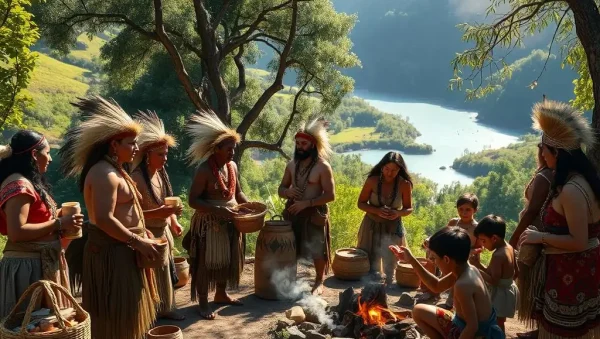
🌍 Trade in Indigenous American Societies was vital in fostering relationships, cultural exchange, and economic stability among diverse tribes. This article explores…
Read articleBefore European contact, Indigenous civilizations across the Americas operated vast, sophisticated trade networks that connected distant regions, cultures, and resources. From the Andes to the Great Lakes, these systems exchanged goods, ideas, and technologies, fostering economic interdependence and cultural exchange. This subcategory delves into the routes, commodities, and social structures that made these networks possible, revealing how trade shaped political power, urban development, and everyday life. Whether you are a student, historian, or curious explorer, understanding these networks is key to appreciating the economic ingenuity of Indigenous peoples.
Trade networks thrived on the exchange of staple goods and luxury items, each region specializing in what its environment could produce. In Mesoamerica, cacao beans served as both food and currency, while the Andes exported potatoes, quinoa, and llama wool. Coastal communities traded dried fish, shells, and salt, while rainforest groups provided feathers, animal pelts, and medicinal plants. Turquoise from the American Southwest, obsidian from central Mexico, and marine shells from the Pacific coast traveled hundreds of miles inland.
These commodities were not merely economic goods—they carried symbolic and ritual significance. Long-distance trade enabled the rise of elite classes who controlled access to exotic materials, reinforcing social hierarchies. For example, the Inca empire used state-directed redistribution of goods, while Mesoamerican merchants, known as pochteca, operated semi-autonomous trade guilds. Understanding what was traded helps reveal how ecological diversity translated into economic power, and vice versa.
Overland routes, such as the Camino Real in the Andes and the Mesoamerican trade corridor, linked highland and lowland zones through mountain passes and river valleys. These paths were not fixed roads but dynamic systems of trails, often maintained by local communities. In North America, the Mississippian culture used the Mississippi River as a central artery, connecting the Gulf Coast to the upper Midwest. Maritime networks, like those of the Caribbean Taino and Pacific coastal peoples, used canoes for coastal and island exchanges.
Travelers faced hazards like harsh terrain, weather, and hostile groups, so trade often relied on established truces and safe-conduct agreements. Waystations and market towns, such as Xel Há in the Maya lowlands or Cajamarquilla in Peru, served as hubs for rest, storage, and exchange. These routes were also conduits for cultural diffusion—pottery styles, religious practices, and metallurgical techniques spread along the same paths, demonstrating that trade was as much about ideas as it was about goods.
Trade was intrinsically linked to political authority. Rulers often controlled access to strategic resources or taxed goods passing through their territories. In the Aztec Empire, tribute from conquered provinces included luxury items like jade and quetzal feathers, which were redistributed to nobles and used in ceremonies. Similarly, the Inca state maintained storehouses (qullqa) filled with goods from across their realm, enabling them to sustain armies and support public works. Trade generated wealth that funded monumental architecture, urban infrastructure, and elite consumption.
Urban centers like Teotihuacan, Cahokia, and Chan Chan grew because they sat at crossroads of trade routes. Population density and craft specialization flourished near marketplaces, where artisans produced goods for export and pilgrims brought offerings. Economic interdependence meant that disruptions in one region could ripple across continents, as seen in the collapse of long-distance trade after the Spanish conquest. This section reveals how trade not only built cities but also consolidated power and promoted regional integration.
Trade networks facilitated more than economic transactions—they were vectors for cultural exchange. Pottery styles, weaving techniques, and agricultural practices traveled alongside goods. For instance, the Llama caravans of the Andes spread quipu recording methods and religious iconography. In the Southwest, the Hohokam adopted Mesoamerican ballcourt rituals and maize cultivation through trade contact. These exchanges led to the creation of pan-regional artistic traditions, as seen in the shared use of shell gorgets in the Eastern Woodlands.
Merchants and traders were respected intermediaries who often learned multiple languages and customs, serving as diplomatic envoys. In some cultures, trade was embedded in kinship and reciprocity—gifts were obligatory, and returning a gift with greater value was a way to gain prestige. This reciprocity-based economy contrasted with Western market systems, emphasizing social bonds over profit maximization. By examining these cultural dimensions, we gain insight into how Indigenous peoples built trust and maintained peaceful relations across vast distances.
Each region developed unique trade adaptations. The Chaco Canyon in the American Southwest was a major hub for turquoise, macaws, and copper bells, imported from Mesoamerica over 1,000 miles away. Its great houses and road systems suggest centralized planning for trade and ceremonial gatherings. In the Amazon, indigenous groups like the Muinane used riverine trade to exchange manioc flour, pottery, and hallucinogenic plants, while maintaining complex ecological knowledge of the forest.
The Pacific Northwest Coast stands out for its “potlatch” ceremonies, where trade goods—such as abalone shells, obsidian from Oregon, and copper from Alaska—were amassed and publicly distributed to assert status. In the Caribbean, the Taíno engaged in canoe-based trade of cotton, cassava, and ceramic artifacts, linking islands into a common sphere. These case studies illuminate how geography, climate, and social organization shaped distinct trading systems, each efficient in its own context, and all integral to the survival and vibrancy of Indigenous societies.
Most Indigenous trade relied on barter, reciprocity, and tribute rather than a standardized currency. Items like cacao beans, salt, and shell beads often served as unit-of-value, but exchanges were frequently embedded in social relationships—gift-giving and mutual obligation ensured fairness. Markets existed, but many transactions occurred through kinship ties or state-directed redistribution, making trust and reputation critical to successful trade.
Staple foods like maize, potatoes, and dried fish were traded locally, while luxury items moved long distances: turquoise, obsidian, feathers, jaguar pelts, cacao, copper bells, and marine shells were highly prized. These goods often carried ritual or status significance, not just utility. Textiles, pottery, and tools also circulated widely, with some artifacts found hundreds of miles from their point of origin.
Routes were often maintained through local labor and community agreements, with rest stops and water sources managed by regional groups. Safety was ensured by host-guest relationships—travelers carried tokens or used recognized symbols of safe passage. In some cases, merchant guilds or state officials negotiated truces and escorted caravans, while in others, trade occurred during ceremonial festivals where conflict was temporarily suspended.
Yes, but indirectly and over long timescales. Evidence shows turquoise from the Southwest reaching Mesoamerica, and copper from the Great Lakes appearing in the Andes, though often through multi-stage exchanges. Marine shell from the Pacific coast reached the East Coast, and cacao traveled as far north as the Southwest. However, there was no single continuous route—chains of local networks bridged the continents over centuries.
Spanish conquest severed many long-distance routes by introducing disease, forced labor, and new economic demands. Indigenous elites lost control of tribute and markets, while colonial powers redirected trade toward overseas markets. Independence from old networks caused economic fragmentation, and some goods (like cocoa) were repurposed for global export. Yet many local trade systems survived, adapting to colonial realities, and their legacy persists in modern Indigenous economies.