
The Role of Trade in Shaping Indigenous Societies Before European Contact

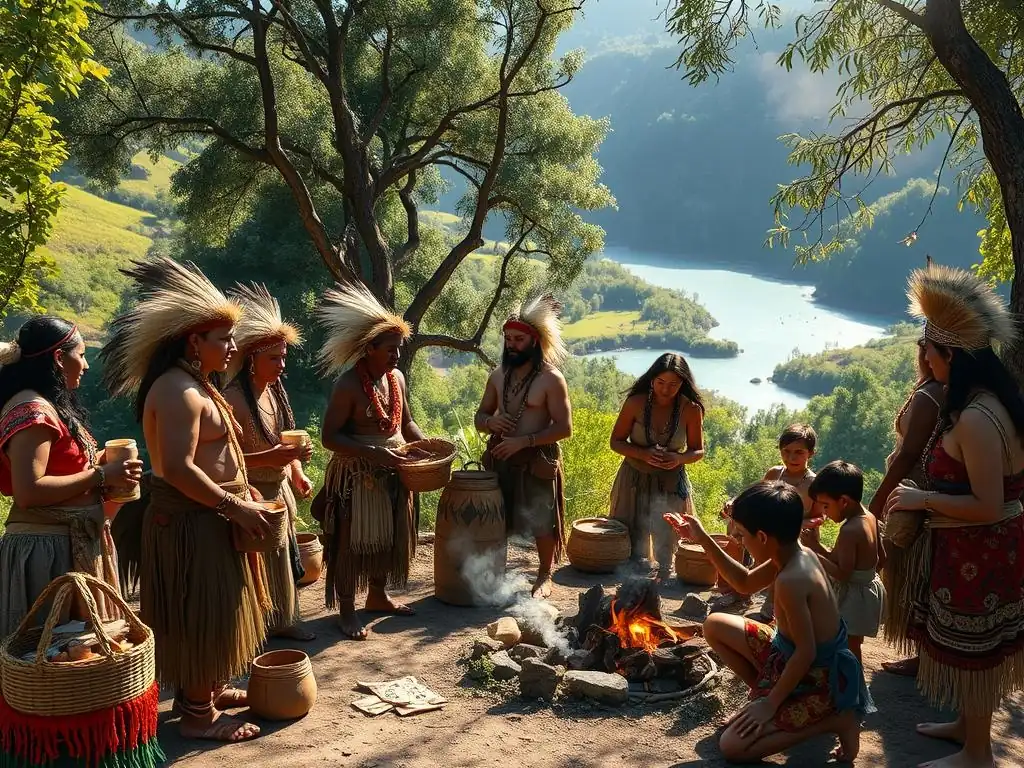
Welcome to Indigenous Civilizations of the Americas, where we embark on a fascinating journey through the rich tapestry of indigenous cultures that flourished long before the arrival of Europeans. In our featured article, "The Role of Trade in Shaping Indigenous Societies Before European Contact," we delve into how intricate trade networks not only facilitated the exchange of goods but also fostered connections between diverse communities, shaping their identities and societies in profound ways. Prepare to uncover the dynamic economic systems and enduring legacies of these remarkable civilizations—your exploration starts here!
Introduction to Trade in Indigenous American Societies
Trade played a pivotal role in the development and sustenance of indigenous societies in the Americas long before European contact. This intricate system of exchange not only facilitated the movement of goods but also fostered cultural interactions, social cohesion, and economic prosperity among diverse tribes and communities.
The trade in Indigenous American societies was characterized by the exchange of a wide range of products, such as food, textiles, tools, and ceremonial items, which were vital to their survival and cultural identity. By examining the complex trade networks and the significance of commerce in these societies, we can gain a deeper understanding of their achievements and the lasting impact they had on the continent.
Importance of Trade in Indigenous Cultures
The significance of trade in indigenous cultures cannot be overstated. It served as a fundamental means of:
- Resource Allocation: Trade enabled tribes to acquire resources that were not locally available, such as metals, shells, or specific agricultural products.
- Cultural Exchange: Through trade, different cultures interacted, leading to the sharing of technologies, ideas, and customs that enriched societal development.
- Social Relationships: Trade fostered alliances between tribes, strengthening bonds through mutual dependence and cooperation.
- Economic Stability: A robust trading system contributed to economic resilience, allowing societies to thrive despite environmental fluctuations or conflicts.
Trade was thus integral to the fabric of indigenous life, shaping their social structures and community dynamics.
Overview of Trade Networks in Indigenous Societies
Indigenous American societies established extensive trade networks that spanned vast distances, connecting diverse regions and peoples. These networks were characterized by:
- Regional Specialization: Different areas produced unique goods, leading to the development of specialized trade products. For example, the Pacific Northwest was known for its fish and timber, while the Southwestern tribes excelled in pottery and textiles.
- Trade Routes: Well-defined pathways facilitated the movement of goods, often along rivers, lakes, and overland trails. These routes became vital arteries for commerce and communication.
- Cultural Significance: Trade was not merely an economic activity; it was imbued with cultural importance, often involving ceremonial exchanges that reinforced social ties.
Understanding these trade networks provides insight into the interconnectedness of indigenous cultures and their ability to adapt and thrive in diverse environments.
Historical Context of Trade in Indigenous American Societies
The historical context of trade in indigenous American societies reveals a rich tapestry of commerce that evolved over centuries. By exploring pre-Columbian trade routes and major trade centers, we can appreciate the complexity and sophistication of indigenous economies.
Pre-Columbian Trade Routes
Before European contact, indigenous peoples established intricate trade routes that facilitated the exchange of goods across vast distances. Some notable features of these routes include:
- Geographical Diversity: Trade routes traversed various terrains, including mountains, deserts, and rivers, showcasing the adaptability of indigenous traders.
- Cultural Interactions: These routes not only allowed for the exchange of goods but also facilitated cultural exchanges, resulting in the sharing of languages, beliefs, and practices.
- Evidence of Trade: Archaeological findings, such as the presence of non-local goods in different regions, attest to the extensive trade networks that existed prior to European arrival.
Major Trade Centers and Their Role in Indigenous Economies
Several key trade centers emerged as vital hubs within indigenous trade networks, playing a crucial role in shaping local and regional economies. Prominent examples include:
- Cahokia: Located near present-day St. Louis, Cahokia was a major urban center that served as a crossroads for various trade routes, facilitating the exchange of goods from the Great Lakes to the Gulf of Mexico.
- Chaco Canyon: In the Southwest, Chaco Canyon was a significant trade center, known for its elaborate architecture and the trade of turquoise, pottery, and other goods.
- Tenochtitlan: The Aztec capital was a bustling metropolis where trade thrived, showcasing a complex market system that supported a vast population.
These trade centers were not just economic hubs; they were centers of cultural exchange and innovation, leaving a lasting legacy on the indigenous societies that thrived before European contact.
Types of Trade in Indigenous American Societies
Indigenous American societies engaged in a variety of trade practices that were crucial to their economic and social development. These trade systems facilitated not only the exchange of goods but also the transfer of ideas and cultural practices, fostering connections among diverse groups. Understanding the types of trade that existed helps to illuminate the complexity and sophistication of these societies before European contact.
Barter System: Goods and Services Exchange
The barter system was the primary method of trade among Indigenous American societies. This system involved the direct exchange of goods and services without the use of currency. For example, a hunter might trade furs for agricultural products, such as corn or beans, from farmers. This arrangement allowed communities to meet their needs based on the surplus they produced, fostering interdependence and cooperation.
Bartering also enabled Indigenous peoples to maintain relationships with neighboring tribes. Social ties were often strengthened through these exchanges, as they facilitated not only the sharing of material goods but also of knowledge and cultural practices. The flexibility of the barter system allowed for negotiations based on individual needs, further enhancing its effectiveness in accommodating the diverse resources available in different regions.
Long-Distance Trade: Materials and Cultural Exchange
Long-distance trade networks existed among various Indigenous American groups, connecting tribes across vast distances. These networks allowed for the exchange of materials that were not locally available. For instance, the trade routes of the pre-Columbian era connected coastal tribes with those from the interior, allowing for a diverse array of goods to circulate.
One significant example of long-distance trade is the exchange of obsidian, a prized material for tool-making. Tribes in the western United States traded obsidian with groups in the Great Plains and beyond. Similarly, salt, which was essential for food preservation, was traded over long distances, highlighting the importance of specific materials that were vital for survival.
Cultural exchange accompanied these trade interactions, as groups shared stories, rituals, and technologies. This flow of information contributed to the richness of Indigenous cultures and led to the adoption of new practices and innovations.
Key Goods Traded Among Indigenous Societies
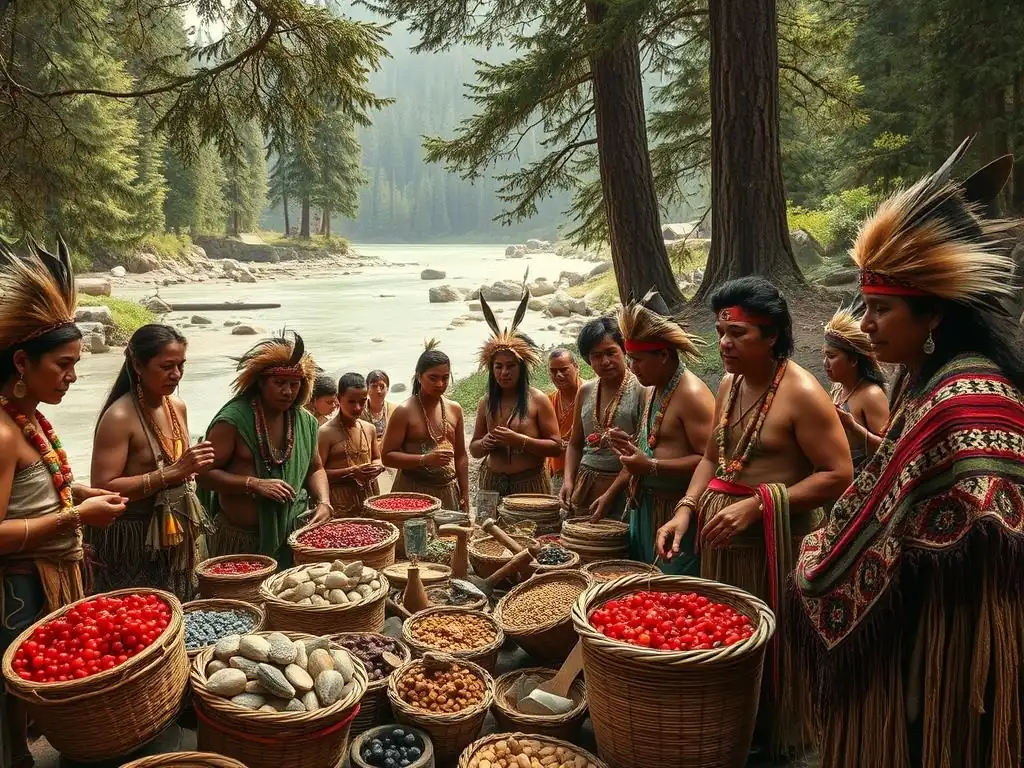
The exchange of specific goods played a crucial role in shaping the economies and societies of Indigenous American cultures. Certain items were highly sought after and became integral to trade networks, influencing social hierarchies and community dynamics.
Trade of Natural Resources: Furs, Textiles, and Food
Natural resources formed the backbone of trade among Indigenous societies. Furs, particularly from animals like beavers and otters, were highly valued for their warmth and durability and became significant trade items, especially in regions such as the Northeast and the Pacific Northwest. Indigenous peoples skillfully hunted and processed these furs, establishing lucrative trade relationships with neighboring tribes and later with European settlers.
Textiles also played a critical role in trade. Many Indigenous groups created intricate woven goods, such as blankets and clothing, often using materials like cotton, wool, and plant fibers. These items were not only functional but also served as symbols of cultural identity and status, making them desirable trade commodities.
Food items, particularly staples such as maize, beans, and squash, formed the basis of many trade exchanges. Surpluses of these crops allowed for barter with other communities, ensuring that diverse diets could be maintained across regions.
The Role of Precious Materials in Trade
Precious materials, including metals and gemstones, held significant value in Indigenous trade networks. While the use of metal varied among different societies, some Indigenous groups, such as the Muisca in present-day Colombia, utilized gold and silver for decorative and ceremonial purposes. These materials became symbols of wealth and power, influencing trade dynamics.
Moreover, natural gemstones like turquoise and obsidian were often traded for their aesthetic and functional properties. Turquoise, in particular, was highly prized for its beauty and was frequently used in jewelry and ceremonial artifacts. The demand for these materials fostered extensive trade routes, linking diverse cultures and facilitating the exchange of not just goods but also cultural practices and beliefs.
Trade in Indigenous American societies was multifaceted and integral to their development. The systems of barter and long-distance trade, coupled with the exchange of key goods, shaped social structures and cultural interactions long before European contact.
Trade played a pivotal role in shaping the social structures of Indigenous American societies. It not only facilitated the exchange of goods but also fostered interactions among diverse communities, leading to the establishment of complex social hierarchies and networks. The movement of goods such as food, textiles, and tools often mirrored the social stratification within these communities, as certain groups gained prominence through their control over trade routes and valuable resources.
Trade networks often led to the emergence of leaders or elites who managed the exchange processes, thereby solidifying their authority within their societies. These leaders were crucial in negotiating trade agreements, establishing alliances, and mediating disputes, which further reinforced their status. This dynamic created a multilayered social fabric where wealth and power were directly linked to trade activities, influencing everything from political structures to daily life.
Additionally, trade contributed to the development of social identities. Different Indigenous groups often specialized in particular goods, such as the Pueblo people with their pottery or the Pacific Northwest tribes with their totem poles. These specialties not only defined their economic roles but also shaped cultural identities, with trade facilitating a mutual respect and understanding among varying cultures.
Trade and Social Hierarchies in Indigenous Communities
In many Indigenous communities, social hierarchies were deeply intertwined with trade practices. As certain tribes became known for specific goods, they garnered reputations that elevated their status among neighboring groups. For instance, the Mississippian culture, known for its agricultural surplus, engaged in extensive trade, leading to the establishment of chiefdoms where leaders wielded significant influence over both trade and societal organization.
The control of trade routes often determined a community's wealth and power. Those who could effectively manage these routes, such as the Iroquois Confederacy, formed collaborative networks that enhanced their political and economic might. Such hierarchical structures were not static; they evolved based on the successes of trade practices, alliances, and the ability to adapt to changing circumstances.
Furthermore, trade often resulted in the concentration of wealth within particular families or clans, creating a system where lineage and ancestry became markers of social status. This concentration would lead to a more pronounced class distinction, impacting everything from marriage practices to inheritance.
Gender Roles and Trade: Women's Contributions
Women played a vital role in the trade networks of Indigenous societies, often serving as key economic players. Many women were responsible for the production of goods such as textiles, pottery, and food items, which were essential for trade. Their contributions were not only instrumental in sustaining their communities but also in facilitating trade relationships with neighboring tribes.
In numerous cultures, women were the primary traders, managing the exchange of goods, especially in regions where barter was common. Their involvement in trade allowed for greater agency and influence, often placing them in positions of power within their communities. For example, among the Tlingit of the Pacific Northwest, women were known to control the distribution of wealth and resources, leveraging their roles to shape social dynamics and relationships.
Moreover, women's participation in trade extended to the negotiation of alliances and marriages, reinforcing social ties and fostering economic partnerships. This dual role as both producers and traders showcased the importance of gender in the economic systems of Indigenous societies, highlighting a balanced approach to trade that recognized the contributions of all community members.
Cultural Exchange Through Trade in Indigenous Societies
Trade networks were essential conduits for cultural exchange among Indigenous societies. Through the movement of goods, ideas, and technologies, different cultures interacted, leading to significant transformations in societal practices and cultural expressions. This exchange not only enriched individual communities but also contributed to a broader understanding and appreciation of diverse cultures.
Spread of Ideas and Technologies via Trade Networks
The vast trade networks established by Indigenous peoples facilitated the dissemination of innovative ideas and technologies. For instance, the introduction of maize from Mesoamerica to the northern regions transformed agricultural practices, leading to improved food security and population growth. Similarly, the exchange of tools and techniques, such as pottery styles or weaving methods, allowed communities to adopt and adapt new technologies that enhanced their daily lives.
Trade also served as a platform for the exchange of spiritual beliefs and practices. As different groups interacted, they shared rituals, stories, and symbols, leading to a rich tapestry of cultural traditions that were influenced by multiple sources. This blend of ideas often resulted in new forms of artistic expression and social organization, illustrating the dynamic nature of Indigenous cultures.
Influence of Trade on Art and Craftsmanship
The impact of trade on art and craftsmanship in Indigenous societies is profound. Artistic styles and techniques were often exchanged along trade routes, leading to the emergence of hybrid forms that reflected the diversity of influences. For example, the intricate beadwork of Great Plains tribes was influenced by trade with the eastern woodlands, integrating different materials and techniques into their traditional crafts.
Moreover, trade created demand for specific goods, driving artisans to innovate and refine their skills. The emergence of specialized craftspeople who focused on creating items for trade—such as ceremonial masks or jewelry—demonstrated how commerce could elevate the status of artists and craftspeople within their communities. This resulted in a flourishing of artistic expression that not only served economic purposes but also conveyed cultural narratives and identities.
The interplay between trade and craftsmanship illustrates how Indigenous societies were not merely consumers but active participants in shaping their cultural landscapes through economic engagement. The legacy of these artistic traditions continues to resonate today, reflecting the rich history of trade in Indigenous American societies.
Trade Networks and Alliances Among Indigenous Groups
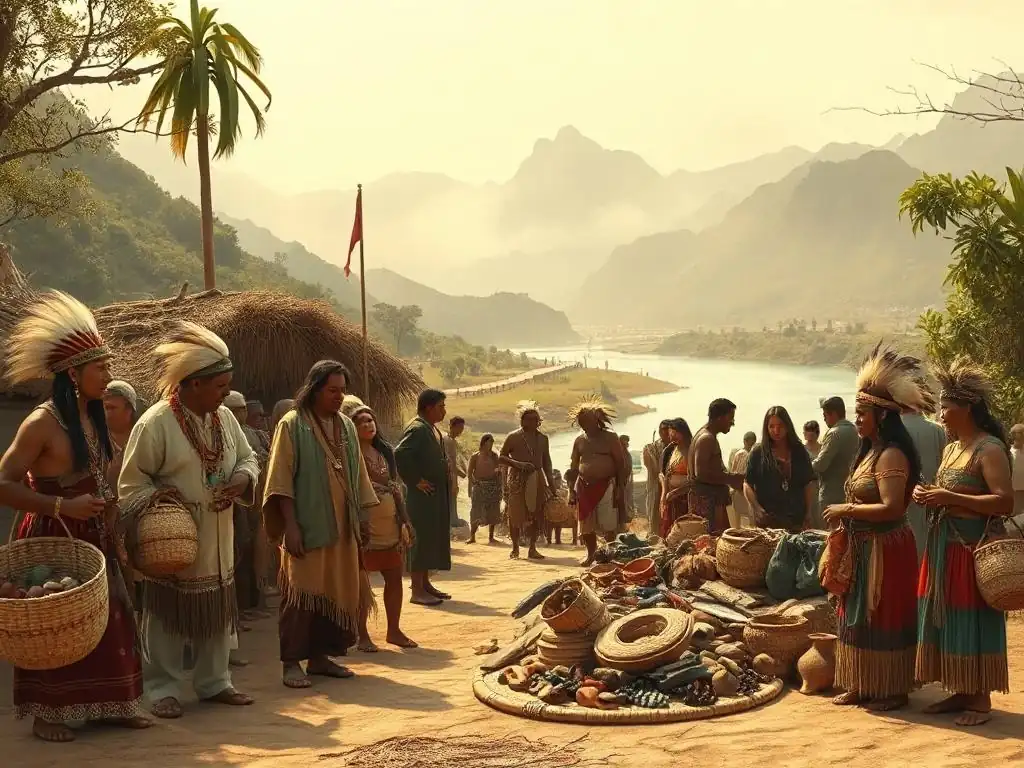
Trade networks among Indigenous American societies were intricate systems that facilitated the exchange of goods, ideas, and cultural practices. These networks often spanned vast distances, connecting different tribes and nations, and were crucial in shaping their economies and social structures. The trade routes were not merely commercial; they were pathways for diplomacy, cultural exchange, and the establishment of alliances.
Indigenous groups engaged in trade to acquire resources not available in their immediate environment, such as obsidian for tool-making, marine resources for inland communities, or agricultural products from different climates. Notable trade routes included the extensive network of the Mississippian culture, which connected various tribes across the southeastern United States, and the trade routes of the Pueblo peoples in the Southwest. These networks allowed for the flow of goods such as pottery, textiles, and food staples, enriching the cultural tapestry of Indigenous societies.
Formation of Alliances for Trade Security
To navigate the complexities of trade and ensure security, Indigenous groups often formed strategic alliances. These alliances served multiple purposes: they provided protection against rival tribes, facilitated smoother trade negotiations, and established trust in the exchange of goods. For example, tribes in the Great Lakes region formed alliances to control lucrative fishing rights and trade routes.
These alliances were often formalized through ceremonies and mutual agreements, which helped reinforce relationships and maintain peace. The presence of shared interests in trade led to the development of intertribal councils and gatherings, where leaders would convene to discuss trade regulations, resolve disputes, and strengthen their collaborative efforts. This cooperative approach not only enhanced trade security but also fostered a sense of unity among tribes that might otherwise have been rivals.
Impacts of Trade Alliances on Indigenous Relations
The establishment of trade alliances significantly impacted Indigenous relations, both positively and negatively. On one hand, successful trade partnerships led to increased social interactions, shared cultural practices, and mutual respect among different groups. For instance, the exchange of goods often included cultural artifacts, which facilitated the sharing of stories and traditions, enriching the cultural landscape of the involved tribes.
On the other hand, trade alliances could also create tensions. Competition for resources and trade dominance sometimes led to conflicts, as tribes sought to protect their interests. Additionally, alliances could shift over time, leading to rivalries as new groups entered the trade network or existing partners altered their priorities. Thus, while trade alliances were essential for economic stability, they also played a complex role in shaping intertribal dynamics.
The Decline of Indigenous Trade Networks Before European Contact
The decline of Indigenous trade networks before European contact is a significant aspect of the history of Indigenous American societies. Various factors contributed to this trend, leading to profound changes in their economic and social structures.
Factors Leading to Changes in Trade Patterns
Several factors contributed to the decline of trade networks among Indigenous societies. Environmental changes, such as droughts or shifts in climate, affected agricultural productivity and resource availability, disrupting established trade routes. Additionally, the arrival of European explorers and settlers introduced new dynamics that altered Indigenous trade patterns. As European demand for furs and other resources increased, some tribes began to shift their focus toward trade with European powers, often at the expense of traditional networks.
Moreover, internal conflicts and competition among tribes for resources led to fragmentation of trade alliances. As tribes engaged in warfare or expanded their territories, the once-reliable trade routes became less secure, causing a decline in intertribal commerce. The introduction of European goods also changed consumption patterns, leading to a reduced reliance on traditional trade items.
Consequences of the Decline of Trade for Indigenous Societies
The decline of Indigenous trade networks had profound consequences for Indigenous societies. Economically, the loss of trade relationships diminished access to essential resources, which in turn affected subsistence practices and social structures. Many communities experienced increased isolation, leading to a decrease in cultural exchange and collaboration.
Socially, the disruption of trade alliances contributed to a decline in diplomatic relations between tribes. The weakening of these connections made it more challenging to resolve conflicts peacefully, leading to increased tensions and hostilities. Over time, this breakdown in trade networks and alliances contributed to the vulnerability of Indigenous societies as they faced the encroachment of European settlers, ultimately altering the trajectory of their histories.
The intricate web of trade networks and alliances among Indigenous American societies played a crucial role in their development and sustainability. However, the decline of these networks before European contact had significant repercussions, reshaping the social, economic, and political landscape of Indigenous cultures across the Americas.
Conclusion: The Lasting Legacy of Trade in Indigenous American Societies
The intricate trade networks established by Indigenous American societies before European contact played a crucial role in shaping their cultures, economies, and social structures. These systems not only facilitated the exchange of goods but also fostered cultural interactions that resulted in the sharing of ideas, technologies, and traditions. The legacy of these trade practices is reflected in the diversity of indigenous cultures that continue to exist today, as well as in the modern understanding of trade as a vital component of societal development.
Trade allowed for the movement of resources across vast distances, connecting people from different regions and enabling them to benefit from each other's strengths. For instance, the exchange of agricultural products, such as maize from the Mesoamerican region and fish from coastal areas, exemplifies how trade enriched diets and livelihoods. Additionally, the trade of crafted goods, such as pottery, textiles, and tools, not only catered to local needs but also served as a means of cultural expression and identity.
As we reflect on the historical significance of these trade networks, it becomes evident that they were more than mere economic transactions; they were foundational to the complex societies that thrived across the Americas. The remnants of trade routes, archaeological findings, and historical accounts testify to the vibrant interactions among Indigenous peoples, highlighting the enduring impact of trade on their civilizations.
Reflection on Trade's Influence on Indigenous Cultures
Trade significantly influenced various aspects of Indigenous American cultures, shaping their social hierarchies, political systems, and community interactions. The establishment of trade routes led to the emergence of specialized roles within societies, such as traders and craftsmen, which contributed to the development of social stratification. These roles often granted individuals status and influence within their communities, impacting power dynamics and fostering alliances that were vital for survival and prosperity.
Moreover, trade facilitated the sharing of cultural practices and spiritual beliefs. As different groups interacted through trade, they exchanged not only material goods but also stories, rituals, and artistic expressions. This cultural exchange helped cultivate a rich tapestry of traditions that characterized Indigenous societies. For example, the spread of maize cultivation from Mesoamerica to the northern regions of the continent illustrates how agricultural practices evolved through trade, influencing local diets and customs.
The interdependence created by trade networks also contributed to resilience in facing external challenges. Communities that were part of extensive trading systems had access to a wider variety of resources, which allowed them to adapt more effectively to environmental changes and pressures. The connections formed through trade often led to cooperative relationships among groups, fostering unity and mutual support.
The Historical Significance of Pre-Columbian Trade Networks
Pre-Columbian trade networks were complex and far-reaching, reflecting the ingenuity and sophistication of Indigenous American societies. These networks connected diverse geographical regions, from the arid deserts of the Southwest to the lush forests of the Pacific Northwest and the agricultural heartlands of Mesoamerica. The extensive trade routes established by various cultures facilitated not only the movement of goods but also the exchange of knowledge and technology.
Some of the most notable trade networks included the Mesoamerican trade routes, which linked civilizations such as the Maya and Aztec, and the extensive systems in the Mississippi River Valley, which allowed for the exchange of agricultural products and raw materials. The Ancestral Puebloans (formerly known as the Anasazi) utilized trade to acquire essential resources such as pottery and turquoise, further demonstrating how these networks were integral to their survival and cultural expression.
The significance of these pre-Columbian trade networks extends beyond local interactions; they played a vital role in the broader context of global history. The sophistication of Indigenous trade practices challenges the notion that complex economies and social organizations emerged only after European contact. Instead, it highlights the advanced societal structures that existed long before colonization, emphasizing the need to recognize and honor the contributions of Indigenous peoples to the history of trade and economy on a global scale.
Understanding the role of trade in Indigenous American societies provides valuable insights into their rich cultural heritage and the enduring impacts of their historical practices.
- Introduction to Trade in Indigenous American Societies
- Historical Context of Trade in Indigenous American Societies
- Types of Trade in Indigenous American Societies
- Key Goods Traded Among Indigenous Societies
- The Impact of Trade on Indigenous Social Structures
- Cultural Exchange Through Trade in Indigenous Societies
- Trade Networks and Alliances Among Indigenous Groups
- The Decline of Indigenous Trade Networks Before European Contact
- Conclusion: The Lasting Legacy of Trade in Indigenous American Societies
- What was the significance of trade in Indigenous American societies?
- How did trade affect relationships between different tribes?
- What types of goods were commonly traded among Indigenous societies?
- Did trade routes exist before European contact?
- How did trade influence the cultural identities of Indigenous peoples?
Frequently Asked Questions
What was the significance of trade in Indigenous American societies?
Trade played a crucial role in the development of social structures and economic systems among Indigenous cultures, facilitating the exchange of goods, ideas, and technologies.
How did trade affect relationships between different tribes?
Trade fostered alliances and interactions between tribes, allowing for the sharing of resources and cultural practices, which enriched their societies and promoted cooperation.
What types of goods were commonly traded among Indigenous societies?
Indigenous peoples traded a variety of goods, including food items, raw materials, and crafted goods, with items like shells, furs, and tools being particularly valuable.
Did trade routes exist before European contact?
Yes, extensive trade routes existed, connecting diverse Indigenous regions across the Americas, which were vital for the movement of goods and the establishment of cultural exchanges.
How did trade influence the cultural identities of Indigenous peoples?
Trade contributed to the formation of cultural identities by enabling the exchange of art, language, and traditions, thus creating a rich tapestry of interconnected Indigenous cultures.
Final Reflection: The Enduring Legacy of Trade in Indigenous American Societies
The intricate web of trade that existed among Indigenous American societies before European contact reveals a profound truth: trade was not merely an economic activity, but a vital force that shaped cultural identities, social structures, and inter-community relationships. Today, as we grapple with the legacies of colonialism and strive for a more equitable future, understanding the significance of these trade networks is crucial. The lessons learned from the past can guide us in fostering respect and collaboration among diverse cultures in our globalized world.
The impact of trade in Indigenous societies resonates deeply within contemporary discussions about cultural preservation and social justice. The rich tapestry of relationships formed through trade not only facilitated the exchange of goods but also ideas, traditions, and values, which continue to influence Indigenous identities today. As noted by historian David Hurst Thomas, Trade was the lifeblood of Indigenous societies, creating bonds that transcended mere commerce.
This observation underscores the importance of recognizing and honoring these historical connections as we navigate modern challenges.
As we reflect on the role of trade in shaping Indigenous American societies, I invite you to consider how these lessons can be applied in your own life. How can you foster connections and understanding among diverse communities in your environment? Embrace the spirit of collaboration and respect that characterized Indigenous trade networks, and let it inspire you to build bridges in your own community. By doing so, we can honor the past while creating a more inclusive and harmonious future for all.
Explore the Rich Tapestry of Indigenous Trade!
Thank you for taking the time to dive into the fascinating world of Indigenous societies and their intricate trade systems prior to European contact. We hope you’ve gained valuable insights into how these exchanges shaped their communities and cultures. Now, it’s time to take action and deepen your understanding!
- Investigate further! Delve into books, documentaries, or online resources that explore the extensive networks of Indigenous trade in greater detail.
- Start a dialogue! Share what you’ve learned with friends or on social media to spark discussions about the significance of trade in Indigenous civilizations.
- Participate actively! Join workshops or local events that celebrate Indigenous cultures and their historical practices.
What aspect of Indigenous trade fascinates you the most, and in what ways do you believe it influenced their societies? We would love to hear your thoughts!