Indigenous Economic Resilience: Surviving Colonization and Preserving Traditions
🌿 Indigenous economic resilience in America showcases how native communities have not only survived colonization but have also thrived by preserving their…
Read article
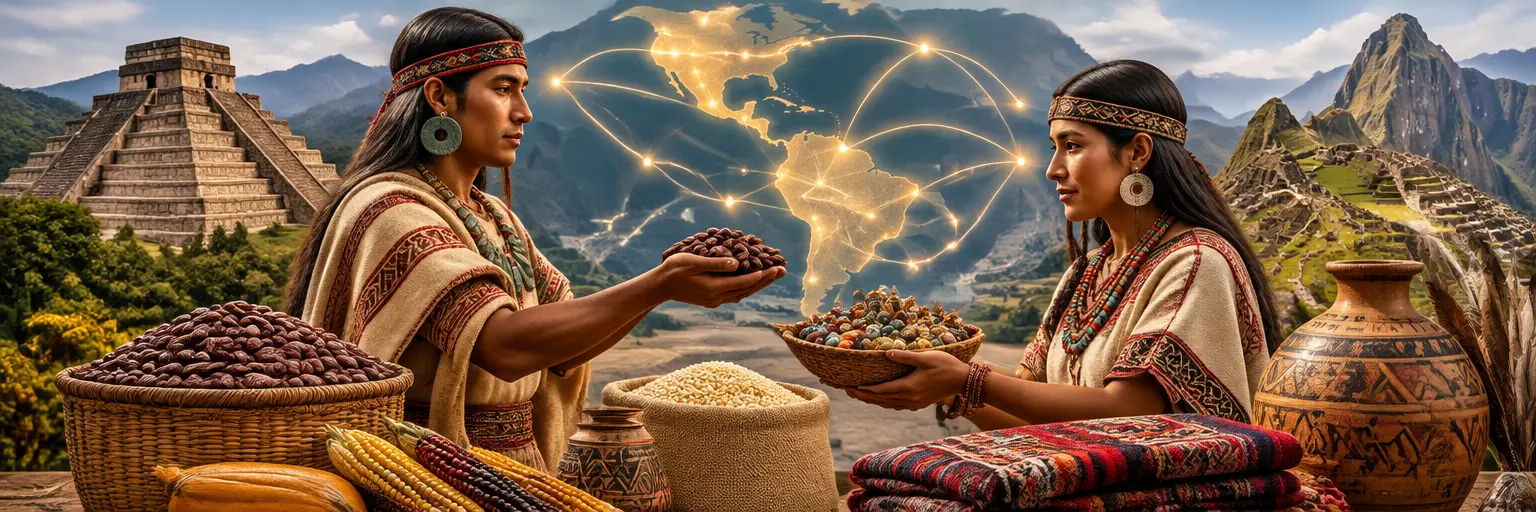
Explore how ancient civilizations of the Americas engineered their economic systems—from the bustling trade networks of the Aztec and Maya to the state-managed redistribution of the Inca Empire. Discover the innovative currencies, such as cacao and cotton cloth, the vibrant marketplaces, and the sophisticated agricultural strategies that fueled prosperity and interconnected diverse communities across vast landscapes. Delve into how each society harmonized commerce, tribute, and reciprocity to sustain their empires and shape their world, offering valuable insights into pre-Columbian economic resilience and ingenuity.
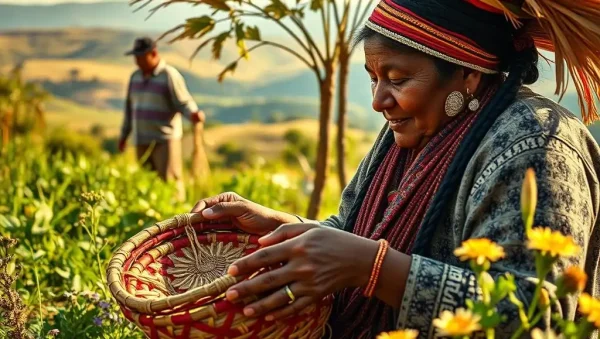
🌿 Indigenous economic resilience in America showcases how native communities have not only survived colonization but have also thrived by preserving their…
Read article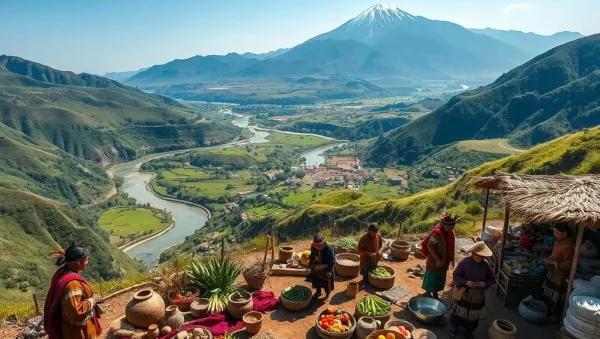
🌍 Indigenous trade routes geography played a crucial role in shaping the economic and cultural exchanges among pre-colonial civilizations. By understanding the…
Read article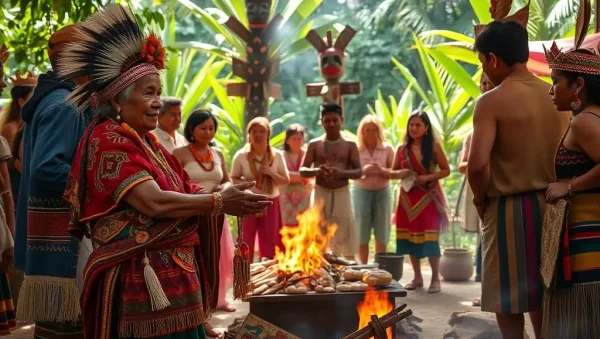
Indigenous rituals and economic impact are deeply intertwined, as ceremonial practices shape trade relationships and social cohesion within these societies. Understanding these…
Read article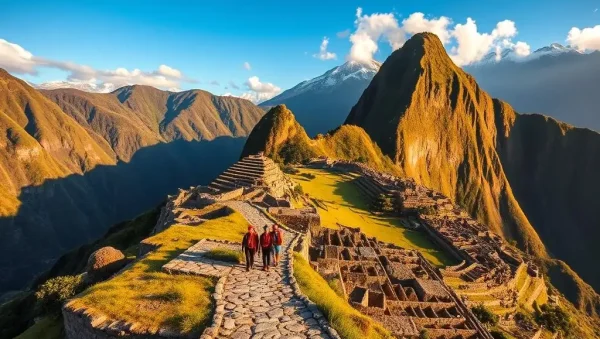
The Incan road system's significance lies in its unparalleled engineering, facilitating trade and communication across vast terrains. This network not only unified…
Read article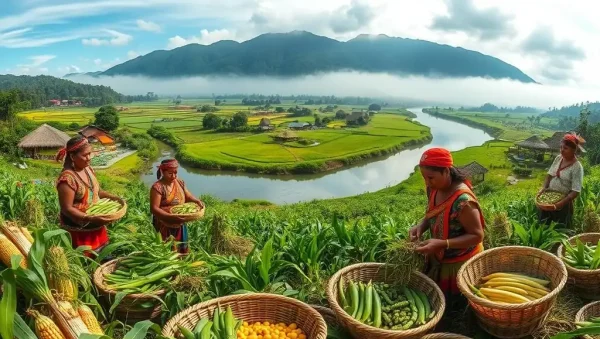
The legacy of Indigenous economic systems impact can offer valuable lessons for modern economies, highlighting sustainable practices and community-focused approaches that prioritize…
Read articleUnderstanding the economic systems of Indigenous civilizations reveals sophisticated networks of trade, resource management, and social organization that thrived long before European contact. From the Andean tiwapans to Mesoamerican marketplaces, these systems were not simple barter economies but complex frameworks integrating agriculture, craft specialization, and redistributive tribute. This subcategory delves into how groups like the Aztec, Inca, Maya, and Iroquois structured production, exchange, and value, offering lessons in sustainability and communal wealth that remain relevant today. Here, you’ll find curated insights into the engines that powered pre-Columbian prosperity.
The backbone of most indigenous economies was agriculture, with innovations like terraced farming, chinampas, and the Three Sisters planting method. These techniques produced significant surpluses, which were stored in granaries and used to support non-farming specialists, religious ceremonies, and trade. For example, the Inca’s qollqa warehouses maintained reserves for famine relief, while the Maya’s raised-field systems maximized yields in wetland areas. This section explains how surplus wasn’t just for survival—it was a tool for political power and social cohesion, enabling large urban centers to flourish.
Readers will learn about the cyclical nature of production tied to calendars and rituals, ensuring that economic activities aligned with spiritual beliefs. The redistribution of surplus through gift-giving and state-sponsored feasts reinforced loyalty and class structures. By examining these practices, you’ll see how indigenous systems prioritized communal well-being over individual accumulation, contrasting sharply with modern capitalist models. Key crops, storage methods, and labor organization (such as the mit’a system) are covered in depth, offering a foundational understanding of what fueled these civilizations.
Beyond agriculture, indigenous economies thrived on specialized craftsmanship—pottery, textiles, metallurgy, and stonework—with goods traded across vast distances. The Aztec pochteca were long-distance merchants who exchanged cacao, jade, and feathers for obsidian and salt, while the Inca maintained state-controlled workshops for fine cloth and ceramics. This section highlights how artisans were often organized into guild-like groups, with skills passed down through generations, and how their products served both utilitarian and ceremonial purposes, carrying social status and spiritual meaning.
Trade routes like the Inca road system and Mesoamerican coastal networks moved goods over thousands of miles, facilitated by standardized weights and, in some regions, even early forms of currency like cacao beans. You’ll discover how trade was not purely mercantile but enmeshed with diplomacy, marriage alliances, and warfare—controlling key resources like turquoise or copper could elevate a city’s power. This subcategory also explores the role of markets, such as Tlatelolco’s bustling plaza, where thousands of vendors gathered daily, demonstrating an impressive scale of organization and regulation.
Many indigenous polities operated on a redistributive model, where a central authority collected tribute and then distributed goods to citizens, officials, and temples. The Inca Empire epitomized this with its reciprocity system: communities provided labor and produce; the state returned festivals, infrastructure, and emergency aid. Similarly, the Aztec tributary provinces supplied food, textiles, and military supplies, supporting the capital’s vast population. This section clarifies how such systems were not exploitative in every case but embedded in religious and social duties, creating mutual obligations between rulers and the ruled.
Readers will examine the quipu—knotted cords used by the Inca for record-keeping—to understand how economic data was tracked without writing. This shows an advanced administrative capacity, managing complex inventories and labor schedules. Comparisons with Maya city-state economies, where tribute flowed to kings but trade remained more decentralized, highlight diverse governance styles. Understanding these mechanisms helps debunk myths of “primitive” economies, revealing instead strategic planning and resilience, with mechanisms to prevent surplus hoarding and ensure broad distribution during droughts or conflicts.
Waterways were the highways of ancient America, enabling efficient movement of bulky goods like maize, fish, and timber. The Amazon and Mississippi river systems linked distant tribes, while coastal communities such as the Calusa and Chumash used seagoing canoes for trade in shells, beads, and obsidian. This section underscores the significance of aquatic trade, revealing that economic interactions were not landlocked but dynamic and far-reaching. Canoe designs, riverine portage routes, and seasonal trading fairs are all explored, showing how geography shaped commercial strategies.
Maritime exchange also fostered cultural diffusion—similar pottery styles and religious motifs appear along coastal corridors, indicating shared economic and social networks. For the Maya, seagoing trade in cacao and salt was crucial, with ports like Tulum acting as bustling hubs. This content emphasizes that indigenous peoples mastered navigation, using stars and currents, and that their commercial activities predated European contact by millennia, challenging the notion that New World societies were isolated. Expect to find case studies on raft technology from the Andean coast and the expansion of Caribbean trade circuits.
Economic roles were tightly linked to social hierarchy, with nobles controlling land, elites managing exchange, and commoners providing labor. However, roles were not rigid; skilled artisans and successful merchants could gain prestige, sometimes even marrying into nobility. This section details how gender influenced economic participation—women often managed household production of textiles and food, which were vital for both domestic use and tribute. Calpulli (Aztec wards) organized communal landholding and labor, ensuring everyone had access to resources, while the Inca’s ayllu kinship groups functioned as production units.
Understanding these structures helps explain the resilience of indigenous economies, which integrated economic functions with kinship, religion, and governance. Slavery existed but differed from European chattel slavery, often being a temporary state for debt or captives. You’ll explore historical records and archaeological evidence to see how economic status could shift over a lifetime. This nuanced view challenges simple narratives of “equal” or “exploitative” systems, showcasing a spectrum of social mobility and collective obligation that shaped daily life for millions.
Most relied on cacao beans, cotton cloth, and copper bells as exchange mediums, especially in Mesoamerica. The Inca didn’t use currency—trade was based on reciprocity and state redistribution. Quipu recorded values, while obsidian and salt were valuable commodities. These items were practical, portable, and held intrinsic worth, though standardized coinage was absent.
Indigenous networks used stepped roads, rope bridges, and llama caravans in the Andes, while deserts relied on oases and seasonal routes. The Inca built extensive paved roads with waystations, and Mesoamerican traders followed river canyons. Chasqui runners relayed messages, and porters carried goods, showing advanced logistics adapted to geography.
Yes, the Aztec Empire had vibrant markets like Tlatelolco, with thousands of daily vendors, standardized prices, and specialized judges. The Maya operated regional markets, though less centralized. These markets coexisted with tribute systems, blending supply-demand dynamics with state control. Pochteca merchants played entrepreneurial roles, sometimes acting as spies.
Religion was central—goods like turquoise and feathers were considered sacred, and temples demanded offerings. Seasonal calendars dictated planting and trade festivals, ensuring economic activities aligned with cosmic cycles. Redistribution was framed as divine justice, with leaders acting as stewards of wealth. This integration prevented resource exhaustion and embedded ethics in commerce.
They used diverse crop portfolios, storage granaries, and intercommunity reciprocity. The Inca’s qollqa warehouses could support a province for years, while regions traded surplus with neighbors. Irrigation systems and raised fields buffered variability, and social networks ensured redistribution in crises. This resilience reflects adaptive management, not passivity.