Understanding Resource Distribution in Indigenous American Economies
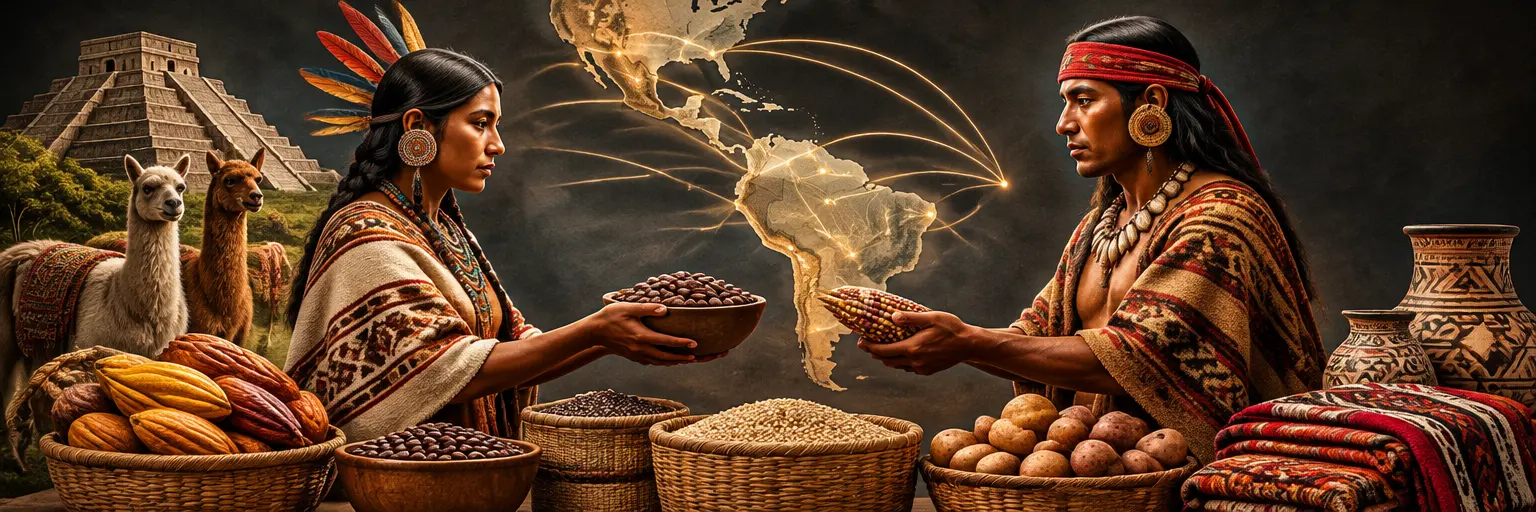
Resource distribution was the backbone of trade and economy across the Americas, shaping how indigenous civilizations allocated food, raw materials, crafted goods, and labor. Far from uniform, these systems ranged from centralized state control to communal reciprocity, reflecting diverse ecological zones, social hierarchies, and cultural values. This subcategory explores the mechanisms—from Aztec tribute networks and Inca storehouse systems to Andean *ayllu* reciprocity and Mesoamerican marketplaces—that ensured survival, fueled imperial expansion, and fostered interregional exchange. Here, you will discover how redistribution reinforced political power, mitigated famine risks, and integrated vast territories into coherent economic spheres.
🌽 State-Led Redistribution: Tribute, Storage, and Imperial Control
In the Aztec Empire, tribute from conquered provinces flowed into Tenochtitlan, where bureaucrats cataloged maize, cacao, cotton, and precious feathers. This centralized model supported elites, priests, and soldiers while also funding public works like aqueducts and temples. The Inca Empire perfected a different system: state-owned storehouses (*qollca*) dotted the Andes, stockpiling goods for military campaigns, drought relief, and ceremonial feasts. Officials used *khipu* (knotted cords) to track inventories and labor obligations, enabling rapid mobilization of resources across 4,000 kilometers of roadways. Both systems used distribution not just for subsistence but as a visible symbol of imperial generosity, binding subjects through cycles of tribute and reward.
Expect to learn how these redistributive networks classified goods by perishability, prestige, and ritual use. For example, the Inca distinguished between *mit'a* labor (rotational work service) and *minka* (communal projects), each with distinct distribution rules. You will also examine how droughts or rebellions triggered rationing policies, and how surplus was deliberately allocated to create dependencies that deterred revolt. This facet highlights the sophisticated administrative tools—census records, granary audits, and specialized storage architecture—that made such systems resilient for centuries.
🏺 Market Exchange and Merchant Networks: The Missing Middle
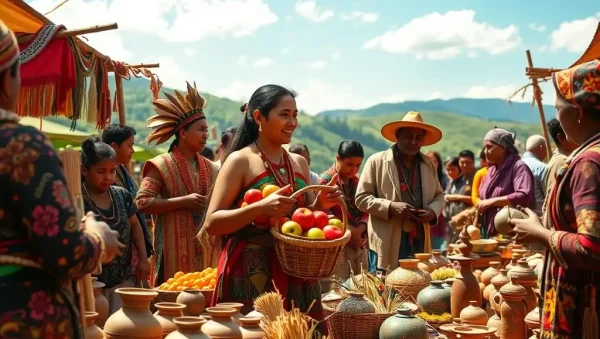
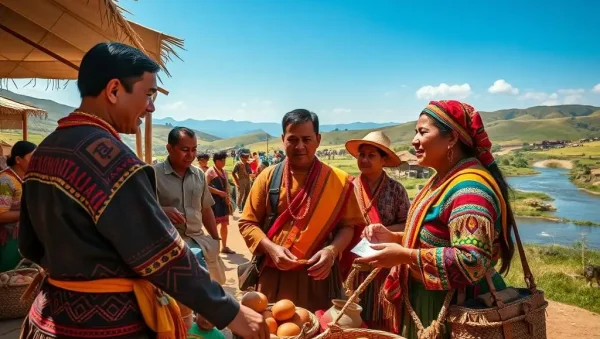
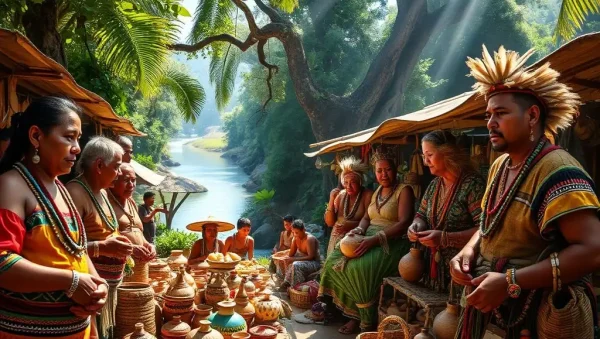
Unlike centralized empires, many indigenous societies relied on vibrant marketplaces where goods changed hands through barter, cacao beans, or shell currency. The Maya lowlands, for instance, hosted periodic markets in city plazas, where salt, obsidian, and marine shells traveled hundreds of kilometers. The Aztec *pochteca* (long-distance merchants) operated outside state tribute, trading luxury items like jaguar pelts and quetzal feathers while also serving as spies. In the Andes, the *trueque* system facilitated direct exchange between ecological zones—farmers trading potatoes for fish from coastal specialists, or llama meat from highland herders for tropical fruits.
Here, you will understand how market access was regulated by class and gender. Commoners traded surplus at local fairs, while nobles controlled long-distance luxury goods. Price fluctuations depended on seasonality, harvest yields, and ritual calendars, with festive markets doubling as social gatherings. Evidence from marketplaces like Tlatelolco—reported by Spanish conquistadors to hold up to 60,000 daily traders—reveals complex price-setting mechanisms, quality standards, and even credit arrangements. This section emphasizes that resource distribution was not monolithic but layered, with market and state systems often coexisting and complementing each other.
🌾 Communal Reciprocity and Kinship-Based Allocation
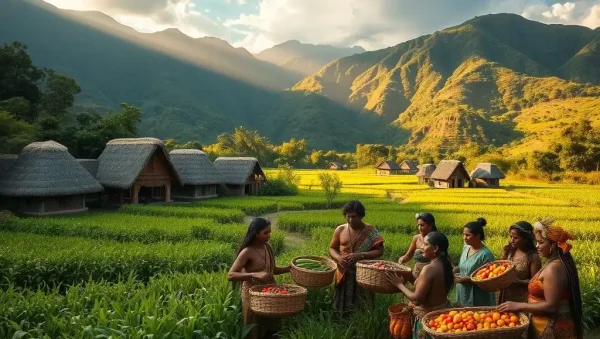
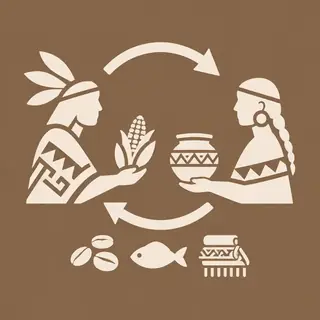
In many indigenous communities, resource distribution followed principles of reciprocity and kinship rather than profit or state decree. The Andean *ayllu*—a group of extended families claiming common ancestry—collectively owned land, herds, and water rights. Members contributed labor to shared fields, and harvests were distributed based on household need, age, and social standing. Similarly, among the Iroquois Confederacy, the “Great Law of Peace” mandated that hunting territories be shared among allied nations, with meat and skins redistributed through clan mothers to ensure no family went hungry during harsh winters.
This facet explores how such systems prevented hoarding and maintained social cohesion. Rituals often accompanied distribution—feasts where surplus was consumed collectively, or gifts that created obligations of future return. You will learn about the *mit'a* system’s alternative: labor exchanged for access to high-altitude pastures or irrigation water, managed through community councils. Even in times of surplus, deliberate limits on accumulation enforced egalitarian ideals, as seen among the Pueblo peoples, where harvest surpluses were stored in communal granaries but redistributed during ceremonies. This model challenges Western notions of private property, emphasizing stewardship and cyclical generosity.
🚚 Long-Distance Trade Networks: Connecting Ecological Niches
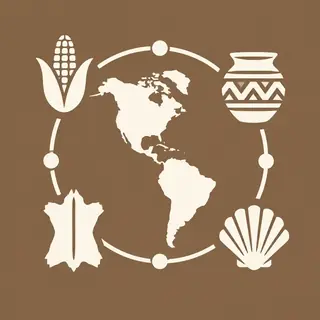
Resource distribution’s geographical reach was extraordinary. The Mesoamerican trading corridor stretched from the Gulf Coast to the Pacific, moving obsidian, turquoise, salt, and cacao. The Inca road system linked coastal valleys to highland plateaus, enabling llama caravans to transport quinoa, dried fish, and wool across the Andes. The Mississippian culture distributed marine shell beads, copper, and chert across a network spanning from the Great Lakes to the Gulf of Mexico. These networks relied on standardized units of value—like cacao beans or copper bells—and established resting points where goods were exchanged for food and shelter.
Here, you will appreciate how environmental diversity drove trade: nowhere could all necessities be produced locally, so interdependence was inevitable. For example, highland Andean populations traded potatoes and chuño (freeze-dried potatoes) for tropical fruits and peppers from lower altitudes. These corridors were not passive routes but active economic zones where cultural ideas, technologies, and even diseases traveled alongside goods. Examine how bottlenecks—mountain passes, river fords—became gathering places for fairs, and how political alliances, like the Aztec Triple Alliance, secured safe passage for merchants. This section reveals resource distribution as a dynamic engine of pan-American integration.
📦 Storage, Surplus, and Risk Mitigation Strategies
Effective resource distribution required sophisticated storage and risk management. The Inca’s *qollca* were multiroomed stone warehouses, often built in cold, dry areas to preserve grains and dried meat for years. The Maya used underground *chultunes* to store rainwater and cisterns for maize, while coastal peoples smoked and dried fish for transport. Surpluses were not accidental but deliberate—calculated based on population estimates, climatic forecasts, and ritual calendars. For example, the Inca stored up to three years’ worth of food in major provincial capitals, allowing them to survive El Niño-driven droughts or crop failures.
Expect to learn about the social implications of surplus control. Who decided when to release stored goods? In Inca provinces, local curacas (chiefs) managed distribution under imperial oversight, balancing famine relief with political favors. Among the Maya, ruling elites controlled access to storage, using it to finance warfare or sponsor public feasts that reinforced their legitimacy. This facet also covers perishability solutions—fermentation, drying, freezing—and inventory systems like the *khipu* that encoded amounts, types, and locations. Understanding these strategies illuminates how prec colonial economies achieved resilience without modern logistics.
Frequently Asked Questions
What was the primary purpose of resource distribution in indigenous empires?
Resource distribution served multiple aims: ensuring subsistence for non-farming elites, soldiers, and artisans; funding public works and religious ceremonies; and cementing political loyalty through visible generosity. In the Inca Empire, it also functioned as a famine insurance system, with stored surpluses deployed during droughts or crop failures, thereby stabilizing the empire and preventing uprisings.
How did indigenous societies decide who received resources?
Allocation criteria varied widely. In state systems like the Aztec, tribute lists specified quantities per province; in communal systems like the Andean *ayllu*, distribution followed household size and social rank. Market economies relied on purchasing power, but even there, sumptuary laws restricted luxury goods to nobles. Thus, distribution intertwined with hierarchy, kinship, and ritual entitlement.
Were there any examples of resource sharing between rival civilizations?
Yes, through alliances and neutral trade zones. The Aztec Triple Alliance shared tribute from conquered regions, while the Maya and Teotihuacan engaged in elite gift exchanges that spanned centuries. Even during wars, merchant caravans often passed through enemy territories under safe-conduct agreements, as long-distance trade was too vital to fully disrupt.
How did geographic barriers affect distribution routes?
Mountains, deserts, and jungles forced creative solutions: llama caravans could cross high passes but were slow; river canoes prioritized bulky goods in the Amazon; coastal rafts (like the Inca’s totora reed boats) linked Pacific ports. These barriers also created natural monopolies—obsidian sources in highlands dominated long-distance trade—prompting specialized logistics like relay runners and way stations.
Can modern economic theory explain indigenous distribution?
Partially, but not fully. Concepts like supply and demand apply to markets, yet reciprocity and redistribution reflect moral economies—where fairness and obligation outweigh profit. The Inca’s labor tax (*mit’a*) resembles corvée labor, but its symbolic dimension of communal service resists simple economic modeling. Thus, a hybrid framework combining anthropology, ecology, and economic history is needed.