
Sustainability and Indigenous Practices: A New Wave in Modern Fashion

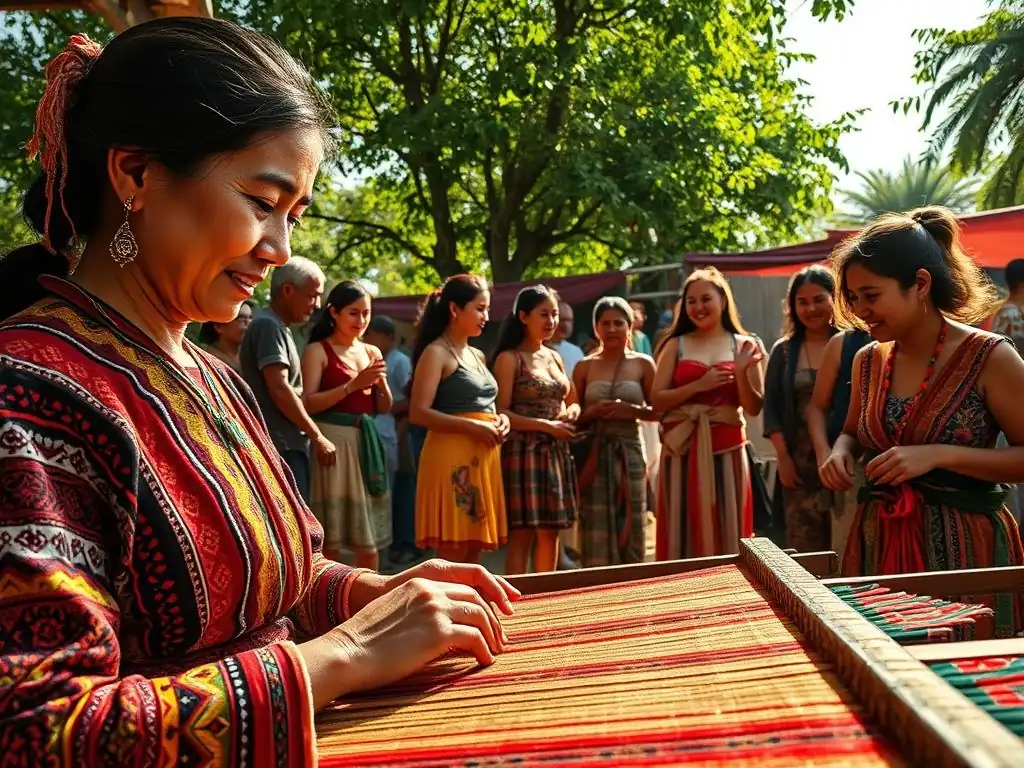
Welcome to Indigenous Civilizations of the Americas, where we invite you to embark on a captivating journey through the rich tapestry of indigenous cultures that flourished long before European contact. Here, you will uncover the profound achievements and societal structures of these vibrant communities, and discover how their legacies continue to resonate today. In our featured article, “Sustainability and Indigenous Practices: A New Wave in Modern Fashion,” we delve into indigenous sustainable fashion practices—a remarkable blend of tradition and innovation that challenges the norms of contemporary fashion.
Prepare to be inspired as you explore how these timeless practices are shaping a sustainable future. Let’s dive deeper into a world where culture and creativity intertwine!
- Introduction to Indigenous Sustainable Fashion Practices
- Historical Context of Indigenous Fashion
- Key Indigenous Sustainable Fashion Practices
- Indigenous Influences in Contemporary Fashion
- The Benefits of Indigenous Sustainable Fashion Practices
- Challenges Facing Indigenous Sustainable Fashion Practices
- How to Support Indigenous Sustainable Fashion Practices
- Conclusion: The Future of Indigenous Sustainable Fashion Practices
- Frequently Asked Questions
- Final Reflection: Embracing Indigenous Sustainable Fashion Practices for a Greener Future
- Embrace Sustainable Fashion: Take Action Today!
Introduction to Indigenous Sustainable Fashion Practices
Indigenous sustainable fashion practices represent a remarkable intersection of culture, tradition, and ecological awareness. As contemporary fashion increasingly grapples with environmental issues and ethical production methods, the wisdom embedded within indigenous cultures offers vital insights into sustainability. This article delves into how indigenous communities have long embraced methods that prioritize environmental stewardship, social justice, and cultural integrity. By examining these practices, we uncover a rich tapestry of knowledge that not only honors the past but also shapes a more sustainable future for the fashion industry.
Defining Indigenous Sustainable Fashion Practices
Indigenous sustainable fashion practices are rooted in the traditions, values, and ecological knowledge of indigenous peoples. These practices encompass a wide range of techniques and philosophies, including:
- Natural Materials: Utilizing locally sourced, biodegradable materials such as cotton, wool, and plant fibers. Many indigenous cultures have developed techniques for dyeing fabrics using natural pigments derived from plants, minerals, and insects.
- Traditional Techniques: Integrating age-old methods of weaving, embroidery, and crafting that reflect cultural heritage and community stories. These techniques often emphasize craftsmanship and quality over mass production.
- Cultural Significance: Each piece created carries deep cultural meanings, often symbolizing identity, spirituality, and history. This connection to the land and culture fosters a sense of responsibility towards sustainability.
- Circular Practices: Emphasizing the importance of re-use and recycling, many indigenous practices focus on creating garments that can be repaired, repurposed, or passed down through generations, minimizing waste.
By blending these elements, indigenous sustainable fashion practices not only provide a blueprint for ethical fashion but also serve as a reminder of the interconnectedness between culture and environment.
The Importance of Sustainability in Modern Fashion
The fashion industry is one of the most polluting sectors globally, contributing to issues such as climate change, waste, and labor exploitation. As consumers become more aware of these challenges, the demand for sustainable alternatives has surged. The importance of sustainability in modern fashion can be summarized through several key points:
- Environmental Impact: Sustainable practices significantly reduce the ecological footprint of fashion production. Techniques such as using organic materials and minimizing waste help protect ecosystems and biodiversity.
- Social Responsibility: Emphasizing fair labor practices and community empowerment, sustainable fashion strives to ensure that workers are paid fairly and work in safe conditions. This aligns with many indigenous philosophies that prioritize communal well-being.
- Cultural Preservation: By incorporating indigenous sustainable practices, the fashion industry can help preserve and promote traditional knowledge and skills that might otherwise be lost in a fast-paced, profit-driven market.
- Consumer Awareness: As consumers increasingly seek transparency and ethical sourcing, brands that adopt sustainable practices can build stronger connections with their customer base, fostering loyalty and trust.
Incorporating indigenous sustainable fashion practices into contemporary fashion not only honors rich cultural heritages but also paves the way for a more ethical and sustainable future. By learning from these practices, the modern fashion industry can embrace a holistic approach that respects both people and the planet.
Historical Context of Indigenous Fashion
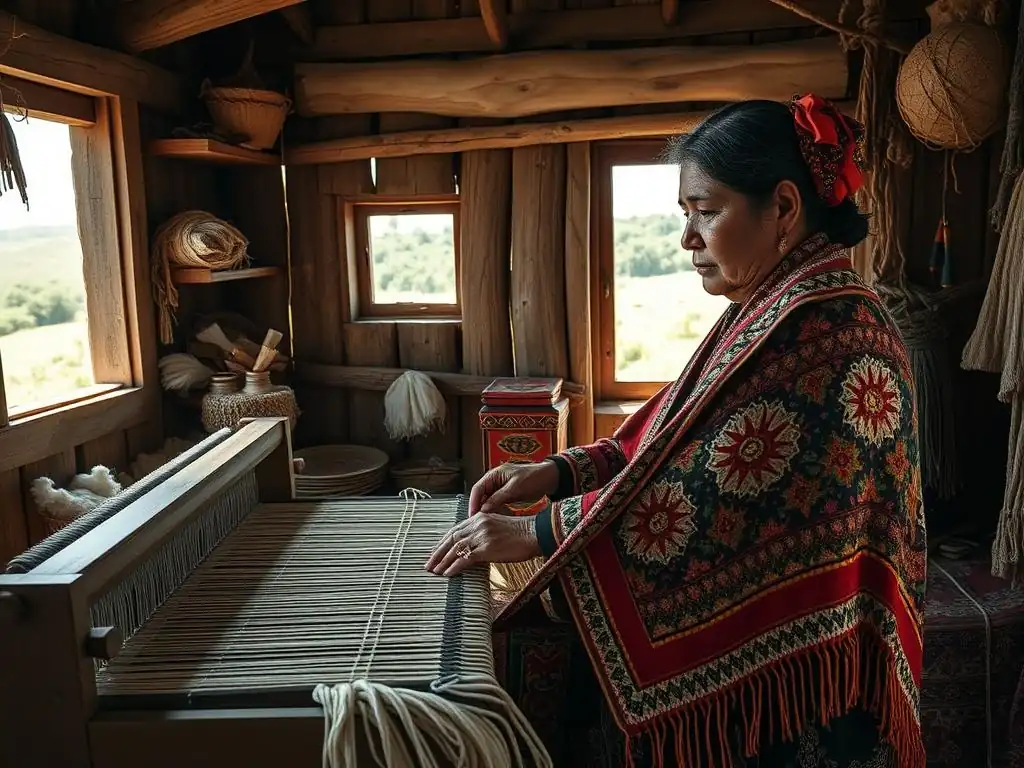
The historical context of indigenous fashion is crucial for understanding the evolution of clothing and textile practices among Native American communities and their influence on contemporary fashion. Indigenous peoples across the Americas have developed unique clothing styles that reflect their cultural identities, environmental conditions, and resource availability. These practices are not merely aesthetic; they are deeply rooted in tradition and sustainable living.
Traditional Indigenous Clothing and Materials
Traditional Indigenous clothing varied significantly across different regions, reflecting local climates, available materials, and cultural significance. For example:
- North America: Indigenous tribes in the Arctic, such as the Inuit, utilized animal skins and furs for warmth, employing techniques like sewing and layering to create functional garments. In contrast, tribes in the plains, such as the Lakota, crafted clothing from buffalo hides, often decorated with intricate beadwork and quillwork.
- Central America: The Maya and Aztec civilizations are renowned for their vibrant textiles made from cotton and agave fibers, using natural dyes derived from plants and insects. These textiles often featured intricate patterns and symbols that conveyed cultural stories and beliefs.
- South America: The Andean cultures, including the Quechua and Aymara, are famous for their use of alpaca and llama wool. Their weaving techniques, such as backstrap loom weaving, have been passed down through generations, producing colorful and durable textiles with unique patterns.
Indigenous clothing was not only functional but also served as a medium for storytelling and cultural expression. Each garment often held significant meaning, representing social status, family lineage, or spiritual beliefs. The use of local, sustainable materials demonstrated a profound respect for the environment, aligning with indigenous sustainable fashion practices that continue to inspire modern designers today.
The Role of Indigenous Cultures in Sustainable Practices
Indigenous cultures have long been stewards of sustainable practices, often guided by a deep connection to the land and a holistic understanding of ecosystems. This relationship is evident in their fashion practices, which prioritize sustainability and environmental consciousness. Here are some key aspects:
- Resource Management: Indigenous peoples traditionally practiced sustainable harvesting methods. For example, many tribes would only take what they needed from nature, ensuring that resources would remain abundant for future generations. This principle is now being mirrored in contemporary fashion movements that advocate for eco-friendly sourcing.
- Natural Dyes and Materials: The use of natural dyes and materials is a hallmark of indigenous fashion. Techniques such as dyeing with plant-based materials not only reduce environmental impact but also promote biodiversity. This practice has gained traction in modern sustainable fashion, encouraging designers to explore alternatives to synthetic dyes.
- Cultural Heritage and Education: Indigenous sustainable fashion practices are rooted in cultural heritage, which emphasizes the importance of storytelling and community. By integrating traditional methods into contemporary designs, fashion creators not only honor indigenous cultures but also educate consumers about ethical practices and the significance of sustainability.
- Collaborative Efforts: Many indigenous designers are collaborating with mainstream fashion brands to promote ethical practices and cultural representation. These partnerships often focus on creating collections that reflect indigenous aesthetics while adhering to sustainable principles.
The role of indigenous cultures in sustainable practices is pivotal in shaping modern fashion. By embracing indigenous sustainable fashion practices, designers and consumers alike can contribute to a more environmentally conscious and culturally respectful approach to fashion, ensuring that the legacies of these rich cultures continue to thrive.
Key Indigenous Sustainable Fashion Practices
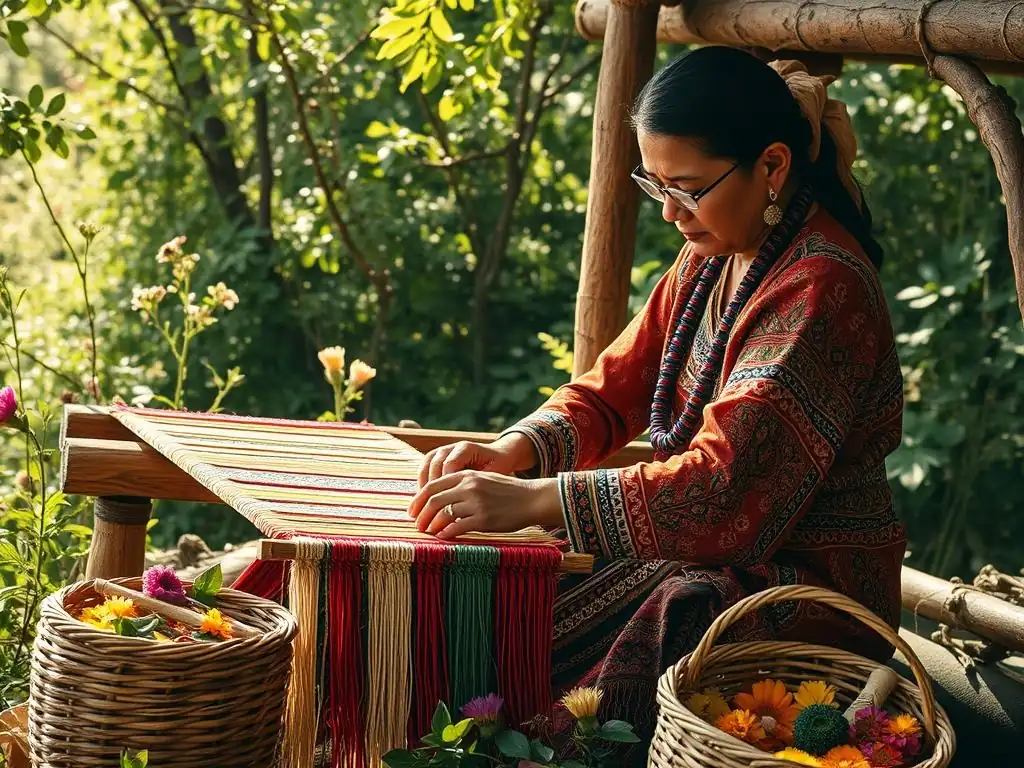
Indigenous cultures across the Americas have long embraced sustainable fashion practices that not only reflect their rich heritage but also promote environmental stewardship. As contemporary fashion increasingly looks to these practices for inspiration, it is essential to highlight key elements that underpin Indigenous sustainable fashion. These practices not only respect the earth but also celebrate cultural identity and community.
Natural Dyes and Their Cultural Significance
Natural dyes have been a cornerstone of Indigenous textile production for centuries. The use of plant-based, mineral, and insect-derived dyes showcases the deep connection between Indigenous peoples and their environment.
- Cultural Heritage: Many Indigenous communities have specific dye recipes passed down through generations, often tied to cultural rituals and social identity. For instance, the use of cochineal, a scale insect, by communities in Oaxaca, Mexico, produces vibrant reds and has significant cultural importance.
- Ecological Impact: Utilizing natural dyes significantly reduces the environmental harm associated with synthetic dyes, which often contain toxic chemicals. The process of dyeing with natural materials also promotes biodiversity, as many plants used for dyeing are cultivated sustainably.
- Artistic Expression: The colors and patterns derived from natural dyes often carry symbolic meanings, reflecting the community's worldview. For example, the use of indigo in various Native American tribes represents not just a color but also a connection to the earth and spirituality.
Eco-Friendly Materials: Organic Cotton, Wool, and More
The choice of materials is crucial in Indigenous sustainable fashion practices. Many Indigenous designers prioritize eco-friendly fibers that align with their values of sustainability and respect for nature.
- Organic Cotton: Unlike conventional cotton, which can be heavily treated with pesticides and chemicals, organic cotton is cultivated without harmful substances. Indigenous farmers often grow organic cotton, ensuring both a healthier environment and a sustainable source of income.
- Wool from Local Herds: Utilizing wool from local sheep breeds not only supports local economies but also minimizes the carbon footprint associated with transporting materials. Indigenous communities often practice traditional sheep herding, which contributes to sustainable land management.
- Other Sustainable Materials: Many Indigenous artisans are exploring alternative materials such as hemp, bamboo, and even recycled textiles. These materials offer sustainable options that reduce waste and resource depletion.
Handcrafted Techniques: Weaving and Embroidery Traditions
Handcrafted techniques are at the heart of Indigenous sustainable fashion, offering a unique blend of artistry and environmental consciousness.
- Weaving Traditions: Indigenous weaving practices are often rooted in cultural storytelling and community bonding. For example, the intricate patterns of Navajo rugs tell stories of their creators and the natural world, emphasizing the importance of connection to land and history.
- Embroidery Practices: Techniques such as beadwork and embroidery not only serve aesthetic purposes but also convey cultural narratives and identity. Each stitch can represent a story, a belief, or a historical event, making the garments deeply meaningful.
- Community Engagement: The emphasis on handcrafted techniques fosters community engagement and skill-sharing. Artisans often work collectively, passing down knowledge and techniques to younger generations, ensuring the survival of these practices in the face of modern industrialization.
Incorporating these key Indigenous sustainable fashion practices into contemporary design not only honors the rich cultural heritage of Indigenous peoples but also provides a roadmap for a more sustainable future in the fashion industry. By blending traditional techniques with modern aesthetics, designers can create pieces that are not only fashionable but also environmentally responsible and culturally significant.
Indigenous Influences in Contemporary Fashion
Notable Designers Incorporating Indigenous Practices
Indigenous sustainable fashion practices are increasingly gaining recognition in contemporary fashion, as designers draw inspiration from traditional methods and materials. These designers not only celebrate their heritage but also promote sustainability, ensuring that their creations reflect a deep respect for the environment and cultural values.
Example: Bethany Yellowtail and Their Sustainable Line
Bethany Yellowtail, a member of the Crow and Northern Cheyenne tribes, has made significant strides in the fashion industry by integrating indigenous culture into her work. Her brand emphasizes the use of eco-friendly materials and ethical manufacturing processes. Yellowtail’s designs often showcase traditional patterns and motifs, paying homage to her ancestry while promoting sustainability.
- Materials Used: Organic cotton, recycled fabrics, and natural dyes.
- Cultural Significance: Each piece is infused with stories and symbols from her community, fostering a deeper connection between the wearer and the culture.
- Impact: Yellowtail's work has not only garnered attention but has also paved the way for other indigenous designers, encouraging a movement towards sustainable fashion practices that honor cultural heritage.
Example: OXDX Clothing and Ethical Sourcing
OXDX Clothing, founded by designer and artist, is another notable example of indigenous sustainable fashion practices. The brand is known for its commitment to ethical sourcing and community engagement.
- Design Philosophy: OXDX merges contemporary streetwear aesthetics with indigenous art elements, creating unique pieces that resonate with both indigenous and non-indigenous consumers.
- Sustainable Practices: The brand prioritizes using materials that are sourced responsibly, ensuring minimal environmental impact.
- Community Involvement: OXDX collaborates with indigenous artists to create limited edition collections that celebrate cultural narratives and support local economies.
Collaborations Between Indigenous Artisans and Mainstream Brands
The intersection of indigenous sustainable fashion practices and mainstream fashion brands has led to dynamic collaborations that elevate indigenous art and culture while promoting eco-conscious values. These partnerships not only provide indigenous artisans with a broader platform but also challenge conventional fashion norms.
- Examples of Successful Collaborations:
- Nike and Indigenous Artists: The footwear giant has worked with indigenous artists to create limited-edition sneakers that reflect indigenous heritage and artistry.
- Patagonia and Indigenous Designers: Known for its commitment to sustainability, Patagonia has collaborated with indigenous designers to create collections that highlight their traditional craftsmanship and ethical practices.
- Benefits of Collaboration:
- Cultural Representation: These partnerships allow for authentic representation of indigenous cultures in mainstream fashion.
- Economic Opportunities: Collaborations provide financial support and increase visibility for indigenous artisans, fostering economic empowerment within their communities.
- Sustainability Awareness: By embracing indigenous sustainable fashion practices, mainstream brands can enhance their sustainability efforts and connect with socially conscious consumers.
The ongoing dialogue between indigenous artisans and mainstream brands signifies a promising shift towards a more inclusive and sustainable fashion industry, where cultural heritage and eco-friendly practices are celebrated and integrated.
The Benefits of Indigenous Sustainable Fashion Practices
Environmental Impact: Reducing Waste and Pollution
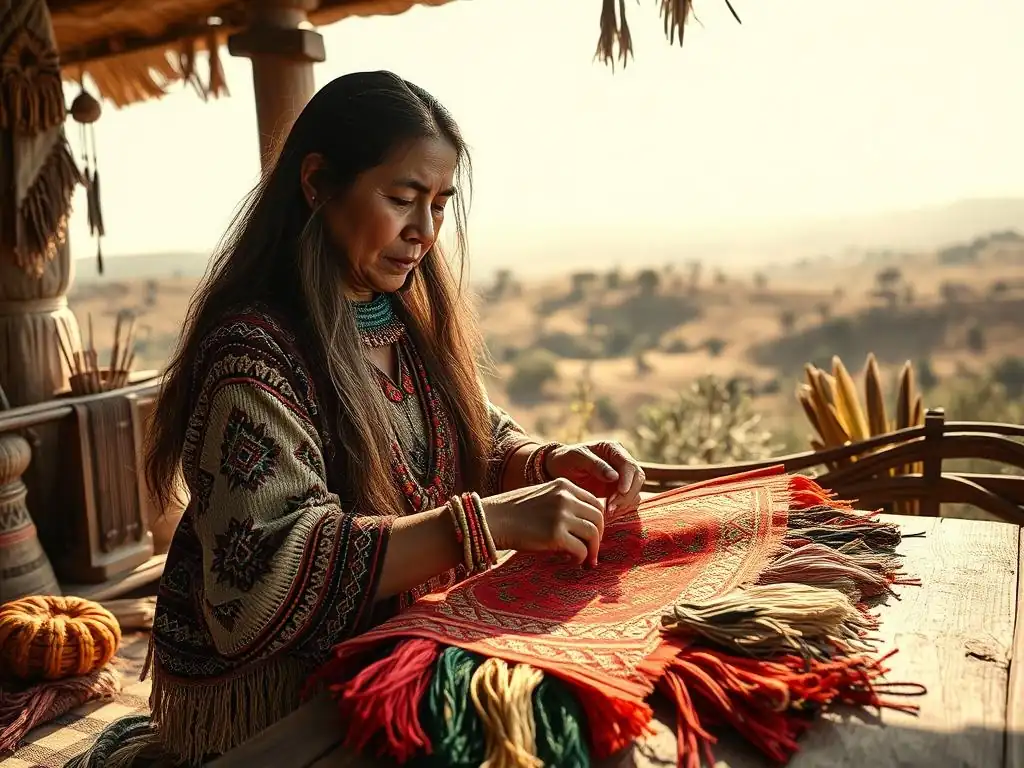
Indigenous sustainable fashion practices are deeply rooted in a profound respect for the environment, reflecting a holistic understanding of nature that has been passed down through generations. By prioritizing eco-friendly materials and traditional techniques, these practices significantly reduce waste and pollution.
- Natural Materials: Many Indigenous designers utilize locally sourced, natural materials such as organic cotton, wool, and plant-based dyes. This minimizes the environmental footprint associated with synthetic fabrics, which often involve harmful chemicals and processes. For example, the use of indigo dye from plants not only creates vibrant colors but also avoids the toxic runoff associated with conventional dyeing methods.
- Waste Minimization: Traditional weaving and sewing techniques often involve zero-waste principles, where every scrap of material is utilized. This stands in stark contrast to the fast-fashion industry, which is notorious for its high levels of waste. For instance, some Indigenous artisans create intricate designs that incorporate remnants into new pieces, transforming potential waste into valuable products.
- Sustainable Practices: Indigenous communities often adopt practices that promote sustainability, such as crop rotation and permaculture, which enhance soil health and biodiversity. By integrating these agricultural methods into their fashion production, they ensure that their resources remain abundant for future generations.
- Local Production: By focusing on local production, Indigenous fashion minimizes the carbon footprint associated with transportation. This local approach not only supports the environment but also strengthens community ties, fostering a sense of pride and ownership among artisans.
Economic Empowerment for Indigenous Communities
The integration of Indigenous sustainable fashion practices into the contemporary market offers significant economic benefits to Indigenous communities.
- Job Creation: By reviving traditional crafts and promoting local artisans, Indigenous sustainable fashion creates job opportunities within communities. This shift not only reduces unemployment but also empowers individuals to take pride in their cultural heritage.
- Fair Trade Practices: Many Indigenous designers adopt fair trade principles, ensuring that artisans receive equitable compensation for their work. This practice contrasts sharply with the exploitative labor conditions often found in mainstream fashion, contributing to a fairer economic model.
- Capacity Building: Through workshops and training programs, Indigenous fashion initiatives often focus on skill development. This education allows community members to not only produce high-quality garments but also to understand the business side of fashion, fostering entrepreneurial spirit and self-sufficiency.
- Market Expansion: The growing interest in sustainable fashion presents an opportunity for Indigenous designers to showcase their work on a global scale. By utilizing online platforms and social media, they can reach wider audiences, driving demand for their unique creations and further enhancing economic stability within their communities.
Preserving Cultural Heritage Through Fashion
Indigenous sustainable fashion practices serve as a vital conduit for preserving and promoting cultural heritage.
- Storytelling Through Design: Every piece of clothing tells a story, often reflecting the history, traditions, and values of a community. Indigenous designers infuse their work with symbols and designs that hold cultural significance, ensuring that their heritage is not lost in the modern world. For example, the incorporation of specific motifs can represent tribal affiliations or convey spiritual meanings, enriching the narrative behind each garment.
- Revival of Traditional Techniques: Many Indigenous fashion initiatives focus on reviving traditional crafting techniques that may have been at risk of disappearing. This revival not only helps to maintain cultural practices but also provides younger generations with the knowledge and skills necessary to carry these traditions forward.
- Cultural Exchange: As Indigenous sustainable fashion gains visibility, it fosters an appreciation for Indigenous cultures among broader audiences. This cultural exchange can lead to greater understanding and respect, as well as collaborative efforts that further enrich the fashion landscape.
- Empowerment Through Identity: Wearing clothing that reflects one’s cultural heritage instills a sense of pride and identity. Indigenous sustainable fashion encourages individuals to embrace their roots and share their culture with the world, challenging stereotypes and promoting cultural diversity.
Indigenous sustainable fashion practices not only contribute positively to the environment and economy but also play a critical role in the preservation of cultural heritage. By embracing these practices, contemporary fashion can become a powerful platform for Indigenous voices and traditions.
Challenges Facing Indigenous Sustainable Fashion Practices
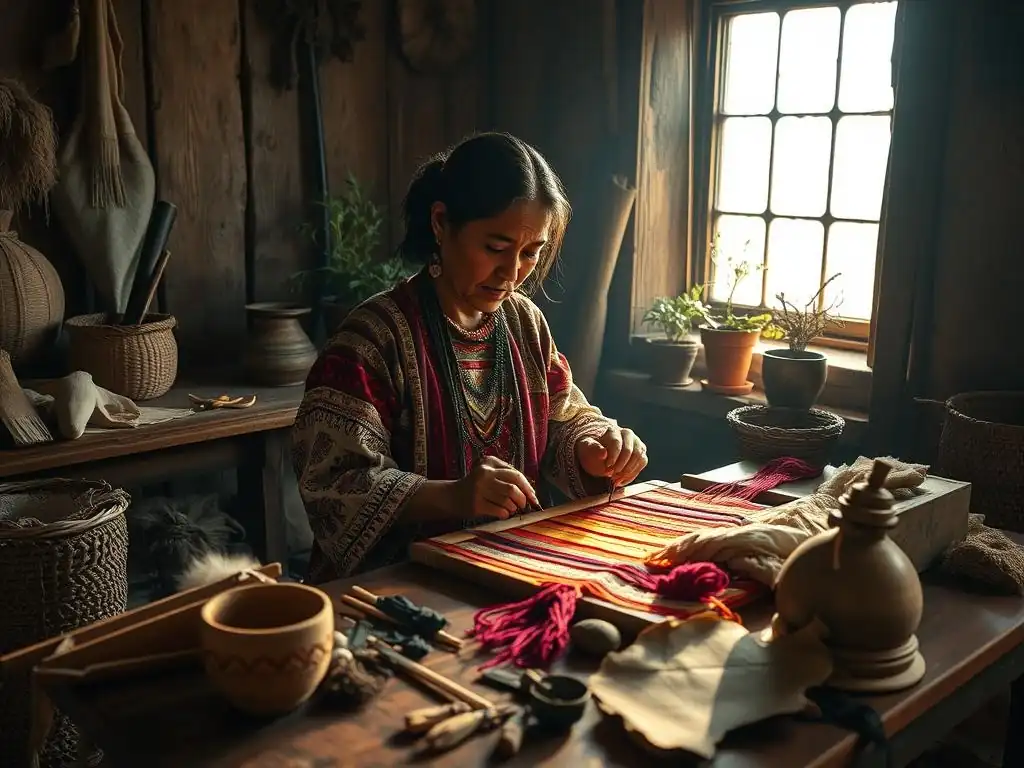
Indigenous sustainable fashion practices are increasingly recognized for their ecological and cultural significance. However, several challenges hinder their broader acceptance and integration into contemporary fashion. These challenges can be categorized mainly into issues of cultural appropriation versus appreciation and market access for Indigenous designers.
Cultural Appropriation vs. Cultural Appreciation
The line between cultural appropriation and cultural appreciation is often blurred in the fashion industry. Cultural appropriation refers to the adoption of elements from one culture by members of another culture, often without understanding or respecting its significance. This can lead to commodification, where sacred symbols and traditional practices are used out of context, stripping them of their original meaning.
Examples of Cultural Appropriation in Fashion:
- Use of Traditional Patterns: Many fashion brands have adopted Indigenous patterns and designs without permission or recognition, leading to backlash from Indigenous communities. For instance, the use of Navajo patterns by mainstream brands has sparked significant controversy, as it disregards the cultural significance and history behind these designs.
- Native American Headdresses: Fashion shows and photo shoots have sometimes featured Indigenous headdresses worn as fashion statements, ignoring their cultural importance as symbols of respect and honor within many tribes.
On the other hand, cultural appreciation involves recognizing and valuing the traditions and practices of Indigenous cultures in a respectful manner. This includes collaborating with Indigenous designers, ensuring fair compensation, and promoting the stories behind traditional practices.
Key Elements of Cultural Appreciation:
- Collaboration: Engaging directly with Indigenous artisans and designers to create meaningful partnerships that celebrate their heritage.
- Education: Raising awareness about the significance of Indigenous symbols and practices, helping consumers understand their importance beyond aesthetics.
The challenge lies in ensuring that contemporary fashion brands navigate these complexities mindfully, avoiding appropriation while fostering true appreciation for Indigenous cultures.
Market Access for Indigenous Designers
Despite the growing interest in sustainable fashion, Indigenous designers often face significant barriers in accessing the mainstream market. Market access is crucial for the survival and growth of Indigenous sustainable fashion practices, yet various factors impede this access.
Barriers to Market Access:
- Limited Distribution Channels: Indigenous designers may lack access to established retail networks, making it difficult for them to reach a broader audience. Many operate within local markets or online platforms, which may not provide the visibility needed for success.
- Funding and Resources: Financial constraints hinder many Indigenous fashion initiatives. Limited access to capital and resources can restrict their ability to scale operations, invest in marketing, and develop new products.
- Recognition and Visibility: Indigenous designers often struggle with visibility in a crowded fashion market dominated by larger brands. Efforts to promote their work can be overshadowed by more commercialized brands, making it challenging to build a loyal customer base.
To foster a more inclusive and equitable fashion ecosystem, it is essential to support Indigenous designers through:
- Grants and Funding Opportunities: Providing financial support specifically aimed at Indigenous fashion initiatives can help bridge the resource gap.
- Mentorship and Networking: Creating mentorship programs that connect Indigenous designers with industry veterans can facilitate knowledge exchange and open doors to new opportunities.
- Showcasing Indigenous Talent: Fashion shows, exhibitions, and online platforms dedicated to Indigenous designers can elevate their profiles and connect them with potential customers.
By addressing these challenges, the fashion industry can better integrate Indigenous sustainable fashion practices, creating a more diverse and representative marketplace that honors the rich heritage of Indigenous cultures.
How to Support Indigenous Sustainable Fashion Practices
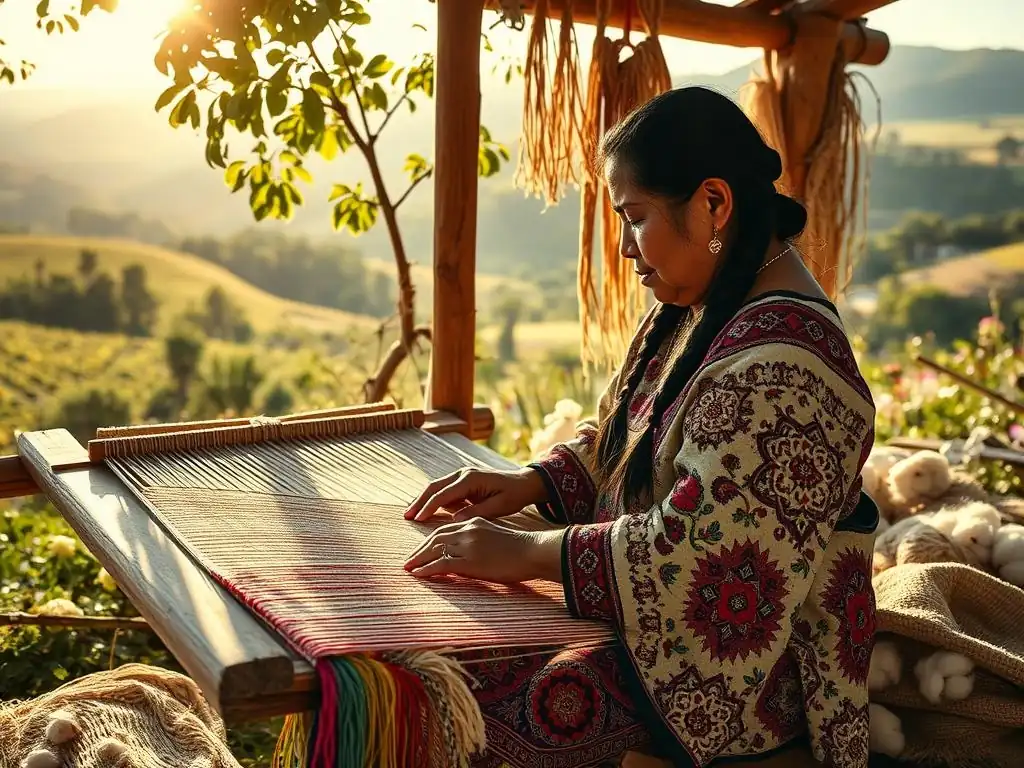
Shopping Recommendations: Brands to Consider
Supporting Indigenous sustainable fashion practices can be an enriching experience that not only promotes ethical consumption but also fosters a deeper understanding of Indigenous cultures. Here are some notable brands that embody these principles:
Highlighting TALA for Eco-Friendly Choices
TALA is a brand that exemplifies the integration of sustainability and style. Founded by a visionary Indigenous designer, TALA focuses on creating fashion pieces using eco-friendly materials and ethical production methods. Their collections often feature:
- Biodegradable fabrics: Utilizing materials that have less environmental impact.
- Fair trade practices: Ensuring that artisans are fairly compensated for their work.
- Cultural storytelling: Each piece often carries a narrative that honors Indigenous heritage.
By choosing TALA, consumers not only support sustainable fashion but also contribute to the preservation of Indigenous cultures.
Supporting Local Artisans Through Platforms like Etsy
Etsy serves as a vibrant marketplace for local Indigenous artisans to showcase their unique creations. By shopping on Etsy, consumers can directly support Indigenous artists while gaining access to one-of-a-kind fashion items. Key advantages include:
- Authenticity: Each piece is often handcrafted, reflecting the artist's cultural background and personal story.
- Economic empowerment: Purchasing directly from artisans helps sustain their livelihoods and communities.
- Diversity of styles: From traditional garments to modern interpretations, shoppers can find a wide array of products that celebrate Indigenous craftsmanship.
Engaging in Cultural Education and Awareness
To further support Indigenous sustainable fashion practices, engaging in cultural education and awareness is essential. Understanding the historical and social contexts of Indigenous communities can enhance the appreciation of their contributions to fashion. Here are some effective ways to engage:
- Participate in workshops: Many Indigenous artists offer workshops that teach traditional crafting techniques, allowing participants to learn while actively supporting the community.
- Attend cultural events: Festivals and exhibitions often highlight Indigenous fashion and art, providing a platform for cultural exchange and education.
- Read and research: Explore literature and documentaries that focus on Indigenous histories and their contemporary struggles and triumphs in the fashion industry.
By immersing oneself in these educational experiences, individuals can become advocates for Indigenous sustainable fashion practices, promoting respect and recognition for the profound impact these cultures have on the world of fashion.
Conclusion: The Future of Indigenous Sustainable Fashion Practices
The future of Indigenous sustainable fashion practices is marked by a profound interplay between traditional knowledge and contemporary design, creating a vibrant tapestry that not only honors indigenous cultures but also addresses pressing environmental issues. As the fashion industry grapples with the consequences of fast fashion and environmental degradation, the principles and practices of Indigenous communities present a sustainable alternative grounded in respect for nature and community well-being.
This movement towards sustainability is not merely about aesthetics; it's a call for a paradigm shift in how fashion is perceived and produced. By integrating Indigenous sustainable fashion practices, designers can create garments that tell stories, embody cultural heritage, and contribute to ecological balance. The revival of traditional techniques, such as hand-weaving, natural dyeing, and the use of locally sourced materials, exemplifies a commitment to sustainability that resonates with a growing segment of conscious consumers.
The Role of Consumers in Promoting Sustainability
Consumers play a crucial role in shaping the trajectory of Indigenous sustainable fashion practices. Their choices can either perpetuate harmful fast fashion cycles or encourage brands to adopt ethical and sustainable practices. Here are some ways consumers can make a difference:
- Support Indigenous Brands: Purchasing from Indigenous designers and artisans directly supports their communities and encourages the continuation of traditional practices.
- Educate Themselves: Understanding the cultural significance and sustainable practices of Indigenous fashion can empower consumers to make informed choices.
- Advocate for Transparency: Consumers can demand transparency in the supply chain, ensuring that brands respect Indigenous rights and uphold sustainability.
- Participate in Ethical Campaigns: Joining movements that promote ethical fashion can amplify the message and encourage more brands to adopt sustainable practices.
By actively engaging in these practices, consumers can help foster a fashion landscape that respects Indigenous traditions and promotes ecological stewardship.
Inspiring Change in the Fashion Industry Through Indigenous Wisdom
Indigenous wisdom offers invaluable insights that can inspire transformative change within the fashion industry. Traditional ecological knowledge emphasizes the interconnectedness of all living things, providing a framework for designing garments that respect the environment. Key aspects include:
- Resourcefulness: Indigenous practices often prioritize the use of available resources, minimizing waste and promoting circularity in fashion. This approach encourages designers to think creatively about materials and processes.
- Cultural Significance: Fashion that incorporates Indigenous designs and motifs serves as a reminder of the rich cultural heritage and stories behind each piece. This not only elevates the garments but also educates consumers about the cultural narratives intertwined with their fashion choices.
- Sustainable Materials: Many Indigenous communities have utilized natural materials for generations. By showcasing these materials—such as organic fibers, natural dyes, and traditional weaving techniques—designers can offer sustainable alternatives to synthetic fabrics.
- Community Engagement: Collaborative projects that involve Indigenous artisans and designers can lead to innovative practices that honor cultural traditions while meeting modern demands.
In essence, embracing Indigenous sustainable fashion practices fosters a more ethical, inclusive, and environmentally friendly industry. The integration of these values into contemporary fashion not only preserves Indigenous heritage but also paves the way for a more sustainable future.
Frequently Asked Questions
What are Indigenous sustainable fashion practices?
Indigenous sustainable fashion practices involve the use of traditional techniques and natural materials that have been passed down through generations, promoting environmental stewardship and cultural heritage.
How do Indigenous fashion practices contribute to sustainability?
These practices emphasize resource conservation, waste reduction, and the use of eco-friendly materials, which collectively help to minimize the fashion industry's environmental impact.
Can Indigenous fashion be considered modern?
Yes, Indigenous fashion is increasingly recognized for its innovation and creativity, blending traditional designs with contemporary aesthetics while maintaining a strong commitment to sustainability and cultural authenticity.
Why is it important to support Indigenous designers?
Supporting Indigenous designers helps to preserve cultural heritage, promotes economic empowerment, and fosters a greater appreciation for sustainable practices that benefit both communities and the environment.
How can consumers engage with Indigenous sustainable fashion?
Consumers can engage by choosing to purchase from Indigenous-owned brands, learning about their cultural significance, and advocating for ethical practices within the fashion industry to promote a more sustainable future.
Final Reflection: Embracing Indigenous Sustainable Fashion Practices for a Greener Future
The intersection of sustainability and Indigenous practices is more relevant now than ever. As the fashion industry grapples with its environmental impact, the wisdom embedded in Indigenous cultures offers a transformative path forward. By integrating these sustainable practices, we not only honor the rich heritage of Indigenous peoples but also pave the way for a more responsible and ethical fashion landscape.
The influence of Indigenous sustainable fashion practices is reshaping our cultural and social paradigms. As we witness a growing movement towards eco-consciousness, the stories and techniques of Indigenous artisans are gaining recognition and respect. This shift not only celebrates diversity but also fosters a deeper understanding of our interconnectedness with the earth. Indigenous knowledge is not just about the past; it is a guiding light for the future.
As we reflect on the lessons learned from Indigenous sustainable fashion practices, I invite you to consider how you can incorporate these principles into your own life. Whether it's supporting Indigenous designers, choosing sustainable materials, or advocating for ethical practices, every small action counts. Let us commit to a future where fashion is not just about aesthetics but also about respect, responsibility, and resilience. Together, we can create a world that honors both the earth and its diverse cultures.
Embrace Sustainable Fashion: Take Action Today!
Thank you for diving into the inspiring world of sustainability and Indigenous practices in modern fashion! Your engagement with this meaningful topic is crucial as we navigate a path towards a more respectful and eco-conscious industry. Now, let's turn that inspiration into action!
- Start your wardrobe transformation by exploring local brands that incorporate sustainable materials and Indigenous designs. Invest in pieces that tell a story!
- Share your insights! Discuss Indigenous fashion and sustainable practices with friends or on social media. Your voice can influence others!
- Join a community focused on sustainable fashion. Collaborate and exchange ideas on how to support Indigenous artisans and promote environmentally friendly practices.
What steps will you take to align your fashion choices with sustainability and respect for Indigenous traditions?