
Unraveling the Stories: What Indigenous Tattoos Reveal About Identity

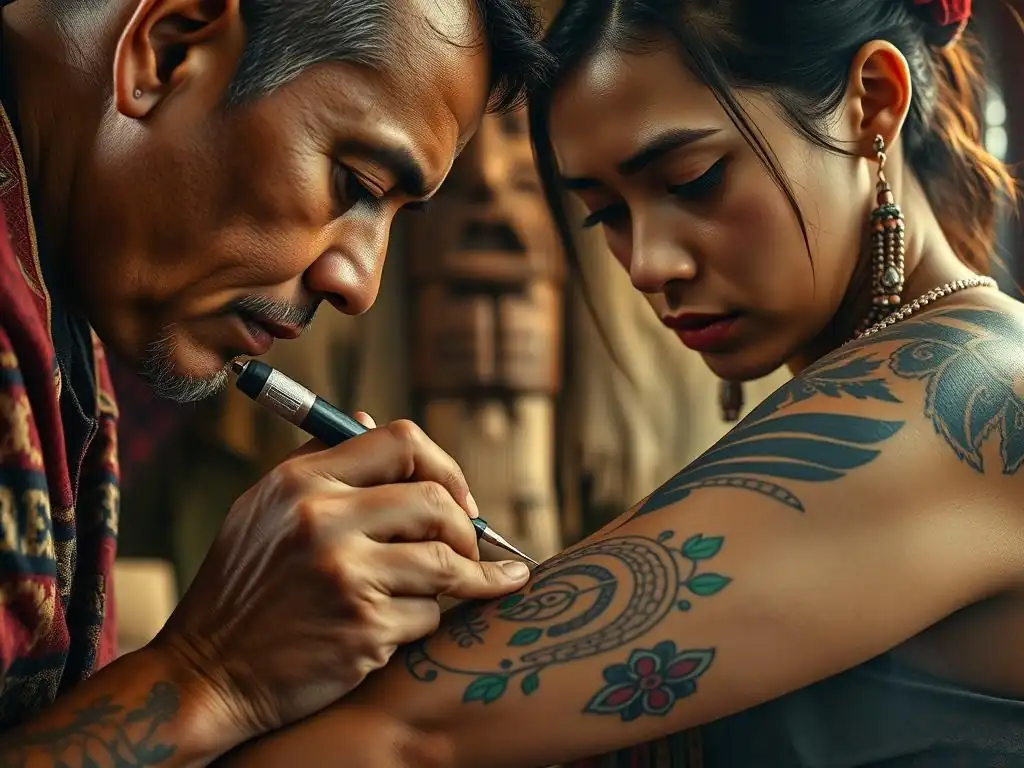
Welcome to Indigenous Civilizations of the Americas, where we invite you to embark on a fascinating journey through the rich tapestry of indigenous cultures that flourished long before European contact. Our featured article, "Unraveling the Stories: What Indigenous Tattoos Reveal About Identity," delves deep into the profound significance of indigenous tattoos—artful expressions that serve as powerful markers of identity, heritage, and personal stories.
As you explore the intricate connections between body art and cultural identity, prepare to uncover the hidden narratives that continue to resonate through generations. Join us in celebrating the legacy and enduring impact of these vibrant societies!
Introduction to Indigenous Tattoos and Identity
Indigenous tattoos serve as a profound expression of identity, culture, and heritage among various native peoples across the Americas. Far from mere decorative art, these tattoos encapsulate stories, beliefs, and significant life events, acting as powerful symbols of individual and collective identities. As we delve into the intricate world of indigenous tattoos, we uncover how these markings not only reflect personal narratives but also connect individuals to their cultural roots, histories, and traditions.
This exploration highlights the significance of indigenous tattoos in understanding the broader context of identity, especially in a modern world that often overlooks or commodifies these age-old practices. By examining the deep-seated meanings and the evolution of indigenous tattoos, we can appreciate their enduring legacy and the resilience of the cultures they represent.
Historical Context of Indigenous Tattoos
The practice of tattooing among indigenous peoples of the Americas dates back thousands of years, deeply embedded in the social and spiritual fabric of their societies. Historical records and archaeological findings suggest that various tribes utilized tattoos for a multitude of purposes, including:
- Ceremonial Significance: Tattoos were often part of rituals marking significant life transitions, such as puberty, marriage, or death. They served to honor ancestors and invoke spiritual protection.
- Status and Rank: In many cultures, tattoos denoted social standing or achievements. For example, among the Inuit, specific designs indicated a person's accomplishments and social role within the community.
- Personal and Collective Identity: Tattoos acted as markers of identity, both personal and communal. They reflected tribe affiliation, cultural heritage, and individual stories, reinforcing a sense of belonging and continuity.
As European colonization began to spread across the continent, many of these traditions faced suppression or transformation. However, the resilience of indigenous cultures allowed for the preservation and adaptation of tattoo practices, leading to a rich tapestry of meanings that continue to evolve today.
The Role of Indigenous Tattoos in Cultural Identity
In contemporary society, indigenous tattoos are experiencing a resurgence, with many individuals reclaiming their cultural heritage through body art. This revival plays a crucial role in the ongoing journey of cultural identity reclamation and empowerment. Key aspects of this phenomenon include:
- Reconnection with Ancestry: Many indigenous individuals are turning to traditional tattooing as a way to reconnect with their ancestral roots. By choosing designs that honor their heritage, they embrace their identity in a modern context.
- Cultural Education and Awareness: Tattoos serve as a medium for educating others about indigenous cultures and histories. Through the art of tattooing, stories of resilience, struggle, and triumph are shared, fostering greater understanding and respect.
- Empowerment and Expression: For many, indigenous tattoos are a form of personal expression that challenges stereotypes and misconceptions. They celebrate individuality while simultaneously honoring communal ties, embodying both personal and collective narratives.
As we continue to unravel the stories behind indigenous tattoos, we gain insight into the complexities of identity formation and the enduring impact of these cultural symbols on contemporary society.
Modern Interpretations of Indigenous Tattoos
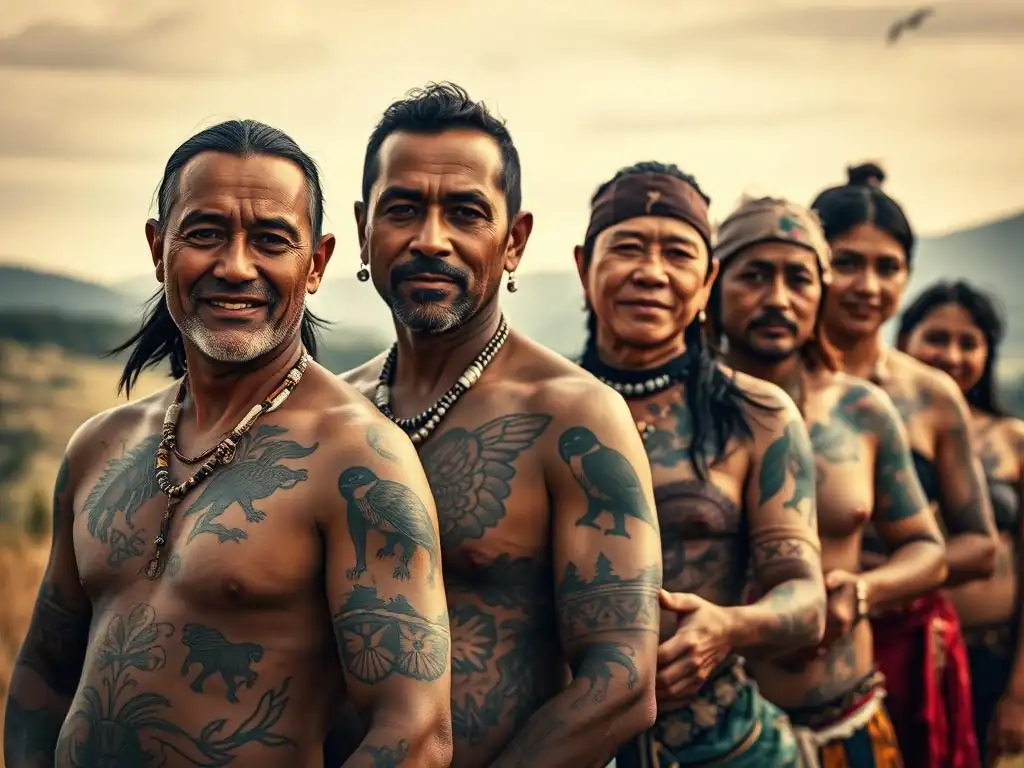
In today's world, indigenous tattoos have experienced a renaissance, evolving into a medium for expressing cultural identity and personal stories. Many contemporary tattoo artists, particularly from indigenous backgrounds, are reclaiming traditional designs and integrating them into modern art forms. This movement not only honors ancestral practices but also challenges the commodification of indigenous culture by ensuring that the meanings behind these tattoos are respected and preserved.
Modern interpretations often blend traditional motifs with contemporary styles, creating a unique fusion that resonates with both younger generations and cultural purists. For instance, some artists incorporate ancient symbols into new compositions, transforming them into personal emblems of identity. This trend is particularly evident in the works of artists from various indigenous nations, who strive to maintain the integrity of their heritage while making it relevant to their communities today.
Moreover, the rise of social media has amplified the visibility of these modern interpretations, allowing indigenous tattoo artists to showcase their work globally. Platforms like Instagram serve as galleries for artists to share their designs and narratives, fostering a deeper understanding of the significance behind each tattoo. This visibility has not only increased appreciation for indigenous artistry but has also sparked conversations about cultural appropriation, identity, and heritage in the tattoo community.
Symbolism in Indigenous Tattoos: Decoding Designs
Indigenous tattoos are rich in symbolism, each design telling a story that reflects the wearer’s cultural heritage, beliefs, and life experiences. Common motifs include animals, plants, and geometric patterns, each imbued with specific meanings that vary across different tribes and cultures. For example, the eagle often represents strength and freedom, while the serpent may symbolize transformation and healing.
Decoding these designs requires a deep understanding of the specific cultural context from which they originate. Traditional tattooing practices were often communal, with specific designs reserved for certain individuals or events, such as rites of passage or significant accomplishments. This communal aspect imbues the tattoos with collective memory and shared identity, making them not only personal but also culturally significant.
In addition to individual symbolism, indigenous tattoos often carry messages related to the wearer’s connection to their ancestors and the natural world. Many designs incorporate elements that reflect the wearer’s environment, such as mountains, rivers, or celestial bodies, emphasizing the deep-rooted connection between indigenous peoples and their land. Thus, each tattoo serves as a living testament to the interplay between personal identity and cultural heritage.
Indigenous tattoos play a crucial role in shaping social identity within indigenous communities. They serve as markers of belonging, signaling one’s connection to a specific tribe, family, or cultural tradition. For many, receiving a tattoo is a rite of passage that solidifies their identity within the community, reflecting shared values, beliefs, and histories.
Furthermore, indigenous tattoos can also act as tools for resistance and empowerment. In the face of historical oppression and assimilation efforts, reclaiming traditional tattooing practices has become an act of defiance. By wearing their cultural symbols proudly, individuals assert their identity and heritage, fostering a sense of pride in their ancestry and cultural resilience.
The resurgence of interest in indigenous tattoos has also led to increased dialogue about cultural identity, prompting many to explore their roots and reconnect with their heritage. This exploration can enhance one’s understanding of personal and communal history, further enriching the narrative of identity that indigenous tattoos encapsulate. As such, these tattoos not only serve as personal expressions but also as powerful statements of cultural continuity and social cohesion.
Tattoo Techniques and Cultural Preservation
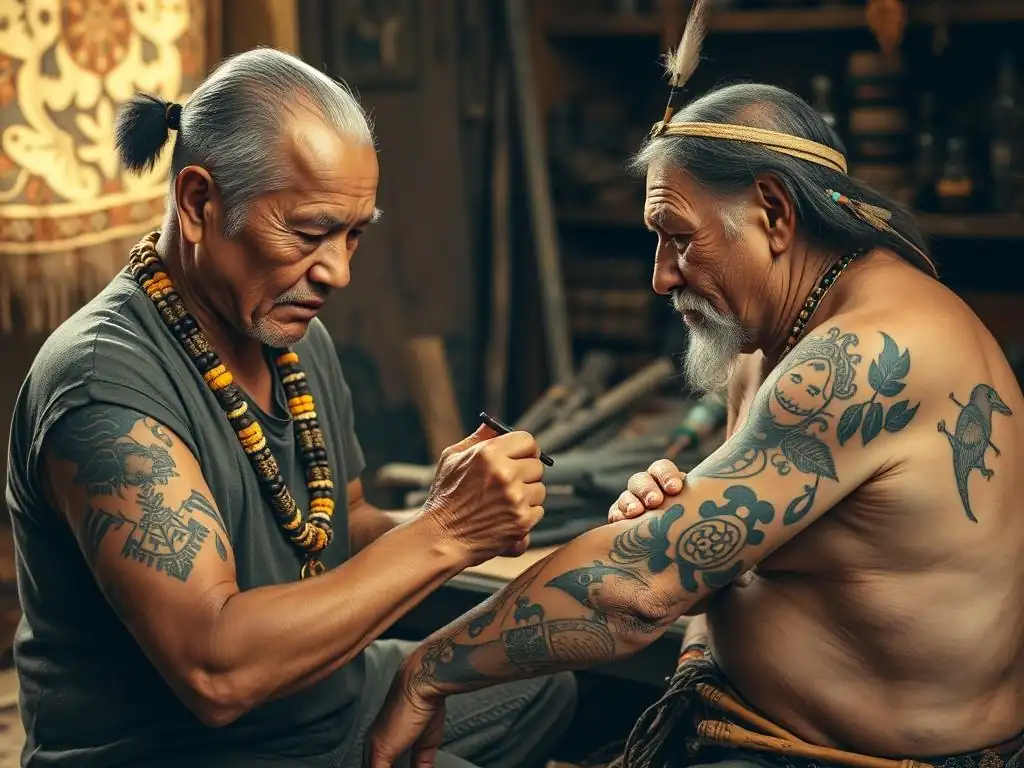
Indigenous tattoos have been a significant aspect of cultural identity and expression for various tribes across the Americas. The techniques used to create these tattoos often vary by region and community but generally share a commitment to symbolism and tradition. Traditional methods often included hand-poking or using tools made from natural materials, such as bone or wood, to create intricate designs that reflected personal and communal narratives.
In many indigenous cultures, the act of tattooing is deeply intertwined with social status, rites of passage, and spiritual beliefs. For example, among the Māori of New Zealand, traditional tattoos, or moko, are a vital expression of identity and ancestry. Each mark signifies lineage, achievements, and even social standing, reinforcing the idea that tattoos are not merely decorative but are steeped in cultural significance.
Cultural preservation is vital in the context of indigenous tattoos. As globalization and modernization threaten to dilute traditional practices, many indigenous communities are actively working to revive and protect their tattooing heritage. This revival includes workshops, educational programs, and collaborations with modern tattoo artists who respect and understand the cultural significance behind the designs. By preserving these techniques and the stories they tell, indigenous groups are reclaiming their identities and ensuring that future generations can connect with their heritage.
Conclusion: The Lasting Impact of Indigenous Tattoos on Identity
Indigenous tattoos serve as powerful symbols of identity that transcend mere aesthetics. They embody the histories, beliefs, and values of the cultures from which they originate. For many indigenous peoples, tattoos are an affirmation of their identity and a way to honor their ancestors. They act as a bridge between the past and present, allowing individuals to express their cultural pride while navigating modern society.
The resurgence of interest in indigenous tattoos within contemporary culture highlights a broader movement toward recognizing and valuing indigenous identities. As more people seek to understand the meaning behind these tattoos, they also contribute to a greater appreciation for the rich tapestry of indigenous cultures. This acknowledgment fosters dialogue and encourages deeper respect for the traditions that have shaped these communities.
Furthermore, the integration of indigenous symbols in modern tattoo practices can serve as a form of cultural appreciation, provided it is approached with sensitivity and respect. As indigenous artists gain visibility in the tattoo industry, they play a crucial role in shaping narratives around identity and cultural representation, ensuring that the stories behind the tattoos continue to resonate with authenticity.
Resources for Further Exploration
To deepen your understanding of indigenous tattoos and their significance, consider exploring the following resources:
- Books
- Tattooing in the Pacific: A Cultural History by Michael T. K. Verhoeven
- Tattooing: An American History by John F. McCarthy
- Articles and Journals
- "The Art of Tattooing: Indigenous Perspectives" in the Journal of Ethnic Studies
- "Cultural Significance of Indigenous Tattooing Practices" in Cultural Anthropology Review
- Websites
- Indigenous Tattoo Artists' Collective – A directory of indigenous tattoo artists and their work.
- The Smithsonian Institution's National Museum of the American Indian – Offers exhibitions and resources on indigenous cultures, including tattoo traditions.
- Documentaries
- Inked: The Story of Tattooing – A documentary that explores the cultural significance of tattoos across various societies, including indigenous practices.
- Tattoo Nation – Focuses on the history and evolution of tattoo culture, with segments on indigenous tattoos.
These resources provide a wealth of information to explore the intricate relationships between indigenous tattoos and identity, offering insight into the cultural narratives that shape these enduring symbols.
- Introduction to Indigenous Tattoos and Identity
- Historical Context of Indigenous Tattoos
- The Role of Indigenous Tattoos in Cultural Identity
- Modern Interpretations of Indigenous Tattoos
- Symbolism in Indigenous Tattoos: Decoding Designs
- Indigenous Tattoos and Social Identity
- Tattoo Techniques and Cultural Preservation
- Conclusion: The Lasting Impact of Indigenous Tattoos on Identity
- Resources for Further Exploration
Frequently Asked Questions
What is the significance of indigenous tattoos in these cultures?
Indigenous tattoos often serve as a form of cultural expression and identity, reflecting heritage, social status, and spiritual beliefs within communities.
How do indigenous tattoos relate to identity?
Tattoos are closely linked to individual and collective identity, showcasing personal stories and ancestral connections that reinforce a sense of belonging among indigenous peoples.
Are there specific symbols used in indigenous tattoos?
Yes, many indigenous tattoos feature unique symbols that represent various aspects of life, such as nature, mythology, and tribal history, each carrying deep meaning.
How have modern practices influenced indigenous tattooing?
Contemporary tattoo artists often blend traditional techniques with modern styles, leading to a revitalization of indigenous tattooing that honors cultural heritage while appealing to new generations.
What role do tattoo stories play in indigenous communities?
Tattoo stories are essential for preserving oral histories and cultural narratives, providing insight into the values and traditions of indigenous societies and fostering a strong sense of community.
Final Reflection: The Profound Connection Between Indigenous Tattoos and Identity
Indigenous tattoos are not merely art; they are powerful symbols of identity, culture, and history that resonate deeply in today's society. As we navigate a world increasingly focused on individualism and self-expression, the stories embedded in these tattoos remind us of the importance of heritage and belonging. In a time when many seek to reconnect with their roots, understanding the significance of indigenous tattoos can foster a greater appreciation for cultural diversity and the narratives that shape our identities.
The influence of indigenous tattoos extends beyond the skin, weaving into the very fabric of cultural and social landscapes. These tattoos serve as a bridge between generations, preserving stories and traditions that might otherwise be lost. They invite us to reflect on our own identities and the ways in which we express them.
As artist and activist J. K. Rowling once said, “We do not need magic to transform our world. We carry all the power we need inside ourselves already.” This sentiment resonates with the essence of indigenous tattoos, which empower individuals to embrace their heritage and share their unique stories with the world.
As you contemplate the themes explored in this article, I invite you to reflect on your own identity and the narratives that shape who you are. Consider how you can honor your heritage, whether through art, storytelling, or community engagement. Embrace the lessons of resilience and connection that indigenous tattoos embody, and let them inspire you to explore and celebrate the rich tapestry of identities that exist within our global community. Your journey of self-discovery may lead you to uncover profound truths about yourself and the world around you.
Embrace Your Journey: Start Exploring Indigenous Stories Through Tattoos!
Thank you for diving into the rich world of Indigenous tattoos and their profound meanings! By understanding these vibrant stories, you’ve taken an important step towards appreciating the cultural significance behind body art. Now, let's channel that knowledge into meaningful actions you can take today!
- Visit a local Indigenous art exhibit or explore an online gallery showcasing tattoo artistry to gain deeper insights into these narratives.
- Share the knowledge! Discuss what you’ve learned with friends or on social media, spreading appreciation for Indigenous cultures and encouraging others to delve into their stories.
- Engage with local Indigenous communities by participating in events or workshops that highlight their traditions and artistic expressions.
How do you plan to weave the stories of Indigenous tattoos into your own journey of identity and expression?