
The Aesthetic Appeal of Ancestral Symbols: Redefining Home Décor with Indigenous Art

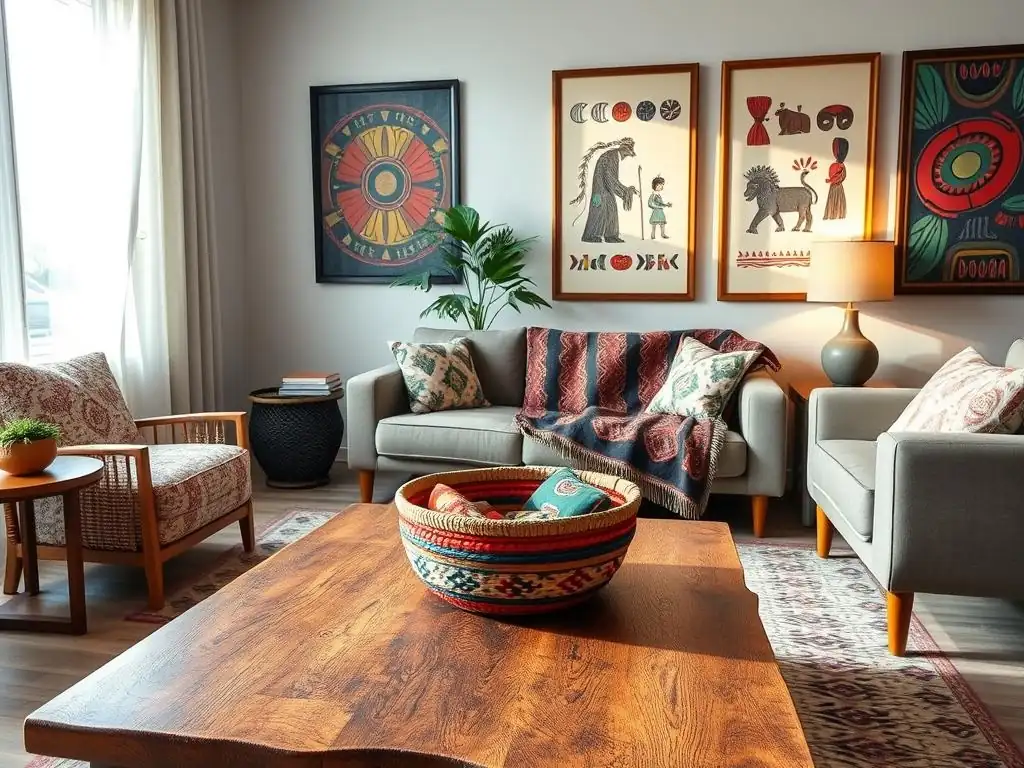
Welcome to Indigenous Civilizations of the Americas, where we invite you to embark on a captivating journey through the rich tapestry of indigenous cultures that flourished long before European colonization. Here, we shine a spotlight on the incredible achievements and vibrant societies that have left an indelible mark on our world.
Dive into our featured article, "The Aesthetic Appeal of Ancestral Symbols: Redefining Home Décor with Indigenous Art," and discover how these powerful symbols can transform your living space while honoring the deep-rooted traditions of indigenous art. Prepare to be inspired as you explore the intricate connections between culture and creativity that continue to resonate today.
Introduction to Indigenous Art Home Décor
The integration of indigenous art into modern home décor presents a unique opportunity to celebrate the rich tapestry of cultural heritage that has shaped the Americas long before European colonization. This article delves into how ancestral symbols and artistic expressions can redefine our living spaces, infusing them with stories and meanings that connect us to the vibrant histories of indigenous peoples.
By exploring various elements of indigenous art home décor, we can appreciate not only their aesthetic value but also the profound cultural significance they carry. As society increasingly seeks authenticity and connection, the incorporation of these artistic traditions into contemporary design offers a pathway to honor and recognize the enduring legacy of indigenous civilizations.
Understanding Indigenous Art Home Décor
What is Indigenous Art?
Indigenous art encompasses a wide range of artistic expressions created by the native peoples of the Americas. This art form is characterized by its use of traditional techniques, materials, and motifs that often reflect the worldviews, spiritual beliefs, and social structures of different indigenous cultures.
- Key Features of Indigenous Art:
- Cultural Significance: Each piece is often imbued with meanings tied to the creator's cultural background and beliefs.
- Natural Materials: Many indigenous artists utilize locally sourced materials, such as clay, wood, and plant fibers, which further connect the art to the land.
- Variety of Forms: This can include pottery, textiles, weaving, carving, painting, and more, showcasing the diversity of techniques and styles across different tribes and regions.
Indigenous art serves not only as a visual feast but also as a narrative medium, conveying stories, traditions, and ancestral wisdom through its intricate designs and vibrant colors.
The Role of Ancestral Symbols in Home Décor
Ancestral symbols play a crucial role in indigenous art, serving as visual representations of cultural identity, spirituality, and connection to the land. When incorporated into home décor, these symbols can transform a space into a reflection of heritage and personal meaning.
- Significance of Ancestral Symbols:
- Identity and Belonging: They foster a sense of identity and community, reminding us of our roots and the stories that have shaped us.
- Spiritual Connection: Many symbols carry spiritual connotations, promoting harmony and balance within the home.
- Aesthetic Appeal: The intricate designs and vibrant colors not only enhance visual interest but also invite conversation and contemplation.
By thoughtfully integrating these ancestral symbols into home décor, individuals can create spaces that resonate with authenticity, allowing the beauty of indigenous art to be appreciated in everyday life.
The Evolution of Indigenous Art in Home Décor
Indigenous art has undergone a significant transformation over the centuries, particularly in its application within home décor. Historically, these artworks served not only aesthetic purposes but also conveyed cultural stories, spiritual beliefs, and community values. The evolution of indigenous art in home décor reflects a journey from traditional practices rooted in specific cultural contexts to contemporary adaptations that resonate with diverse audiences worldwide.
In the past, indigenous art was commonly associated with functional items, such as textiles, pottery, and tools, often adorned with intricate patterns and symbols that held deep meaning. As globalization progressed and cultures began to intermingle, indigenous symbols found their way into modern home décor, recontextualized to fit contemporary aesthetics while maintaining their historical significance. This shift has enabled a broader appreciation of indigenous art, allowing it to transcend its origins and become a vital part of modern design.
Historical Context of Indigenous Art
Understanding the historical context of indigenous art is essential to appreciate its role in home décor today. Indigenous cultures across the Americas developed rich artistic traditions that reflected their unique worldviews, environmental interactions, and social structures. For instance, the intricate beadwork of the Lakota, the vibrant textiles of the Navajo, and the pottery of the Pueblo peoples all serve as testaments to the creativity and skill of these communities.
Before European colonization, indigenous art was deeply intertwined with everyday life. Objects were often imbued with spiritual significance, and art played a crucial role in rituals and ceremonies. However, the onset of colonization brought significant disruption, leading to the marginalization of many indigenous practices. Despite these challenges, indigenous communities have persevered, revitalizing their art forms and adapting them for contemporary expressions. This resilience is evident in today's home décor trends, where indigenous art is celebrated and incorporated into various styles.
Modern Interpretations of Ancestral Symbols
Today's designers and artists are increasingly drawing inspiration from ancestral symbols, creating modern interpretations that honor tradition while appealing to current aesthetic preferences. These reinterpretations often blend traditional motifs with contemporary design elements, resulting in unique and striking home décor pieces.
For example, the use of geometric patterns found in traditional indigenous textiles has been adapted into modern wallpapers and upholstery fabrics. Likewise, ancestral symbols that represent nature, such as animals or natural elements, are reimagined in prints and wall art, inviting a sense of connection to the earth within home spaces. This fusion not only showcases the beauty of indigenous art but also serves to educate and raise awareness about the cultural significance behind these symbols.
Key Elements of Indigenous Art Home Décor
Incorporating indigenous art into home décor involves understanding its key elements, which include symbolism, materials, and techniques that reflect the cultural heritage of the artists. These elements contribute to a rich tapestry of design that enriches living spaces while telling meaningful stories.
Popular Ancestral Symbols and Their Meanings
Several ancestral symbols have emerged as popular motifs in indigenous art home décor, each carrying its unique meaning. These symbols not only enhance the visual appeal of a space but also serve as conversation starters and cultural touchstones.
- The Dreamcatcher: Traditionally used by Native American cultures, it symbolizes protection and is believed to filter out negative energies while allowing positive dreams to pass through.
- The Feather: Often associated with spirituality and freedom, feathers are a common motif in various indigenous cultures, representing honor and connection to the divine.
- The Spiral: This symbol represents growth and the journey of life, reflecting the cyclical nature of existence and the interconnectedness of all beings.
Understanding the meanings behind these symbols allows individuals to create spaces that resonate with deeper cultural significance, fostering a sense of respect and appreciation for indigenous heritage in home décor.
Materials and Techniques Used in Indigenous Art
The materials and techniques employed in indigenous art are as varied as the cultures themselves, each contributing to the overall aesthetic and authenticity of the artwork. Common materials include:
- Natural Fibers: Such as cotton, wool, and plant fibers, used in weaving textiles and creating intricate patterns that tell stories passed down through generations.
- Clay: Utilized in pottery, clay is often hand-formed and decorated with traditional designs, showcasing the craftsmanship and unique style of different indigenous groups.
- Wood: Carving wood into functional and decorative items, such as masks or totems, is a practice that highlights the relationship between indigenous peoples and their environment.
The techniques vary widely, from beadwork and weaving to carving and painting, each requiring a deep understanding of the material and the cultural significance behind the designs. By incorporating these authentic materials and techniques into home décor, individuals not only beautify their spaces but also support indigenous artists and their communities.
Integrating Indigenous Art into Your Home
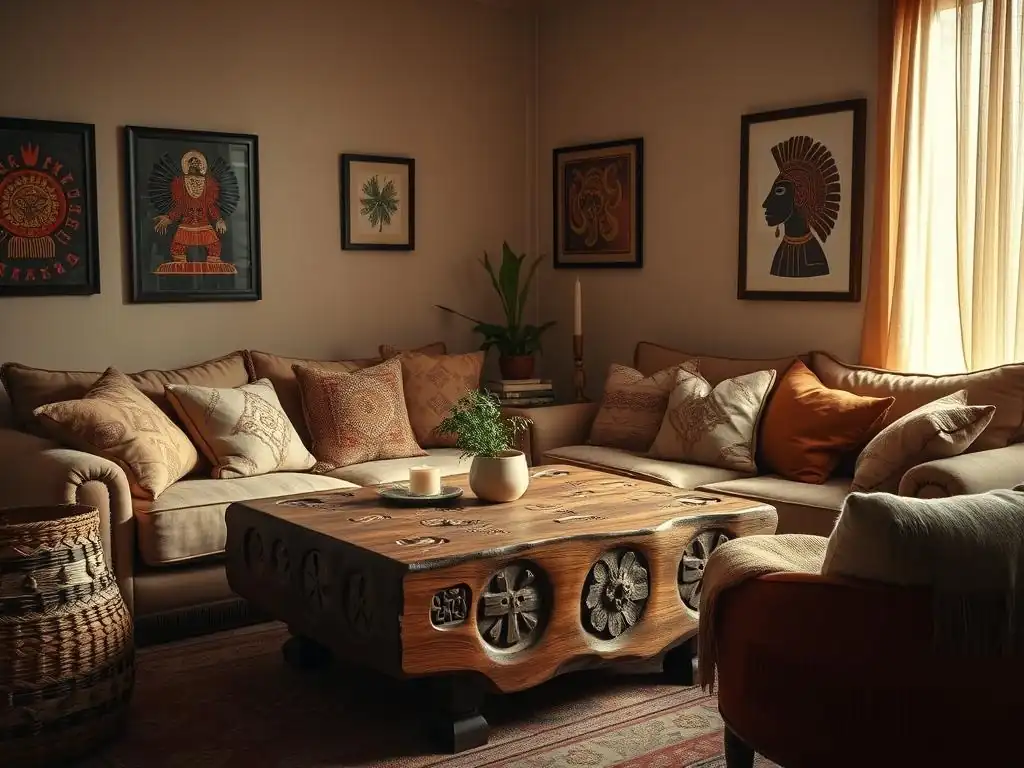
Integrating indigenous art into your home décor not only enhances the aesthetic appeal of your living space but also serves as a powerful statement of respect for the rich cultural heritage of indigenous communities. The process of selecting and displaying these pieces can be deeply personal and impactful. Here are some fundamental ways to incorporate indigenous art into your home:
- Feature Statement Pieces: Large artworks, such as tapestries or wall hangings, can serve as focal points in a room. Opt for pieces that resonate with your personal style while honoring their cultural significance.
- Functional Art: Consider items that blend functionality with artistry, such as pottery, woven baskets, or handcrafted furniture. These objects not only adorn your space but also serve practical purposes.
- Create Art Walls: Curate a gallery wall using a variety of indigenous art forms. Mix paintings, textiles, and sculptures to create a dynamic display that tells a story.
- Incorporate Textiles: Indigenous textiles, such as blankets or cushions, can add texture and warmth. They are perfect for layering with other décor elements while showcasing traditional patterns and motifs.
- Seasonal Displays: Rotate your indigenous art pieces according to the seasons or special occasions to keep your décor fresh and engaging while continually celebrating indigenous culture.
Tips for Choosing Indigenous Décor Pieces
When selecting indigenous décor pieces, it’s vital to ensure that your choices are respectful and culturally sensitive. Here are some tips to guide your selection process:
- Research the Art Form: Understand the history, significance, and cultural context of the art form or the specific piece you are interested in. This knowledge will enhance your appreciation and ensure that you respect its origins.
- Prioritize Authenticity: Look for works created by indigenous artists or certified organizations that support indigenous artisans. Authentic pieces often carry a story or meaning that adds depth to your collection.
- Support Local Artists: Whenever possible, purchase from local indigenous artists or cooperatives. This not only helps sustain their craft but also strengthens community ties.
- Choose Meaningful Symbols: Select pieces that feature symbols or stories that resonate with you or align with your values. This personal connection can enrich your living space.
- Consider the Material: Indigenous art can be created from various materials, such as wood, clay, or fabric. Choose materials that complement your existing décor while respecting the traditional crafting methods.
Creating a Cohesive Aesthetic with Indigenous Art
To achieve a harmonious look in your home while incorporating indigenous art, consider the following strategies:
- Color Palette: Choose a color palette that complements the hues found in your indigenous art pieces. This can create a visual flow throughout your space. Earth tones are often prevalent in indigenous art, evoking a connection to nature.
- Mixing Styles: While indigenous art can stand out, it can also be effectively integrated with contemporary or minimalist styles. Balance bold indigenous pieces with subtle designs to maintain an overall cohesive aesthetic.
- Layering Textures: Combine various textures, such as soft textiles, rough ceramics, and smooth wood, to create an inviting and dynamic environment. This layering can highlight the uniqueness of indigenous art.
- Strategic Placement: Position your art in areas where it can be appreciated, such as entryways, living rooms, or dining areas. Ensure that the placement allows for natural light to enhance the colors and details of the art.
- Personal Touch: Infuse your personality into the arrangement. Use family heirlooms, personal photographs, or travel souvenirs alongside indigenous art to create a curated collection that reflects your journey.
The Cultural Impact of Using Indigenous Art in Home Décor
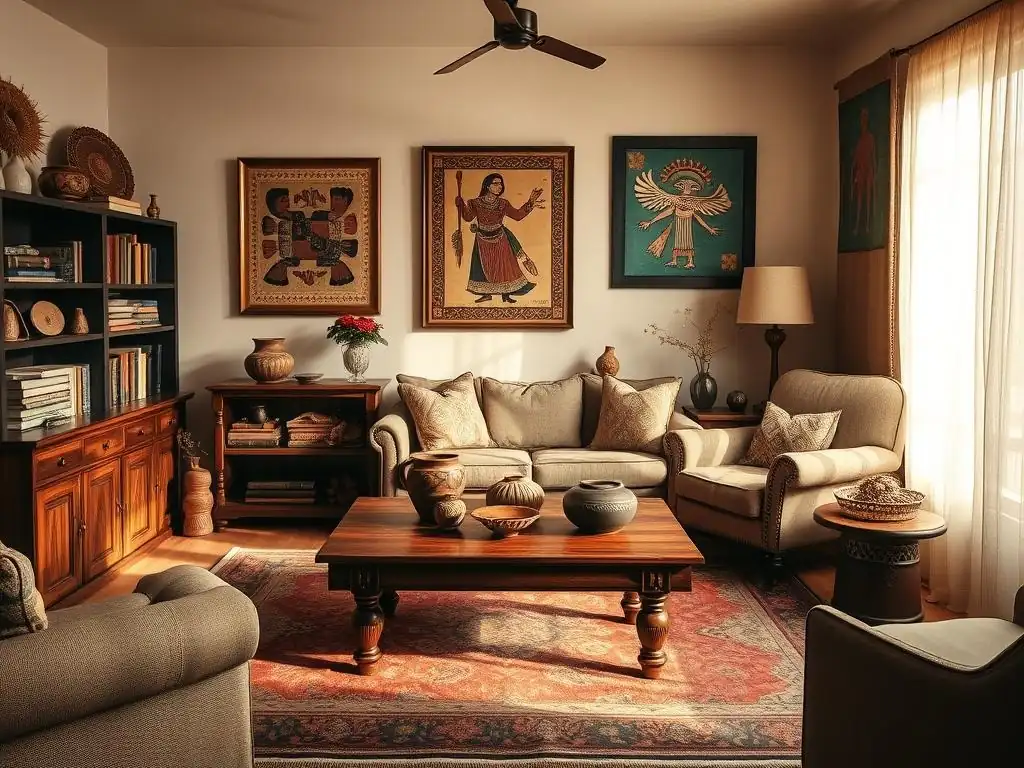
Using indigenous art in home décor goes beyond mere aesthetic value; it plays a significant role in cultural preservation and awareness. Here are some of the cultural impacts of incorporating these artworks into your living spaces:
Promoting Indigenous Cultures Through Art
Indigenous art serves as a vital conduit for sharing the stories, traditions, and values of indigenous peoples. By displaying these artworks, individuals can:
- Educate Others: Home décor featuring indigenous art can spark conversations about the culture and history behind the pieces, fostering greater understanding and appreciation among guests.
- Support Cultural Revitalization: Purchasing and promoting indigenous art helps sustain traditional practices and supports artists in keeping their cultural narratives alive.
- Celebrate Diversity: Embracing indigenous art in home décor promotes a celebration of the diversity of cultures within the Americas, encouraging a broader acceptance and appreciation of different lifestyles and worldviews.
Addressing Cultural Appropriation Concerns
While integrating indigenous art into home décor can be enriching, it is essential to navigate the complexities surrounding cultural appropriation. Here are some considerations:
- Be Informed: Understanding the distinction between appreciation and appropriation is crucial. Engage in research to grasp the cultural significance of the art before incorporating it into your home.
- Seek Permission: Whenever possible, choose pieces that are shared with permission from the originating cultures. This respect ensures that the art is appreciated within its rightful context.
- Reflect on Intent: Consider your motivations for integrating indigenous art. Ensure that your intentions align with honoring and respecting the culture rather than exploiting it for aesthetic gain.
- Support Ethical Sources: Buy from reputable galleries, artists, or organizations that prioritize ethical practices and fair compensation for indigenous artists.
By approaching indigenous art with respect and awareness, individuals can create a home environment that is not only visually appealing but also culturally significant.
Conclusion: Embracing Indigenous Art Home Décor
Incorporating indigenous art into home décor not only enhances aesthetic appeal but also serves as a powerful reminder of the rich cultural heritage and traditions of the Americas. By embracing these ancestral symbols, we can create spaces that are not only visually stunning but also infused with meaning and history. Each piece of indigenous art tells a story, reflecting the values, beliefs, and experiences of the communities from which they originate. This connection to the past fosters a deeper appreciation for cultural diversity and encourages conversations about the importance of preserving these rich traditions.
Moreover, indigenous art home décor encourages a more sustainable approach to interior design. Many indigenous artists prioritize eco-friendly materials and practices, which align with contemporary values of sustainability and ethical consumption. By choosing to invest in such art, homeowners can support local artisans and contribute to the revitalization of indigenous cultures. This not only promotes economic empowerment but also ensures that these artistic traditions continue to thrive for future generations.
Ultimately, embracing indigenous art in home décor allows individuals to curate a living space that is uniquely personal, culturally rich, and aesthetically pleasing. As we redefine our homes, let us do so with respect and reverence for the stories and symbolism embedded within these remarkable art forms.
Call to Action
Are you ready to transform your living space with the beauty and meaning of indigenous art? Explore local galleries, artisan markets, and online platforms to discover unique pieces that resonate with you. Consider starting with an accent piece, such as a handmade rug or wall hanging, that reflects the stories of indigenous cultures.
Additionally, share your journey with friends and family, inspiring them to appreciate and incorporate indigenous art into their own homes. Together, we can foster a deeper understanding and respect for the diverse cultures that have shaped the Americas.
Join the movement! Embrace the aesthetic appeal of ancestral symbols and redefine your home décor with indigenous art today. 🖼️✨
- Introduction to Indigenous Art Home Décor
- Understanding Indigenous Art Home Décor
- The Evolution of Indigenous Art in Home Décor
- Key Elements of Indigenous Art Home Décor
- Integrating Indigenous Art into Your Home
- Tips for Choosing Indigenous Décor Pieces
- Creating a Cohesive Aesthetic with Indigenous Art
- The Cultural Impact of Using Indigenous Art in Home Décor
- Conclusion: Embracing Indigenous Art Home Décor
- Call to Action
- What is the main focus of the article "The Aesthetic Appeal of Ancestral Symbols"?
- How does indigenous art influence modern home décor?
- What are some examples of indigenous symbols used in home décor?
- Why is it important to incorporate indigenous art into home décor?
- Where can I find authentic indigenous art for my home?
Frequently Asked Questions
What is the main focus of the article "The Aesthetic Appeal of Ancestral Symbols"?
The article focuses on how indigenous art can be integrated into home décor, emphasizing the cultural significance and aesthetic appeal of ancestral symbols.
How does indigenous art influence modern home décor?
Indigenous art brings a unique cultural perspective and historical context to home décor, allowing individuals to showcase diversity and heritage through their living spaces.
What are some examples of indigenous symbols used in home décor?
Common symbols include totems, patterns, and motifs that represent spiritual beliefs, nature, and community values, enriching the visual narrative of a home.
Why is it important to incorporate indigenous art into home décor?
Incorporating indigenous art fosters cultural appreciation, promotes sustainability, and supports local artists, while also adding a unique and meaningful touch to one’s environment.
Where can I find authentic indigenous art for my home?
Authentic indigenous art can be sourced from local galleries, art fairs, and online marketplaces that specialize in indigenous craftsmanship, ensuring that you support indigenous communities.
Final Reflection: Embracing Heritage Through Indigenous Art Home Décor
The integration of indigenous art into home décor is not just a trend; it is a profound way to honor and celebrate cultural heritage. As we navigate an increasingly globalized world, the significance of ancestral symbols becomes even more relevant, reminding us of the rich narratives and histories that shape our identities. In a time when many seek authenticity and connection, indigenous art offers a unique lens through which to view our living spaces, transforming them into sanctuaries of meaning and beauty.
Cultural appreciation through indigenous art has the power to reshape our social landscape, fostering a deeper understanding of the diverse narratives that exist within our communities. The incorporation of these symbols into our homes serves as a bridge between past and present, allowing us to engage with the stories of those who came before us.
As the artist and activist Ai Weiwei once said, "> The more we know about the past, the more we can understand the present." This understanding is crucial in cultivating respect and appreciation for the rich tapestry of cultures that contribute to our shared human experience.
As you reflect on the themes presented in this article, consider how you can incorporate indigenous art into your own home décor. Let each piece you choose be a conversation starter, a reminder of the stories that deserve to be told, and a celebration of the beauty that diversity brings to our lives. By embracing these ancestral symbols, you not only enhance your living space but also contribute to a broader movement of cultural respect and appreciation. Take this opportunity to create a home that resonates with meaning, inviting both reflection and connection for all who enter.
Transform Your Space with Ancestral Beauty!
Thank you for taking the time to explore the rich aesthetic appeal of ancestral symbols and Indigenous art in your home décor. By embracing these unique cultural expressions, you've not only gained insights into their beauty but also into their profound meanings and histories. Now, let’s take that inspiration and turn it into impactful action!
- Start a home décor challenge: Select an ancestral symbol that resonates with you and incorporate it into your living space this week. You can express this through art, textiles, or even wall decor!
- Share your journey: Document your decorating process and share it on social media to connect with others who appreciate Indigenous art.
- Explore local Indigenous artists: Seek out exhibitions or online platforms where you can discover and support artisans who are revitalizing ancestral symbols.
How will you infuse the soulful beauty of ancestral art into your home and share its story with others?