
Beyond Decoration: The Cultural Significance of Indigenous Patterns in Modern Homes

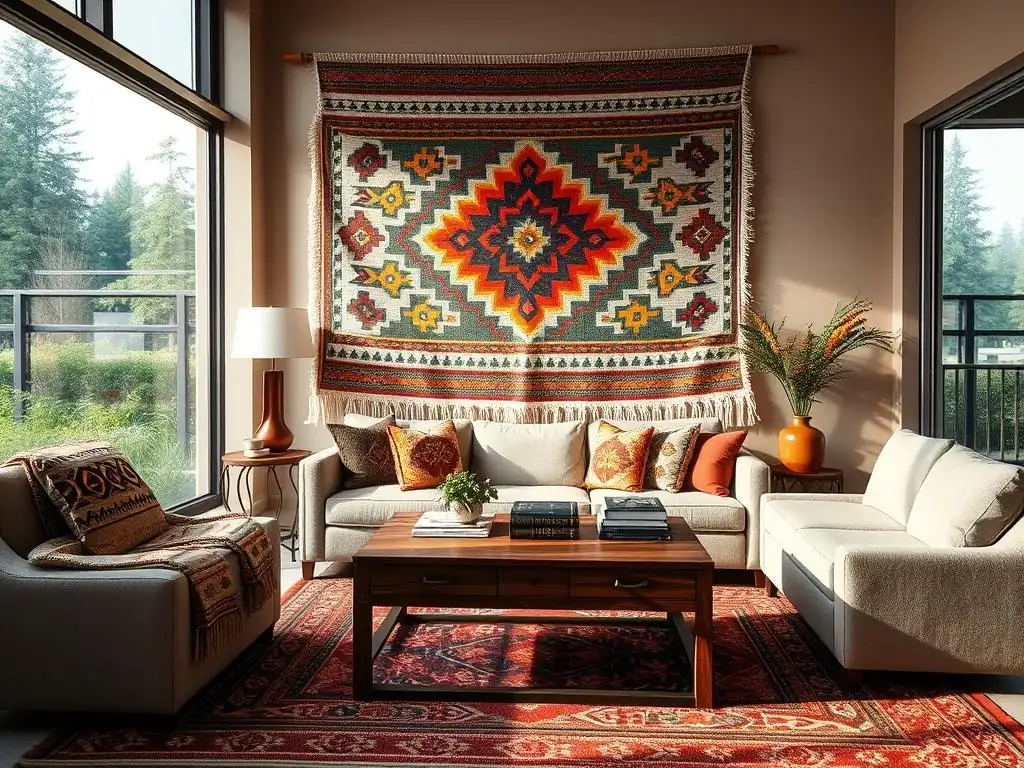
Welcome to Indigenous Civilizations of the Americas, where we invite you to embark on a captivating journey through the rich tapestry of indigenous cultures that flourished long before European colonization. In our featured article, “Beyond Decoration: The Cultural Significance of Indigenous Patterns in Modern Homes,” we delve into the profound meanings behind these intricate designs and explore their relevance in contemporary life. Discover how these patterns not only serve as beautiful decor but also as vibrant symbols of identity, heritage, and resilience.
Join us as we unravel the stories woven into these artistic expressions and uncover the enduring legacy they hold. Your exploration begins now!
- Introduction to Indigenous Patterns Cultural Significance
- Historical Context of Indigenous Patterns
- The Cultural Significance of Indigenous Patterns
- Incorporating Indigenous Patterns in Modern Homes
- Benefits of Using Indigenous Patterns in Home Design
- Common Misconceptions About Indigenous Patterns
- Real-World Examples of Indigenous Patterns in Modern Homes
- Conclusion: Celebrating Indigenous Patterns in Contemporary Design
-
Frequently Asked Questions
- What are indigenous patterns and their significance?
- How do indigenous patterns influence modern home decor?
- Why is it important to understand the cultural significance of these patterns?
- Are there any ethical considerations when using indigenous patterns in design?
- How can one incorporate indigenous patterns while respecting their origins?
- Final Reflection: Embracing the Cultural Significance of Indigenous Patterns
- Unveil the Connection: Integrate Indigenous Patterns in Your Home!
Introduction to Indigenous Patterns Cultural Significance
Indigenous patterns hold profound cultural significance that transcends mere decoration. These designs are rich with history, storytelling, and identity, reflecting the diverse traditions and values of indigenous peoples across the Americas. As modern homeowners seek to incorporate elements of cultural heritage into their living spaces, understanding the depth of meaning behind these patterns becomes essential.
This article explores the intricate relationship between indigenous patterns and their cultural significance, particularly how they influence contemporary home décor. By examining these patterns, we not only celebrate the artistry involved but also acknowledge the stories and histories they represent, fostering a deeper appreciation for the indigenous cultures that have shaped our world.
Understanding Indigenous Patterns in Home Décor
Indigenous patterns are not just aesthetic choices; they embody the spiritual and communal values of the cultures from which they originate. Each design element carries its own significance, often rooted in nature, mythology, and daily life. These patterns can be seen in textiles, pottery, wall art, and various other decorative items that are increasingly popular in modern homes.
Common Themes in Indigenous Patterns
- Nature: Many indigenous patterns are inspired by the natural world, depicting flora, fauna, and landscapes. These designs often symbolize the interconnectedness of life and the environment.
- Spiritual Symbols: Patterns may also represent spiritual beliefs, with specific motifs reflecting the cosmology and spiritual practices of a community.
- Cultural Narratives: Designs can tell stories or convey historical events, serving as a visual language that communicates the experiences of a people.
Understanding these themes enhances our appreciation for the patterns used in home décor, allowing us to recognize their significance beyond mere aesthetics.
The Role of Culture in Modern Design Choices
As the interest in cultural diversity in home design grows, indigenous patterns have made their way into contemporary interiors. Homeowners are increasingly drawn to these designs not only for their beauty but for the rich cultural narratives they carry. This shift reflects a broader trend towards inclusivity and respect for the histories of various cultures.
Influencing Modern Aesthetics
- Authenticity: Integrating indigenous patterns into home décor can promote authenticity and a sense of connection to the broader cultural narrative.
- Sustainability: Many indigenous artisans prioritize sustainable practices, making their work appealing to environmentally conscious consumers.
- Cultural Appreciation: By choosing to incorporate these patterns, homeowners can promote cultural appreciation and awareness, contributing to the preservation of indigenous art forms.
The cultural significance of indigenous patterns in modern home décor is profound, offering insights into the values and histories of indigenous peoples. By understanding and honoring these designs, we can create spaces that reflect not only personal style but also respect for the rich tapestry of cultures that have shaped our world.
Historical Context of Indigenous Patterns
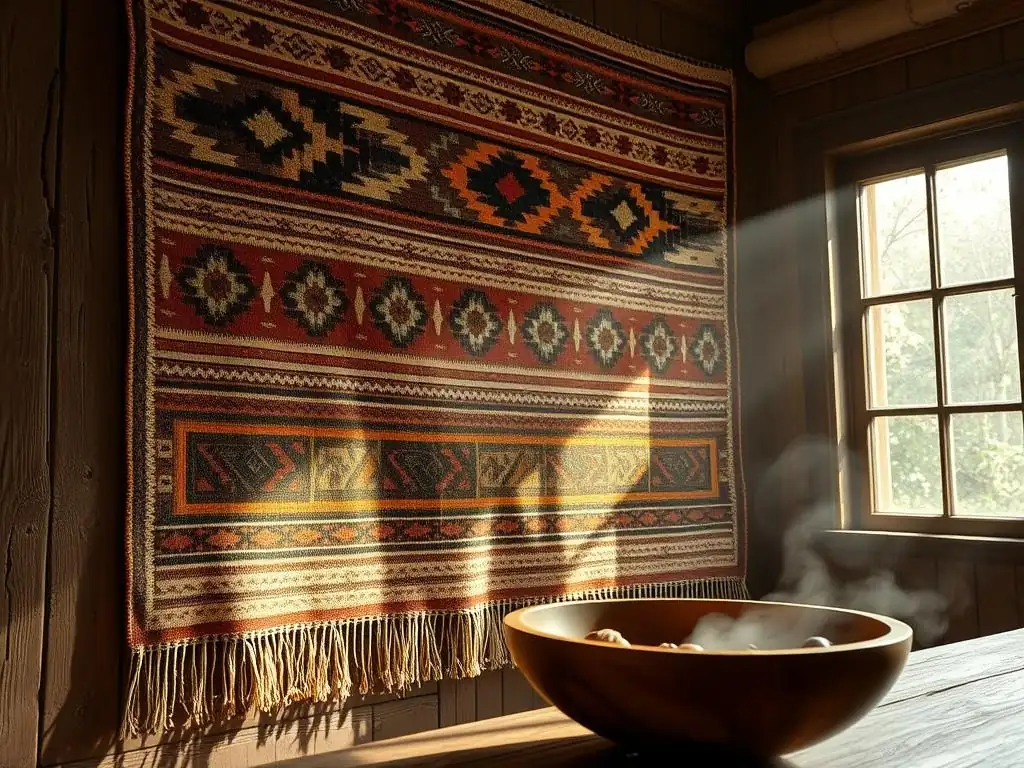
Indigenous patterns hold rich cultural significance that transcends mere decoration. These patterns are a reflection of the historical narratives, beliefs, and practices of various indigenous peoples across the Americas. Understanding the historical context of these patterns offers insight into their meanings and the way they have evolved over time.
Indigenous cultures developed intricate artistic traditions that were closely tied to their environments, spiritual beliefs, and social structures. Patterns often served as a form of communication, conveying messages and stories through visual symbols. As societies evolved, so did their patterns, adapting to changes while retaining elements of their ancestral heritage. This dynamic process of evolution demonstrates the resilience and richness of indigenous art.
The Evolution of Indigenous Patterns Through Time
Indigenous patterns have undergone significant transformations throughout history. Initially, these patterns emerged from practical needs, such as clothing and shelter, but gradually evolved into complex artistic expressions.
- Pre-Colonization Era:
- Patterns were deeply rooted in the spiritual and everyday lives of indigenous peoples. They often depicted elements of nature, mythology, and cultural narratives.
- For example, the use of geometric shapes and natural motifs in pottery and textiles served not only decorative purposes but also spiritual significance.
- Colonial Influence:
- The arrival of European colonizers brought about profound changes in indigenous art forms. Many traditional techniques were adapted or blended with European styles.
- Despite these influences, indigenous peoples retained their unique identities by embedding their cultural significance into new artistic expressions.
- Modern Revival:
- In recent decades, there has been a resurgence of interest in indigenous patterns, driven by a desire to reclaim cultural heritage and promote awareness of indigenous identities.
- Contemporary artists are now reinterpreting traditional designs, often incorporating modern materials and methods, while still honoring the original meanings behind the patterns.
Key Indigenous Cultures and Their Artistic Contributions
Various indigenous cultures have made significant contributions to the world of patterns and designs, each with their own unique styles and meanings. Below are some prominent examples.
The Navajo Weaving Tradition
The Navajo people are renowned for their intricate textile designs, which have become synonymous with indigenous craftsmanship.
- Symbolism: Navajo weavings often feature symbols such as the spider woman and whirling logs, which represent creation and harmony. These symbols are woven into blankets, rugs, and other textiles, each telling a story or conveying a specific message.
- Techniques: The traditional Navajo weaving technique involves using a vertical loom, allowing for a distinct style characterized by bold colors and geometric patterns. The use of natural dyes and locally sourced materials reflects a deep connection to the land.
- Cultural Significance: Navajo textiles are not merely decorative; they hold cultural and spiritual significance, often used in ceremonies and as gifts to commemorate important life events.
The Inca Textiles and Their Patterns
The Inca civilization, known for its impressive achievements in architecture and agriculture, also excelled in textile production.
- Complex Patterns: Inca textiles are distinguished by their complex patterns, which often include geometric shapes and vibrant colors derived from natural dyes. The designs often symbolize social status, regional identity, and spiritual beliefs.
- Technical Mastery: The Incas employed advanced techniques, such as llama wool weaving, to create finely crafted garments that were both functional and ceremonial. Textiles played a crucial role in Inca society, being used as currency and a means of record-keeping through quipus.
- Cultural Legacy: The legacy of Inca textiles continues to influence modern design, as contemporary artists draw inspiration from their intricate patterns and vibrant color palettes, celebrating the enduring impact of Inca culture.
By exploring the historical context and contributions of key indigenous cultures, we can appreciate the profound cultural significance of indigenous patterns in modern homes. These patterns serve as a bridge connecting the past to the present, enriching our understanding of indigenous identities and artistic expressions.
The Cultural Significance of Indigenous Patterns
Symbolism Behind Indigenous Patterns
Indigenous patterns are not merely aesthetic choices; they are imbued with deep cultural significance that reflects the values, beliefs, and histories of the communities from which they originate. Each design element is a storytelling device, conveying narratives that have been passed down through generations.
Meaningful Motifs and Their Origins
Many indigenous patterns are derived from natural elements, such as animals, plants, and celestial bodies, which hold specific meanings within the cultural context. For instance:
- Animal Motifs: These often symbolize traits admired by the community. For example, the eagle may represent strength and freedom, while the turtle can symbolize longevity and wisdom.
- Plant Patterns: Various plants may signify healing, sustenance, or spirituality. The corn plant, for example, is vital in many Native American cultures, symbolizing life and nourishment.
- Geometric Shapes: Commonly found in indigenous art, shapes such as triangles and circles can represent harmony and balance, reflecting the interconnectedness of all living things.
These motifs often have historical origins tied to creation stories or significant events within a culture, making them rich in meaning and relevance.
Colors and Their Cultural Implications
Colors in indigenous patterns are not chosen arbitrarily; they carry specific meanings and associations that can vary significantly between cultures. For example:
- Red: Often symbolizes life, vitality, and the earth.
- Black: May represent the unknown, the spirit world, or even mourning.
- White: Frequently embodies purity, peace, and the spiritual realm.
The careful selection and combination of colors can create a narrative that enhances the overall message of the pattern, making it a significant element in home décor that resonates with cultural identity.
How Indigenous Patterns Reflect Cultural Identity
Indigenous patterns serve as a powerful means of expressing cultural identity in modern home décor. They allow individuals to connect with their heritage and acknowledge the rich tapestry of their ancestry. By integrating these patterns into contemporary settings, homeowners not only beautify their spaces but also honor the histories and stories woven into these designs.
In today's multicultural society, the use of indigenous patterns can foster appreciation and respect for the diversity of cultures. They invite dialogue about the traditions and values of indigenous peoples, encouraging a deeper understanding of their significance. Additionally, these patterns can act as a bridge, linking past and present, and allowing for a continuous narrative that celebrates the vibrancy of indigenous cultures.
Incorporating indigenous patterns in home décor can take many forms, such as textiles, wall art, or ceramics. Each piece carries a narrative that adds depth and meaning to the home environment, transforming living spaces into reflections of cultural pride and awareness.
The cultural significance of indigenous patterns extends far beyond their decorative appeal; they are vibrant expressions of identity, history, and interconnectedness that enrich modern homes while honoring the wisdom of the past.
Incorporating Indigenous Patterns in Modern Homes
Choosing the Right Indigenous Patterns for Your Space
When selecting Indigenous patterns for modern homes, it’s essential to consider both aesthetic appeal and cultural significance. These patterns often reflect deep-rooted traditions, stories, and values of various Indigenous cultures across the Americas. Here are some considerations to help you choose the right patterns:
- Cultural Relevance: Understand the background of the patterns. Different Indigenous groups have unique styles and meanings associated with their designs. For example, Navajo patterns often incorporate geometric shapes and symbolize harmony with nature, while Ojibwe designs might feature floral motifs representing growth and renewal.
- Color Palette: Indigenous patterns are rich in color. When choosing a pattern, consider how the colors will complement your existing décor. Earthy tones and vibrant hues can both serve to enhance a space, depending on the desired atmosphere.
- Context and Placement: Think about where the patterns will be displayed. A bold, intricate pattern may work well as a focal point in a living room, while subtler designs might be better suited for smaller spaces or as accents.
Popular Indigenous Pattern Designs for Home Décor
Here are some popular Indigenous patterns that have made their way into modern home décor:
- Geometric Patterns: Common in many Indigenous cultures, these patterns often symbolize elements of nature. They can be used in rugs, textiles, and wall art.
- Floral Motifs: Inspired by natural elements, floral patterns are prevalent in Indigenous textiles. These designs often celebrate the beauty of the environment and can be found in various items, from curtains to cushions.
- Animal Imagery: Many Indigenous artworks feature animals that hold particular significance within their cultures. Incorporating animal motifs can serve as a reminder of the connection between humans and nature.
- Traditional Weaves: Textiles like Mexican serapes or Andean ponchos often feature intricate patterns that tell stories of their communities. These can add an authentic touch to your home while supporting Indigenous artisans.
Sourcing Authentic Indigenous Art and Textiles
Finding authentic Indigenous patterns requires careful sourcing to ensure that the items support Indigenous communities and reflect their cultures accurately. Here are some tips for sourcing:
- Direct from Artisans: Seek out Indigenous artisans at local markets or through cooperative galleries. Purchasing directly from artists ensures that you are supporting their work and preserving traditional crafts.
- Fair Trade Organizations: Many organizations specialize in promoting fair trade Indigenous art and textiles. These organizations often provide information about the artisans and the cultural significance of their work.
- Cultural Events and Festivals: Attend cultural events, powwows, and art fairs that showcase Indigenous art. These venues often provide opportunities to learn directly from the artists about their work and cultural heritage.
- Online Platforms: Websites dedicated to Indigenous art can be valuable resources. Look for platforms that prioritize authenticity and fair trade practices.
Practical Applications of Indigenous Patterns
Indigenous patterns can be integrated into various aspects of home décor, enhancing both aesthetics and cultural appreciation. Here are some practical applications:
Decorative Throw Pillows: A Blend of Comfort and Culture
Decorative throw pillows featuring Indigenous patterns can add a unique touch to any room. Here’s why they are an excellent choice:
- Versatility: Pillows can be easily swapped out according to seasons or trends, allowing for flexibility in home décor.
- Cultural Education: Each pillow can serve as a conversation starter, inviting guests to learn about the stories and meanings behind the patterns.
- Comfort: Beyond aesthetics, throw pillows provide comfort and coziness, making them functional as well as decorative.
Wall Art: Showcasing Indigenous Stories and Heritage
Wall art is another impactful way to incorporate Indigenous patterns into home décor. Here are some considerations:
- Storytelling: Many Indigenous artworks tell stories through their designs, offering viewers a glimpse into the culture and values of the community.
- Focal Points: Large pieces of art can serve as focal points in a room, drawing attention and creating a sense of connection to Indigenous heritage.
- Eclectic Style: Incorporating Indigenous wall art into your décor can complement various styles, from modern minimalism to bohemian chic, creating a rich tapestry of cultural expression.
Incorporating Indigenous patterns into modern homes not only beautifies spaces but also honors the rich cultural legacies they represent. By choosing patterns thoughtfully and sourcing authentically, you can create a home that reflects both personal style and respect for Indigenous cultures.
Benefits of Using Indigenous Patterns in Home Design
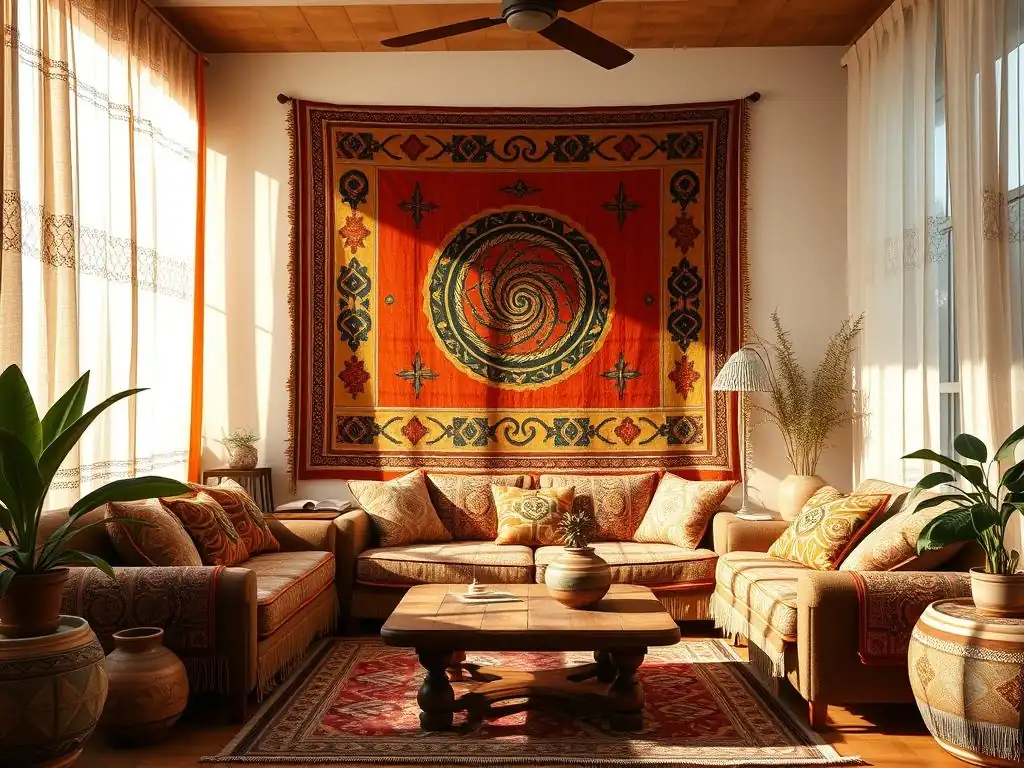
Using Indigenous patterns in home design offers a multitude of benefits that extend beyond mere decoration. These designs are imbued with deep cultural significance, reflecting the rich heritage of Indigenous peoples. Incorporating these patterns into modern homes can foster cultural appreciation, enhance aesthetic appeal, and support Indigenous artists and communities.
Fostering Cultural Appreciation Through Décor
Integrating Indigenous patterns into home décor serves as a powerful reminder of the diverse cultures that existed long before European colonization. By choosing to display these designs, homeowners engage in a dialogue about the histories, traditions, and values of Indigenous peoples.
- Cultural Education: Each pattern tells a story, often linked to the land, spirituality, or community life. For example, the intricate geometric designs of the Navajo often represent the harmony between nature and humanity.
- Promoting Respect: Utilizing Indigenous patterns encourages a greater understanding and respect for these cultures, fostering an appreciation that transcends aesthetics. Homeowners can educate themselves and others about the significance of the designs and the stories behind them.
- Celebrating Diversity: By incorporating a variety of Indigenous patterns, homeowners celebrate the diversity of cultures across the Americas. This recognition of different heritages enhances cultural dialogue and awareness.
Enhancing Aesthetic Appeal with Indigenous Designs
Indigenous patterns can significantly enhance the aesthetic appeal of any space, adding depth, color, and texture. These designs can transform ordinary rooms into vibrant expressions of culture.
- Versatility in Design: Indigenous patterns can be integrated into a variety of design styles, from contemporary to traditional. Whether through textiles, wall art, or tile work, these patterns can harmonize with different elements of home décor.
- Unique Character: Unlike mass-produced designs, Indigenous patterns offer uniqueness and authenticity. They bring a distinctive character to spaces, making homes feel personal and reflective of the owner's values.
- Color and Texture: Many Indigenous designs utilize bold colors and intricate textures that can invigorate a room. For example, the vivid hues found in traditional Huichol art can energize a living area, creating a warm and inviting atmosphere.
Supporting Indigenous Artists and Communities
Investing in Indigenous patterns often means supporting the artists and communities that create them. This economic support plays a vital role in preserving cultural heritage.
- Empowering Artists: Purchasing authentic Indigenous art directly from artists ensures that they receive fair compensation for their work. This empowers artists to continue their craft and share their cultural narratives.
- Community Revitalization: Revenue generated from the sale of Indigenous art can contribute to community programs, educational initiatives, and cultural preservation efforts. This fosters a stronger sense of community and resilience among Indigenous peoples.
- Sustainable Practices: Many Indigenous artists prioritize sustainable practices in their work, using local materials and traditional techniques. Supporting these artists encourages environmentally friendly methods and the preservation of cultural practices.
Ethical Considerations in Purchasing Indigenous Art
While supporting Indigenous artists is crucial, it is equally important to approach the purchase of Indigenous patterns and art ethically. Here are key considerations:
- Authenticity: Ensure that the art purchased is created by Indigenous artists and not mass-produced imitations. Look for certifications or provenance that verify the artist's background.
- Cultural Sensitivity: Understand the cultural context of the patterns. Some designs may be sacred or hold specific meanings that should be respected. Engaging in discussions with artists about their work can provide valuable insights.
- Fair Trade Practices: Seek out fair trade practices when purchasing Indigenous art. This ensures that artists receive a fair price for their work and that the community benefits from the sale.
By thoughtfully incorporating Indigenous patterns into home design, individuals can foster cultural appreciation, enhance aesthetics, and support Indigenous artists, all while being mindful of ethical considerations. These connections to Indigenous cultures not only enrich living spaces but also promote a deeper understanding of the historical and ongoing legacies of Indigenous peoples in the Americas.
Common Misconceptions About Indigenous Patterns
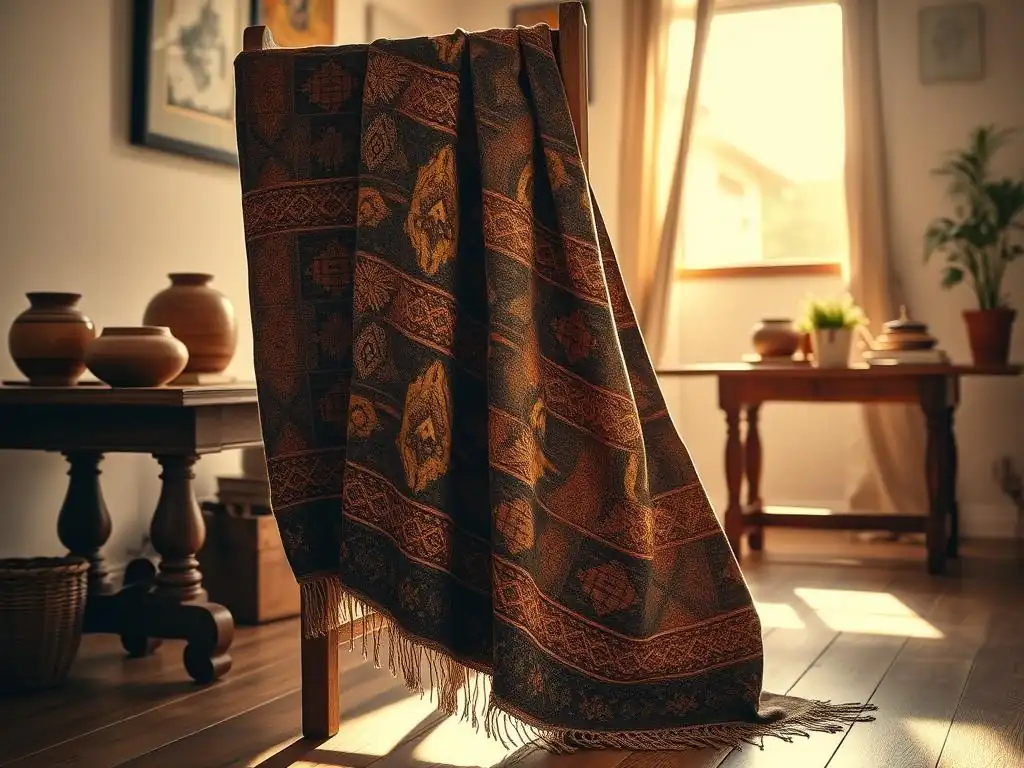
Debunking Myths Surrounding Indigenous Art
Indigenous patterns, often seen merely as decorative elements in modern homes, carry profound meanings and histories that are frequently overlooked. One prevalent misconception is that these patterns are simply aesthetic choices devoid of any cultural significance. In reality, many Indigenous patterns originate from ancient traditions and are imbued with symbolism, storytelling, and spiritual beliefs.
- Art vs. Craft: Some individuals mistakenly categorize Indigenous art as mere craftwork, failing to recognize the deep cultural narratives and rituals associated with these patterns. Each motif and color choice often conveys specific stories or represents tribal identities, making them integral to the cultural heritage of Indigenous peoples.
- Homogeneity of Indigenous Cultures: Another myth is the oversimplification of Indigenous cultures as homogeneous. In truth, there is a rich diversity among Indigenous communities across the Americas, each with unique patterns that reflect their distinct languages, histories, and environments. For example, the geometric designs of the Navajo textiles differ significantly from the floral motifs found in the work of the Ojibwe.
- Commercialization and Misrepresentation: The commercialization of Indigenous patterns can lead to misrepresentation, where designs are appropriated without understanding their context. This not only diminishes the original meaning but also contributes to the erasure of Indigenous identities. It is crucial to approach Indigenous patterns with respect and to honor the creators' intent.
- Temporal Relevance: Some believe that Indigenous patterns are relics of the past that have lost relevance in contemporary society. However, many Indigenous artists are actively reinterpreting these motifs, ensuring their survival and adaptability in modern contexts. Thus, Indigenous patterns continue to evolve, reflecting current social and political issues while maintaining their cultural roots.
The Importance of Authenticity in Indigenous Patterns
Authenticity is essential when it comes to incorporating Indigenous patterns into modern home décor. Genuine Indigenous art is not only a visual representation but also a testament to the resilience and creativity of Indigenous cultures. Here are several reasons why authenticity matters:
- Cultural Preservation: Purchasing authentic Indigenous patterns supports the preservation of cultural traditions and helps keep the stories and meanings alive for future generations. It empowers Indigenous artists and communities, giving them a platform to share their heritage.
- Respect for Intellectual Property: Authenticity respects the intellectual property rights of Indigenous peoples. Many patterns and designs are sacred and should not be used without permission from their creators. Engaging with authentic pieces fosters a deeper understanding of the cultural context and significance behind the art.
- Quality and Craftsmanship: Authentic Indigenous patterns often reflect high standards of craftsmanship and quality. By choosing original works, consumers can appreciate the skill and time invested in creating these pieces. This contrasts sharply with mass-produced imitations that may lack the same level of care and attention.
- Connection to the Past: Incorporating authentic Indigenous patterns into modern homes allows individuals to connect with the rich histories and stories behind these designs. It creates a dialogue between the past and the present, fostering a deeper appreciation for the interconnectedness of cultures.
Understanding the cultural significance of Indigenous patterns requires a commitment to authenticity and respect for the diverse Indigenous communities from which these designs originate. By exploring and honoring the stories woven into these patterns, we not only enrich our living spaces but also contribute to the ongoing narrative of Indigenous cultures in contemporary society.
Real-World Examples of Indigenous Patterns in Modern Homes
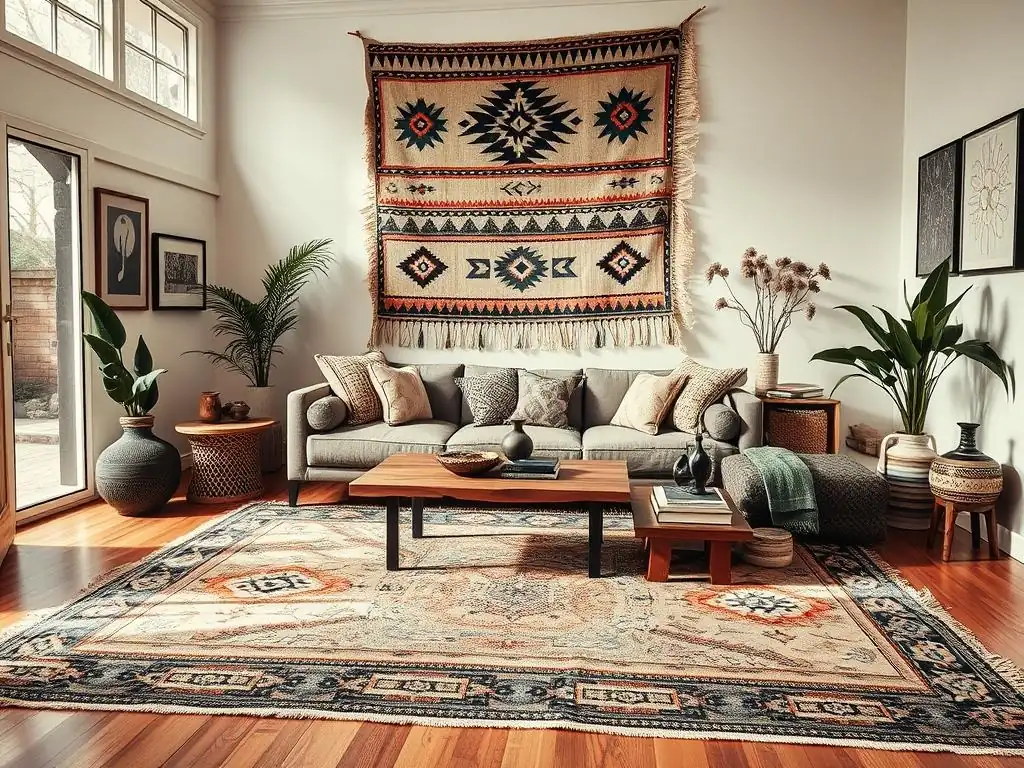
Case Study: A Modern Apartment Featuring Indigenous Textiles
In the heart of a bustling urban landscape, a modern apartment showcases the rich cultural heritage of Indigenous patterns through its interior design. The homeowner, an advocate for Indigenous rights and culture, has transformed their living space into a vibrant tribute to the artistry of various Indigenous communities.
Design Elements
The apartment features Indigenous textiles prominently displayed throughout the space. From handcrafted rugs to wall hangings, each piece tells a story of its origin. For instance, a striking Navajo rug adorns the living room floor, known for its intricate geometric designs that hold significance in Navajo culture. The choice of colors—often derived from natural dyes—reflects the landscapes and traditions of the Navajo Nation.
Other elements include:
- Throw pillows embroidered with Māori patterns, symbolizing strength and unity.
- A woven wall tapestry from the Andean region, showcasing the vibrant colors and patterns that represent the connection between nature and spirituality.
- Ceramic pieces from the Pueblo tribes, featuring traditional motifs that emphasize the importance of community and storytelling.
This apartment serves as a powerful example of how Indigenous patterns can transcend mere decoration, becoming a means of cultural expression and education within a modern context.
Homeowner Testimonials on the Impact of Indigenous Patterns
The impact of incorporating Indigenous patterns in home décor goes beyond aesthetics; it fosters a deeper appreciation for Indigenous cultures. Homeowners who have embraced this design philosophy often share transformative experiences.
Voices from the Community
One homeowner, Sarah, expressed her enthusiasm:
“When I first introduced Indigenous textiles into my home, I was amazed at how they sparked conversations among my friends and family. Each piece carries a narrative that I love to share.”
Another homeowner, James, noted the emotional connection he now feels with his living space:
“The patterns remind me daily of the rich history and traditions that are often overlooked. It's not just decoration; it’s a way to honor the cultures that have influenced our world.”
Cultural Awareness
Homeowners frequently report a heightened sense of cultural awareness and respect when they integrate Indigenous designs into their homes. This not only elevates personal spaces but also serves as a platform for educating others about the cultural significance of Indigenous patterns.
The use of Indigenous patterns in modern homes is a powerful testament to the enduring legacy of Indigenous cultures, enriching contemporary living spaces while promoting cultural appreciation and dialogue.
Conclusion: Celebrating Indigenous Patterns in Contemporary Design
The incorporation of indigenous patterns in modern home décor serves as a powerful reminder of the rich cultural heritage of Indigenous peoples throughout the Americas. These designs are not merely decorative; they encapsulate deep meanings, histories, and stories that have been passed down through generations. By embracing these patterns, contemporary design does not only beautify spaces but also honors and celebrates the artistic expressions of indigenous cultures.
As we reflect on the role of indigenous patterns, we acknowledge their ability to foster connections between past and present, allowing for a more meaningful engagement with the art and traditions of Indigenous communities. The resurgence of indigenous-inspired designs in today's homes represents a growing recognition of their importance, both aesthetically and culturally.
The Lasting Impact of Indigenous Cultural Significance
Indigenous patterns are steeped in cultural significance, often representing various elements such as nature, spirituality, and community. These designs are frequently derived from traditional stories, symbols, and rituals, making them rich in meaning. For instance, many patterns are inspired by local flora and fauna, which reflect a profound connection to the land and its resources.
Examples of Cultural Significance in Patterns:
- Geometric Shapes: Often symbolize unity and the interconnectedness of life.
- Animal Motifs: Represent various qualities or traits attributed to specific species, such as strength, wisdom, or harmony.
- Color Schemes: Each color can have unique meanings; for instance, red may signify life and vitality, while blue often represents peace and tranquility.
By understanding these meanings, homeowners can transform their living spaces into narratives that resonate with the values and beliefs of Indigenous cultures. This deeper appreciation can inspire individuals to engage with these patterns beyond their visual appeal, fostering a sense of respect and understanding for the traditions they represent.
Encouraging a Deeper Appreciation for Indigenous Heritage
To truly appreciate the cultural significance of indigenous patterns, it is essential to engage with the stories and histories that accompany them. This involves not only recognizing the artistic elements but also understanding the broader context of Indigenous cultures, their struggles, and their resilience.
Ways to Cultivate Appreciation:
- Educational Resources: Explore books, documentaries, and online resources that delve into indigenous history and art.
- Community Engagement: Participate in local events or workshops hosted by Indigenous artisans, allowing for direct interaction and learning.
- Support Indigenous Artists: Purchase artwork and home décor items from Indigenous creators, promoting their work and stories.
By actively seeking to understand and honor the significance of indigenous patterns, individuals can contribute to the preservation of these rich cultural narratives. This not only enriches personal spaces but also fosters a broader societal appreciation for Indigenous heritage, ensuring that these traditions continue to thrive in modern contexts.
The celebration of indigenous patterns in contemporary design is not merely an aesthetic choice but a meaningful engagement with the profound cultural significance they embody. Through this appreciation, we can help to honor and sustain the legacy of Indigenous civilizations in the Americas.
Frequently Asked Questions
What are indigenous patterns and their significance?
Indigenous patterns are design motifs that reflect the cultural heritage and traditions of various indigenous communities. They often hold symbolic meanings related to nature, spirituality, and identity.
How do indigenous patterns influence modern home decor?
Modern home decor often incorporates indigenous patterns to celebrate and acknowledge the cultural significance of these designs. This practice promotes cultural appreciation and can enhance the aesthetic appeal of spaces.
Why is it important to understand the cultural significance of these patterns?
Understanding the cultural significance of indigenous patterns fosters respect and awareness of indigenous cultures. It helps in preserving their heritage and promoting cultural diversity in contemporary society.
Are there any ethical considerations when using indigenous patterns in design?
Yes, it is crucial to approach the use of indigenous patterns with sensitivity and respect. Engaging with indigenous communities and ensuring that designs are used in a way that honors their cultural significance is essential.
How can one incorporate indigenous patterns while respecting their origins?
To incorporate indigenous patterns respectfully, one should seek to collaborate with indigenous artists or communities. This ensures that the patterns are used in a way that acknowledges their cultural significance and supports indigenous livelihoods.
Final Reflection: Embracing the Cultural Significance of Indigenous Patterns
The exploration of Indigenous patterns in modern homes reveals a profound connection between art, identity, and heritage. In today’s world, where globalization often threatens the uniqueness of cultural expressions, the resurgence of Indigenous patterns serves as a powerful reminder of the importance of honoring and preserving these rich traditions. As we incorporate these designs into our living spaces, we not only beautify our homes but also acknowledge and celebrate the stories and histories they represent.
The influence of Indigenous patterns extends far beyond mere aesthetics; they are a testament to resilience, creativity, and cultural pride. These patterns have the power to transform our understanding of home, inviting us to reflect on the narratives woven into each design. As we embrace these elements, we contribute to a larger conversation about cultural appreciation and respect. Art is not a mirror to hold up to society, but a hammer with which to shape it.
– Bertolt Brecht. This quote encapsulates the transformative nature of Indigenous patterns, encouraging us to see them as tools for change and understanding in our contemporary lives.
As you reflect on the cultural significance of Indigenous patterns, consider how you can incorporate this awareness into your own life. Take a moment to appreciate the stories behind the designs you choose for your home, and let them inspire you to engage with and support Indigenous communities. By doing so, you not only enrich your living space but also become an advocate for cultural preservation and respect, ensuring that these beautiful patterns continue to thrive for generations to come.
Unveil the Connection: Integrate Indigenous Patterns in Your Home!
Thank you for exploring the rich tapestry of Indigenous patterns and their cultural significance! You've gained a deeper understanding of how these designs reflect history and identity. Now, let's take it a step further and incorporate this appreciation into your own space.
Here are some impactful actions you can take:
- Curate a collection of Indigenous art or textiles that resonate with you, allowing you to showcase these meaningful pieces in your home.
- Engage with local Indigenous communities by attending workshops or cultural events to deepen your knowledge of their artistry and stories.
- Share your journey on social media or with friends— inspire others to explore and celebrate Indigenous heritage as well!
Which Indigenous pattern or story speaks to you the most, and how do you envision incorporating it into your living space?