
Indigenous Superfoods: Nutritional Powerhouses Changing Global Eating Habits

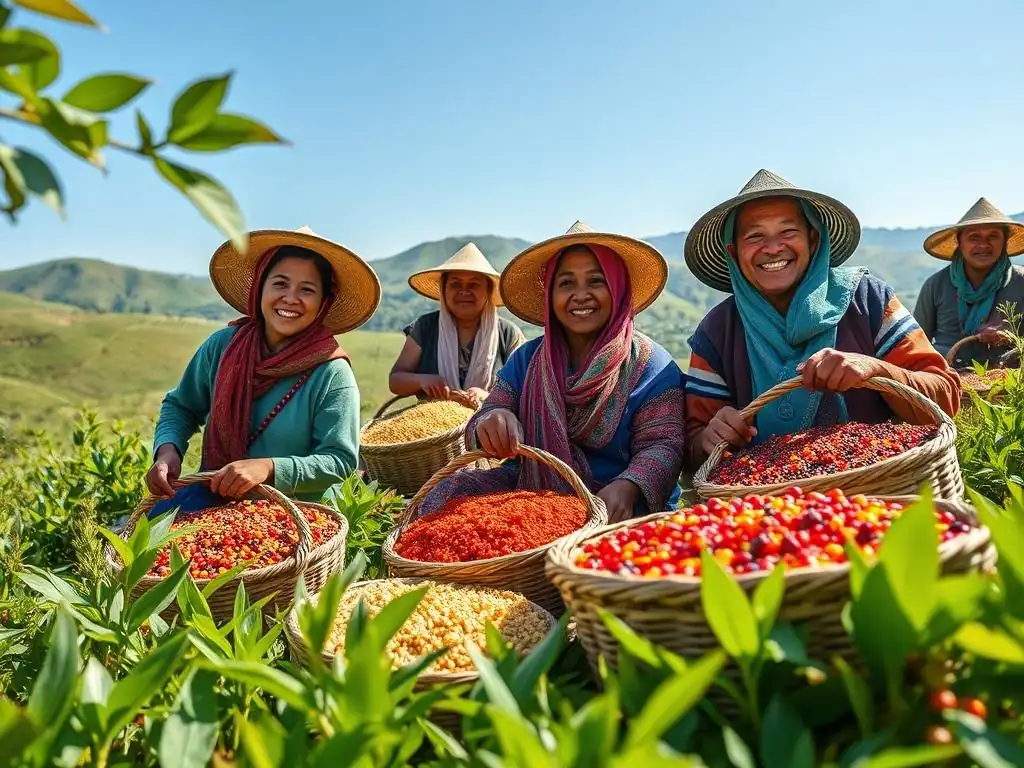
Welcome to Indigenous Civilizations of the Americas, where we invite you to embark on a fascinating journey through the rich tapestry of cultures that flourished long before European contact. Our featured article, "Indigenous Superfoods: Nutritional Powerhouses Changing Global Eating Habits," uncovers the exceptional nutritional benefits of traditional foods that have sustained indigenous communities for centuries.
Discover how these superfoods not only nourish the body but also hold profound cultural significance, shaping a lifestyle that resonates with sustainability and health. Join us as we delve deeper into the remarkable legacies of these civilizations and their contributions to modern culinary practices—your exploration starts here!
Introduction to Indigenous Superfoods
Indigenous superfoods represent a vital connection to the rich tapestry of cultures that flourished across the Americas long before European contact. These foods, cultivated and revered by indigenous peoples, are not only staples of their traditional diets but also embody centuries of agricultural knowledge and sustainable practices. Today, as the global culinary landscape increasingly embraces diversity and health consciousness, these superfoods are emerging as nutritional powerhouses, transforming eating habits worldwide.
From the nutrient-dense quinoa of the Andean highlands to the vibrant açaí berries of the Amazon rainforest, these ingredients offer a wealth of benefits that extend beyond mere sustenance. They are steeped in history, cultural significance, and ecological wisdom, reinforcing the connection between food, community, and the environment. In this article, we will delve into the nutritional benefits of these indigenous superfoods, exploring how they are reshaping diets and influencing global cuisine.
The Nutritional Benefits of Indigenous Superfoods
Indigenous superfoods are celebrated not only for their unique flavors but also for their impressive health benefits. Here are some key nutritional advantages associated with these remarkable foods:
- Rich in Nutrients: Many indigenous superfoods are packed with essential vitamins, minerals, and antioxidants. For instance, amaranth is a complete protein containing all nine essential amino acids, making it an excellent choice for vegetarians and vegans.
- High in Fiber: Foods like blue corn and wild rice boast high fiber content, which aids in digestion and helps maintain a healthy weight. Fiber-rich diets are linked to lower risks of chronic diseases, such as heart disease and diabetes.
- Anti-inflammatory Properties: Ingredients such as turmeric and maca have been used for centuries for their medicinal properties. These superfoods contain compounds that can reduce inflammation and support overall health.
- Sustainable Energy Sources: Many indigenous superfoods provide sustained energy due to their complex carbohydrates. For example, cassava and sweet potatoes are excellent sources of slow-releasing energy, ideal for maintaining stamina throughout the day.
This focus on nutritional benefits highlights the value of indigenous superfoods not just as dietary staples but as integral components of a holistic approach to health and well-being.
Popular Indigenous Superfoods and Their Uses
Indigenous superfoods have gained recognition in both local and global markets, leading to a resurgence of traditional ingredients in contemporary cooking. Here are some popular examples:
- Quinoa:
- Origin: Andes Mountains
- Uses: Salads, grain bowls, baking
- Nutritional Highlights: Complete protein, high in fiber, rich in magnesium
- Açaí Berries:
- Origin: Amazon Rainforest
- Uses: Smoothie bowls, juices, supplements
- Nutritional Highlights: High in antioxidants, omega fatty acids, and fiber
- Chia Seeds:
- Origin: Central and South America
- Uses: Puddings, smoothies, baked goods
- Nutritional Highlights: Rich in omega-3 fatty acids, high in fiber, protein source
- Cacao:
- Origin: Mesoamerica
- Uses: Chocolate products, health supplements, beverages
- Nutritional Highlights: High in antioxidants, magnesium, and iron
These indigenous superfoods not only enhance culinary creativity but also contribute to healthier eating habits, encouraging a return to whole, nutrient-dense foods that reflect the wisdom of ancient agricultural practices. As more people discover their benefits, indigenous superfoods are poised to play a significant role in shaping the future of global cuisine.
The Rise of Indigenous Ingredients in Global Cuisines
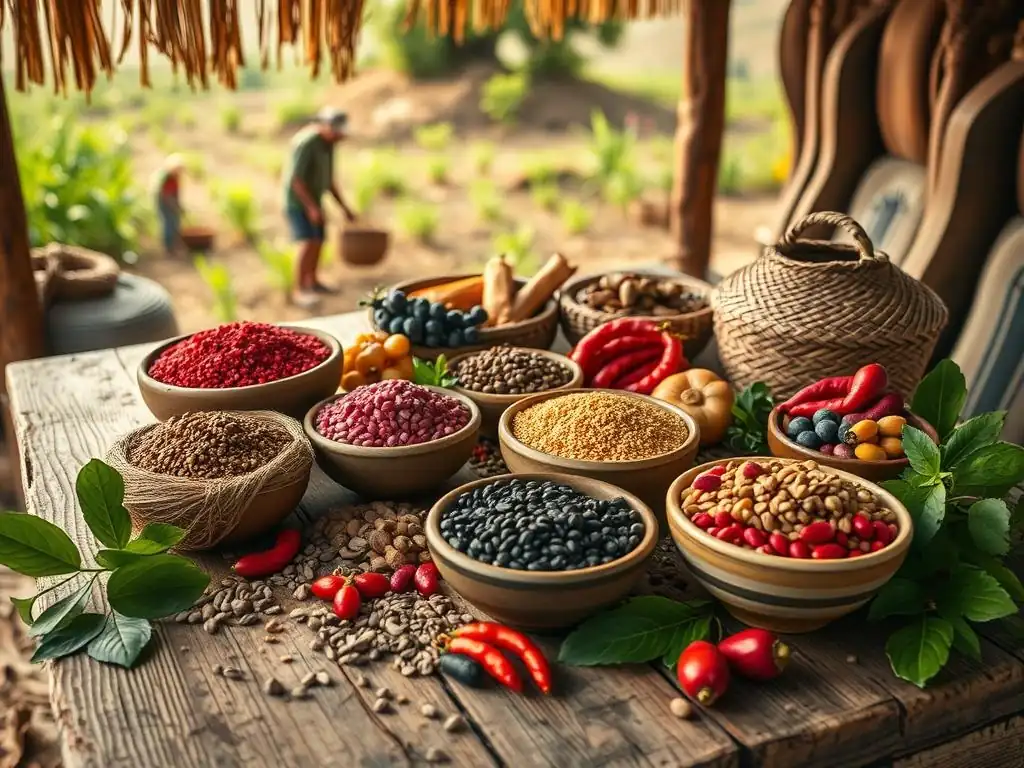
The incorporation of indigenous ingredients into global cuisines has experienced a remarkable surge in recent years. This trend not only reflects a growing appreciation for diverse flavors but also a recognition of the nutritional benefits that these indigenous superfoods offer. Many of these ingredients, such as quinoa, amaranth, and chia seeds, have been staples in indigenous diets for centuries, valued for their high nutrient content and versatility.
As consumers become increasingly health-conscious, there is a noticeable shift towards natural, whole foods that provide a range of health benefits. Indigenous superfoods are often rich in vitamins, minerals, and antioxidants that promote overall health and wellness. For instance, quinoa is celebrated for its complete protein profile, containing all nine essential amino acids, while chia seeds are packed with omega-3 fatty acids, fibers, and minerals. This shift has propelled indigenous ingredients from the periphery of culinary practices into the mainstream, with chefs and food enthusiasts alike embracing these nutrient-dense options.
Moreover, the rise of indigenous superfoods is also tied to the broader movement towards sustainability and ethical sourcing. Many indigenous communities have cultivated these crops using traditional methods that prioritize ecological balance and biodiversity. By choosing to incorporate these ingredients into global diets, consumers also support sustainable agricultural practices and help preserve indigenous cultures and traditions.
Challenges and Opportunities in Promoting Indigenous Superfoods
Despite the growing popularity of indigenous superfoods, several challenges hinder their promotion and accessibility in global markets. One significant obstacle is the lack of awareness among consumers regarding the nutritional benefits and culinary uses of these ingredients. While some, like quinoa, have gained recognition, many others remain relatively unknown, limiting their potential impact on global eating habits.
Furthermore, supply chain issues can pose significant barriers. Many indigenous superfoods are cultivated in specific regions and may not have the logistical support required to reach international markets efficiently. This can lead to inconsistent availability, driving up prices and making them less accessible to consumers who might otherwise embrace them.
However, the rise of digital platforms and social media presents unique opportunities for education and awareness. Influencers and culinary experts are increasingly showcasing indigenous superfoods in recipes, highlighting their versatility and health benefits. Collaborative efforts between indigenous farmers and global brands can also enhance the visibility of these ingredients, promoting fair trade practices and fostering connections between cultures.
In addition, as the demand for plant-based diets continues to grow, there is a significant opportunity for indigenous superfoods to occupy a central role in modern cuisine. By embracing these ingredients, food manufacturers and chefs can tap into the health-conscious market while honoring the traditions and knowledge of indigenous cultures.
How to Incorporate Indigenous Superfoods into Your Diet
Incorporating indigenous superfoods into your diet can be both enjoyable and nutritious. Here are some practical ways to include these powerhouse ingredients in your meals:
- Smoothies and Bowls: Start your day with a nutrient-packed smoothie or bowl that features ingredients like acai berries, chia seeds, or spirulina. These superfoods add vibrant color and a host of health benefits.
- Salads and Dressings: Add quinoa or amaranth to salads for a protein boost. You can also create dressings using hemp seeds or pumpkin seeds for added flavor and nutrition.
- Snacks: Snack on dried goji berries, cacao nibs, or native nuts like pecans and walnuts. These snacks are rich in antioxidants and healthy fats, making them a great option for energy throughout the day.
- Soups and Stews: Incorporate native beans such as black beans or kidney beans into soups and stews. These legumes are high in protein and fiber, offering a hearty addition to any dish.
- Baking: Substitute traditional flours with teff or cassava flour in your baking to add nutritional value and unique flavors to your breads and pastries.
By thoughtfully incorporating indigenous superfoods into your diet, you not only enhance your nutritional intake but also support sustainable practices and honor the rich cultural heritage behind these ingredients. Embrace the journey of exploring diverse flavors while enjoying the numerous health benefits these nutritional powerhouses provide!
Conclusion: Embracing Indigenous Superfoods for a Healthier Future
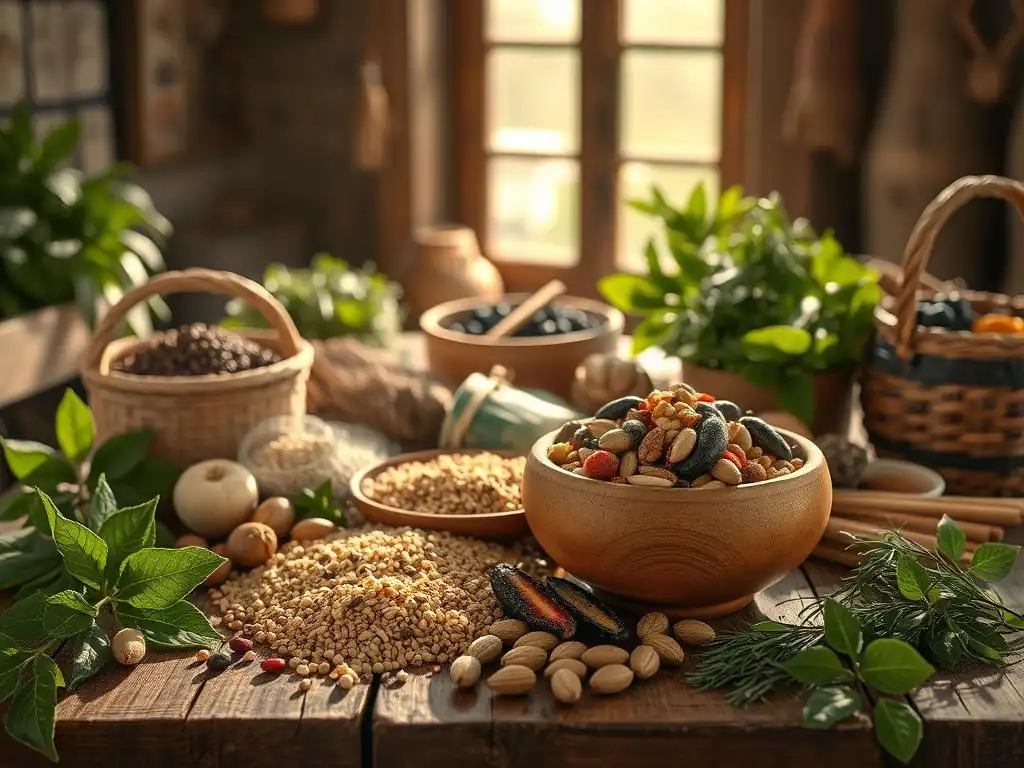
Indigenous superfoods represent a profound connection to the earth, culture, and nutrition that has been cultivated over centuries by various communities across the Americas. The resurgence of interest in these ingredients not only highlights their exceptional nutritional benefits, such as high levels of antioxidants, vitamins, and minerals, but also serves as a reminder of the wisdom embedded in traditional food systems. By incorporating indigenous superfoods into our diets, we not only improve our health but also support sustainable agricultural practices and the preservation of cultural heritage.
As global eating habits shift towards more plant-based and nutrient-dense options, embracing indigenous superfoods can lead to a more balanced and health-conscious lifestyle. Foods like quinoa, amaranth, and wild rice provide essential nutrients that can help combat modern health issues such as obesity, diabetes, and heart disease. The unique flavors and textures of these ingredients also offer exciting culinary possibilities, enriching our meals while honoring the traditions and knowledge of indigenous peoples.
Call to Action: Explore More Indigenous Ingredients
Are you ready to elevate your culinary experience while supporting indigenous cultures? Explore the diverse world of indigenous ingredients available to you. From nutrient-packed seeds and grains to vibrant fruits and vegetables, there is a wealth of options waiting to be discovered. Consider integrating ingredients such as:
- Quinoa: A complete protein that supports muscle repair and provides energy.
- Chia seeds: Packed with omega-3 fatty acids, these tiny seeds are great for heart health.
- Cacao: Rich in antioxidants, cacao not only satisfies your sweet tooth but also boosts mood and cognitive function.
- Amaranth: A gluten-free grain that offers substantial fiber content, aiding digestion and promoting satiety.
Try visiting local health food stores or farmers' markets to find these superfoods. You can also experiment with recipes that highlight their unique flavors, giving you a delicious way to support indigenous agriculture and traditions. By making conscious choices about the foods we consume, we can contribute to a healthier planet and community.
References and Further Reading
To deepen your understanding of indigenous superfoods and their nutritional benefits, consider exploring the following resources:
- Books:
- "Eating on the Wild Side" by Jo Robinson - A guide to the nutritional benefits of wild and traditional foods.
- "The New Whole Foods Encyclopedia" by Rebecca Wood - An extensive reference on various whole foods, including indigenous ingredients.
- Articles & Journals:
- Journal of Ethnobiology and Ethnomedicine - A peer-reviewed journal focusing on the study of the relationships between people and plants.
- "Indigenous Foods in a Globalized World" - A comprehensive article exploring the impact of globalization on indigenous food systems.
- Websites:
- The Indigenous Food Systems Network - An organization dedicated to promoting indigenous food sovereignty and health.
- The Native American Food Sovereignty Alliance - A resource for learning about traditional foods and their cultural significance.
By engaging with these resources, you can further appreciate the nutritional power and cultural importance of indigenous superfoods, while also supporting their resurgence in modern diets.
- Introduction to Indigenous Superfoods
- The Nutritional Benefits of Indigenous Superfoods
- Popular Indigenous Superfoods and Their Uses
- The Rise of Indigenous Ingredients in Global Cuisines
- Challenges and Opportunities in Promoting Indigenous Superfoods
- How to Incorporate Indigenous Superfoods into Your Diet
- Conclusion: Embracing Indigenous Superfoods for a Healthier Future
- Call to Action: Explore More Indigenous Ingredients
- References and Further Reading
Frequently Asked Questions
What are indigenous superfoods?
Indigenous superfoods refer to traditional foods cultivated by native cultures in the Americas, known for their high nutritional value and health benefits.
How do indigenous superfoods impact global eating habits?
The incorporation of indigenous superfoods into modern diets promotes diversity in nutrition, encouraging people to explore traditional diets for their health benefits and sustainability.
What are some examples of indigenous superfoods?
Examples include quinoa, amaranth, and chia seeds, all of which are praised for their rich nutrient profiles and are gaining popularity worldwide.
What are the nutritional benefits of these superfoods?
These superfoods are typically high in protein, fiber, and essential vitamins and minerals, contributing to better health and supporting overall well-being.
How can I incorporate indigenous superfoods into my diet?
You can add indigenous superfoods to smoothies, salads, or as a base for meals, making it easy to enjoy their nutritional benefits while diversifying your meals.
Final Reflection: Embracing Indigenous Superfoods for a Healthier Future
The exploration of indigenous superfoods and their nutritional benefits is more relevant today than ever before. As the world grapples with health crises and environmental challenges, these nutrient-dense foods offer not only a solution for personal well-being but also a path toward sustainable eating habits. The resurgence of interest in indigenous superfoods highlights a pivotal shift in global eating patterns, encouraging us to reconnect with nature and the wisdom of traditional diets.
The impact of indigenous superfoods extends beyond individual health; it resonates deeply within our cultural and social landscapes. By embracing these foods, we honor the traditions and knowledge of indigenous communities, fostering a sense of respect and appreciation for their contributions to our global food system. As we incorporate these superfoods into our diets, we also participate in a broader movement towards sustainability and biodiversity. Food is not just what we eat; it is a reflection of our culture, our environment, and our values.
As we reflect on the insights gained from this exploration, I invite you to consider how you can incorporate indigenous superfoods into your own life. Think about the choices you make at the grocery store and the meals you prepare. By choosing to embrace these nutritional powerhouses, you not only nourish your body but also support the preservation of cultural heritage and sustainable practices. Let us take action together, celebrating the rich diversity of our food systems and paving the way for a healthier, more inclusive future.
Unlock the Power of Indigenous Superfoods Today!
Thank you for exploring the world of indigenous superfoods! You've discovered the nutritional powerhouses that are transforming global eating habits. Now, it's time to take your newfound knowledge and make a meaningful impact on your health and the planet.
Here are some simple yet transformative actions you can take right now:
- Incorporate indigenous superfoods into your meals: Start by adding ingredients like quinoa, amaranth, or chia seeds to your favorite dishes.
- Join a local workshop or cooking class: Explore the preparation of traditional recipes featuring these superfoods and meet others who are committed to healthy eating.
- Share your journey: Post about your experiences with indigenous superfoods on social media, and encourage friends to join you on this delicious adventure!
What indigenous superfood will you try first, and how do you envision it enhancing your meals? We’d love to hear your thoughts!