
Engaging with Nature: Traditional Ecological Knowledge of Amazonian Tribes

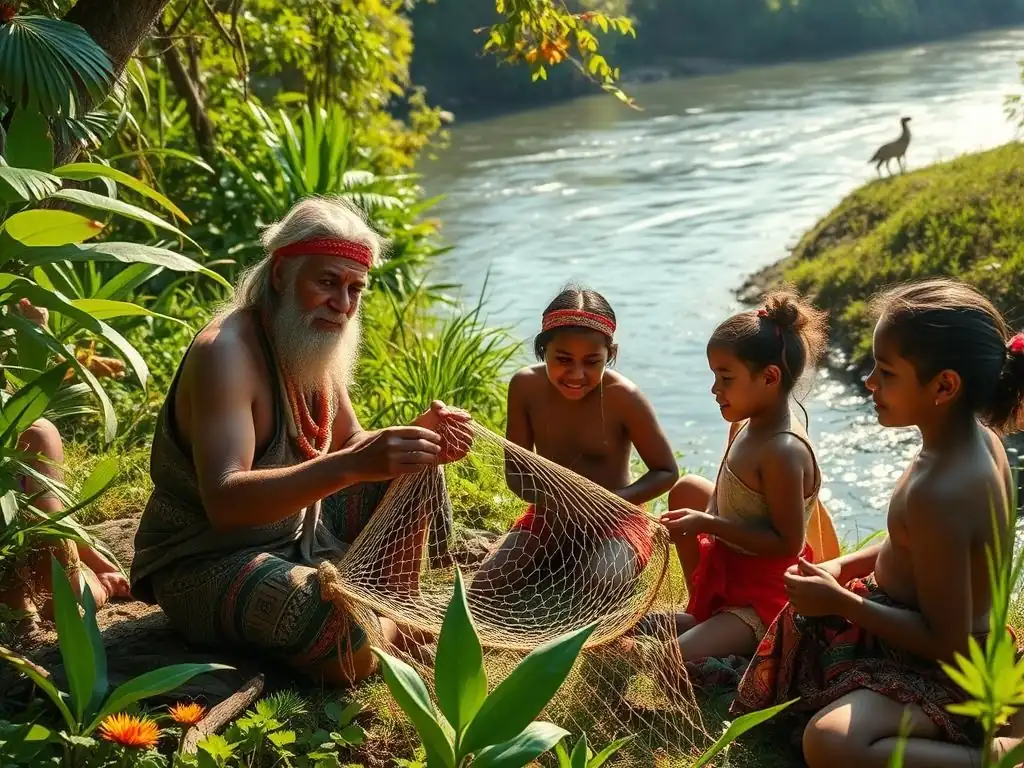
Welcome to Indigenous Civilizations of the Americas, where we embark on a captivating journey through the rich tapestry of indigenous cultures that flourished long before European contact. In this exploration, we delve into the profound traditional ecological knowledge of Amazonian tribes, uncovering how their wisdom and practices have shaped their relationship with nature. Are you ready to discover the incredible insights these communities have to offer? Join us as we unveil the intricate connections between culture, sustainability, and the environment, inviting you to engage with the stories and traditions that continue to resonate today.
The Amazon rainforest, often referred to as the "lungs of the Earth," is not only a rich repository of biodiversity but also a vibrant tapestry of indigenous cultures. Among these, the tribes of the Amazon have developed profound Traditional Ecological Knowledge (TEK) that interweaves their cultural practices with environmental stewardship.
This article delves into the intricate relationship between Amazonian tribes and their natural surroundings, highlighting how their knowledge systems contribute to sustainability and biodiversity conservation. As we explore the theme of "Traditional ecological knowledge Amazonian tribes," we aim to illuminate the significant role these cultures play in maintaining the ecological balance of their habitats and the lessons they offer to the modern world.
Introduction to Traditional Ecological Knowledge (TEK)
Traditional Ecological Knowledge (TEK) encompasses the cumulative body of knowledge, practices, and beliefs developed by indigenous peoples over generations. This knowledge is deeply rooted in their interactions with the environment, encompassing a holistic understanding of ecosystems, species behavior, and sustainable resource management.
Key aspects of TEK include:
- Empirical Observations: Indigenous tribes observe and interpret natural phenomena, leading to an intimate understanding of ecological relationships.
- Cultural Practices: Rituals, stories, and practices passed down through generations reinforce sustainable interactions with nature.
- Adaptation: TEK reflects adaptability to environmental changes, showcasing how indigenous peoples respond to challenges such as climate fluctuations.
Through TEK, Amazonian tribes have cultivated a rich repository of knowledge that not only reflects their cultural heritage but also offers valuable insights for contemporary environmental management.
The Role of Amazonian Tribes in Biodiversity Conservation
Amazonian tribes play a critical role in the conservation of biodiversity within the rainforest. By integrating TEK into their daily lives, these communities effectively manage their surroundings, ensuring the sustainability of resources for future generations.
Some ways in which Amazonian tribes contribute to biodiversity conservation are:
- Sustainable Harvesting: Many tribes practice selective harvesting methods, which maintain the health of ecosystems while providing for their needs.
- Preservation of Habitats: Indigenous lands often serve as sanctuaries for wildlife, preventing deforestation and habitat destruction.
- Cultural Significance: The spiritual connection to nature inherent in many Amazonian cultures fosters a deep respect for all forms of life, promoting conservation efforts.
The influence of these indigenous practices is increasingly recognized as essential in global efforts to combat biodiversity loss and climate change.
Key Elements of Traditional Ecological Knowledge
Understanding the key elements of TEK is crucial for appreciating its significance in Amazonian cultures. These elements reflect the unique perspectives of indigenous peoples and their adaptive strategies:
- Interconnectedness: TEK emphasizes the interdependence of all living beings, recognizing that the health of one species is linked to the well-being of another.
- Local Knowledge: The specific knowledge of local flora and fauna, including medicinal plants and food sources, is vital for survival and health.
- Seasonal Cycles: Awareness of seasonal changes informs harvesting practices, agricultural activities, and migration patterns, ensuring that resources are used sustainably.
- Cultural Traditions: Ceremonies and rituals play a critical role in reinforcing the values of stewardship and respect for nature.
The Traditional Ecological Knowledge of Amazonian tribes is a treasure trove of insights that not only enriches the cultural heritage of the Americas but also holds the key to sustainable practices essential for the preservation of our planet's ecosystems.
Sustainable Practices Based on Traditional Ecological Knowledge
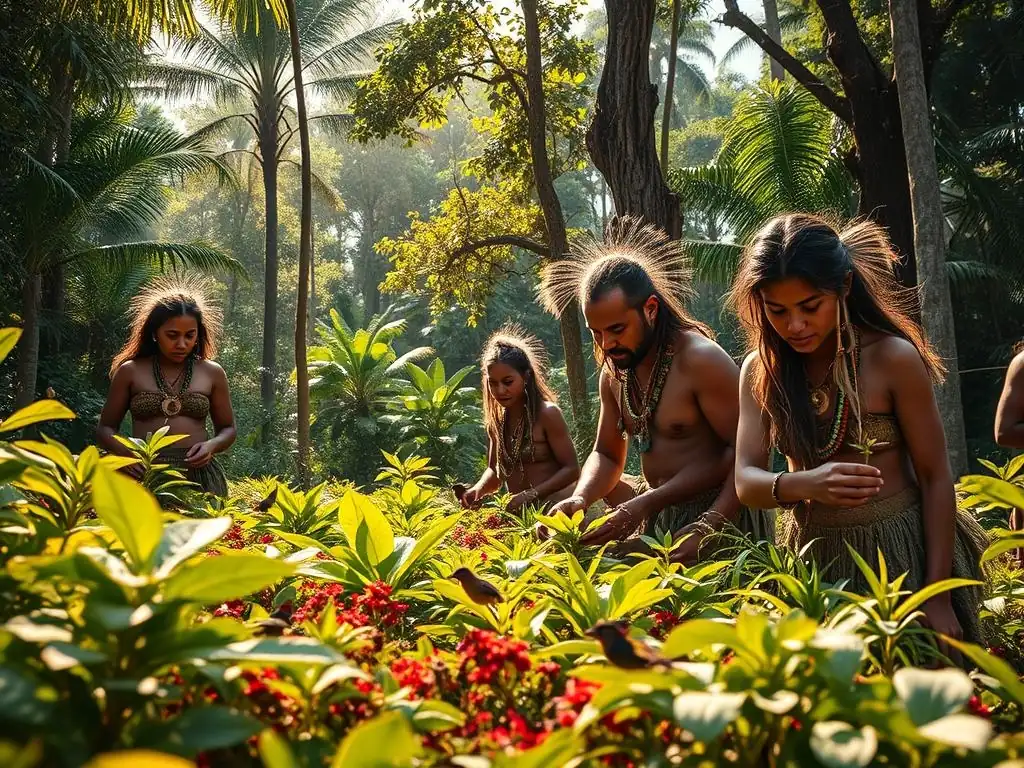
Traditional Ecological Knowledge (TEK) among Amazonian tribes encompasses a profound understanding of the ecosystems in which they live. This knowledge is deeply rooted in centuries of observation, experience, and interaction with the natural environment. Many Amazonian tribes employ sustainable practices that ensure the longevity of their resources while maintaining ecological balance.
One primary sustainable practice is shifting cultivation, often referred to as "slash-and-burn" agriculture. In this method, tribes clear small patches of forest for planting, allowing the land to regenerate before returning to it in a cyclical manner. This approach minimizes soil depletion and encourages biodiversity, as various crops are grown together to support different species and enhance soil health.
Another significant aspect of TEK is the management of wildlife and fisheries. Amazonian tribes often have intricate systems of resource management that dictate when and how certain species may be hunted or fished. For instance, many tribes implement seasonal restrictions based on reproductive cycles, ensuring that populations remain stable and ecosystems thrive.
Additionally, the practice of agroforestry—integrating agriculture with forest conservation—highlights the innovative approaches employed by these communities. By cultivating crops alongside native trees, tribes can enhance soil fertility, reduce erosion, and promote habitat for wildlife, all while securing their food sources.
These sustainable practices not only reflect a deep respect for the environment but also demonstrate a holistic understanding of ecological interdependence, which is pivotal in the face of modern environmental challenges.
Challenges Faced by Amazonian Tribes in Preserving TEK
Despite their invaluable contributions to sustainability, Amazonian tribes face a myriad of challenges in preserving their Traditional Ecological Knowledge (TEK). One of the most pressing issues is deforestation, primarily driven by agricultural expansion, logging, and infrastructure development. This loss of forest reduces the resources available for traditional practices and disrupts ecological balance, threatening the very foundation of TEK.
Another significant challenge is climate change, which alters weather patterns and affects the availability of resources. Many tribes rely on specific seasonal cues for harvesting and cultivation, and changes in these patterns can lead to food insecurity and loss of biodiversity. For instance, altered rainfall can affect the growth of vital crops and the health of fish populations, creating a ripple effect on their traditional practices.
Furthermore, the erosion of cultural identity poses a critical threat. As younger generations migrate to urban areas or are influenced by external cultures, there is a risk of losing traditional practices and the knowledge that supports them. This cultural shift can lead to a disconnect from the land, diminishing the transmission of TEK from elders to youth.
Lastly, external pressures, including land rights issues and inadequate governmental support, hinder the ability of indigenous communities to practice and pass on their ecological knowledge. Many tribes struggle for recognition of their land rights, making it difficult to maintain their traditional lifestyles and practices.
Revitalizing Traditional Ecological Knowledge
Revitalizing Traditional Ecological Knowledge (TEK) among Amazonian tribes is essential for both cultural preservation and environmental sustainability. Various initiatives and community-driven efforts are underway to foster this revival and ensure that TEK remains a vital part of indigenous identities.
One effective approach is the intergenerational transfer of knowledge, where elders actively engage with younger members of the community to share their experiences and teachings. This can take place through community workshops, storytelling sessions, and hands-on activities that emphasize the importance of traditional practices in contemporary contexts. For example, teaching younger generations about the medicinal properties of native plants strengthens both health practices and cultural ties.
Collaborative projects with academic institutions and environmental organizations can also play a pivotal role in revitalizing TEK. By partnering with indigenous communities, researchers can help document and validate traditional practices, creating a bridge between scientific knowledge and indigenous wisdom. This collaborative approach can enhance the visibility and appreciation of TEK at local, national, and international levels.
Moreover, policy advocacy is crucial for supporting the rights and knowledge of indigenous peoples. By promoting legal recognition of land rights and advocating for the inclusion of TEK in environmental policies, tribes can assert their role as stewards of the Amazon. This not only empowers communities but also contributes to broader conservation efforts.
Lastly, the use of technology can aid in the revitalization of TEK. Digital platforms can be utilized to share knowledge and resources, allowing for wider dissemination and engagement with younger audiences. By incorporating modern tools while respecting traditional practices, Amazonian tribes can ensure that their ecological wisdom continues to thrive in a rapidly changing world.
The Future of Traditional Ecological Knowledge in the Amazon

The future of Traditional Ecological Knowledge (TEK) in the Amazon is a critical area of focus as climate change and environmental degradation pose significant threats to the region's biodiversity and the livelihoods of its indigenous communities. TEK, which encompasses the understanding and practices that indigenous peoples have developed over generations, offers invaluable insights into sustainable resource management and conservation strategies that can benefit both the environment and local populations.
One of the promising avenues for the future of TEK lies in its integration into modern conservation efforts and policies. Collaborative projects that engage indigenous communities in decision-making processes can empower them to advocate for their rights and knowledge. For example, initiatives to incorporate TEK into biodiversity conservation plans have been gaining traction, demonstrating that indigenous methods can complement scientific approaches to ecosystem management.
However, the preservation of TEK is also challenged by external pressures, such as deforestation, mining, and agricultural expansion. These activities not only threaten the Amazon’s ecosystems but also undermine the cultural practices rooted in TEK. Thus, it's essential to promote legal frameworks that protect indigenous lands and their rights, ensuring that TEK can continue to flourish. Organizations focused on indigenous rights are increasingly advocating for policies that recognize the importance of TEK in global environmental discussions, highlighting its role in achieving sustainable development goals.
Moreover, education plays a pivotal role in sustaining TEK for future generations. By fostering intergenerational knowledge transfer and incorporating TEK into educational curricula, indigenous youth can remain connected to their heritage while also engaging with contemporary environmental issues. This blend of traditional wisdom and modern education can cultivate a new generation of environmental stewards committed to preserving the Amazon's rich cultural and ecological tapestry.
Conclusion: The Value of Traditional Ecological Knowledge
Traditional Ecological Knowledge is not merely a collection of ancient practices; it represents a holistic worldview that emphasizes the interconnectedness of all living beings. The value of TEK lies in its potential to enhance biodiversity conservation, inform sustainable land use, and foster resilience in the face of environmental change. Amazonian tribes have developed sophisticated systems of understanding their environment, which have proven effective in managing resources sustainably.
By recognizing and valuing TEK, we can not only support indigenous communities but also enrich our global understanding of ecology. The insights gained from TEK can guide contemporary environmental practices, offering alternative solutions to pressing issues such as deforestation and habitat loss. Emphasizing the importance of TEK can also help bridge the gap between indigenous and scientific knowledge, creating a more inclusive dialogue around environmental stewardship.
Furthermore, the survival of TEK is crucial for maintaining cultural identity among Amazonian tribes. As these communities navigate the challenges of modernization and globalization, the preservation of their knowledge systems becomes essential for their cultural continuity. Supporting TEK is not just about protecting the environment; it's about safeguarding the heritage and future of the indigenous peoples of the Amazon.
References and Further Reading
- Berkes, F. (2012). Sacred Ecology: Traditional Ecological Knowledge and Resource Management. New York: Routledge.
- Gadgil, M., Berkes, F., & Folke, C. (1993). Indigenous Knowledge for Biodiversity Conservation. In Biodiversity Conservation (pp. 151-171). Springer.
- Maffi, L. (2005). Linguistic, Cultural, and Biological Diversity. Annual Review of Anthropology, 34, 599-617.
- Nakashima, D. J., & Roué, M. (2002). Protecting Indigenous Knowledge and Cultural Heritage. In Indigenous Knowledge and Ethics (pp. 1-22). UNESCO.
- Posey, D. A. (1999). Cultural and Spiritual Values of Biodiversity. UNESCO.
These resources provide further insight into the significance of Traditional Ecological Knowledge and its role in contemporary environmental and cultural discussions.
- Introduction to Traditional Ecological Knowledge (TEK)
- The Role of Amazonian Tribes in Biodiversity Conservation
- Key Elements of Traditional Ecological Knowledge
- Sustainable Practices Based on Traditional Ecological Knowledge
- Challenges Faced by Amazonian Tribes in Preserving TEK
- Revitalizing Traditional Ecological Knowledge
- The Future of Traditional Ecological Knowledge in the Amazon
- Conclusion: The Value of Traditional Ecological Knowledge
- References and Further Reading
- What is Traditional Ecological Knowledge (TEK) in the context of Amazonian tribes?
- How do Amazonian tribes use TEK in their daily lives?
- What are some examples of TEK practices among Amazonian tribes?
- Why is TEK important for biodiversity conservation in the Amazon?
- How can understanding TEK benefit modern environmental management?
Frequently Asked Questions
What is Traditional Ecological Knowledge (TEK) in the context of Amazonian tribes?
Traditional Ecological Knowledge refers to the understanding and practices developed by indigenous communities over generations, particularly concerning their relationship with the environment.
How do Amazonian tribes use TEK in their daily lives?
Amazonian tribes utilize TEK for sustainable resource management, guiding their hunting, fishing, and farming practices to ensure the health of their ecosystems.
What are some examples of TEK practices among Amazonian tribes?
Examples of TEK practices include agroforestry, crop rotation, and the use of medicinal plants, all of which contribute to both biodiversity conservation and community well-being.
Why is TEK important for biodiversity conservation in the Amazon?
TEK plays a crucial role in biodiversity conservation by promoting sustainable practices that protect the intricate balance of the Amazon’s ecosystems, which are vital for the planet's health.
How can understanding TEK benefit modern environmental management?
Integrating TEK into modern environmental management can provide valuable insights into sustainable practices, enhancing our ability to address environmental challenges effectively.
Final Reflection: Embracing Traditional Ecological Knowledge for a Sustainable Future
Engaging with nature through the lens of traditional ecological knowledge is not just a relic of the past; it is a vital framework for addressing today's environmental challenges. As we face unprecedented ecological crises, the wisdom of Amazonian tribes offers invaluable insights into sustainable practices that have thrived for generations. This knowledge is not merely historical; it is a beacon of hope for our planet's future, urging us to reconnect with the natural world and learn from those who have lived in harmony with it.
The influence of traditional ecological knowledge on our cultural and social landscape is profound and ongoing. It challenges the dominant narratives of modernity that often prioritize exploitation over stewardship. By recognizing the value of indigenous wisdom, we can foster a deeper appreciation for biodiversity and the intricate relationships that sustain our ecosystems. As the renowned environmentalist Vandana Shiva once said, "> The future of humanity depends on the future of biodiversity." This quote encapsulates the urgency of integrating traditional ecological knowledge into contemporary environmental practices, reminding us that our survival is intertwined with the health of our planet.
As you reflect on the lessons shared in this article, I invite you to consider how you can incorporate the principles of traditional ecological knowledge into your own life. What steps can you take to engage with nature more mindfully, and how can you support the preservation of indigenous wisdom? By embracing these teachings, we not only honor the rich heritage of Amazonian tribes but also contribute to a more sustainable and equitable world. Let us take action, inspired by the past, to create a future where humanity and nature coexist in balance.
Unveil the Wisdom of Indigenous Nature Practices!
Thank you for taking the time to explore the invaluable insights on traditional ecological knowledge from Amazonian tribes. By diving into this rich heritage, you’ve unlocked a deeper understanding of nature’s balance and our interconnectedness. Now, it’s time to take action and celebrate these teachings!
Here’s how you can make a difference:
- Join a local conservation project to preserve habitats inspired by Indigenous practices.
- Share this knowledge: Start meaningful conversations with friends or on social media about the importance of traditional ecological wisdom.
- Participate in workshops or community events led by Indigenous groups to experience firsthand the sustainable practices passed down through generations.
What steps will you take today to honor and integrate the wisdom of these remarkable cultures into your life?