
Unveiling the Mysteries of Tikal: The Most Iconic Mayan City

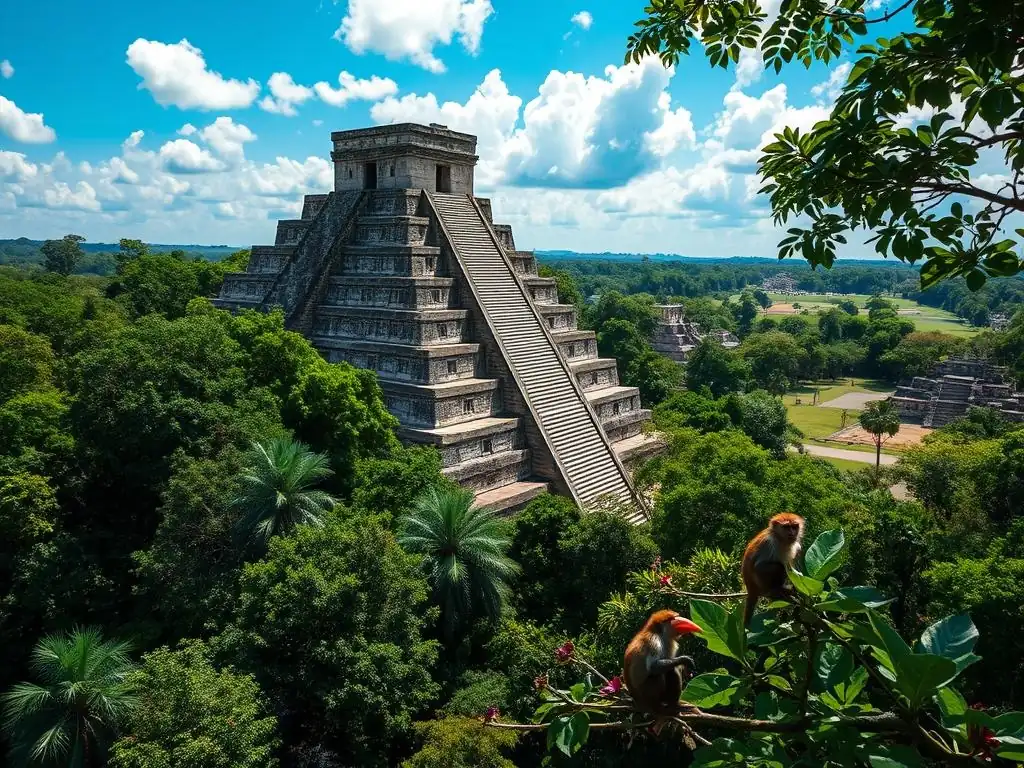
Welcome to Indigenous Civilizations of the Americas, where we invite you to embark on a journey through the rich tapestry of pre-colonial cultures that shaped the Americas. In this exploration, we delve into the remarkable Mayan civilization achievements, with a spotlight on the awe-inspiring city of Tikal. What secrets does this iconic site hold, and how did its innovations influence the broader scope of human history?
Prepare to uncover the mysteries of Tikal as we reveal the extraordinary legacies of the indigenous peoples who once thrived here. Dive in and let curiosity guide you through the fascinating stories that await!
Introduction to the Mayan Civilization Achievements at Tikal
Tikal, one of the most renowned cities of the Mayan civilization, stands as a testament to the remarkable achievements of this ancient culture. Nestled deep within the lush jungles of modern-day Guatemala, Tikal flourished from approximately 600 B.C. to A.D. 900, becoming a central hub for political, economic, and religious activities in the Maya world. The city's grandeur, characterized by its towering pyramids, intricate temples, and expansive plazas, showcases the architectural and artistic prowess of the Maya.
The achievements of the Mayan civilization at Tikal are multifaceted, encompassing advancements in astronomy, mathematics, and writing systems, as well as significant developments in agriculture and trade. These accomplishments contributed not only to the city's prosperity but also to the enduring legacy of Mayan culture throughout the Americas. In this article, we will delve into the historical context of Tikal, examining its rise and fall, as well as its cultural significance in the larger narrative of the Mayan civilization.
Historical Context of Tikal in Mayan Civilization
Tikal's history is a rich tapestry woven from the threads of social, political, and environmental factors that shaped its development. As one of the largest and most influential cities of the Maya, Tikal played a pivotal role in the region's dynamics, particularly during the Classic period (A.D. 250-900).
The Rise and Fall of Tikal
The rise of Tikal can be attributed to various factors, including its strategic location and the cultivation of fertile land surrounding the city. The establishment of trade routes enabled Tikal to flourish as an economic powerhouse, facilitating the exchange of goods such as obsidian, cacao, and textiles.
However, the city also faced challenges that contributed to its decline. Environmental degradation, warfare with rival city-states, and possible drought conditions have been suggested as factors leading to Tikal's eventual fall around the end of the 10th century. Despite its decline, Tikal's legacy endured, influencing subsequent cultures and remaining a vital part of the Maya identity.
Cultural Significance of Tikal
Tikal is not only an architectural marvel but also a cultural epicenter that encapsulates the spiritual and artistic values of the Mayan civilization. The city is home to numerous ceremonial structures, including temples dedicated to gods and rulers, which reflect the intricate belief systems of the Maya. These monumental edifices serve as reminders of the sophisticated society that once thrived within Tikal's walls.
Moreover, Tikal's role in the broader context of Mayan civilization highlights the interconnectedness of various city-states, showcasing their shared cultural practices and innovations. The achievements of Tikal continue to inspire awe and intrigue, inviting exploration and understanding of the rich tapestry of indigenous cultures that existed long before European contact.
Architectural Marvels of Tikal
Tikal stands as a testament to the ingenuity and skill of the Mayan civilization, showcasing a remarkable array of architectural marvels that reflect their sophisticated understanding of urban planning and aesthetics. Spanning over six square miles, Tikal's layout is meticulously organized, featuring ceremonial centers, residential areas, and agricultural lands. The grandeur of Tikal’s structures is highlighted by their use of locally sourced materials, primarily limestone, and the innovative techniques that allowed for the construction of monumental buildings. This impressive architectural feat not only served functional purposes but also held significant spiritual and cultural meanings for the Mayans.
The city is renowned for its impressive skyline that is punctuated by towering pyramids and temples, which were often used for religious and ceremonial purposes. These structures demonstrate a unique blend of artistry and engineering, characterized by their intricate carvings and the alignment of buildings with astronomical events. The architectural achievements at Tikal reveal much about the social and political organization of the Mayan civilization, as these structures were often built to honor deities and commemorate historical events, thereby reinforcing the power of the ruling elite.
Iconic Structures: Temples and Pyramids
Among the most iconic structures of Tikal are its temples and pyramids, which loom majestically over the landscape. Temple I, also known as the Temple of the Great Jaguar, is one of the most famous landmarks in Tikal. Standing at an impressive height of approximately 47 meters (154 feet), it was built to honor the ruler Jasaw Chan K'awil I, who reigned during the Late Classic period. The temple features a steep staircase leading to a sanctuary where rituals and offerings were conducted.
Another significant structure is Temple II, or the Temple of the Masks, which is slightly shorter yet equally impressive. Its facade is adorned with intricate carvings, representing the dual nature of the Mayan gods. The pyramid structures at Tikal were often built in groups, creating a striking visual and spiritual experience for the inhabitants and visitors alike. The layout of these temples emphasizes the importance of ritual and community in Mayan society, serving as focal points for gatherings and ceremonies.
Innovations in Mayan Architecture
The architectural innovations of the Mayan civilization are evident throughout Tikal and include the development of corbel arch construction, which allowed for the creation of large interior spaces without the use of true arches. This technique was essential for constructing the grand temples and palaces that characterized the city. Furthermore, the Mayans employed advanced planning techniques, utilizing a grid system that ensured efficient use of space and resources.
The strategic orientation of buildings in Tikal also reflects a sophisticated understanding of astronomy. Many structures are aligned with celestial events, such as solstices and equinoxes, indicating that the Mayans possessed advanced astronomical knowledge. The use of raised platforms and terraces not only provided stability in the region’s often swampy terrain but also enhanced the visual prominence of the structures, reinforcing their significance within the urban landscape.
Achievements of the Mayan Civilization Reflected in Tikal
Tikal serves as a remarkable example of the numerous achievements of the Mayan civilization, highlighting their advancements in various fields. The city's architecture, urban planning, and artistic expressions collectively reflect the complexities of Mayan society and their profound understanding of the world around them. The achievements seen in Tikal are a microcosm of the broader contributions of the Mayans to human civilization, particularly in areas such as astronomy, mathematics, and the arts.
Advances in Astronomy and Mathematics
The Mayans were pioneers in astronomy and mathematics, and this is vividly illustrated in the layout and construction of Tikal. The civilization developed a sophisticated calendar system that was more accurate than many used in subsequent centuries. They were able to predict solar and lunar eclipses, showcasing their advanced observational skills.
At Tikal, various structures were aligned with celestial bodies, allowing the Mayans to track seasonal changes and agricultural cycles. The site includes observatories, which facilitated the study of the stars and planets. The use of the concept of zero in their numerical system further exemplifies the Mayans' mathematical prowess, enabling them to perform complex calculations that were crucial for their agricultural and ceremonial planning.
Artistic Expressions and Cultural Artifacts
The artistic achievements of the Mayan civilization are prominently displayed in Tikal, where intricate carvings, murals, and pottery highlight their rich cultural heritage. The stelae found throughout the site are adorned with detailed inscriptions that provide insight into the history and achievements of the rulers, as well as the religious and social practices of the time.
Additionally, the rich iconography present in Tikal's artifacts reflects the Mayans' beliefs, mythology, and daily life. The vibrant pottery, often decorated with vivid colors and elaborate designs, serves as both functional and ceremonial objects, embodying the artistic spirit of the Mayan people. These cultural artifacts not only reveal the daily lives and rituals of the Mayans but also their profound connection to the spiritual world, underscoring the legacy of Tikal as a center of cultural expression and achievement.
Exploring the Tikal Archaeological Site
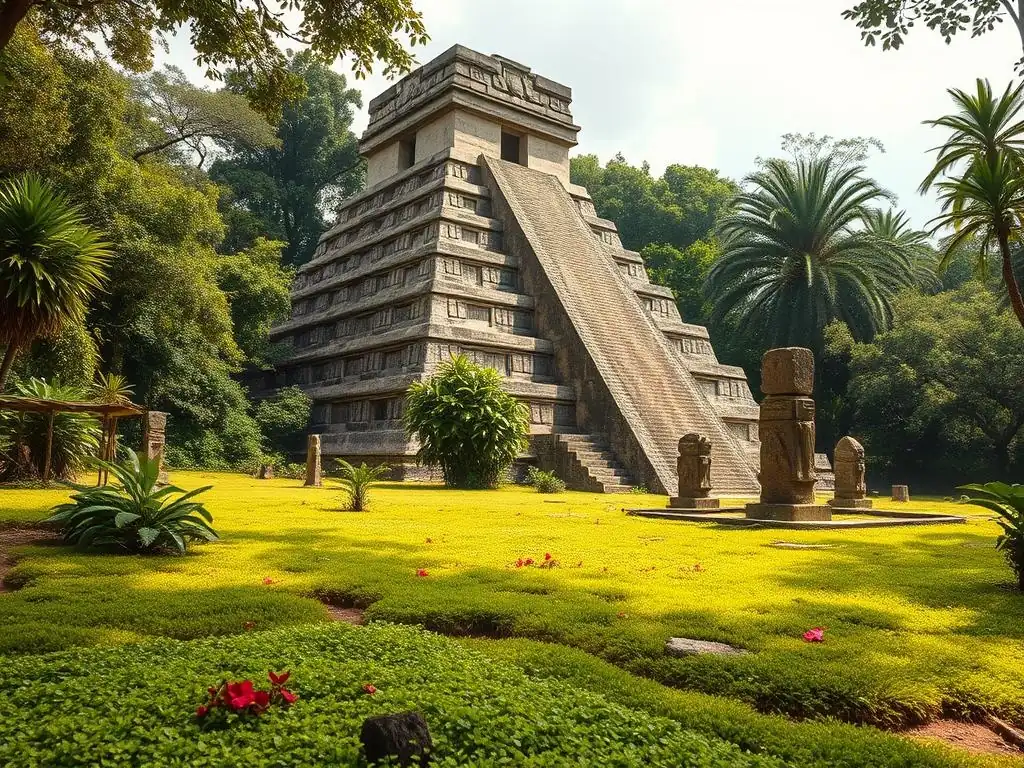
Tikal, located in the heart of Guatemala's rainforest, is one of the most significant archaeological sites of the ancient Mayan civilization. This UNESCO World Heritage site spans over 16 square kilometers and boasts an array of remarkable structures, including towering temples, vast plazas, and intricate stelae that tell the stories of its former inhabitants. The site is home to over 3,000 individual structures, including the iconic Temple I, often referred to as Temple of the Great Jaguar, which rises majestically to a height of 47 meters (154 feet).
The Tikal archaeological site offers a glimpse into the sophisticated urban planning and architectural prowess of the Maya. The city was a political, cultural, and economic hub from around 600 BC until approximately 900 AD, showcasing impressive achievements in astronomy, mathematics, and agriculture. Visitors can wander through the grand Central Plaza, surrounded by ceremonial buildings and temples, while also taking in the rich biodiversity of the surrounding jungle, where howler monkeys, toucans, and other wildlife thrive.
A significant aspect of Tikal’s allure is its enigmatic history. The site contains numerous inscriptions and carvings that have provided invaluable insights into the Mayan civilization. The most notable of these is the series of hieroglyphics found on stelae and altars, which recount the reigns of various rulers and significant events in Mayan history. As researchers continue to decode these ancient texts, Tikal remains a focal point for understanding the complexities of Mayan society.
Visitor Experience: What to Expect at Tikal
Visiting Tikal is an immersive experience that allows guests to engage with both the history and natural beauty of the site. Upon arrival, visitors can take advantage of various guided tours that offer detailed insights into the architectural features and cultural significance of the ruins. The park's well-maintained pathways lead through dense jungle, where the sounds of nature complement the ancient ambiance.
The visitor center serves as a gateway to the site, providing educational exhibits and resources about the Mayan civilization, including an overview of the archaeological discoveries at Tikal. It's advisable to begin the visit early in the morning to avoid the heat and crowds, and to witness the breathtaking sunrise illuminating the temples.
In addition to guided tours, visitors can choose to explore independently, with maps available to navigate the extensive grounds. The journey typically includes climbing some of the temples, which offer panoramic views of the surrounding jungle canopy. As visitors ascend Temple IV, the highest temple at Tikal, they are rewarded with sweeping vistas that stretch for miles, showcasing the vastness of the ancient city.
Essential Products for Visiting Tikal
To enhance the visitor experience at Tikal, it's essential to come prepared with the right products. Here is a list of recommended items:
- Comfortable Footwear: Sturdy hiking boots or shoes are crucial for navigating uneven terrain and climbing temple steps.
- Water Bottle: Staying hydrated is vital, especially in the tropical climate. Many parks now offer refill stations to reduce plastic waste.
- Insect Repellent: Mosquitoes and other insects are prevalent, so a good insect repellent is a must.
- Sunscreen: Protecting your skin from the strong sunlight is essential, particularly when exploring open areas.
- Binoculars: For wildlife enthusiasts, binoculars can enhance the experience of observing the diverse fauna.
- Camera: Capturing the breathtaking scenery and ancient architecture is a must for any visitor.
- Lightweight Backpack: A small backpack can carry your essentials, snacks, and any souvenirs you may purchase.
By bringing these essential products, visitors can ensure a comfortable and enjoyable exploration of Tikal, allowing them to fully appreciate the historical significance and natural beauty of this iconic Mayan city.
Conclusion: The Legacy of Tikal in the Mayan Civilization
Tikal stands as a testament to the extraordinary achievements of the Mayan civilization, embodying their advancements in architecture, astronomy, and governance. The site's grand temples and plazas not only reflect the engineering ingenuity of the Maya but also serve as a reminder of their social and political complexities. Tikal was once a thriving metropolis that played a pivotal role in the cultural and economic landscape of the ancient Maya.
The legacy of Tikal continues to resonate today, attracting scholars, archaeologists, and tourists alike who seek to uncover the mysteries of this remarkable civilization. As ongoing research and restoration efforts unfold, Tikal remains a critical site for understanding the historical context of the Maya and their enduring influence on contemporary culture. The stories etched in stone and the ruins that stand resilient against time speak to the rich heritage of the indigenous peoples of the Americas, ensuring that the legacy of Tikal will endure for generations to come.
Additional Resources for Discovering Mayan Cities
Exploring the wonders of Tikal and the broader Mayan civilization can be an enriching experience, enhanced by a variety of resources that delve deeper into their history, culture, and achievements. Below are some recommended books and documentaries, as well as links to related sites for further reading, which can aid in your journey into the world of the Mayans.
Recommended Books and Documentaries on Mayan Civilization
-
Books:
-
"The Maya" by Matthew Restall and Amara Solari
This comprehensive text provides insights into the complexities of Maya society, culture, and achievements. It covers various aspects, from daily life to significant historical events.
-
"Tikal: An Illustrated History of the Ancient Maya" by David Freidel and Holly A. Pittman
This book offers a vivid portrayal of Tikal, featuring stunning photographs and detailed archaeological findings that showcase the city's grandeur and its role in Mayan civilization.
-
"Maya Civilization: A Captivating Guide to Maya History, Culture, and Achievements" by Captivating History
An engaging overview that highlights the most significant achievements of the Mayans, including their advancements in mathematics, astronomy, and architecture.
-
-
Documentaries:
-
"Secrets of the Maya"
This documentary explores the mysteries of the Mayan civilization, including their advanced agricultural practices and astronomical knowledge, while featuring breathtaking footage of Tikal.
-
"Lost Kingdoms of the Maya"
A two-part series that examines the rise and fall of the Maya, with a focus on Tikal and other major cities, uncovering their sophisticated culture and achievements through expert interviews and archaeological discoveries.
-
Links to Related Sites and Further Reading
-
Maya Archaeology: The Tikal Project
This site offers detailed information about ongoing archaeological research at Tikal, including findings, updates, and publications related to the ancient city.
-
The Penn Museum: Maya Civilization
This resource provides access to a wealth of information on Maya culture, artifacts, and exhibitions related to Tikal and other significant Mayan sites.
-
National Geographic: The Maya
A portal featuring articles, maps, and multimedia resources that highlight the achievements and history of the Mayan civilization, including in-depth coverage of Tikal.
-
Archaeological Institute of America: The Maya
This site includes scholarly articles and resources that explore various aspects of Mayan culture, society, and archaeological findings, providing a deeper understanding of their achievements.
These resources will enhance your understanding of Tikal and the remarkable achievements of the Mayan civilization, offering a blend of scholarly insights and captivating narratives.
- Introduction to the Mayan Civilization Achievements at Tikal
- Historical Context of Tikal in Mayan Civilization
- Architectural Marvels of Tikal
- Achievements of the Mayan Civilization Reflected in Tikal
- Exploring the Tikal Archaeological Site
- Conclusion: The Legacy of Tikal in the Mayan Civilization
- Additional Resources for Discovering Mayan Cities
Frequently Asked Questions
What is Tikal known for in the context of the Mayan civilization?
Tikal is renowned for its remarkable achievements in architecture and urban planning, featuring imposing pyramids, grand plazas, and intricate carvings that showcase the sophistication of the Mayan civilization.
What are some significant achievements of the Mayan civilization?
The Mayans excelled in mathematics, astronomy, and writing, creating a complex calendar system and hieroglyphic script that reflects their advanced understanding of the world around them.
How did Tikal influence other Mayan cities?
Tikal served as a political and economic powerhouse, setting cultural trends and influencing the development of surrounding cities through trade, military might, and shared religious practices.
What role did religion play in Tikal's society?
Religion was central to Tikal's society, with elaborate rituals and ceremonies conducted in its temples to honor deities, reflecting the spiritual and cultural significance of the Mayan civilization.
How can I learn more about the achievements of the Mayan civilization?
For a deeper understanding of the Mayan civilization achievements at Tikal and beyond, the website "Indigenous Civilizations of the Americas" offers a comprehensive exploration of their diverse cultures and lasting impact.
Final Reflection: Embracing the Legacy of Tikal and the Mayan Civilization
The achievements of the Mayan civilization, particularly as showcased in Tikal, resonate profoundly in today's world. From their advanced understanding of astronomy to their intricate architectural designs, the Mayans laid the groundwork for cultural and scientific advancements that continue to inspire modern society. Tikal stands as a testament to their ingenuity and resilience, reminding us of the heights human creativity can reach.
Celebrating the legacy of Tikal is not just about acknowledging the past; it is about recognizing its enduring influence on contemporary culture and society. The architectural marvels and sophisticated societal structures of the Mayans invite us to reflect on our own achievements and aspirations. As the historian David Freidel once said, The Maya were not just a people of the past; they are a living culture that continues to shape our understanding of civilization.
This perspective encourages us to appreciate the ongoing impact of Mayan innovations and philosophies on our modern lives.
As we conclude our exploration of Tikal and the remarkable achievements of the Mayan civilization, I invite you to reflect on how these lessons can be applied in your own life. Consider how the values of innovation, community, and resilience can guide your personal and professional endeavors. Let the story of Tikal inspire you to pursue your own path of discovery and creativity, ensuring that the legacy of the Mayans continues to thrive in the hearts and minds of future generations.
Embark on Your Tikal Adventure Now!
Thank you for diving into the fascinating world of Tikal! Your interest in this iconic Mayan city not only enriches your knowledge but also deepens your appreciation for indigenous cultures. Now it’s time to channel that curiosity into action!
Here’s how you can continue your journey:
- Plan your visit to Tikal: Start researching travel options to explore this stunning UNESCO World Heritage site in person.
- Dive deeper into Mayan culture: Read more about the rich history, art, and traditions of the Mayans through various books and articles to enhance your understanding.
- Share your excitement: Connect with friends or join online communities where you can discuss Tikal and exchange travel tips and insights.
What aspect of Tikal intrigues you the most, and how do you plan to explore it further?