
The Art of Weaving: Indigenous Textiles as a Window into South American Cultures

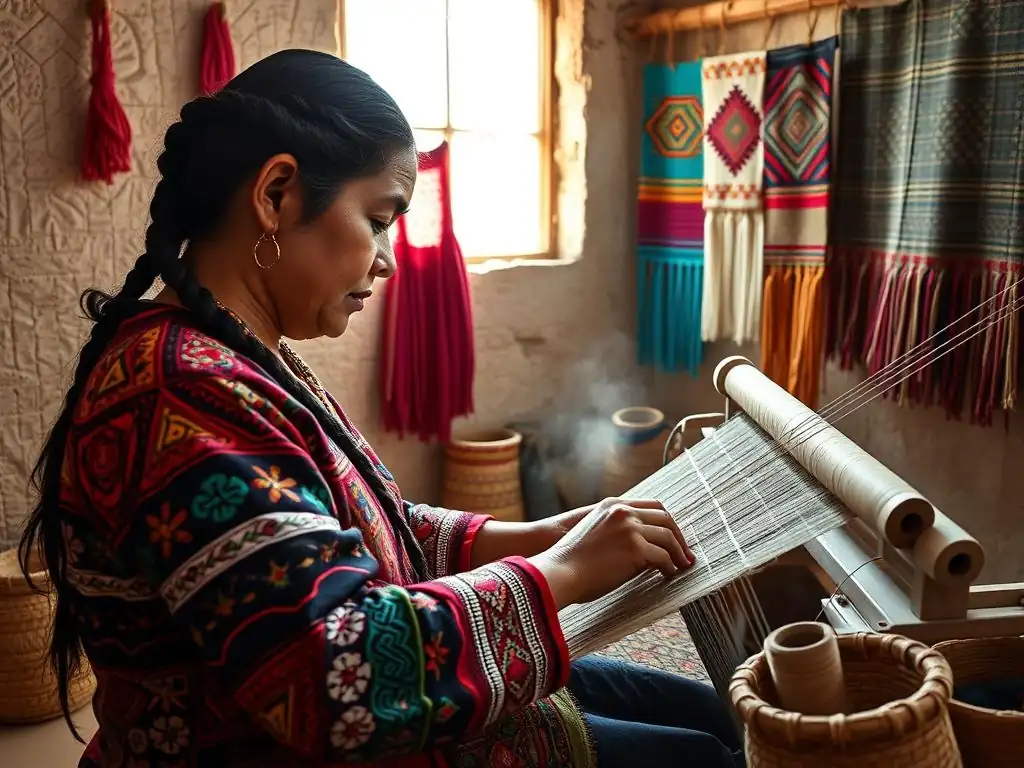
Welcome to Indigenous Civilizations of the Americas, where we invite you to embark on a fascinating journey through the rich tapestry of cultures that flourished long before European contact. In our featured article, "The Art of Weaving: Indigenous Textiles as a Window into South American Cultures," we delve into the vibrant world of South American indigenous textile art—a stunning reflection of the ingenuity and creativity of these ancient societies.
Discover how intricate patterns and techniques tell stories of identity, tradition, and resilience. Join us as we unravel the threads of history and culture, and ignite your curiosity to explore the profound impact of these civilizations on our world today.
- The Art of Weaving: An Exploration of South American Indigenous Textile Art
- The Cultural Significance of Weaving in Indigenous Societies
- The Techniques and Materials of Indigenous Weaving
- Regional Variations in South American Indigenous Textile Art
- The Modern Revival of Indigenous Textile Art
- Conclusion: The Future of South American Indigenous Textile Art
-
Frequently Asked Questions
- What is the significance of South American indigenous textile art?
- How did the arrival of Europeans impact indigenous textile traditions?
- What materials are commonly used in South American indigenous textiles?
- How do indigenous textiles reflect social status or identity?
- Can indigenous textile art be considered a form of storytelling?
- Final Reflection: The Enduring Legacy of South American Indigenous Textile Art
- Unveil the Rich Tapestry of Indigenous Textiles!
The Art of Weaving: An Exploration of South American Indigenous Textile Art
Introduction to South American Indigenous Textile Art
The rich tapestry of South American indigenous textile art serves as a captivating portal into the diverse cultures that flourished across the continent long before the advent of European colonization. Textile art is not merely a craft; it encapsulates the history, beliefs, and identities of numerous indigenous groups, each with unique techniques and motifs that reflect their environment and cosmology. From the intricate patterns of the Andean highlands to the vibrant colors of the Amazonian tribes, these textiles offer profound insights into the social structures, spiritual practices, and ecological knowledge of these communities.
Indigenous textile art in South America encompasses a wide range of materials and methods, including weaving, dyeing, and embroidery, often passed down through generations. The use of natural dyes, such as those derived from plants and minerals, showcases a deep understanding of local flora and fauna, while the patterns often tell stories or signify cultural rituals. This article aims to delve into these artistic traditions, highlighting not only their aesthetic value but also their significance as cultural artifacts that preserve the heritage and wisdom of indigenous peoples.
As we journey through the various indigenous cultures of South America, we will explore notable examples of textile art, examine the techniques employed, and reflect on the impact of globalization and modern challenges faced by these artisans today. Through this exploration, we hope to foster a greater appreciation for South American indigenous textile art and its role in shaping cultural identity and continuity.
In the following sections, we will unpack the intricate world of weaving, revealing how these textiles function as a living testament to the resilience and creativity of indigenous societies.
The Cultural Significance of Weaving in Indigenous Societies
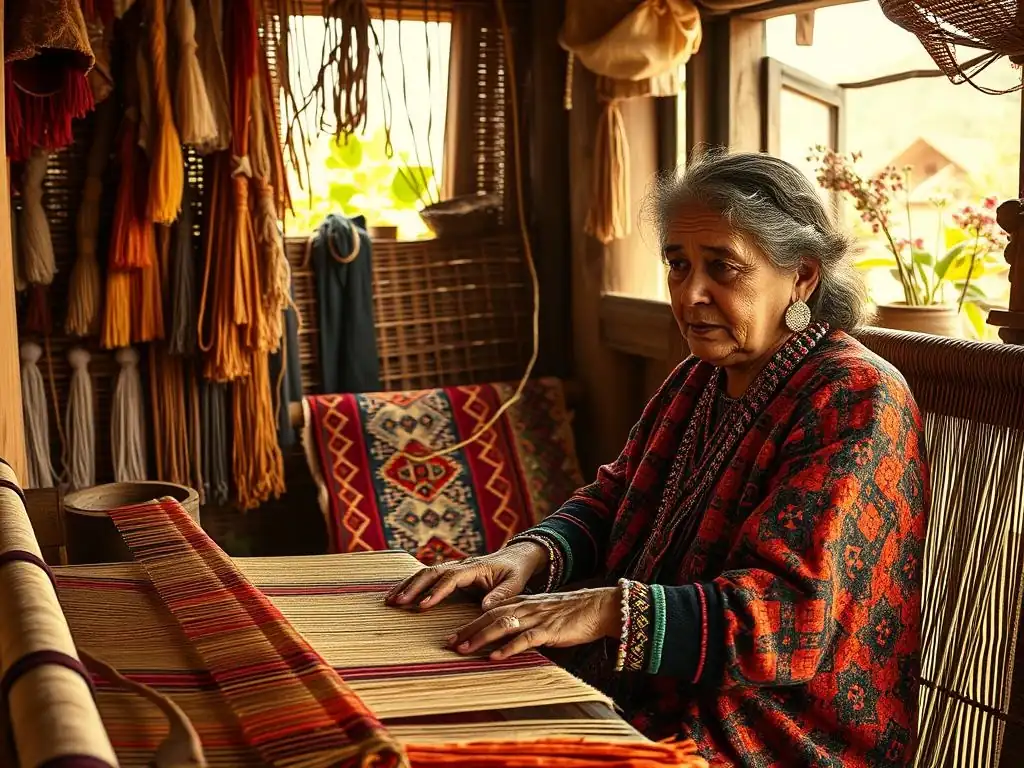
Weaving is much more than a practical skill in South American indigenous cultures; it serves as a profound expression of identity, history, and spirituality. The intricate patterns and vibrant colors of textiles convey stories that reflect the beliefs, traditions, and social structures of various indigenous societies. This art form is a vital aspect of cultural heritage, representing both the continuity of ancient practices and the adaptation to changing environments.
Weaving as a Form of Storytelling
In many South American indigenous cultures, textiles are imbued with symbolism and narrative. Each woven piece tells a unique story, often depicting myths, ancestral lineage, or significant events. For example, the Quechua and Aymara peoples of the Andes use specific motifs in their textiles to communicate their connection to the land, the cosmos, and their community.
- Symbolic Elements:
- Colors: Different colors represent various aspects of life, such as fertility, death, or the elements.
- Patterns: Geometric designs may symbolize natural forms like mountains, rivers, and animals, serving as a bridge between the physical and spiritual worlds.
The process of weaving itself can be seen as a ritualistic act, where the weaver enters a meditative state, allowing them to channel ancestral knowledge and creativity into their work. This spiritual connection underscores the importance of textiles as vessels of cultural memory.
Textiles play a crucial role in the social identity of indigenous peoples in South America, acting as markers of community belonging and status. The craftsmanship involved in creating these textiles fosters a sense of pride and continuity among generations.
- Community and Identity:
- Distinct Styles: Different indigenous groups have unique weaving styles that distinguish their textiles from others. For instance, the vibrant, complex tapestries of the Huichol people reflect their rich spiritual beliefs and connection to nature.
- Role of Women: In many cultures, weaving is traditionally a women's activity, reinforcing gender roles and the transmission of cultural knowledge. Women are often seen as the custodians of their community’s heritage through their textile art.
- Economic and Political Factors:
- Trade and Exchange: Textiles are not only cultural artifacts but also commodities. They are often traded, creating economic ties between different groups and allowing for the exchange of ideas and techniques.
- Resistance and Resilience: In the face of colonization and globalization, the practice of weaving has become a symbol of resistance. Many indigenous communities use their textile art as a means to assert their identity and preserve their cultural heritage against external pressures.
The art of weaving thus serves as a powerful lens through which to explore the rich tapestry of South American indigenous cultures, revealing the intricate connections between art, identity, and society. By appreciating these textiles, we gain insight into the values, beliefs, and histories that continue to shape indigenous communities today.
The Techniques and Materials of Indigenous Weaving
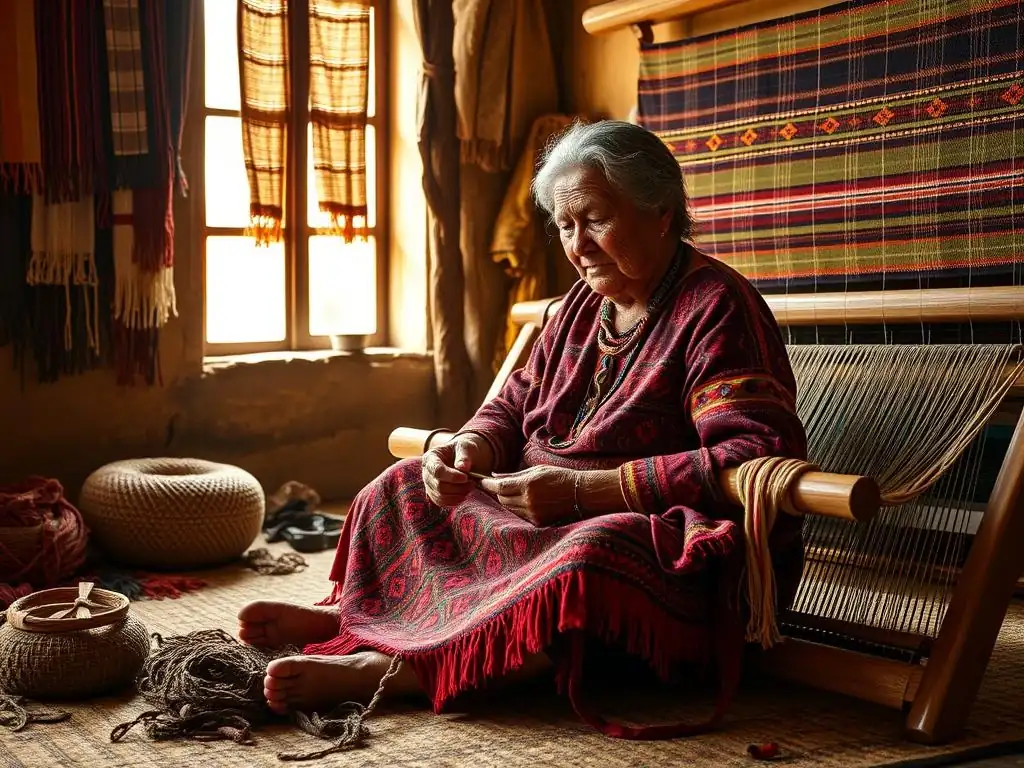
Traditional Weaving Techniques Across South America
Weaving is an ancient craft that has played a pivotal role in the cultural expression of South American indigenous communities. Each region boasts unique weaving techniques that reflect the identity, traditions, and environment of its people. Here are some key traditional techniques used across South America:
- Backstrap Weaving: This method, prevalent among the Andean cultures, involves a simple loom that is anchored at one end to a stationary object, such as a tree or a post, while the weaver secures the other end around their waist. This technique allows for a high degree of portability and personal involvement in the weaving process.
- Floor Loom Weaving: Unlike backstrap weaving, floor looms are stationary and can accommodate larger pieces of fabric. This technique is often used by communities in regions such as the Amazon and coastal areas, where the production of wider textiles is necessary for items like blankets and ceremonial garments.
- Tapestry Weaving: A distinctive form of weaving that creates images or patterns within the fabric, tapestry weaving allows for intricate designs that tell stories or depict cultural symbols. This technique is widely practiced among the Mapuche and Aymara peoples.
- Patterned Weaving: Many indigenous groups utilize specific patterns that hold cultural significance. For example, the use of geometric designs by the Quechua people often symbolizes natural elements or ancestral connections, reflecting a deep spiritual relationship with their surroundings.
Each weaving technique not only serves a functional purpose but also embodies the artist's cultural narrative, linking generations through shared heritage.
Natural Materials Used in Indigenous Textiles
The artistry of South American indigenous textile art is deeply intertwined with the natural environment. Indigenous artisans utilize a range of materials sourced from their surroundings, each chosen for its unique properties and significance. Here are some of the most common materials used:
- Cotton: Cultivated in various regions, cotton is a staple fiber for many indigenous groups. The process of growing, harvesting, and spinning cotton into thread is often a communal activity, fostering a sense of unity among families and communities.
- Wool: The wool from llamas, alpacas, and sheep is notably prized for its warmth and durability. The Andean cultures, in particular, have developed refined techniques for shearing, dyeing, and spinning wool, with vibrant colors that reflect the local landscape.
- Dyes: Natural dyes are derived from plants, minerals, and insects. For instance, the cochineal insect produces a brilliant red dye, while indigo plants yield deep blue hues. The use of these dyes is not merely aesthetic; it often carries cultural meanings and traditions passed down through generations.
- Reed and Grass: In some communities, reeds and grasses are woven into textiles for functional items, such as bags or mats. These materials are particularly important in regions where cotton and wool are less accessible.
- Feathers and Shells: Decorative elements such as feathers and shells are often incorporated into textiles. These materials can signify social status or spiritual beliefs and are used in ceremonial garments, highlighting their importance in cultural practices.
The combination of these materials and techniques results in textiles that not only serve practical purposes but also act as vibrant expressions of identity, history, and art within South American indigenous cultures.
Regional Variations in South American Indigenous Textile Art
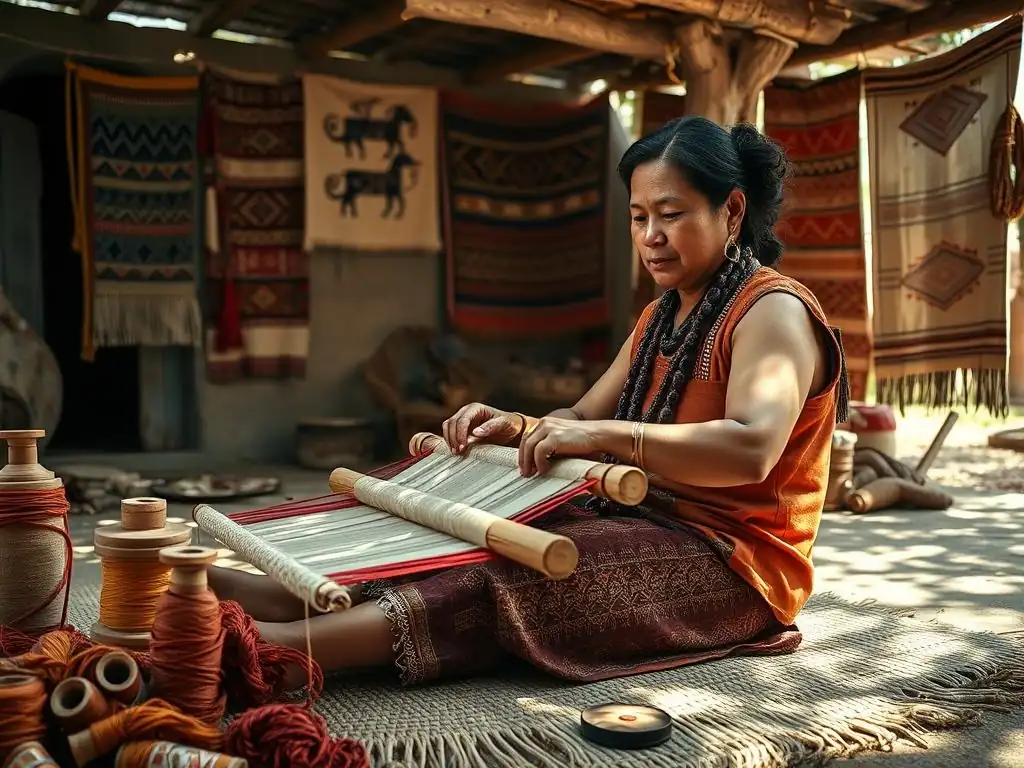
South American indigenous textile art is a vibrant and multifaceted expression of cultural identity, craftsmanship, and connection to the environment. Across the continent, regional variations reflect the diverse histories, materials, and techniques used by indigenous peoples. This section explores two prominent regions: the Andean region, known for its intricate weaving practices, and the Amazon Basin, where textiles are often created from natural materials that embody the spirit of the rainforest.
The Andean Region: A Hub of Textile Innovation
The Andean region, encompassing countries such as Peru, Bolivia, and Ecuador, is renowned for its rich textile traditions. Indigenous communities in this area have developed sophisticated weaving techniques that are not only functional but also deeply symbolic.
- Materials and Techniques:
- Natural Fibers: The primary materials used include alpaca, llama, and sheep wool, which are prized for their warmth and durability.
- Dyeing Processes: Indigenous artisans utilize natural dyes extracted from plants, minerals, and insects. This traditional method results in a stunning palette of colors that are both vibrant and environmentally sustainable.
- Cultural Significance:
- Symbolism in Patterns: Textiles often feature intricate patterns and motifs that tell stories of the community's history, mythology, and environment. For instance, geometric designs may represent mountains, rivers, or animals, linking the weaver's identity to the land.
- Ceremonial Uses: Many textiles serve ceremonial purposes, such as ritual clothing for festivals or offerings to deities. These pieces are imbued with spiritual significance, reflecting the beliefs and values of the society.
- Contemporary Adaptations:
- Modern indigenous artisans are blending traditional techniques with contemporary designs, creating textiles that appeal to both local and international markets. This evolution helps preserve cultural heritage while providing economic opportunities for communities.
The Amazon Basin: Weaving with Nature
In contrast to the Andean region, the Amazon Basin presents a different approach to textile art, heavily influenced by the lush biodiversity of the rainforest. Indigenous groups such as the Yanomami and the Shipibo-Conibo rely on their surroundings to inform their weaving practices.
- Natural Materials:
- Plant Fibers: Textiles in the Amazon are often made from plant fibers such as tucumã, buriti, and piassava, which are sourced sustainably from the forest. These natural materials are not only biodegradable but also reflect the deep connection between the people and their environment.
- Innovative Techniques: Weaving methods vary widely, from simple hand-weaving to complex techniques that incorporate intricate knotting and braiding.
- Cultural Identity:
- Patterns and Motifs: Just like in the Andes, patterns in Amazonian textiles hold significant meaning. For example, the Shipibo-Conibo are known for their unique geometric designs that are inspired by the visions experienced during ayahuasca ceremonies, reflecting their spiritual beliefs and connection to the cosmos.
- Functional Art: Textiles often serve practical purposes, such as hammocks, bags, and clothing, embodying the philosophy of utility intertwined with beauty. These items are essential to daily life while also serving as cultural expressions.
- Environmental Challenges:
- Indigenous communities in the Amazon face threats from deforestation and climate change, which impact their traditional practices. Efforts to promote sustainable practices and raise awareness about the cultural significance of indigenous textiles are crucial for their preservation.
In summary, South American indigenous textile art varies significantly between regions, with the Andean and Amazon Basin cultures showcasing unique materials, techniques, and cultural narratives. Understanding these regional variations not only enhances our appreciation of the artistry involved but also highlights the importance of preserving these rich traditions for future generations.
The Modern Revival of Indigenous Textile Art
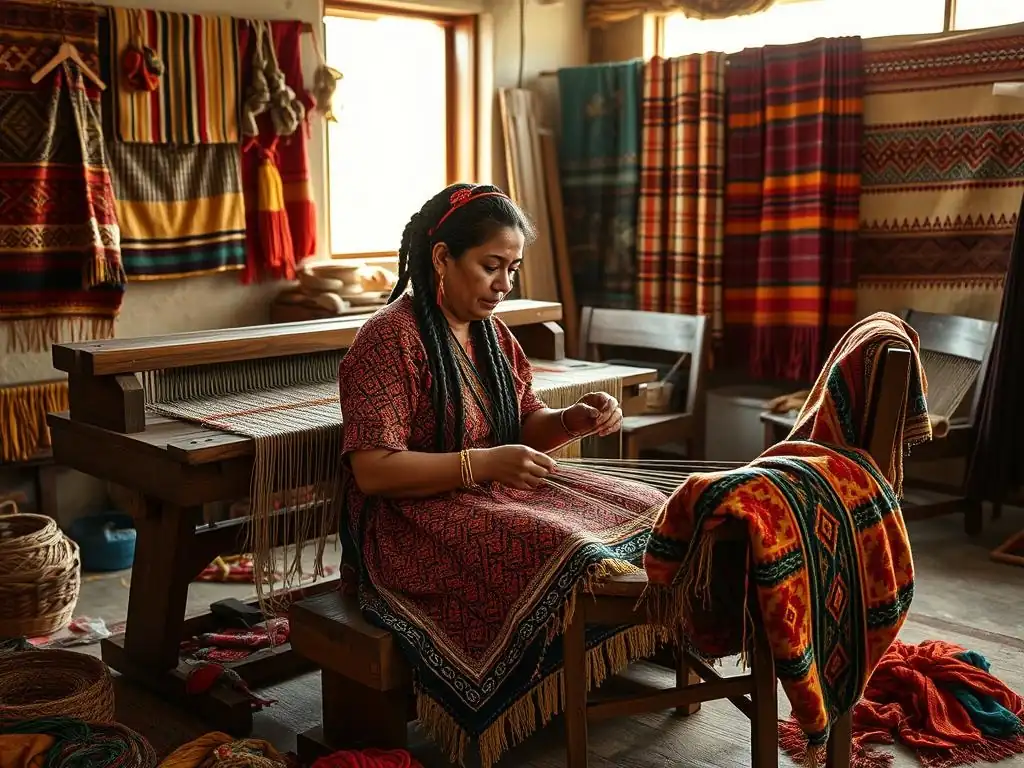
The modern revival of indigenous textile art in South America is an inspiring movement, intertwining cultural preservation with contemporary practices. As global interest in sustainable and ethically produced goods rises, many artisans are reclaiming traditional weaving techniques, revitalizing their cultural narratives, and providing income to their communities. This resurgence is not only about the art itself but also about the stories woven into each piece, reflecting identity, history, and social issues within their societies.
Contemporary Artisans and Fair Trade Practices
Contemporary artisans are at the forefront of this revival, blending traditional techniques with modern aesthetics. For example, artisans from regions like the Andes have begun to incorporate contemporary designs while maintaining the ancient methods of dyeing and weaving. These textiles often feature vibrant colors derived from natural sources, such as plants and minerals, which have been used for centuries.
Fair trade practices play a crucial role in this movement. By ensuring that artisans receive fair wages and work in safe conditions, fair trade initiatives help sustain traditional crafts and empower local communities. Organizations such as the World Fair Organization and Ten Thousand Villages actively promote South American indigenous textile art, connecting artisans with global markets. This not only provides economic support but also fosters cultural exchange, allowing the stories and significance behind the textiles to reach a broader audience.
Here are some key aspects of contemporary artisans and fair trade practices:
- Sustainable Materials: Artisans often use organic materials, minimizing environmental impact.
- Cultural Heritage: Each creation tells a story, preserving the legacy of indigenous cultures.
- Community Impact: Profits from sales are reinvested into local communities, supporting education and health initiatives.
The resurgence of indigenous textile art is a testament to the resilience and creativity of South American cultures, ensuring that their rich traditions continue to thrive in the modern world.
How to Support Indigenous Textile Artisans
Supporting indigenous textile artisans is a meaningful way to contribute to cultural preservation and economic empowerment. Here are several ways you can make a difference:
- Purchase Authentic Textiles: Look for verified fair trade organizations that sell authentic indigenous textile art. This ensures that your purchase directly benefits the artisans.
- Educate Yourself and Others: Understanding the history and significance of these textiles enhances appreciation. Share this knowledge with friends and family to promote cultural awareness.
- Participate in Workshops: Many artisans offer workshops where you can learn about traditional weaving techniques. This not only supports the community but also provides a unique immersive experience.
- Advocate for Fair Trade: Support policies and organizations that promote fair trade practices. Advocacy can lead to broader market access for artisans and increased awareness of their work.
- Visit Artisan Markets: If you travel to South America, visit local markets and directly engage with artisans. This personal connection can significantly impact their livelihood.
By taking these steps, you not only contribute to the survival of indigenous textile art but also participate in a movement that honors the rich cultural heritage of South America. Your support helps ensure that these beautiful textiles continue to tell their stories for generations to come.
Conclusion: The Future of South American Indigenous Textile Art
As we reflect on the rich heritage of South American indigenous textile art, it becomes evident that these vibrant and intricate creations are more than mere objects; they are living expressions of culture, history, and identity. The future of this art form hinges on the delicate balance between traditional practices and the pressures of modernization and globalization.
Preserving Traditions in a Globalized World
In a rapidly changing world, the preservation of South American indigenous textile art faces multiple challenges. Globalization has introduced new materials, technologies, and market demands that can overshadow traditional techniques. However, many artisans and communities are actively working to maintain their unique cultural expressions.
- Community Initiatives: Various indigenous groups are establishing cooperatives that empower local artisans to create and sell textiles while ensuring that traditional methods are honored. These initiatives often emphasize sustainable practices and environmentally friendly materials.
- Education and Workshops: By organizing workshops and educational programs, artisans pass down their skills to younger generations. This not only preserves the techniques but also instills pride in their cultural heritage.
- Cultural Exchanges: Engaging in cultural exchanges allows indigenous artisans to showcase their work on global platforms, fostering appreciation and understanding of their art. This visibility can lead to increased demand for authentic handmade textiles, encouraging more artisans to continue their craft.
- Digital Platforms: The rise of e-commerce and social media provides opportunities for indigenous artists to reach a broader audience. Online marketplaces and platforms dedicated to indigenous art can help sustain traditional practices while connecting artisans with art lovers worldwide.
Call to Action: Engaging with Indigenous Cultures
As we explore the intricate world of South American indigenous textile art, we invite you to engage more deeply with these cultures. Here are some ways you can contribute to the preservation and appreciation of indigenous textile art:
- Support Indigenous Artisans: Purchase textiles directly from artisans or cooperatives that prioritize fair trade practices. This not only provides economic support but also fosters the continuation of these artistic traditions.
- Participate in Cultural Workshops: Look for opportunities to engage in workshops that teach weaving and textile arts. This hands-on experience not only enriches your understanding but also helps sustain these practices.
- Advocate for Indigenous Rights: Raise awareness about the importance of preserving indigenous cultures and their art forms. Support policies and initiatives that protect the rights and traditions of indigenous peoples.
- Share Your Knowledge: As you learn about South American indigenous textile art, share your insights with others. Encourage discussions and promote the appreciation of these unique cultural expressions within your community.
The future of South American indigenous textile art is not solely in the hands of the artisans but also in the collective efforts of all who value and respect these rich cultural traditions. By actively engaging with these communities and their art, we can contribute to a vibrant, sustainable future for indigenous textile art in South America.
Frequently Asked Questions
What is the significance of South American indigenous textile art?
South American indigenous textile art is significant as it reflects the cultural identity, traditions, and history of various indigenous communities. The intricate designs and techniques used tell stories of their ancestors and beliefs.
How did the arrival of Europeans impact indigenous textile traditions?
The arrival of Europeans led to significant changes in indigenous textile traditions, including the introduction of new materials and techniques. However, many communities adapted while maintaining their cultural heritage in their weaving practices.
What materials are commonly used in South American indigenous textiles?
Common materials include cotton, wool, and natural dyes made from local plants and minerals. These materials are essential for creating the vibrant colors and intricate patterns that characterize South American indigenous textiles.
In many communities, the complexity and style of textiles can indicate social status or cultural identity. Certain patterns or colors may be reserved for specific groups, showcasing their heritage and role within the society.
Can indigenous textile art be considered a form of storytelling?
Yes, indigenous textile art is often seen as a form of storytelling. Each piece can convey myths, legends, or historical events, allowing artists to communicate their cultural narratives through their work.
Final Reflection: The Enduring Legacy of South American Indigenous Textile Art
The intricate patterns and vibrant colors of South American indigenous textile art are not merely decorative; they serve as a profound connection to the cultural heritage and identity of indigenous communities. Today, as we navigate a world increasingly focused on sustainability and cultural appreciation, the significance of these textiles resonates more than ever. They remind us that art can transcend mere aesthetics, becoming a powerful medium for storytelling and cultural preservation.
The impact of indigenous textile art extends far beyond its visual appeal; it plays a crucial role in the cultural landscape of South America and beyond. These textiles encapsulate centuries of history, tradition, and knowledge, fostering a sense of pride and continuity among indigenous peoples. As we witness a growing interest in artisanal crafts and ethical fashion, we are reminded of the words of renowned textile artist Anni Albers: The weaving of the world is a weaving of the self.
This sentiment underscores the importance of understanding and valuing the narratives woven into each piece, as they reflect the identity and resilience of their creators.
As you reflect on the themes presented in this article, consider how you can engage with and support the preservation of indigenous cultures through their textile art. Take a moment to appreciate the stories behind the fabrics you encounter, and seek out opportunities to learn from and uplift indigenous artisans. By doing so, you not only honor their legacy but also contribute to a more inclusive and respectful appreciation of cultural diversity in our global community.
Unveil the Rich Tapestry of Indigenous Textiles!
Thank you for exploring the intricate world of Indigenous textiles and their cultural significance in South America. We hope you’ve gained a deeper appreciation for the stories woven into these beautiful fabrics. Now, it’s time to take action and truly connect with this vibrant art form!
Here are a few ways to continue your journey:
- Visit a local exhibition or gallery featuring Indigenous textiles to experience the artistry up close.
- Share this article with friends and family who appreciate culture and art; discussion can lead to a deeper understanding.
- Join a workshop or craft session to learn about traditional weaving techniques and contribute to the preservation of this invaluable art.
Which textile story resonated with you the most, and how will you incorporate the insights gained into your life?