
The Impact of Climate Change on Indigenous Land Rights Movements

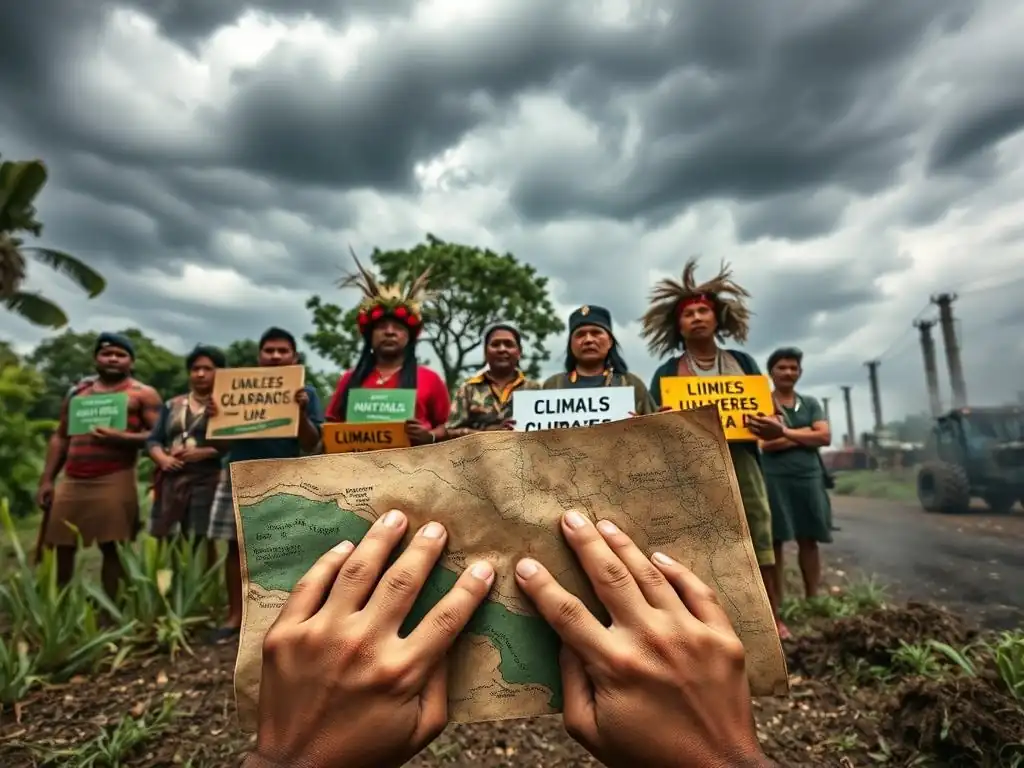
Welcome to Indigenous Civilizations of the Americas, where we invite you to embark on a journey through the rich tapestry of indigenous cultures that flourished before European colonization. In our featured article, "The Impact of Climate Change on Indigenous Land Rights Movements," we delve into the pressing issues at the intersection of environmental change and the fight for justice. Discover how climate change is reshaping the landscape of indigenous land rights, and uncover the resilient strategies these communities are employing to protect their heritage and future.
Join us as we explore their stories, achievements, and the profound impact they continue to have on our world today. Your adventure into this vital history begins now!
Indigenous communities across the Americas have long been stewards of their ancestral lands, nurturing rich cultural traditions and sustainable practices that have persisted for generations. However, the growing threat of climate change poses significant challenges to these communities, not only affecting their way of life but also complicating their fight for land rights.
As climate change alters ecosystems, disrupts traditional livelihoods, and intensifies environmental injustices, understanding the complex interplay between indigenous land rights and climate change becomes crucial. This article delves into the historical context of indigenous land rights, the importance of land to indigenous cultures, and how climate change is reshaping these rights and movements today.
Understanding Indigenous Land Rights
Definition of Indigenous Land Rights
Indigenous land rights refer to the legal and cultural entitlements of indigenous peoples to own, use, and manage their traditional lands. These rights are grounded in historical occupancy and use, often recognized by various legal frameworks, including international treaties and national laws. However, the recognition and enforcement of these rights vary significantly across different regions and countries.
Historical Context of Land Rights for Indigenous Peoples
The historical narrative of indigenous land rights is marked by colonialism and dispossession. From the arrival of European settlers, indigenous peoples faced systematic efforts to displace them from their ancestral territories. Treaties were often signed under duress, and many were subsequently violated. Understanding this history is essential to grasp the struggles faced by indigenous communities today as they fight for recognition and restoration of their land rights.
Importance of Land to Indigenous Cultures
Land is more than just a physical space for indigenous peoples; it is integral to their identity, spirituality, and cultural practices. Many indigenous cultures view land as a living entity, imbued with stories, traditions, and relationships that define their existence. Access to land is vital for traditional practices, such as hunting, fishing, and agriculture, which are not only economic activities but also cultural expressions.
The Intersection of Climate Change and Indigenous Land Rights
Overview of Climate Change Effects on Indigenous Lands
Climate change has far-reaching consequences for the environment, including rising temperatures, altered precipitation patterns, and increased frequency of extreme weather events. For indigenous communities, these changes threaten their traditional lands, leading to loss of biodiversity, habitat degradation, and increased vulnerability to natural disasters. Such impacts can undermine the very foundation of their cultural practices and livelihoods.
Impact of Climate Change on Traditional Land Use Practices
As climate change disrupts ecosystems, indigenous peoples often find it challenging to maintain their traditional land use practices. For example, shifting weather patterns may affect the availability of critical resources, such as fish or game, which are essential for food security and cultural rituals. This disruption not only impacts their economic well-being but also erodes cultural traditions tied to these practices.
Case Studies: Indigenous Communities Affected by Climate Change
Several indigenous communities have already begun to experience the adverse effects of climate change. For instance:
- The Inuit of Canada: As Arctic ice melts, traditional hunting grounds are becoming inaccessible, threatening their food security and cultural practices.
- The Mapuche of Chile: Climate change has exacerbated drought conditions, impacting their agricultural practices and leading to conflicts over water rights.
- The Guna of Panama: Rising sea levels have resulted in the loss of coastal territories, forcing relocation and disrupting their way of life.
These case studies illustrate the urgent need for integrating climate justice into indigenous land rights movements, highlighting the intersection of environmental and social justice issues in the context of climate change.
Indigenous Land Rights Movements in Response to Climate Change
Indigenous land rights movements have increasingly gained momentum as climate change poses significant threats to the traditional lands and lifestyles of Indigenous peoples. Many Indigenous communities are witnessing firsthand the adverse effects of climate change, such as rising sea levels, altered weather patterns, and loss of biodiversity.
In response, these movements advocate for the recognition and protection of their land rights not only as a matter of justice but also as a crucial strategy for climate resilience and adaptation. By asserting their land rights, Indigenous groups aim to restore stewardship over their ancestral territories, which are often better managed in terms of ecological sustainability compared to industrial practices.
Overview of Modern Indigenous Movements
Modern Indigenous movements have evolved over the last few decades, fueled by both historical injustices and contemporary challenges. The late 20th century saw a resurgence of activism as Indigenous peoples organized to protect their rights against state and corporate encroachments. Movements such as the Zapatista uprising in Mexico and the Standing Rock protests in the United States have become emblematic of broader struggles against colonialism, environmental degradation, and climate change. These movements are characterized by a collaborative approach, where Indigenous communities unite across borders to share experiences and strategies, aiming for global recognition and support.
Key to these movements is the emphasis on sovereignty and self-determination, which are essential for Indigenous peoples to manage their resources sustainably. The integration of traditional ecological knowledge with modern scientific practices is becoming a cornerstone of advocacy, as it demonstrates the viability of Indigenous land management in mitigating climate impacts.
Key Objectives of Indigenous Land Rights Movements
The primary objectives of Indigenous land rights movements in the context of climate change include:
- Recognition of Land Rights: Indigenous communities seek legal acknowledgment of their traditional land claims, ensuring secure tenure that protects them from dispossession.
- Sustainable Resource Management: Advocating for the rights to manage natural resources, which allows communities to implement sustainable practices that align with their cultural values and ecological knowledge.
- Climate Justice: Addressing the disproportionate impacts of climate change on Indigenous peoples and advocating for equitable policy frameworks that prioritize their needs and voices.
- Cultural Preservation: Protecting cultural heritage and traditional practices that are closely tied to the land, which are essential for community identity and resilience.
These objectives reflect a holistic approach to land rights, emphasizing not just legal recognition but also the need for sovereignty, environmental stewardship, and cultural integrity.
The Role of Indigenous Knowledge in Climate Adaptation
Indigenous knowledge plays a pivotal role in climate adaptation strategies. This knowledge encompasses a deep understanding of local ecosystems, weather patterns, and biodiversity, passed down through generations. Indigenous peoples often possess unique insights into sustainable practices that enhance resilience against climate impacts.
- Traditional Practices: Many Indigenous communities employ traditional agricultural methods, land management techniques, and ecological practices that have proven effective in maintaining biodiversity and soil health.
- Adaptive Strategies: Indigenous knowledge systems are inherently adaptive, allowing communities to respond effectively to changing environmental conditions. This adaptability is crucial in developing strategies that mitigate the effects of climate change.
- Community Engagement: Involving Indigenous communities in climate adaptation planning leads to more effective and culturally appropriate solutions. Their participation ensures that strategies are grounded in the realities of their lived experiences.
The recognition and incorporation of Indigenous knowledge into broader climate action plans are essential for fostering resilience and achieving sustainable development goals.
Legal Frameworks Supporting Indigenous Land Rights
Legal frameworks play a crucial role in supporting Indigenous land rights, particularly as they intersect with climate change issues. Various international agreements and national laws exist to uphold the rights of Indigenous peoples, although challenges in implementation and recognition remain.
International Agreements and Climate Change
Several international agreements recognize the rights of Indigenous peoples in the context of climate change. Notable among them are:
- United Nations Declaration on the Rights of Indigenous Peoples (UNDRIP): This declaration affirms the rights of Indigenous peoples to their lands, territories, and resources, emphasizing the importance of their participation in decision-making processes related to environmental management.
- Paris Agreement: While focused on climate change mitigation, the Paris Agreement acknowledges the role of Indigenous peoples in achieving climate goals, highlighting the necessity of respecting their rights and knowledge in climate action efforts.
- Convention on Biological Diversity (CBD): This convention recognizes the contributions of Indigenous knowledge to biodiversity conservation and sustainable use, underscoring the importance of securing land rights for effective environmental stewardship.
These international frameworks provide a foundation for Indigenous land rights advocacy and underscore the need for global cooperation in addressing climate challenges.
National Laws Protecting Indigenous Land Rights
Numerous countries have enacted national laws aimed at protecting Indigenous land rights, although the effectiveness of these laws varies. Examples include:
- Canada's Indigenous Rights Framework: Canada has established legal frameworks like the Indian Act and various land claims agreements that recognize Indigenous land rights, although ongoing legal battles and negotiations illustrate the complexities involved.
- United States Tribal Sovereignty: In the U.S., tribal governments possess certain rights and powers, including land management authority, which is essential for addressing climate change impacts.
- New Zealand's Treaty of Waitangi: This treaty recognizes the rights of the Māori people to their lands and resources, and recent legal rulings have further strengthened the protection of these rights in the face of environmental challenges.
These laws can serve as tools for Indigenous communities to assert their rights and influence policy decisions that affect their lands and livelihoods.
Challenges in Legal Recognition of Indigenous Land Rights
Despite the existence of supportive legal frameworks, numerous challenges impede the full recognition of Indigenous land rights:
- Bureaucratic Hurdles: Complex legal processes can make it difficult for Indigenous communities to navigate land claims and secure legal recognition.
- Conflicts with State Interests: Government interests in resource extraction or land development often clash with Indigenous land rights, leading to conflicts that can undermine legal protections.
- Lack of Political Will: In many cases, there is insufficient political will to enforce existing laws or to engage meaningfully with Indigenous communities in land rights discussions.
- Cultural Misunderstandings: A lack of understanding of Indigenous cultures and governance systems can hinder the recognition of their rights within legal frameworks.
Addressing these challenges is crucial for ensuring that Indigenous land rights are upheld, particularly in the context of the growing impacts of climate change.
The Role of Activism and Advocacy in Climate Change
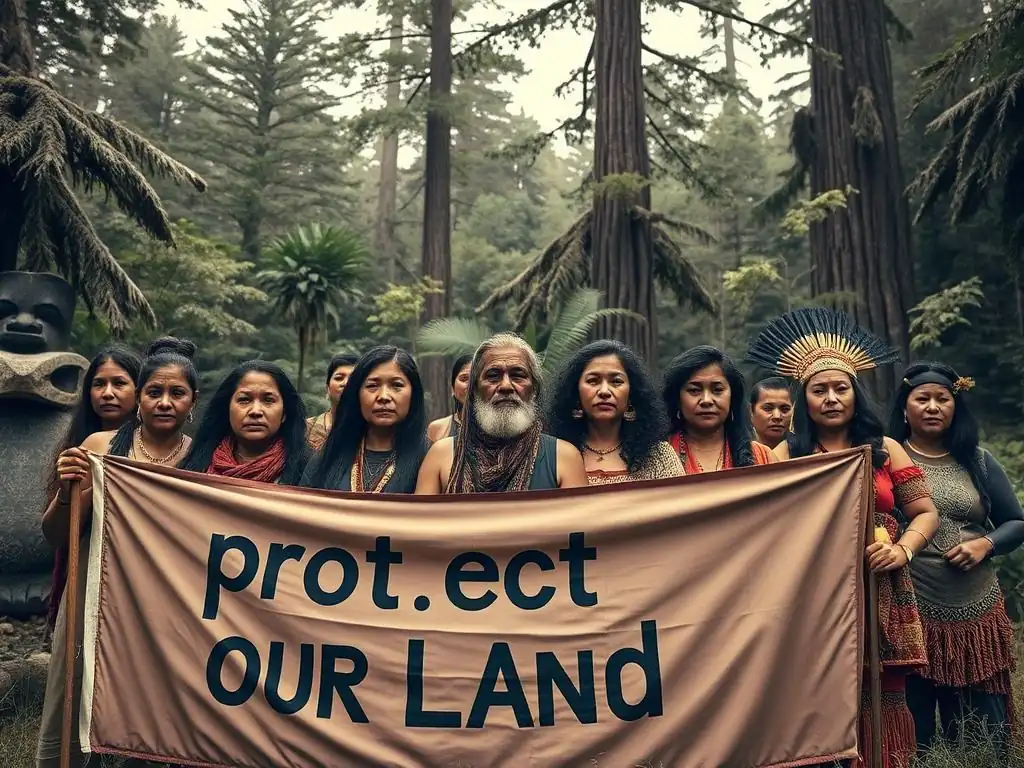
Activism and advocacy play a crucial role in addressing the intersections of climate change and Indigenous land rights. The urgency of the climate crisis has galvanized Indigenous communities to advocate for their rights to land and resources, emphasizing their unique knowledge and traditional practices that contribute to environmental stewardship. These movements aim not only to protect their lands but also to preserve their cultures, which are intrinsically linked to the health of the ecosystems they inhabit.
Indigenous activists often highlight the disproportionate impacts of climate change on their communities, which face rising sea levels, extreme weather events, and loss of biodiversity. By raising awareness through protests, social media campaigns, and public speaking engagements, Indigenous leaders strive to influence policy changes at local, national, and international levels. Their advocacy efforts draw attention to the necessity of integrating Indigenous knowledge into climate action strategies, thereby fostering resilience and sustainability.
Prominent Indigenous Leaders and Organizations
Several Indigenous leaders and organizations have emerged as pivotal advocates for land rights in the context of climate change. Figures like Winona LaDuke, a member of the Ojibwe tribe and co-founder of the Indigenous-led organization Honor the Earth, have been instrumental in highlighting the connection between Indigenous sovereignty and environmental justice. LaDuke's work focuses on promoting renewable energy and sustainable practices that respect Indigenous lands.
Organizations such as the International Indigenous Peoples Forum on Climate Change (IIPFCC) provide a platform for Indigenous voices at international climate negotiations, ensuring that their rights and perspectives are included in discussions. Similarly, the Native American Rights Fund (NARF) plays a critical role in legal advocacy, helping Indigenous communities navigate the complexities of land rights in the face of climate-related challenges.
Grassroots Movements and Community Initiatives
Grassroots movements led by Indigenous communities have gained traction in recent years, showcasing the power of local initiatives to combat climate change while asserting land rights. Many of these movements focus on sustainable practices rooted in traditional ecological knowledge, which emphasize harmony with nature and community well-being.
For instance, initiatives like the Protecting Mother Earth gatherings unite Indigenous peoples from various regions to share strategies and foster solidarity against environmental degradation. Local community projects, such as reforestation efforts or the revival of traditional agricultural practices, not only enhance food security but also reinforce cultural identity and community resilience.
These grassroots efforts are essential in building momentum for larger movements, as they demonstrate the effectiveness of Indigenous-led solutions to climate change. By empowering community members and fostering leadership from within, these initiatives cultivate a sense of agency and responsibility toward their lands.
The Importance of Solidarity with Non-Indigenous Allies
Solidarity with non-Indigenous allies is vital for the success of Indigenous land rights movements in the face of climate change. Collaborations between Indigenous activists and environmental organizations can amplify their voices and enhance the reach of their messages. Such partnerships can help bridge the gap between different communities, fostering mutual understanding and shared goals.
Non-Indigenous allies can provide critical support in various forms, including legal assistance, funding for projects, and amplifying Indigenous voices in mainstream media. It is essential, however, that these allies approach their support with humility and respect, acknowledging Indigenous leadership and prioritizing the needs and perspectives of Indigenous communities.
Collective action, such as participating in protests or supporting campaigns against environmentally harmful policies, can strengthen the overall movement. The unity of diverse groups in advocating for Indigenous land rights and climate action reflects a broader commitment to social justice and environmental sustainability.
Challenges Facing Indigenous Land Rights Movements
Despite the progress made by Indigenous land rights movements, significant challenges persist, particularly in the context of climate change. These challenges can impede the ability of Indigenous communities to advocate for their rights and protect their lands.
Government Policies and Climate Change Mitigation
Government policies often fail to adequately recognize Indigenous land rights, particularly in the context of climate change mitigation strategies. Many countries prioritize economic development and resource extraction over the rights and needs of Indigenous peoples, resulting in conflicts over land use and environmental degradation. Legislative frameworks frequently overlook the importance of consulting Indigenous communities, leading to decisions that undermine their sovereignty and traditional ways of life.
Additionally, policies aimed at combating climate change may inadvertently exacerbate these issues. For example, the promotion of large-scale renewable energy projects may encroach on Indigenous lands without proper consent or consideration of their impact on local ecosystems. It is crucial for governments to incorporate Indigenous perspectives into climate policies to ensure equitable and just solutions.
Corporate Interests and Resource Extraction
Corporate interests often pose significant threats to Indigenous land rights, especially in the context of resource extraction. Oil, gas, mining, and logging companies frequently seek to exploit Indigenous territories, leading to environmental degradation and violation of Indigenous rights. These enterprises often operate with little regard for the social and environmental impacts on Indigenous communities, prioritizing profit over sustainability.
Indigenous peoples often find themselves in a precarious position, as they must navigate the pressures of corporate interests while attempting to assert their rights. Legal battles against corporations can be lengthy and resource-intensive, draining community energy and finances. Moreover, the influence of corporate lobbying on government policies can further marginalize Indigenous voices in decision-making processes.
Internal Divisions within Indigenous Communities
Internal divisions within Indigenous communities can also present challenges to land rights movements. Differences in opinions regarding land use, climate action strategies, and the role of external allies can lead to conflicts that weaken collective efforts. Some community members may prioritize immediate economic benefits from resource extraction over long-term environmental sustainability, creating tensions that can undermine unity.
Additionally, varying levels of access to resources, education, and technology can exacerbate these divisions, leading to disparities in how communities approach activism and advocacy. It is essential for Indigenous movements to foster dialogue and consensus-building within their communities to strengthen their collective voice and enhance their effectiveness in the face of climate change.
Future Directions for Indigenous Land Rights and Climate Change
As climate change continues to pose significant threats to ecosystems and communities worldwide, Indigenous land rights movements are evolving to address these challenges head-on. Future directions in this area involve a heightened focus on integrating Indigenous knowledge systems with contemporary environmental science to design effective resilience strategies. This collaboration can empower Indigenous communities to play a pivotal role in climate action, leveraging their profound understanding of local ecosystems and sustainable resource management practices.
Additionally, there is an increasing recognition of the need for legal frameworks that explicitly protect Indigenous land rights in the context of climate change. This may involve advocating for international agreements that prioritize Indigenous sovereignty and recognize traditional land stewardship as a critical component of global climate solutions. The ongoing dialogue surrounding the United Nations Declaration on the Rights of Indigenous Peoples (UNDRIP) serves as a foundation for these efforts, pushing for greater recognition of Indigenous rights in climate policies and practices.
Potential Strategies for Empowering Indigenous Communities
Empowering Indigenous communities in the face of climate change requires multifaceted strategies that address both social and environmental issues. Some key approaches include:
- Capacity Building: Investing in training and education for Indigenous leaders and community members to enhance their skills in advocacy, negotiation, and environmental management.
- Community-led Research: Supporting Indigenous-led research initiatives that document traditional ecological knowledge and its relevance to contemporary climate challenges.
- Policy Advocacy: Engaging in policy advocacy to ensure that Indigenous voices are included in climate discussions at local, national, and international levels.
- Collaborative Partnerships: Forming partnerships between Indigenous communities, NGOs, and governmental bodies to foster mutual understanding and collaborative action on land rights and climate resilience.
By implementing these strategies, Indigenous communities can strengthen their positions in land rights movements and contribute effectively to climate change mitigation and adaptation efforts.
The Importance of Sustainable Development Practices
Sustainable development practices are critical in the context of Indigenous land rights and climate change. These practices not only protect the environment but also uphold the cultural and social integrity of Indigenous communities. Key aspects include:
- Respecting Traditional Knowledge: Integrating Indigenous knowledge systems into sustainable development initiatives ensures that projects are culturally appropriate and ecologically sound.
- Promoting Biodiversity: Sustainable land management practices that prioritize biodiversity can enhance ecosystem resilience, supporting the livelihoods of Indigenous peoples who depend on these resources.
- Economic Alternatives: Developing sustainable economic alternatives that align with Indigenous values and practices can reduce reliance on exploitative industries, fostering self-determination and economic independence.
By prioritizing sustainable development, Indigenous communities can navigate the challenges posed by climate change while safeguarding their rights and cultural heritage.
Building Resilience Against Climate Change Impacts
Building resilience against climate change impacts is fundamental for Indigenous communities, who often face the brunt of environmental changes. Effective resilience strategies include:
- Restoration of Ecosystems: Engaging in ecological restoration projects that rehabilitate degraded lands and improve biodiversity helps strengthen community resilience.
- Infrastructure Development: Investing in climate-resilient infrastructure, such as water management systems and housing, can reduce vulnerability to climate impacts.
- Cultural Preservation: Maintaining and revitalizing cultural practices and languages fosters community cohesion and identity, which are vital for resilience in the face of change.
By focusing on these areas, Indigenous communities can enhance their adaptive capacity and assert their land rights in the context of climate change.
Conclusion: The Crucial Link Between Climate Change and Indigenous Land Rights
The intersection of climate change and Indigenous land rights is a pressing issue that requires urgent attention. The impacts of climate change threaten not only the environment but also the livelihoods and cultures of Indigenous peoples. Understanding this link is crucial for developing effective responses that uphold Indigenous rights and promote environmental justice.
Summary of Key Points
- Climate change disproportionately affects Indigenous communities, making their land rights movements increasingly relevant.
- Empowering Indigenous communities through capacity building, research, policy advocacy, and partnerships is essential for addressing climate challenges.
- Sustainable development practices that respect Indigenous knowledge and promote biodiversity are critical for safeguarding both the environment and Indigenous cultures.
- Building resilience against climate change impacts through ecosystem restoration, infrastructure development, and cultural preservation is vital for Indigenous communities.
Call to Action for Support and Solidarity with Indigenous Movements
As the world grapples with the escalating effects of climate change, it is imperative for allies to support Indigenous land rights movements. This support can take various forms, including:
- Advocacy: Lobbying for policies that recognize and protect Indigenous land rights in climate action plans.
- Education: Raising awareness about the importance of Indigenous knowledge in addressing climate change.
- Financial Support: Contributing to organizations and initiatives that empower Indigenous communities and promote their rights.
By standing in solidarity with Indigenous movements, we can collectively work towards a more just and sustainable future for all. 🌎✊
- Understanding Indigenous Land Rights
- The Intersection of Climate Change and Indigenous Land Rights
- Indigenous Land Rights Movements in Response to Climate Change
- Legal Frameworks Supporting Indigenous Land Rights
- The Role of Activism and Advocacy in Climate Change
- Challenges Facing Indigenous Land Rights Movements
- Future Directions for Indigenous Land Rights and Climate Change
- Conclusion: The Crucial Link Between Climate Change and Indigenous Land Rights
- What are Indigenous land rights?
- How does climate change affect Indigenous communities?
- What role do Indigenous peoples play in addressing climate change?
- How are land rights movements connected to climate change?
- What actions are being taken to support Indigenous land rights in the context of climate change?
Frequently Asked Questions
What are Indigenous land rights?
Indigenous land rights refer to the legal and moral entitlements of Indigenous peoples to own, occupy, and use their ancestral lands. These rights are crucial for maintaining their cultural identity and ensuring their socio-economic development.
How does climate change affect Indigenous communities?
Climate change poses significant threats to Indigenous communities by altering their traditional lifestyles, disrupting ecological systems, and increasing vulnerability to natural disasters. This often exacerbates existing social and economic challenges.
What role do Indigenous peoples play in addressing climate change?
Indigenous peoples contribute valuable traditional knowledge and sustainable practices that can enhance climate resilience. Their involvement in environmental management is essential for creating effective climate strategies that respect their rights.
How are land rights movements connected to climate change?
Land rights movements advocate for the recognition of Indigenous rights to territory, which is critical for protecting their ecosystems. These movements often highlight the intersection of climate justice and Indigenous rights, emphasizing the need for sustainable land stewardship.
What actions are being taken to support Indigenous land rights in the context of climate change?
Various organizations and governments are working to recognize and uphold Indigenous land rights through legal reforms, partnerships, and funding. Advocacy efforts aim to integrate Indigenous voices in climate policy decision-making processes.
Final Reflection: The Intersection of Indigenous Land Rights and Climate Change
The urgency of addressing climate change is intrinsically linked to the preservation of Indigenous land rights. As we witness the escalating effects of climate change, it becomes increasingly clear that Indigenous communities are on the front lines, facing not only environmental degradation but also the erosion of their cultural identities and rights to their ancestral lands. The fight for Indigenous land rights is not just a matter of justice; it is a critical component of our collective response to climate change.
The ongoing struggle for Indigenous land rights serves as a powerful reminder of the interconnectedness of environmental and social justice. Indigenous peoples have long been the stewards of the land, and their knowledge and practices are essential for sustainable resource management. As climate change continues to threaten ecosystems and livelihoods, the recognition and protection of Indigenous land rights become paramount. Indigenous peoples are not just victims of climate change; they are key players in the solution.
This quote encapsulates the vital role that Indigenous communities play in combating climate change and highlights the need for their voices to be included in policy discussions.
As we reflect on the themes explored in this article, I invite you to consider your own relationship with the land and the rights of those who have cared for it for generations. How can you support Indigenous land rights in the face of climate change?
Whether through advocacy, education, or personal action, each of us has a role to play in fostering a more equitable and sustainable future. Let us commit to amplifying Indigenous voices and ensuring that their rights are upheld, for in doing so, we not only honor their heritage but also safeguard the planet for future generations.
Embrace Change: Advocate for Indigenous Rights Today!
Thank you for taking the time to explore the vital intersections of climate change and Indigenous land rights. Your interest not only enriches your understanding but also amplifies the voices that must be heard. Now is the moment to turn that knowledge into action!
Here are a few impactful ways you can contribute to the movement:
- Start a conversation: Share your insights on social media about how climate change affects Indigenous communities. Use relevant hashtags to connect with broader discussions.
- Support local initiatives: Identify and donate to organizations that advocate for Indigenous rights and climate justice in your community or online.
- Join a workshop or webinar: Participate in events that educate and mobilize communities around Indigenous land rights and climate change.
What unique ideas do you have for collaborating with Indigenous communities to address climate change collectively? Let’s spark a dialogue in the comments!