
The Path Forward: Initiatives to Revitalize Indigenous Languages in Modern Society

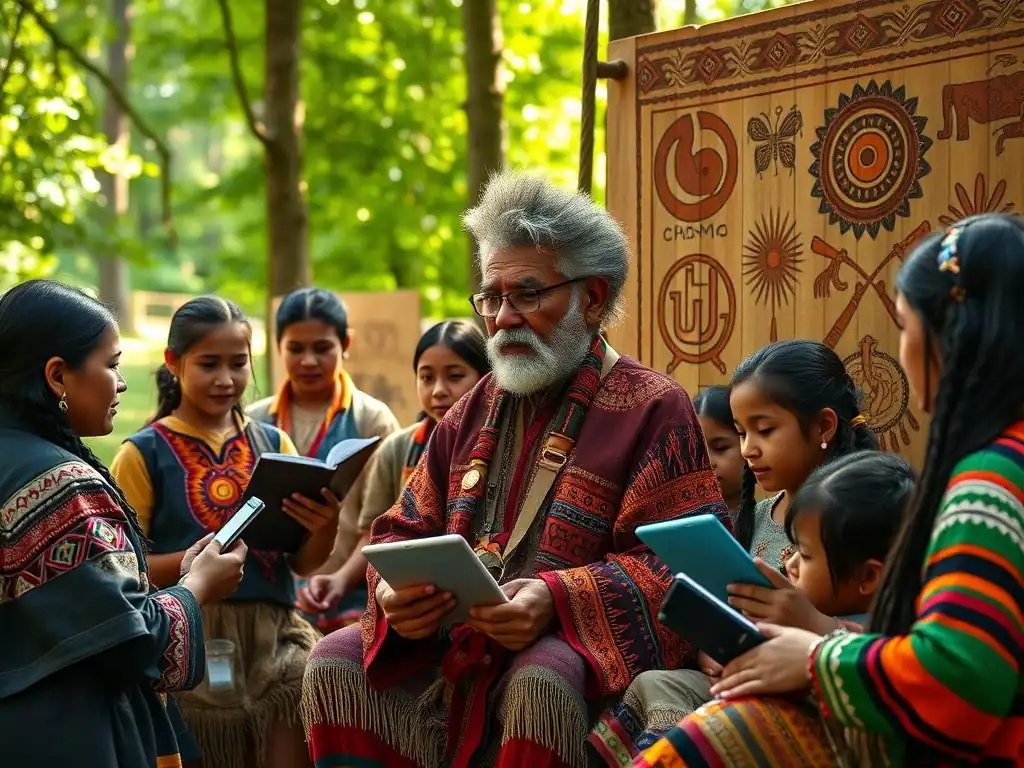
Welcome to Indigenous Civilizations of the Americas, where we embark on a fascinating journey through the rich tapestry of indigenous cultures that flourished long before European colonization. In our featured article, “The Path Forward: Initiatives to Revitalize Indigenous Languages in Modern Society,” we delve into the essential efforts aimed at preserving and rejuvenating these vital languages that are integral to cultural identity and heritage.
Discover how these revitalization initiatives not only honor the past but also pave the way for a resilient future. Join us as we uncover the stories and achievements of these remarkable civilizations, sparking curiosity and inspiring a deeper understanding of their enduring legacy.
Introduction to Indigenous Languages Revitalization
The revitalization of indigenous languages is an essential movement aimed at preserving the cultural heritage and identity of Native American communities across the Americas. As we delve into this topic, we uncover not only the rich tapestry of languages that once flourished but also the profound implications of their loss due to historical and ongoing challenges.
This article will explore various initiatives aimed at revitalizing indigenous languages, highlighting their significance, the impact of language loss, and the historical context surrounding this vital cause. By understanding the stakes involved in preserving these languages, we can appreciate the efforts being made to ensure that these voices are not silenced but instead flourish in modern society.
Importance of Revitalizing Indigenous Languages
Revitalizing indigenous languages is crucial for several reasons:
- Cultural Identity: Language is a fundamental aspect of cultural identity. It carries traditions, stories, and values that define a community. Revitalization efforts help keep these elements alive.
- Community Cohesion: Strong language ties foster a sense of belonging and unity within communities. When members can communicate in their native tongue, it strengthens interpersonal connections and cultural bonds.
- Knowledge Preservation: Many indigenous languages encapsulate unique ecological knowledge and worldviews. Revitalizing these languages allows for the transmission of this invaluable knowledge to future generations.
- Resistance to Assimilation: Language revitalization serves as a form of resistance against the historical injustices and assimilation policies imposed on indigenous peoples. It is a powerful statement of resilience and autonomy.
Overview of Language Loss in Indigenous Communities
The loss of indigenous languages is a pressing issue, with alarming statistics reflecting the severity of the crisis. According to estimates, over 300 indigenous languages in the Americas are critically endangered, with many having fewer than 100 speakers left. This decline is attributed to various factors, including:
- Colonial Policies: The imposition of colonization often led to the suppression of indigenous languages, as European settlers sought to impose their own languages and cultures.
- Urbanization: As indigenous peoples migrate to urban areas for economic opportunities, they often adopt dominant languages, leading to a decline in native language use.
- Generational Transmission: Many indigenous languages are not being passed down to younger generations, as parents may prioritize dominant languages for socio-economic reasons.
Historical Context of Indigenous Language Loss
To fully grasp the current revitalization initiatives, it is essential to understand the historical context of language loss among indigenous communities.
Impact of European Colonization on Indigenous Languages
The arrival of European colonizers marked a turning point for indigenous languages throughout the Americas. Colonization brought about significant shifts in social structures, economic systems, and cultural practices. The following consequences were particularly impactful:
- Forced Assimilation: Colonizers often viewed indigenous cultures and languages as inferior. Policies were enacted that enforced the learning of European languages, while indigenous languages were marginalized or outright banned.
- Missionary Activities: Missionaries played a dual role; while some made efforts to document indigenous languages, many aimed to convert indigenous peoples by promoting European languages and Christianity, leading to language decline.
- Displacement and Decimation: The displacement of indigenous populations due to war, disease, and forced removal further contributed to the loss of languages as communities became fragmented.
Case Studies: Indigenous Languages Affected by Conquest
To illustrate the impact of colonization on indigenous languages, we can look at specific case studies:
- The Cherokee Language: Once thriving, the Cherokee language faced significant decline due to the Trail of Tears and subsequent assimilation policies. Today, revitalization efforts include language immersion programs in schools.
- The Quechua Language: Spoken in various countries like Peru and Bolivia, Quechua has experienced a decline due to Spanish colonization and modern pressures. Initiatives in education and media are helping to revitalize its use among younger generations.
- The Navajo Language: The Navajo language saw a resurgence during and after World War II, when Navajo code talkers used it for secure communications. Today, efforts focus on integrating the language into educational curricula and community programs.
Through these examples, we can see how the legacies of colonization continue to affect indigenous languages, underscoring the urgency of revitalization initiatives in modern society.
Current Initiatives for Revitalizing Indigenous Languages
Revitalizing indigenous languages is critical for preserving cultural heritage and identity among indigenous communities. Across the Americas, various initiatives have emerged, focusing on both grassroots efforts and structured programs. These initiatives aim to promote language acquisition and usage among younger generations, thus ensuring that these languages continue to thrive in a modern context. By harnessing community involvement, educational frameworks, and technological advancements, stakeholders are creating pathways for language revitalization that resonate with both tradition and contemporary life.
Government Programs Supporting Language Revitalization
Numerous governments have recognized the importance of revitalizing indigenous languages and have initiated programs to support these efforts. For instance, in Canada, the Indigenous Languages Act was established to preserve and promote indigenous languages across the nation. This act provides funding for language programs, supports community initiatives, and encourages collaboration between indigenous groups and government agencies.
Similarly, in the United States, the Native American Languages Act works to protect and promote the use of indigenous languages, providing grants to tribes for language instruction and preservation efforts. These government programs play a crucial role in creating an environment where indigenous languages can flourish, reflecting a commitment to cultural diversity and social justice.
Community-Led Initiatives for Language Preservation
Community-led initiatives are vital in the movement to revitalize indigenous languages, as they are often driven by the passions and needs of the community members themselves. For example, many indigenous communities have established language nests—immersive programs for young children that involve native speakers as teachers. These nests foster a nurturing environment where children learn their languages naturally through daily activities. Additionally, storytelling circles and cultural events are organized to promote the use of indigenous languages and engage community members of all ages. Such grassroots efforts not only strengthen language skills but also reinforce cultural identity and community cohesion.
Educational Programs Focused on Indigenous Languages
Educational programs aimed at indigenous languages are increasingly being integrated into school curriculums, emphasizing the importance of linguistic diversity. Many institutions now offer courses in indigenous languages, often taught by fluent speakers from the community. These programs are designed to not only teach the language but also to incorporate cultural teachings, history, and traditions, thus providing a holistic educational experience.
Furthermore, partnerships between schools and indigenous communities foster collaborative learning environments where students gain respect and appreciation for their linguistic heritage. These educational initiatives are crucial for ensuring that future generations have the opportunity to learn and use their indigenous languages.
Technology and Indigenous Language Revitalization

The advent of technology has opened new avenues for the revitalization of indigenous languages, making them more accessible to wider audiences. Digital platforms and tools are being utilized to facilitate language learning and preservation, providing innovative solutions to the challenges faced by indigenous communities. From online courses to social media campaigns, technology is playing a transformative role in the way indigenous languages are taught, learned, and celebrated.
Role of Digital Tools in Language Learning
Digital tools have become essential in modern language learning, allowing individuals to engage with indigenous languages in interactive and meaningful ways. Online platforms offer a variety of resources, including language courses, video tutorials, and interactive exercises, making it easier for learners to practice and enhance their skills. Moreover, social media provides a space for language communities to connect, share resources, and foster language use in everyday conversations. This digital engagement not only supports language learning but also builds a sense of community among speakers and learners.
Mobile Applications Promoting Indigenous Language Use
Mobile applications are increasingly popular for promoting indigenous language use, providing users with convenient and flexible learning options. Apps such as "Duolingo" have introduced indigenous languages into their offerings, allowing users to learn through gamified experiences. Other dedicated apps focus specifically on indigenous languages, featuring vocabulary lessons, pronunciation guides, and cultural context. These mobile tools are essential for reaching younger audiences who are accustomed to using technology in their daily lives, making language learning more engaging and accessible.
Online Resources for Language Preservation
The internet is rich with resources aimed at preserving indigenous languages, offering a wealth of information and materials for both speakers and learners. Websites dedicated to specific languages often provide dictionaries, grammar guides, and audio recordings of native speakers, facilitating self-directed learning. Additionally, online archives and databases are being developed to document and preserve linguistic heritage, ensuring that future generations have access to their languages and cultures. These resources not only empower individuals to learn but also serve as repositories of knowledge that contribute to the broader effort of language revitalization.
Cultural Significance of Revitalizing Indigenous Languages
Revitalizing indigenous languages holds profound cultural significance, acting as a bridge to ancestral knowledge and traditions. Each language embodies the unique worldview and historical experiences of its people, encapsulating values, beliefs, and practices that have been passed down through generations. By revitalizing these languages, communities are not only preserving their heritage but also fostering a sense of pride and identity among younger generations.
The act of speaking an indigenous language often brings people together, reinforcing social bonds and encouraging communal activities. This collective effort to maintain linguistic traditions can strengthen cultural identity and help combat the effects of colonization and globalization, which have often marginalized indigenous voices. Furthermore, revitalized languages can serve as tools for cultural education and awareness, allowing non-indigenous populations to understand and appreciate the richness of indigenous histories and perspectives.
Language as a Vessel of Indigenous Knowledge
Indigenous languages are much more than mere communication tools; they are vessels of knowledge that encompass ecological wisdom, oral histories, and spiritual beliefs. Many indigenous communities possess deep-rooted understandings of their environments, which are intricately woven into their languages. For instance, specific terms may exist for local flora and fauna, reflecting a profound connection to the land and its resources.
Revitalizing these languages enables the transmission of this critical knowledge to future generations, ensuring that traditional ecological practices and cultural narratives are preserved. Moreover, studies have shown that linguistic diversity is closely linked to biodiversity, highlighting the importance of indigenous languages in maintaining both cultural and environmental health.
Connection Between Language and Identity
Language is a core component of individual and collective identity for indigenous peoples. It shapes how communities perceive themselves and how they relate to the broader world. When a language is revived, it can restore a sense of belonging and continuity among its speakers, fostering resilience against cultural erosion.
For many, speaking their indigenous language is a profound declaration of identity and resistance to assimilation. This connection could manifest in various forms, such as participation in traditional ceremonies, storytelling, and community gatherings, where the language is actively used and celebrated. Thus, initiatives aimed at revitalizing indigenous languages play a crucial role in restoring cultural pride and affirming the identity of indigenous peoples.
Revitalizing Languages Through Cultural Practices
Cultural practices are essential in the revitalization of indigenous languages, as they provide context and purpose for language use. Engaging in traditional activities such as storytelling, dance, and ceremonies allows communities to naturally incorporate their languages into daily life.
Educational initiatives that focus on integrating cultural practices into language learning can be particularly effective. For example, workshops that teach traditional crafts while using the indigenous language can enhance language acquisition and retention. Additionally, intergenerational programs that encourage elders to share their knowledge with youth can strengthen language skills and cultural transmission, ensuring that the language remains a living, vibrant part of community life.
Challenges in Revitalizing Indigenous Languages
Revitalizing indigenous languages is a complex endeavor fraught with challenges. These obstacles may stem from historical, social, or economic factors that have contributed to language loss and erosion over time. Addressing these challenges requires a multifaceted approach that engages communities, governments, and educational institutions.
Societal Attitudes Toward Indigenous Languages
One of the significant challenges in revitalizing indigenous languages is the prevailing societal attitudes that often devalue these languages. Many indigenous languages have been historically stigmatized, leading to a sense of inferiority among speakers and potential learners. Negative perceptions can discourage individuals from using their languages in public or formal settings, further contributing to language decline.
To combat this, initiatives must work to change societal attitudes by promoting the value of linguistic diversity and the importance of preserving indigenous cultures. Public awareness campaigns, educational programs, and community events that celebrate indigenous languages can help foster a more positive perception and encourage individuals to embrace their linguistic heritage.
Resource Limitations for Language Programs
Many communities face significant resource limitations when attempting to implement language revitalization programs. Funding is often insufficient, and there may be a lack of trained educators who are proficient in indigenous languages. Additionally, the absence of teaching materials and resources can hinder effective language instruction.
To address these limitations, partnerships with universities, non-profit organizations, and government agencies can be crucial in securing funding and resources for language programs. Collaborative efforts can help develop teaching materials, training programs for educators, and community workshops that empower local speakers to take an active role in the revitalization process.
Balancing Traditional and Modern Language Use
Another challenge lies in balancing traditional language use with the realities of modern society. Many indigenous speakers are bilingual, often using a dominant language for daily communication while reserving their indigenous language for specific contexts. This dynamic can create tension, as younger generations may prefer to use the dominant language, perceiving it as more practical for their futures.
Revitalization initiatives must find ways to bridge this gap, promoting the relevance and utility of indigenous languages in contemporary life. By highlighting how indigenous languages can coexist with modern languages—through technology, media, and social platforms—communities can foster a sense of pride in bilingualism while ensuring that their languages remain vital for future generations.
Success Stories in Language Revitalization
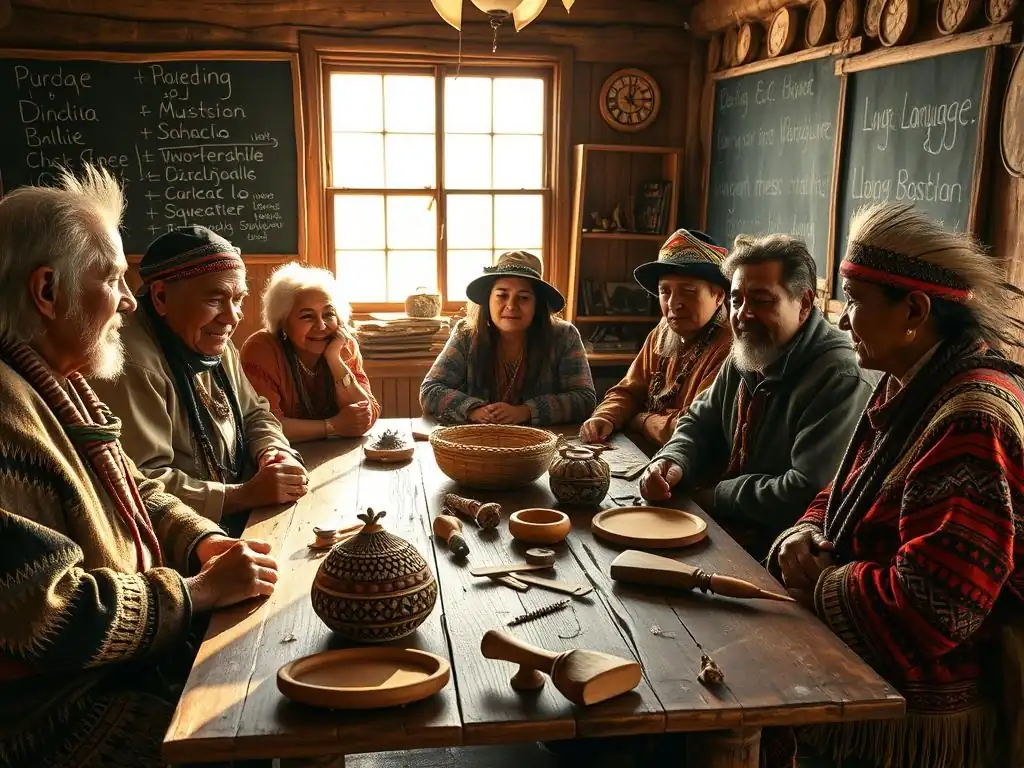
Revitalizing indigenous languages has seen a variety of successful initiatives across different regions in the Americas, showcasing the resilience and dedication of indigenous communities. These initiatives have not only helped preserve languages that were on the brink of extinction but have also fostered a greater sense of identity and cultural pride among younger generations.
Highlighting Successful Initiatives Across the Americas
One notable example is the Kanyen’keha (Mohawk) language revitalization project in Canada, where community members have developed immersion schools. These schools prioritize teaching children in their native language, integrating cultural teachings alongside linguistic education. As a result, the number of fluent speakers has increased, and the community is actively passing on the language to younger generations.
Another inspiring initiative is the Quechua Language Academy in Peru, which offers courses and resources for both children and adults. By utilizing modern technology, such as mobile applications and online tutorials, the academy has made learning accessible to a broader audience, supporting not just language retention but also cultural transmission.
Interviews with Language Revitalization Advocates
Interviews with advocates like Dr. Leanne Hinton, a prominent linguist involved in revitalizing endangered languages, provide insight into the practical aspects of these initiatives. Dr. Hinton emphasizes the importance of community involvement, stating, “It’s not just about teaching the language; it’s about creating a community of speakers who are proud of their heritage.”
Similarly, Nina N. from the Navajo Nation highlights the use of storytelling as a powerful tool in language education, noting, “When children hear stories in Navajo, they connect with their culture and history, making the language come alive.”
Measuring the Impact of Revitalization Efforts
The impact of language revitalization efforts can be measured through various indicators, including increased fluency rates among younger generations and the establishment of community programs focused on language education. For instance, surveys conducted in regions like New Zealand, where Māori language revitalization has been prominent, indicate a significant rise in speakers, contributing to broader cultural awareness.
Moreover, academic studies show that revitalized languages contribute to improved self-esteem and identity among indigenous youth. By engaging with their languages, they are more likely to participate in cultural practices and community activities, fostering a stronger bond with their heritage.
Future Directions for Indigenous Language Revitalization
As we look ahead, the future of indigenous language revitalization appears promising, with several emerging trends and collaborative efforts taking shape.
Emerging Trends and Innovations in Language Preservation
Innovative technologies are playing a crucial role in language preservation. Digital archives and online platforms allow for the documentation and sharing of indigenous languages in real-time. Projects like "Cherokee Nation Language App" enable users to learn through interactive methods, gamifying the experience of language acquisition.
Additionally, the integration of social media as a space for language use and practice has empowered younger speakers to engage with their languages in contemporary contexts, making the learning process more relevant and exciting.
Collaborations Between Indigenous Communities and Institutions
Collaborative efforts between indigenous communities and educational institutions are vital for successful revitalization. Programs such as “Language Nests” have emerged, where universities partner with local tribes to create immersive environments for language learning. These partnerships not only provide resources but also help in creating a curriculum that reflects the cultural context of the language.
Furthermore, government support for indigenous language initiatives, through funding and policies, is essential. Collaborations that prioritize the voices of indigenous people in decision-making processes ensure that revitalization efforts are culturally relevant and sustainable.
Importance of Intergenerational Language Transmission
One of the most critical aspects of revitalizing indigenous languages is intergenerational transmission. Families play a pivotal role in this process, as the home environment is often where language learning begins. Encouraging elders to pass down their knowledge and experiences through storytelling and daily conversation strengthens language skills in younger members.
Programs designed to facilitate interactions between generations, such as “Elders and Youth Language Camps,” are proving effective. These camps not only teach language but also instill a sense of pride in cultural heritage, ensuring that indigenous languages continue to thrive for future generations.
The path forward for revitalizing indigenous languages is filled with hope and innovation, driven by community engagement, technological advancements, and a commitment to cultural identity.
Conclusion: The Path Forward for Indigenous Languages
Revitalizing indigenous languages is a crucial endeavor that not only preserves cultural heritage but also strengthens identity and community bonds among Indigenous peoples. As we move forward, it becomes imperative to recognize the importance of these languages in embodying unique worldviews, histories, and knowledge systems. The initiatives currently underway demonstrate a growing awareness and commitment to address the challenges faced by indigenous languages, many of which are endangered or at risk of extinction.
Collaborative efforts involving indigenous communities, educational institutions, governments, and non-profit organizations are pivotal in creating sustainable programs for language learning and transmission. By fostering environments where indigenous languages are valued and actively spoken, we can ensure that future generations inherit their linguistic heritage. Therefore, the path forward lies in collective action and a shared responsibility to nurture and revitalize these languages, ensuring they thrive in contemporary society.
Call to Action for Supporting Revitalization Initiatives
To make a meaningful impact on revitalizing indigenous languages, collective action is essential. Here are some ways individuals and organizations can contribute:
- Support Local Initiatives: Engage with and support local language programs and workshops aimed at teaching indigenous languages. Participate actively or volunteer your time and skills.
- Advocate for Policy Changes: Lobby for governmental policies that prioritize the teaching and preservation of indigenous languages within educational systems. This includes advocating for funding and resources dedicated to language revitalization efforts.
- Promote Cultural Awareness: Raise awareness about the significance of indigenous languages through social media, community events, or educational forums. Sharing stories and experiences can foster a deeper understanding and appreciation of these languages.
- Encourage Intergenerational Learning: Facilitate environments where elders can pass down their knowledge of the language to younger generations. This can be through storytelling, community gatherings, or language camps.
- Utilize Technology: Leverage technology to create and disseminate language-learning resources, such as apps, online courses, and social media platforms dedicated to language practice and engagement.
By taking these steps, we can contribute to a broader movement that not only preserves languages but also honors the cultures and traditions they represent.
Final Thoughts on the Importance of Indigenous Languages in Modern Society
Indigenous languages are more than mere tools for communication; they are vessels of culture, tradition, and identity. In a modern society increasingly dominated by globalization, the preservation of these languages becomes a testament to the resilience and strength of indigenous communities. Each language carries unique perspectives and knowledge that enrich our understanding of human experience.
The revitalization of indigenous languages is not just about mitigating loss; it is about fostering diversity and promoting inclusivity in a world that often overlooks these rich cultural heritages. As society progresses, it is essential to recognize the role indigenous languages play in addressing contemporary issues, including social justice, environmental stewardship, and cultural continuity.
The movement towards revitalizing indigenous languages is a critical endeavor that deserves our attention and support. By valuing and investing in these languages, we not only honor the past but also pave the way for a more inclusive and culturally rich future. It is a journey that requires dedication and collaboration, but the rewards—cultural richness, identity preservation, and community resilience—are immeasurable.
- Introduction to Indigenous Languages Revitalization
- Historical Context of Indigenous Language Loss
- Current Initiatives for Revitalizing Indigenous Languages
- Technology and Indigenous Language Revitalization
- Cultural Significance of Revitalizing Indigenous Languages
- Challenges in Revitalizing Indigenous Languages
- Success Stories in Language Revitalization
- Future Directions for Indigenous Language Revitalization
- Conclusion: The Path Forward for Indigenous Languages
- What are indigenous languages and why are they important?
- What are some examples of initiatives to revitalize indigenous languages?
- How do revitalizing indigenous languages initiatives impact communities?
- What role does technology play in language revitalization?
- How can individuals support indigenous language revitalization?
Frequently Asked Questions
What are indigenous languages and why are they important?
Indigenous languages are the native languages spoken by the original inhabitants of a region. They are important as they carry cultural heritage, history, and identity, and are vital for the preservation of indigenous cultures.
What are some examples of initiatives to revitalize indigenous languages?
Initiatives include language immersion programs, community workshops, and online resources that encourage the use and teaching of indigenous languages. These programs aim to engage younger generations and promote cultural continuity.
How do revitalizing indigenous languages initiatives impact communities?
These initiatives help to strengthen community identity, enhance cultural pride, and foster intergenerational connections. They also contribute to the overall well-being of indigenous communities by promoting social cohesion.
What role does technology play in language revitalization?
Technology plays a significant role by providing platforms for online learning, creating mobile applications, and facilitating virtual communities where speakers and learners can connect and practice indigenous languages.
How can individuals support indigenous language revitalization?
Individuals can support these efforts by participating in local language classes, promoting the use of indigenous languages in daily life, and advocating for policies that support language preservation in educational systems.
Final Reflection: Embracing the Future of Indigenous Languages
The revitalization of indigenous languages is not just a cultural necessity; it is a profound act of justice and recognition. In today's globalized world, where dominant languages often overshadow local dialects, the urgency to preserve and promote indigenous languages has never been more critical. The initiatives discussed in this article serve as a beacon of hope, reminding us that language is not merely a means of communication but a vessel of identity, history, and culture. By prioritizing these efforts, we can ensure that the voices of indigenous communities are heard and celebrated.
The ongoing influence of revitalizing indigenous languages initiatives is palpable in our cultural landscape, fostering a deeper understanding of diversity and heritage. As communities come together to reclaim their languages, they also reclaim their narratives, weaving a richer tapestry of human experience. This movement is not only about preservation; it is about empowerment and resilience. Language is the road map of a culture. It tells you where its people come from and where they are going.
- Rita Mae Brown. This quote encapsulates the essence of why these initiatives matter; they guide us toward a future where all voices are valued.
As we reflect on the importance of revitalizing indigenous languages, I invite you to consider your role in this journey. What steps can you take to support these initiatives in your community? Whether it’s learning a few words, attending cultural events, or advocating for language education, every action counts. Let us commit to honoring and uplifting indigenous languages, ensuring they thrive for generations to come. Together, we can pave the way for a more inclusive and vibrant future, where every language is celebrated as a vital part of our shared humanity.
Embrace & Revitalize Indigenous Languages Today!
Thank you for taking the time to explore essential initiatives for revitalizing Indigenous languages. Your interest in this critical topic can spark meaningful change! Now, let’s channel that passion into action.
Here are some impactful steps you can take to make a difference:
- Start Learning: Enroll in a language course or download an app that teaches an Indigenous language. By learning even a few words, you contribute to the preservation of this invaluable cultural heritage.
- Share Your Knowledge: Discuss the importance of Indigenous languages with your friends or on social media. Raising awareness encourages others to join the cause and empowers Indigenous communities.
- Get Involved Locally: Connect with Indigenous organizations or participate in workshops. Engaging with your local community can deepen your understanding and help promote initiatives that matter.
What steps are you most excited to take on this journey of language revitalization? Share your thoughts, and let’s inspire each other!