
The Impact of Disease: The Silent Weapon in the Spanish Conquest of the Incas

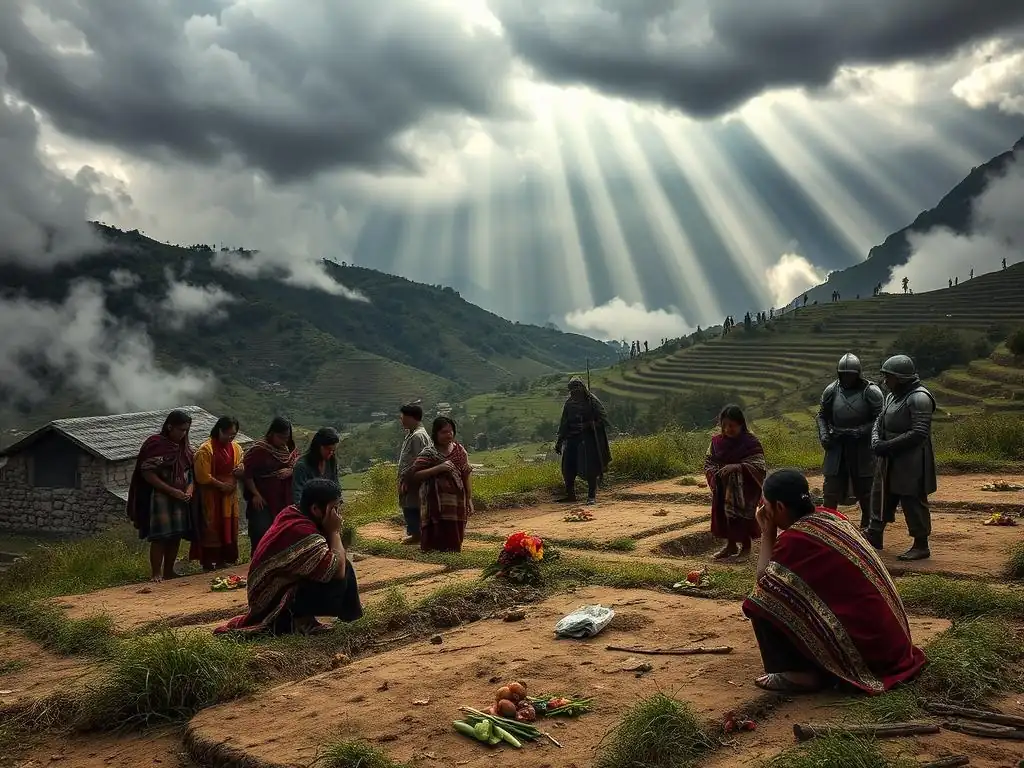
Welcome to Indigenous Civilizations of the Americas, where we invite you on a fascinating journey through the rich tapestry of indigenous cultures that flourished long before European contact. Dive deep into our featured article, “The Impact of Disease: The Silent Weapon in the Spanish Conquest of the Incas,” to uncover how unseen forces reshaped societies and altered the course of history. As you explore the profound impact of disease on the Incas, prepare to challenge your perceptions and discover the resilience of these remarkable civilizations. Your adventure into the past awaits—let the exploration begin!
The Spanish conquest of the Incas is often characterized by tales of valor, military strategy, and the quest for riches. However, one of the most insidious and devastating aspects of this historical unfolding was the impact of disease, acting as a silent weapon that significantly weakened the Inca civilization.
This article delves into how infectious diseases, introduced by European explorers and colonizers, played a crucial role in dismantling the social fabric and population of the Incas. By exploring the nuances of this topic, we aim to shed light on the complexities of the Spanish conquest and emphasize the profound consequences that disease had on indigenous populations, particularly the Incas.
Introduction to the Impact of Disease on Incas
Overview of the Spanish Conquest of the Incas
The Spanish conquest of the Inca Empire, which began in the early 1530s, was led by the ambitious conquistador Francisco Pizarro. The Incas, known for their advanced agricultural practices, sophisticated road systems, and rich cultural heritage, were initially caught off guard by the sudden arrival of Spanish forces. The conquest was not merely a straightforward military campaign; it involved intricate alliances, betrayals, and the exploitation of internal conflicts. The Incas faced not only the might of Spanish weaponry but also the unseen threat of diseases that had never before been encountered in their territories.
Importance of Understanding Disease in Historical Context
Understanding the role of disease during the Spanish conquest is essential for several reasons:
- Cultural Perspective: It offers insights into how indigenous societies were affected beyond the battlefield.
- Demographic Changes: The introduction of diseases led to significant demographic shifts, decimating populations and altering social structures.
- Historical Legacy: The impact of disease reshaped the historical trajectory of the Americas, influencing subsequent colonial policies and interactions.
The Role of Disease in the Spanish Conquest
How Disease Spread in the Americas
The spread of disease in the Americas was facilitated by various factors, including:
- Trade Routes: Extensive trade and communication networks among indigenous groups allowed diseases to spread rapidly.
- European Exploration: The arrival of Europeans introduced pathogens that were foreign to the indigenous population, who had no immunity.
- Population Displacement: The movement of people, whether through warfare or migration, further contributed to the dissemination of diseases.
Key Diseases Affecting the Inca Population
Several key diseases had a profound impact on the Inca population:
- Smallpox: Perhaps the most notorious, smallpox spread rapidly and was responsible for significant mortality among the Incas.
- Measles: Another viral disease that devastated communities, measles contributed to the high mortality rates.
- Influenza: Seasonal outbreaks of influenza also affected the health and resilience of the Inca people.
Through the lens of these diseases, we can better understand the far-reaching consequences of the Spanish conquest and the profound transformations that occurred in Incan society. The interplay between disease and conquest reveals the devastating effects of European colonization that extended far beyond military engagements, forever altering the trajectory of the indigenous cultures of the Americas.
The Societal Impact of Disease on the Incas
The impact of disease on the Incas during the Spanish conquest was profound and multifaceted. Among the most significant consequences were the drastic population declines, the disruption of social structures, and the alterations in religious practices. These changes not only affected the immediate survival of the Inca people but also reshaped their cultural and societal frameworks.
Population Decline and Social Disruption
The introduction of European diseases, particularly smallpox, had a catastrophic effect on the Inca population. Historical estimates suggest that the population of the Inca Empire, which numbered around 12 million people before European contact, plummeted to as low as 2 million by the end of the 17th century due to disease alone. This decline was not merely a demographic shift; it resulted in significant social disruption. Families were torn apart, and communities faced existential crises as they lost a substantial portion of their members.
The loss of life led to labor shortages, which had cascading effects on agriculture and the economy. As fewer individuals were available to tend to crops or fulfill labor obligations, food production decreased, leading to famine in some areas. Social cohesion was strained as traditional roles and responsibilities were disrupted, leading to increased vulnerability among the surviving population.
Breakdown of Inca Political Structure
The political structure of the Incas was heavily reliant on a centralized system of governance, with the Sapa Inca at the helm. The rapid decline in population weakened this political structure, as key leaders and administrators succumbed to disease. The loss of these figures led to a power vacuum and a breakdown in the administration of the sprawling empire.
As local leaders fell ill or died, the command and control required to maintain order and implement policies became increasingly difficult. This disintegration of political authority made the Inca society more susceptible to manipulation and control by Spanish conquistadors, who capitalized on the chaos to assert their dominance. The weakening of the political framework also hindered the Inca's ability to mount effective resistance against Spanish incursions, further facilitating the conquest.
Changes in Inca Religious Practices
The spiritual beliefs of the Incas were deeply intertwined with their societal structure and daily life. With the devastating effects of disease, many Inca people experienced crises of faith. The loss of life and suffering led to questioning of their traditional religious practices and the effectiveness of their deities in protecting them from these new and deadly diseases.
In response to the epidemic, some communities began to adopt practices that blended traditional Inca beliefs with those of the Spanish, a phenomenon known as syncretism. This included the incorporation of Christian elements into their rituals, as they sought solace in the new religion that the Spanish brought with them. Over time, these changes would significantly alter the fabric of Inca spirituality, leading to the eventual decline of traditional practices and the rise of a hybrid religious identity.
Case Studies of Disease Outbreaks
Understanding the impact of disease on the Incas requires examining specific outbreaks and their consequences. Historical records indicate that several notable epidemics occurred both before and during the Spanish conquest, providing critical insights into the scale and severity of the health crisis faced by the Inca Empire.
Notable Epidemics Before and During Conquest
One of the most significant diseases that struck the Inca Empire was smallpox, which first arrived in the region in the early 1520s. This outbreak preceded the arrival of Spanish forces led by Francisco Pizarro, causing widespread devastation among the Inca population. The disease spread rapidly, exacerbated by the lack of immunity among the indigenous peoples.
Another key epidemic was the outbreak of influenza in the late 1530s, which compounded the effects of smallpox and further reduced the Inca population. The rapid succession of these diseases created a perfect storm of mortality that destabilized Inca society at a critical juncture, paving the way for Spanish conquest.
Analysis of Regional Variations in Disease Impact
The impact of disease was not uniform throughout the Inca Empire. Different regions experienced varying degrees of mortality, influenced by factors such as population density, local governance, and geographic isolation. For example, urban centers like Cuzco faced higher rates of disease transmission due to crowded living conditions, while more remote areas experienced slower spread but still suffered devastating losses.
Additionally, the response to disease outbreaks varied regionally. Some areas mobilized community resources to care for the sick and manage the crisis, while others succumbed to panic and disorganization. These regional variations in the impact of disease highlighted the adaptability and resilience of the Inca people, even in the face of overwhelming adversity. As a result, understanding these nuances is crucial to appreciating the full scope of the impact of disease on the Incas during the Spanish conquest.
The Psychological Impact of Disease on the Inca Civilization
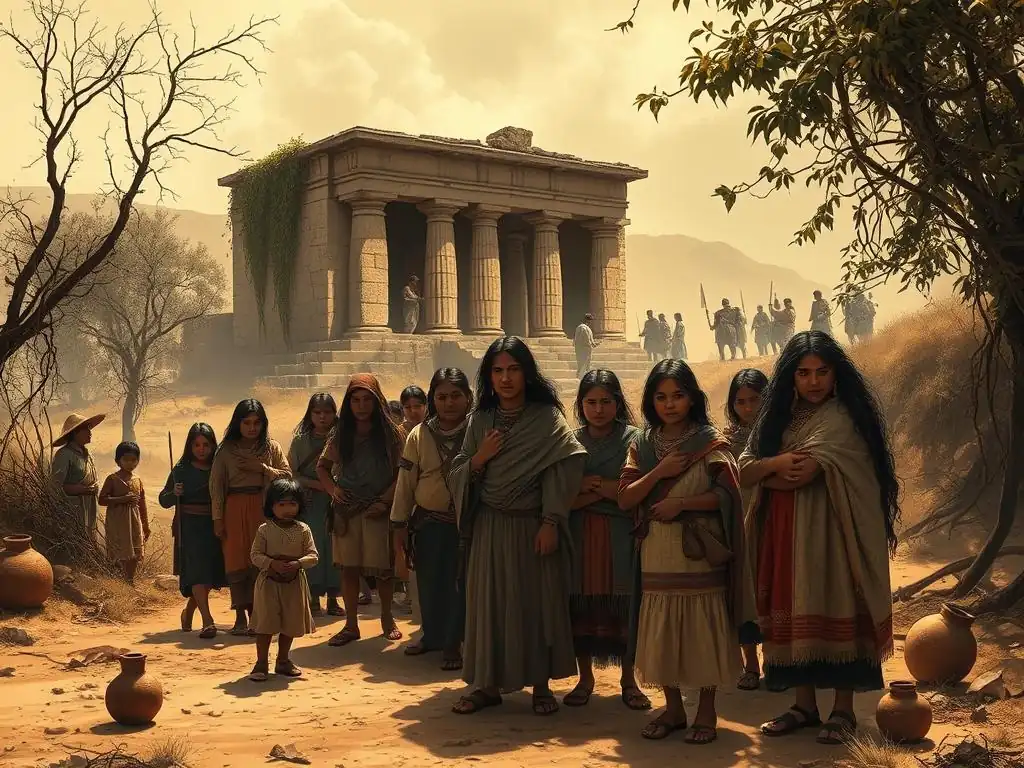
The arrival of European diseases in the Inca Empire had profound psychological ramifications that extended beyond the physical toll of the illnesses themselves. The Incas, who had developed complex societal structures and a rich cultural identity, faced an unprecedented crisis that challenged their understanding of the world and their place within it. The psychological impact was marked by feelings of fear, uncertainty, and a significant erosion of social cohesion.
Fear and Uncertainty Among the Inca People
As diseases such as smallpox and measles began to spread through the Inca population, fear and uncertainty took root. Many Incas were unacquainted with these illnesses, leading to panic as they witnessed widespread illness and death—often within their own families. This fear was exacerbated by the rapid and seemingly random nature of the outbreaks, which struck down individuals regardless of age or social standing. The unpredictability of the diseases created an environment of anxiety, where daily life was overshadowed by the threat of illness.
Additionally, the traditional Inca belief systems, which often attributed health and illness to the favor or displeasure of the gods, were challenged. As more people fell ill, many began to question their spiritual practices and the effectiveness of their religious rituals, leading to further distress and loss of hope. The psychological toll of this fear contributed significantly to the destabilization of Inca society during the Spanish conquest.
Loss of Trust in Traditional Healing Practices
Inca society relied heavily on traditional healing practices and the knowledge of local healers, or "curanderos," who played essential roles in maintaining the health of their communities. However, as the European diseases ravaged the population, the effectiveness of these traditional remedies was called into question. The inability of local healers to treat the new illnesses or understand their origins led to a gradual erosion of trust in these practices.
This loss of faith was compounded by the visible suffering of even the most respected members of society, who succumbed to diseases despite receiving traditional care. Consequently, many Inca people began to seek answers from the Spanish conquistadors, viewing them as bearers of new knowledge and possibly even solutions to their plight. This shift not only altered the perception of traditional healing but also facilitated the spread of European influence, as the Incas began to adopt foreign methods and beliefs in the face of desperation.
Comparative Analysis of Disease Impact on Other Indigenous Civilizations
The impact of disease on the Inca civilization mirrors the experiences of other indigenous cultures affected by European colonization. Understanding these similarities and differences provides insights into the broader consequences of the European conquest across the Americas.
Similarities with Other Cultures Affected by European Colonization
Many indigenous civilizations, such as the Aztecs and the various tribes of North America, experienced devastating epidemics following contact with Europeans. Just like the Incas, these groups were often exposed to diseases for which they had no immunity, leading to catastrophic mortality rates. The psychological effects were also similar, characterized by fear, social disruption, and a questioning of traditional beliefs and practices.
For instance, the Aztecs faced the arrival of smallpox in the early 16th century, which decimated their population and contributed to the eventual fall of their empire. The shared experiences of these civilizations illustrate a common thread in the narrative of European colonization, where disease acted as a silent weapon that undermined indigenous societies from within.
Differences in Disease Response and Adaptation
While there are notable similarities in the impact of disease, responses varied significantly across different cultures. The Incas, for example, had a centralized political structure that made it easier for the Spanish to exploit divisions and weaken resistance. In contrast, decentralized tribes in North America often had more flexibility in their responses, adapting their social structures to cope with the losses.
Moreover, while some cultures sought to integrate European medical practices, others maintained a stronger adherence to traditional methods, often leading to prolonged suffering. The degree of adaptation was influenced by various factors, including the nature of the contact with Europeans, the existing social structures, and the resilience of cultural beliefs. This variance highlights that while the impact of disease was universally devastating, the paths to recovery and adaptation were unique to each civilization, reflecting their specific histories and cultural contexts.
Conclusion: The Lasting Legacy of Disease in Inca History
The impact of disease on the Incas during the Spanish conquest remains a profound and often overlooked aspect of their history. The arrival of European pathogens, such as smallpox and influenza, decimated the Inca population, leading to a significant reduction in their societal structures and capabilities. This legacy of disease not only weakened the Incas militarily but also disrupted their social fabric, religious practices, and agricultural systems. The demographic collapse that ensued facilitated the Spanish conquest, allowing for a relatively swift takeover of the Inca Empire.
Understanding this legacy is crucial, as it highlights how disease acted as a silent weapon in the colonial process. The consequences of these epidemics have reverberated through history, leaving an indelible mark on the cultural memory of the Andean peoples. The stories of resilience and adaptation following these catastrophic events illustrate the enduring spirit of the Incas and their descendants, who continue to honor their heritage despite the challenges posed by disease and colonization.
Reflection on the Role of Disease in Shaping Modern Perceptions of the Incas
Modern perceptions of the Incas are often romanticized, focusing on their architectural achievements, rich culture, and advanced societal organization. However, the reality of their experience during the Spanish conquest is complex and marked by tragedy, with disease playing a central role. The narrative of the Incas’ downfall is not solely one of military defeat but also one of public health crisis, suffering, and loss.
This understanding prompts a necessary reevaluation of how history is taught and perceived. It encourages a more nuanced view that recognizes the multifaceted challenges the Incas faced, including the devastating effects of disease. By acknowledging this aspect of their history, we can cultivate a deeper respect for the resilience of indigenous peoples and their cultures, as well as a more critical approach to the legacies of colonialism.
Importance of Disease in Understanding Colonial Impact
The study of disease during the colonial period is essential for comprehending the broader impact of European colonization on indigenous societies, particularly the Incas. Diseases introduced by Europeans acted as catalysts for social change, demographic shifts, and political upheaval. The rapid spread of these illnesses not only diminished the population but also altered traditional power dynamics and societal structures.
Additionally, the role of disease in the colonial context underscores the importance of biological factors in historical events. It challenges the notion that conquest was solely a result of military prowess, highlighting the significant influence of epidemiological factors. This understanding fosters a more comprehensive perspective on the interactions between European colonizers and indigenous populations, revealing the complexities of historical narratives shaped by both human actions and biological realities.
Further Reading on the Impact of Disease and Indigenous Civilizations
To further explore the impact of disease on the Incas and other indigenous civilizations of the Americas, consider the following resources that delve into the historical, cultural, and social implications of these events.
Recommended Literature on Disease in the Americas
-
"Guns, Germs, and Steel: The Fates of Human Societies" by Jared Diamond
This Pulitzer Prize-winning book addresses the role of environment and disease in shaping human history, providing context for the impact of European colonization on indigenous populations.
-
"The Columbian Exchange: Biological and Cultural Consequences of 1492" by Alfred W. Crosby
This foundational work discusses the exchange of diseases, plants, and animals between the Old and New Worlds, emphasizing the transformative effects of these exchanges on indigenous societies.
-
"Plagues and Peoples" by William McNeill
McNeill’s work examines the relationship between disease and human history, offering insights into how epidemics have influenced the rise and fall of civilizations, including the Incas.
Resources for Understanding Inca History and Culture
-
The Inca: A Very Short Introduction by Isabel P. Torres
This concise overview provides an accessible entry point into Inca history, culture, and society, including the impact of disease during the Spanish conquest.
-
"The Incas: New Perspectives" by Gordon Francis McEwan
This book offers a contemporary examination of Inca civilization, integrating archaeological findings with historical accounts, including the effects of European diseases.
-
Online Databases and Archives
Many universities and institutions maintain digital archives dedicated to indigenous studies, where primary documents and research on the Inca Empire and the impact of disease can be found.
- Introduction to the Impact of Disease on Incas
- The Role of Disease in the Spanish Conquest
- The Societal Impact of Disease on the Incas
- Case Studies of Disease Outbreaks
- The Psychological Impact of Disease on the Inca Civilization
- Comparative Analysis of Disease Impact on Other Indigenous Civilizations
- Conclusion: The Lasting Legacy of Disease in Inca History
- Further Reading on the Impact of Disease and Indigenous Civilizations
- What diseases affected the Incas during the Spanish conquest?
- How did diseases spread among the Inca population?
- What was the role of disease in the Spanish conquest of the Incas?
- Were there any other factors besides disease that contributed to the downfall of the Incas?
- How did the Incas' societal structure influence the impact of disease?
Frequently Asked Questions
What diseases affected the Incas during the Spanish conquest?
The impact of disease on Incas was primarily due to smallpox, which devastated their population before the Spanish arrived, leading to significant social and political destabilization.
How did diseases spread among the Inca population?
Diseases spread rapidly among the Incas due to increased contact with Europeans, who brought pathogens to which the indigenous people had no immunity, causing widespread mortality.
What was the role of disease in the Spanish conquest of the Incas?
The silent weapon of disease weakened the Inca Empire, undermining their ability to resist Spanish conquest, as a significant portion of their population succumbed to illness.
Were there any other factors besides disease that contributed to the downfall of the Incas?
While the impact of disease on Incas was profound, other factors included superior Spanish weaponry, strategic alliances with rival indigenous groups, and internal strife within the Inca Empire.
How did the Incas' societal structure influence the impact of disease?
The Inca's centralized society meant that disease could spread quickly through their extensive road networks, exacerbating the decline of their population and weakening their societal cohesion.
Final Reflection: The Lasting Echo of Disease in History
The impact of disease on the Incas serves as a poignant reminder of how invisible forces can shape the course of history. As we reflect on the Spanish conquest, it becomes clear that the devastation wrought by pathogens was not merely a backdrop to the conquest but a silent weapon that altered the fate of an entire civilization. The consequences of these diseases extend beyond the past, resonating in contemporary discussions about health, colonization, and the fragility of societies in the face of unseen threats.
Culture and society are often molded by the events of history, and the impact of disease on the Incas is a testament to this truth. The catastrophic effects of smallpox and other diseases not only decimated populations but also dismantled social structures and cultural identities. This historical episode reminds us that the repercussions of disease can echo through generations, shaping collective memory and identity. History is not a burden on the memory but an illumination of the soul.
— Lord Acton. The legacy of the Incas and their encounter with disease is a powerful narrative that continues to influence our understanding of resilience and vulnerability in the face of adversity.
As we ponder the lessons from the past, let us invite ourselves to reflect on our own lives and the world around us. Consider how we can learn from the impact of disease on the Incas to foster empathy and preparedness in our communities today. The history of the Incas teaches us that awareness and understanding are crucial in combating modern challenges, reminding us that we are all interconnected in our shared human experience. Embrace the opportunity to engage with history, reflect on its lessons, and take action to create a healthier, more resilient future for all.
Thank you for diving deep into the fascinating impact of disease during the Spanish conquest of the Incas. Your exploration of this complex topic opens the door to understanding the profound consequences of history on indigenous civilizations.
Now, it’s time to take action and enrich your journey of discovery:
- Reflect on the human stories behind these historical events by reading first-hand accounts from both the Spanish conquerors and the Inca people.
- Engage with others who share your interest: join or start a discussion in our community forums to exchange insights and perspectives.
- Explore related themes by checking out our curated list of documentaries and books that delve into the effects of disease on indigenous populations throughout the Americas.
What other historical events do you think were significantly influenced by disease, and how can we use these insights to inform our understanding today?