
The Legacy of Indigenous Military Technologies on Modern Warfare

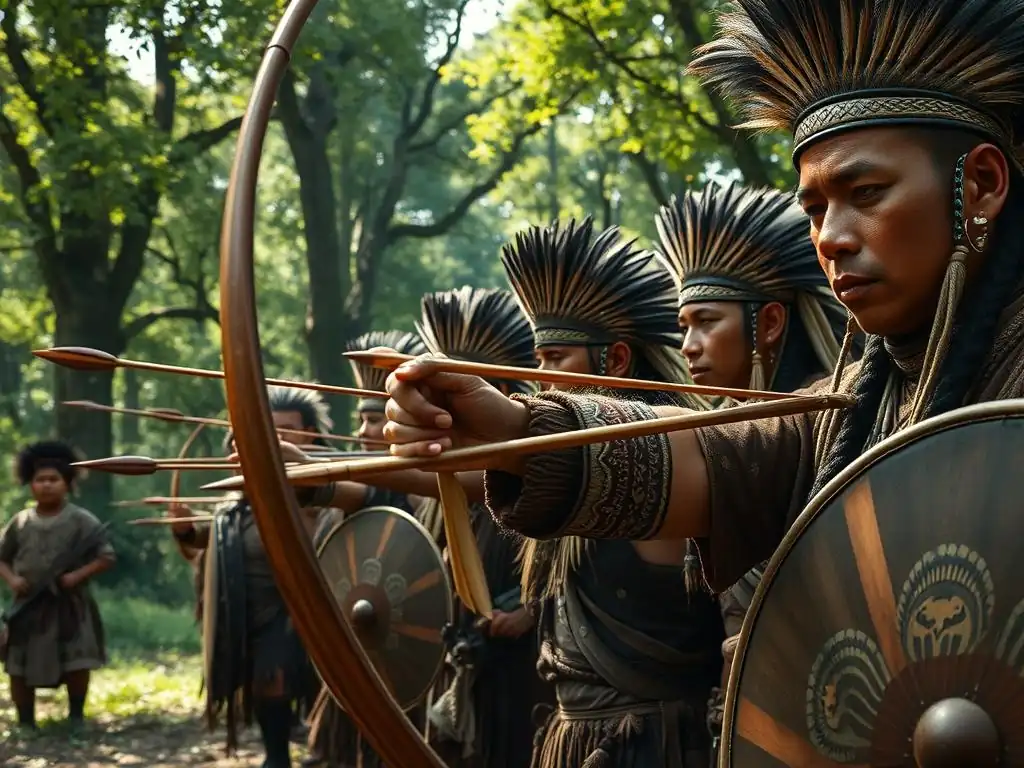
Welcome to Indigenous Civilizations of the Americas, where we invite you to uncover the rich tapestry of cultures that flourished long before European shores were ever sighted. Here, we delve into the extraordinary impact of indigenous military technologies and how they shaped not only the course of history but also the very foundations of modern warfare.
As you explore the legacies left by these remarkable societies, prepare to be captivated by their ingenuity, resilience, and the profound influences that resonate through time. Join us on this enlightening journey and discover how these ancient innovations continue to echo in today's world.
Introduction to Indigenous Military Technologies Impact
The impact of indigenous military technologies on modern warfare is a subject that often goes overlooked in historical discourse. Long before European colonizers set foot on the American continents, diverse indigenous cultures had developed sophisticated military strategies and technologies that not only protected their communities but also influenced the course of conflicts in the region.
This article aims to illuminate the legacies of these military innovations, highlighting their relevance to contemporary military practices and strategies. By understanding the contributions of indigenous peoples to warfare, we can gain deeper insights into the evolution of military technology and its ongoing implications in today's world.
Overview of Indigenous Military Innovations
Indigenous military technologies were characterized by their adaptability, resourcefulness, and intrinsic connection to the environment. Some notable innovations included:
- Weaponry: The development of weapons such as the atlatl (spear-thrower), bows and arrows, and later, firearms adapted from European models.
- Fortifications: The construction of defensive structures using natural materials, which showcased an understanding of strategic positioning.
- Tactics: Highly mobile warfare tactics that emphasized stealth, ambush, and guerrilla strategies, allowing smaller groups to effectively confront larger forces.
These innovations not only served immediate military needs but also reflected the broader social, political, and environmental contexts in which they were employed.
Importance of Studying Indigenous Military Legacies
Examining the legacies of indigenous military technologies is vital for several reasons:
- Cultural Appreciation: Acknowledging the sophistication of indigenous military practices fosters a greater appreciation for the diverse cultures that inhabited the Americas.
- Historical Accuracy: Integrating indigenous perspectives into the narrative of military history challenges Eurocentrism and provides a more balanced understanding of historical events.
- Modern Applications: Insights from indigenous strategies can inform contemporary military practices, particularly in areas such as asymmetric warfare and conflict resolution.
Historical Context of Indigenous Military Technologies
To fully grasp the impact of indigenous military technologies, it is essential to explore their historical context. This includes the various strategies employed by indigenous peoples, the specific nations that exemplified these practices, and the influence of their environments on military innovations.
Pre-Colonial Military Strategies in the Americas
Before European contact, indigenous nations across the Americas had established complex military strategies. These strategies were often influenced by:
- Cultural Values: Warfare was frequently tied to spiritual beliefs and societal roles, with warriors often being revered figures.
- Resource Management: The need to protect vital resources, such as water and fertile land, shaped the way conflicts were approached.
- Alliances: Many indigenous groups formed alliances for mutual defense, showcasing a sophisticated understanding of diplomacy and coalition-building.
Key Indigenous Nations and Their Military Practices
Numerous indigenous nations developed unique military practices that reflected their environments and societal structures. A few notable examples include:
- The Aztecs: Renowned for their organized military campaigns and use of psychological warfare.
- The Iroquois Confederacy: Mastered the art of coalition warfare, effectively uniting several tribes for common defense.
- The Plains Nations: Adapted horseback warfare, which transformed their mobility and tactical approaches.
Each of these nations' practices contributed significantly to the overall landscape of military technologies in the Americas.
Influence of Environment on Military Technologies
The environments in which indigenous peoples lived played a crucial role in shaping their military technologies. Factors such as:
- Geography: Mountainous terrains, dense forests, and open plains dictated the types of warfare and technologies developed.
- Climate: Seasonal changes influenced the availability of resources for weapon manufacturing and the timing of military campaigns.
- Biodiversity: The rich array of local materials allowed for innovative weapon crafting and strategic resource allocation.
Understanding these environmental influences helps to clarify the relationship between indigenous cultures and their military technologies, offering insights into their enduring impact on modern warfare.
Indigenous Military Technologies and Their Features
Indigenous military technologies, developed by various cultures across the Americas, showcased remarkable ingenuity and adaptability to their environments. These technologies were not merely tools of war; they reflected a deep understanding of materials, tactics, and the social structures of the respective societies. The features of these technologies varied widely, influenced by geography, available resources, and cultural beliefs.
One prominent characteristic was the use of natural materials. Indigenous peoples utilized wood, stone, bone, and plant fibers to create weapons and tools tailored to their specific needs. For example, bows and arrows made from flexible woods and animal sinew allowed for increased accuracy and range in hunting and combat.
Additionally, many indigenous groups developed innovative military formations and strategies that emphasized mobility and stealth. This adaptability was crucial in environments ranging from dense forests to expansive plains, enabling them to outmaneuver larger and often more heavily armed European forces.
Weapons and Tools Used by Indigenous Peoples
Indigenous peoples across the Americas employed a diverse array of weapons and tools in their military arsenals, each designed for specific combat scenarios and environments. Some of the most notable weapons include:
- Bows and Arrows: Widely used for both hunting and warfare, these ranged weapons allowed indigenous warriors to strike from a distance. The arrows were often tipped with flint or bone points, designed for maximum lethality.
- Spears and Atlatls: Spears served as versatile weapons for both throwing and close combat. The atlatl, or spear-thrower, enhanced the velocity and distance of thrown spears, giving indigenous warriors a tactical advantage.
- Clubs and Tomahawks: These close-combat weapons were often made from hardwood and could be ornamented for ceremonial purposes. Their effectiveness in hand-to-hand combat was crucial in many indigenous warfare traditions.
- Traps and Fortifications: Indigenous peoples also employed various traps and defensive structures, such as palisades and earthworks, to protect their communities and control battlefield dynamics.
The effectiveness of these weapons lay not only in their design but also in the extensive training and cultural practices surrounding their use. Indigenous warriors were often skilled hunters, giving them a natural proficiency in the use of these tools.
Tactical Approaches and Strategies
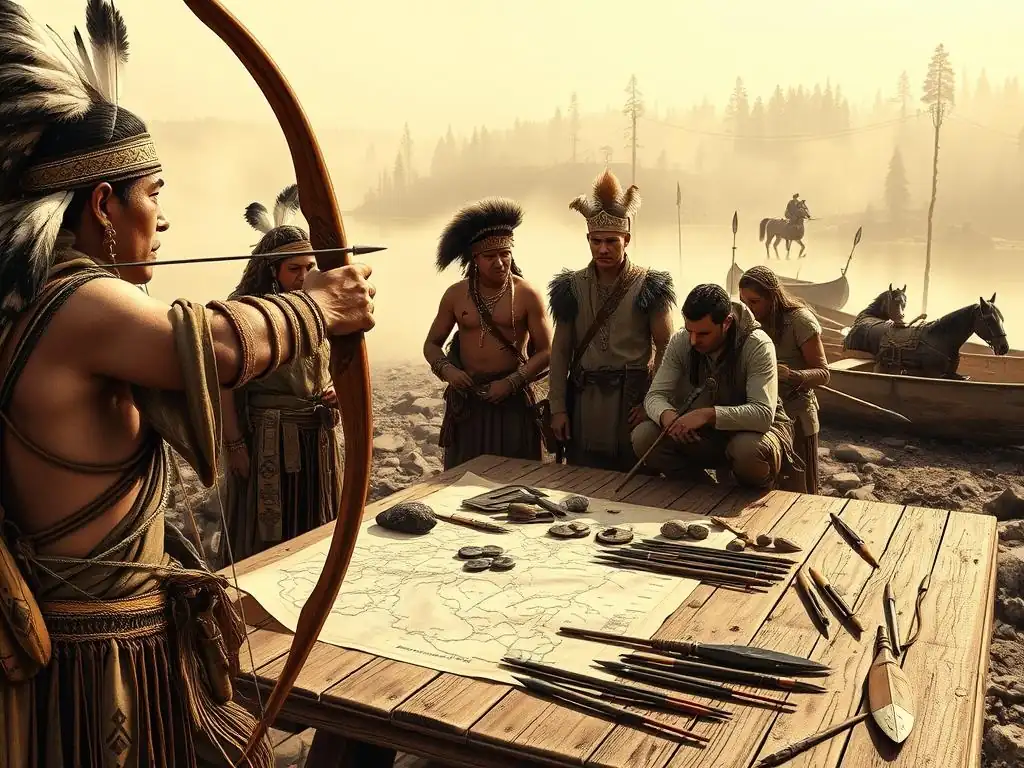
Indigenous military strategies were deeply informed by their understanding of the land, the resources available, and their societal organization. Some key tactical approaches included:
- Guerrilla Warfare: Many indigenous groups utilized hit-and-run tactics, ambushes, and other forms of irregular warfare. This strategy allowed smaller forces to exploit their knowledge of the terrain and surprise larger, more traditionally organized armies.
- Mobility and Adaptation: Indigenous warriors often employed highly mobile tactics, shifting quickly between various forms of combat and employing a range of weapons based on the situation. This adaptability was crucial in navigating the diverse landscapes of the Americas.
- Psychological Warfare: The use of psychological tactics, such as creating fear through unexpected attacks or displaying war trophies, was prevalent. This approach aimed to demoralize opponents and undermine their resolve.
- Alliances and Diplomacy: Many indigenous groups formed strategic alliances, utilizing diplomacy to enhance their military capabilities. These alliances often involved shared resources and coordinated efforts against common enemies.
These strategies not only defined indigenous military practices but also contributed to the resilience and longevity of their civilizations in the face of external threats.
Case Studies of Indigenous Military Technologies Impact
The impact of indigenous military technologies can be illustrated through specific case studies that highlight their innovations and adaptations within various cultures.
The Aztec Empire and Its Military Innovations
The Aztec Empire, known for its formidable military prowess, showcased a range of innovative military technologies. Among their notable advancements was the use of macuahuitl, a wooden sword embedded with obsidian blades, which provided a lethal edge in close combat. The Aztecs also utilized a system of military conscription, forming large armies that were well-organized and strategically deployed.
In addition to weaponry, the Aztecs employed tactical formations that maximized their effectiveness in battle. Their ability to coordinate large-scale assaults and utilize surrounding terrain effectively allowed them to conquer and control vast territories, influencing military practices throughout Mesoamerica.
The Plains Tribes: Mobility and Adaptation in Warfare
The Plains tribes, such as the Lakota and Cheyenne, exemplified the importance of mobility and adaptation in warfare. With the acquisition of horses through trade and conflict, these tribes developed a highly mobile warfare strategy that enabled them to conduct rapid raids and evade larger forces.
Their use of mounted warriors transformed traditional combat, allowing for greater speed and flexibility. The Plains tribes also integrated hunting practices into their military strategies, utilizing their skills in tracking and stealth to launch surprise attacks on enemy camps. This adaptability made them formidable opponents against both indigenous rivals and European invaders.
The Iroquois Confederacy: Strategic Alliances and Warfare
The Iroquois Confederacy, a powerful alliance of several tribes in the northeastern United States, demonstrated the impact of strategic alliances on warfare. Their military innovations included advanced logistics and communication strategies, which allowed for coordinated actions among member tribes.
The Iroquois utilized longhouses as both living quarters and strategic defensive structures, demonstrating their ability to blend residential and military needs. Their diplomatic skills in forming alliances with other tribes and European powers often shifted the balance of power in the region, showcasing how indigenous military technologies were not just about weaponry but also about governance and strategy.
Through these case studies, it is clear that indigenous military technologies had a profound impact not only on their own societies but also on the broader context of warfare in the Americas, influencing tactics and strategies that resonate in modern military practices today.
The Transfer of Indigenous Military Technologies to European Forces
The transfer of indigenous military technologies to European forces during the early encounters between these cultures was a significant turning point in the development of warfare. As European colonizers arrived in the Americas, they encountered a variety of sophisticated military practices and technologies that had evolved over centuries. Indigenous groups such as the Aztecs, Incas, and various North American tribes had developed effective weapons, tactics, and strategies that often outmatched the expectations of European settlers.
One of the most notable technologies transferred was the use of the bow and arrow, which was more efficient in certain environments compared to the standard firearms of the time. This allowed indigenous warriors to engage in guerrilla warfare, employing hit-and-run tactics that were unfamiliar to European armies accustomed to more traditional battlefield engagements. Additionally, the use of composite bows, which were stronger and more accurate, showcased indigenous ingenuity and adaptability in military technology.
Adaptation of Indigenous Strategies by European Colonizers
European colonizers were quick to recognize the effectiveness of indigenous military strategies and began to adapt these practices to their own military operations. The tactics employed by indigenous forces, such as ambushes, flanking maneuvers, and the strategic use of terrain, were integrated into European military doctrine.
For example, during conflicts such as King Philip's War in the late 17th century, colonial militias learned to adopt guerrilla tactics similar to those used by Native American tribes. This adaptation allowed European forces to respond more effectively to the unconventional warfare being waged against them. The fluidity and speed of indigenous tactics often caught European armies off guard, highlighting the need for adaptation in the face of a highly mobile enemy.
The Impact of Indigenous Technologies on European Warfare
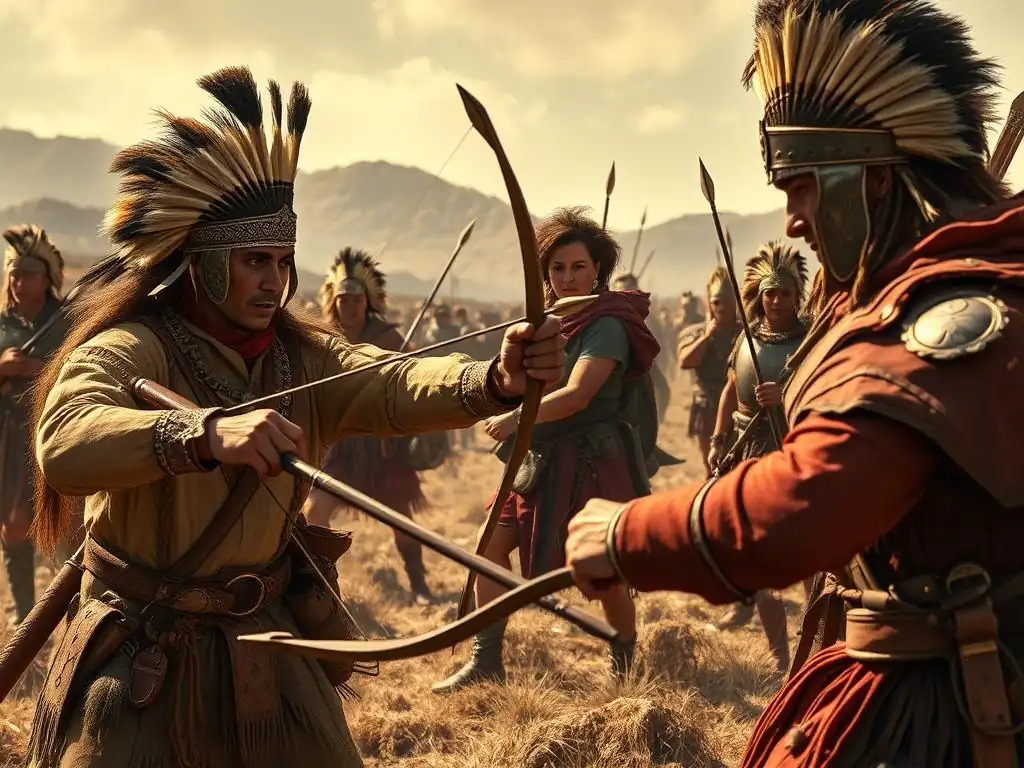
The impact of indigenous technologies on European warfare was profound and multi-faceted. As European powers began to engage in conflicts in the Americas, they found that traditional European military tactics were often ill-suited to the diverse environments and warfare styles they encountered.
One significant aspect of this impact was the introduction of new weaponry, such as the atlatl (a spear-throwing device) and various forms of stone and wooden weaponry that indigenous peoples utilized effectively. This not only diversified the arsenal available to European armies but also led to innovations in their own weapon production. The adoption of indigenous technologies forced European powers to reassess their military strategies and to innovate in order to maintain dominance.
Examples of Military Engagements Influenced by Indigenous Practices
Numerous military engagements throughout history illustrate the influence of indigenous practices on European warfare. Notable examples include:
- The Pequot War (1636-1638): This conflict demonstrated the effectiveness of indigenous warfare tactics, with the Pequot employing ambushes and hit-and-run strategies that challenged colonial forces.
- The Seven Years' War (1756-1763): Indigenous allies of the French utilized their knowledge of the North American landscape, employing guerrilla warfare tactics that European forces struggled to counter, ultimately influencing the outcome of several battles.
- The Seminole Wars (1817-1858): The use of swamp and forested terrains by the Seminole people showcased their military strategies, which included surprise attacks and extensive knowledge of local geography, compelling U.S. forces to adapt.
Modern Warfare and the Legacy of Indigenous Military Technologies
The legacy of indigenous military technologies continues to resonate in modern warfare, with a growing recognition of their historical significance. The evolution of military strategies and technologies can often be traced back to indigenous practices, highlighting their enduring influence.
Continued Relevance of Indigenous Military Strategies
In contemporary military operations, the principles of flexibility, adaptability, and terrain awareness—hallmarks of indigenous military strategies—remain vital. Modern militaries increasingly recognize the value of asymmetric warfare tactics that prioritize mobility and the element of surprise, reflecting traditional indigenous approaches.
Furthermore, contemporary military training often includes lessons derived from historical indigenous warfare, emphasizing the importance of understanding local cultures and utilizing effective guerrilla tactics in irregular warfare scenarios.
Indigenous Contributions to Contemporary Military Technologies
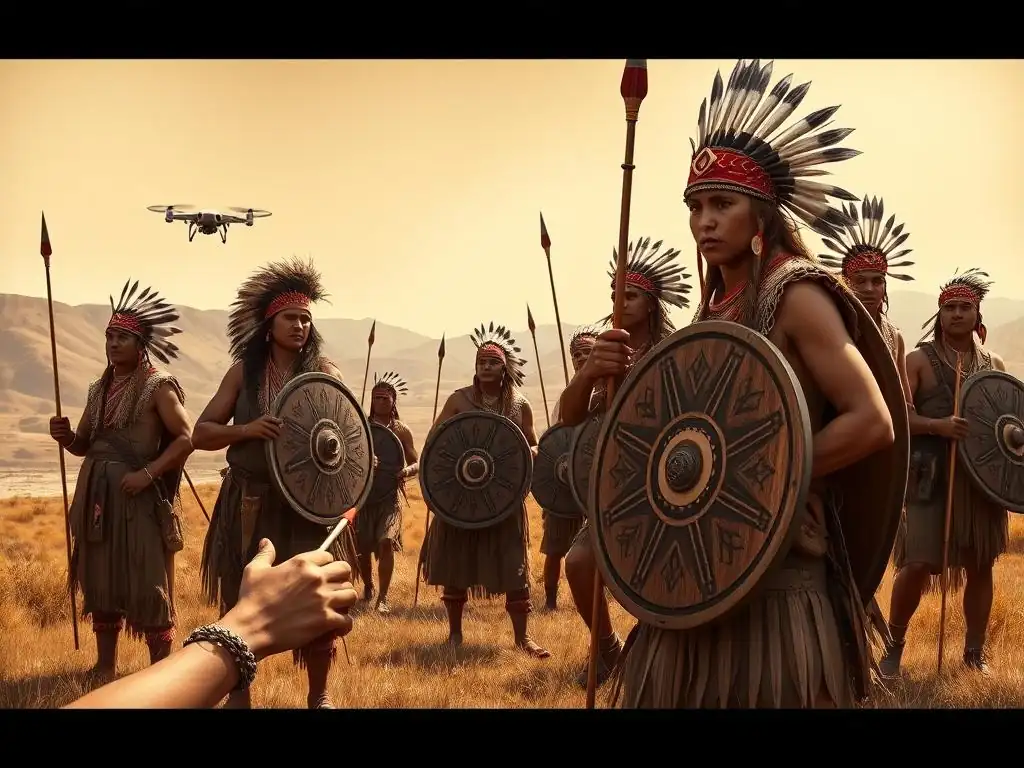
Indigenous contributions to military technology are not only historical; they continue to influence modern innovations. For instance, the design of certain weapons, such as bows and arrows, has informed advancements in archery gear used in both military and sports contexts today. The principles of stealth and camouflage, which were critical in indigenous warfare, are now integral to modern military operations, particularly in special forces.
Additionally, there has been a resurgence of interest in traditional indigenous survival tactics, which are being adapted for modern military training, emphasizing the importance of environmental knowledge and resourcefulness.
Recognition of Indigenous Military Impact in Modern Warfare Studies
The recognition of indigenous military impact in modern warfare studies has gained traction in recent years. Scholars are increasingly acknowledging the significant role that indigenous strategies and technologies played in shaping military engagements and outcomes throughout history. This shift has led to a more inclusive understanding of military history, where indigenous contributions are highlighted rather than overlooked.
Research institutions and military academies are beginning to incorporate indigenous perspectives into their curricula, fostering a more comprehensive view of warfare that respects and acknowledges the innovative military technologies developed by indigenous peoples. This recognition not only honors the legacy of these cultures but also enriches the understanding of military history as a whole.
Conclusion: Reflecting on the Indigenous Military Technologies Impact
The exploration of indigenous military technologies reveals a rich tapestry of innovation, strategy, and adaptability that has significantly influenced modern warfare. By examining the various tactics and tools developed by indigenous cultures, we gain insight into how these elements were not only effective in their original contexts but also laid groundwork for subsequent military advancements. The indigenous peoples of the Americas developed sophisticated technologies ranging from weaponry to fortifications, which reflected their deep understanding of the environment and their strategic necessities.
Summary of Key Findings
- Diverse Innovations: Indigenous cultures created a wide array of military technologies, including advanced projectile weapons like the Atlatl, which enhanced the range and accuracy of arrows.
- Tactical Adaptations: Many indigenous groups employed guerrilla warfare tactics that emphasized mobility, surprise, and the use of terrain, which contrasted sharply with the linear tactics commonly used by European forces.
- Cultural Integration: Military technologies were often integrated with cultural practices and social structures, indicating that warfare was not just a matter of survival but also a reflection of identity and community values.
- Enduring Influence: The principles and strategies developed by indigenous peoples have not only persisted but have also been adapted in various forms throughout modern military practices, influencing global warfare methodologies.
The Importance of Acknowledging Indigenous Legacies in Warfare
Recognizing the impact of indigenous military technologies is crucial for several reasons. Firstly, it honors the contributions of indigenous peoples to the field of military science, acknowledging that their innovations were not merely primitive but were instead sophisticated and effective in their own right. Secondly, understanding these legacies helps to challenge the Eurocentric narratives often found in military history, promoting a more inclusive perspective that appreciates the complexity of historical interactions. Lastly, this acknowledgment fosters respect for indigenous cultures and their historical experiences, which can inform contemporary discussions about identity, sovereignty, and rights in military contexts.
Further Reading and Resources on Indigenous Military Technologies
Recommended Books and Articles
-
"1491: New Revelations of the Americas Before Columbus" by Charles C. Mann
This book offers a comprehensive overview of the diverse indigenous cultures that existed prior to European contact, including insights into their military strategies and technologies.
-
"The Indigenous Peoples of North America: A Handbook" by Richard R. Halsey
This resource provides detailed information on various indigenous groups, their military practices, and their legacies.
-
"War and Culture in the Middle East" by H. H. R. H. al-Harith
While focused on the Middle East, this book draws parallels to indigenous warfare strategies that can be observed across different cultures and times.
Documentaries and Educational Resources
-
"The First Americans" (PBS Documentary)
This documentary series explores the history of indigenous peoples in North America, touching on their military technologies and strategies throughout history.
-
"The Many Faces of America" (National Geographic)
This resource offers insights into the cultural and technological contributions of indigenous peoples, including discussions of their military innovations.
-
"Native America" (PBS Series)
This series highlights the rich histories and cultures of Native American tribes, with episodes dedicated to their strategic approaches to warfare and conflict.
Through these resources, readers can deepen their understanding of indigenous military technologies and their lasting impact on modern warfare, fostering a greater appreciation for the complexities of historical military practices.
- Introduction to Indigenous Military Technologies Impact
- Historical Context of Indigenous Military Technologies
- Indigenous Military Technologies and Their Features
- Weapons and Tools Used by Indigenous Peoples
- Tactical Approaches and Strategies
- Case Studies of Indigenous Military Technologies Impact
- The Transfer of Indigenous Military Technologies to European Forces
- Adaptation of Indigenous Strategies by European Colonizers
- The Impact of Indigenous Technologies on European Warfare
- Examples of Military Engagements Influenced by Indigenous Practices
- Modern Warfare and the Legacy of Indigenous Military Technologies
- Continued Relevance of Indigenous Military Strategies
- Indigenous Contributions to Contemporary Military Technologies
- Recognition of Indigenous Military Impact in Modern Warfare Studies
- Conclusion: Reflecting on the Indigenous Military Technologies Impact
- Further Reading and Resources on Indigenous Military Technologies
- What are some examples of indigenous military technologies mentioned in the article?
- How did these technologies influence modern warfare?
- Can you explain the significance of indigenous warfare tactics?
- In what ways did the cultural aspects of indigenous societies affect their military technologies?
- Why is it important to study the legacy of indigenous military technologies?
Frequently Asked Questions
What are some examples of indigenous military technologies mentioned in the article?
The article highlights several innovative technologies, such as bows and arrows, war clubs, and tactics like guerilla warfare that were developed by indigenous peoples.
How did these technologies influence modern warfare?
Indigenous military technologies contributed to strategic thinking and combat techniques that modern military forces have adapted, showcasing their lasting impact on tactics and technology.
Can you explain the significance of indigenous warfare tactics?
Indigenous warfare tactics emphasized mobility and adaptation, which allowed them to effectively utilize their environments, shaping modern military strategies in diverse terrains.
In what ways did the cultural aspects of indigenous societies affect their military technologies?
Cultural beliefs and values influenced the development of military technologies, as indigenous societies often integrated spirituality and community into their approaches to warfare and strategy.
Why is it important to study the legacy of indigenous military technologies?
Understanding the legacy of these technologies helps acknowledge the contributions of indigenous cultures, fostering a more inclusive view of history and its impact on contemporary military practices.
Final Reflection: The Enduring Impact of Indigenous Military Technologies
The legacy of Indigenous military technologies is not merely a historical footnote; it is a vital thread woven into the fabric of modern warfare. As we navigate the complexities of contemporary conflict, it becomes increasingly clear that understanding these technologies is crucial for both military strategy and cultural appreciation. The innovations and tactics developed by Indigenous peoples have shaped the way we approach warfare today, reminding us that the past is not just a series of events but a continuous influence on our present and future.
The impact of Indigenous military technologies extends far beyond the battlefield; it resonates within our cultural and social landscapes. These technologies have fostered resilience, adaptability, and a deep understanding of the environment, principles that are still relevant in today's military strategies and beyond. As we reflect on this influence, we are reminded of the words of Indigenous scholar Vine Deloria Jr.: The most important thing is to keep the past alive, to keep the stories alive.
This sentiment underscores the necessity of acknowledging and honoring the contributions of Indigenous peoples to our collective history and future.
As we conclude this exploration, I invite you to reflect on the lessons embedded within the legacy of Indigenous military technologies. Consider how these insights can inspire innovation and ethical practices in your own life, whether in your profession, community engagement, or personal growth. By embracing the wisdom of the past, we can forge a path toward a more inclusive and thoughtful future, where the contributions of all cultures are recognized and valued. Let us carry forward this legacy, honoring it not just as a historical account, but as a guiding principle for our actions today and tomorrow.
Embrace the Legacy: Transform Your Understanding of Warfare!
Thank you for diving into the fascinating world of Indigenous military technologies and their enduring impact on modern warfare. Your engagement with this topic not only enriches your knowledge but also helps honor and recognize the innovations of Indigenous peoples. Now, it's time to take action!
Here are a few ways you can deepen your connection to this vital subject:
- Explore the histories of specific Indigenous military innovations—select a tribe and uncover their unique contributions to warfare.
- Share this article with friends and family to promote awareness—help spread the word about these significant technologies!
- Join a local event or forum that discusses Indigenous histories—engage with your community and learn more in a collaborative setting.
What aspect of Indigenous military technologies inspires you the most, and how can you incorporate this knowledge into conversations about contemporary warfare?