
Exploring Syncretic Practices: The Fusion of Indigenous Beliefs and European Influences

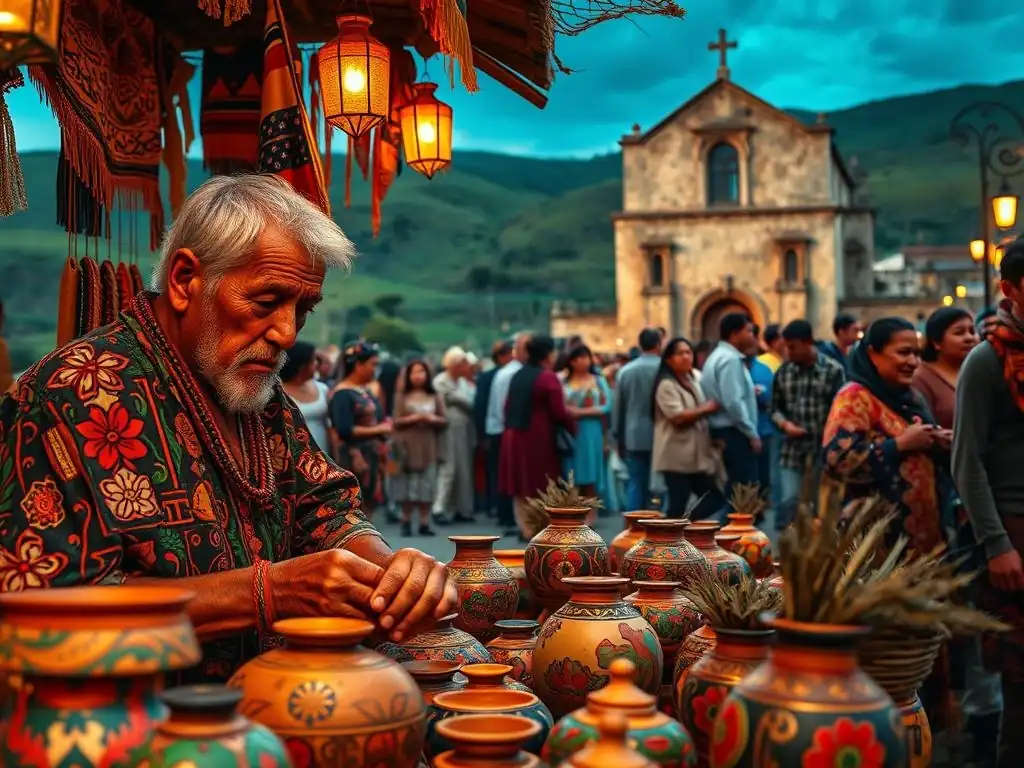
Welcome to Indigenous Civilizations of the Americas, where we embark on a captivating journey through the rich tapestry of pre-colonial cultures that flourished across the continents. Dive deep into our featured article, “Exploring Syncretic Practices: The Fusion of Indigenous Beliefs and European Influences,” as we unravel the intricate ways in which these vibrant societies adapted and transformed in the wake of European contact. Discover how ancient traditions intertwine with new ideologies, revealing a fascinating dialogue between worlds.
Join us in exploring the enduring legacies of indigenous beliefs, and prepare to be intrigued by the profound impact they continue to have today. Your adventure through history begins here!
Introduction to Syncretic Practices
The exploration of syncretic practices reveals a fascinating tapestry woven from the threads of indigenous beliefs and European influences that emerged during and after the European colonization of the Americas. As diverse indigenous cultures encountered European settlers, traders, and missionaries, a complex interchange of ideas, rituals, and spiritual systems began to evolve.
This article delves into the intricate blending of these worldviews, showcasing how indigenous peoples adapted and transformed their traditional beliefs in response to new influences, ultimately creating unique syncretic practices that reflect their resilience and creativity. By understanding these phenomena, we gain valuable insights into the enduring legacy of indigenous cultures and the profound effects of European colonization.
Definition of Syncretism in the Context of Indigenous Cultures
Syncretism refers to the process of blending different religious beliefs and practices into a cohesive system. In the context of indigenous cultures in the Americas, syncretism often emerged as a response to European colonization, where indigenous peoples integrated elements of Christianity and other European traditions with their own spiritual practices. This fusion resulted in new forms of worship, rituals, and cultural expressions that maintained indigenous identities while adapting to changing circumstances.
Some key characteristics of syncretism include:
- Adaptation: Indigenous societies creatively incorporated European elements to preserve their cultural identity.
- Hybrid Practices: New rituals often emerged that combined indigenous and European traditions, such as the celebration of saints alongside traditional ceremonies.
- Cultural Resilience: The ability of indigenous peoples to maintain their beliefs while integrating foreign influences highlights their resilience.
Importance of Understanding Indigenous Beliefs and European Influences
Understanding the syncretic practices that developed between indigenous beliefs and European influences is crucial for several reasons. Firstly, it illuminates the ways in which indigenous cultures have survived and thrived despite the challenges posed by colonization. Secondly, it provides insight into the dynamic nature of cultural exchange, illustrating how practices evolve over time while retaining core elements. Lastly, examining these syncretic traditions helps to challenge stereotypes and misconceptions about indigenous peoples, showcasing their agency and adaptability in the face of historical upheaval.
Historical Background
Overview of Indigenous Beliefs Before European Contact
Before the arrival of Europeans, the Americas were home to a rich diversity of indigenous cultures, each with its own unique belief systems. Indigenous spirituality often revolved around a deep connection to the land, nature, and the cosmos. Key elements included:
- Animism: Many indigenous groups believed that all living and non-living entities possessed a spirit or essence.
- Rituals and Ceremonies: Spiritual practices often involved elaborate rituals to honor deities, ancestors, and the natural world.
- Community and Identity: Beliefs were closely tied to community identity, reinforcing social cohesion and cultural heritage.
These belief systems played a crucial role in shaping social structures, governance, and relationships with the environment, laying the groundwork for the transformations that would follow European contact.
The Arrival of Europeans and Its Impact on Indigenous Societies
The arrival of Europeans in the late 15th century marked a significant turning point for indigenous societies. Initial encounters were often characterized by trade and curiosity; however, these interactions quickly escalated into conflict, displacement, and cultural imposition. The impact of European colonization on indigenous beliefs included:
- Religious Conversion: European missionaries sought to convert indigenous peoples to Christianity, often leading to the suppression of traditional beliefs.
- Cultural Exchange: While some indigenous practices were marginalized, others were adapted and merged with European traditions, resulting in new syncretic forms of spirituality.
- Social Disruption: The introduction of new diseases, warfare, and land dispossession drastically altered indigenous ways of life, prompting communities to find new means of survival and expression.
The fusion of indigenous beliefs and European influences created a unique cultural landscape, profoundly shaping the spiritual practices of indigenous peoples in the Americas. Through this exploration of syncretic practices, we can better appreciate the complexity and resilience of these cultures in the face of colonial challenges.
The Process of Cultural Fusion
The fusion of indigenous beliefs and European influences represents a complex and dynamic process that unfolded over centuries, particularly following European colonization in the Americas. This cultural fusion was not a mere blending of two distinct traditions; rather, it involved a series of interactions characterized by adaptation, resistance, and reinterpretation. As indigenous peoples encountered European settlers, they engaged in a multifaceted dialogue that allowed for the exchange of ideas, rituals, and beliefs.
One primary factor in this process was the displacement of indigenous populations, which forced communities to negotiate their identities in new sociocultural contexts. In many cases, indigenous groups adopted certain elements of European culture while retaining core aspects of their own beliefs. This adaptive strategy allowed them to navigate the challenges posed by colonial powers while preserving their cultural heritage. The coexistence of different spiritual practices led to unique syncretic forms, where indigenous deities were often reinterpreted through a European lens, creating a rich tapestry of beliefs.
Moreover, the role of missionaries and colonial administrators cannot be overlooked. Many European settlers sought to convert indigenous peoples to Christianity, often employing a strategy that involved incorporating local customs into their teachings. This approach helped facilitate the acceptance of new religious practices while simultaneously ensuring that indigenous beliefs were not entirely eradicated. As a result, the process of cultural fusion became a two-way street, where both indigenous and European beliefs influenced one another, leading to the emergence of distinctive syncretic practices.
Mechanisms of Syncretism: How Indigenous and European Beliefs Merged
The mechanisms of syncretism through which indigenous beliefs and European influences merged can be categorized into several key processes:
- Adaptation and Assimilation: Indigenous groups often adapted European religious practices to fit their existing cultural frameworks. This could involve altering the symbolism of Christian rituals to align with indigenous cosmologies.
- Cultural Resistance: In many cases, indigenous communities resisted complete assimilation, selectively incorporating European elements that complemented their traditional beliefs while rejecting those that contradicted their identity. This resistance fostered a unique blend of practices that honored both traditions.
- Hybrid Rituals: New ritual forms emerged as a result of combining elements from both belief systems. For example, Christian saints were often associated with indigenous deities, creating hybrid figures that resonated with both spiritual traditions.
- Intermarriage and Community Relations: Interactions between indigenous peoples and European colonizers frequently led to intermarriage, which facilitated the exchange of cultural practices within families. Children born of these unions often became cultural bridges, embodying elements from both heritages.
- Oral Traditions and Storytelling: The oral transmission of stories played a crucial role in maintaining indigenous beliefs while integrating European narratives. Through storytelling, communities could reinterpret their cultural lore, embedding European themes within traditional tales.
Examples of Syncretic Practices Across Different Regions
Syncretic practices varied significantly across different regions of the Americas, reflecting the unique cultural contexts and histories of indigenous peoples. Here are some notable examples:
- The Virgin of Guadalupe: In Mexico, the apparition of the Virgin of Guadalupe is a prominent example of syncretism, blending the figure of Mary with the indigenous goddess Tonantzin, symbolizing the fusion of Catholicism and indigenous spirituality.
- Santería: In Cuba, Santería emerged as a syncretic religion that combines elements of Yoruba religion with Catholicism. Practitioners venerate Orishas, or deities, alongside Catholic saints, creating a unique spiritual practice that reflects both African and European influences.
- The Andean Cult of the Pachamama: In the Andes, the reverence for Pachamama, the earth goddess, has been integrated with Catholic beliefs, leading to rituals that honor both the earth and the Christian God, particularly during agricultural ceremonies.
- Candomblé: In Brazil, Candomblé represents a fusion of African, indigenous, and European elements. This religion incorporates African deities known as Orixás, while also integrating Catholic saints, reflecting the diverse roots of its practitioners.
Case Studies of Syncretic Practices
Case Study 1: The Taino and European Influences
The Taino people, indigenous to the Caribbean, provide a fascinating case study of syncretic practices following European contact. With the arrival of Christopher Columbus in 1492, the Taino encountered Spanish colonizers who sought to impose their beliefs and practices. Despite facing significant cultural disruption, the Taino managed to adapt certain European elements into their existing spiritual framework.
One notable example is the incorporation of Catholic saints into Taino worship. The Taino associated their own deities with saints, resulting in a unique blending of beliefs. For instance, the Taino god of fertility, Yucahu, was often linked to Saint Isidore, the patron saint of farmers. This fusion not only facilitated the acceptance of Christianity but also allowed the Taino to maintain a connection to their traditional practices.
Additionally, the Taino adopted aspects of European agricultural techniques while integrating them with their own farming rituals. This syncretism can be seen in the celebration of harvest festivals, which combined Taino customs with Christian elements, reflecting a shared reverence for the land and its bounty.
Case Study 2: The Mapuche and the Integration of European Beliefs
The Mapuche, an indigenous group in Chile and Argentina, also demonstrate a rich history of syncretic practices stemming from European influences. Following the Spanish conquest in the 16th century, the Mapuche faced significant challenges to their traditional beliefs and social structures. However, they exhibited remarkable resilience in integrating European elements into their spiritual practices.
One prominent example is the veneration of the Virgin Mary, who was adopted into Mapuche spirituality as "La Candelaria." This syncretic figure embodies both the attributes of the Virgin Mary and the Mapuche earth goddess, Pachamama. The blending of these figures highlights the Mapuche's ability to navigate colonial pressures while preserving their cultural identity.
Furthermore, the Mapuche incorporated elements of European agricultural practices that aligned with their traditional methods. The establishment of communal rituals to honor both indigenous and Christian figures during planting and harvesting seasons illustrates how syncretism informed their agricultural traditions.
Through these case studies, we can observe how indigenous beliefs and European influences coalesced in unique ways, resulting in vibrant syncretic practices that continue to shape cultural identities across the Americas.
Key Elements of Syncretic Practices
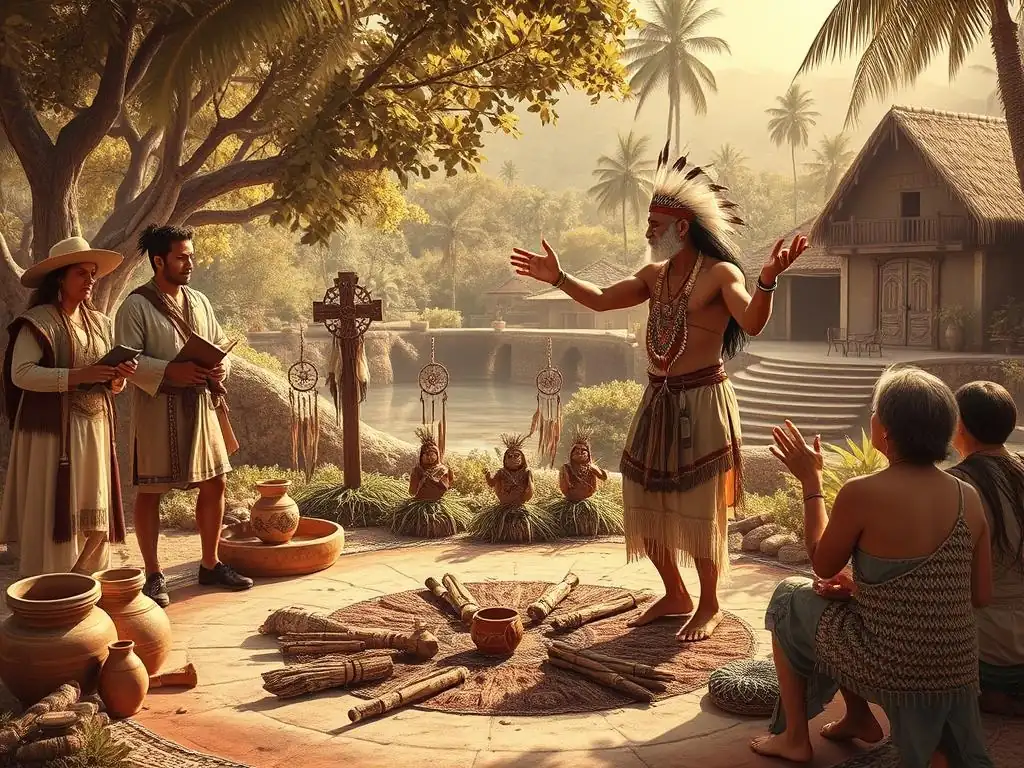
Syncretic practices emerged as a significant cultural phenomenon following the European colonization of the Americas, resulting in a unique blend of indigenous beliefs and European influences. These practices are characterized by the integration of traditions, rituals, and symbols from both cultural spheres, creating new forms of religious expression and societal practices.
The key elements of syncretic practices can be categorized into three primary aspects:
- Rituals and Ceremonies: These are central to syncretism, where traditional indigenous ceremonies are infused with European religious elements. This blending often occurs during significant cultural events, such as festivals or rites of passage, allowing communities to honor both their ancestral heritage and the newly introduced European customs.
- Symbolism: The fusion of symbols from both indigenous and European cultures results in a rich tapestry of artistic expression. This can be observed in various art forms, including painting, sculpture, and architecture, where motifs and iconography from both traditions coexist, reflecting the complexities of cultural interaction.
- Adaptation and Transformation: Syncretic practices are not merely a coexistence of two cultures but involve a dynamic process of adaptation. Indigenous communities often took European religious practices and reinterpreted them within their own cultural frameworks, infusing them with local meanings and significance. This adaptability highlights the resilience and creativity of indigenous cultures in the face of external pressures.
Rituals and Ceremonies Combining Indigenous and European Elements
The fusion of indigenous and European elements is particularly evident in rituals and ceremonies. For instance, many indigenous groups incorporated aspects of Catholicism into their traditional rites, leading to unique celebrations that reflect both belief systems.
- Feast Days: Many indigenous communities celebrate Catholic feast days with traditional foods, dances, and rituals that honor both their ancestral spirits and Christian saints. These events often serve as communal gatherings, reinforcing social bonds and cultural identity.
- Weddings and Funerals: Indigenous weddings frequently blend Catholic rites with traditional practices, such as the use of sacred herbs or the inclusion of specific songs and dances. Similarly, funerals may involve a combination of Christian prayers and indigenous mourning rituals, creating a profound space for honoring the deceased.
Such ceremonies are not only a means of preserving cultural identity but also act as a form of resistance against cultural erasure, showcasing the ongoing relevance of indigenous beliefs alongside European influences.
Symbolism in Syncretic Art and Architecture
The art and architecture resulting from syncretic practices serve as visual representations of the melding of indigenous beliefs and European influences. This is particularly evident in the following areas:
- Religious Iconography: Artists have historically combined Christian symbols, such as crosses, with indigenous motifs, leading to creations that convey a duality of faith. For example, depictions of saints may be surrounded by traditional indigenous flora and fauna, symbolizing the interconnectedness of both worlds.
- Architectural Styles: Churches built in colonial times often incorporated indigenous design elements alongside European styles. This can be seen in the use of local materials and construction techniques that reflect indigenous knowledge, while still adhering to European architectural forms, such as the use of domes or altars.
These artistic expressions not only enrich the cultural landscape but also serve as a testament to the resilience of indigenous communities in maintaining their identity through creative means.
The Role of Religion in Syncretism
Religion plays a pivotal role in the development and evolution of syncretic practices, acting as both a site of conflict and a space for negotiation between indigenous beliefs and European influences.
The Adaptation of Indigenous Spirituality in the Face of European Christianity
Indigenous spirituality often adapted in response to the imposition of European Christianity, leading to a complex interplay of beliefs. Many indigenous peoples integrated Christian concepts into their spiritual systems, reinterpreting figures such as Jesus and the Virgin Mary within their own cultural contexts.
- Creation Myths: Some indigenous communities incorporated Christian narratives into their creation myths, blending these stories with traditional teachings. This adaptation allowed for the preservation of indigenous cosmologies while providing a framework through which European religious ideas could be understood.
- Spiritual Leaders: The role of spiritual leaders evolved as indigenous shamans and priests began to navigate the duality of their roles, serving both as custodians of traditional knowledge and as conduits for new Christian teachings. This duality often enriched the spiritual landscape, allowing for a dynamic exchange of ideas and practices.
Comparative Analysis of Indigenous Religious Practices and European Traditions
A comparative analysis reveals both striking similarities and significant differences between indigenous religious practices and European traditions.
- Nature of the Divine: Indigenous beliefs often emphasize a deep connection to nature and the earth, viewing the divine as present in all aspects of the natural world. In contrast, European Christianity typically presents a monotheistic view of God, separate from the physical world.
- Ritual Practices: Indigenous rituals often focus on community, the cycles of nature, and ancestral reverence, whereas European rituals may prioritize individual salvation and structured worship within church settings. This divergence illustrates the distinct cultural priorities that influence practices.
Understanding these differences and similarities is crucial to appreciating how syncretic practices emerged as a response to colonial encounters, allowing for the creation of new identities that honor both indigenous heritage and European influences.
Contemporary Expressions of Syncretism
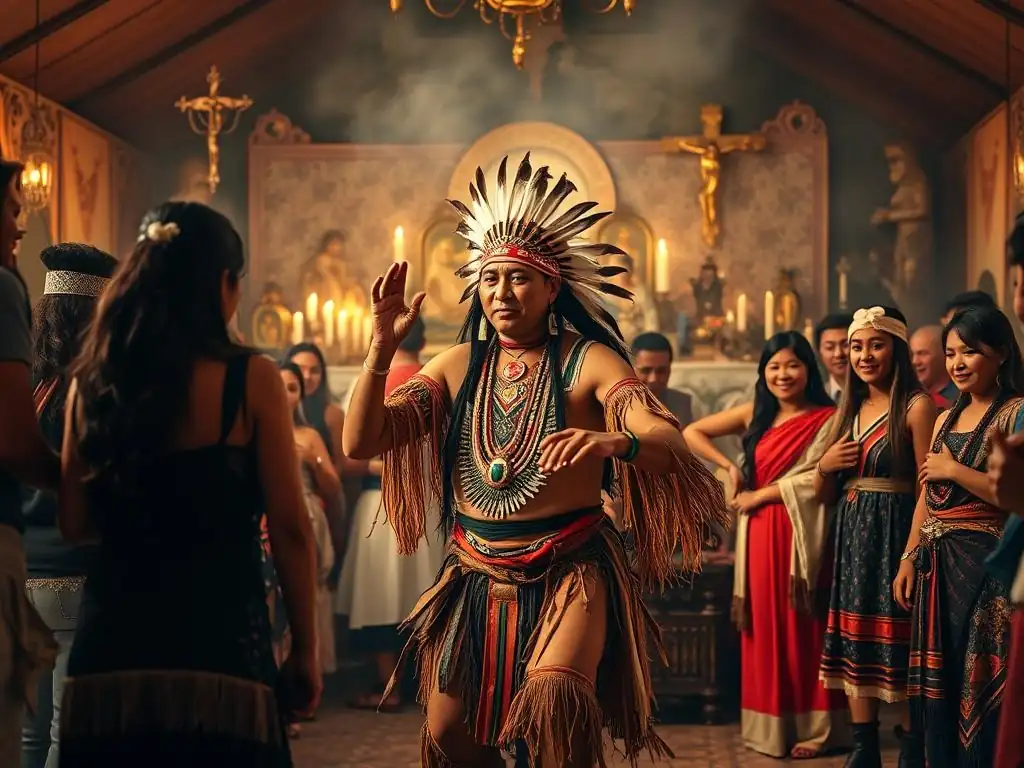
Contemporary expressions of syncretism reveal how indigenous beliefs and European influences have coalesced to create unique cultural identities across the Americas. This fusion can be seen in various aspects of daily life, including religious ceremonies, art, music, and community practices. Indigenous communities have adapted their traditional beliefs to incorporate elements from European cultures, resulting in a rich tapestry of cultural expressions that reflect both heritage and adaptation.
One of the most visible manifestations of this syncretism is in religious practices. Many indigenous groups have blended their spiritual traditions with Christian elements, leading to vibrant festivals that honor both ancestral spirits and Christian saints. This coalescence allows for a continuity of indigenous identity while navigating the realities of a post-colonial context.
Moreover, contemporary art and literature often draw upon this syncretic heritage, where artists and writers explore themes of identity, resistance, and resilience. The fusion of styles and narratives creates a dialogue that honors the past while addressing current social issues, reinforcing the significance of these blended traditions in modern society.
Modern-Day Syncretic Practices in Indigenous Communities
Modern-day syncretic practices in indigenous communities are characterized by a dynamic interplay between traditional customs and external influences. Many indigenous peoples actively incorporate European elements into their rituals and ceremonies, resulting in unique expressions that resonate with both their historical roots and contemporary realities. For instance, some communities celebrate Catholic holidays alongside traditional ceremonies, creating a calendar of events that honors both the old and the new.
Healing practices also exhibit syncretism, where indigenous herbal medicine is often used in conjunction with Western medical practices. This blending not only acknowledges the efficacy of traditional knowledge but also illustrates a pragmatic approach to health and well-being. In these contexts, practitioners may invoke ancestral spirits while employing modern medical techniques, thus honoring their heritage while adapting to contemporary needs.
In education, indigenous storytelling methods have been infused with Western literary techniques, enhancing the transmission of cultural knowledge. Storytellers are increasingly using both indigenous languages and English to reach broader audiences, thereby preserving their languages and stories while also engaging with the global community.
The Influence of Syncretism on Identity and Culture Today
The influence of syncretism on identity and culture today is profound. For many indigenous groups, this blending of beliefs is not seen as a dilution of their heritage but rather as a testament to their resilience and adaptability. The ability to navigate multiple cultural landscapes has empowered indigenous peoples to assert their identities in contemporary society.
Syncretic practices often serve as a means of cultural revival and pride. Many communities actively engage in reclaiming and revitalizing their traditions while integrating new elements that resonate with younger generations. This process fosters a sense of belonging and continuity, creating a vibrant cultural landscape that honors the past while looking toward the future.
Furthermore, the fusion of indigenous beliefs and European influences has sparked a broader discourse on multiculturalism and inclusion. As societies become increasingly diverse, the recognition of syncretism highlights the importance of understanding and respecting the complexities of cultural identities. This recognition fosters dialogue and collaboration, paving the way for more inclusive and equitable communities.
Challenges and Critiques of Syncretic Practices
Despite the enriching aspects of syncretic practices, there are significant challenges and critiques that arise from this blending of indigenous beliefs and European influences. These challenges often stem from the historical context of colonization and the ongoing struggle for cultural survival in the face of globalization.
One of the primary concerns is the potential erosion of traditional practices. As indigenous communities adopt new elements, there is a fear that their original beliefs and customs may become diluted or lost. This raises questions about authenticity and the preservation of cultural heritage, prompting discussions within communities about the need to safeguard their traditions while still engaging with modernity.
Preservation of Indigenous Beliefs Amidst European Influences
The preservation of indigenous beliefs amidst European influences is a complex endeavor that requires careful navigation. Many communities actively work to maintain their traditional practices, rituals, and languages, often in the face of external pressures that seek to homogenize cultures.
Efforts to preserve indigenous beliefs include revitalization programs that focus on language education, traditional arts, and community gatherings. These initiatives not only strengthen cultural identity but also empower individuals to connect with their heritage. By fostering intergenerational knowledge transfer, communities can ensure that their beliefs remain vibrant and relevant in contemporary society.
Additionally, collaborations between indigenous groups and academic institutions have emerged, aiming to document and study indigenous knowledge systems. These partnerships can help legitimize traditional practices while providing resources for preservation efforts. However, it is crucial that these collaborations respect the autonomy and agency of indigenous peoples, ensuring that they are active participants in the preservation process.
Debates on Cultural Appropriation and Authenticity
Debates on cultural appropriation and authenticity are central to discussions surrounding syncretic practices. As elements of indigenous cultures merge with European influences, issues of ownership and representation often arise. Critics argue that the appropriation of indigenous symbols, practices, or aesthetics by non-indigenous individuals can lead to misrepresentation and commodification, stripping these elements of their cultural significance.
Authenticity is another contentious topic, as communities grapple with what it means to be "authentic" in a world where cultural exchange is inevitable. Some argue that syncretism can dilute traditional practices, while others see it as a natural evolution of culture. This tension highlights the need for ongoing dialogue within and between communities to navigate these complex issues sensitively.
Ultimately, the discussions surrounding cultural appropriation and authenticity are vital for fostering respect and understanding in a multicultural society. By engaging in these conversations, communities can work towards mutual recognition and appreciation of their diverse heritages, ensuring that both indigenous beliefs and European influences are honored and preserved.
Conclusion
The fusion of indigenous beliefs and European influences represents a complex tapestry of cultural exchange that has shaped the identities of many contemporary indigenous communities in the Americas. This syncretism is not merely a historical footnote but a living testament to resilience, adaptation, and the dynamic nature of cultural practices. By examining these syncretic practices, we gain valuable insights into how indigenous peoples navigated the tumultuous waters of European colonization while preserving their core beliefs and traditions.
Understanding these interactions enriches our appreciation of the diverse indigenous cultures that existed before and after European contact. It highlights the creativity and agency of these communities in the face of significant challenges. Furthermore, it invites us to reflect on the broader implications of cultural exchange in our globalized world today, as we continue to witness the blending of traditions across various societies.
The Significance of Studying Indigenous Beliefs and European Influences
Studying the intermingling of indigenous beliefs and European influences is crucial for several reasons. First, it allows us to recognize the profound impacts of colonization beyond mere conquest; it reveals how cultures can adapt and evolve in response to external pressures. This understanding is vital for appreciating the complexities of identity formation among indigenous peoples today.
Moreover, examining these syncretic practices sheds light on the ways in which indigenous communities have retained elements of their ancestral heritage while integrating new beliefs and practices. This can be seen in religious ceremonies, art forms, and social customs that blend traditions in unique ways. For instance, many communities celebrate Catholic saints alongside traditional deities, creating festivals that reflect a blend of spiritual influences.
Finally, this area of study is important for fostering dialogue and reconciliation between indigenous and non-indigenous peoples. Recognizing the historical and ongoing influences of European colonization on indigenous cultures can lead to a more nuanced understanding of contemporary issues faced by these communities, promoting respect and collaboration in addressing historical injustices.
Future Directions for Research on Syncretic Practices in Indigenous Cultures
As we look to the future of research on syncretic practices within indigenous cultures, several key areas warrant further exploration. First, scholars should focus on the local variations of syncretism, as the ways in which indigenous beliefs and European influences intertwine can differ significantly from one community to another. Detailed ethnographic studies can illuminate these localized practices and their meanings.
Additionally, interdisciplinary approaches that incorporate anthropology, history, religious studies, and cultural studies can provide a more holistic understanding of syncretic practices. Collaboration among researchers from diverse fields can lead to fresh insights into how these practices have evolved over time and their implications for contemporary indigenous identity.
Moreover, there is a need to amplify indigenous voices in this research. Engaging with indigenous scholars and community members can ensure that studies are rooted in the lived experiences and perspectives of those being studied. This approach not only enriches academic discourse but also empowers indigenous communities to reclaim their narratives.
Finally, exploring the role of modern technology and globalization in shaping syncretic practices presents a compelling avenue for future research. As contemporary indigenous cultures interact with global influences, understanding how new forms of syncretism emerge will be essential in capturing the ongoing evolution of indigenous beliefs in a rapidly changing world.
- Introduction to Syncretic Practices
- Historical Background
- The Process of Cultural Fusion
- Case Studies of Syncretic Practices
- Key Elements of Syncretic Practices
- Rituals and Ceremonies Combining Indigenous and European Elements
- Symbolism in Syncretic Art and Architecture
- The Role of Religion in Syncretism
- Contemporary Expressions of Syncretism
- Challenges and Critiques of Syncretic Practices
- Conclusion
- What are syncretic practices in the context of indigenous cultures?
- How did European colonization impact indigenous beliefs?
- Can you provide examples of indigenous beliefs that were influenced by Europeans?
- How do indigenous communities preserve their beliefs amid European influences?
- Why is it important to study the fusion of indigenous and European beliefs?
Frequently Asked Questions
What are syncretic practices in the context of indigenous cultures?
Syncretic practices refer to the fusion of indigenous beliefs with European influences that occurred after colonization, resulting in unique cultural expressions and traditions.
How did European colonization impact indigenous beliefs?
European colonization led to significant changes in indigenous beliefs, often resulting in the blending of spiritual practices and the introduction of Christianity, which altered traditional worldviews.
Can you provide examples of indigenous beliefs that were influenced by Europeans?
Many indigenous cultures adopted elements of Christian rituals and symbols, integrating them into their existing spiritual frameworks, which can be seen in festivals and ceremonies today.
How do indigenous communities preserve their beliefs amid European influences?
Indigenous communities actively work to preserve their beliefs through cultural education, revitalization programs, and artistic expressions, ensuring that traditional practices remain vibrant despite European influences.
Why is it important to study the fusion of indigenous and European beliefs?
Studying this fusion helps to understand the complex cultural dynamics that shaped modern identities, revealing how historical interactions continue to influence contemporary societies and traditions.
Final Reflection: Embracing the Fusion of Cultures
The exploration of syncretic practices reveals a profound truth about our world today: the blending of indigenous beliefs and European influences is not merely a historical phenomenon but a vibrant, living tapestry that shapes our identities and communities. As we navigate an increasingly interconnected global landscape, understanding these cultural fusions becomes essential for fostering respect and appreciation among diverse populations. The interplay of these traditions continues to resonate, reminding us that our shared humanity transcends geographical and cultural boundaries.
Cultural syncretism has woven itself into the fabric of our societies, influencing everything from art and music to spirituality and social norms. The legacy of this fusion is evident in contemporary practices that honor both indigenous wisdom and European heritage. As we reflect on this ongoing dialogue, we can find inspiration in the words of author and activist Vine Deloria Jr.: The most important thing is that we have to learn to live together, and that means we have to learn to respect each other’s beliefs.
This sentiment underscores the importance of recognizing the value in diverse perspectives and the potential for harmony in our differences.
As you ponder the insights shared in this article, I invite you to reflect on your own cultural heritage and the influences that have shaped your beliefs. Consider how you can embrace the lessons of syncretism in your daily life, fostering connections that celebrate both your roots and those of others. By doing so, you contribute to a more inclusive world where the richness of our shared experiences can thrive, paving the way for future generations to appreciate the beauty of cultural fusion.
Embrace the Fusion: Take Action Today!
Thank you for exploring the fascinating world of syncretic practices! Your interest helps illuminate the rich tapestry of Indigenous beliefs intertwined with European influences. Now, it's time to take the knowledge you've gained and put it into action!
- Engage with Indigenous Communities: Reach out to local Indigenous groups or organizations and participate in cultural events. Your involvement can strengthen connections and promote understanding.
- Share Your Insights: Start a conversation! Discuss what you learned with friends or on social media, using your voice to raise awareness about these blended traditions.
- Explore Further: Visit museums or cultural centers that showcase syncretic practices, or consider reading more on the subject to deepen your understanding.
What new perspective have you gained on the balance between tradition and fusion in your own life?