
Unveiling the Hidden: Indigenous Religious Practices Before European Intervention

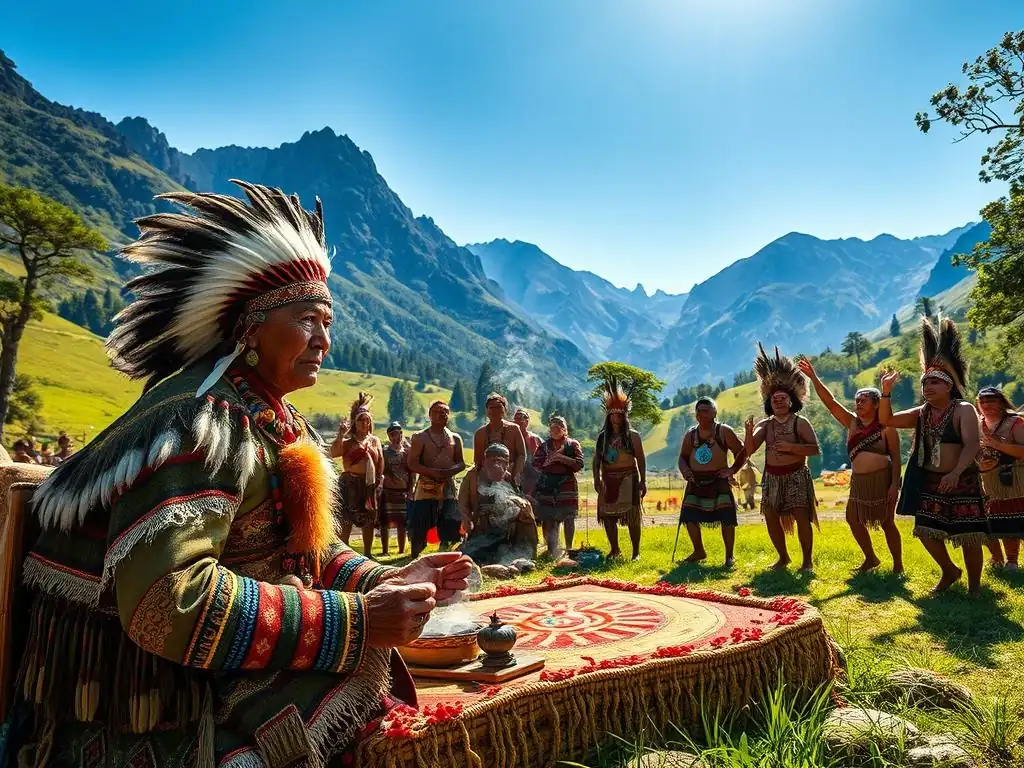
Welcome to Indigenous Civilizations of the Americas, where we invite you to embark on a fascinating journey through the rich tapestry of indigenous cultures that flourished long before European colonization. Dive deep into the intriguing world of indigenous religious practices in the Americas, a realm filled with profound beliefs, vibrant rituals, and spiritual connections to the land.
As you explore our featured article, "Unveiling the Hidden: Indigenous Religious Practices Before European Intervention," you'll uncover the remarkable achievements and enduring legacy of these societies, illuminating their wisdom and resilience. Prepare to be captivated and informed as you navigate through the stories that shaped a continent!
- Introduction to Indigenous Religious Practices in the Americas
- Historical Context of Indigenous Religions in the Americas
- Core Elements of Indigenous Religious Practices
- Indigenous Deities and Spiritual Beings
- The Impact of European Colonization on Indigenous Religions
- Case Studies of Indigenous Religious Practices
- Revitalization of Indigenous Religious Practices Today
- Conclusion: The Legacy of Indigenous Religious Practices in the Americas
- Frequently Asked Questions
- Final Reflection: Embracing the Depth of Indigenous Religious Practices
- Unleash the Spirit of Indigenous Wisdom!
Introduction to Indigenous Religious Practices in the Americas
The indigenous peoples of the Americas possessed a rich tapestry of religious practices that were deeply intertwined with their cultures, societies, and daily lives. Before the arrival of European colonizers, these practices were not only diverse but also integral to the identity and worldview of various indigenous groups across the continent.
From the animistic beliefs of the North to the intricate cosmologies of the Mesoamerican civilizations, indigenous religious practices in the Americas encompassed a wide range of rituals, deities, and spiritual beliefs that reflected the profound connection these communities had with nature, ancestors, and the cosmos. Understanding these practices is crucial for appreciating the complexity and depth of indigenous cultures, as well as recognizing the impact of European intervention on their spiritual expressions.
Overview of Indigenous Spirituality
Indigenous spirituality in the Americas can be characterized by its diverse expressions and foundational beliefs that vary from one culture to another. Generally, these spiritual systems emphasize:
- Connection to Nature: Many indigenous religions view the natural world as sacred. Animals, plants, and natural phenomena are often regarded as spiritual beings or manifestations of deities.
- Ancestral Reverence: Ancestors play a crucial role in indigenous spirituality, with rituals often aimed at honoring them and seeking their guidance in daily life.
- Ritual and Ceremony: Rituals are central to indigenous religious practices, serving as a means to connect with the spiritual world, mark significant life events, or ensure communal harmony.
- Cosmology and Creation Myths: Each culture has its unique creation stories that explain the origins of the world and its inhabitants, shaping their understanding of existence and societal roles.
This intricate web of beliefs and practices reflects a deep respect for both the environment and the community, providing a framework within which indigenous peoples navigate their lives.
Importance of Indigenous Religious Practices Before European Intervention
The significance of indigenous religious practices prior to European intervention cannot be overstated. These practices served multiple essential functions within indigenous societies:
- Cultural Identity: Religious beliefs and rituals are foundational to cultural identity, helping to unify communities and pass down traditions through generations.
- Social Cohesion: Shared religious practices fostered a sense of belonging and social cohesion, essential for the survival and resilience of indigenous groups.
- Moral and Ethical Framework: Many indigenous religions provided guidelines for ethical behavior, community interactions, and stewardship of the land, which were vital for sustainable living.
- Resilience and Adaptation: Indigenous religious practices allowed communities to adapt to changing environments and social conditions, offering spiritual tools to navigate challenges.
- Crisis Response: In times of crisis, such as natural disasters or conflict, religious ceremonies and rituals served as mechanisms for healing, support, and communal strength.
Recognizing the importance of these practices not only highlights the richness of indigenous cultures but also sheds light on the profound disruptions caused by European colonization, which sought to suppress and marginalize these vital spiritual expressions.
Historical Context of Indigenous Religions in the Americas
Overview of Pre-Columbian Societies and Their Beliefs
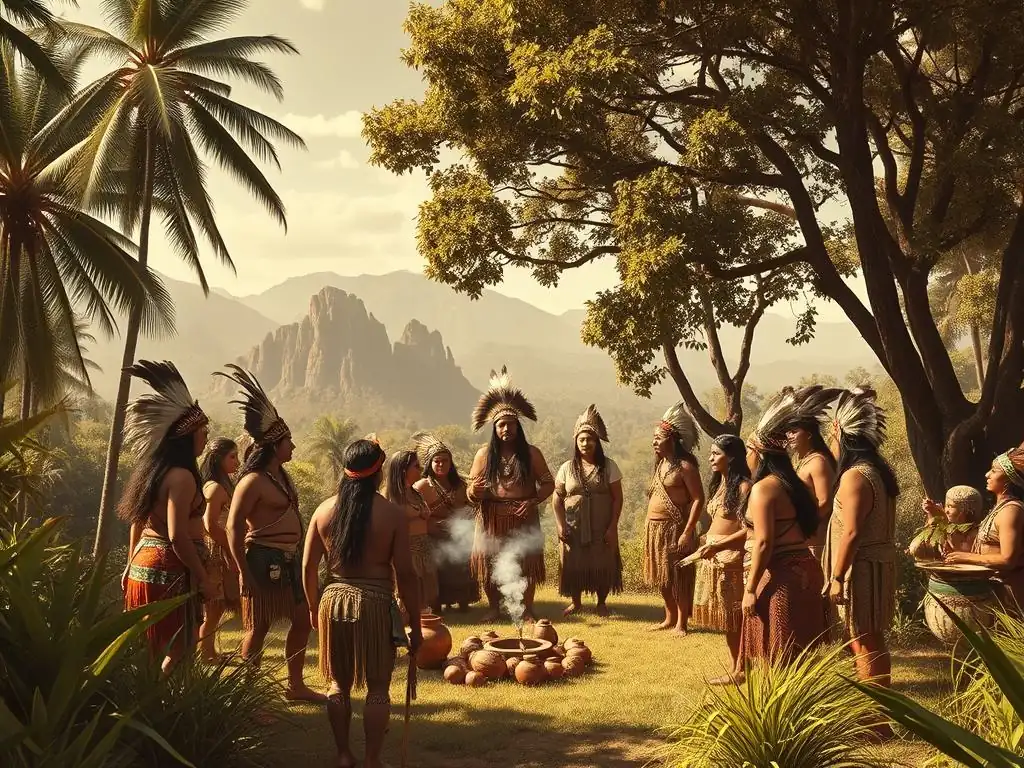
Before the arrival of European colonizers, the Americas were home to a vast array of indigenous societies, each with its own unique religious practices and belief systems. These societies ranged from the nomadic tribes of North America to the advanced civilizations of Mesoamerica and South America. The belief systems were deeply intertwined with their daily lives, reflecting their relationship with the land, the cosmos, and the spirits that they believed inhabited their world.
Religious practices were not merely rituals; they encompassed a holistic worldview that included cosmology, ethics, and the understanding of human existence. For many indigenous groups, religion permeated all aspects of life, from agriculture to governance. Ceremonies often coincided with seasonal changes and agricultural cycles, emphasizing the importance of harmony between humans and nature.
As diverse as these societies were, common themes emerged, including the reverence for nature, ancestor worship, and the belief in a multitude of deities or spiritual forces. Rituals served as a bridge between the physical and spiritual realms, ensuring that communities remained connected to their ancestors and the natural world.
Key Features of Indigenous Religious Practices in Different Regions
Indigenous religious practices in the Americas were as diverse as the cultures themselves, influenced by geographical, social, and historical contexts. Here we explore the distinctive characteristics of religious practices across three primary regions: North America, Mesoamerica, and South America.
North American Indigenous Religions
In North America, indigenous religious practices varied widely among tribes and nations, but several key features were prevalent:
- Animism: Many North American indigenous cultures practiced animism, believing that all natural objects and living beings possessed a spirit. This belief fostered a deep respect for the environment and an understanding of the interconnectedness of life.
- Ritualistic Ceremonies: Rituals such as the Sun Dance and Potlatch highlighted the community’s social structure, collective identity, and spiritual beliefs. These ceremonies often involved music, dance, and offerings to spirits or ancestors.
- Shamanism: Shamans, or spiritual leaders, played a pivotal role in many tribes, serving as intermediaries between the physical world and the spirit world. They conducted healing rituals, guided vision quests, and provided counsel based on their spiritual insights.
Mesoamerican Spiritual Traditions
Mesoamerican societies, including the Maya, Aztec, and Olmec, developed complex religious systems characterized by:
- Polytheism: Mesoamerican religions were fundamentally polytheistic, with a pantheon of gods associated with various aspects of life, such as agriculture, warfare, and the underworld. Notable deities included Quetzalcoatl and Tlaloc, each representing vital natural elements.
- Calendar Systems: The intricate calendrical systems, such as the Maya Tzolk'in and Haab', were central to Mesoamerican spiritual life, dictating religious observances and agricultural practices. These calendars reflected their deep understanding of celestial cycles.
- Human Sacrifice: In certain Mesoamerican cultures, human sacrifice was a significant religious practice intended to appease the gods and ensure cosmic balance. This often involved elaborate ceremonies that underscored the belief in the cyclical nature of life and death.
South American Indigenous Beliefs
Indigenous beliefs in South America, particularly among the Andean civilizations like the Inca, were marked by:
- Nature Worship: Many South American tribes revered natural elements, particularly mountains, rivers, and the sun. The Inca worshipped Inti, the sun god, as the source of life, and believed in the sacredness of their land, known as Pachamama (Mother Earth).
- Mythology and Oral Traditions: Rich mythologies were passed down through oral traditions, explaining the origins of the world and the relationship between humans and deities. These stories often incorporated moral lessons and cultural values.
- Ritual Offerings: Offerings to the earth and deities, such as food, textiles, and even llamas, were common practices intended to ensure good harvests and favorable conditions. These rituals often took place at sacred sites, which were considered to be imbued with spiritual significance.
The indigenous religious practices across the Americas exhibited a rich tapestry of beliefs and rituals, intricately linked to the environments and cultures from which they arose. Understanding these practices provides valuable insight into the profound connections that indigenous peoples maintained with their surroundings long before European intervention.
Core Elements of Indigenous Religious Practices
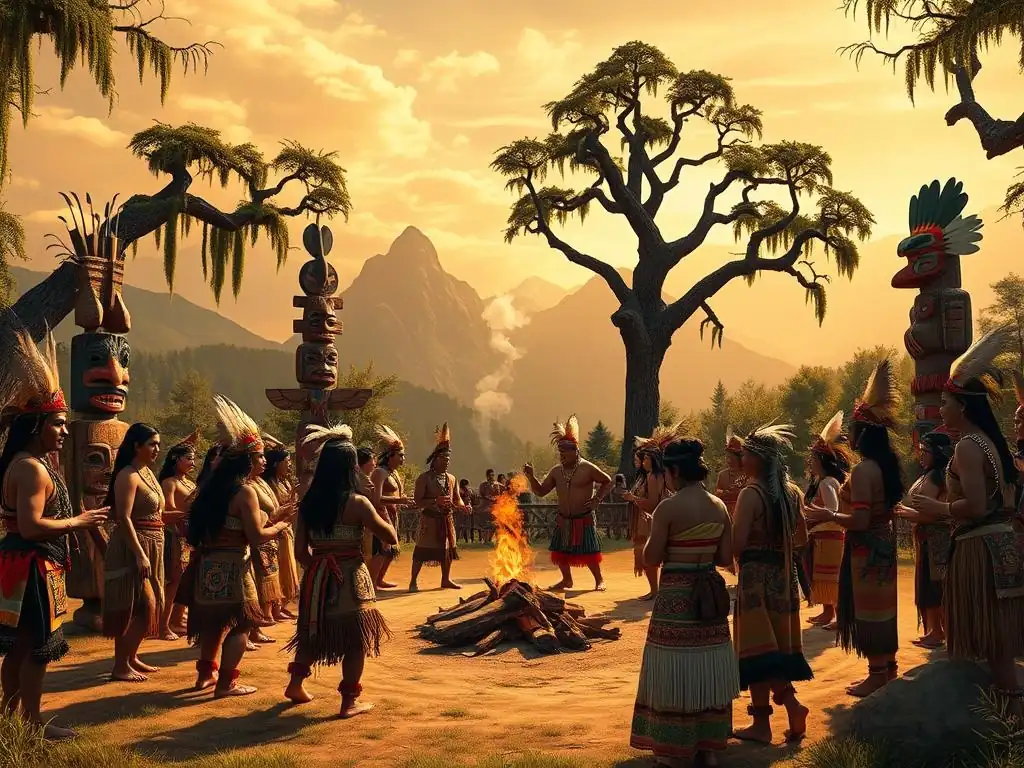
Indigenous religious practices in the Americas were deeply rooted in the cultural identities of the diverse communities that inhabited the continent long before European colonization. These practices encompassed a wide array of beliefs, rituals, and customs, all of which played a fundamental role in shaping the social fabric of indigenous societies. Understanding these core elements provides insight into how indigenous peoples viewed their relationship with the world around them and how they expressed their spirituality.
Rituals and Ceremonies in Indigenous Cultures
Rituals and ceremonies were central to indigenous religious practices, serving as expressions of faith, community bonding, and cultural preservation. Each tribe or nation had its unique set of rituals, often tied to agricultural cycles, seasonal changes, and significant life events.
- Seasonal Festivals: Many indigenous groups celebrated seasonal changes through festivals that honored the earth and the spirits believed to control natural forces. For example, the Pueblo peoples of the Southwestern United States performed the Kachina ceremonies, which involved elaborate dances to invoke rain and ensure successful harvests.
- Initiation Rites: Initiation ceremonies marked significant transitions in an individual's life, such as coming of age. The Lakota Sioux practiced the Vision Quest, where young men would seek spiritual guidance and connection with their ancestors through fasting and isolation in nature.
- Healing Rituals: Healing practices often involved the use of traditional medicine and were accompanied by rituals that called upon the spiritual world for assistance. The Shaman, or spiritual healer, played a crucial role in these ceremonies, acting as a mediator between the physical and spiritual realms.
These rituals not only reinforced social cohesion but also helped individuals connect to their heritage and the broader cosmos.
The Role of Nature and Cosmology in Indigenous Beliefs
Nature was more than just a backdrop for indigenous religious practices; it was an integral aspect of their cosmological understanding. Indigenous peoples viewed the world as a living entity, with every element possessing spirit and significance.
- Animism: Many indigenous cultures subscribed to animistic beliefs, where animals, plants, and even geological features were regarded as sentient beings with spiritual importance. This perspective fostered a profound respect for nature, as seen in the Iroquois Confederacy, who believed in the Great Spirit that governed all living things.
- Cosmological Narratives: Creation stories and myths served as frameworks for understanding the universe. The Maya civilization, for example, had intricate cosmological narratives that explained the creation of the world, the cycles of life and death, and the relationship between humans and gods.
- Sacred Geography: Certain landscapes were considered sacred, serving as sites for rituals and spiritual gatherings. The Andean cultures revered high mountains and bodies of water, believing they were inhabited by deities and ancestral spirits.
This deep connection to nature influenced not only religious practices but also the daily lives of indigenous peoples, guiding their agricultural practices, resource management, and social organization.
Ancestor Worship and Its Significance
Ancestor worship played a vital role in many indigenous cultures, emphasizing the importance of lineage and the continuity of life through generations. This reverence for ancestors shaped both individual identity and community cohesion.
- Spiritual Connection: Ancestors were believed to provide guidance and protection to their descendants. Rituals honoring ancestors often involved offerings, prayers, and storytelling, which helped keep their memories alive. Among the Mesoamerican cultures, such as the Aztecs, the Day of the Dead celebrations illustrate the deep respect and connection to ancestors, where families honor their deceased loved ones through altars and offerings.
- Lineage and Identity: Many indigenous groups traced their identity and social status back to ancestral lineage. This connection reinforced community bonds and a sense of belonging. The Navajo people, for instance, view themselves as part of a larger clan system, where each individual’s actions are seen as reflections of their ancestors.
- Cultural Transmission: Ancestor worship facilitated the passing down of cultural knowledge, traditions, and values. Elders played a crucial role in this process, sharing stories and teachings that connected the younger generation to their heritage.
The core elements of indigenous religious practices in the Americas reflect a complex interplay of rituals, nature, and ancestral reverence. These practices not only provided spiritual meaning but also fostered community resilience and cultural continuity in the face of external pressures, including the devastating impacts of European colonization. Understanding these practices is essential for appreciating the rich cultural tapestry of indigenous civilizations before European intervention.
Indigenous Deities and Spiritual Beings
Indigenous religious practices in the Americas are rich and varied, encompassing a vast array of deities and spiritual beings that played a central role in the lives of indigenous peoples. These deities often embodied natural elements, agricultural cycles, and ancestral spirits, reflecting the deep connection indigenous cultures had with their environment and history. Understanding these spiritual beliefs is crucial for appreciating the complexity and diversity of indigenous societies prior to European colonization.
Major Gods and Goddesses in Indigenous Mythologies
The pantheon of indigenous deities varies significantly across different cultures, each representing unique aspects of life, nature, and the cosmos. Below are some prominent gods and goddesses from various indigenous mythologies:
- Quetzalcoatl (Mesoamerica): Known as the Feathered Serpent, Quetzalcoatl was a major deity among the Aztecs and other Mesoamerican cultures. He was associated with wind, rain, and fertility, symbolizing life and knowledge. His worship involved elaborate rituals and offerings, highlighting the importance of agriculture and education in these societies.
- Inti (Inca): The Sun God Inti was worshiped by the Inca civilization as the source of life and warmth. Festivals were held in his honor, particularly during the Inti Raymi, the Festival of the Sun, which celebrated the winter solstice and the agricultural season.
- Coyote (Various Tribes): In many Native American cultures, Coyote is revered as a trickster figure and a creator deity. He embodies duality, representing both wisdom and folly, and is often associated with transformation and change.
- Tlaloc (Aztec): The god of rain and fertility, Tlaloc was crucial for agricultural success among the Aztecs. His worship included rituals meant to ensure sufficient rainfall, which was vital for crop cultivation.
These deities were not merely figures of worship; they were integral to the social order, moral teachings, and cultural identity of the peoples who revered them. The rituals associated with these gods often included music, dance, and offerings, reinforcing communal bonds and shared beliefs.
Spirits and Ancestors in Indigenous Religious Practices
In addition to the major deities, indigenous religious practices often emphasized the significance of spirits and ancestors, who played a crucial role in daily life and spiritual beliefs. The following elements illustrate this aspect of indigenous spirituality:
- Ancestral Spirits:
- Indigenous cultures believed that ancestors remained present in their communities, guiding and protecting their descendants. Rituals to honor these spirits, such as offerings and ceremonies, were common.
- Example: Among the Pueblo tribes, the practice of honoring ancestors during the Kachina ceremonies involves invoking the spirits of those who have passed to seek guidance and blessings.
- Nature Spirits:
- Many indigenous groups worshipped spirits associated with elements of nature, such as rivers, mountains, and animals. These spirits were believed to possess the power to influence the environment and human affairs.
- Example: In the traditions of the Lakota Sioux, spirits of animals are revered, and rituals often include offerings to these beings to ensure harmony and balance in nature.
- Shamanism:
- Shamans acted as mediators between the spiritual and physical worlds. They were believed to have the ability to communicate with spirits and ancestors, providing healing and guidance to their communities.
- Example: The Inuit shamans performed rituals that involved trances and songs to connect with the spirit world, seeking insight into the future or the well-being of their people.
- Rituals and Ceremonies:
- Ceremonial practices often included storytelling, dance, and offerings to honor both deities and ancestral spirits. These rituals served to reinforce community identity and shared beliefs.
- Example: The Powwow, celebrated by various Native American tribes, is not only a social gathering but also a spiritual event that honors ancestors and showcases cultural heritage.
The reverence for spirits and ancestors highlights the interconnectedness of life, death, and the natural world in indigenous belief systems. These practices were not merely religious; they were integral to the social fabric, ethics, and governance of indigenous societies, creating a holistic worldview that persisted despite the pressures of colonization.
The Impact of European Colonization on Indigenous Religions
Initial Encounters and the Suppression of Indigenous Beliefs
The arrival of European colonizers in the Americas marked a significant turning point in the landscape of Indigenous religious practices. The initial encounters between Indigenous peoples and European settlers were often characterized by a profound misunderstanding of spiritual beliefs. Europeans, predominantly Christian, viewed Indigenous religions as primitive or pagan, leading to a systematic effort to suppress these belief systems.
Indigenous religious practices were deeply intertwined with daily life, governance, and community identity. Elements such as rituals, ceremonies, and oral traditions were essential for maintaining cultural continuity. However, European colonizers frequently dismissed these practices, labeling them as superstitions. This dismissal was not merely rhetorical; it often resulted in violent confrontations where Indigenous spiritual leaders were persecuted, and sacred sites were desecrated.
The missionaries believed that the salvation of the Indigenous people depended on abandoning their old ways.
— Historical Accounts of the Conquest
The suppression of Indigenous beliefs was facilitated by various methods, including the establishment of missions, which sought to convert Indigenous peoples to Christianity. These missions often imposed European spiritual frameworks, undermining Indigenous cosmologies and leading to a significant loss of cultural practices.
Forced Conversions and the Loss of Indigenous Religious Practices
The forced conversions that accompanied European colonization had a devastating impact on Indigenous religious practices across the Americas. Missionaries, driven by a sense of divine duty, sought to convert entire communities, often employing coercion and manipulation.
- Missionary Approaches: Many missionaries created educational institutions that taught European languages and Christian doctrine while simultaneously discrediting Indigenous beliefs. This method not only stripped Indigenous peoples of their spiritual heritage but also instilled a sense of shame associated with their cultural identity.
- Destruction of Sacred Sites: The establishment of churches on sacred Indigenous sites served as a physical representation of the colonial takeover. These actions not only disrupted traditional practices but also led to the erasure of historical narratives tied to these locations.
- Legal Restrictions: In several regions, European authorities enacted laws that prohibited Indigenous religious ceremonies, further eroding the ability of Indigenous groups to practice their spirituality openly.
The cumulative effect of these forced conversions was a widespread loss of Indigenous religious practices, with many traditions fading into obscurity or being practiced in secrecy. The impact on cultural identity was profound, as spiritual beliefs had been foundational to community cohesion and individual identity.
Resistance and Preservation of Indigenous Spirituality
Despite the overwhelming pressures to conform to European religious norms, many Indigenous communities displayed remarkable resilience in preserving their spiritual practices. This resistance took various forms, demonstrating the tenacity of Indigenous cultures in the face of adversity.
- Syncretism: One common form of resistance was the blending of Indigenous beliefs with elements of Christianity, resulting in unique syncretic practices. For instance, many Indigenous groups incorporated Christian symbols into their rituals, creating a hybrid spirituality that allowed them to maintain aspects of their original beliefs while outwardly conforming to colonial expectations.
- Secret Ceremonies: Many Indigenous peoples continued to practice their traditional religions in secret, often utilizing coded language or hidden gatherings to bypass colonial scrutiny. This clandestine preservation of spirituality allowed communities to maintain their cultural identity and pass down rituals to future generations.
- Cultural Revitalization Movements: In modern times, there has been a resurgence of interest in Indigenous religious practices, driven by movements aimed at cultural revitalization. These efforts often emphasize the importance of traditional knowledge and spirituality, encouraging younger generations to reconnect with their heritage.
The resistance to colonial religious imposition illustrates the enduring spirit of Indigenous cultures. By finding ways to adapt and persevere, Indigenous peoples in the Americas have ensured that their rich spiritual traditions continue to thrive, even in a landscape shaped by European colonization.
Case Studies of Indigenous Religious Practices
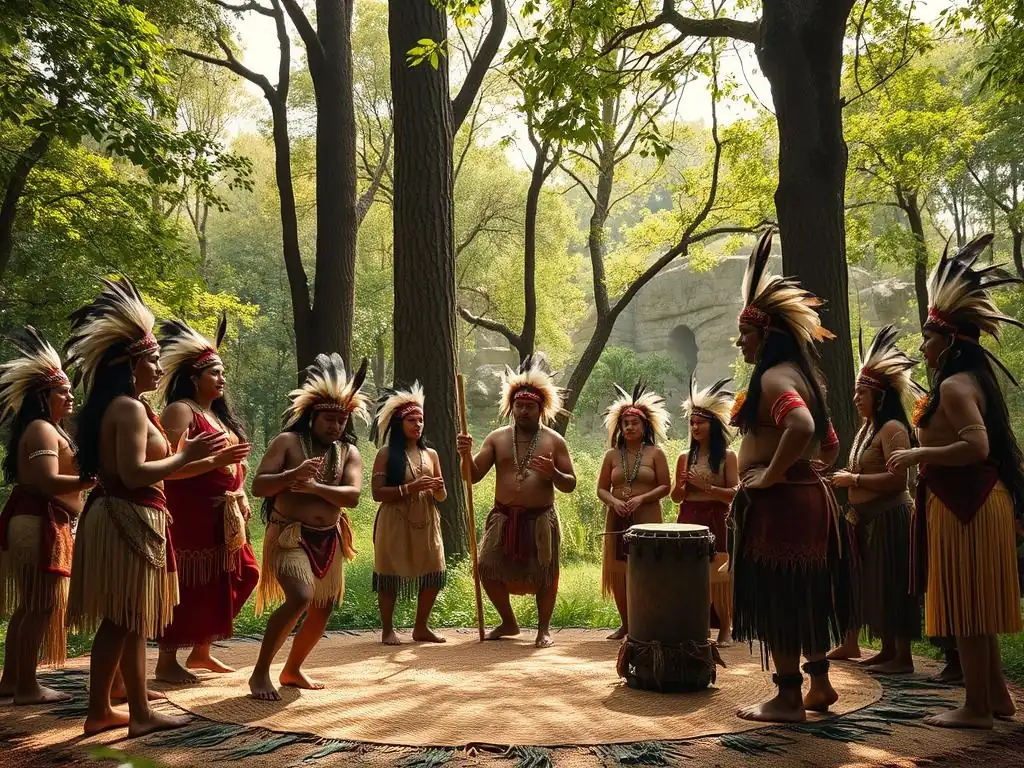
Exploring the rich tapestry of indigenous religious practices in the Americas reveals the profound spiritual connections these cultures maintained with their environment, ancestors, and the cosmos. Through various case studies, we can gain insights into the unique beliefs, rituals, and societal structures that defined these practices prior to European colonization.
The Navajo Nation, one of the largest Native American tribes in the United States, boasts a complex spiritual system that integrates nature, community, and a deep respect for the cosmos. Central to Navajo religious practices is the concept of hózhó—often translated as harmony or balance. This principle shapes their understanding of health, relationships, and the universe.
Key Aspects of Navajo Spirituality:
- Creation Stories: The Navajo creation myth involves the emergence of the first people from the underworld, which establishes their connection to the land and the spiritual world. These narratives are not merely stories; they are foundational to understanding identity and purpose.
- Ceremonies: Various ceremonies, such as the Blessingway and Enemy Way, are integral to Navajo spirituality. These rituals typically involve songs, prayers, and the use of sacred herbs like sweetgrass and sage to promote healing and restore balance.
- Use of Sandpaintings: In healing ceremonies, sandpaintings serve as temporary sacred art that depicts deities and spiritual symbols. Participants believe these images invoke the presence of spiritual beings, facilitating healing and protection.
- Connection to Nature: The Navajo view the natural world as imbued with spiritual significance. Mountains, rivers, and plants are seen as living entities deserving of respect and reverence. This relationship emphasizes sustainability and reciprocity, which are crucial in their worldview.
Case Study 2: The Maya and Their Religious Traditions
The Maya civilization, renowned for its architectural marvels and astronomical achievements, also possessed a rich spiritual life characterized by complex religious practices that intertwined with daily life. Maya religion was polytheistic, involving a pantheon of gods associated with various aspects of life and nature.
Key Aspects of Maya Religious Practices:
- Deities and Cosmology: The Maya worshipped numerous deities, each representing different elements of nature, such as rain, maize, and the sun. Their cosmology included beliefs in an intricate cycle of creation and destruction, influencing agricultural practices and societal organization.
- Rituals and Offerings: Rituals often involved elaborate ceremonies, including bloodletting and the offering of food, incense, and precious items to the gods. These acts were believed to ensure favor and maintain cosmic order.
- Pyramids and Sacred Sites: The construction of pyramids and temples served as both religious and astronomical observatories. Sites like Tikal and Chichen Itza were central to religious activities, hosting ceremonies that aligned with celestial events.
- Calendar Systems: The Maya developed complex calendar systems, such as the Tzolk'in and the Haab', which guided agricultural cycles and religious observances. The alignment of time with spiritual significance reflects their understanding of the universe's rhythms.
- The Role of Priests: Priests held significant power in Maya society, serving as intermediaries between the gods and the people. Their knowledge of rituals, astronomy, and medicine positioned them as essential figures in maintaining social and spiritual order.
By examining these case studies of indigenous religious practices in the Americas, we can appreciate the intricate beliefs and systems that shaped the identities of these cultures. Despite the challenges posed by European colonization, the legacies of these practices continue to influence contemporary indigenous identities and spiritual expressions.
Revitalization of Indigenous Religious Practices Today
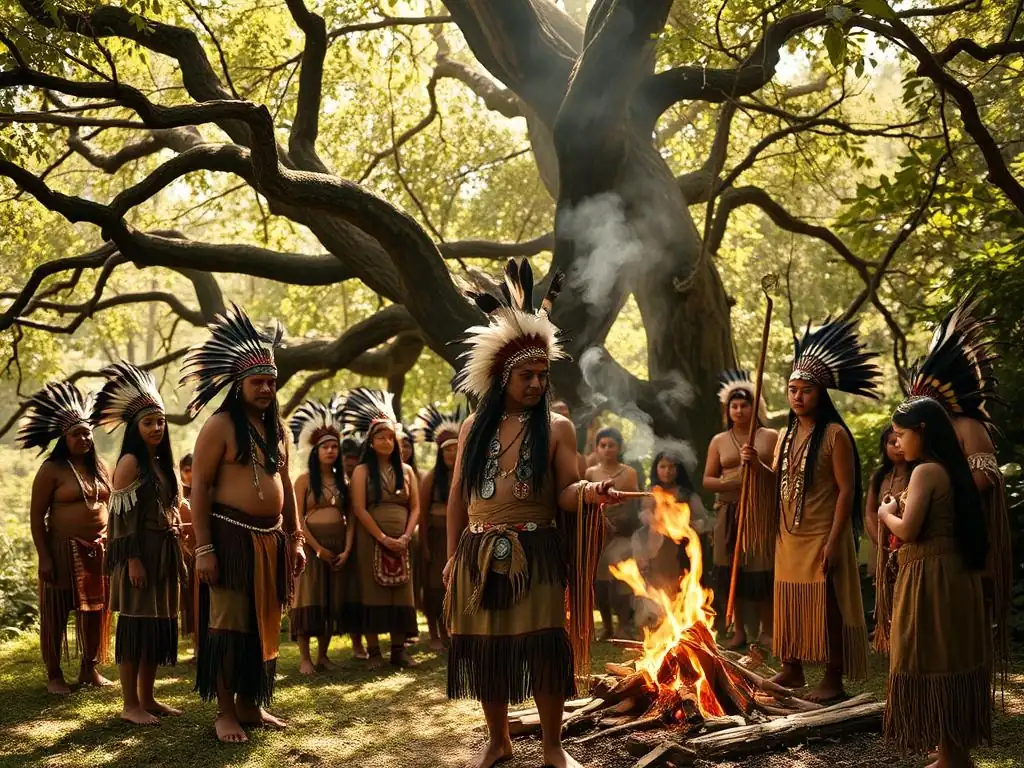
The revitalization of Indigenous religious practices in the Americas is a dynamic process that has gained momentum in recent decades. This resurgence can be attributed to various factors, including increased awareness of cultural heritage, activism against historical injustices, and a growing desire among Indigenous peoples to reconnect with their spiritual roots.
The revitalization efforts are not merely about reclaiming lost traditions; they also include the adaptation and integration of ancient practices with contemporary issues faced by Indigenous communities. As a result, many Indigenous groups are finding innovative ways to express their spirituality while addressing modern challenges such as environmental degradation, economic inequality, and social justice.
Contemporary Movements to Reclaim Indigenous Spirituality
In recent years, numerous contemporary movements have emerged to reclaim Indigenous spirituality, emphasizing the importance of traditional beliefs and practices. These movements often focus on:
- Ceremonial Revivals: Many Indigenous communities are reinstating traditional ceremonies that may have been suppressed or altered due to colonial influences. These ceremonies serve as a means of cultural expression and community solidarity. Examples include the Sun Dance among Plains nations and the Powwow traditions that celebrate Indigenous music, dance, and spirituality.
- Educational Initiatives: There has been a significant push for educational programs that teach Indigenous religious practices and worldviews to younger generations. These initiatives often take place in community centers, schools, and through online platforms, aiming to foster pride in Indigenous identity and spirituality.
- Collaborative Healing Practices: Some Indigenous groups are integrating traditional healing practices with modern therapeutic methods. This approach not only respects ancient wisdom but also addresses the mental health challenges many Indigenous people face today, stemming from historical trauma and ongoing marginalization.
- Environmental Spirituality: Many Indigenous teachings emphasize the sacredness of nature and the interconnectedness of all living beings. As contemporary environmental movements gain traction, Indigenous spirituality is increasingly recognized as a vital perspective in discussions about sustainability and conservation.
The Role of Indigenous Religious Practices in Cultural Identity
Indigenous religious practices play a crucial role in shaping cultural identity among Indigenous peoples in the Americas. These practices are not only spiritual expressions but also serve as foundations for community cohesion and resilience. Key aspects of this relationship include:
- Cultural Continuity: Indigenous religious practices provide a sense of continuity and connection to ancestors. They often incorporate oral histories, rituals, and traditional knowledge that have been passed down through generations, helping to preserve Indigenous languages and narratives.
- Community Building: Participation in religious ceremonies fosters a sense of belonging and unity among community members. These gatherings create spaces for sharing experiences, reinforcing social ties, and promoting collective healing.
- Resistance to Assimilation: Upholding Indigenous spiritual practices serves as a form of resistance against colonial assimilation efforts. By maintaining their religious traditions, Indigenous communities assert their distinctiveness and challenge the dominant narratives imposed by colonial powers.
- Empowerment and Advocacy: Many Indigenous leaders and activists utilize religious frameworks to advocate for rights and recognition. Spiritual beliefs often inform their approaches to activism, emphasizing the importance of protecting sacred lands and preserving cultural heritage.
The revitalization of Indigenous religious practices today is a powerful testament to the resilience and adaptability of Indigenous cultures in the Americas. These practices not only reinforce cultural identity but also empower communities to navigate the complexities of contemporary life while honoring their ancestral traditions.
Conclusion: The Legacy of Indigenous Religious Practices in the Americas
The legacy of Indigenous religious practices in the Americas represents a profound tapestry of beliefs, rituals, and cultural expressions that have shaped the social fabric of numerous communities. Despite the traumatic disruptions caused by European colonization, many Indigenous groups have persevered in preserving their spiritual traditions. These practices not only serve as a connection to ancestral heritage but also play a vital role in contemporary social and cultural identity.
The diverse array of Indigenous religious practices, ranging from the intricate cosmologies of the Maya to the animistic traditions of the Plains tribes, reflects a deep understanding of the interconnectedness of life. This rich spiritual heritage presents a contrasting worldview to the dominant Eurocentric perspectives, emphasizing respect for nature, communal harmony, and the sanctity of life. Recognizing and appreciating these practices fosters a greater respect for Indigenous cultures and contributes to the ongoing dialogue about social justice, environmental stewardship, and cultural preservation.
The Importance of Understanding Indigenous Spirituality Today
Understanding Indigenous spirituality is crucial for several reasons:
- Cultural Preservation: Indigenous religious practices are integral to the cultural identity of many communities. By studying and promoting these traditions, we contribute to their preservation and revitalization, ensuring that future generations inherit a rich cultural legacy.
- Social Justice: Acknowledging the significance of Indigenous religious practices helps confront historical injustices faced by these communities. It highlights the need for reparative actions and recognition of Indigenous rights, particularly concerning land, resources, and spiritual autonomy.
- Environmental Wisdom: Many Indigenous belief systems are deeply rooted in ecological knowledge and sustainable practices. By learning from these traditions, contemporary society can adopt sustainable practices that promote environmental stewardship and biodiversity conservation.
- Intercultural Dialogue: Understanding Indigenous spirituality fosters intercultural respect and dialogue. It allows for a more nuanced appreciation of different worldviews, encouraging collaboration and mutual respect between Indigenous and non-Indigenous peoples.
- Mental and Emotional Well-being: Many Indigenous spiritual practices focus on community, connection, and healing. Integrating these approaches into modern mental health frameworks can provide holistic support for individuals facing various challenges.
Future Directions for Research on Indigenous Religious Practices in the Americas
As we look toward the future, several key areas warrant further research on Indigenous religious practices in the Americas:
- Interdisciplinary Approaches: Future research should adopt interdisciplinary methodologies, integrating anthropology, history, theology, and environmental studies to provide a holistic understanding of Indigenous spiritual practices.
- Revitalization Movements: Analyzing the contemporary movements aimed at revitalizing Indigenous religious practices can reveal insights into how these traditions adapt and thrive in modern contexts.
- Impact of Globalization: Investigating the effects of globalization on Indigenous religions, including the challenges and opportunities posed by contemporary media, technology, and social networks, is essential for understanding their evolution.
- Cross-Cultural Comparisons: Comparative studies between different Indigenous groups can illuminate commonalities and differences in religious practices, enriching our understanding of the broader Indigenous experience across the Americas.
- Community Involvement: Engaging Indigenous communities in research processes ensures that their voices are heard, and their knowledge is respected. Collaborative research can lead to more authentic representations of their religious practices.
The study of Indigenous religious practices in the Americas not only enriches our understanding of these cultures but also provides valuable lessons for contemporary society. Emphasizing respect, sustainability, and cultural preservation, these practices remain a vital part of the Indigenous legacy, deserving recognition and celebration in today's world.
Frequently Asked Questions
What are indigenous religious practices in the Americas?
Indigenous religious practices in the Americas encompass a variety of spiritual beliefs and rituals that reflect the diversity of cultures across the continent, rooted in nature, ancestors, and community values.
How did European colonization impact indigenous religions?
European colonization significantly disrupted indigenous religions by imposing Christian beliefs, leading to the suppression of traditional practices and the syncretism of spiritual traditions.
What are some examples of indigenous spiritual beliefs?
Examples include animism, where natural elements hold spiritual significance, and shamanism, involving spiritual leaders who mediate between the physical and spiritual worlds, showcasing the richness of indigenous spiritual life.
Are there any surviving practices today?
Yes, many indigenous communities continue to practice their traditional religions, often blending them with contemporary beliefs, thereby preserving their cultural identity and heritage in a modern context.
Why is it important to study indigenous religious practices?
Studying these practices helps to understand the cultural richness and historical context of indigenous peoples, fostering appreciation for their contributions to global spirituality and emphasizing the importance of cultural preservation.
Final Reflection: Embracing the Depth of Indigenous Religious Practices
Indigenous religious practices in the Americas are not merely remnants of a bygone era; they are vibrant, living traditions that continue to shape identities and communities today. As we delve into the rich tapestry of these practices, it becomes evident that understanding their significance is crucial in fostering respect and appreciation for the diverse cultures that have thrived long before European intervention. The resilience of these traditions serves as a powerful reminder of the enduring spirit of Indigenous peoples and their profound connection to the land and cosmos.
Cultural landscapes are continually influenced by the legacies of Indigenous religious practices, which challenge us to rethink our narratives and embrace a more inclusive understanding of spirituality. These practices are not confined to the past; they resonate in contemporary movements advocating for environmental stewardship, social justice, and cultural revival. As noted by Vine Deloria Jr., “The most important thing is to understand that the Earth is alive and that it has a spirit.” This insight encourages us to recognize the ongoing relevance of Indigenous beliefs in addressing modern challenges and fostering a holistic worldview.
As we reflect on the insights gained from exploring Indigenous religious practices, let us commit to honoring and integrating these lessons into our lives. I invite you to engage with these traditions, whether through learning, supporting Indigenous communities, or advocating for their rights. By doing so, we not only enrich our understanding of the world but also contribute to a more equitable and harmonious future. Embrace the opportunity to connect with these profound spiritual legacies and let them inspire your journey toward greater awareness and respect for the rich diversity of human experience.
Unleash the Spirit of Indigenous Wisdom!
Thank you for diving into the rich tapestry of Indigenous religious practices! You've uncovered the profound connections to spirituality and community that define these cultures. Now, let's take the journey a step further and honor and engage with this invaluable heritage.
Here’s how you can make an impact:
- Explore local Indigenous events or cultural festivals in your area to experience these traditions firsthand.
- Share this article with friends and family to spark meaningful conversations about the importance of preserving Indigenous knowledge.
- Delve deeper: read literature, watch documentaries, or engage with Indigenous voices to amplify their stories and values in your life.
Which aspect of Indigenous spirituality resonates with you the most, and how will you integrate this newfound knowledge into your personal journey?