
The Linguistic Legacy: What the Loss of Indigenous Languages Means for Cultural Identity

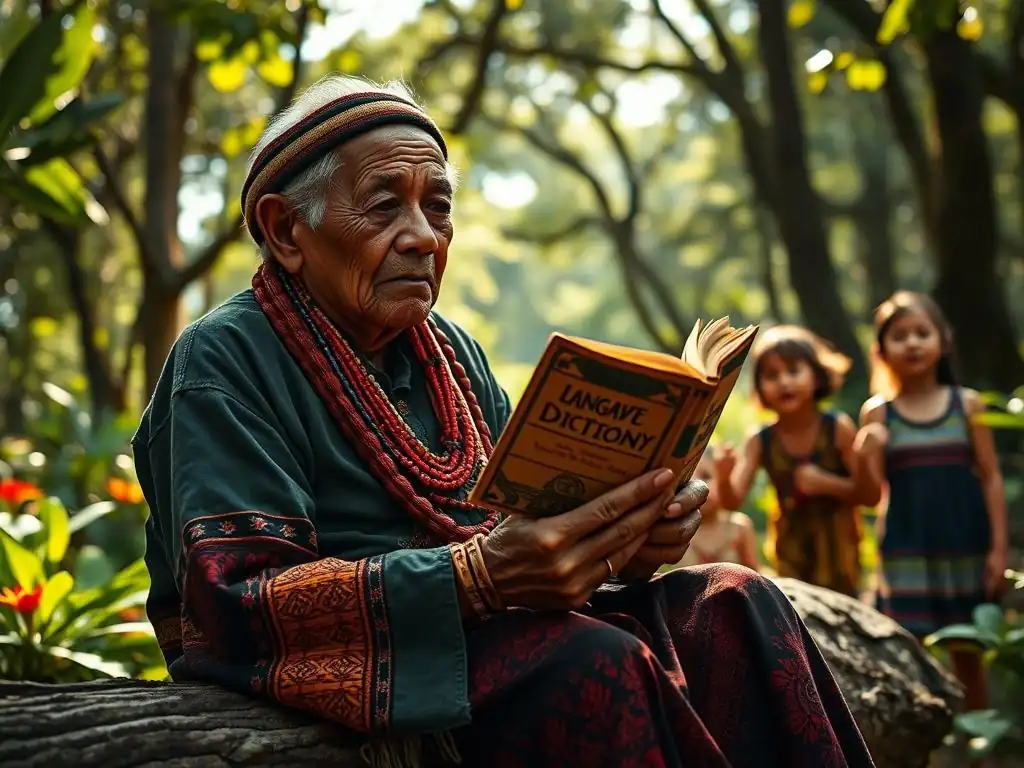
Welcome to Indigenous Civilizations of the Americas, where we invite you to embark on a compelling journey through the rich tapestry of pre-colonial cultures that shaped the continent. In our featured article, “The Linguistic Legacy: What the Loss of Indigenous Languages Means for Cultural Identity,” we delve into the profound impact of losing indigenous languages—a critical aspect often overlooked in discussions of European conquest and its lasting repercussions.
Discover how language loss transcends mere words, intertwining with identity, heritage, and the very essence of community. Join us as we explore the echoes of these vibrant cultures that continue to resonate today, encouraging you to reflect on the significance of preserving this invaluable legacy.
Introduction
The indigenous languages of the Americas are far more than mere communication tools; they are the vessels of cultural identity, history, and knowledge systems that have been passed down through generations. As we delve into the impact of losing indigenous languages, it becomes evident that this loss extends beyond the realm of linguistics; it deeply affects the cultural fabric of indigenous communities.
The gradual disappearance of these languages signifies a fading of unique worldviews, traditions, and connections to ancestral heritage, challenging the very essence of cultural identity. In this article, we will explore the profound implications of language loss, its historical context, and the need for revitalization efforts to preserve these invaluable linguistic legacies.
Understanding the Importance of Indigenous Languages
Indigenous languages serve as keys to understanding the complex social structures, spiritual beliefs, and ecological knowledge of the communities that speak them. Each language embodies its speakers' unique relationship with their environment and encapsulates traditional practices, rituals, and narratives that define their cultural identity.
- Cultural Transmission: Language is central to the transmission of cultural knowledge. Stories, songs, and oral traditions that convey moral lessons and historical events are inextricably linked to the language in which they are told.
- Worldview Expression: Different languages offer distinct ways of perceiving and interpreting the world. The loss of a language can mean the loss of a unique worldview and the intricate understanding of the natural and spiritual realms that it conveys.
In essence, the survival of indigenous languages is crucial for the continued existence and revitalization of the cultures they represent.
Overview of the Impact of Losing Indigenous Languages on Cultures
The impact of losing indigenous languages is profound and multifaceted, affecting cultural, social, and psychological aspects of indigenous communities:
- Cultural Erosion: The decline of language leads to the erosion of cultural practices and traditions, as the knowledge associated with that language often fades away.
- Identity Crisis: Language loss can contribute to a crisis of identity among indigenous peoples, as language is a core component of cultural identity and belonging.
- Social Fragmentation: The inability to communicate in one's native language can create social divisions within communities, leading to alienation and disconnection from cultural roots.
As we examine the historical context of indigenous languages, it is essential to understand the rich diversity that once flourished across the Americas.
The Historical Context of Indigenous Languages
The Rich Diversity of Indigenous Languages in the Americas
Prior to European colonization, the Americas were home to a staggering array of indigenous languages, estimated to be over 1,000 distinct languages belonging to numerous language families. Each language reflected the unique cultures and histories of the peoples who spoke them.
- Language Families: Major language families, such as Algonquian, Uto-Aztecan, and Iroquoian, showcase the linguistic richness and diversity present in pre-colonial societies.
- Cultural Significance: Languages were not only means of communication but also carriers of cultural heritage, encapsulating the traditions, beliefs, and practices of their speakers.
This linguistic diversity illustrates the depth of indigenous cultures and their adaptability to various environments across the continent.
Historical Factors Leading to Language Loss
The loss of indigenous languages can be traced back to several historical factors, many of which were exacerbated by European colonization:
- Colonial Policies: The implementation of policies aimed at assimilation, such as the forced removal of children to residential schools, led to the systematic suppression of indigenous languages.
- Cultural Genocide: The destruction of cultural practices and traditions during colonization resulted in the marginalization of indigenous languages and the communities that spoke them.
- Socioeconomic Pressures: Economic factors, including urbanization and globalization, have compelled many indigenous people to adopt dominant languages for socio-economic mobility, further contributing to language decline.
As we move forward in this article, we will delve deeper into the implications of these historical factors and explore contemporary efforts to revitalize and preserve indigenous languages, thus safeguarding the cultural identities they represent.
The Impact of Losing Indigenous Languages on Cultural Identity
The loss of indigenous languages significantly impacts cultural identity, eroding the connection individuals have with their heritage and ancestors. Language is not merely a communication tool; it embodies the history, traditions, and worldview of a community. When languages disappear, they take with them unique perspectives on life, social norms, and cultural practices, leading to a homogenization of cultures and loss of diversity. Furthermore, the decline of indigenous languages often correlates with diminished community cohesion and a weakened sense of belonging among younger generations.
The ramifications extend beyond individual communities; they affect broader societal structures, including education and governance. Communities that have lost their languages may struggle to effectively engage in political dialogues, advocate for their rights, or preserve their cultural practices. This situation creates a cycle of marginalization, where indigenous peoples become increasingly disconnected from their identity and heritage.
Connection Between Language and Cultural Identity
Language serves as a vessel for cultural identity, encapsulating the values, beliefs, and practices of a community. For many indigenous cultures, language is interwoven with spirituality, storytelling, and traditional knowledge. Each word carries cultural significance, with specific terms conveying concepts that may not have direct translations in other languages.
When a language is lost, the community loses a crucial part of its identity. The younger generations might find themselves unable to engage with their cultural heritage, leading to a disconnection from ancestral wisdom and traditions. This disconnect can foster feelings of alienation and loss, as individuals grapple with their cultural identity in a landscape dominated by majority languages. Consequently, revitalization efforts become essential in reclaiming and restoring cultural identity through language preservation.
How Language Shapes Worldview and Traditions
Language shapes how individuals perceive and interact with the world. It influences thought processes, cultural norms, and social interactions. For instance, many indigenous languages have unique grammatical structures that reflect a community's relationship with nature and the environment, often emphasizing the interconnectedness of all living beings.
Traditions, rituals, and stories are also deeply rooted in language. Oral traditions, which are vital for passing down knowledge and cultural practices, rely heavily on language. When these languages fade, the oral histories and traditional ecological knowledge tied to them are also at risk of being lost. This loss not only affects cultural practices but also the community's ability to adapt and respond to environmental changes, as much of this knowledge is encoded in their languages.
Case Studies of Indigenous Language Loss
Case Study 1: Cherokee Language and Its Cultural Significance
The Cherokee language, once spoken widely among the Cherokee Nation, is currently classified as critically endangered. Historically, the language was a cornerstone of Cherokee identity and community cohesion. The introduction of English during European colonization led to a decline in the use of Cherokee, particularly in the 19th and 20th centuries, as residential schools aimed to assimilate indigenous children.
Efforts to revitalize the Cherokee language are underway, with community initiatives focusing on language immersion programs and educational resources. These efforts are crucial for restoring cultural pride and identity among younger generations, allowing them to reconnect with their heritage. The revitalization of the Cherokee language reflects a broader trend among indigenous communities seeking to reclaim their linguistic and cultural heritage.
Case Study 2: Ojibwe Language and Community Responses
The Ojibwe language, once spoken by communities across the northern United States and Canada, has faced significant decline due to colonization and assimilation policies. However, Ojibwe communities have initiated several strategies to combat language loss. These include community language classes, bilingual signage, and the use of technology to create digital learning resources.
The Ojibwe language embodies rich cultural narratives and practices, and its revitalization plays a crucial role in reinforcing cultural identity. Community members often report a stronger sense of belonging and pride when they engage with their language, underscoring the importance of linguistic preservation in fostering cultural resilience. By prioritizing the Ojibwe language, communities not only preserve their heritage but also empower future generations to embrace their identity fully.
The Broader Consequences of Language Loss

The loss of indigenous languages extends far beyond the mere absence of words; it signifies a profound erosion of cultural heritage and identity. Each language embodies the values, beliefs, and histories of its speakers, serving as a vessel for traditional knowledge and social practices. When a language disappears, it often takes with it unique ways of understanding the world, including local histories, spiritual beliefs, and ecological knowledge that have been passed down through generations.
Moreover, the implications of losing indigenous languages are felt on a global scale, impacting biodiversity conservation efforts and cultural diversity. For instance, many indigenous languages contain specific terminologies that describe local flora and fauna, along with the relationships and practices tied to them. This specialized knowledge is crucial for sustainable environmental practices and can inform modern ecological research. Thus, the disappearance of these languages poses a risk not only to indigenous cultures but also to global efforts aimed at preserving biodiversity.
Effects on Knowledge Transmission and Traditional Ecological Knowledge
The impact of losing indigenous languages on knowledge transmission is particularly significant. Indigenous languages are often rich in context-specific terminology that encapsulates local environmental knowledge, practices, and relationships. This is referred to as Traditional Ecological Knowledge (TEK), which includes insights into sustainable land management, animal behavior, and seasonal changes.
When these languages fade away, so too does the nuanced understanding of ecosystems that indigenous peoples have cultivated over millennia. For example, the loss of the Quechua language diminishes the ability of speakers to share knowledge about Andean agriculture, which is adapted to specific climatic and geographical conditions. Consequently, the loss of TEK can lead to environmental mismanagement and a disconnection from the land, thereby undermining the sustainability of natural resources critical for future generations.
Impact on Community Cohesion and Identity Preservation
Language is intrinsically linked to cultural identity and community cohesion. For many indigenous groups, language serves not only as a means of communication but also as a cornerstone of social identity and a marker of belonging. When a language is lost, it can lead to fragmentation within communities as individuals may struggle to connect with cultural narratives and practices that define their heritage.
The effects on community cohesion can manifest in various ways, including reduced participation in cultural practices, diminished intergenerational transmission of knowledge, and a loss of self-esteem among younger speakers. Communities may also face challenges in addressing issues such as social inequality and marginalization without a shared linguistic framework. Thus, the erosion of language can have profound psychological and social impacts, contributing to broader patterns of cultural disintegration.
Revitalization Efforts and Their Importance
In light of the significant impact of losing indigenous languages, revitalization efforts have gained momentum in recent years. These initiatives aim not only to preserve existing languages but also to foster a renewed sense of cultural identity among indigenous communities. Revitalization can include various strategies such as language classes, the creation of educational materials, and community language programs that encourage speakers of all ages to practice and promote their languages.
The importance of these efforts cannot be overstated, as they play a critical role in restoring pride and fostering resilience within indigenous communities. By reclaiming their languages, communities can strengthen their cultural practices, enhance their social cohesion, and ensure that their worldviews are preserved for future generations.
Strategies for Reviving Indigenous Languages
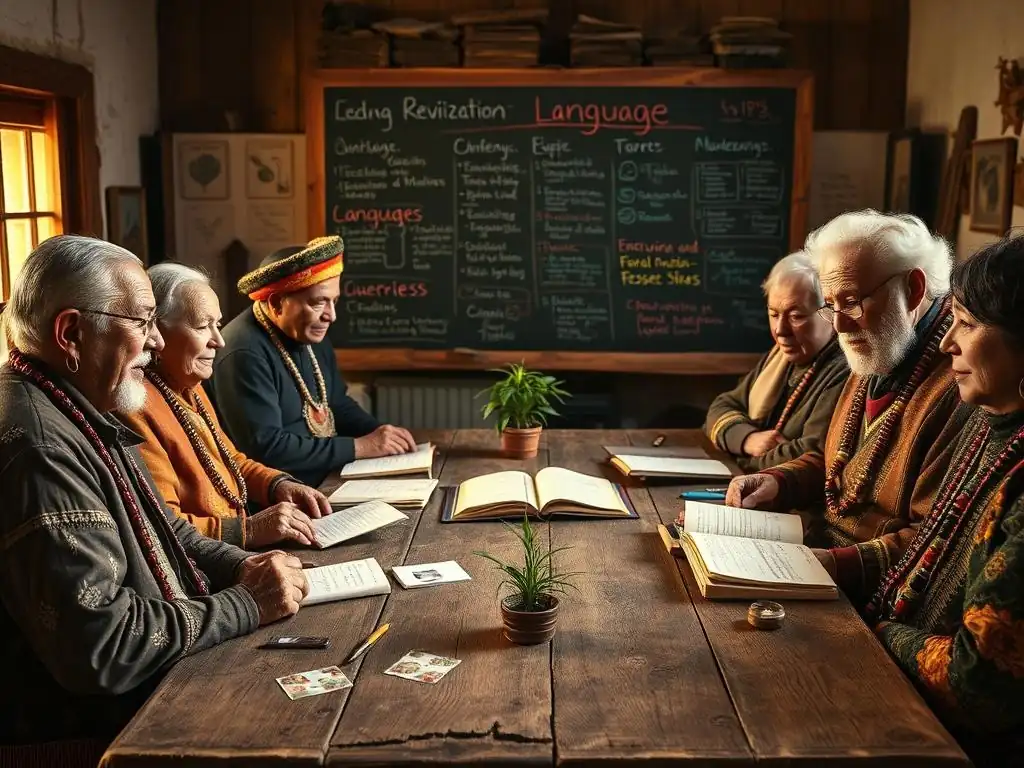
Several strategies have emerged to effectively revive indigenous languages, each tailored to the specific needs of the community. These strategies often include:
- Language Immersion Programs: Creating immersive environments where the language is spoken exclusively, helping learners to gain fluency through daily use.
- Bilingual Education: Integrating indigenous languages into school curricula, thereby promoting literacy in both the indigenous language and the dominant national language.
- Community Workshops and Classes: Organizing workshops led by fluent speakers to teach younger generations the language as well as traditional songs, stories, and practices.
- Use of Technology: Developing apps and online resources that facilitate language learning and encourage usage among younger speakers.
By implementing these strategies, communities can create a supportive environment that not only promotes language learning but also reinforces cultural identity and community ties.
Role of Education and Community Engagement in Language Preservation
Education plays a pivotal role in the preservation of indigenous languages. Schools that incorporate indigenous languages into their curricula can empower students by validating their cultural heritage while providing them with essential skills for navigating both their cultural and broader societal contexts. Engaging indigenous elders and fluent speakers in educational settings can enhance the authenticity of language instruction and ensure the transmission of cultural nuances.
Community engagement is equally vital. Involving community members in language revitalization efforts fosters a sense of ownership and pride in their linguistic heritage. Events such as language festivals, storytelling nights, and cultural workshops can encourage participation and strengthen community bonds. Moreover, partnerships with local organizations and governments can amplify these efforts, ensuring that the importance of language preservation is recognized at multiple levels of society.
The revitalization of indigenous languages is not just a cultural endeavor; it is a critical step towards preserving identity, knowledge, and community cohesion in the face of historical and ongoing challenges.
Conclusion
The loss of indigenous languages represents more than just a decline in linguistic diversity; it signifies a profound erosion of cultural identity, heritage, and knowledge systems that have been cultivated over millennia. As languages fade, they take with them unique worldviews, traditions, and histories that are irreplaceable. Understanding the impact of losing indigenous languages is crucial not only for the communities directly affected but also for the global society that benefits from the rich tapestry of human expression and culture.
Summary of the Impact of Losing Indigenous Languages on Cultural Identity
The impact of losing indigenous languages on cultural identity is far-reaching and multifaceted. When a language disappears, it often leads to:
- Loss of Cultural Heritage: Languages carry stories, traditions, and customs that are integral to a community's identity. The disappearance of a language may result in the loss of oral histories, traditional practices, and cultural expressions unique to that group.
- Disconnection from Ancestral Knowledge: Many indigenous languages encapsulate specific ecological knowledge and practices. The loss of these languages can sever the transmission of vital information regarding local flora, fauna, and sustainable practices that have supported communities for generations.
- Identity Crisis: Language is a cornerstone of identity. The erosion of native languages can lead to feelings of dislocation and confusion among younger generations, who may struggle to connect with their cultural roots.
- Social Fragmentation: As communities lose their languages, they may experience social fragmentation, leading to diminished community cohesion and a weakened sense of belonging.
- Global Cultural Homogenization: The decline of indigenous languages contributes to a broader trend of cultural homogenization, where globalized cultures overshadow and threaten local traditions and identities.
Call to Action for Supporting Indigenous Language Revitalization
To counter the negative impact of losing indigenous languages, it is imperative for individuals, communities, and institutions to take proactive steps toward revitalization efforts. Here are some actionable ways to support this cause:
- Advocacy for Language Rights: Support policies and initiatives that recognize and protect the rights of indigenous peoples to speak their languages. Engaging in advocacy can help create a more inclusive environment for language use.
- Educational Programs: Promote and participate in educational programs focused on teaching indigenous languages to new generations. This can involve community classes, online courses, and immersion programs that emphasize the significance of native languages.
- Documentation and Preservation: Encourage efforts to document and preserve indigenous languages through recording oral histories, creating dictionaries, and developing language resources. This can serve as a vital tool for future generations.
- Community Engagement: Get involved with local indigenous communities to learn about their languages and cultures. Listening to native speakers and participating in cultural events can foster a deeper understanding and appreciation.
- Support Indigenous Media: Engage with and promote indigenous media outlets that publish content in native languages. This helps to create a vibrant platform for language use and cultural expression.
By actively participating in the revitalization of indigenous languages, we can help to honor and preserve the rich cultural identities that are at risk of being lost forever. Together, we can ensure that future generations not only hear these languages but also understand the profound cultural legacies they carry. 🌍✨
- Introduction
- The Historical Context of Indigenous Languages
- The Impact of Losing Indigenous Languages on Cultural Identity
- Case Studies of Indigenous Language Loss
- The Broader Consequences of Language Loss
- Effects on Knowledge Transmission and Traditional Ecological Knowledge
- Impact on Community Cohesion and Identity Preservation
- Revitalization Efforts and Their Importance
- Strategies for Reviving Indigenous Languages
- Role of Education and Community Engagement in Language Preservation
- Conclusion
- What is the main focus of the article on indigenous languages?
- How do indigenous languages contribute to cultural identity?
- What are some consequences of losing indigenous languages?
- Why is it important to preserve indigenous languages?
- How can individuals help with the revival of indigenous languages?
Frequently Asked Questions
What is the main focus of the article on indigenous languages?
The article explores the impact of losing indigenous languages on cultural identity, emphasizing how language loss affects traditions, knowledge, and community connections.
How do indigenous languages contribute to cultural identity?
Indigenous languages are crucial for expressing cultural values, stories, and worldviews. Their loss can lead to a diminished sense of identity among indigenous peoples.
What are some consequences of losing indigenous languages?
The decline of indigenous languages can result in the disappearance of cultural practices, reduced community cohesion, and a loss of ancestral knowledge passed down through generations.
Why is it important to preserve indigenous languages?
Preserving these languages helps maintain cultural diversity and supports the identity and heritage of indigenous communities, fostering a deeper understanding of their historical significance.
How can individuals help with the revival of indigenous languages?
Individuals can support language revival by engaging in community programs, advocating for educational resources, and participating in language learning initiatives that honor and promote these languages.
Final Reflection: The Impact of Losing Indigenous Languages on Cultural Identity
The loss of indigenous languages is not merely a linguistic tragedy; it is a profound cultural crisis that resonates deeply in today's globalized world. As we witness the rapid decline of these languages, we must confront the stark reality that each language lost takes with it a unique worldview, a rich tapestry of traditions, and a vital connection to ancestral heritage. The urgency of this issue is underscored by the fact that language is the vessel of culture, and when it disappears, so too does a piece of humanity's collective identity.
Cultural identity is intricately woven into the fabric of language, and the ongoing erosion of indigenous languages continues to shape our social landscape. The stories, knowledge, and practices embedded in these languages are irreplaceable, and their disappearance creates a void that cannot be filled. As we reflect on this, we are reminded of the words of linguist David Harrison: Languages are not just tools for communication; they are the carriers of culture.
This observation emphasizes the critical role that language plays in preserving the essence of cultural identity, and it compels us to recognize the importance of revitalizing and protecting these languages for future generations.
As we move forward, let us take a moment to reflect on our own relationship with language and culture. How can we contribute to the preservation of indigenous languages in our communities? Whether through supporting language revitalization programs, engaging with indigenous cultures, or simply raising awareness about the impact of losing these languages, each of us has a role to play. Together, we can honor the linguistic legacy of indigenous peoples and ensure that their voices continue to resonate in the world, enriching our shared human experience.
Unveil the Power of Indigenous Languages Today!
Thank you for taking the time to explore the profound impact of indigenous languages on cultural identity. Your awareness of this topic is invaluable, and now it's time to transform that knowledge into action. Together, we can honor and preserve these critical linguistic heritages!
Here are some ways you can contribute and make a difference:
- Adopt an Indigenous language: Begin by learning a few basic phrases in a local indigenous language. Numerous apps and online resources are available to guide you on this rewarding journey.
- Share your knowledge: Engage in discussions about the importance of language preservation with friends and family. Your voice can inspire others to appreciate and support indigenous cultures.
- Support indigenous linguists and organizations: Consider contributing to or volunteering with programs dedicated to the revival and maintenance of indigenous languages.
What steps will you take today to support the preservation of indigenous languages and deepen your understanding of diverse cultural identities?