
Sacred Spaces: How Indigenous Spirituality Endured Through Colonial Challenges

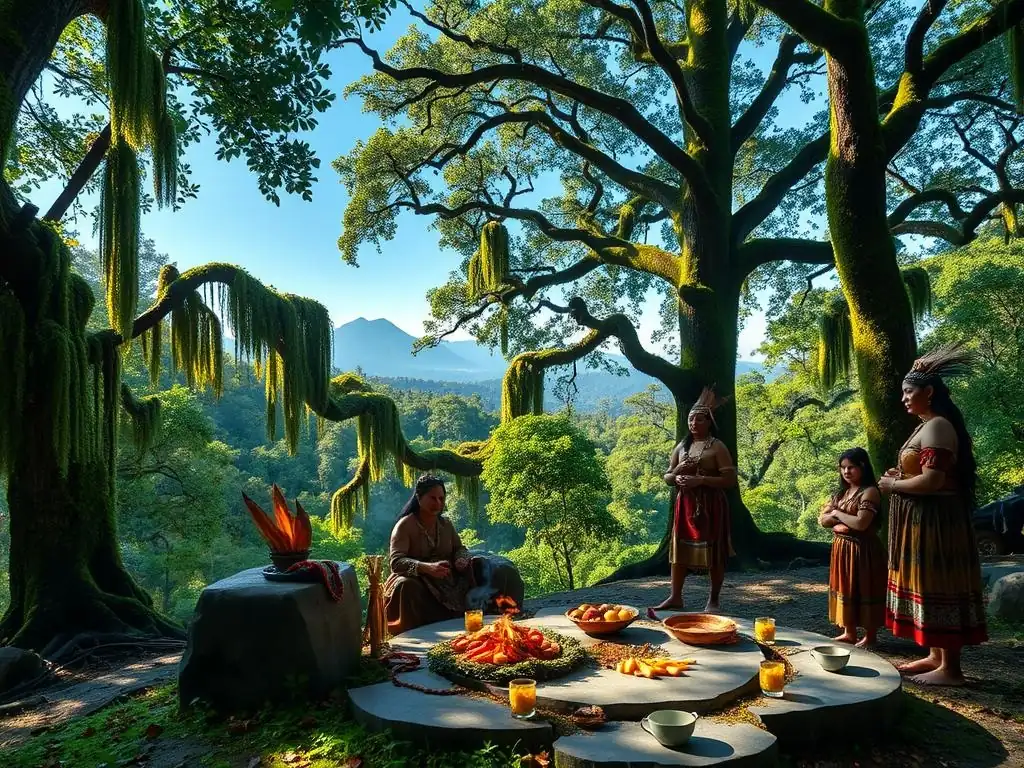
Welcome to Indigenous Civilizations of the Americas, where we embark on an enlightening journey through the rich tapestry of indigenous cultures that flourished long before European colonization. In our featured article, Sacred Spaces: How Indigenous Spirituality Endured Through Colonial Challenges, we delve deep into the resilient belief systems that not only survived but thrived amidst adversity. Discover how these spiritual practices shaped communities and continue to resonate today, inviting you to explore the profound connections between land, identity, and the sacred. Join us as we uncover the stories that have shaped the past and continue to inspire future generations.
- Introduction to Indigenous Spirituality in the Americas
- Historical Context of Indigenous Spirituality
- Challenges Faced by Indigenous Spirituality During Colonialism
- Resilience of Indigenous Spirituality in the Face of Challenges
- Sacred Spaces: A Central Element of Indigenous Spirituality
- Modern Expressions of Indigenous Spirituality
- Conclusion: The Enduring Legacy of Indigenous Spirituality in the Americas
-
Frequently Asked Questions
- What is the focus of the article "Sacred Spaces: How Indigenous Spirituality Endured Through Colonial Challenges"?
- How did colonial challenges impact indigenous spiritual practices?
- What role did sacred spaces play in indigenous spirituality?
- Can you provide examples of indigenous spiritual practices that have endured?
- How does the article highlight the lasting impact of indigenous spirituality?
- Final Reflection: The Resilience of Indigenous Spirituality in the Americas
- Embrace and Celebrate Indigenous Wisdom Today!
Introduction to Indigenous Spirituality in the Americas
Indigenous spirituality in the Americas represents a rich tapestry of beliefs, practices, and traditions that have persisted for millennia, even in the face of European colonization and cultural disruption. This article delves into the sacred spaces that have been central to indigenous spiritual practices, examining how these areas serve not only as physical locations but also as profound symbols of cultural identity, resilience, and continuity.
The enduring nature of these spiritual practices highlights the significant role that indigenous peoples have played in maintaining their traditions, fostering a deep connection to their land, ancestors, and community. In this exploration, we will uncover the intricate relationship between sacred spaces and the broader context of indigenous spirituality, shedding light on their importance in preserving cultural heritage amidst colonial challenges.
Overview of Indigenous Spirituality
Indigenous spirituality in the Americas is diverse and multifaceted, encompassing a wide range of beliefs and practices that vary significantly across different cultures and regions. At its core, indigenous spirituality is often characterized by:
- A Deep Connection to Nature: Many indigenous cultures view the natural world as sacred, believing that every element—from mountains to rivers to animals—holds spiritual significance. This relationship fosters respect and stewardship for the environment, emphasizing sustainability and balance.
- Ancestral Reverence: Ancestors play a crucial role in indigenous spirituality. They are often seen as guiding spirits who provide wisdom and protection. Rituals and ceremonies honoring ancestors are common, reinforcing a sense of continuity and belonging within the community.
- Ceremonial Practices: Spirituality is often expressed through various ceremonies, including rituals, dances, and festivals. These practices serve as communal gatherings that strengthen social bonds and reinforce cultural identity.
- Diverse Cosmologies: Indigenous belief systems are rich with myths, stories, and teachings that explain the origins of the world and the place of humans within it. These cosmologies often include a pantheon of spirits or deities, each associated with different aspects of life and nature.
Importance of Sacred Spaces in Indigenous Cultures
Sacred spaces hold profound significance in indigenous cultures throughout the Americas. These areas are much more than mere locations; they are imbued with spiritual meaning and serve various essential functions, including:
- Centers of Worship: Sacred spaces often serve as venues for spiritual practices and rituals, where communities come together to connect with the divine and the natural world. Examples include mountains, rivers, and specific landmarks that are considered holy.
- Cultural Identity: These spaces are integral to the cultural identity of indigenous peoples. They embody the history, traditions, and collective memory of a community, reinforcing a sense of belonging and continuity across generations.
- Resistance and Resilience: Throughout colonial history, sacred spaces have become symbols of resistance against oppression. They provide a refuge for indigenous practices and beliefs, allowing communities to maintain their spiritual traditions despite external pressures.
- Healing and Renewal: Many indigenous cultures view sacred spaces as places of healing, both physically and spiritually. They are often associated with ceremonies that promote renewal and restoration for individuals and the community at large.
In sum, the endurance of indigenous spirituality through colonial challenges is intricately linked to the significance of sacred spaces. These areas not only sustain spiritual practices but also reinforce the cultural identity and resilience of indigenous peoples across the Americas.
Historical Context of Indigenous Spirituality
Pre-Colonial Spiritual Practices
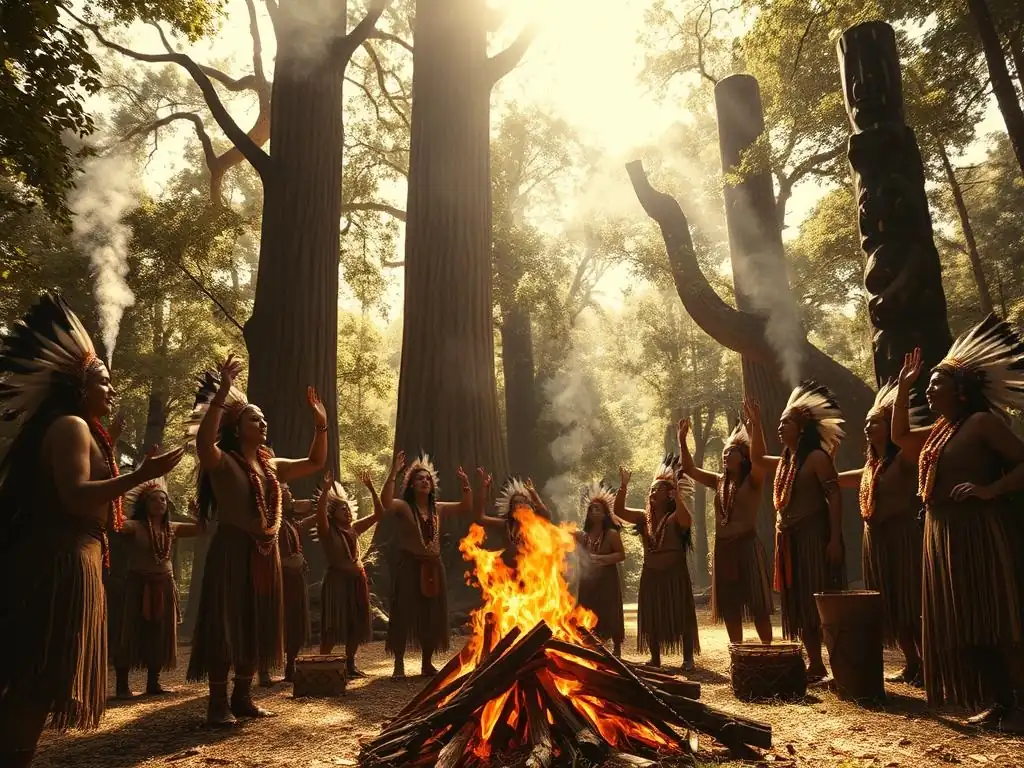
Indigenous spirituality in the Americas was deeply intertwined with the natural world and community life. Before European colonization, various indigenous cultures developed unique spiritual practices that reflected their understanding of the cosmos, the earth, and their place within it. Key elements of these pre-colonial spiritual practices include:
- Animism: Many indigenous communities believed that all elements of the natural world, including animals, plants, rocks, and rivers, possessed a spiritual essence. This belief fostered a profound respect for nature and led to practices that sought to maintain harmony between humans and the environment.
- Rituals and Ceremonies: Rituals played a crucial role in indigenous spirituality. They were often tied to agricultural cycles, seasonal changes, and significant life events. For example, the Sun Dance among the Plains tribes was a spiritual ceremony that connected participants to the sun's power, while the Potlatch among the Northwest Coast tribes served as a means of redistributing wealth and reinforcing social ties.
- Shamanism: Many indigenous cultures had shamans or spiritual leaders who acted as intermediaries between the physical and spiritual worlds. These individuals were often responsible for healing practices, divination, and conducting rituals to ensure community well-being.
- Cosmology: Indigenous groups had rich cosmological narratives that explained the creation of the world and the interconnectedness of all living things. These narratives varied widely but often included a pantheon of deities and ancestral spirits that guided and protected the people.
Through these practices, indigenous spirituality fostered a strong sense of identity and community cohesion, allowing cultures to thrive before the onset of European colonization.
The Impact of European Colonization on Indigenous Beliefs
The arrival of European colonizers in the Americas in the late 15th century had a profound and often devastating impact on indigenous spirituality. This period brought about significant challenges to traditional beliefs, practices, and the overall spiritual landscape. Key effects of European colonization include:
- Forced Conversion: European missionaries, particularly from Catholic and Protestant backgrounds, sought to convert indigenous peoples to Christianity. This often involved coercive tactics, including the establishment of missions and the suppression of traditional spiritual practices. Many indigenous people were baptized and introduced to Christian teachings, leading to the erosion of their ancestral beliefs.
- Cultural Suppression: The colonization process frequently involved the outright banning of indigenous spiritual practices. Ceremonies, rituals, and traditional healing were discouraged or prohibited, resulting in a loss of cultural heritage. For instance, the Spanish Inquisition specifically targeted indigenous spiritual leaders, viewing them as threats to Christianity.
- Syncretism: Despite colonial efforts to eradicate indigenous spirituality, many communities found ways to adapt and integrate elements of Christianity into their traditional belief systems. This resulted in a unique form of spirituality, often characterized by the blending of Catholic saints with indigenous deities and practices. An example is the veneration of the Virgin of Guadalupe in Mexico, who is seen by many indigenous people as a powerful spiritual figure with deep cultural significance.
- Resilience and Revival: In the face of colonial oppression, indigenous spirituality demonstrated remarkable resilience. Many communities continued to practice their ancestral traditions in secret or adapted them in ways that allowed for their survival. In contemporary times, there has been a resurgence of indigenous spiritual practices as communities seek to reclaim their cultural identity and heritage.
While European colonization posed significant challenges to indigenous spirituality in the Americas, the enduring nature of these traditions highlights the strength and resilience of indigenous peoples in the face of adversity. Their spiritual practices, rooted in a profound connection to the land and community, continue to thrive and evolve in modern contexts, reflecting a rich tapestry of cultural survival.
Challenges Faced by Indigenous Spirituality During Colonialism
Suppression of Sacred Practices
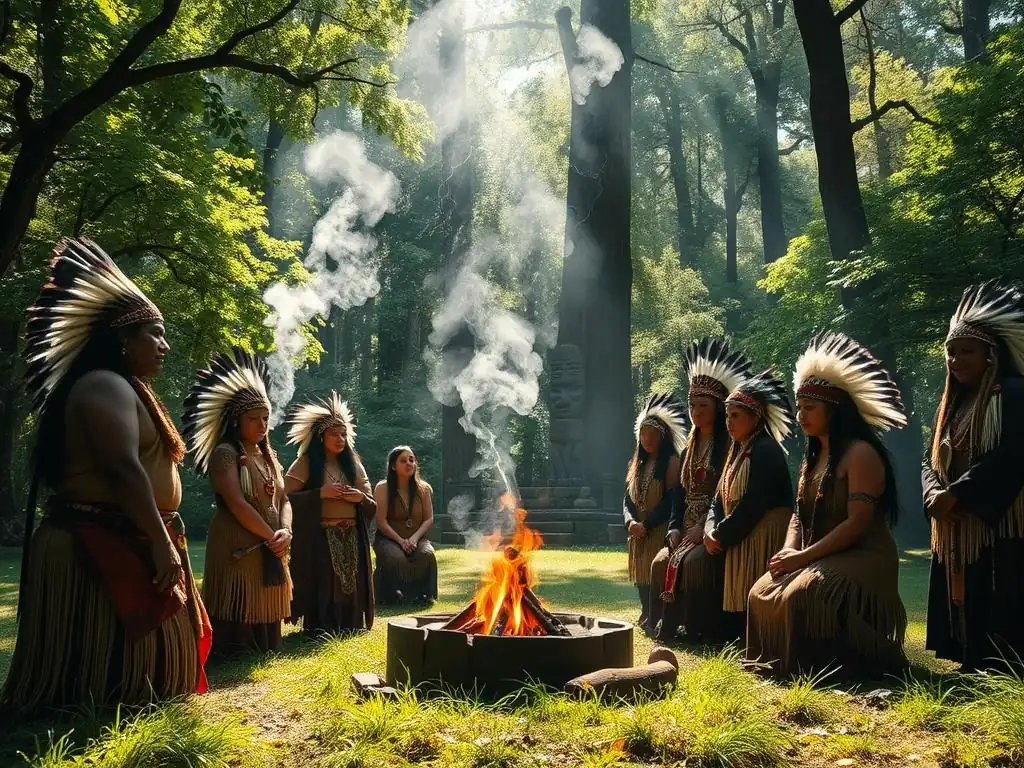
Indigenous spirituality in the Americas faced significant challenges during the colonial period, primarily due to the systematic suppression of sacred practices by European colonizers. This suppression was often justified under the guise of religious conversion, as colonizers sought to impose Christianity on Indigenous populations. Many sacred rituals, ceremonies, and belief systems were deemed heretical, leading to the criminalization of these practices.
- Religious Persecution: Indigenous spiritual leaders, shamans, and practitioners were frequently targeted, facing imprisonment, torture, or execution for their beliefs. For example, in the early 1600s, the Spanish Inquisition actively sought to eradicate Indigenous religions in the Americas, viewing them as a threat to the dominance of Catholicism.
- Forced Assimilation: Colonizers implemented policies that forced Indigenous peoples to abandon their traditional practices in favor of European customs. This included the establishment of missions where Indigenous individuals were compelled to adopt Christianity, often through coercive means. The missionaries imposed strict regulations on Indigenous ceremonies, effectively outlawing many sacred traditions.
- Loss of Knowledge Transmission: The prohibition of sacred practices led to a breakdown in the transmission of traditional knowledge. Elders who held vital spiritual teachings were often silenced or killed, resulting in a generational gap where younger members of the community could not learn or participate in their cultural heritage. This loss of knowledge has had lasting repercussions on Indigenous spirituality today.
Loss of Sacred Spaces and Land
The colonial period was marked by the widespread appropriation of land, which was central to Indigenous spirituality in the Americas. Sacred spaces—those areas considered holy or significant for spiritual practices—were often destroyed, desecrated, or transformed into European settlements.
- Destruction of Sacred Sites: Many Indigenous sacred sites, such as burial grounds, ceremonial centers, and natural landmarks, were destroyed during colonization. For instance, the construction of churches and towns on top of these sites not only erased physical spaces but also disrupted the spiritual connections that Indigenous peoples held with the land.
- Forced Relocation: Indigenous populations were often forcibly removed from their ancestral lands, which were integral to their spiritual identity. This displacement not only severed their physical ties to sacred spaces but also created a psychological and cultural dislocation. The Trail of Tears, for example, epitomizes this tragedy, as Native American tribes were uprooted from their homelands, leading to profound spiritual and cultural losses.
- Continued Land Struggles: The fight to reclaim sacred spaces has persisted into modern times, as many Indigenous communities continue to advocate for the recognition and protection of their spiritual lands. These struggles are not only about land rights but also about restoring cultural integrity and spiritual practices that are deeply tied to specific places.
Cultural Erasure and Its Effects
Cultural erasure refers to the systematic removal and replacement of one culture with another, often resulting in the marginalization of Indigenous spiritual practices. The impacts of this erasure are profound and enduring.
- Marginalization of Indigenous Knowledge: The colonial narrative often dismissed Indigenous spirituality as primitive or inferior, leading to its marginalization within broader societal contexts. This has persisted into contemporary times, as many Indigenous spiritual practices are still viewed with skepticism or misunderstanding by mainstream society.
- Intergenerational Trauma: The effects of cultural erasure manifest in the form of intergenerational trauma, where the impacts of colonial violence and suppression continue to affect Indigenous communities. This trauma has led to a disconnection from spirituality, as many individuals struggle with their identity and cultural practices due to historical oppression.
- Revitalization Movements: Despite these challenges, there has been a resurgence of interest in Indigenous spirituality among many communities. Efforts to revitalize traditional practices, reclaim sacred spaces, and educate younger generations about their spiritual heritage are vital for healing and cultural restoration. This movement not only strengthens community bonds but also emphasizes the resilience of Indigenous spiritual traditions in the face of colonial challenges.
Through these challenges, Indigenous spirituality in the Americas has shown remarkable endurance, adapting and transforming while retaining its core values and practices. The ongoing efforts to reclaim and revitalize these spiritual traditions highlight their significance in contemporary Indigenous identity and resistance.
Resilience of Indigenous Spirituality in the Face of Challenges
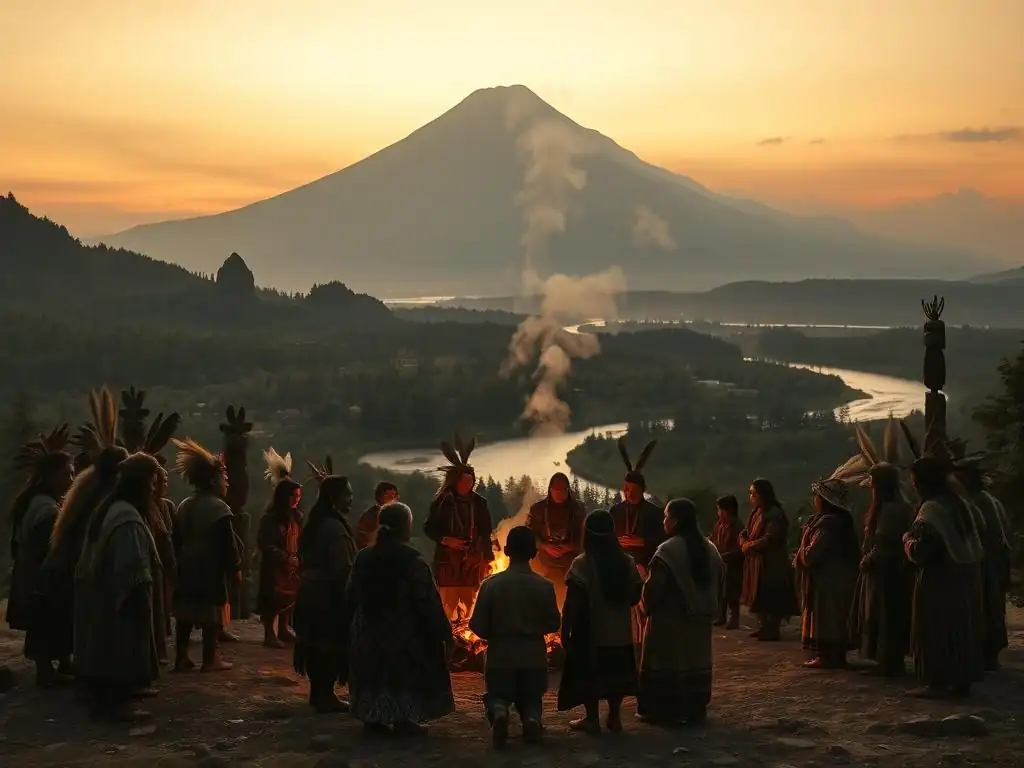
Indigenous spirituality in the Americas has demonstrated remarkable resilience throughout history, especially in the face of colonial challenges. Despite the traumatic disruptions caused by European conquest, indigenous communities have maintained their spiritual beliefs and practices, often adapting them to survive in a transformed cultural landscape. This resilience is a testament to the deep-rooted significance of spirituality in indigenous identities and social structures.
The endurance of indigenous spirituality can be attributed to several key factors, including the adaptability of spiritual practices, the preservation of sacred traditions, and the unwavering role of community. Each of these elements plays a vital role in ensuring that indigenous spiritualities not only survive but continue to thrive amidst ongoing challenges.
Adaptation and Syncretism in Spiritual Practices
Indigenous peoples have historically shown a remarkable ability to adapt their spiritual practices in response to external pressures. This adaptation often led to the emergence of syncretic practices, where traditional beliefs merged with those of European colonizers.
- Cultural Exchange: The encounter between indigenous spirituality and Christianity resulted in the blending of symbols, rituals, and beliefs. For example, many indigenous communities incorporated Christian elements into their traditional ceremonies, leading to unique expressions of faith that reflect both indigenous and colonial influences.
- Ritual Innovation: Indigenous spiritual leaders have often modified traditional rituals to align with contemporary realities while retaining their core meanings. This innovation allows communities to engage with their spirituality in a way that resonates with the current context, ensuring relevance and continuity.
- Resilient Symbols: Many spiritual symbols have been repurposed or adapted to reflect the experiences of colonization. These resilient symbols serve as reminders of indigenous identity, resistance, and continuity, even in the face of cultural erasure.
Preservation of Sacred Traditions and Teachings
The preservation of sacred traditions and teachings is central to the survival of indigenous spirituality in the Americas. This preservation takes various forms, including oral traditions, ceremonial practices, and the safeguarding of sacred sites.
- Oral Traditions: Indigenous cultures have relied heavily on oral storytelling to transmit spiritual teachings across generations. These narratives not only convey moral lessons but also reinforce community identity and continuity. The oral tradition serves as a living archive of spiritual knowledge, adapted to contemporary contexts.
- Ceremonial Practices: Many indigenous communities continue to uphold traditional ceremonies that are crucial to their spiritual beliefs. These ceremonies often mark significant life events and seasonal changes, acting as a vital link to ancestral practices.
- Sacred Sites: The protection of sacred spaces—such as mountains, rivers, and other natural features—remains a priority for many indigenous communities. These sites hold spiritual significance and are often integral to traditional ceremonies, embodying the connection between the people and their land.
Role of Community in Maintaining Indigenous Spirituality
Community plays a pivotal role in the maintenance and transmission of indigenous spirituality. The collective nature of indigenous cultures fosters a sense of shared responsibility for preserving spiritual practices and teachings.
- Collective Participation: Spirituality is often experienced communally, with rituals and ceremonies bringing together members of the community. This collective participation reinforces social bonds and ensures that spiritual practices remain vibrant and relevant.
- Mentorship and Learning: Elders and spiritual leaders serve as mentors, passing down knowledge and teachings to younger generations. This mentorship is crucial for fostering an understanding of spiritual beliefs and practices, ensuring that they are carried forward.
- Resistance and Solidarity: The community acts as a source of strength in the face of external pressures. Through collective resistance and solidarity, indigenous peoples assert their rights to practice their spirituality, often organizing to protect their sacred sites and traditions from encroachment and desecration.
Indigenous spirituality in the Americas is characterized by resilience, adaptability, and a strong sense of community. The ability to adapt practices, preserve traditions, and involve the community ensures that these spiritual beliefs continue to thrive, even in the face of colonial challenges. The ongoing journey of indigenous spirituality highlights the profound connection between culture, identity, and the sacred.
Sacred Spaces: A Central Element of Indigenous Spirituality
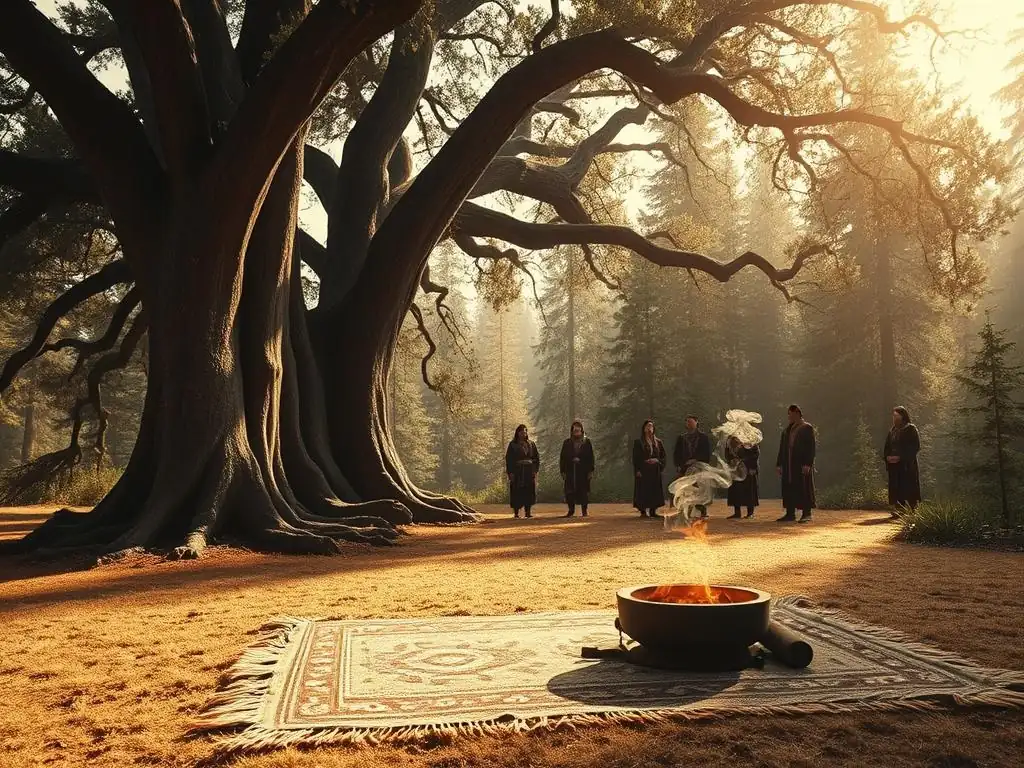
Definition and Importance of Sacred Spaces
Sacred spaces hold profound significance within indigenous spirituality in the Americas. These locations are not merely physical sites; they embody the spiritual essence and cultural identity of indigenous peoples. Sacred spaces can include mountains, rivers, forests, and even constructed environments such as temples or ceremonial grounds. They serve as places for worship, rituals, and a deep connection to the ancestors and the cosmos.
The importance of these spaces is evident in the way indigenous communities approach the land. The concept of sacredness is intertwined with the belief that the earth is alive and imbued with spiritual energy. Therefore, these spaces are often seen as portals to the spiritual world, where individuals can communicate with spirits or deities, seek guidance, and perform essential rituals.
Moreover, sacred spaces play a critical role in maintaining cultural practices and beliefs. They are often sites of community gatherings, celebrations, and rites of passage, fostering a sense of belonging, continuity, and identity among community members. As such, the preservation of these spaces is vital, especially in the face of colonial challenges that threaten to erase indigenous cultures and traditions.
Examples of Notable Sacred Spaces in Indigenous Cultures
-
Chichen Itza (Maya Civilization)
This ancient city in Mexico is home to the iconic El Castillo pyramid, a significant ceremonial site dedicated to the Mayan deity Kukulkan. The site reflects the Mayan understanding of astronomy and time, with its architecture aligning with celestial events.
-
Mount Shasta (Klamath Tribes)
Located in California, Mount Shasta is revered as a sacred mountain by several indigenous tribes. It is believed to be the dwelling place of sacred beings and is often used for spiritual ceremonies and rituals.
-
The Black Hills (Lakota Sioux)
Known as Paha Sapa, the Black Hills are considered sacred by the Lakota Sioux. The land is central to their creation stories and spiritual practices, representing a connection to their ancestors and the natural world.
-
Cahokia Mounds (Mississippian Culture)
This archaeological site in Illinois features large earthen mounds that served as ceremonial and political centers. The mounds reflect the spiritual beliefs and social organization of the Mississippian civilization.
-
Tsé Bit’a’í (Bear Lodge, or Devil's Tower)
This sacred site in Wyoming holds immense significance for several Plains tribes, including the Lakota. It is associated with various creation stories and is a site for spiritual ceremonies and gatherings.
The Role of Nature in Indigenous Spirituality
Nature is an integral component of indigenous spirituality in the Americas, often viewed as a living entity that is interconnected with human existence. The relationships indigenous peoples cultivate with the natural world reflect a deep respect for the environment and an understanding of the cyclical nature of life.
Key Aspects of Nature in Indigenous Spirituality:
-
Interconnectedness
Indigenous cultures emphasize the interdependence of all living beings. This perspective fosters a holistic view of the world where humans, animals, plants, and natural elements coexist in a balance that must be respected and maintained.
-
Spiritual Beings in Nature
Many indigenous traditions recognize spirits residing in natural elements such as rivers, mountains, and trees. These spirits are often called upon during rituals and are integral to the practice of indigenous spirituality.
-
Rituals and Ceremonies
Nature plays a central role in many indigenous rituals. Seasonal changes, lunar phases, and natural events dictate the timing of ceremonies, reflecting the belief that spiritual and earthly realms are intertwined.
-
Cultural Narratives
Stories passed down through generations often feature nature as a character or setting, conveying teachings about respect, stewardship, and the interconnected web of life. These narratives reinforce the values and beliefs surrounding nature within indigenous communities.
-
Conservation and Stewardship
The understanding of nature as sacred has led to sustainable practices that prioritize conservation. Indigenous peoples have historically practiced land stewardship that honors the earth, ensuring that resources are used responsibly for future generations.
The endurance of indigenous spirituality in the Americas is intricately linked to the significance of sacred spaces and the inherent relationship with nature. These elements continue to shape the cultural identity and spiritual practices of indigenous communities despite the challenges posed by colonialism.
Modern Expressions of Indigenous Spirituality
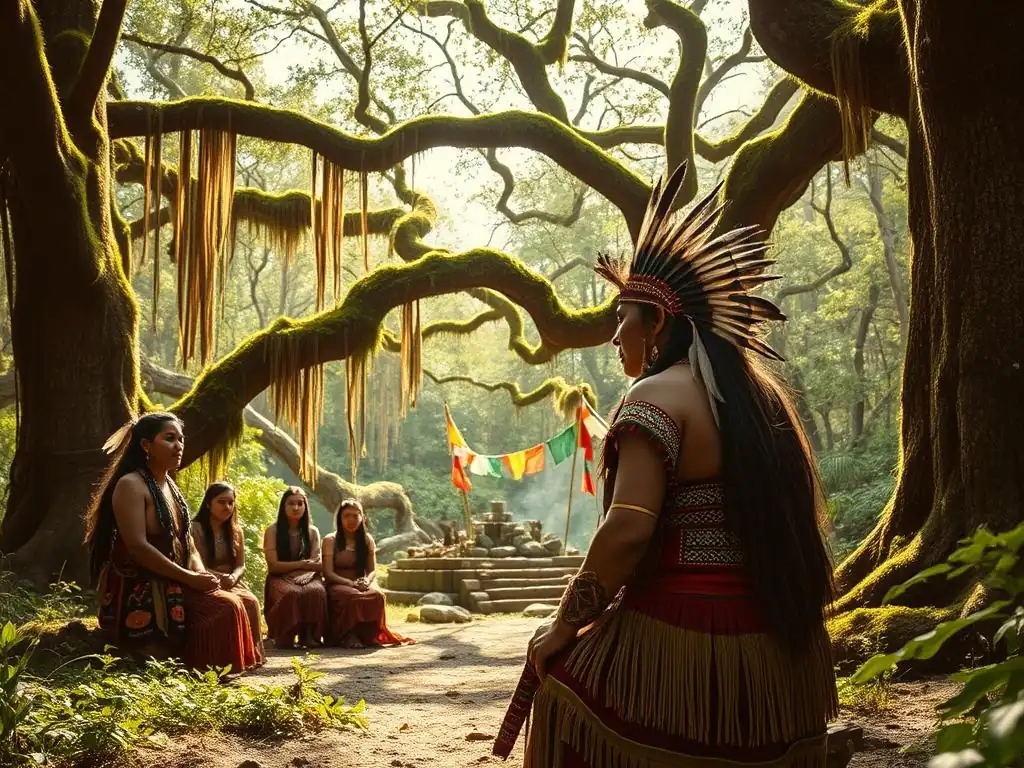
The concept of indigenous spirituality in the Americas is not static; it continuously evolves, adapting to contemporary realities while retaining its core principles. Modern expressions of indigenous spirituality reflect resilience, cultural pride, and the ongoing efforts to reclaim and revitalize traditional practices. By exploring revitalization movements, contemporary practices, and the role of spirituality in social justice, we can better understand how these spiritual traditions endure and transform in today's world.
Revitalization Movements and Their Impact
Revitalization movements are essential for the preservation and renewal of indigenous spirituality in the Americas. These movements often emerge in response to historical trauma caused by colonization, cultural assimilation, and the erosion of traditional practices. Their impact can be seen in various ways:
- Cultural Reclamation: Many indigenous communities have initiated programs aimed at reviving traditional ceremonies, languages, and art forms. For instance, the Pueblo peoples in the Southwest United States have reinvigorated the Kachina dances as a way to connect with their spiritual heritage and educate younger generations.
- Intergenerational Knowledge Transfer: Revitalization efforts often emphasize passing down spiritual teachings from elders to youth, ensuring that indigenous knowledge is preserved. This intergenerational bond strengthens community ties and fosters a sense of identity.
- Pan-Indigenous Collaborations: Various indigenous groups collaborate across tribal lines to promote shared spiritual practices, highlighting common themes such as respect for nature, the importance of ancestors, and the sacredness of community.
- Academic and Artistic Engagement: Indigenous artists and scholars are increasingly incorporating traditional spiritual themes into their work, creating a dialogue with contemporary audiences. Events like the Indigenous Peoples' Day celebrate these cultural expressions and promote awareness.
The impacts of these revitalization movements are profound, as they not only restore cultural practices but also empower indigenous communities to assert their identities and narratives.
Contemporary Practices and the Return to Sacred Spaces
Modern indigenous spirituality often involves a return to sacred spaces that hold deep cultural significance. These spaces, whether physical or metaphysical, serve as focal points for community gatherings, spiritual ceremonies, and healing practices. Key aspects include:
- Ceremonial Sites: Many indigenous communities are reclaiming and restoring access to traditional ceremonial sites that were disrupted or desecrated during colonization. These sites—such as sacred mountains, springs, and burial grounds—are integral to spiritual practices and community identity.
- Nature as a Teacher: Contemporary indigenous spirituality emphasizes a deep connection to nature, viewing it as a living entity deserving of respect and reverence. This worldview fosters sustainable practices and environmental stewardship, aligning spiritual beliefs with ecological conservation.
- Integration of Modern Elements: While rooted in tradition, contemporary practices often incorporate modern elements, such as technology and social media, to reach broader audiences. Virtual ceremonies and online workshops have become common, allowing participation from individuals who may be geographically distant.
- Healing Practices: Many indigenous communities are reviving traditional healing practices that integrate physical, spiritual, and emotional wellness. These practices often include herbal medicine, sweat lodges, and talking circles, emphasizing holistic approaches to health.
The return to sacred spaces and the integration of traditional practices into contemporary life exemplify the enduring nature of indigenous spirituality in the Americas.
Indigenous spirituality plays a crucial role in social justice movements, serving as a foundation for advocacy, resistance, and community empowerment. The intersections of spirituality and social justice can be observed in several ways:
- Cultural Sovereignty: Many indigenous activists assert the right to self-determination and cultural sovereignty, rooted in their spiritual beliefs. This involves reclaiming land, language, and cultural practices that have been marginalized or suppressed.
- Environmental Justice: Indigenous spirituality often emphasizes the interconnectedness of all living beings, driving movements that advocate for environmental justice. Activists highlight the importance of protecting sacred lands and waters from exploitation and degradation.
- Collective Healing: Spirituality fosters a sense of collective healing within indigenous communities, addressing the historical traumas caused by colonization. This healing is essential for building resilience and advocating for justice.
- Advocacy through Education: Many indigenous leaders utilize spirituality to educate others about their cultural heritage and the ongoing struggles faced by indigenous peoples. This education promotes understanding and solidarity among diverse communities.
Indigenous spirituality in the Americas is not merely a relic of the past but a living, dynamic force that shapes contemporary life. Through revitalization movements, the return to sacred spaces, and a commitment to social justice, indigenous communities continue to affirm their identities and assert their rights in a rapidly changing world.
Conclusion: The Enduring Legacy of Indigenous Spirituality in the Americas
Indigenous spirituality in the Americas has proven to be a profound and resilient force, surviving centuries of colonial oppression and cultural erasure. This endurance is not merely a testament to the strength of these spiritual beliefs, but rather a reflection of the deep connections that indigenous peoples maintain with their lands, ancestors, and communities. Sacred spaces, whether they be physical locations like mountains, rivers, or ceremonial sites, or metaphysical realms of understanding and tradition, serve as vital anchors in the preservation of indigenous identities and practices.
Reflection on the Importance of Sacred Spaces
Sacred spaces hold immense significance within indigenous cultures, acting as sites of worship, community gathering, and cultural expression. These spaces are imbued with historical and spiritual narratives that transcend time, linking present generations to their ancestors. The following aspects highlight their importance:
- Cultural Identity: Sacred spaces play a crucial role in shaping and affirming cultural identity. They are often places where ancestral traditions are practiced, ensuring that knowledge, language, and rituals are passed down through generations.
- Spiritual Connection: For many indigenous peoples, sacred spaces are the physical manifestations of their cosmologies. They serve as portals to the spiritual realm, allowing individuals and communities to connect with their deities and the natural world in a profound way.
- Resistance and Resilience: The act of maintaining and utilizing sacred spaces has been a form of resistance against colonial forces. By continuing to honor these sites, indigenous peoples assert their existence and right to their cultural practices, often in the face of significant challenges.
- Community Cohesion: These spaces foster community bonds, bringing together individuals for collective worship, ceremonies, and celebrations. This communal aspect reinforces social ties and strengthens the fabric of indigenous societies.
In recognizing the significance of sacred spaces, it becomes clear that they are not merely physical locations; they are integral to the ongoing narrative of indigenous spirituality in the Americas.
Future of Indigenous Spirituality and Cultural Resilience
The future of indigenous spirituality in the Americas is poised at a pivotal juncture, characterized by both challenges and opportunities. As contemporary indigenous communities navigate the complexities of modernity, the following trends emerge:
- Revitalization Movements: There is a noticeable resurgence in the interest and practice of indigenous spirituality among younger generations. Many are actively engaging in cultural revitalization efforts, reclaiming traditional practices, languages, and beliefs that were suppressed during colonial times.
- Cultural Exchange and Education: Increased awareness and education about indigenous cultures among the broader population can foster appreciation and respect for these traditions. Cultural exchange programs, workshops, and collaborations can help bridge gaps and promote understanding.
- Integration with Modern Practices: Many indigenous peoples are finding ways to integrate traditional spiritual practices with modern lifestyles. This synthesis allows them to maintain their cultural identities while engaging with contemporary societal norms, ensuring that spirituality remains relevant.
- Legal Recognition and Protection: Advocacy for the legal recognition of sacred spaces and indigenous rights continues to be a critical aspect of cultural resilience. Efforts to protect these areas from development and exploitation are essential for safeguarding the spiritual heritage of indigenous communities.
The enduring legacy of indigenous spirituality in the Americas exemplifies the strength and resilience of these cultures. By nurturing their sacred spaces and traditions, indigenous peoples not only preserve their histories but also enrich the cultural tapestry of the Americas, ensuring that their spiritual legacy continues to thrive for generations to come.
Frequently Asked Questions
What is the focus of the article "Sacred Spaces: How Indigenous Spirituality Endured Through Colonial Challenges"?
The article explores how indigenous spirituality in the Americas has survived and adapted despite the numerous challenges posed by European colonization, highlighting its resilience and continued importance in contemporary cultures.
How did colonial challenges impact indigenous spiritual practices?
Colonial challenges often sought to displace or suppress indigenous beliefs and practices. However, many communities found ways to preserve their traditions, often blending them with new influences while maintaining core spiritual values.
What role did sacred spaces play in indigenous spirituality?
Sacred spaces were integral to indigenous spirituality, serving as sites for rituals, ceremonies, and community gatherings. These spaces helped reinforce cultural identity and were essential for the transmission of spiritual knowledge across generations.
Can you provide examples of indigenous spiritual practices that have endured?
Many indigenous groups continue to practice ceremonies such as sweat lodges, powwows, and vision quests. These practices often incorporate elements of nature, reflecting a deep connection to the land and its spiritual significance.
How does the article highlight the lasting impact of indigenous spirituality?
The article emphasizes that indigenous spirituality has not only endured but also influenced broader cultural landscapes in the Americas. Its themes of interconnectedness and respect for nature resonate in various contemporary movements, showcasing its enduring legacy.
Final Reflection: The Resilience of Indigenous Spirituality in the Americas
Indigenous spirituality in the Americas is not just a relic of the past; it is a living testament to the strength and resilience of cultures that have endured centuries of colonial challenges. As we navigate a world increasingly aware of its diverse histories, the significance of these spiritual practices becomes ever more relevant. They remind us that spirituality can serve as a powerful form of resistance, a way to reclaim identity, and a means to foster community amidst adversity. The survival of these sacred spaces is a striking affirmation of the enduring spirit of Indigenous peoples.
The influence of Indigenous spirituality continues to shape the cultural and social landscape of the Americas today. From revitalization movements to the incorporation of traditional practices in contemporary life, these spiritual beliefs are woven into the fabric of many communities. They offer a profound connection to the land, ancestors, and the cosmos, fostering a sense of belonging and purpose. As noted by Indigenous scholar Vine Deloria Jr., The spiritual world is not a separate world; it is the world we live in.
This perspective underscores the importance of recognizing and respecting these spiritual traditions as integral to the identity of Indigenous peoples and their contributions to broader society.
As we reflect on the lessons of this article, I invite you to consider how you can honor and engage with Indigenous spirituality in your own life. Take a moment to reflect on the sacred spaces around you, whether they are physical locations or spiritual practices that resonate with your own journey.
By fostering an understanding and appreciation for these traditions, we can contribute to a more inclusive and respectful dialogue about spirituality and identity in our communities. Let us carry forward the legacy of resilience and reverence for the sacred, ensuring that Indigenous voices and practices continue to thrive for generations to come.
Embrace and Celebrate Indigenous Wisdom Today!
Thank you for taking the time to explore the resilience and beauty of Indigenous spirituality amidst colonial challenges. Your interest reflects a desire to understand and honor these sacred teachings that shape our world. Now it’s time to take meaningful action!
- Dive deeper into Indigenous practices: Visit your local library or explore online resources to learn more about Indigenous spiritual traditions and their significance in contemporary society.
- Share what you’ve learned: Engage in conversations with friends and family about the importance of preserving and respecting Indigenous cultures. Consider organizing a discussion group!
- Engage with your community: Seek out workshops, lectures, or events led by Indigenous leaders. Attending these gatherings can enhance your understanding and demonstrate your support for their initiatives.
How can you apply these Indigenous teachings to enrich your own life and strengthen your community?