
The Intersection of Tradition and Modernity in Indigenous Apparel

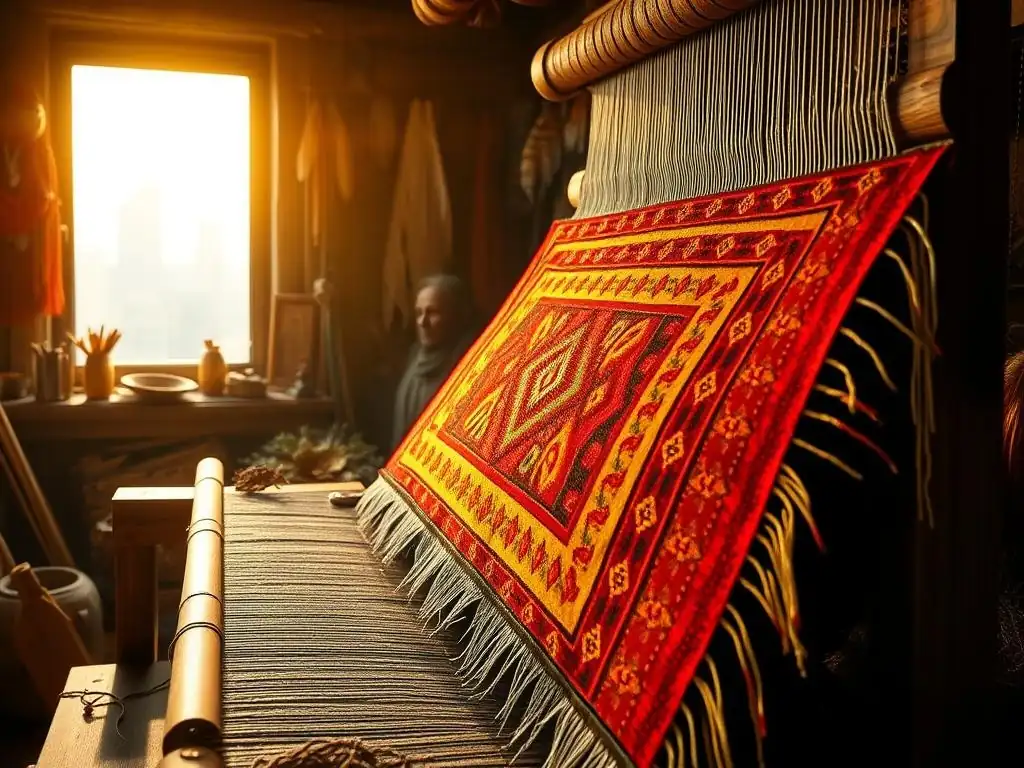
Welcome to Indigenous Civilizations of the Americas, where we invite you to embark on a captivating journey through the rich tapestry of indigenous cultures that flourished long before European contact. In our featured article, "The Intersection of Tradition and Modernity in Indigenous Apparel," we delve into the cultural significance of indigenous apparel, uncovering how traditional garments not only reflect heritage but also serve as a living connection to history and identity.
Join us as we explore the profound stories woven into each piece of clothing, and discover the vibrant legacy that continues to inspire contemporary life. Your adventure into the remarkable world of indigenous civilizations awaits—read on to uncover the depth of their enduring impact!
Indigenous apparel serves as a vibrant canvas that reflects the rich tapestry of cultural identity and heritage among the many indigenous nations across the Americas. This article delves into the cultural significance of indigenous apparel, exploring how traditional garments not only embody historical narratives but also adapt to contemporary contexts.
As we examine the intersection of tradition and modernity, we will uncover the profound meanings behind indigenous clothing and its role in preserving cultural practices. Through this lens, we can appreciate how these garments continue to inspire indigenous-inspired fashion brands, ensuring that the legacy of these cultures remains alive and relevant in today's world.
Introduction to Indigenous Apparel Cultural Significance
The cultural significance of indigenous apparel extends far beyond mere aesthetics; it encompasses the stories, beliefs, and values of indigenous peoples. Apparel serves as a medium through which communities express their identity, history, and connection to the land. Traditional garments are often adorned with symbols and patterns that convey important cultural messages, making each piece a unique representation of the wearer's heritage.
In recent years, there has been a resurgence of interest in indigenous apparel, prompting both indigenous and non-indigenous designers to incorporate traditional elements into contemporary fashion. This blending of styles not only honors ancestral practices but also creates a dialogue between past and present, highlighting the resilience and adaptability of indigenous cultures.
The Historical Roots of Indigenous Apparel
Indigenous apparel has deep historical roots, with each garment telling a story that reflects the specific environment, resources, and cultural practices of its community. Historically, indigenous peoples crafted their clothing from locally sourced materials, utilizing techniques passed down through generations.
Traditional Materials and Techniques
The choice of materials in indigenous apparel is often dictated by the natural resources available in a specific region. Common materials include:
- Animal hides: Used by many Plains tribes, animal hides provided warmth and protection.
- Cotton: Grown and woven into textiles by indigenous groups in areas such as the Southwest.
- Wool: Utilized by Andean cultures for its warmth and durability.
Traditional techniques vary widely but may include:
- Weaving: A time-honored practice, especially prevalent in communities like the Navajo and Maya.
- Beading: Used to embellish garments, often with intricate designs that hold cultural significance.
- Dyeing: Utilizing natural dyes from plants and minerals to create vibrant colors.
Symbolism and Meaning in Indigenous Clothing
The symbolism embedded in indigenous clothing is profound. Patterns, colors, and designs often carry specific meanings, conveying messages about spirituality, status, or community affiliation. For instance:
- Colors: Each color may symbolize different elements of nature or emotions, reflecting the community's worldview.
- Geometric patterns: Often represent natural forms or ancestral stories, connecting the wearer to their heritage.
Understanding the cultural significance of these elements is crucial for appreciating the depth of indigenous apparel. As we transition to contemporary interpretations of these traditions, it becomes evident that the essence of indigenous clothing remains a vital expression of identity and continuity in the face of modernity.
Modern Influences on Indigenous Apparel
Indigenous apparel has evolved significantly over the years, particularly as modern influences intersect with traditional practices. The infusion of contemporary styles into indigenous designs reflects a broader cultural dialogue that respects heritage while embracing innovation. This dynamic interplay often results in pieces that carry both aesthetic appeal and cultural storytelling.
Today, various factors contribute to the modernization of indigenous apparel, including global fashion trends, technological advancements in fabric production, and the rise of social media as a platform for showcasing indigenous artistry. Designers are increasingly experimenting with materials, patterns, and silhouettes, allowing for unique expressions that resonate with both indigenous and non-indigenous audiences. Furthermore, collaborations between indigenous artisans and mainstream fashion brands have become more common, fostering a greater appreciation for indigenous craftsmanship while also raising awareness about cultural significance.
Contemporary Indigenous Designers
Contemporary indigenous designers play a pivotal role in redefining indigenous apparel and enhancing its cultural significance. These creatives draw inspiration from their ancestral roots, infusing traditional techniques with modern silhouettes and fabrics. Notable designers such as Diane McGarry, Bethany Yellowtail, and Virgil Ortiz are leading the charge in this movement, each bringing their unique perspective to the fashion landscape.
- Diane McGarry blends traditional motifs with contemporary designs, creating pieces that speak to both her heritage and modern fashion sensibilities.
- Bethany Yellowtail uses her platform to highlight the stories and traditions of her Crow and Northern Cheyenne ancestry, often merging traditional craftsmanship with current fashion trends.
- Virgil Ortiz, known for his bold, avant-garde creations, incorporates elements of Pueblo culture into high-fashion pieces, challenging the norms of both indigenous and mainstream fashion.
Through their work, these designers not only elevate indigenous apparel but also educate the broader public about the history and cultural significance behind their creations.
The Fusion of Styles: Bridging Past and Present
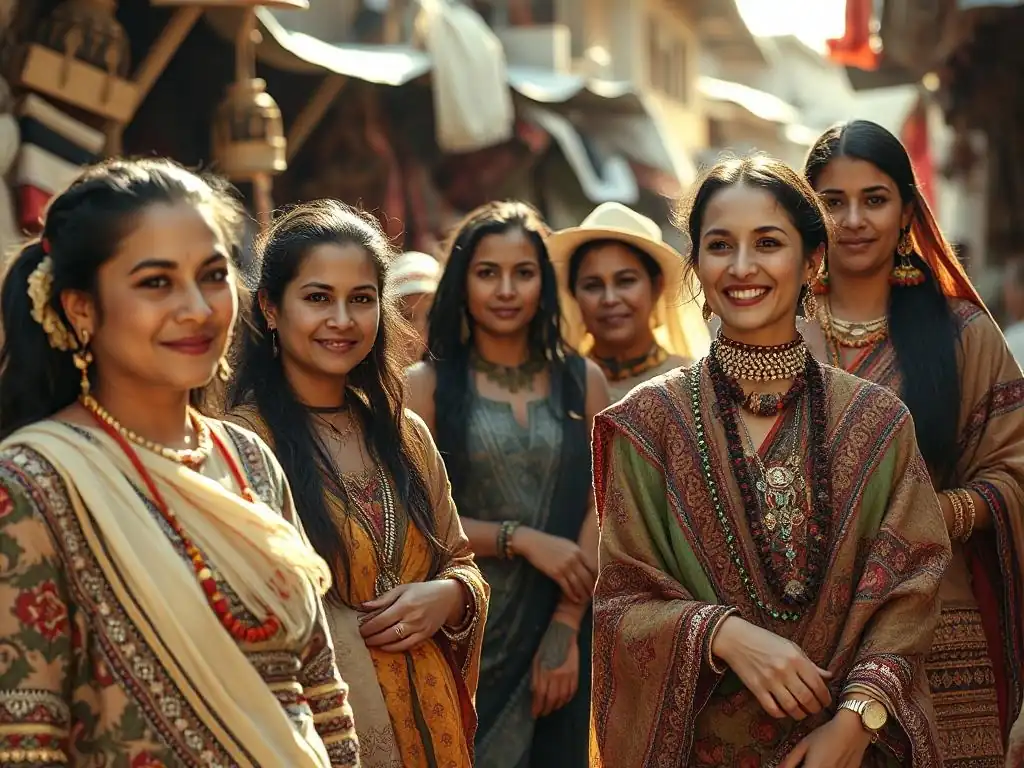
The fusion of traditional and modern styles in indigenous apparel creates a rich tapestry that honors the past while addressing contemporary needs. This blending often results in garments that feature traditional patterns, colors, and techniques, reimagined in ways that appeal to today’s consumers.
For example, the use of traditional beadwork and weaving techniques can be found in modern jackets, dresses, and accessories, allowing wearers to express their identity through clothing that resonates with their heritage. This approach not only revitalizes ancient practices but also introduces them to a new audience, fostering appreciation and respect for indigenous artistry.
Moreover, events like fashion shows and cultural festivals provide platforms for indigenous designers to showcase their work, demonstrating the seamless integration of tradition and modernity. By participating in global conversations about fashion, these designers ensure that indigenous apparel remains relevant and celebrated in contemporary culture.
The Role of Indigenous Apparel in Cultural Preservation
Indigenous apparel serves as a powerful tool for cultural preservation, allowing communities to maintain and promote their unique identities. Clothing often carries deep cultural meanings, with specific designs, colors, and patterns reflecting the stories, beliefs, and histories of indigenous peoples.
By wearing traditional garments or contemporary pieces inspired by indigenous designs, individuals not only honor their roots but also educate others about their cultural heritage. This visibility is crucial in a world where indigenous cultures have often been marginalized or misrepresented. The act of wearing indigenous apparel becomes a statement of pride and a form of resistance against cultural erosion.
Reviving Traditional Practices Through Fashion
Fashion serves as a means of reviving traditional practices that might otherwise fade away. Many contemporary designers are committed to reintegrating age-old techniques into their work, ensuring that skills such as weaving, embroidery, and beadwork are passed down through generations.
Workshops and training programs are being established in various indigenous communities, empowering younger generations to learn these skills while also providing them with opportunities to create and market their own clothing lines. This revival not only preserves traditional craftsmanship but also fosters a sense of community and belonging among participants.
Additionally, the storytelling aspect of indigenous apparel is emphasized in these practices. Each piece often tells a story or conveys a message, reinforcing the importance of oral traditions and cultural narratives in an increasingly digital world.
Economic Impact: Supporting Indigenous Communities
The resurgence of interest in indigenous apparel has significant economic implications for indigenous communities. By supporting indigenous designers and brands, consumers contribute to the financial sustainability of these communities.
Indigenous fashion initiatives can create job opportunities, stimulate local economies, and encourage entrepreneurship among indigenous artisans. Moreover, as these brands gain recognition and visibility, they attract investments and collaborations that further enhance their economic viability.
In essence, purchasing indigenous apparel is not only a fashion choice but also a conscious decision to support cultural preservation and economic empowerment. This symbiotic relationship between fashion and community underscores the importance of ethical consumerism and the role of fashion in advancing social justice.
Challenges Facing Indigenous Apparel Today
Indigenous apparel today grapples with several challenges that stem from the intersection of traditional practices and contemporary market demands. These challenges not only threaten the authenticity of indigenous designs but also impact the livelihoods of indigenous artisans and designers.
One primary challenge is cultural appropriation, where non-indigenous brands adopt indigenous designs and motifs without understanding their cultural significance or obtaining permission. This often leads to misrepresentation and commercialization of sacred symbols, diminishing their cultural value. Additionally, the lack of representation of indigenous voices in the fashion industry can further exacerbate this issue.
Another significant challenge is the sustainability of materials used in indigenous apparel. While many traditional practices center around sustainable methods, the increasing demand for fast fashion often pressures indigenous artisans to compromise these values. This can lead to the use of synthetic materials and mass production techniques that are harmful to the environment and detrimental to the cultural integrity of the apparel.
Cultural Appropriation vs. Appreciation
Cultural appropriation in fashion occurs when elements of a marginalized culture are borrowed or imitated by those in a position of privilege, often without proper understanding or respect for their significance. This can manifest in various ways, such as the unauthorized use of traditional patterns, clothing styles, or symbols that hold deep meanings within indigenous cultures.
On the other hand, cultural appreciation is rooted in respect and understanding. It involves recognizing the value of indigenous cultures and seeking permission from the communities involved. Brands focusing on appreciation often collaborate with indigenous artists and incorporate their stories into the designs. Such partnerships not only honor the traditions but also empower indigenous communities by providing them with a platform to share their narratives.
To navigate the thin line between appropriation and appreciation, it is crucial for consumers and brands alike to educate themselves about the origins and meanings behind indigenous apparel. Engaging with indigenous communities and supporting their rights to control their cultural expressions are vital steps in fostering a respectful and meaningful relationship.
Sustainability and Ethical Practices
Sustainability is at the heart of many indigenous practices, where the emphasis is placed on using natural, locally sourced materials and traditional techniques that have been passed down through generations. However, the growing demand for indigenous apparel in mainstream fashion raises concerns about the ethical implications of production practices.
Many indigenous designers prioritize sustainability by using eco-friendly materials such as organic cotton, natural dyes, and recycled fibers. These choices reflect a commitment to protecting the environment and preserving the cultural heritage tied to their crafts. Furthermore, ethical practices involve fair labor conditions, ensuring that artisans are compensated fairly for their work and that their communities benefit from the production process.
Brands that focus on sustainable and ethical practices often engage in transparent sourcing, showing consumers where and how their products are made. This not only fosters trust but also encourages consumers to make informed choices that align with their values. Supporting such brands can contribute to a more equitable fashion industry that honors indigenous traditions while addressing modern environmental challenges.
The Future of Indigenous Apparel
The future of indigenous apparel appears promising, driven by a growing recognition of its cultural significance and the demand for authenticity in fashion. As consumers become more aware of the impact of their purchasing decisions, there is an increasing desire for products that tell a story and reflect a deeper connection to cultural heritage.
Trends Shaping Indigenous-Inspired Fashion
Several trends are emerging within the realm of indigenous-inspired fashion that are reshaping the industry. One notable trend is the rise of collaborative collections between mainstream brands and indigenous designers. These partnerships not only elevate indigenous voices but also create a platform for authentic representation in the fashion world.
Another trend is the integration of technology and innovation into traditional practices. Many indigenous artisans are embracing digital platforms to reach wider audiences, allowing them to showcase their unique designs and stories online. This shift not only promotes their work but also preserves traditional techniques in a contemporary context.
Additionally, there is a growing emphasis on customization and personalization in apparel, allowing consumers to connect more intimately with indigenous designs. This trend encourages consumers to invest in pieces that resonate with them personally, fostering a deeper appreciation for the cultural significance behind each item.
How Consumers Can Support Indigenous Apparel
Consumers play a crucial role in supporting indigenous apparel and ensuring its cultural significance is respected. Here are some actionable steps individuals can take:
- Educate Yourself: Learn about the cultural significance of different indigenous designs and practices. Understanding the history and meanings behind the apparel can foster greater appreciation.
- Support Indigenous Brands: Choose to purchase from indigenous-owned brands and artisans. This not only supports their livelihoods but also ensures that cultural narratives are authentically represented.
- Advocate for Ethical Practices: Encourage brands to adopt ethical sourcing and production practices. Engage in conversations about sustainability and the importance of fair compensation for indigenous artisans.
- Promote Awareness: Share information about indigenous apparel and its cultural significance on social media platforms. Raising awareness can help combat cultural appropriation and promote appreciation.
By taking these steps, consumers can actively participate in preserving the rich traditions of indigenous apparel while supporting the artisans who create it.
Conclusion: Embracing the Cultural Significance of Indigenous Apparel
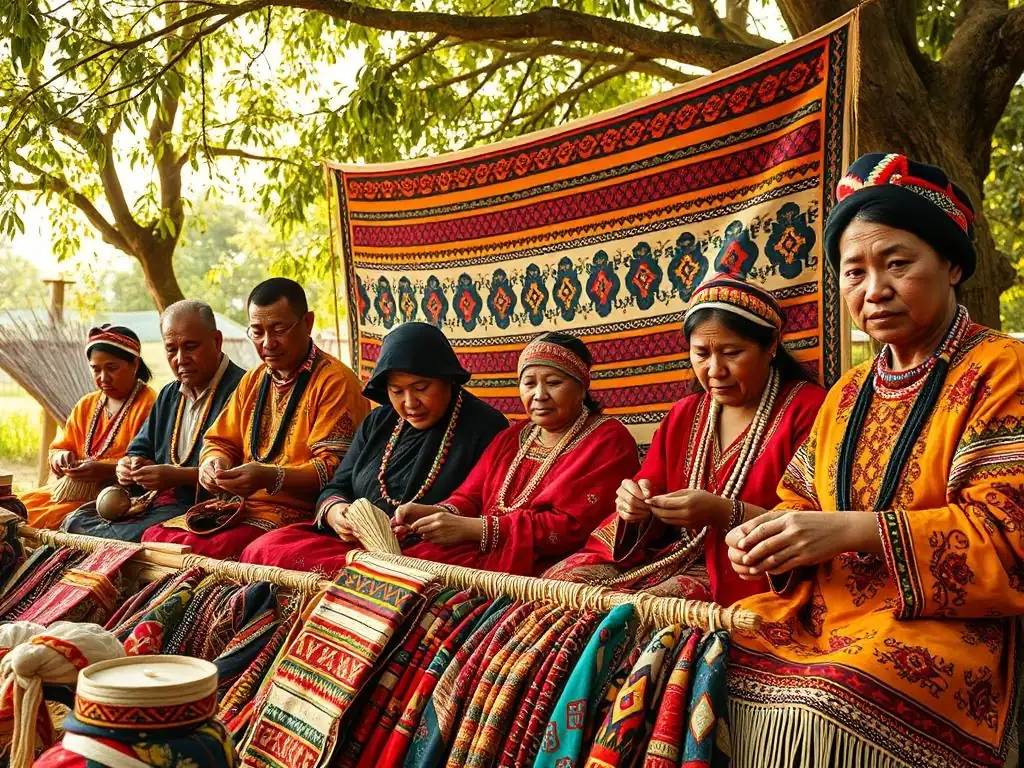
Indigenous apparel serves as a powerful testament to the rich heritage and traditions of various indigenous cultures across the Americas. Through vibrant colors, intricate patterns, and the use of traditional materials, these garments encapsulate stories, beliefs, and histories that date back centuries. As modern fashion increasingly turns to indigenous designs for inspiration, it becomes essential to approach this intersection of tradition and modernity with respect and understanding.
The cultural significance of indigenous apparel cannot be overstated. It symbolizes resilience, identity, and continuity in the face of historical challenges. By wearing these garments, individuals not only honor the ancestors and traditions of indigenous peoples but also promote awareness of their ongoing struggles and contributions to contemporary society. As the narrative of indigenous apparel evolves, it invites a deeper appreciation for the artistry and craftsmanship involved, encouraging consumers to engage with the stories behind the clothing they wear.
In embracing indigenous apparel, we foster a greater understanding of cultural significance and responsibility. This journey towards appreciation and respect can lead to meaningful dialogues and collaborations that uplift indigenous voices in the fashion industry. It is a call to celebrate diversity and recognize the vital role that indigenous cultures play in shaping our world today.
Call to Action
As you explore the world of indigenous apparel, consider supporting brands that prioritize ethical production and respect for cultural heritage. Here are some steps you can take:
- Educate Yourself: Learn about the specific cultures and histories behind the apparel. Understanding the narratives can enhance your appreciation and respect for the clothing.
- Support Indigenous Designers: Look for brands that are owned and operated by indigenous peoples. Your purchases can help sustain their communities and empower their creative expressions.
- Advocate for Ethical Practices: Encourage brands to engage in ethical sourcing and production methods that respect indigenous rights and cultures.
- Share Your Knowledge: Spread awareness about the cultural significance of indigenous apparel within your community and social circles. Conversations can lead to greater understanding and appreciation.
By taking these actions, you can contribute to a more respectful and informed dialogue surrounding indigenous apparel and its cultural significance.
References and Further Reading
- The Art of Indigenous Fashion: A comprehensive overview of how indigenous designs have influenced modern fashion trends.
- Cultural Appropriation vs. Cultural Appreciation: Understanding the fine line between admiration and exploitation in the fashion industry.
- Indigenous Fashion and Identity: Exploring how indigenous apparel serves as a medium for expressing identity and heritage.
- Ethics in Fashion: A guide to understanding the impact of fashion choices on communities and the environment.
- Spotlight on Indigenous Designers: Profiles of contemporary indigenous fashion designers who are reshaping the industry with their unique perspectives and artistry.
- Introduction to Indigenous Apparel Cultural Significance
- The Historical Roots of Indigenous Apparel
- Modern Influences on Indigenous Apparel
- Contemporary Indigenous Designers
- The Fusion of Styles: Bridging Past and Present
- The Role of Indigenous Apparel in Cultural Preservation
- Reviving Traditional Practices Through Fashion
- Economic Impact: Supporting Indigenous Communities
- Challenges Facing Indigenous Apparel Today
- Cultural Appropriation vs. Appreciation
- Sustainability and Ethical Practices
- The Future of Indigenous Apparel
- Conclusion: Embracing the Cultural Significance of Indigenous Apparel
- Call to Action
- References and Further Reading
- What is the cultural significance of indigenous apparel?
- How has modernity influenced indigenous clothing styles?
- Why is it important to support indigenous apparel brands?
- How do indigenous communities view the commercialization of their apparel?
- What role does storytelling play in indigenous apparel?
Frequently Asked Questions
What is the cultural significance of indigenous apparel?
Indigenous apparel carries deep cultural significance, reflecting the history, art, and identity of various indigenous communities. Each piece often tells a story or symbolizes important aspects of their heritage.
How has modernity influenced indigenous clothing styles?
Modernity has introduced new materials and techniques, leading to a fusion of traditional designs with contemporary fashion trends. Many indigenous designers aim to maintain cultural authenticity while appealing to modern tastes.
Why is it important to support indigenous apparel brands?
Supporting indigenous apparel brands helps preserve traditional craftsmanship and promotes the economic empowerment of indigenous communities. It also raises awareness about their cultural heritage and the significance of their designs.
How do indigenous communities view the commercialization of their apparel?
Reactions vary, but many communities express concern that commercialization might lead to the misrepresentation of their culture. However, some see it as an opportunity to share their traditions with a wider audience while maintaining control over their narratives.
What role does storytelling play in indigenous apparel?
Storytelling is vital in indigenous apparel, as each garment often includes symbolism that conveys important cultural narratives. This practice helps preserve their heritage and educates others about their history and values.
Final Reflection: Embracing the Cultural Significance of Indigenous Apparel
The intersection of tradition and modernity in indigenous apparel is not just a fascinating topic; it is a vital conversation that resonates deeply in today's society. As we navigate a world increasingly defined by globalization and cultural exchange, the significance of indigenous apparel emerges as a powerful reminder of the richness of cultural heritage and the need for its preservation. This dialogue is crucial, as it challenges us to recognize the stories woven into each garment and the identities they represent.
The influence of indigenous apparel extends far beyond fashion; it shapes cultural narratives and fosters a sense of belonging within communities. The resurgence of interest in traditional clothing serves as a testament to the resilience of indigenous cultures in the face of modern challenges. As we witness this revival, we are reminded of the words of renowned indigenous activist Winona LaDuke: The future will be about the stories we tell and the clothes we wear.
This highlights the ongoing importance of indigenous apparel as a means of storytelling and cultural expression, bridging the gap between past and present.
As we reflect on the lessons from this exploration, I invite you to consider how you can contribute to the appreciation and support of indigenous cultures in your own life. Take a moment to engage with the stories behind indigenous apparel, whether through purchasing from indigenous artisans, attending cultural events, or simply sharing knowledge with others.
By doing so, you not only honor the cultural significance of these garments but also participate in a broader movement that values diversity and fosters understanding. Let us carry forward the legacy of tradition while embracing the innovations of modernity, ensuring that the voices of indigenous communities continue to resonate in our ever-evolving world.
Embrace Your Heritage: Take Action Today!
Thank you for exploring the rich tapestry of Indigenous apparel with us! Your interest in the intersection of tradition and modernity highlights the importance of preserving and celebrating Indigenous cultures. To continue this journey, here are some inspiring actions you can take right now:
- Dive deeper into the world of Indigenous fashion by visiting local artisan markets or online platforms that support Indigenous designers.
- Share your insights with friends and family by initiating conversations about the significance of Indigenous apparel in contemporary society.
- Consider following and supporting Indigenous brands on social media to help amplify their voices and share their stories.
How will you incorporate this newfound appreciation for Indigenous apparel into your daily life or style choices? We’d love to hear your thoughts!