
The Evolution of IndigenousInspired Fashion: Past, Present, and Future

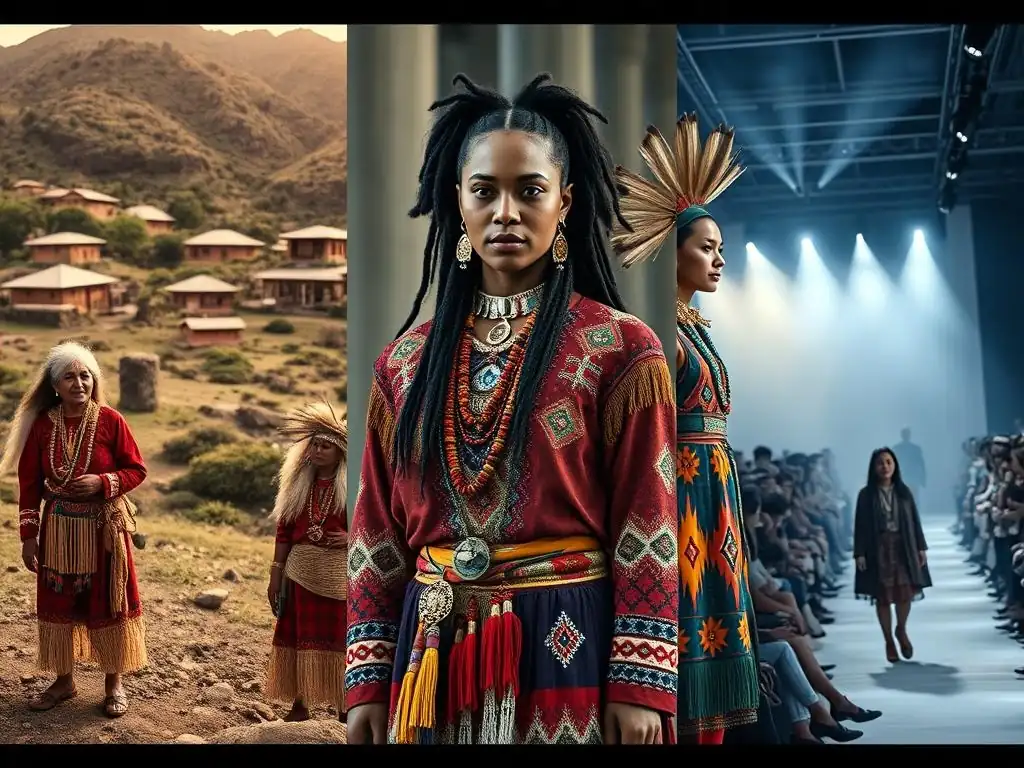
Welcome to Indigenous Civilizations of the Americas! Here, we invite you to embark on a captivating journey through time, uncovering the rich tapestry of indigenous cultures that flourished long before European colonization. In our featured article, The Evolution of Indigenous-Inspired Fashion: Past, Present, and Future, you'll discover how the intricate history of indigenous fashion evolution reflects the resilience and creativity of these vibrant societies.
Prepare to delve into their remarkable achievements and the profound impact they continue to have on contemporary culture. Join us as we explore the threads that connect the past with the present, sparking curiosity and inspiring a deeper appreciation for the enduring legacy of indigenous peoples.
The evolution of indigenous-inspired fashion is a rich tapestry woven from the threads of history, culture, and social dynamics that have shaped the lives of indigenous peoples in the Americas. This article delves into the intricate journey of indigenous fashion, tracing its roots from traditional attire before European colonization through to contemporary interpretations and influences. As we explore the indigenous fashion evolution history, we will highlight the profound cultural significance of these garments, the materials used, and the meanings behind various designs.
Furthermore, we will shed light on how indigenous fashion has adapted over time, reflecting both resilience and innovation. Join us as we embark on this enlightening journey through time, celebrating the enduring legacy of indigenous fashion and its impact on modern style.
Understanding Indigenous Fashion Evolution History
The history of indigenous fashion is not merely a chronicle of clothing styles; it is an exploration of identity, community, and heritage. Indigenous fashion serves as a canvas for expressing cultural narratives, traditions, and environmental connections. Understanding this evolution requires an appreciation of the unique contexts in which these garments were created and worn. It also necessitates acknowledging the ongoing influences of colonialism and globalization, which have both challenged and inspired the revitalization of indigenous aesthetics in contemporary fashion.
Defining Indigenous Fashion and Its Cultural Significance
Indigenous fashion encompasses the traditional attire, textiles, and accessories made by indigenous peoples, reflecting their values, beliefs, and social structures. Each piece of clothing is often imbued with cultural significance, telling stories about the wearer's identity, community, and relationship with the natural world. For example, in many indigenous cultures, colors and patterns are indicative of tribal affiliation, social status, and spiritual beliefs. Understanding the importance of these garments is crucial in recognizing the resilience and adaptability of indigenous cultures in the face of external pressures.
Historical Context: Indigenous Fashion Before Colonization
Before the arrival of European settlers, indigenous peoples across the Americas developed diverse and sophisticated fashion practices. These garments were tailored from locally sourced materials, including animal hides, plant fibers, and woven textiles. Each region showcased distinct styles influenced by environmental conditions, available resources, and cultural practices. For instance, the Inuit fashioned warm clothing from animal skins to withstand the Arctic climate, while the Plains tribes created intricate beadwork on leather garments that conveyed social stories and tribal affiliation.
The Past: Traditional Indigenous Clothing and Textiles
The history of indigenous fashion is deeply rooted in the traditional clothing and textiles that were not only functional but also served as a means of cultural expression. This section explores the various aspects of indigenous clothing, highlighting the materials, techniques, and meanings embedded in these garments.
The Role of Natural Materials in Indigenous Fashion
Natural materials played a fundamental role in the creation of traditional indigenous clothing. From the soft furs of local animals to the sturdy fibers of plants, each material was selected for its practicality and availability. For example, cotton was cultivated and woven into textiles by various tribes, while feathers were used to adorn ceremonial garments. The use of these materials was not just about aesthetics; it also reflected a deep respect for the environment and the sustainable practices that indigenous communities embraced.
Symbolism and Meaning in Indigenous Garments
Every stitch and pattern in traditional indigenous clothing often carries a story, embodying the cultural values and beliefs of the community. Symbols may represent elements such as spirituality, ancestry, or natural phenomena, making each garment a powerful vehicle for storytelling. For instance, the use of specific colors and motifs can signify important life events, such as marriage or coming of age, allowing wearers to communicate their personal narratives through their attire.
Notable Indigenous Fashion Techniques and Patterns
Indigenous fashion is characterized by a variety of remarkable techniques and patterns that have been passed down through generations. These may include intricate beadwork, weaving techniques, and dyeing processes that create vibrant and meaningful designs. Each technique serves as a testament to the skill and artistry of indigenous artisans, preserving cultural heritage while allowing for creative expression. Notable examples include the Navajo rug weaving tradition, which employs geometric patterns and rich colors, and the intricate quillwork of the Northern Plains tribes, showcasing the diversity and richness of indigenous fashion practices.
The Present: Contemporary Indigenous Fashion Brands
Contemporary indigenous fashion is a vibrant amalgamation of traditional techniques and modern aesthetics, showcasing the rich cultural heritage of Indigenous peoples while addressing contemporary issues. Today, numerous brands are emerging that not only celebrate Indigenous craftsmanship but also convey messages about identity, resilience, and social justice. These brands often incorporate traditional materials, motifs, and techniques that have been passed down through generations, effectively bridging the gap between the past and the present.
The modern landscape of indigenous-inspired fashion is characterized by a growing awareness of cultural appropriation and the importance of authenticity. Many contemporary designers are committed to ensuring that their work is a true representation of their cultural roots, using fashion as a medium to tell their stories. This evolution has led to a renewed interest in indigenous textiles, patterns, and artistry, allowing for a unique expression that resonates with a global audience.
Key Indigenous Fashion Designers Influencing Modern Trends
Several indigenous fashion designers are making significant strides in the industry, shaping trends and inspiring future generations. Notable figures include:
- Virgil Ortiz: A member of the Cochiti Pueblo, Ortiz blends traditional Pueblo designs with modern silhouettes, often showcasing his work through artistic narratives that highlight Native American history and culture.
- Misty Upham: As an actress and designer, Upham has used her platform to promote indigenous fashion, focusing on sustainable practices and the use of traditional materials, such as handwoven textiles.
- B. Yellowtail: Founded by designer Bethany Yellowtail, this brand emphasizes the importance of storytelling through fashion, utilizing traditional techniques and collaborating with Native artisans to create contemporary pieces that resonate with Indigenous identity.
These designers and others contribute to a broader movement that seeks to empower indigenous communities through fashion, reclaiming narratives and promoting cultural pride.
The Rise of Indigenous Fashion Weeks and Events
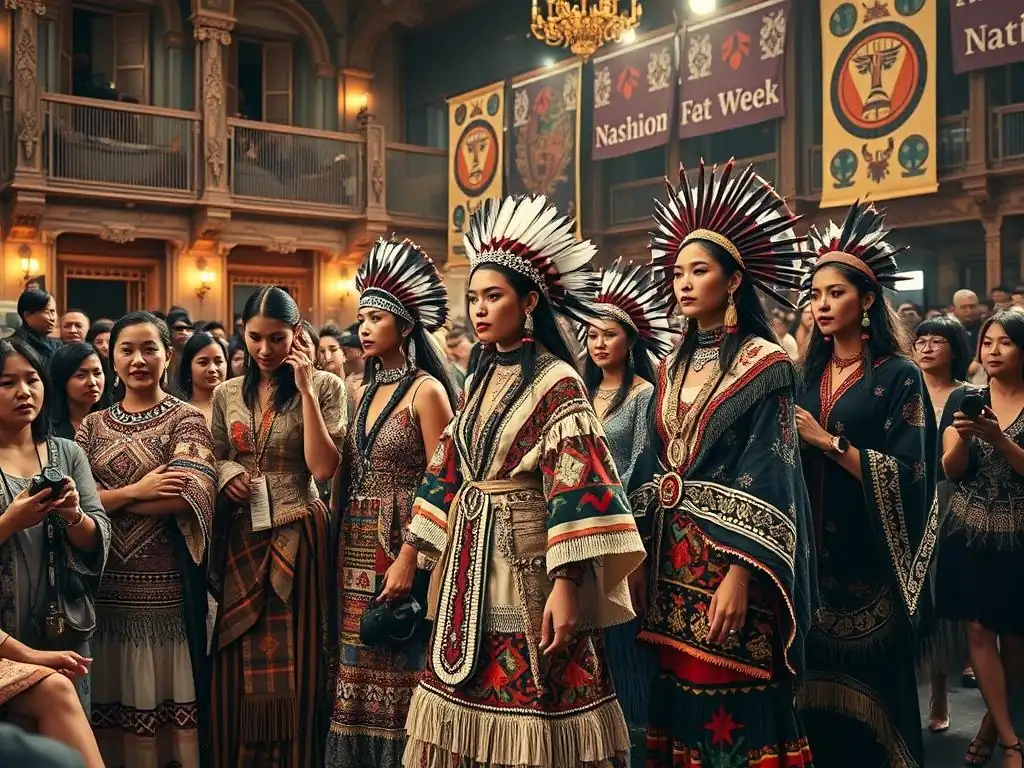
Indigenous fashion weeks and events have gained momentum in recent years, providing a platform for Indigenous designers to showcase their work and connect with a larger audience. Events like the Indigenous Fashion Week Toronto and the NMAI’s (National Museum of the American Indian) Fashion Show highlight the creativity and innovation of Indigenous designers, while fostering collaboration and networking within the industry.
These events not only celebrate indigenous fashion but also educate the public about the cultural significance of the designs presented. By bringing together a diverse range of voices and perspectives, these fashion weeks create a space where traditional knowledge and modern creativity can coexist, paving the way for future developments in the industry.
Collaborations Between Indigenous and Non-Indigenous Designers
Collaborations between Indigenous and non-Indigenous designers are becoming increasingly common, reflecting a trend towards inclusivity and cross-cultural dialogue in the fashion industry. These partnerships can lead to impactful projects that blend diverse influences, creating unique collections that celebrate both cultures.
For example, partnerships like the one between H&M and Indigenous designers have sparked conversations about cultural appropriation and the importance of giving credit to the original creators. While such collaborations have the potential to raise awareness and appreciation for Indigenous craftsmanship, they also necessitate careful consideration of ethical practices and respect for cultural heritage.
The outcome of these collaborations can be powerful, as they not only provide exposure for Indigenous designers but also challenge the mainstream fashion narrative, encouraging a more nuanced understanding of fashion's cultural implications.
The Future: Trends and Innovations in Indigenous Fashion
The future of indigenous fashion is poised for exciting developments, driven by innovative practices and a commitment to cultural authenticity. As more designers enter the field, the integration of traditional craftsmanship with contemporary design will continue to evolve, leading to fresh expressions of identity and creativity.
Emerging trends include the use of sustainable materials, a focus on ethical production methods, and the incorporation of technology into design processes. This forward-thinking approach not only honors the past but also addresses pressing global issues, positioning indigenous fashion as a leader in the movement towards a more sustainable fashion industry.
The Impact of Technology on Indigenous Fashion Evolution
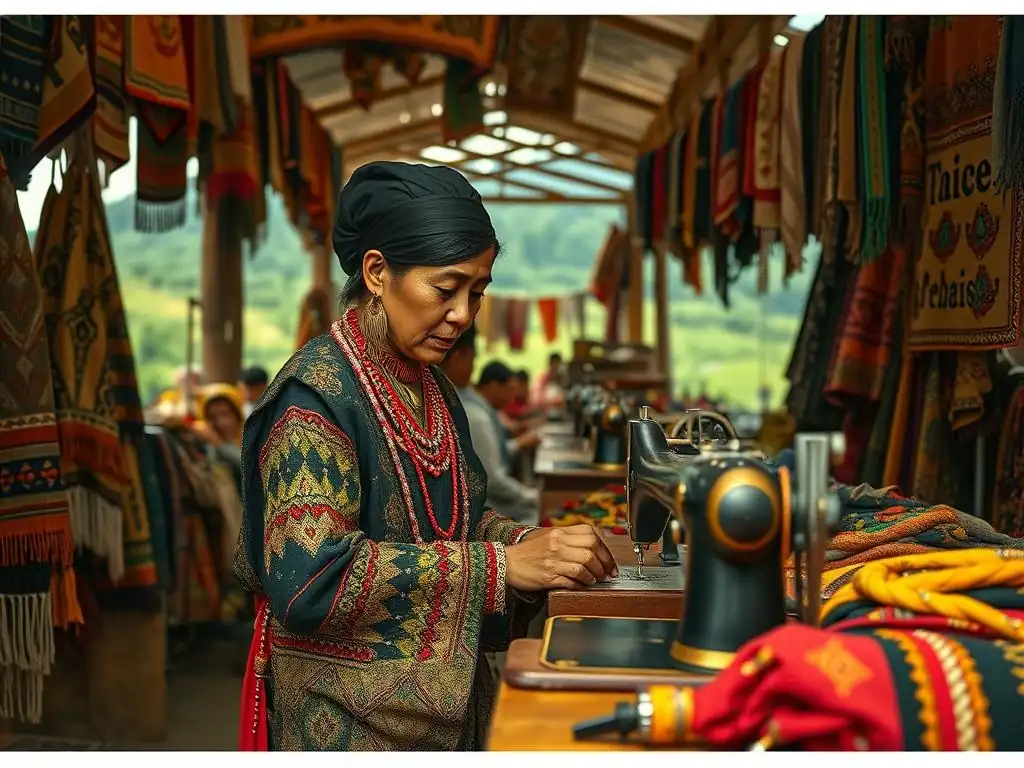
Technology is playing a crucial role in the evolution of indigenous fashion, providing designers with tools to expand their reach and engage with audiences worldwide. From e-commerce platforms to social media marketing, technology enables indigenous brands to tell their stories and showcase their work in innovative ways.
Digital storytelling has become an essential component of brand identity, allowing designers to share the cultural significance of their pieces and connect with customers on a deeper level. Moreover, advancements in fabric production and design software facilitate the creation of intricate patterns and designs that reflect indigenous heritage while appealing to modern sensibilities.
Sustainability and Ethical Practices in Indigenous Fashion
Sustainability is a fundamental principle within the indigenous fashion community, with many designers prioritizing eco-friendly practices and ethical sourcing. The use of natural dyes, organic materials, and traditional crafting techniques not only reduces environmental impact but also supports local economies.
By focusing on sustainability, indigenous fashion brands embody a holistic approach that respects both the environment and cultural heritage. This focus on ethical practices resonates with consumers who are increasingly seeking to support brands that align with their values, leading to a positive shift in the industry towards more responsible fashion.
Social media has emerged as a powerful tool for promoting indigenous fashion, providing a platform for designers to share their work and connect with a global audience. Platforms like Instagram and TikTok allow for dynamic visual storytelling, enabling designers to showcase their collections and the cultural narratives behind them.
This digital visibility has fostered a community of support among indigenous designers and advocates, encouraging collaborations and amplifying voices that may have been marginalized in mainstream fashion. Social media not only promotes indigenous fashion but also educates consumers about the importance of cultural respect and authenticity, driving conversations around inclusivity and representation in the industry.
Indigenous Fashion Evolution History: Challenges and Opportunities
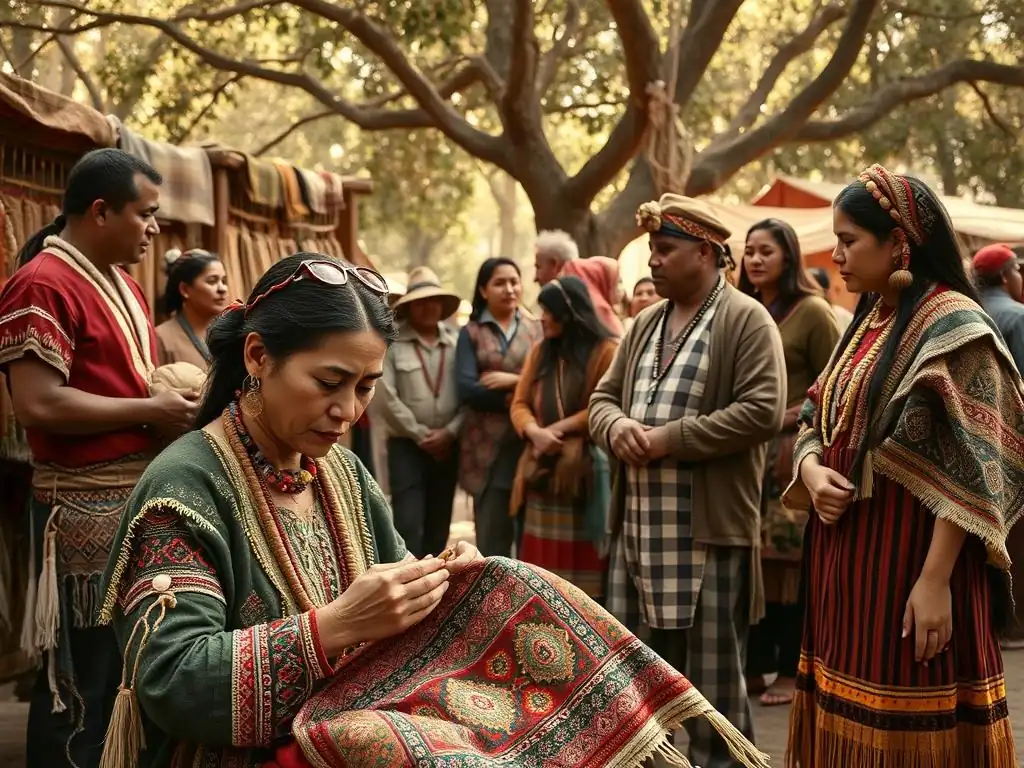
The evolution of indigenous fashion is a complex narrative that intertwines cultural heritage, historical challenges, and modern opportunities. Indigenous fashion has often faced significant challenges, including cultural appropriation, misrepresentation, and a lack of visibility in mainstream fashion. These hurdles have historically marginalized indigenous voices and styles, leading to a disconnect between indigenous cultures and the broader fashion industry.
However, the rise of indigenous-led brands and the increasing awareness of cultural significance present an opportunity for a renaissance in indigenous fashion. This evolution is characterized by a return to traditional practices, materials, and storytelling, as well as a commitment to sustainability and ethical production.
Indigenous fashion also presents opportunities for collaboration and innovation. By integrating traditional designs with contemporary aesthetics, indigenous designers can create unique collections that honor their heritage while appealing to modern consumers. This fusion not only enriches the fashion landscape but also fosters a greater understanding of indigenous cultures, allowing for a more inclusive narrative in fashion history.
Addressing Cultural Appropriation in Fashion
Cultural appropriation remains a critical issue within the fashion industry, particularly concerning indigenous fashion. This phenomenon occurs when elements of a marginalized culture are borrowed without permission or proper understanding, often resulting in the commodification of sacred symbols and practices. To address this, increased education and awareness about indigenous cultures are essential. Fashion brands must recognize the significance of the designs they draw inspiration from and engage with indigenous communities in meaningful ways.
Moreover, many indigenous designers advocate for clear guidelines and ethical practices in the industry to prevent cultural appropriation. Initiatives such as collaborative projects, where indigenous creators work alongside non-indigenous brands, can help bridge the gap and ensure that cultural elements are represented accurately and respectfully. This collaboration not only combats appropriation but also enriches the narratives presented in contemporary fashion.
Supporting Indigenous Entrepreneurs and Brands
Supporting indigenous entrepreneurs and brands is crucial for the sustainability and growth of indigenous fashion. By prioritizing indigenous-owned businesses, consumers can contribute to the economic empowerment of these communities, fostering a cycle of innovation and creativity. Indigenous designers often blend traditional craftsmanship with modern techniques, resulting in unique products that reflect their cultural heritage.
Additionally, initiatives such as mentorship programs, grants, and workshops can help nurture aspiring indigenous designers, providing them with the resources and skills needed to thrive in the competitive fashion industry. Retailers and consumers can also play a role by promoting platforms that specifically showcase indigenous fashion, helping to elevate these brands within the marketplace and create a more equitable fashion landscape.
The Importance of Authentic Representation in the Fashion Industry
Authentic representation in the fashion industry is vital for reflecting the diversity and richness of indigenous cultures. This representation goes beyond mere aesthetic; it encompasses the stories, values, and traditions that inform indigenous fashion. When indigenous voices are included in the fashion narrative, it fosters a deeper understanding and appreciation of their cultural significance.
Furthermore, authentic representation can challenge stereotypes and misconceptions about indigenous peoples. By showcasing indigenous models, designers, and narratives, the fashion industry can help dismantle harmful biases and promote a more accurate portrayal of these vibrant cultures. This shift toward inclusivity not only benefits indigenous communities but also enriches the fashion industry as a whole, creating a more diverse and dynamic marketplace.
Conclusion: The Ongoing Journey of Indigenous Fashion
The journey of indigenous fashion is an ongoing one, marked by resilience, innovation, and a steadfast commitment to cultural preservation. As the industry evolves, it is essential to acknowledge the historical context of indigenous fashion while embracing contemporary interpretations that honor traditional practices. This balance between past and present is crucial for fostering a sustainable future for indigenous fashion.
Acknowledging the Past While Embracing the Future
Acknowledging the past is an essential step in understanding the evolution of indigenous fashion. By recognizing the historical challenges faced by indigenous communities, including colonization and cultural erasure, the fashion industry can better appreciate the significance of indigenous designs and narratives. Embracing the future involves not only celebrating indigenous heritage but also promoting innovation within the fashion realm. This can lead to new forms of expression that resonate with both indigenous and non-indigenous audiences alike.
How Consumers Can Support Indigenous Fashion Brands
Consumers have the power to influence the fashion industry by supporting indigenous fashion brands. By choosing to purchase from indigenous designers, individuals can help uplift these communities and promote ethical practices within the industry. Additionally, spreading awareness about indigenous fashion through social media and personal networks can amplify the visibility of these brands.
Engaging with indigenous fashion brands through events, exhibitions, and collaborative projects also fosters a deeper connection between consumers and indigenous cultures. By actively seeking out and promoting indigenous fashion, consumers can play a pivotal role in shaping a more inclusive and equitable fashion landscape, where indigenous voices are not just heard but celebrated.
Additional Resources for Exploring Indigenous Fashion
Delving into the rich tapestry of indigenous fashion requires a multifaceted approach that encompasses literature, visual media, and community engagement. Here are some valuable resources to broaden your understanding and appreciation of indigenous fashion evolution, history, and contemporary expressions.
Recommended Books and Documentaries on Indigenous Fashion
-
Books
-
"Indigenous Fashion: From the Ground Up" by K. L. Smith
This book provides an insightful overview of the history and cultural significance of indigenous fashion, highlighting the work of contemporary designers who draw inspiration from traditional practices.
-
"Dressing in Feathers: The Construction of a Cultural Identity" by R. A. T. Jackson
This work explores how fashion serves as a medium for expressing and negotiating identity within indigenous communities.
-
"Fashioning the Indigenous: Native American Costume and Cultural Identity" by J. S. Hartman
A thorough examination of the symbolism behind traditional attire and how it has evolved within modern contexts.
-
-
Documentaries
-
"In the Spirit of the Land"
This documentary showcases indigenous designers and their creative processes, focusing on the significance of materials sourced from their ancestral lands.
-
"Native Fashion Now"
A film that documents the journey of several indigenous designers as they merge traditional techniques with contemporary fashion trends, emphasizing the relevance of indigenous narratives in today’s fashion landscape.
-
Online Platforms and Marketplaces for Indigenous Designers
The digital age has opened up numerous avenues for indigenous designers to showcase their work and connect with a global audience. Here are some notable platforms:
-
Etsy
A popular marketplace for artisans, Etsy features a dedicated section for indigenous creators, allowing them to sell handmade clothing, accessories, and art directly to consumers.
-
Indigenous Fashion Week
This online platform highlights indigenous designers, showcasing collections that reflect cultural heritage and contemporary aesthetics. It also serves as a hub for information about upcoming events and collaborations.
-
Shop Indigenous
An e-commerce site dedicated to promoting indigenous-owned businesses, Shop Indigenous offers a wide range of fashion items, from traditional attire to modern streetwear, all created by indigenous designers.
Upcoming Conferences and Events Focused on Indigenous Fashion
Attending conferences and events is a great way to engage with the indigenous fashion community, learn from industry leaders, and support emerging designers. Here are some notable upcoming events:
-
Indigenous Fashion Week (IFW)
Scheduled for [specific dates pending], this annual event brings together indigenous designers from across North America to showcase their work on the runway, host workshops, and hold discussions on fashion's role in cultural identity.
-
Global Indigenous Fashion Alliance (GIFA) Conference
Taking place on [specific dates pending], this conference focuses on the intersection of indigenous fashion and sustainability, featuring panels, workshops, and networking opportunities for designers and industry professionals.
-
Fashioning the Future: Indigenous Perspectives
A symposium occurring on [specific dates pending], this event will explore the evolving landscape of indigenous fashion, featuring keynote speakers, panel discussions, and exhibitions that highlight innovative practices and cultural narratives.
These resources not only serve to educate but also empower individuals to appreciate the depth and diversity of indigenous fashion, fostering a greater understanding of its significance within the broader context of cultural heritage and modern expression.
- Understanding Indigenous Fashion Evolution History
- The Past: Traditional Indigenous Clothing and Textiles
- The Present: Contemporary Indigenous Fashion Brands
- Key Indigenous Fashion Designers Influencing Modern Trends
- The Rise of Indigenous Fashion Weeks and Events
- Collaborations Between Indigenous and Non-Indigenous Designers
- The Future: Trends and Innovations in Indigenous Fashion
- The Impact of Technology on Indigenous Fashion Evolution
- Sustainability and Ethical Practices in Indigenous Fashion
- The Role of Social Media in Promoting Indigenous Fashion
- Indigenous Fashion Evolution History: Challenges and Opportunities
- Conclusion: The Ongoing Journey of Indigenous Fashion
- Additional Resources for Exploring Indigenous Fashion
Frequently Asked Questions
What is the main focus of the article on indigenous fashion evolution history?
The article explores the diverse indigenous cultures of the Americas, emphasizing their achievements in fashion and how these have influenced contemporary styles.
How did indigenous fashion evolve over time?
Indigenous fashion has evolved through cultural exchanges and adaptations, reflecting changes in societal values and the impact of colonization while retaining traditional elements.
What are some key features of traditional indigenous fashion?
Traditional indigenous fashion often includes natural materials, intricate patterns, and symbolic designs that represent cultural beliefs and practices unique to each community.
How does the article address the future of indigenous fashion?
The article discusses the resurgence of interest in indigenous fashion and its integration into modern trends, emphasizing the importance of sustainability and cultural preservation.
Why is understanding indigenous fashion important?
Understanding indigenous fashion is crucial for recognizing the historical significance of these cultures, their artistic expressions, and the ongoing impact they have in today's fashion landscape.
Final Reflection: The Journey of Indigenous Fashion Evolution
The evolution of indigenous fashion is not just a historical narrative; it is a living testament to resilience and cultural pride. Today, as we witness a resurgence of interest in indigenous-inspired fashion, it becomes clear that this movement is more than a trend—it is a powerful reclamation of identity and heritage. The intricate designs and stories woven into these garments serve as a bridge connecting past traditions with contemporary expressions, reminding us that fashion can be a profound medium for cultural storytelling.
The impact of indigenous fashion on our cultural and social landscape is profound, as it challenges stereotypes and fosters appreciation for diverse narratives. The revival of traditional techniques and motifs in modern fashion not only honors indigenous artisans but also invites broader society to engage with and respect these rich cultures. As designer Bethany Yellowtail aptly stated, Fashion is a way to tell our stories, to share our culture, and to create a sense of belonging.
This ongoing dialogue between past and present highlights the importance of inclusivity and representation in the fashion industry, paving the way for a more equitable future.
As we reflect on the lessons embedded in the evolution of indigenous fashion, let us embrace our role as advocates for cultural appreciation and sustainability. I invite you to explore how you can incorporate these values into your own life and choices. Whether it’s supporting indigenous designers, learning about the stories behind the garments, or simply appreciating the artistry involved, each step contributes to a greater understanding and respect for the rich tapestry of indigenous cultures. Together, we can honor the past while shaping a future that celebrates diversity and creativity in fashion.
Embrace and Celebrate Indigenous Fashion Today!
Thank you for exploring the rich history and vibrant evolution of Indigenous-inspired fashion with us! By understanding its past and present, you've gained valuable insights into the cultural significance that continues to shape our world today. Now, let’s take a step further and make an impact!
- Support Indigenous designers: Discover local artisans and brands that reflect the beauty and diversity of Indigenous fashion. Invest in pieces that tell a story and empower communities.
- Share your insights: Continue the conversation! Share this article on social media or with friends to raise awareness about the importance of Indigenous representation in fashion.
- Explore further: Attend local events, workshops, or exhibitions that showcase Indigenous fashion and culture. Engage with the community and learn more about its transformative journey.
What piece of Indigenous-inspired fashion have you encountered that surprised or inspired you the most? We would love to hear your thoughts in the comments!