
From Terra Preta to Terracing: Inca Innovations in Soil Management

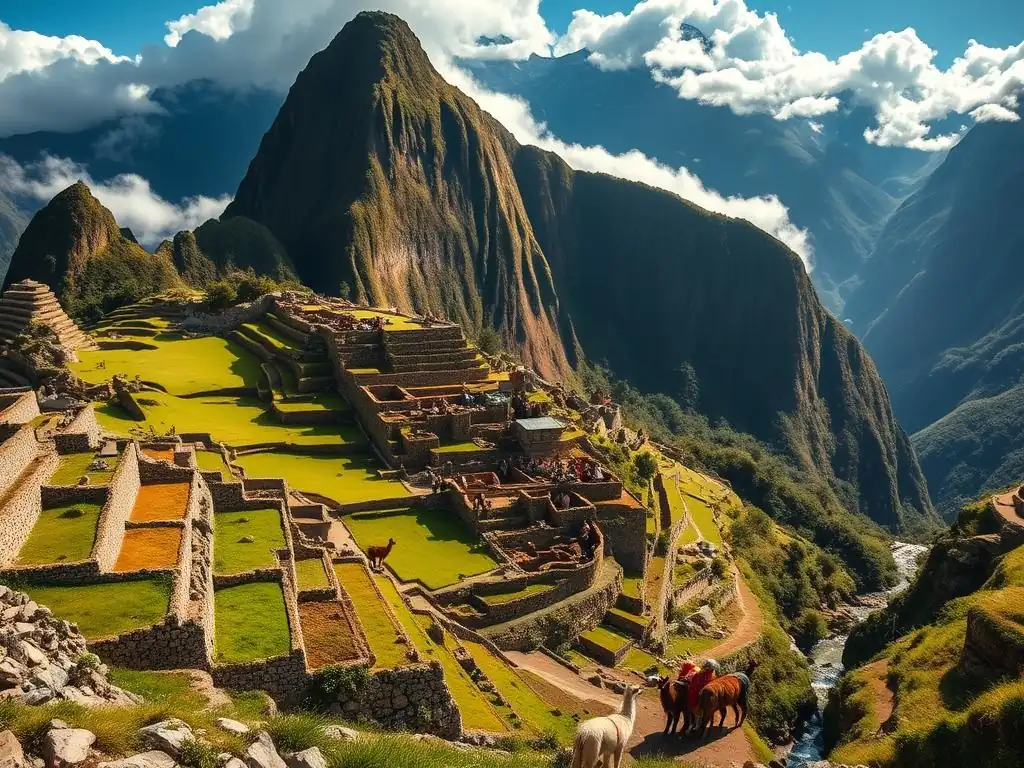
Welcome to Indigenous Civilizations of the Americas, where we invite you to embark on a fascinating journey through the rich tapestry of cultures that flourished long before European contact. In today’s spotlight, we delve into the remarkable Inca soil management techniques, uncovering how these ancient innovators transformed their environment and laid the groundwork for sustainable agriculture.
From the enigmatic terra preta to the ingenious terracing methods, the Inca's mastery of land management not only sustained their vast empire but also offers valuable lessons for our modern world. Prepare to be inspired as you explore the legacies that continue to shape our understanding of indigenous ingenuity!
- Introduction to Inca Soil Management Techniques
- Terra Preta: The Black Earth of the Incas
- Terracing: Innovative Solutions for Steep Landscapes
- Crop Rotation and Companion Planting in Inca Agriculture
- Integration of Inca Soil Management Techniques
- Conclusion: Legacy of Inca Innovations in Soil Management
- Frequently Asked Questions
- Final Reflection: The Enduring Legacy of Inca Soil Management Techniques
- Unleash Your Gardening Potential Today!
Introduction to Inca Soil Management Techniques
The Inca civilization, renowned for its extensive and sophisticated agricultural practices, developed a range of soil management techniques that not only maximized crop yields but also ensured the sustainability of their farming methods in diverse and often challenging environments. This article will delve into the innovative approaches employed by the Incas, such as Terra Preta and terracing, which played a crucial role in their ability to cultivate crops in the Andean highlands. Understanding these methods gives us insight into the agricultural ingenuity of the Inca and highlights their lasting impact on modern agricultural practices.
Overview of Inca Civilization and Agriculture
The Inca Empire, flourishing from the early 15th to the late 16th century, was one of the largest and most advanced civilizations in pre-Columbian America. Centered in what is now Peru, the Incas developed a vast territory that extended across diverse climates and geographies, from coastal deserts to high mountain ranges. This diversity posed significant challenges for agriculture, necessitating the development of innovative techniques to ensure food security.
- Key Features of Inca Agriculture:
- Terracing: The Incas constructed terraces on steep mountain slopes, allowing them to farm in otherwise inhospitable areas. This method helped prevent soil erosion and maximized arable land.
- Irrigation Systems: Advanced irrigation networks were established to manage water resources effectively, channeling water from rivers to crops.
- Crop Diversity: The Incas cultivated a variety of crops, including potatoes, maize, quinoa, and others, which contributed to their diet and economy.
The combination of these techniques not only supported the Inca population but also facilitated trade and expansion throughout their empire.
Importance of Soil Management in Inca Society
Soil management was central to the economic and social structure of Inca society. The ability to cultivate crops efficiently allowed the Incas to sustain large populations, support their armies, and build monumental structures. Soil management techniques had several critical impacts:
- Food Security: By optimizing soil quality and ensuring consistent yields, the Incas could feed both their citizens and the labor force required for large-scale projects.
- Cultural Identity: Agriculture was integral to Inca culture, with farming festivals and rituals often centered around planting and harvesting cycles, reflecting their deep connection to the land.
- Environmental Adaptation: The innovative practices developed by the Incas demonstrate their adaptability to the diverse and often harsh Andean environment, showcasing a profound understanding of ecological principles.
The Inca soil management techniques were not just agricultural methods; they were vital components of a complex society that thrived in harmony with the environment, ensuring resilience and sustainability in their agricultural practices.
Terra Preta: The Black Earth of the Incas
Definition and Characteristics of Terra Preta
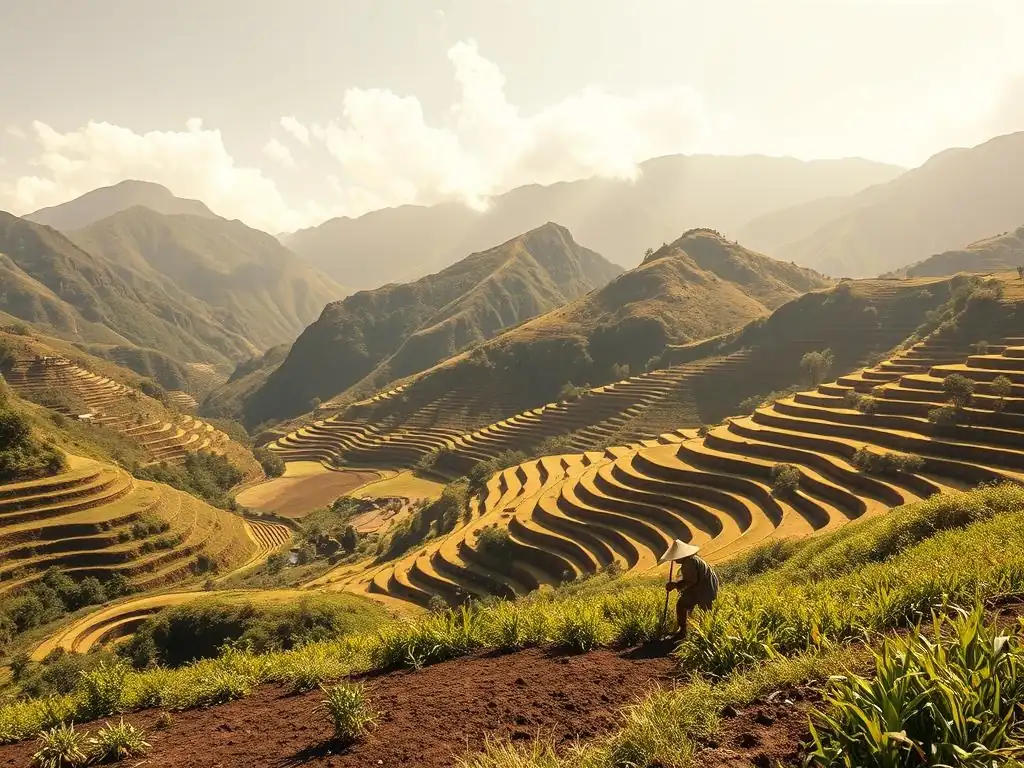
Terra Preta, often referred to as "black earth," is a distinctive type of soil found in the Amazon Basin, renowned for its dark color and remarkable fertility. This soil, which is rich in organic matter, is a product of ancient agricultural practices by indigenous peoples, including the Incas. It is characterized by a high concentration of charcoal, nutrients, and microorganisms, which contribute to its enhanced fertility compared to surrounding soils.
The unique composition of Terra Preta includes:
- High organic carbon content: Typically ranging from 5% to 10%, which is significantly higher than that of typical tropical soils, making it conducive for agriculture.
- Nutrient-rich: Contains essential nutrients such as nitrogen, phosphorus, and potassium, which are vital for plant growth.
- Improved moisture retention: The structure of Terra Preta allows it to hold moisture effectively, which is crucial in the often dry conditions of the Amazon.
This soil type not only supports diverse plant life but also plays a role in carbon sequestration, helping mitigate the effects of climate change.
Methods of Creating Terra Preta
The creation of Terra Preta is attributed to several ancient practices, primarily involving the intentional mixing of organic materials. The Incas, along with other indigenous cultures, utilized various methods to enhance soil fertility:
- Charcoal application: Known as biochar, this process involves the burning of organic materials in a low-oxygen environment, creating charcoal that is then mixed into the soil. This not only adds carbon but also improves soil structure and nutrient retention.
- Manure and composting: The incorporation of animal manure and composted plant materials enriches the soil with nutrients. The Incas may have gathered waste from their llamas and alpacas, mixing it with plant residues to create a nutrient-dense amendment.
- Crop rotation and polyculture: By alternating crops and combining different species, the Incas enhanced soil health and reduced pest pressures. This diversity contributed to the buildup of organic matter and improved the soil ecosystem.
- Incorporation of fish remains: The practice of including fish remains in the soil provided a rich source of nitrogen and phosphorus, further enriching the Terra Preta.
The combination of these techniques resulted in a highly fertile environment capable of supporting intensive agriculture in the challenging Andean landscape.
Advantages of Terra Preta in Inca Agriculture
The advantages of Terra Preta for Inca agriculture were profound, directly influencing their ability to sustain large populations and complex societies. Key benefits include:
- Enhanced crop yields: The nutrient-rich environment supported higher productivity, allowing the Incas to cultivate a variety of crops, including maize, potatoes, and quinoa, which were essential to their diet.
- Sustainability: The regenerative nature of Terra Preta meant that it could sustain agricultural practices over longer periods without the need for chemical fertilizers, which were not available to the Incas.
- Resilience to environmental stress: The moisture-retaining properties of Terra Preta helped crops survive periods of drought, which is particularly important in the variable climate of the Andes.
- Soil health: The rich microbial life in Terra Preta improved soil health, promoting nutrient cycling and reducing the impact of soil erosion.
The innovative soil management techniques employed by the Incas, particularly through the creation and utilization of Terra Preta, exemplify their deep understanding of sustainable agriculture and their ability to thrive in a challenging environment. This legacy continues to influence modern agricultural practices and highlights the importance of indigenous knowledge in soil management.
Terracing: Innovative Solutions for Steep Landscapes
Introduction to Inca Terracing Techniques
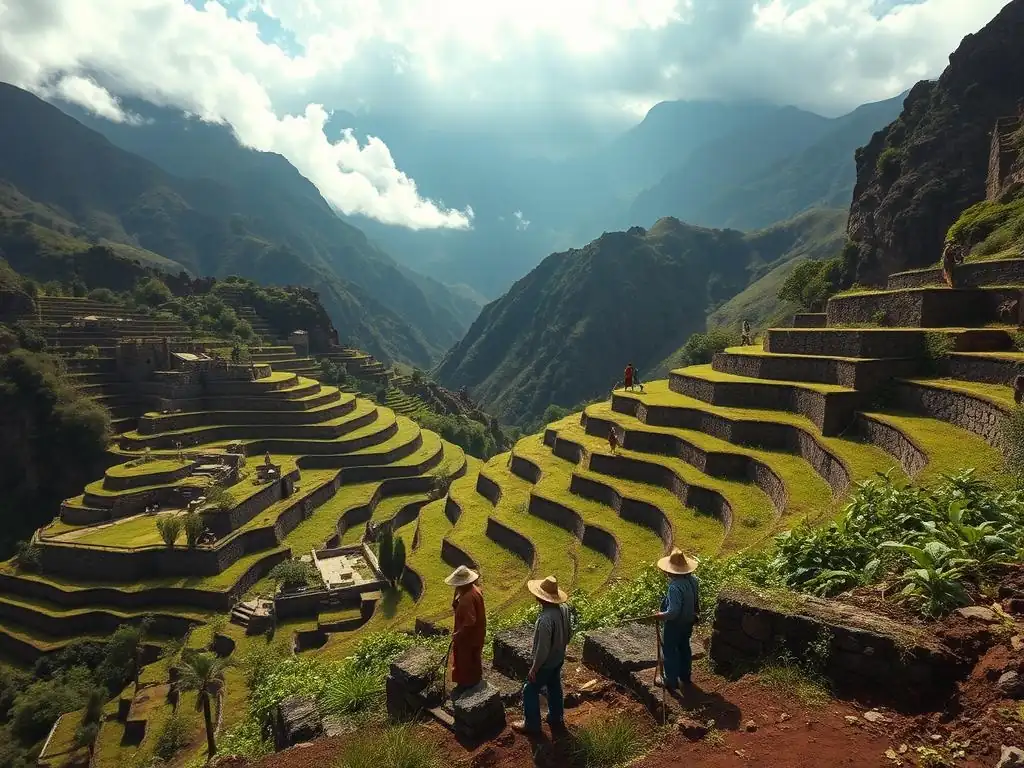
The Inca civilization, renowned for its exceptional agricultural practices, developed terracing as a solution to the challenges posed by their mountainous environment. This innovative technique involved the creation of flat, arable land on steep slopes by constructing a series of step-like platforms. These terraces not only provided additional farmland but also played a crucial role in soil conservation and water management.
The Inca used a variety of materials for construction, including stone, earth, and vegetation, depending on the local resources available. The terraces were often supported by retaining walls, which helped prevent soil erosion and runoff, allowing for sustainable farming in areas that would otherwise be unmanageable. By optimizing the use of the land, the Incas were able to cultivate a diverse array of crops, including potatoes, maize, and quinoa, contributing to their agricultural success.
Engineering Marvels: How Inca Terraces Were Constructed
The construction of Inca terraces was a remarkable feat of engineering that demonstrated the civilization's advanced understanding of their environment. The process began with careful site selection, where the Incas would assess the slope, soil type, and water availability.
- Site Preparation:
- Clearing: The area was cleared of vegetation and debris.
- Surveying: Engineers measured the slope to design terraces that would maximize arable land while minimizing erosion.
- Terrace Construction:
- Retaining Walls: Stone walls were built to hold the soil in place. These walls provided structural support and helped retain moisture.
- Soil Filling: The terraces were filled with soil, which was often enriched with organic material to enhance fertility.
- Irrigation Systems: Channels were constructed to direct water from nearby streams or rainfall to irrigate the terraces effectively.
- Planting:
- Different crops were planted on each terrace, utilizing companion planting techniques to enhance growth and pest resistance. The Incas understood the benefits of crop rotation and biodiversity, ensuring sustainable yields.
Benefits of Terracing for Soil Conservation
Terracing played a pivotal role in soil conservation within the Inca agricultural system. The benefits are numerous:
- Erosion Control: By breaking the slope into smaller, flatter sections, terracing significantly reduced soil erosion. The retaining walls prevented soil from washing away during heavy rains.
- Water Management: Terraces allowed for better water retention and management. The flat surfaces helped capture rainwater, minimizing runoff and ensuring that water penetrated the soil effectively.
- Microclimates: The design of the terraces created diverse microclimates, which allowed for a variety of crops to thrive. The variations in elevation and exposure to sunlight contributed to different growing conditions across the terraces.
- Soil Fertility: The Incas implemented practices such as the addition of organic matter and crop rotation, which enhanced soil fertility over time. This sustainable approach ensured that the soil remained productive for generations.
Inca terracing techniques exemplify the civilization's ingenuity and deep connection to their environment. By transforming steep landscapes into productive agricultural areas, the Incas not only ensured their survival but also laid the foundation for a rich agricultural heritage that continues to be studied and admired today.
Crop Rotation and Companion Planting in Inca Agriculture
Understanding Inca Crop Rotation Practices
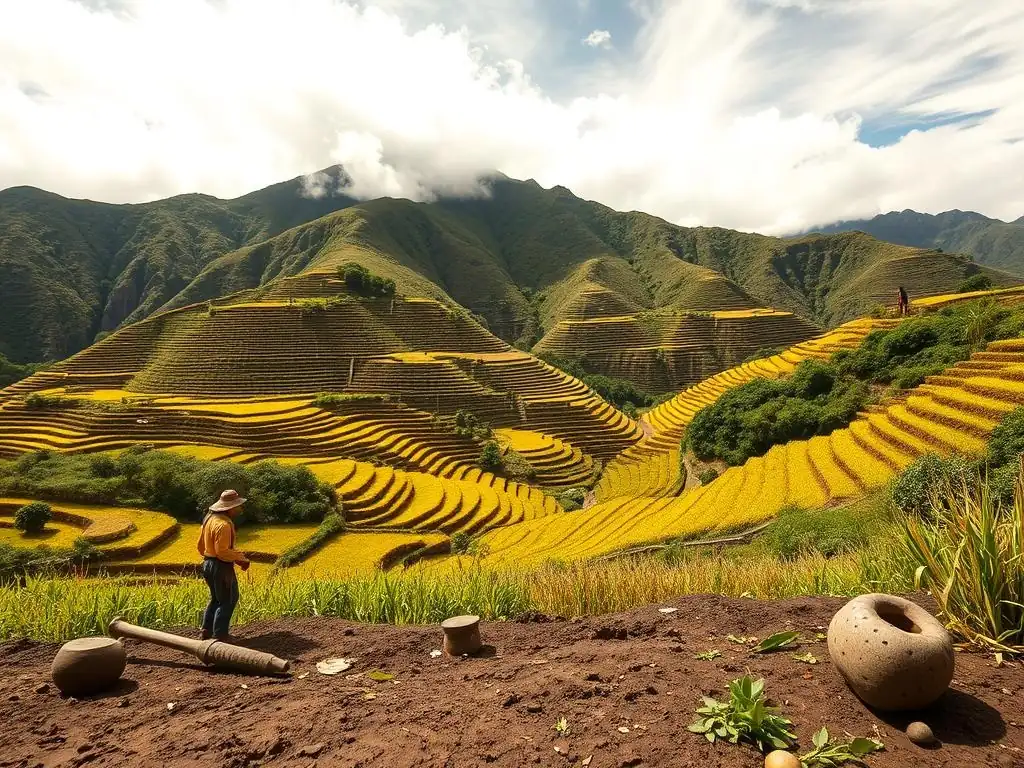
Crop rotation was a fundamental practice in Inca agriculture, designed to optimize soil health and enhance agricultural productivity. The Incas understood the importance of rotating different crops to prevent soil depletion and combat pests and diseases. By alternating crops, they could maintain a balance of nutrients in the soil, which is crucial for sustaining high yields.
The Inca farmers typically rotated staple crops such as maize, quinoa, and potatoes. The practice involved planting one crop in a specific field for a season while letting another field lie fallow or grow a different crop. This not only helped in replenishing soil nutrients but also disrupted the life cycles of pests and diseases that tend to affect specific crops. For instance, after a season of maize, a field might be planted with legumes, which are known to fix nitrogen in the soil, enriching it for subsequent crops.
Key Benefits of Crop Rotation:
- Nutrient Management: Different crops have varying nutrient requirements, and rotating them helps maintain a balanced nutrient profile in the soil.
- Pest Control: Crop rotation interrupts the life cycles of pests, reducing their populations and minimizing damage to crops.
- Soil Structure Improvement: Different root structures from various crops can enhance soil aeration and improve drainage.
The Role of Companion Planting in Soil Fertility
Companion planting was another innovative technique employed by the Incas to enhance soil fertility and promote healthy crop growth. This practice involves planting different crops in proximity for mutual benefit. The Incas often combined crops such as maize, beans, and squash, a trio known as the "Three Sisters."
The benefits of companion planting are manifold:
- Mutual Support: For example, maize provides a natural support structure for climbing beans, while beans fix nitrogen in the soil, benefiting the maize and squash.
- Pest Deterrence: Certain plants can repel pests that might otherwise harm neighboring crops. This natural pest control reduces the need for chemical interventions.
- Microclimate Creation: Companion plants can help regulate moisture and shade, creating a favorable microenvironment for all plants involved.
These practices not only enhanced soil fertility but also contributed to the overall resilience of the agricultural system, allowing the Incas to sustain their civilization's food needs over centuries.
Impact of These Techniques on Yields and Sustainability
The implementation of crop rotation and companion planting had a profound impact on the agricultural yields and sustainability of Inca farming. By utilizing these techniques, the Incas were able to maximize production in their diverse ecological landscapes, from the high Andes to the valleys below.
Notable Outcomes:
- Increased Crop Diversity: The use of these techniques resulted in a wider variety of crops grown in a single area, which increased food security and dietary diversity.
- Sustainable Practices: By maintaining soil health through rotation and companion planting, the Incas established a sustainable agricultural system that could support large populations without depleting resources.
- Long-Term Soil Health: These practices contributed to long-term soil fertility, allowing the Inca civilization to thrive for centuries without the destructive agricultural practices often seen in other cultures.
Inca soil management techniques, particularly crop rotation and companion planting, were crucial innovations that not only enhanced agricultural productivity but also promoted sustainability, ensuring the resilience of their civilization. The legacy of these practices continues to inform modern sustainable agriculture today.
Integration of Inca Soil Management Techniques
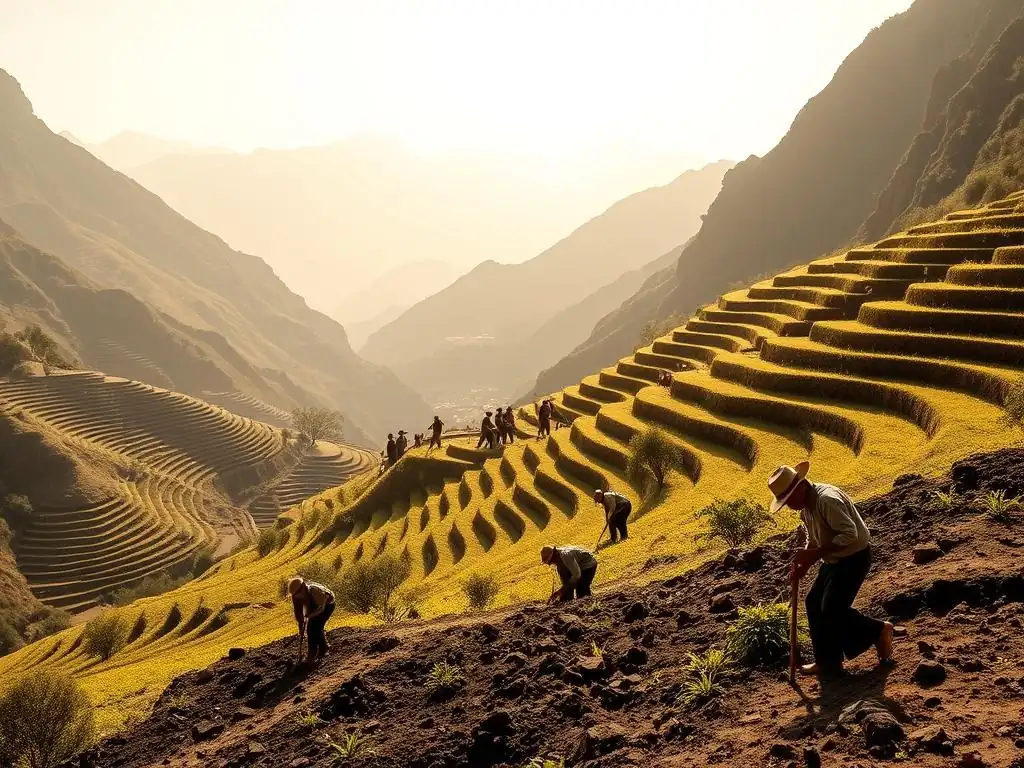
The Inca civilization, renowned for its advanced agricultural practices, developed innovative soil management techniques that played a pivotal role in their ability to sustain large populations in the challenging Andean environment. Two of the most remarkable methods employed by the Incas were terra preta and terracing, which together created a synergistic approach to farming that maximized productivity while preserving the ecosystem.
The Synergy of Terra Preta and Terracing
The Inca utilized terra preta, or "black earth," a nutrient-rich soil created through the incorporation of organic materials such as charcoal, bone, and manure. This soil was exceptionally fertile and capable of retaining moisture, making it ideal for agriculture in the arid regions of the Andes. The creation of terra preta involved several steps:
- Charcoal Production: The Incas produced charcoal through controlled burning of biomass. This charcoal served not only as a soil amendment but also as a means to sequester carbon.
- Organic Matter Addition: Incorporating plant residues, animal waste, and even fish remains into the soil enhanced nutrient levels, further boosting fertility.
- Soil Aeration: The porous structure of terra preta improved aeration, allowing roots to access oxygen more easily, which is crucial for plant health.
In conjunction with terra preta, the Incas implemented terracing, a technique used to transform steep landscapes into arable land. The benefits of terracing included:
- Erosion Control: By creating flat surfaces on sloped areas, terracing reduced soil erosion caused by rain and wind, preserving the integrity of the soil.
- Water Management: Terraces optimized water retention and distribution by slowing down water runoff, allowing it to seep into the soil and nourish plants effectively.
- Microclimate Creation: Terraces facilitated the development of microclimates, enabling the cultivation of diverse crops suited to varying environmental conditions.
This synergy between terra preta and terracing exemplified the Incas' profound understanding of their environment and their ability to manipulate it for sustainable agricultural practices.
Holistic Approaches to Sustainable Agriculture
The Inca soil management techniques were not merely focused on immediate agricultural output; they reflected a holistic approach that considered the long-term health of the ecosystem. Several principles can be identified within this framework:
- Biodiversity Promotion: The Incas planted a variety of crops, including potatoes, maize, and quinoa, which enhanced soil health and resilience against pests and diseases.
- Crop Rotation: To maintain soil fertility, the Incas practiced crop rotation, alternating between different types of crops to prevent nutrient depletion.
- Integration of Livestock: Animals were an integral part of Inca agriculture. Their manure was used to enrich the soil, while their grazing patterns helped manage vegetation growth.
These practices demonstrate that Inca soil management was deeply intertwined with their cultural values and environmental stewardship, highlighting a sophisticated understanding of sustainable agriculture that is often overlooked.
Lessons from Inca Soil Management for Modern Practices
In today's context, the principles of Inca soil management techniques offer valuable lessons for sustainable agriculture worldwide. As modern farming faces challenges such as soil degradation, climate change, and food security, the Inca methods provide insights into:
- Enhancing Soil Fertility: The use of organic amendments, similar to the terra preta approach, can improve soil health and carbon sequestration in contemporary agricultural systems.
- Adopting Terracing: In areas prone to erosion, terracing can be an effective way to stabilize soil and manage water resources, particularly in mountainous regions.
- Emphasizing Biodiversity: Encouraging the cultivation of diverse crops not only supports ecosystem health but also builds resilience in the face of climate variability.
By embracing these ancient techniques, modern farmers can create more sustainable practices that honor the legacy of the Inca civilization while addressing contemporary agricultural challenges. The integration of traditional methods with modern technology may pave the way for a more sustainable future in agriculture.
Conclusion: Legacy of Inca Innovations in Soil Management
The Inca civilization's soil management techniques represent a profound legacy that extends far beyond their time. Their innovative practices, which included techniques such as terracing, the use of terra preta (dark earth), and advanced irrigation systems, fundamentally transformed agriculture in the Andean region. These methods allowed the Incas to cultivate crops on steep mountain slopes, optimizing land use in a challenging environment. The impact of these innovations is still evident today, as they laid the groundwork for sustainable agricultural practices that continue to inspire modern farming.
Lasting Impact on Agricultural Practices
The agricultural techniques developed by the Incas have had a lasting impact on farming practices in the Andes and beyond. Their terracing systems, which enabled efficient water management and reduced soil erosion, are still in use today. These terraces not only maximized arable land but also improved crop yields significantly. The cultivation of crops like maize, potatoes, and quinoa was revolutionized by these techniques, leading to increased food security for local populations.
The use of terra preta, a nutrient-rich soil created through the incorporation of organic matter and charcoal, has influenced modern sustainable agriculture. This practice highlights the importance of soil health and the role of organic amendments in enhancing soil fertility. Contemporary farmers are increasingly recognizing the value of building healthy soils through organic practices, echoing the wisdom of the Incas.
| Inca Technique | Description | Modern Application |
|---|---|---|
| Terracing | Stepped farming on slopes to reduce erosion | Current hillside farming practices |
| Terra Preta | Fertile soil created through organic materials | Emphasis on soil health and organic farming methods |
| Irrigation Systems | Advanced aqueducts and canals for water distribution | Modern irrigation techniques adapted for efficiency |
Relevance to Contemporary Indigenous Agricultural Knowledge
The Inca soil management techniques are not only significant in historical terms but also relevant to contemporary indigenous agricultural knowledge. Many Indigenous communities today continue to utilize traditional farming methods that resonate with Inca practices. The integration of ecological knowledge and sustainable techniques is central to their agricultural philosophies.
These communities often emphasize biodiversity, crop rotation, and the use of organic materials, reflecting the Inca understanding of the land's capacity and limits. The revival and preservation of these techniques are crucial in addressing modern agricultural challenges such as climate change, soil degradation, and food insecurity.
Moreover, the resurgence of interest in indigenous knowledge systems invites a broader appreciation for the contributions of Indigenous peoples to agriculture. By recognizing and valuing these practices, there is potential for collaborative efforts to enhance agricultural resilience and sustainability in various regions.
The Inca innovations in soil management not only transformed their societies but continue to influence agricultural practices today. Their legacy serves as a reminder of the importance of sustainable farming, informed by centuries of wisdom and ecological understanding.
Frequently Asked Questions
What are Inca soil management techniques?
Inca soil management techniques include terracing, crop rotation, and the use of Terra Preta, which enhanced soil fertility and supported agriculture in mountainous regions.
How did terracing benefit the Incas?
Terracing allowed the Incas to create flat land on steep slopes, preventing soil erosion and maximizing arable land for crops, leading to increased agricultural productivity.
What is Terra Preta and why is it significant?
Terra Preta is a type of fertile soil created by indigenous peoples, including the Incas, through the incorporation of charcoal, organic matter, and nutrients, which significantly improved soil quality.
Did the Incas use any specific crops in their soil management practices?
Yes, the Incas cultivated a variety of crops, including potatoes, maize, and quinoa, using their advanced soil management techniques to adapt to different environmental conditions.
What lasting impacts did Inca soil management have on agriculture?
The Inca's innovative soil management techniques not only improved food production during their time but also influenced modern agricultural practices in the Andes and beyond, showcasing their sustainable methods.
Final Reflection: The Enduring Legacy of Inca Soil Management Techniques
In an era where sustainable agriculture is more crucial than ever, the Inca soil management techniques serve as a powerful reminder of our ancestors' ingenuity and adaptability. The practices of terra preta and terracing not only highlight the Inca's deep understanding of their environment but also resonate with today's challenges in food security and environmental sustainability. As we face the pressing issues of climate change and soil degradation, the wisdom embedded in these ancient techniques becomes increasingly relevant, urging us to look back in order to move forward.
The influence of Inca soil management techniques extends far beyond their historical context; they continue to shape our cultural and agricultural landscapes today. Modern agricultural practices are beginning to embrace the principles of sustainability and conservation that the Incas mastered centuries ago. As we strive to cultivate our land responsibly, we can draw inspiration from the Inca's harmonious relationship with nature. We do not inherit the earth from our ancestors; we borrow it from our children.
This quote encapsulates the essence of stewardship that the Inca exemplified, reminding us that our actions today will impact future generations.
As we reflect on the lessons learned from the Inca civilization, I invite you to consider how you can incorporate these timeless principles into your own life. Whether it's adopting sustainable practices in your garden, supporting local agriculture, or advocating for environmental stewardship, every small action contributes to a larger movement towards sustainability. Let the innovations of the past inspire a commitment to nurturing our planet, ensuring that the legacy of the Inca continues to thrive for generations to come.
Unleash Your Gardening Potential Today!
Thank you for taking the time to explore the fascinating innovations in soil management from the Inca civilization! You've gained valuable insights into sustainable practices that can transform your own garden. Now, it’s your turn to put this knowledge into action!
Here are some practical steps you can take right now:
- Start incorporating biochar into your soil to enhance its fertility and water retention, similar to the methods used by the Incas with their rich soil techniques.
- Create raised beds or terraces in your garden to optimize space and improve drainage, drawing inspiration from ancient agricultural practices.
- Share your journey by engaging with local gardening communities, exchanging tips, and receiving feedback on your soil management strategies!
Which innovative techniques from the Inca civilization will you adopt in your own sustainable gardening endeavors?