
Empowering Knowledge: Discover Our Virtual Courses on Indigenous Heritage

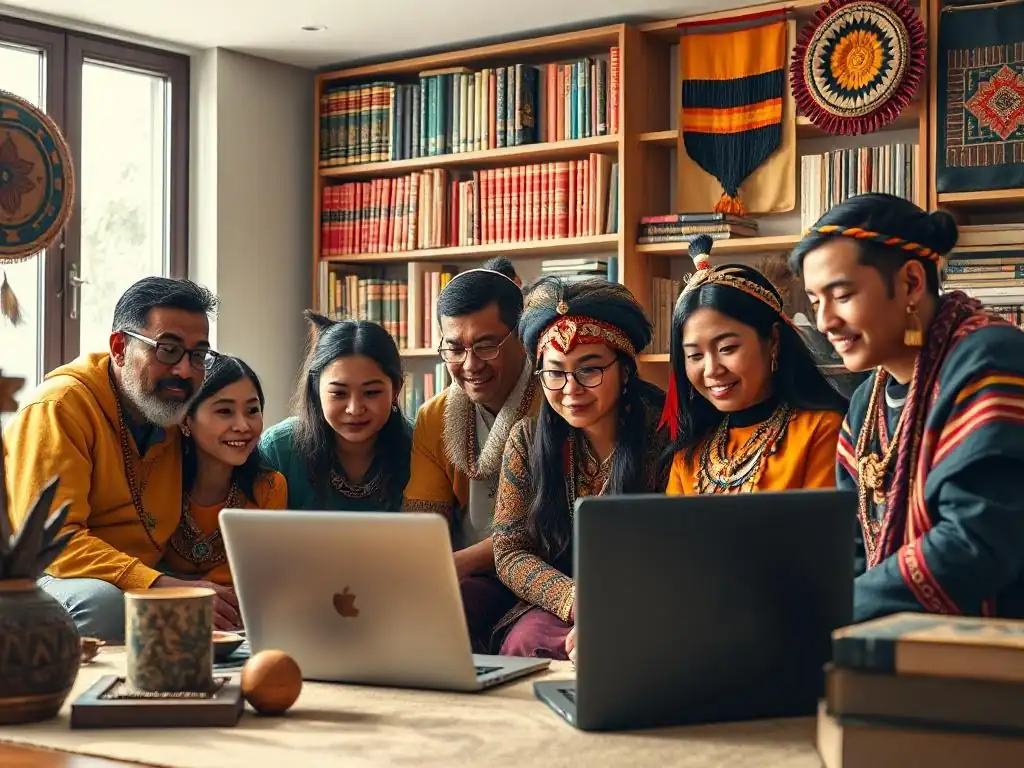
Welcome to Indigenous Civilizations of the Americas, where we invite you to embark on an enlightening journey through the rich tapestry of indigenous cultures that flourished across the Americas long before European contact. Here, you'll uncover the remarkable achievements and vibrant societies that have shaped our history. Are you curious about how these cultures continue to influence our world today? Dive into our featured article, “Empowering Knowledge: Discover Our Virtual Courses on Indigenous Heritage,” and explore the transformative learning experiences that await you. Your adventure into the depths of indigenous heritage starts now!
Indigenous cultures of the Americas represent a rich tapestry of traditions, languages, and histories that span thousands of years. As the world increasingly recognizes the importance of cultural diversity, understanding these civilizations becomes essential not only for appreciating our collective human heritage but also for fostering respect and inclusivity.
This article serves as a gateway to our virtual courses on indigenous cultures, inviting you to delve into the achievements, beliefs, and enduring legacies of the indigenous peoples who inhabited the Americas long before European contact. Through these courses, we aim to empower learners with knowledge that honors and elevates indigenous perspectives, ensuring that the stories and contributions of these civilizations are preserved and celebrated.
Introduction to Indigenous Cultures and Their Significance
Indigenous cultures in the Americas are defined by their unique worldviews, social structures, and connections to the land. These cultures have developed distinct languages, art forms, and governance systems that reflect their histories and relationships with the environment. The significance of studying these cultures lies not only in recognizing their past but also in understanding their contemporary relevance. Engaging with indigenous knowledge systems can provide insights into sustainable practices, social justice, and cultural resilience.
Exploring Our Virtual Courses on Indigenous Cultures
In response to a growing interest in indigenous heritage, we have developed a series of virtual courses on indigenous cultures designed to cater to diverse learning preferences and backgrounds. These courses offer a blend of theoretical knowledge and practical insights, allowing participants to engage deeply with the subject matter while fostering a greater appreciation for the richness of indigenous traditions.
What Are Virtual Courses on Indigenous Cultures?
Virtual courses on indigenous cultures are online educational programs that explore various aspects of indigenous life, history, and contributions. They utilize multimedia resources such as videos, interactive discussions, and reading materials to create an immersive learning experience. Participants can learn at their own pace, making these courses accessible to anyone interested in deepening their understanding of indigenous heritage.
Course Highlights and Features
Our virtual courses are designed with the learner in mind, featuring:
- Diverse Topics: Covering a wide range of subjects, including traditional practices, art, governance, and sustainable living.
- Expert Instructors: Courses are led by knowledgeable educators and indigenous community members who bring authentic perspectives.
- Interactive Learning: Engaging activities, discussions, and assessments to enhance understanding and retention.
- Flexible Access: Available online, allowing participants to learn from anywhere at any time.
By enrolling in these courses, learners can play a part in preserving and promoting indigenous cultures, contributing to a more inclusive and informed society.
The Importance of Indigenous Knowledge
Indigenous knowledge represents a profound understanding of the land, culture, and social structures of various communities that have existed for thousands of years. This knowledge has been passed down through generations, encompassing a wide range of practices, beliefs, and values that are intricately linked to the environment and community life. Recognizing the importance of indigenous knowledge is crucial not only for preserving these rich traditions but also for fostering respect and understanding among diverse cultures.
Indigenous knowledge systems offer unique insights into sustainable practices, environmental stewardship, and holistic health approaches that have been honed over centuries. These perspectives can greatly enrich modern discussions surrounding conservation, agriculture, and social justice. By integrating indigenous wisdom into contemporary frameworks, we can address pressing issues like climate change and social inequality more effectively.
Moreover, indigenous knowledge serves as a vital component of cultural identity. For many communities, it is a source of pride and a foundation for resilience, as it fosters a sense of belonging and continuity in the face of external challenges. Engaging with indigenous knowledge not only helps preserve these cultures but also promotes a more inclusive narrative that honors their contributions to humanity.
Understanding Indigenous Wisdom and Practices
Understanding indigenous wisdom requires an appreciation of diverse cultural practices, languages, and worldviews that shape how different communities interact with their environment. Each indigenous group possesses a unique body of knowledge that reflects their history, spirituality, and relationship with the land.
For instance, many indigenous peoples practice traditional ecological knowledge (TEK), which emphasizes a deep connection with nature and recognizes the importance of biodiversity. This knowledge is often relational, emphasizing the interdependence of all living things and highlighting the spiritual significance of the land.
Incorporating indigenous wisdom into educational frameworks allows learners to explore holistic approaches to health, agriculture, and environmental conservation. Such practices, often rooted in oral traditions, storytelling, and ceremonies, provide a rich context for understanding the complexities of indigenous cultures and their contributions to global knowledge systems.
Case Studies from Our Courses
Our virtual courses on indigenous cultures feature an array of case studies that highlight the richness and diversity of indigenous knowledge. For example, one course explores the traditional agricultural practices of the Inca civilization, focusing on their innovative terracing techniques and crop diversification methods that enhanced food security in the Andes.
Another case study delves into the cultural significance of the potlatch ceremony among various Indigenous groups of the Pacific Northwest. This examination reveals how such gatherings serve not only as social events but also as crucial mechanisms for redistributing wealth and reinforcing social ties within communities.
Additionally, our courses offer insights into the medicinal practices of Indigenous peoples, showcasing how traditional healing methods often complement modern medicine. These case studies serve to illuminate the practical applications of indigenous knowledge, allowing learners to understand its relevance in contemporary society.
Benefits of Enrolling in Virtual Courses on Indigenous Cultures
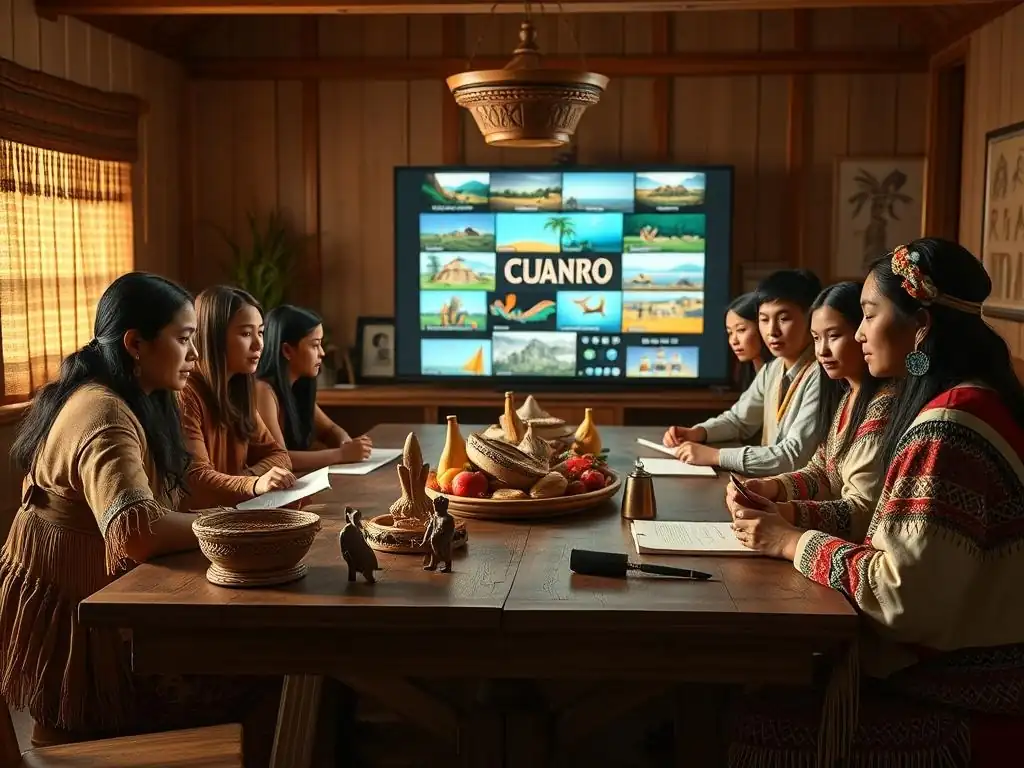
Enrolling in virtual courses on indigenous cultures provides numerous benefits that extend beyond mere academic knowledge. These courses foster a deeper appreciation for the intricacies of indigenous heritage while promoting respect for diverse cultural narratives.
Flexible Learning Opportunities
One of the primary advantages of virtual courses is the flexibility they offer. Participants can learn at their own pace, accessing materials and lectures at times that suit their schedules. This flexibility allows individuals from various backgrounds and commitments to engage with the courses without the constraints of traditional classroom settings.
Furthermore, virtual courses often incorporate a variety of learning modalities, including videos, readings, discussions, and interactive activities. This diversity in teaching methods caters to different learning styles, making education accessible and engaging for all participants.
The online format also enables learners to connect with instructors and peers from around the world, broadening their perspectives and enriching their educational experience. By providing diverse resources and flexible schedules, virtual courses empower individuals to explore their interests in indigenous cultures meaningfully.
Networking and Community Engagement
Participating in virtual courses on indigenous cultures fosters networking and community engagement among learners. These courses often attract individuals passionate about indigenous heritage, creating a community of like-minded individuals who can share insights, experiences, and resources.
Through discussion forums, group projects, and interactive sessions, participants can connect with experts in the field and other learners, establishing valuable relationships that may extend beyond the duration of the course. This network not only enhances the learning experience but also promotes ongoing dialogue and collaboration in preserving and promoting indigenous cultures.
Moreover, community engagement is integral to our courses, often involving partnerships with indigenous organizations and communities. This collaborative approach allows learners to gain firsthand knowledge from indigenous voices and perspectives, ensuring a more authentic and respectful representation of their cultures. By engaging with these communities, participants contribute to the broader goal of cultural preservation and understanding.
How to Choose the Right Virtual Course on Indigenous Cultures
Choosing the right virtual course on indigenous cultures can be a transformative experience, allowing individuals to deepen their understanding of the rich histories, traditions, and contributions of indigenous peoples across the Americas. With a plethora of options available, it's essential to navigate the selection process thoughtfully. Here are key considerations to help you make an informed choice.
Factors to Consider When Selecting a Course
-
Course Content and Curriculum:
Look for courses that offer a comprehensive curriculum covering various aspects of indigenous cultures, such as art, history, language, and social structures. Review the syllabus to ensure it aligns with your interests and educational goals.
-
Instructor Credentials:
Investigate the qualifications and backgrounds of the instructors. Experts with extensive knowledge in indigenous studies, anthropology, or history can provide valuable insights and a richer learning experience.
-
Format and Learning Style:
Consider whether you prefer synchronous (live classes) or asynchronous (self-paced) learning. Choose a format that fits your schedule and learning preferences, ensuring you can engage fully with the material.
-
Engagement Opportunities:
Look for courses that offer interactive elements such as discussion forums, group projects, or live Q&A sessions. Engaging with peers and instructors enhances the learning experience and fosters a sense of community.
-
Accreditation and Recognition:
Ensure the course is offered by a reputable institution or organization. Accredited programs often provide a more structured learning environment and may offer certificates or credits upon completion.
-
Cost and Accessibility:
Compare course fees and consider any available financial aid or scholarships. Additionally, check if the course provides accessible materials for diverse learning needs.
Recommendations for Specific Interests
- For Art Enthusiasts: Look for courses focused on indigenous art forms, which often include hands-on projects and discussions about cultural significance.
- History Buffs: Consider courses that delve into specific historical events or periods, such as the impact of colonization on indigenous societies.
- Language Learners: Seek out programs that offer language immersion, allowing you to learn indigenous languages and understand their cultural contexts.
- Social Justice Advocates: Explore courses that address contemporary issues facing indigenous communities, including activism and rights discussions.
Testimonials and Success Stories
Hearing from past participants can provide invaluable insight into the effectiveness and impact of virtual courses on indigenous cultures. Here are some experiences shared by individuals who have embarked on these educational journeys.
Experiences from Past Participants
-
Maria, Educator:
"Taking a virtual course on indigenous cultures transformed my teaching approach. I gained a deeper understanding of the history and contributions of indigenous peoples, which I now integrate into my curriculum. The discussions with fellow educators were particularly enriching."
-
John, Graduate Student:
"I was blown away by the depth of knowledge shared in my course. The instructor was not only knowledgeable but also actively involved in indigenous communities. This course motivated me to conduct my own research on indigenous rights."
-
Emily, Cultural Enthusiast:
"The interactive elements of the course made it engaging. I loved collaborating with peers from different backgrounds, and I now have a network of friends who share my passion for indigenous cultures. It was an eye-opening experience!"
-
David, Community Activist:
"This course provided me with the tools to advocate for indigenous rights effectively. The case studies and real-life examples helped me understand the challenges faced by these communities, and I feel more empowered to make a difference."
These testimonials highlight the diverse benefits of participating in virtual courses on indigenous cultures, illustrating their potential to foster understanding, connection, and positive action.
Conclusion: Take the Next Step in Your Learning Journey
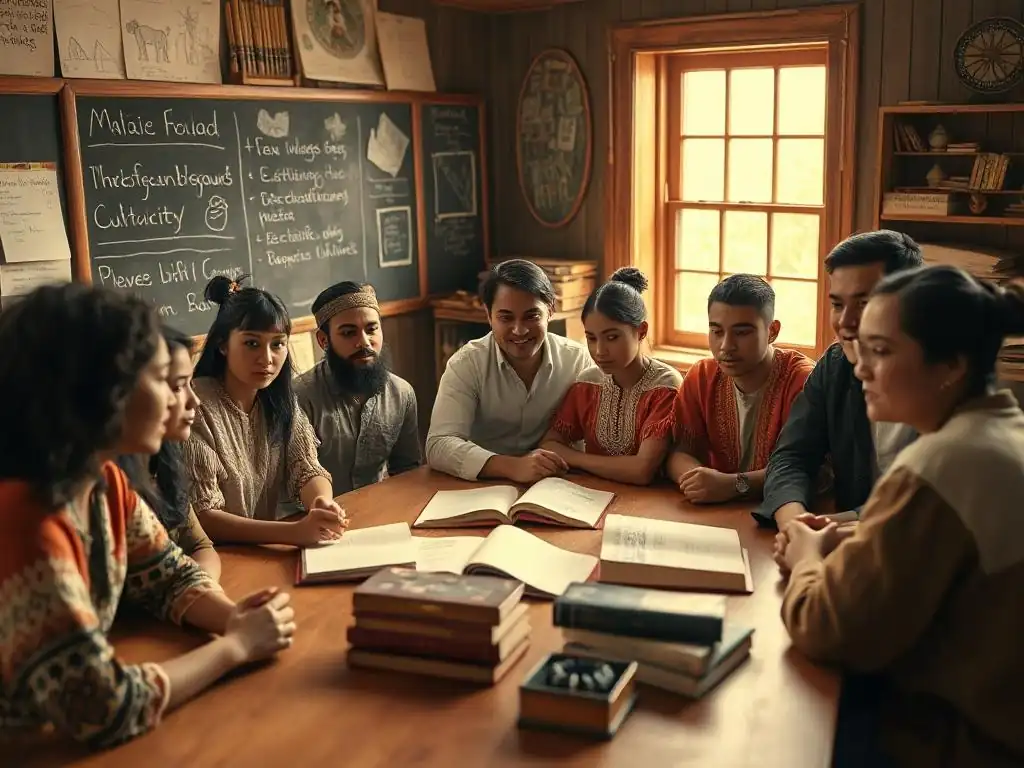
As you embark on the journey to explore the rich tapestry of indigenous cultures, our virtual courses on indigenous heritage serve as an invaluable resource. By enrolling in these courses, you not only gain knowledge but also contribute to the preservation and appreciation of diverse indigenous histories and traditions. Whether you are a student, educator, or simply someone with a passion for learning, these courses provide a unique opportunity to engage with the narratives that shape the identities of indigenous peoples across the Americas.
We encourage you to take the next step in your learning journey by signing up for our courses. Each program is designed to empower you with insights that are not only educational but also transformative, fostering a deeper understanding of indigenous cultures and their ongoing influence in today's world.
Additional Resources for Further Learning
To enhance your understanding of indigenous heritage beyond our virtual courses, we have compiled a selection of resources that will further enrich your knowledge. These additional materials cover various aspects of indigenous cultures, from historical narratives to contemporary issues, ensuring a well-rounded educational experience.
Recommended Books and Articles on Indigenous Heritage
-
"1491: New Revelations of the Americas Before Columbus" by Charles C. Mann
This book provides a comprehensive look at the Americas before European contact, challenging common misconceptions about indigenous societies.
-
"An Indigenous Peoples' History of the United States" by Roxanne Dunbar-Ortiz
A critical exploration of U.S. history from the perspective of indigenous peoples, highlighting their struggles and resilience.
-
"The Invention of Nature: Alexander von Humboldt's New World" by Andrea Wulf
This work delves into the life of Humboldt and his connection to indigenous cultures, providing insight into how they influenced scientific thought.
-
Articles from the American Indian Culture and Research Journal
A peer-reviewed journal that offers scholarly articles on various aspects of indigenous studies, including culture, history, and contemporary issues.
-
"Indigenous Knowledge and Education" by R. J. (Sonny) Gourd
This article discusses the importance of incorporating indigenous knowledge systems into modern educational frameworks.
Online Platforms and Organizations Supporting Indigenous Education
-
Native Knowledge 360°
An initiative by the Smithsonian National Museum of the American Indian, offering educational resources and professional development for educators focused on indigenous cultures.
-
First Nations Development Institute
This organization provides resources and funding to support economic development and education within indigenous communities.
-
The Indigenous Education Coalition
A platform that promotes access to quality education for indigenous students through advocacy, resources, and community engagement.
-
Coursera and edX
Both platforms offer courses related to indigenous cultures, often in partnership with universities and organizations dedicated to indigenous studies.
Utilizing these resources will not only enhance your understanding of indigenous heritage but also support the ongoing efforts to celebrate and preserve these rich cultures.
Frequently Asked Questions About Our Virtual Courses
What types of virtual courses on indigenous cultures do you offer?
We offer a variety of virtual courses that cover a wide range of topics related to indigenous cultures. These include:
- Historical Perspectives: Courses that delve into the rich histories of various indigenous civilizations, exploring their origins, migrations, and significant events.
- Cultural Practices: Classes focused on traditional practices, including rituals, art forms, and community structures that define indigenous identities.
- Language and Communication: Programs aimed at preserving and teaching indigenous languages, highlighting their importance in cultural heritage.
- Contemporary Issues: Courses that address modern challenges faced by indigenous communities, including social justice, land rights, and cultural preservation efforts.
Who can enroll in these courses?
Our virtual courses are designed for a diverse audience, including:
- Students: Those pursuing academic studies in anthropology, history, or cultural studies can greatly benefit from our offerings.
- Educators: Teachers seeking to incorporate indigenous perspectives into their curriculum will find valuable resources and knowledge.
- Lifelong Learners: Anyone interested in deepening their understanding of indigenous cultures is welcome to participate, regardless of prior knowledge.
How do I access the courses?
Accessing our virtual courses is simple and user-friendly. Once you enroll, you'll receive:
- Login Credentials: An email with your unique login details to access our online learning platform.
- Course Materials: All necessary materials, including readings, videos, and interactive content, will be provided within the platform.
- Support Resources: Access to forums, discussion boards, and instructor support to enhance your learning experience.
Are there any prerequisites for enrollment?
Most of our courses do not have strict prerequisites. However, some advanced courses may recommend prior knowledge or completion of introductory classes. We strive to ensure that all learners, regardless of their background, can engage with the material meaningfully.
What is the duration of the courses?
The duration of our virtual courses varies based on content and depth. Typically, courses range from 4 to 8 weeks, with a commitment of 3 to 5 hours per week. This flexible schedule allows learners to progress at their own pace while balancing other commitments.
Will I receive a certificate upon completion?
Yes! Upon successfully completing a course, participants will receive a certificate of completion. This can be a valuable addition to your resume or portfolio, showcasing your commitment to understanding and appreciating indigenous cultures.
How can I stay updated on new courses?
To stay informed about new offerings, you can:
- Subscribe to Our Newsletter: Regular updates on upcoming courses, events, and resources will be sent directly to your email.
- Follow Us on Social Media: Engage with our community and receive real-time announcements about new courses and educational opportunities.
Can I contact someone if I have more questions?
Absolutely! Our team is here to assist you. If you have any further questions or need clarification, feel free to reach out via our contact form on the website or directly through our customer support email. We’re dedicated to providing you with the information you need to make the most of your learning experience.
- Introduction to Indigenous Cultures and Their Significance
- Exploring Our Virtual Courses on Indigenous Cultures
- The Importance of Indigenous Knowledge
- Benefits of Enrolling in Virtual Courses on Indigenous Cultures
- How to Choose the Right Virtual Course on Indigenous Cultures
- Testimonials and Success Stories
- Conclusion: Take the Next Step in Your Learning Journey
- Additional Resources for Further Learning
- Frequently Asked Questions About Our Virtual Courses
Frequently Asked Questions
What are the main topics covered in the virtual courses on indigenous cultures?
The virtual courses explore various aspects of indigenous heritage, including their achievements, societies, and the lasting impact they have had on the Americas.
How can I enroll in the virtual courses offered?
You can easily enroll by visiting our website, where you will find a section dedicated to virtual courses on indigenous cultures. Simply click on the desired course and follow the enrollment instructions.
Are the virtual courses suitable for all age groups?
Yes, the virtual courses are designed to be inclusive and accessible for participants of all ages, promoting a deeper understanding of indigenous cultures and their contributions to history.
What resources are included in the virtual courses?
The courses include a variety of resources such as video lectures, interactive materials, and reading assignments to enhance your learning experience and provide a comprehensive understanding of indigenous civilizations.
Can I receive a certificate upon completing a virtual course?
Yes, participants will receive a certificate of completion after successfully finishing a course, which can be a valuable addition to your educational credentials related to indigenous heritage.
Final Reflection: Embracing Indigenous Heritage Through Virtual Learning
In today's interconnected world, the importance of understanding and appreciating Indigenous cultures has never been more critical. As we navigate through a rapidly changing society, the need for education that honors and empowers Indigenous voices is paramount. Virtual courses on Indigenous cultures not only provide access to rich histories and traditions but also foster a deeper respect for the diverse narratives that shape our collective identity. This educational journey is not just about learning; it's about transforming perspectives and building bridges across cultures.
The influence of Indigenous knowledge systems continues to resonate within our cultural and social landscapes. These teachings remind us of the profound connections between people and the land, as well as the wisdom embedded in traditional practices. As we engage with these virtual courses, we are not merely students; we become participants in a larger movement toward reconciliation and understanding. Education is the most powerful weapon which you can use to change the world.
– Nelson Mandela. This quote encapsulates the transformative power of education, urging us to embrace the lessons that Indigenous cultures offer.
As you reflect on the insights gained from exploring Indigenous heritage through virtual learning, I invite you to take action. Consider how you can integrate this knowledge into your daily life, advocate for Indigenous rights, and share these stories within your community. By doing so, you contribute to a more inclusive narrative that honors the richness of Indigenous cultures. Let us commit to being lifelong learners, champions of diversity, and stewards of the wisdom that Indigenous peoples have to share. Together, we can create a future that celebrates and uplifts all cultures.
Transform Your Understanding: Enroll in Our Virtual Courses Today!
Thank you for taking the time to explore the richness of Indigenous heritage with us! We hope you found inspiration in the diverse knowledge shared in our resources. Now, let’s deepen that understanding and take concrete steps toward embracing and celebrating this vital aspect of our history.
Here’s how you can get involved:
- Enroll in one of our immersive virtual courses to unlock deeper insights and engage with expert instructors and fellow learners.
- Share your journey by discussing your newfound knowledge with friends or on social media—help us spread awareness about Indigenous cultures!
- Join our community forum to connect with others, share experiences, and engage in meaningful conversations about Indigenous heritage.
What have you discovered today that you can't wait to explore further? We invite you to reflect and share your thoughts with us!