
Explore the Rich Tapestry of Indigenous Cultures: Enroll in Our Virtual Courses

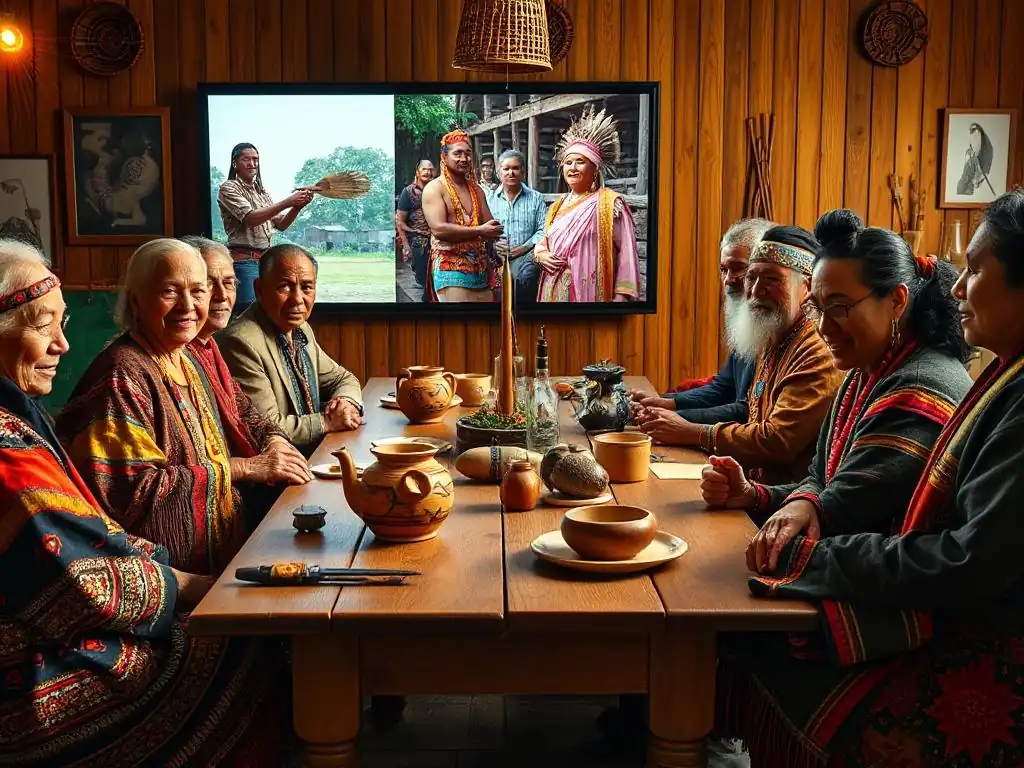
Welcome to Indigenous Civilizations of the Americas, where we invite you to embark on a captivating journey through the rich tapestry of indigenous cultures that flourished long before European colonization. Our website offers a comprehensive exploration of these diverse societies, showcasing their remarkable achievements and enduring legacies. Dive into our main focus on indigenous cultures virtual courses, designed to deepen your understanding and appreciation of these vibrant traditions. As you navigate through our offerings, prepare to uncover fascinating insights that will inspire your learning and ignite your curiosity about the profound impact these civilizations have left on history.
Introduction to Indigenous Cultures and Their Significance
The indigenous cultures of the Americas represent a rich and diverse tapestry of human experience, showcasing the profound achievements and sophisticated societies that flourished long before European colonization. From the majestic civilizations of the Maya and Aztec in Mesoamerica to the intricate societies of the Iroquois and the Plains tribes in North America, these cultures are characterized by their unique languages, traditions, art, and spiritual practices. Understanding the significance of these cultures not only helps preserve their legacy but also sheds light on the complexities of human history and the resilience of indigenous peoples.
As we embark on a journey to explore these vibrant cultures, we uncover the deep-rooted connections that indigenous communities have with their land, their cultural practices, and their identities. This exploration reveals the contributions of indigenous peoples to agriculture, governance, and philosophy, as well as their ongoing impact on contemporary society. Engaging with these narratives is essential for fostering respect and appreciation for the rich cultural heritage that exists within the Americas.
Understanding Indigenous Cultures Virtual Courses
In today's digital age, the opportunity to learn about indigenous cultures has expanded significantly through the advent of virtual courses. These courses offer a unique platform for individuals interested in deepening their knowledge of indigenous heritage, providing access to a wealth of resources and expert insights from the comfort of home.
Benefits of Enrolling in Indigenous Cultures Virtual Courses:
- Accessibility: Virtual courses eliminate geographical barriers, allowing learners from around the world to engage with indigenous cultures.
- Diverse Perspectives: Courses often feature a variety of indigenous voices, ensuring a well-rounded understanding of cultural practices and histories.
- Flexible Learning: Participants can learn at their own pace, accommodating different schedules and learning styles.
By enrolling in these courses, you not only gain valuable knowledge but also contribute to the preservation of these cultures through informed advocacy and support. Whether you are a student, educator, or simply a curious learner, these virtual courses provide an enriching experience that celebrates the resilience and diversity of indigenous peoples.
As we delve deeper into the offerings of these courses, we invite you to join us in exploring the vast and intricate narratives that shape the indigenous cultures of the Americas.
Types of Virtual Courses Available
The virtual courses offered on Indigenous cultures are designed to provide a deep understanding of the diverse and rich heritage of the Americas. These courses cater to various interests and learning styles, ensuring that everyone can find something that resonates with them. Here’s a closer look at the types of courses available:
Comprehensive Courses on Indigenous Civilizations
Comprehensive courses serve as an in-depth exploration of the various indigenous civilizations that flourished across the Americas. These courses cover a wide range of topics, including:
- Historical Context: Understanding the timeline of indigenous cultures before European contact.
- Societal Structures: Exploring governance, social roles, and community dynamics.
- Cultural Practices: Delving into traditions, ceremonies, and daily life among different tribes.
Students will engage with primary sources, archaeological findings, and scholarly discussions, providing a holistic view of indigenous civilizations. These courses often include multimedia resources, discussions with experts, and assessments to enhance learning.
Specialized Courses on Language and Art
For those interested in the unique expressions of indigenous identity, specialized courses on language and art offer focused studies. Key components include:
- Indigenous Languages: Courses that teach the basics of various indigenous languages, their significance, and their cultural contexts.
- Artistic Traditions: An exploration of traditional and contemporary indigenous art forms, including pottery, weaving, and painting.
- Storytelling and Oral Traditions: Understanding the role of narratives in preserving history and cultural values.
These specialized courses encourage creativity and personal expression, allowing learners to appreciate the depth of indigenous artistic contributions.
Interactive Workshops and Seminars
Interactive workshops and seminars provide a hands-on approach to learning about indigenous cultures. These sessions often include:
- Skill-Building Activities: Participants may learn traditional crafts, cooking, or storytelling techniques directly from indigenous practitioners.
- Live Discussions: Engaging with guest speakers and experts fosters a dynamic learning environment where participants can ask questions and share insights.
- Group Projects: Collaborating with peers on projects encourages teamwork and a deeper appreciation for cultural diversity.
These interactive components make learning engaging and memorable, connecting participants with the living cultures of indigenous communities.
Key Features of Our Indigenous Cultures Virtual Courses
Our virtual courses are not just educational; they are crafted with an emphasis on authenticity, accessibility, and community engagement. Here are some key features that set our courses apart:
Expert Instructors with Indigenous Heritage
One of the standout features of our courses is the involvement of expert instructors who have indigenous heritage. This ensures that:
- Authentic Perspectives: Instructors bring personal insights and firsthand experiences that enrich the learning process.
- Cultural Sensitivity: Courses are designed with respect for indigenous knowledge systems and traditions.
- Networking Opportunities: Learners have the chance to connect with instructors and community leaders, fostering ongoing relationships and understanding.
Having instructors from indigenous backgrounds helps to create a culturally rich and respectful educational environment.
Flexible Learning Options
Recognizing the diverse needs of learners, our courses offer flexible learning options, including:
- Asynchronous Learning: Students can access course materials and complete assignments at their own pace, accommodating different schedules and time zones.
- Live Sessions: For those who prefer real-time interaction, live sessions are scheduled to encourage discussions and immediate feedback.
- Multi-Platform Access: Courses can be accessed on various devices, ensuring that learning can happen anywhere, whether at home or on the go.
This flexibility makes our virtual courses accessible to a broader audience, allowing anyone interested in indigenous cultures to participate and enrich their knowledge.
How to Enroll in Indigenous Cultures Virtual Courses
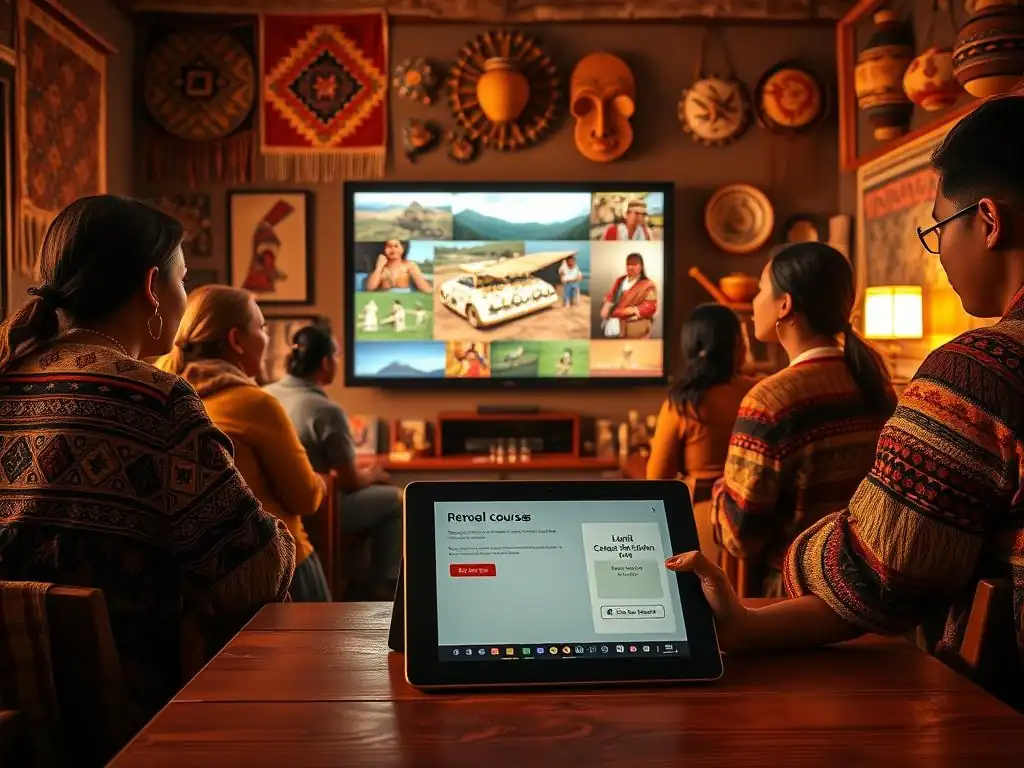
Enrolling in our Indigenous cultures virtual courses is an easy and accessible process designed to cater to learners from all backgrounds. These courses provide a unique opportunity to explore the rich heritages of indigenous peoples across the Americas. To get started, follow these simple steps:
- Visit the Course Catalog: Navigate to the website's course catalog, where you will find a comprehensive list of available courses on indigenous cultures. Each course includes a detailed description, learning objectives, and prerequisites.
- Select Your Course: Choose a course that resonates with your interests. Whether you are passionate about indigenous art, history, language, or social structures, we have something for everyone.
- Create an Account: If you are a new user, you will need to create an account. This process involves providing basic personal information, including your name, email address, and a password.
- Complete Registration: Once your account is set up, you can proceed to register for your chosen course. Be sure to check for any registration fees and payment options.
- Access Course Materials: After enrollment, you will receive access to course materials, including lectures, readings, and multimedia resources. You can begin your learning journey at your own pace.
- Engage and Participate: Join discussions, participate in assignments, and connect with fellow students and instructors. Our virtual platform encourages collaborative learning and engagement.
By following these steps, you can immerse yourself in the vibrant world of indigenous cultures and gain a deeper understanding of their significance and contributions to society.
Real-Life Impact of Learning Indigenous Cultures
Engaging with indigenous cultures through virtual courses offers more than academic knowledge; it fosters personal growth and societal awareness. Participants often experience transformative benefits that extend beyond the virtual classroom. Here are some key impacts:
- Cultural Appreciation: Students develop a profound respect for indigenous cultures, recognizing their complexities and contributions throughout history. This appreciation can lead to more informed perspectives on current social issues.
- Empowerment of Indigenous Communities: By learning about indigenous cultures, participants can advocate for the rights and recognition of these communities. Knowledge gained can influence public opinion and policy-making, fostering greater respect for indigenous voices.
- Personal Growth: Many learners report increased empathy and a broader worldview. Understanding the struggles and triumphs of indigenous peoples can inspire individuals to reflect on their own cultural identities and communities.
- Civic Engagement: Participants often feel motivated to engage with local indigenous communities, whether through volunteering, supporting cultural events, or advocating for indigenous rights. This active involvement strengthens connections and promotes cultural preservation.
Overall, the real-life impact of learning about indigenous cultures extends far beyond the individual, contributing to a more socially conscious and culturally enriched society.
Case Studies of Cultural Revitalization
Numerous indigenous communities have engaged in cultural revitalization efforts, reclaiming their heritage and traditions in contemporary contexts. Here are two inspiring case studies:
- The Maori of New Zealand: The Maori have successfully revitalized their language and cultural practices through educational programs and community initiatives. The "Kohanga Reo" (language nests) movement has established immersion preschools where children learn te reo Maori. This revival has strengthened community bonds and instilled pride in Maori identity.
- The Lakota Nation: The Lakota people have undertaken various initiatives to preserve their language and traditions. Programs like the Lakota Language Consortium work tirelessly to create educational materials and promote language learning among youth. This revitalization not only serves linguistic preservation but also fosters cultural pride and resilience among the Lakota people.
These case studies highlight the power of education and community involvement in cultural revitalization, showcasing how indigenous peoples are reclaiming their narratives and identities.
Testimonials from Participants
Feedback from participants in our indigenous cultures virtual courses reveals the profound impact of these educational experiences. Here are some testimonials:
- Maria S.: "Enrolling in the indigenous cultures course was a life-changing decision for me. I gained insights into the rich traditions of the Anishinaabe people, which opened my eyes to their struggles and resilience. I now feel more connected to my heritage and advocate for indigenous rights."
- John T.: "The course on Andean civilizations exceeded my expectations. The depth of knowledge shared by the instructors and the engaging format made learning enjoyable. I was particularly moved by the emphasis on community values and sustainability in indigenous practices."
- Elaine R.: "Participating in the course on indigenous art was enlightening. I learned not only about the techniques but also the stories and meanings behind the art forms. I now feel inspired to incorporate indigenous perspectives into my own creative work."
These testimonials underscore the transformative power of learning about indigenous cultures, highlighting the course's ability to inspire personal growth, cultural appreciation, and active engagement in societal issues.
Frequently Asked Questions About Indigenous Cultures Virtual Courses
What are Indigenous cultures virtual courses?
Indigenous cultures virtual courses are online educational programs designed to explore and educate participants about the rich and diverse heritage of indigenous peoples across the Americas. These courses cover various topics, including history, art, traditions, languages, and social structures of indigenous civilizations. By leveraging multimedia and interactive platforms, these courses aim to provide an engaging learning experience that highlights the achievements and contributions of indigenous communities.
Who can enroll in these courses?
These courses are open to anyone interested in learning about indigenous cultures, regardless of their prior knowledge or background. Whether you are a student, educator, researcher, or simply someone with a passion for cultural heritage, there is a course suited for your interests and level of expertise. Participants from all over the world can join, making it a unique opportunity to connect and learn from diverse perspectives.
What topics are covered in the courses?
The virtual courses on indigenous cultures encompass a wide range of subjects, including but not limited to:
- Historical Overview: Understanding the timeline and key events that shaped indigenous societies.
- Cultural Practices: Exploring rituals, art, music, and storytelling traditions.
- Language and Communication: Learning about indigenous languages and their significance in cultural identity.
- Social Structures: Examining family structures, governance, and community organization.
- Contemporary Issues: Discussing the challenges faced by indigenous peoples today and their ongoing efforts for recognition and rights.
How are the courses structured?
The courses typically consist of a combination of lectures, readings, multimedia resources, and interactive discussions. Participants may engage with instructors and peers through forums, live sessions, and collaborative projects. Many courses also include assessments to enhance understanding and retention of the material learned. The flexible scheduling allows participants to learn at their own pace, making education accessible to all.
Conclusion: Join Us in Preserving Indigenous Heritage
Enrolling in our virtual courses on indigenous cultures is not just an educational endeavor; it is a meaningful step towards preserving and honoring the rich heritage of indigenous peoples. By participating, you contribute to the recognition of these cultures and their historical significance. Through education, we can foster respect, understanding, and appreciation for the diverse narratives that shape our shared history. Join us in this journey of discovery and empowerment, and help ensure that indigenous voices continue to be heard and celebrated.
Additional Resources
To further enrich your understanding of indigenous cultures, we recommend exploring the following resources:
- Books: Look for literature authored by indigenous writers or scholars that delve into specific cultures or themes.
- Documentaries: Watch films that showcase indigenous stories, traditions, and contemporary issues faced by these communities.
- Online Archives: Access digital collections of artifacts, oral histories, and artworks from various indigenous cultures.
- Podcasts: Listen to discussions featuring indigenous voices and experts who share their insights and experiences.
These resources can complement your learning journey and deepen your appreciation for the vibrant tapestry of indigenous heritage.
Connect with Us
Engaging with the vibrant legacy of indigenous cultures is not just about learning; it's about building a community. At "Indigenous Civilizations of the Americas," we encourage you to connect with us through various platforms to deepen your understanding and appreciation of these rich traditions.
- Social Media: Follow us on our social media channels for daily insights, cultural highlights, and updates about our virtual courses. Stay connected and join the conversation with fellow learners and enthusiasts.
- Email Newsletter: Subscribe to our newsletter to receive exclusive content, course announcements, and invitations to special events. This is a great way to keep informed and engaged with the dynamic world of indigenous cultures.
- Webinars and Live Events: Participate in our interactive webinars and live events where experts in indigenous studies share their knowledge and experiences. These events provide opportunities for real-time discussions and Q&A sessions.
- Community Forums: Join our online forums to connect with other learners, share your thoughts, and ask questions. This collaborative space allows for the exchange of ideas and resources, fostering a sense of community among those passionate about indigenous heritage.
By connecting with us, you not only enhance your learning experience but also contribute to a collective effort to honor and celebrate the diverse cultures that have shaped the Americas. Together, we can ensure that these stories are told and appreciated in their full context.
- Introduction to Indigenous Cultures and Their Significance
- Understanding Indigenous Cultures Virtual Courses
- Types of Virtual Courses Available
- Key Features of Our Indigenous Cultures Virtual Courses
- How to Enroll in Indigenous Cultures Virtual Courses
- Real-Life Impact of Learning Indigenous Cultures
- Frequently Asked Questions About Indigenous Cultures Virtual Courses
- Conclusion: Join Us in Preserving Indigenous Heritage
- Additional Resources
- Connect with Us
- What are the key themes covered in the virtual courses on indigenous cultures?
- How can I enroll in the courses offered on indigenous cultures?
- Are the courses suitable for beginners interested in indigenous cultures?
- What is the duration of the virtual courses on indigenous cultures?
- Will I receive a certificate upon completion of the courses?
Frequently Asked Questions
What are the key themes covered in the virtual courses on indigenous cultures?
The virtual courses focus on the diverse indigenous cultures of the Americas, exploring their achievements, societies, and the lasting impact they had before European colonization.
How can I enroll in the courses offered on indigenous cultures?
You can enroll by visiting the website and navigating to the courses section, where you’ll find options to register for the virtual courses focused on indigenous cultures.
Are the courses suitable for beginners interested in indigenous cultures?
Yes, the courses are designed to be accessible to beginners, providing foundational knowledge about the rich tapestry of indigenous cultures and their histories.
What is the duration of the virtual courses on indigenous cultures?
The duration of the courses varies, with some being self-paced and others having a specific timeline, allowing you to choose a format that fits your schedule.
Will I receive a certificate upon completion of the courses?
Yes, upon successful completion of the courses, participants will receive a certificate that acknowledges their understanding of the indigenous cultures explored during the course.
Final Reflection: Embracing the Wisdom of Indigenous Cultures
The exploration of indigenous cultures through virtual courses is not just an academic endeavor; it is a vital connection to our shared humanity. In today's fast-paced world, where cultural narratives often get overshadowed, understanding and appreciating the rich tapestry of indigenous traditions is more relevant than ever. The knowledge and perspectives offered by these cultures can provide profound insights into sustainability, community, and resilience, reminding us of the importance of preserving our planet and its diverse histories.
Courses that delve into indigenous cultures serve as a bridge, connecting us to the wisdom of those who have lived in harmony with the land for centuries. The ongoing influence of these teachings can be seen in contemporary movements advocating for environmental justice and cultural preservation. As we navigate the complexities of modern life, we can draw inspiration from indigenous philosophies that emphasize respect for nature and community ties. Indigenous peoples are the guardians of the earth's biodiversity and cultural heritage.
This quote encapsulates the essence of why engaging with these cultures is crucial for our collective future.
As you reflect on the insights gained from exploring indigenous cultures through virtual courses, consider how you can integrate these lessons into your own life. Take this opportunity to not only learn but to act—support indigenous voices, advocate for their rights, and share their stories. By doing so, you contribute to a more inclusive and respectful understanding of our global community. Let us honor the richness of indigenous cultures and carry their wisdom forward into the future, fostering a world that values diversity and interconnectedness.
Unveil New Perspectives and Enrich Your Knowledge!
Thank you for immersing yourself in the fascinating world of Indigenous cultures! By engaging with this article, you've taken the first step towards understanding and appreciating the rich tapestry of Indigenous history and traditions. Now, let’s transform that curiosity into meaningful action!
Here are some exciting ways you can deepen your engagement:
- Enroll in our virtual courses to gain a comprehensive understanding of Indigenous civilizations— your journey toward cultural appreciation starts now!
- Join our community forum where you can share your insights and connect with like-minded learners— let's build a network of knowledge together!
- Share your newfound knowledge on social media using the hashtag #IndigenousCultures— inspire others to explore this incredible heritage!
As you consider these next steps, reflect on what aspect of Indigenous culture intrigues you the most, and how you plan to explore it further. Join the conversation below!