
Navigating Indigenous Histories: Online Courses for Curious Minds

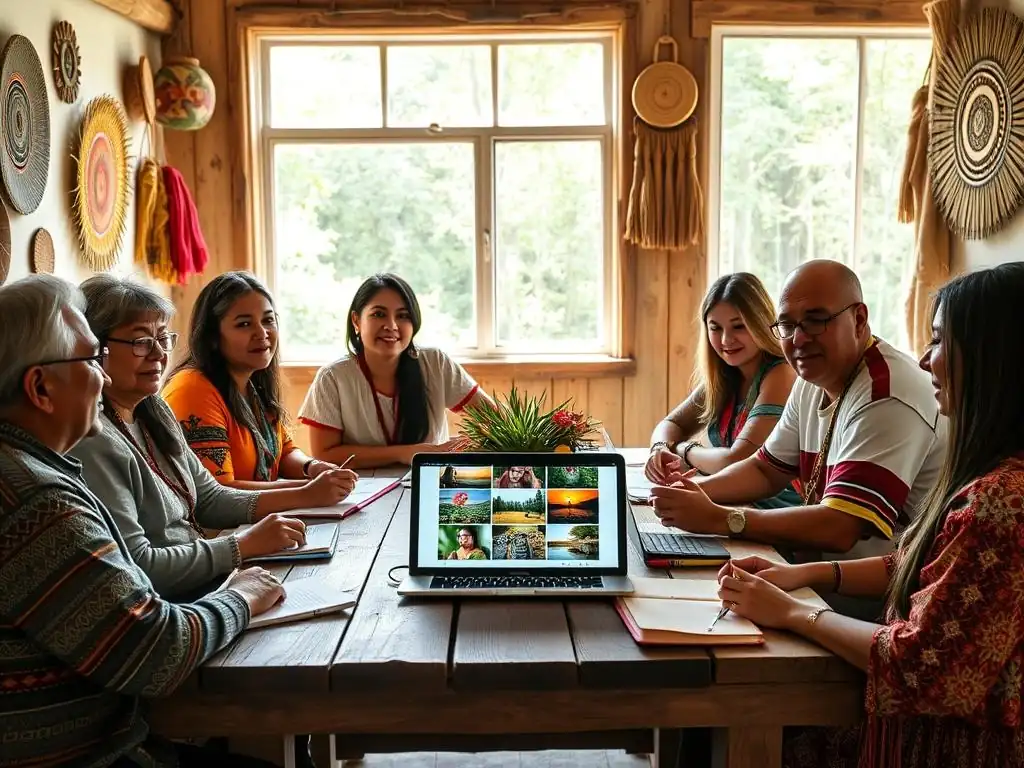
Welcome to Indigenous Civilizations of the Americas, where we invite you to embark on a fascinating journey through the rich tapestry of indigenous cultures that once flourished across the continents. Our featured article, "Navigating Indigenous Histories: Online Courses for Curious Minds," offers an engaging gateway into the world of indigenous cultures online courses, designed for those eager to deepen their understanding of these remarkable societies. Prepare to uncover the achievements, traditions, and enduring legacies of these civilizations that have shaped our world in profound ways. Dive in and let your curiosity lead the way!
In an era where understanding diverse cultures is more crucial than ever, online courses focusing on Indigenous cultures provide a unique opportunity for in-depth exploration of the societies that flourished in the Americas long before European contact. These courses not only highlight the rich histories and contributions of Indigenous peoples but also foster a greater appreciation for their enduring legacies.
As learners dive into these subjects, they gain insights into the complexity and diversity of Indigenous cultures, which can significantly enrich their worldviews. This article will guide you through the significance of Indigenous cultures online courses and present some of the top offerings available today.
Understanding Indigenous Cultures Online Courses
The Importance of Learning About Indigenous Cultures
Learning about Indigenous cultures is essential for several reasons:
- Cultural Preservation: Online courses help preserve and share Indigenous knowledge and traditions that may be at risk of being forgotten.
- Awareness and Respect: These courses cultivate awareness about the historical and contemporary struggles faced by Indigenous peoples, promoting respect and understanding.
- Critical Thinking: Engaging with diverse perspectives encourages critical thinking and challenges preconceived notions about history and culture.
- Connection to Modern Issues: Many online courses draw connections between Indigenous histories and current social justice movements, highlighting the ongoing relevance of these discussions.
By engaging with these subjects, learners can contribute to a more inclusive narrative that honors the complexities of Indigenous histories.
Overview of Indigenous Cultures and Their Significance
Indigenous cultures in the Americas are incredibly diverse, encompassing a wide range of societies, languages, and traditions. From the intricate urban centers of the Aztecs and Maya to the nomadic lifestyles of the Plains tribes, each culture has its own unique contributions to human history.
- Social Structures: Many Indigenous societies had sophisticated governance systems, trade networks, and social hierarchies that challenged the notion of "primitive" cultures.
- Cultural Achievements: Innovations in agriculture, architecture, and art were prevalent across various Indigenous groups, demonstrating advanced knowledge and creativity.
- Spiritual Beliefs: Indigenous cultures often have deep spiritual connections to the land, which are reflected in their practices, storytelling, and worldviews.
Understanding these elements is vital for recognizing the significance of Indigenous cultures in shaping global history.
Top Indigenous Cultures Online Courses
As interest in Indigenous histories grows, a variety of online courses have emerged, offering valuable insights and knowledge. Below are some of the top courses currently available:
1. "Native American History" – An In-Depth Look at Native American Histories
This course delves into the rich tapestry of Native American histories, exploring the diverse tribes, their interactions with European settlers, and the impact of colonization. Through a combination of lectures, readings, and discussions, students will gain a comprehensive understanding of the various narratives that comprise Native American history.
2. "Mesoamerican Civilization: An Overview" – Exploring Mesoamerican Civilizations
Focusing on civilizations such as the Maya and Aztec, this course examines the political, social, and economic systems that defined Mesoamerican societies. Students will engage with archaeological findings and historical documents to uncover the complexities of these remarkable cultures.
3. "Indigenous Peoples of South America" – The Rich Heritage of Indigenous Peoples of South America
This course provides an overview of the diverse Indigenous groups of South America, highlighting their unique traditions, languages, and historical experiences. By studying the cultural practices and contemporary issues faced by these communities, learners will develop a deeper appreciation for their resilience and contributions.
Exploring Indigenous cultures online courses can enhance our understanding of the past and present of Indigenous peoples, facilitating a more profound respect for their histories and contributions. Embracing these educational opportunities allows us to navigate the rich tapestry of Indigenous cultures with curiosity and respect.
Comparative Analysis of Indigenous Cultures Online Courses
When exploring online courses focusing on Indigenous cultures, it's essential to recognize the diversity in content, approach, and delivery methods. Many courses are designed to cater to varying levels of expertise, from beginners to advanced learners. Some key aspects to consider in this comparative analysis include:
- Course Content: Courses may cover specific tribes, languages, historical events, or cultural practices. For instance, some programs might focus on the rich traditions of the Navajo Nation, while others may delve into the agricultural practices of the Inca civilization.
- Teaching Methodology: Different courses employ various pedagogical strategies, such as lectures, multimedia presentations, interactive discussions, and project-based learning. An engaging course might include virtual field trips to indigenous sites or interviews with cultural practitioners.
- Accreditation and Recognition: Consider whether the course is offered by a reputable institution or organization. Accredited courses often provide a certificate upon completion, which can add value to your professional credentials.
- Flexibility and Accessibility: Assess the course's accessibility features, such as subtitles, transcripts, and mobile-friendly content. Courses that allow self-paced learning may be more suitable for individuals with varying schedules.
Key Features to Consider When Choosing an Online Course
Selecting the right online course on Indigenous cultures can significantly affect your learning journey. Here are some critical features to consider:
- Instructor Expertise: Look for courses led by instructors with a solid background in Indigenous studies, anthropology, or cultural heritage. Their expertise can provide deeper insights and a nuanced understanding of the subject matter.
- Course Length and Structure: Determine how long the course runs and how it is structured. Short courses might provide a brief overview, while longer programs may offer comprehensive insights with in-depth modules.
- Student Community: A vibrant online community can enhance the learning experience. Courses that include discussion forums or group projects foster collaboration and networking among students.
- Hands-On Activities: Courses that incorporate practical assignments, such as research projects or reflective essays, can deepen your understanding and encourage critical thinking.
- Feedback and Assessment: Consider how student progress is evaluated. Courses that offer constructive feedback through quizzes, peer reviews, or instructor comments can enhance learning outcomes.
Pros and Cons of Popular Online Courses on Indigenous Cultures
Understanding the advantages and challenges of popular online courses on Indigenous cultures can help you make an informed decision:
| Course Name | Pros | Cons |
|---|---|---|
| Course A: Indigenous Peoples of the Americas | Comprehensive content, interactive elements | Limited access to instructors for personal queries |
| Course B: Cultural Heritage and Preservation | Strong focus on preservation practices | High workload and time commitment |
| Course C: Native Languages and Dialects | Engaging multimedia resources | May require prior knowledge of linguistics |
Pros:
- Diverse Perspectives: Many courses offer varying viewpoints on Indigenous issues, promoting a well-rounded understanding.
- Flexible Learning: Online courses allow learners to study at their own pace, making education accessible to a wider audience.
- Global Access: Students can connect with others worldwide, enriching discussions with diverse experiences.
Cons:
- Variable Quality: Not all courses maintain high standards; some may lack depth or rigor.
- Isolation: Online learning can sometimes feel solitary, lacking the community aspect of traditional classroom settings.
- Technical Issues: Learners may encounter difficulties with technology, impacting their ability to engage fully with the course material.
How to Get the Most Out of Indigenous Cultures Online Courses
To maximize your learning experience in Indigenous cultures online courses, consider the following strategies:
- Set Clear Goals: Define what you hope to achieve from the course. Whether it’s gaining a deeper understanding of specific cultures or developing skills for community engagement, having clear objectives can guide your learning.
- Engage Actively: Participate in discussions, ask questions, and contribute your perspectives. Active engagement can deepen your understanding and foster connections with fellow learners.
- Take Notes: Jot down key points, concepts, and personal reflections throughout the course. This practice can enhance retention and provide a valuable resource for future reference.
- Supplement Learning: Explore additional resources such as books, documentaries, and articles to broaden your knowledge. Engaging with diverse materials can enrich your understanding of Indigenous cultures.
- Reflect on Your Learning: At the end of the course, take time to reflect on what you’ve learned. Consider how your new knowledge can apply to real-world contexts or inform your perspective on Indigenous issues.
Tips for Engaging with Online Learning Platforms
To optimize your interactions with online learning platforms, consider these effective tips:
- Familiarize Yourself with the Platform: Spend time navigating the course interface, exploring features like discussion boards, resource libraries, and assessment tools.
- Create a Dedicated Study Space: Establish a comfortable and distraction-free environment that encourages focus and productivity.
- Schedule Regular Study Times: Consistency is key. Set aside specific times each week dedicated to course activities, making learning a regular part of your routine.
- Utilize Multimedia Resources: Take advantage of videos, podcasts, and interactive content to diversify your learning methods and maintain engagement.
Recommended Tools and Resources to Enhance Your Learning Experience
Enhancing your learning experience can be achieved through various tools and resources. Here are some recommended options:
- Digital Note-Taking Software: Tools like Evernote or Microsoft OneNote can help you organize notes and resources effectively.
- Online Discussion Platforms: Engage with peers through platforms like Discord or Slack, enabling dynamic conversations outside of the course environment.
- Research Databases: Access academic databases such as JSTOR or Google Scholar for in-depth articles and papers on Indigenous cultures.
- Virtual Museums and Exhibits: Explore online exhibits from institutions like the Smithsonian National Museum of the American Indian to gain insights into Indigenous art and history.
- Podcasts and Documentaries: Listening to podcasts or watching documentaries related to Indigenous cultures can provide additional context and firsthand accounts, enriching your learning experience.
By incorporating these strategies and resources, learners can deepen their appreciation for Indigenous cultures and contribute to ongoing discussions surrounding their histories and contributions.
The Impact of Learning About Indigenous Cultures Online
The advent of online education has significantly transformed how we access and engage with knowledge about Indigenous cultures. By providing unparalleled flexibility and accessibility, online courses enable learners from diverse backgrounds to explore the rich tapestry of Indigenous histories, traditions, and contributions to society. These courses often feature multimedia resources, including videos, articles, and interactive forums, which enhance the learning experience by making it more engaging and relatable.
Moreover, online platforms can connect learners with Indigenous educators and scholars, offering authentic perspectives and insights that are often missing in traditional educational settings. This direct engagement fosters a deeper understanding of the complexities and nuances of Indigenous cultures while also highlighting the importance of their voices in the narrative of history. As a result, learners are encouraged to develop a more respectful and informed view of Indigenous peoples and their histories.
How Online Courses Foster Understanding and Respect
Online courses dedicated to Indigenous cultures play a crucial role in breaking down stereotypes and misconceptions. Through comprehensive curricula that delve into the specific histories, languages, and practices of various Indigenous groups, these courses promote a more nuanced appreciation of their diverse contributions to global civilization.
- Cultural Awareness: Learners are introduced to the customs, arts, and traditions of Indigenous communities, fostering a sense of respect for their unique worldviews.
- Critical Thinking: Engaging with complex historical narratives encourages students to think critically about colonialism's impact and the ongoing struggles faced by Indigenous peoples today.
- Empathy and Connection: Real-life case studies and personal narratives help learners connect with Indigenous experiences on a deeper level, nurturing empathy and prompting a desire for advocacy.
By integrating these elements, online courses not only educate but also inspire learners to become allies in recognizing and addressing contemporary issues faced by Indigenous cultures.
The Role of Education in Preserving Indigenous Heritage
Education is a vital tool for the preservation and revitalization of Indigenous heritage. Online courses serve as a repository for Indigenous knowledge, providing a platform for the transmission of cultural practices and historical narratives that might otherwise be lost. They play a significant role in:
- Cultural Revitalization: Many online courses focus on language preservation and traditional practices, encouraging younger generations to reconnect with their roots.
- Community Engagement: Courses often incorporate community-led initiatives, allowing Indigenous communities to share their knowledge and perspectives directly with learners.
- Advocacy and Activism: By educating a broader audience about the importance of Indigenous rights and heritage, these courses empower learners to advocate for Indigenous issues within their own communities.
In this way, online education not only informs but actively contributes to the preservation of Indigenous cultures and their ongoing relevance in today's society.
Conclusion: Embarking on Your Journey Through Indigenous Cultures
As learners embark on their journey through the diverse and rich histories of Indigenous cultures, online courses provide a unique and valuable pathway to understanding. They empower individuals to explore the complexities of Indigenous identities, histories, and ongoing contributions to our shared world.
Encouragement to Enroll in Indigenous Cultures Online Courses
We encourage you to take the step toward deeper knowledge and understanding by enrolling in Indigenous cultures online courses. Whether you are a student, educator, or simply a curious individual, these courses offer invaluable insights that will enhance your appreciation of Indigenous histories and cultures.
Final Thoughts on the Importance of Continued Learning and Exploration
Continued learning and exploration of Indigenous cultures are essential not only for personal growth but also for fostering a more inclusive and respectful society. As we engage with these online courses, we contribute to a collective effort to honor and preserve the legacies of Indigenous peoples. Let us embrace this opportunity to learn, understand, and advocate for the rich histories that form an integral part of our shared human experience.
- Understanding Indigenous Cultures Online Courses
- Top Indigenous Cultures Online Courses
- Comparative Analysis of Indigenous Cultures Online Courses
- Key Features to Consider When Choosing an Online Course
- Pros and Cons of Popular Online Courses on Indigenous Cultures
- How to Get the Most Out of Indigenous Cultures Online Courses
- Tips for Engaging with Online Learning Platforms
- Recommended Tools and Resources to Enhance Your Learning Experience
- The Impact of Learning About Indigenous Cultures Online
- How Online Courses Foster Understanding and Respect
- The Role of Education in Preserving Indigenous Heritage
- Conclusion: Embarking on Your Journey Through Indigenous Cultures
- Encouragement to Enroll in Indigenous Cultures Online Courses
- Final Thoughts on the Importance of Continued Learning and Exploration
Frequently Asked Questions
What topics are covered in the online courses about Indigenous cultures?
The online courses explore diverse indigenous cultures, including their achievements, social structures, and the impact of European colonization on their societies.
Who can benefit from taking these online courses?
These courses are designed for anyone with a curiosity about Indigenous histories, including students, educators, and those interested in cultural studies.
Are the courses suitable for beginners?
Yes, the courses are structured to accommodate all levels, making them accessible for beginners as well as those with prior knowledge of Indigenous cultures.
How do I enroll in the online courses?
Enrollment is typically done through the website, where you can find a list of available courses and detailed instructions on how to sign up.
Is there a certification offered upon completion of the courses?
Many of the courses provide a certificate of completion, which can be valuable for professional development or personal enrichment.
Final Reflection: Embracing Indigenous Cultures Through Online Learning
In an era where knowledge is just a click away, the exploration of Indigenous cultures online courses has never been more relevant. As we navigate a world increasingly defined by globalization and digital connectivity, understanding the rich histories and diverse narratives of Indigenous peoples is crucial. These courses not only provide educational opportunities but also foster a deeper appreciation for the resilience and wisdom embedded in Indigenous cultures. The urgency to engage with these histories is palpable, as we strive to create a more inclusive and informed society.
Courses on Indigenous cultures have the power to reshape our cultural landscape, encouraging dialogue and understanding among diverse communities. They serve as a bridge, connecting learners to the profound legacies and contemporary realities of Indigenous peoples. As we immerse ourselves in these narratives, we recognize the importance of honoring their stories and perspectives. Education is the most powerful weapon which you can use to change the world.
– Nelson Mandela. This quote resonates deeply as we consider how online learning can empower individuals to become advocates for Indigenous rights and recognition.
As you reflect on the insights gained from this article, I invite you to take action. Consider enrolling in an online course that explores Indigenous cultures, and allow yourself to be transformed by the knowledge and perspectives you encounter. Engage with the material, share what you learn, and contribute to a broader understanding of Indigenous histories in your community. Together, we can foster a more respectful and inclusive dialogue that honors the past while paving the way for a more equitable future.
Embrace Your Journey: Explore Indigenous Histories Today!
Thank you for reading and engaging with the rich tapestry of Indigenous histories. You’ve taken the first step towards a deeper understanding of these vibrant cultures and their profound significance. Now, it’s time to make your learning journey count!
Here are some actionable steps you can take:
- Enroll in a course today: Choose from a variety of online courses that delve into Indigenous stories, wisdom, and traditions. Discover knowledge that empowers and inspires you.
- Share your insights: Discuss what you've learned with friends and family. Start meaningful conversations that enhance awareness and understanding of Indigenous perspectives.
- Join a local community group: Connect with Indigenous communities or organizations in your area to participate in cultural events or workshops. Experience the richness of these cultures firsthand.
Which aspects of Indigenous history intrigue you the most, and how do you plan to integrate your new knowledge into your daily life?