
How Indigenous Writing Systems Have Shaped Cultural Identity and Heritage

Welcome to Indigenous Civilizations of the Americas, where we embark on a captivating journey through the rich tapestry of indigenous cultures that flourished long before European contact. Here, we delve into the impact of indigenous writing systems, revealing how these remarkable forms of communication have shaped cultural identity and heritage across generations. As you explore our insights, you'll uncover the profound achievements of these civilizations and their enduring legacies. Prepare to be inspired and enlightened—your adventure into the heart of indigenous history begins now!
- Introduction to Indigenous Writing Systems Impact
- Historical Context of Indigenous Writing Systems
- The Role of Indigenous Writing Systems in Cultural Identity
- Case Studies of Indigenous Writing Systems
- Indigenous Writing Systems and Language Preservation
- Modern Implications of Indigenous Writing Systems
- Conclusion: The Lasting Impact of Indigenous Writing Systems
-
Frequently Asked Questions
- What is the main focus of the article on indigenous writing systems?
- How did indigenous writing systems contribute to cultural preservation?
- Can you give examples of indigenous writing systems mentioned in the article?
- What lasting impacts do indigenous writing systems have on contemporary society?
- How does the article address the relationship between writing systems and indigenous identity?
- Final Reflection: The Enduring Impact of Indigenous Writing Systems on Cultural Identity
- Unveil Your Connection to Indigenous Heritage!
Introduction to Indigenous Writing Systems Impact
Indigenous writing systems play a vital role in shaping the cultural identity and heritage of the diverse societies that thrived across the Americas before European colonization. These systems, which include unique scripts and symbols, serve not only as a means of communication but also as a reflection of the rich histories, traditions, and worldviews of indigenous peoples.
The impact of these writing systems extends beyond mere documentation; they have influenced social organization, spiritual beliefs, and the preservation of knowledge across generations. This article delves into the indigenous writing systems impact, exploring their historical significance and their ongoing relevance in contemporary indigenous identity.
Overview of Indigenous Writing Systems
Indigenous writing systems in the Americas are as varied as the cultures they represent. From the Maya glyphs in Mesoamerica to the Inca quipu system, these scripts reflect complex linguistic structures and serve multiple functions within their societies.
- Maya Glyphs: A sophisticated system that combines logograms and syllabic symbols, enabling the recording of history, astronomy, and religion.
- Inca Quipu: A unique system of knotted strings used for accounting and storytelling, demonstrating the Incas' advanced record-keeping methods despite the absence of a formal written script.
- North American Indigenous Scripts: Various tribes developed unique symbols and pictographs, such as the Cherokee syllabary, which was created by Sequoyah in the early 19th century, allowing for the widespread literacy among the Cherokee people.
These writing systems not only facilitated communication but also played a crucial role in governance, trade, and the preservation of cultural narratives.
Importance of Writing in Indigenous Cultures
Writing holds immense significance in indigenous cultures, acting as a vessel for cultural expression and continuity. The ability to document languages, laws, stories, and ceremonies is foundational to maintaining the identity of indigenous peoples.
- Cultural Preservation: Through written records, indigenous communities can preserve their languages and histories, contributing to cultural resilience against colonization and globalization.
- Knowledge Transmission: Writing systems enable the transmission of knowledge across generations, ensuring that traditional practices, ecological knowledge, and spiritual beliefs are maintained.
- Political Empowerment: The development of writing has also played a role in political organization, allowing for the codification of laws and governance structures, which has empowered indigenous communities in their struggles for rights and recognition.
The impact of indigenous writing systems is profound, contributing to the cultural identity and heritage of various indigenous groups. As we explore the further implications of these systems, it becomes clear that they are not merely historical artifacts but living expressions of identity that continue to evolve and inspire.
Historical Context of Indigenous Writing Systems

Indigenous writing systems in the Americas have a rich historical context that predates European colonization. These systems were not merely tools for communication; they were integral to the cultural identity and heritage of various indigenous civilizations. They served as a means to record history, convey stories, and establish governance, reflecting the complexity and sophistication of these societies.
Pre-Colonization Writing Practices
Before the arrival of Europeans, many indigenous cultures developed unique writing practices that varied in form and purpose. For instance, the Maya civilization is renowned for its complex hieroglyphic script, which combined logograms and syllabic signs. This script was used to document everything from historical events to ritual texts, emphasizing the Mayans' deep connection to their history and cosmology.
In contrast, the Inca civilization did not develop a writing system in the traditional sense; instead, they utilized quipus—a system of knotted strings that recorded numerical data and narratives. This method showcased the Inca's advanced administrative capabilities and their emphasis on record-keeping, which was crucial for managing their vast empire.
Other cultures, such as the Pueblo peoples of the Southwest, employed petroglyphs and pictographs to convey stories and document significant events. These visual forms of communication were often tied to their spiritual beliefs and communal identity, demonstrating how writing was intertwined with their worldview.
The diversity of writing practices across different indigenous cultures highlights the adaptability and innovation of these societies. Writing was not only a practical tool but also a vital aspect of their cultural expression and identity.
Influential Indigenous Civilizations and Their Scripts
Several influential indigenous civilizations made significant contributions to writing systems, each leaving a profound impact on cultural identity and heritage.
- Maya Civilization
- The Maya script is one of the most sophisticated writing systems in the pre-Columbian Americas. It consists of:
- Hieroglyphs: Over 800 symbols representing sounds and meanings.
- Codices: Folded books made from bark paper that contained astronomical, historical, and religious texts.
- The preservation of these texts has provided invaluable insights into Maya society, including their understanding of time, astronomy, and mythology.
- The Maya script is one of the most sophisticated writing systems in the pre-Columbian Americas. It consists of:
- Aztec Civilization
- The Aztecs utilized a combination of pictographs and ideograms in their writing. Important aspects include:
- Codexes: Illustrated manuscripts that recorded tributes, rituals, and historical accounts.
- Pictorial Writing: Used in public monuments and temples to convey messages and honor deities.
- This writing system played a crucial role in maintaining Aztec identity and governance, illustrating the interconnectedness of their religion and politics.
- The Aztecs utilized a combination of pictographs and ideograms in their writing. Important aspects include:
- Inca Civilization
- While the Incas did not use a traditional writing system, their quipu stands out as a unique form of record-keeping:
- Quipu: A complex arrangement of knotted cords that represented numerical data and narratives, crucial for the administration of their empire.
- The quipu system underscores the Incas' emphasis on organization and communication, reflecting their societal values.
- While the Incas did not use a traditional writing system, their quipu stands out as a unique form of record-keeping:
- North American Indigenous Cultures
- Various tribes developed their own methods of recording information:
- Wampum: Shell beads used by the Iroquois and other tribes to convey messages and maintain records.
- Petroglyphs and Pictographs: Found throughout the continent, these visual representations served to document stories, beliefs, and territorial claims.
- Various tribes developed their own methods of recording information:
The diverse writing systems of these civilizations not only facilitated communication but also solidified cultural identities, serving as a testament to their ingenuity and resilience. By preserving knowledge, history, and cultural narratives, these indigenous writing systems have left an enduring legacy that continues to influence contemporary indigenous identities and heritage.
The Role of Indigenous Writing Systems in Cultural Identity
Indigenous writing systems have played a crucial role in shaping the cultural identity of various groups throughout the Americas. These systems are not merely tools for communication; they embody the stories, traditions, and beliefs of the communities that created them. By preserving oral histories and facilitating the expression of complex ideas, indigenous writing systems have helped maintain cultural continuity despite external pressures and challenges.
Historically, many indigenous societies relied on oral traditions to transmit knowledge and cultural values. However, the development of writing systems allowed for the codification of these narratives, enabling them to be shared across generations. This transition from oral to written forms has been significant in reinforcing the cultural identity of indigenous peoples, as it provides a tangible means to express and document their heritage.
Writing as a Reflection of Heritage
Indigenous writing systems serve as a living testament to the heritage of the communities they represent. Each symbol or character often carries deep meanings and reflects the natural world, spirituality, and social structures of the culture. For instance, the Maya hieroglyphs are not only a means of writing but also encode information about their cosmology, historical events, and societal organization.
The impact of indigenous writing systems can be seen in various aspects of cultural identity:
- Preservation of History: By recording events, genealogies, and rituals, indigenous writing systems have preserved histories that might otherwise have been lost to time. For example, the Inca quipu, a system of knotted strings, documented economic transactions and census data, providing insight into their societal structure.
- Cultural Continuity: Writing allows for the transmission of knowledge across generations, ensuring that cultural practices and beliefs are maintained. The use of traditional scripts in modern contexts reinforces a sense of belonging and identity among indigenous peoples.
- Resistance and Resilience: In the face of colonization and cultural erasure, indigenous writing systems have become a form of resistance. By reclaiming and revitalizing their scripts, communities assert their identity and heritage, fostering pride and unity.
Symbols and Their Significance in Indigenous Identity
The symbols used in indigenous writing systems are often imbued with significant cultural meanings. Each symbol or glyph is not just a letter or character; it can represent a concept, a story, or a relationship with the environment. Understanding these symbols provides deeper insights into the worldview of indigenous cultures.
Here are some key aspects of how symbols contribute to indigenous identity:
- Cultural Representation: Symbols often reflect the unique aspects of a culture, such as animals, plants, and celestial bodies that hold significance in their mythology and daily life. For instance, the use of animal motifs in the writing of the Ojibwe reflects their close relationship with nature.
- Spiritual Connection: Many writing systems incorporate symbols that are tied to spiritual beliefs and practices. These symbols serve as reminders of cultural values and teachings, reinforcing a community's spiritual identity.
- Community Cohesion: The shared understanding of symbols fosters a sense of belonging among individuals within the community. When members of a culture use and recognize their writing system, it strengthens their collective identity and promotes solidarity.
The impact of indigenous writing systems on cultural identity is profound. By serving as a bridge between the past and the present, these systems help to maintain the rich tapestry of indigenous heritage, ensuring that the stories and values of these communities continue to thrive in a modern world.
Case Studies of Indigenous Writing Systems
Indigenous writing systems have been instrumental in preserving cultural identities and heritage across various civilizations in the Americas. These systems not only facilitated communication but also served as vessels for storytelling, historical records, and cultural expressions. Below, we delve into specific case studies that exemplify the impact of these indigenous writing systems.
The Maya Glyphs and Their Cultural Relevance
The Maya civilization, known for its remarkable achievements in various domains, developed a complex writing system composed of approximately 800 glyphs. This system was not merely an alphabet; it represented a sophisticated combination of logograms and syllabic signs.
- Cultural Narratives: The Maya glyphs were employed to document historical events, religious rituals, and astronomical observations. For example, the Dresden Codex, one of the few surviving pre-Columbian books, contains detailed astronomical tables and prophecies, showcasing the Maya's advanced understanding of the cosmos.
- Identity and Continuity: The use of glyphs was pivotal in maintaining the Maya cultural identity. Despite the colonial disruptions, modern Maya communities continue to reference their ancient glyphs in art and ceremonies, affirming their heritage and cultural continuity.
The glyphs are not just symbols; they are the voices of our ancestors, connecting us to our past.
— Modern Maya Cultural Leader
The Incan Quipu System: A Unique Non-Written Language
The Incan civilization, which thrived in the Andean region, utilized a unique system known as the quipu (or khipu), consisting of colored strings and knots. This non-written language was a powerful tool for communication and record-keeping.
- Complex Information Encoding: Each knot and color represented specific numerical values and information. For instance, the quipus were used for counting populations, tribute records, and agricultural data. This intricate system allowed the Incas to manage their vast empire efficiently.
- Cultural Significance: Although not a written language, the quipu held immense cultural importance. It embodied the Andean worldview and its relationship with the environment, reflecting the values and knowledge of the Incan civilization.
The Cherokee Syllabary: Revitalizing Language and Identity
Developed by Sequoyah in the early 19th century, the Cherokee syllabary revolutionized the way the Cherokee people communicated and preserved their language. This writing system contains 85 characters representing syllables, allowing for the phonetic representation of the Cherokee language.
- Language Revitalization: The syllabary played a crucial role in the preservation of the Cherokee language and culture. It enabled the publication of newspapers, books, and educational materials in Cherokee, fostering literacy within the community.
- Cultural Empowerment: By adopting a written form of their language, the Cherokee people strengthened their cultural identity and asserted their autonomy during a time of external pressures. Today, language revitalization efforts continue, with the syllabary serving as a symbol of resistance and resilience.
The impact of indigenous writing systems on cultural identity and heritage is profound. These systems not only facilitated communication but also played vital roles in preserving histories, fostering community cohesion, and asserting identities in the face of challenges. The study of these writing systems illuminates the rich tapestry of indigenous cultures in the Americas and underscores their lasting legacies.
Indigenous Writing Systems and Language Preservation
Indigenous writing systems play a crucial role in the preservation of languages that have been spoken for centuries by various indigenous communities across the Americas. These writing systems are not merely a means of communication; they embody the histories, traditions, and worldviews of the cultures they represent. As many indigenous languages face the threat of extinction due to colonial influences and globalization, the revitalization of these writing systems has become a focal point in efforts to maintain cultural identity.
The connection between indigenous writing systems and language preservation is profound. By documenting languages through written forms, these systems provide a tangible way to record and share oral histories, songs, rituals, and teachings. In doing so, they not only safeguard these languages for future generations but also reinforce the cultural pride of indigenous communities.
The Impact on Language Revitalization Efforts
Language revitalization efforts often hinge on the reintroduction and normalization of indigenous writing systems within communities. Various initiatives have emerged across the Americas aimed at reclaiming these linguistic tools, which in turn foster a sense of belonging and identity among indigenous peoples.
-
Educational Programs
Many indigenous communities have established educational programs that incorporate traditional writing systems. For instance, the introduction of the Cherokee syllabary in schools has led to a renewed interest in the Cherokee language, helping younger generations connect with their heritage.
-
Community Workshops
Workshops that teach the fundamentals of indigenous writing can empower community members to engage with their languages actively. These workshops often focus on translating modern concepts and ideas into the indigenous language, which is essential for keeping the language relevant in contemporary contexts.
-
Digital Resources
The rise of digital technology has enabled the creation of online resources and applications that promote indigenous writing systems. Websites and mobile apps dedicated to teaching indigenous languages through their writing systems have made it easier for individuals to learn and practice their heritage languages, regardless of location.
-
Collaborations with Linguists
Collaborations between indigenous communities and linguists have proven beneficial in documenting and developing written forms of languages. These partnerships help create standardized orthographies that facilitate language learning and preserve linguistic features that might otherwise be lost.
Writing as a Tool for Cultural Continuity
Writing serves as a vital tool for cultural continuity among indigenous peoples. By encoding their languages in written form, indigenous communities ensure that their unique perspectives and knowledge systems are not lost to time. The impact of indigenous writing systems extends beyond mere language preservation; they are instrumental in maintaining cultural practices and identities.
-
Documentation of Traditions
Written records allow for the documentation of oral traditions, myths, and histories that are essential to cultural identity. For example, the use of the Incan quipu, while primarily a counting tool, also served to record historical narratives and genealogies.
-
Artistic Expression
Indigenous writing systems often intertwine with artistic expression. Calligraphy, glyphs, and other visual representations of language can reflect cultural symbols and beliefs, serving as a medium for storytelling and artistic representation.
-
Intergenerational Transmission
Written languages facilitate the intergenerational transmission of knowledge. Elders can pass down teachings and stories through written materials, ensuring that younger generations remain connected to their cultural roots.
-
Political and Social Advocacy
Written forms of indigenous languages empower communities to engage in political and social advocacy. By utilizing their languages in activism, indigenous peoples assert their rights and identity, raising awareness of their cultural heritage and issues they face.
The impact of indigenous writing systems on language preservation extends beyond linguistic aspects; it encompasses cultural, social, and political dimensions that are essential for the survival and flourishing of indigenous identities. As these efforts continue to gain momentum, the legacy of indigenous writing systems will undoubtedly shape the cultural landscape of the Americas for generations to come.
Modern Implications of Indigenous Writing Systems
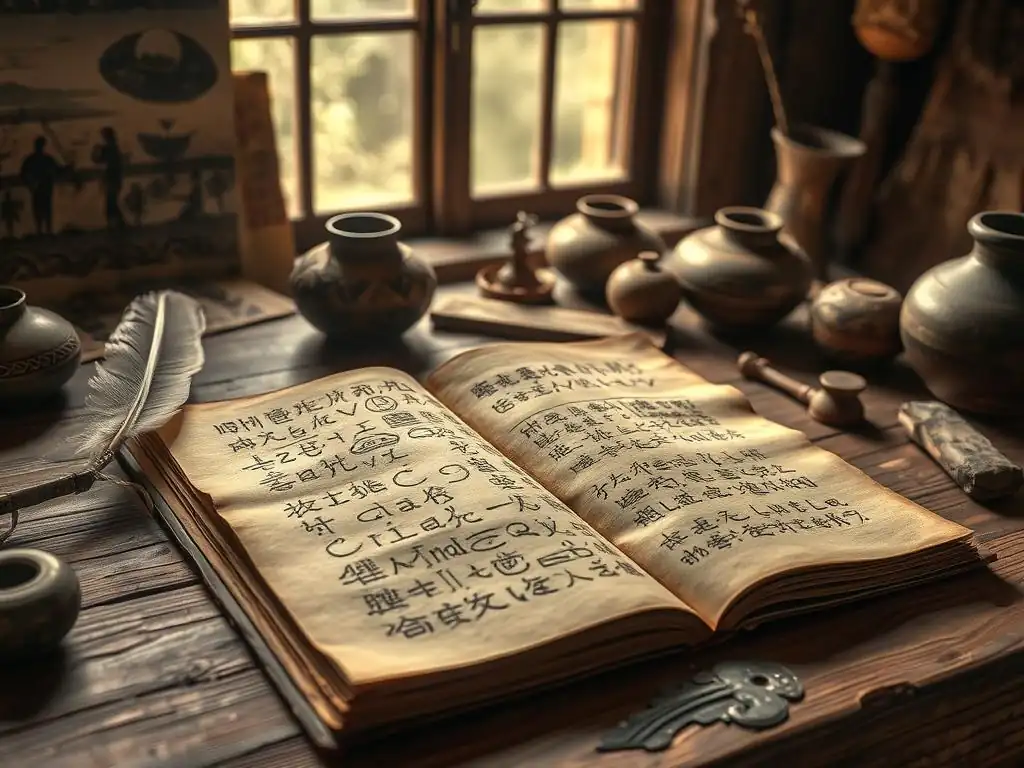
The Influence on Contemporary Indigenous Art and Literature
Indigenous writing systems have profoundly influenced modern art and literature within indigenous communities, giving voice to cultural narratives and identities. Many contemporary artists and writers draw inspiration from traditional scripts, incorporating symbols and motifs into their work, thus preserving and revitalizing their heritage.
For instance, the use of Mayan hieroglyphs in modern visual arts can be seen in the works of several artists who aim to blend historical context with contemporary expressions. This fusion not only honors the past but also fosters a sense of cultural pride and continuity. Similarly, Navajo poetry often integrates elements of traditional storytelling that reflect the complexities of modern indigenous life, using both the English language and the Navajo writing system to express identity.
Moreover, indigenous literature is experiencing a renaissance, with authors utilizing their ancestral languages alongside English. This hybrid approach allows for a richer narrative that resonates with both indigenous and non-indigenous audiences. The impact of indigenous writing systems in this context is significant, as it serves as a bridge connecting generations and ensuring that traditional knowledge is transmitted through artistic expression.
Indigenous Writing in Digital Spaces
The advent of the digital age has opened new avenues for indigenous writing systems, allowing for a broader dissemination of indigenous cultures and languages. Digital platforms and social media have become vital tools for indigenous communities to showcase their writing, share cultural knowledge, and engage with a global audience.
Many indigenous groups are creating online resources that highlight their writing systems, providing educational materials that promote literacy in their languages. For example, initiatives like digital dictionaries and interactive apps have emerged, allowing users to learn indigenous languages and scripts in a more engaging manner. These resources not only serve to educate but also help in revitalizing endangered languages, ensuring their survival in a rapidly changing world.
Additionally, blogs and social media pages dedicated to indigenous topics often feature literature, folklore, and traditional stories written in indigenous languages. This accessibility fosters a sense of community and belonging among indigenous peoples, who can connect with their heritage and share it with others. The impact of indigenous writing systems in digital spaces is transformative, as it empowers communities to reclaim their narratives and assert their cultural identity in the 21st century.
Conclusion: The Lasting Impact of Indigenous Writing Systems
Reflection on Cultural Identity and Heritage
Indigenous writing systems have played a vital role in shaping the cultural identity and heritage of various indigenous groups across the Americas. These systems are not merely tools for communication; they encapsulate the histories, beliefs, and worldviews of their creators. For instance, the Maya hieroglyphs are a prime example, reflecting a sophisticated understanding of astronomy, mathematics, and history [1] . They served as a means of documenting significant events, religious practices, and societal norms, thus reinforcing a collective identity among the Maya people.
Moreover, the preservation of these writing systems has allowed contemporary indigenous communities to reconnect with their ancestry. By studying ancient texts and inscriptions, modern indigenous peoples gain insights into their cultural heritage and can revitalize traditions that may have been at risk of fading away. This revitalization is crucial for fostering a sense of pride and continuity, which is often expressed through cultural ceremonies and educational programs that emphasize the importance of these writing systems.
The impact of indigenous writing systems extends beyond cultural identity; they also play a significant role in resisting colonial narratives. By affirming their linguistic heritage and promoting the use of traditional scripts, indigenous communities challenge historical misrepresentations and assert their place in the narrative of history. This reclamation not only empowers indigenous peoples but also contributes to broader discussions about the importance of linguistic diversity and the rights of indigenous populations.
Future Directions for Indigenous Writing Systems Studies
As we look to the future, the study of indigenous writing systems presents exciting opportunities and challenges. Researchers are increasingly recognizing the importance of interdisciplinary approaches that incorporate linguistics, anthropology, and archaeology to provide a more nuanced understanding of these systems and their contexts. Collaborative projects that involve indigenous scholars and community members are essential for ensuring that the research is relevant and respectful of indigenous perspectives.
One promising direction is the integration of modern technology in the documentation and analysis of indigenous writing systems. Digital tools, such as 3D modeling and machine learning algorithms, can assist in deciphering ancient scripts and preserving fragile artifacts. For instance, the use of digital archives allows for the safe sharing of knowledge and resources, making it accessible to a broader audience including educators and students interested in indigenous cultures.
Additionally, there is a growing emphasis on the role of indigenous writing systems in contemporary society. Exploring how these systems can be utilized in education, cultural programming, and community development is crucial for fostering pride and engagement among younger generations. Initiatives that promote bilingual education, incorporating indigenous languages and writing systems, can empower indigenous youth and strengthen their cultural identity.
-
The Maya hieroglyphs were used for over a millennium, with thousands of inscriptions discovered, revealing insights into their rich cultural heritage. ↩︎
Frequently Asked Questions
What is the main focus of the article on indigenous writing systems?
The article explores the impact of indigenous writing systems on cultural identity and heritage, highlighting how these systems reflect the values and beliefs of various indigenous cultures.
How did indigenous writing systems contribute to cultural preservation?
Indigenous writing systems played a crucial role in preserving histories, traditions, and languages, allowing communities to maintain their cultural narratives and pass them on through generations.
Can you give examples of indigenous writing systems mentioned in the article?
The article discusses several writing systems, such as the Mayan hieroglyphs and the Incan quipu, showcasing their unique characteristics and the ways they conveyed information and cultural significance.
What lasting impacts do indigenous writing systems have on contemporary society?
Indigenous writing systems continue to influence modern literature, education, and cultural revitalization efforts, fostering a deeper understanding of indigenous identities and their historical contributions.
How does the article address the relationship between writing systems and indigenous identity?
The article emphasizes that writing systems are not just tools for communication but are integral to expressing cultural identity and reinforcing a sense of community among indigenous peoples.
Final Reflection: The Enduring Impact of Indigenous Writing Systems on Cultural Identity
The significance of indigenous writing systems in shaping cultural identity and heritage cannot be overstated; they are vital threads in the fabric of human history. Today, as we navigate a world increasingly dominated by digital communication and globalization, the preservation and revitalization of these writing systems stand as a testament to resilience and cultural pride. The impact of indigenous writing systems is not just historical; it is a living, breathing force that continues to influence the identities of indigenous peoples around the globe.
Indigenous writing systems have profoundly influenced the cultural landscape, serving as a means of resistance against erasure and a celebration of heritage. They empower communities to reclaim their narratives and assert their identities in a world that often overlooks them. As noted by author and activist Vine Deloria Jr., “The most important thing about the Indian is that he is a human being, and that he has a right to be treated as such.” This underscores the ongoing relevance of indigenous writing systems as they foster a sense of belonging and continuity within communities, bridging past and present.
As we reflect on the lessons embedded in the rich tapestry of indigenous writing systems, I invite you to consider how you can engage with and support these cultural expressions in your own life. Take a moment to explore the stories and languages that have shaped the identities of indigenous peoples.
Whether through learning about these writing systems, supporting indigenous authors, or advocating for their preservation, your actions can contribute to a broader understanding and appreciation of the cultural heritage that enriches our world. Together, let us honor and uplift the voices that have long been silenced, ensuring that their legacies continue to thrive for generations to come.
Unveil Your Connection to Indigenous Heritage!
Thank you for taking the time to explore how Indigenous writing systems have influenced cultural identity and heritage. You've gained valuable insights into the profound impact these systems have on communities and their narratives. Now, let's take the next steps toward deepening your connection with this rich history!
Take Action Today:
- Engage with Indigenous Stories: Seek out Indigenous literature or attend local events that celebrate Indigenous voices. This approach will not only enrich your understanding but also provide support to the community.
- Share the Knowledge: Raise awareness by sharing this article with friends or on social media. Initiate conversations about the significance of these writing systems in today’s world!
- Explore Further: Dive deeper into a specific writing system or cultural practice by researching or accessing resources at your local library or through reputable online archives.
What unique stories or experiences have you encountered that highlight the relationship between writing and cultural identity in Indigenous communities?