
Language Revitalization Initiatives: Successful Case Studies from Indigenous Communities

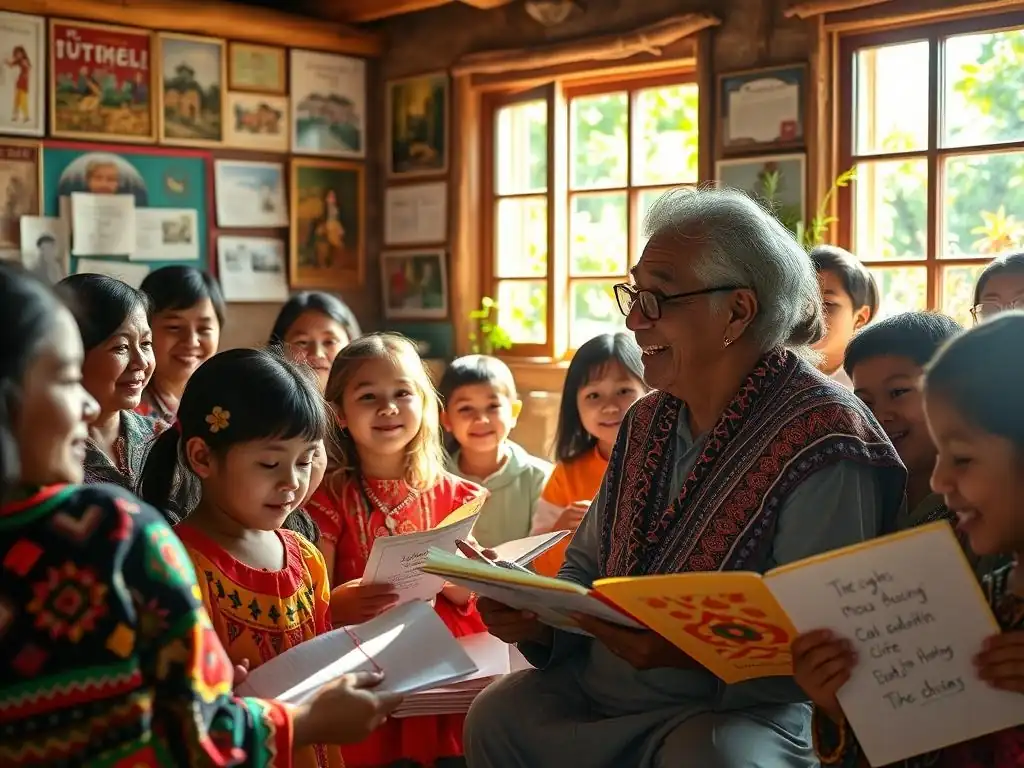
Welcome to Indigenous Civilizations of the Americas, where we embark on an enlightening journey through the rich tapestry of indigenous cultures that flourished long before European colonization. Here, we delve into the intriguing world of indigenous language revitalization success stories, illuminating the remarkable initiatives that breathe new life into ancestral tongues.
As you explore our featured article, "Language Revitalization Initiatives: Successful Case Studies from Indigenous Communities," prepare to uncover the profound impact these efforts have on cultural identity and community resilience. Join us in celebrating these inspiring narratives that not only preserve history but also pave the way for future generations!
- Introduction to Indigenous Language Revitalization Success Stories
- Key Elements of Successful Indigenous Language Revitalization Programs
- Case Study 1: Ojibwe Language Revitalization
- Case Study 2: Hawaiian Language Revitalization
- Case Study 3: Maori Language Revitalization
- Lessons Learned from Indigenous Language Revitalization Success Stories
- Conclusion: The Future of Indigenous Language Revitalization
- Frequently Asked Questions
- Final Reflection: Embracing the Power of Indigenous Language Revitalization
- Revitalize Your Language Journey Today!
Introduction to Indigenous Language Revitalization Success Stories
Indigenous language revitalization is a critical endeavor aimed at preserving and rejuvenating the rich linguistic heritage of Indigenous communities across the Americas. As numerous languages face the threat of extinction due to historical colonization and cultural assimilation, various initiatives have emerged to counteract this decline.
These success stories not only showcase the resilience and creativity of Indigenous peoples but also highlight the profound importance of language as a vessel of culture, identity, and knowledge. This article delves into the inspiring language revitalization initiatives undertaken by Indigenous communities, illustrating their achievements and the lasting impact these efforts have had on cultural preservation and community empowerment.
Importance of Indigenous Language Revitalization
The revitalization of Indigenous languages is vital for several reasons:
- Cultural Identity: Language is a cornerstone of cultural identity. It encapsulates traditions, worldviews, and histories that are unique to each community. Revitalizing these languages helps preserve cultural practices and strengthens community bonds.
- Knowledge Transmission: Indigenous languages often contain specialized knowledge about local ecosystems, medicinal practices, and ancestral stories. By revitalizing these languages, communities can ensure that this valuable knowledge is passed down to future generations.
- Social Cohesion: Language serves as a unifying factor within communities. Revitalization efforts foster a sense of belonging and pride among community members, thereby enhancing social cohesion and collective identity.
- Political Empowerment: Revitalizing Indigenous languages can empower communities politically by asserting their rights and presence in a world that often marginalizes them. This empowerment can lead to greater advocacy for Indigenous rights and recognition.
Overview of Language Revitalization Initiatives
Across the Americas, numerous language revitalization initiatives have emerged, each tailored to the specific needs and contexts of Indigenous communities. Here are some notable examples:
- Community Language Programs: Many communities have established immersive language programs that engage both youth and elders. These programs often focus on teaching the language through traditional storytelling, songs, and cultural practices, ensuring that learning is both meaningful and relevant.
- Digital Resources: The rise of technology has opened new avenues for language preservation. Many Indigenous communities have developed mobile apps, online courses, and social media campaigns to promote their languages and reach a wider audience.
- Bilingual Education: Some Indigenous communities have successfully integrated their languages into the educational system, offering bilingual education programs that teach children in both their Indigenous language and the dominant language. This approach not only aids language acquisition but also fosters respect for Indigenous cultures among non-Indigenous students.
- Documentary Projects: Documenting and archiving Indigenous languages through video, audio, and written formats is another effective initiative. These projects often involve community members and serve as vital resources for language learners and researchers alike.
Through these initiatives, Indigenous communities are not only revitalizing their languages but also reaffirming their cultural heritage and identity, paving the way for future generations to thrive.
Key Elements of Successful Indigenous Language Revitalization Programs
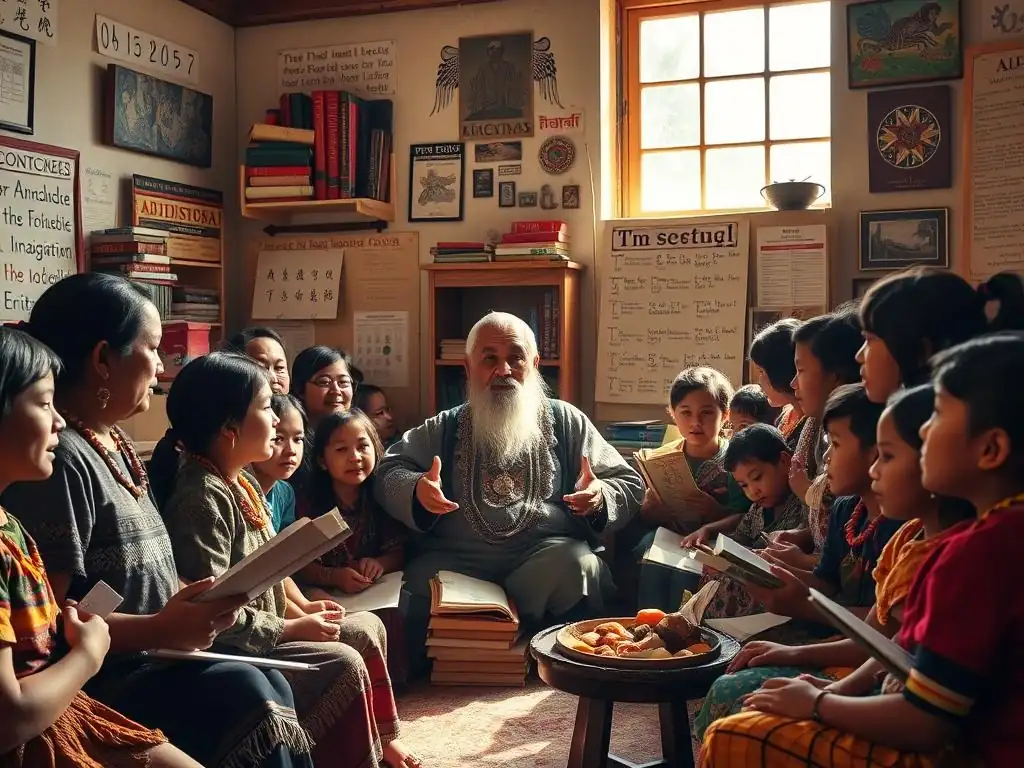
Successful Indigenous language revitalization programs share several key elements that contribute to their effectiveness. These elements often focus on community engagement, educational frameworks, and the integration of modern technology to ensure the sustainability of language use among younger generations. Understanding these components can help inform future initiatives aimed at preserving and revitalizing Indigenous languages.
Community Involvement in Language Revitalization
Community involvement is fundamental to the success of Indigenous language revitalization initiatives. Engaging community members fosters a sense of ownership and pride in their linguistic heritage. Here are several ways in which community involvement manifests in these programs:
- Grassroots Movements: Many successful initiatives begin at the grassroots level, where community members organize workshops, language classes, and cultural events. This localized approach ensures that the revitalization efforts are culturally relevant and tailored to the specific needs of the community.
- Elders as Language Keepers: Elders play a crucial role in the preservation of Indigenous languages. They possess invaluable knowledge and are often the last fluent speakers. Their involvement in teaching and mentoring younger community members helps to transmit both language and cultural practices.
- Cultural Integration: Successful programs often incorporate cultural elements into language learning. This approach not only aids in language acquisition but also reinforces community identity. For example, storytelling, traditional songs, and ceremonies can be powerful tools in teaching language through context and meaning.
- Collaborative Efforts: Partnerships between different organizations, such as schools, community centers, and local governments, can amplify the impact of revitalization initiatives. Collaborative efforts can lead to shared resources, increased funding, and a broader reach within the community.
Role of Education in Language Preservation
Education serves as a cornerstone for Indigenous language revitalization, providing structured environments where language learning can occur. Here are some educational strategies that have proven effective:
- Bilingual Education Programs: Implementing bilingual education in schools allows students to learn in both their Indigenous language and a dominant language (such as English or Spanish). This approach supports language maintenance by allowing children to gain proficiency in their native language while also preparing them for broader societal interactions.
- Curriculum Development: Developing culturally relevant curricula that incorporate Indigenous languages and histories can enhance students' engagement. Programs that include local lore, traditional practices, and the history of the community can create a more meaningful educational experience.
- Teacher Training: Equipping teachers with the skills and knowledge to teach Indigenous languages is vital. Training programs should focus on both language proficiency and cultural competency, ensuring that educators can effectively engage students in learning.
- After-School and Community Programs: Language classes offered after school or as part of community programs can provide additional opportunities for language acquisition. These environments often prioritize informal learning and allow for more personalized instruction.
Use of Technology in Language Revitalization
In the digital age, technology plays a significant role in supporting Indigenous language revitalization efforts. Here are notable ways technology is being utilized:
- Language Apps and Online Resources: The development of mobile applications and online resources has made language learning more accessible. These tools often include interactive features, audio recordings, and games, making language acquisition engaging for users of all ages.
- Social Media and Online Communities: Social media platforms offer spaces for Indigenous language speakers and learners to connect, share resources, and practice their language skills. Online communities can foster a sense of belonging and encourage language use in everyday contexts.
- Digital Archives: Documenting and digitizing Indigenous languages through audio and video recordings helps preserve linguistic heritage. Digital archives can serve as valuable resources for both language learners and researchers, providing access to authentic language use in various contexts.
- Virtual Reality and Augmented Reality: Emerging technologies, such as virtual reality (VR) and augmented reality (AR), are being explored for immersive language learning experiences. These technologies can simulate real-world environments where learners can practice their language skills in context.
By integrating these key elements—community involvement, education, and technology—Indigenous language revitalization programs can create sustainable pathways for preserving and promoting linguistic heritage, ensuring that future generations can connect with their languages and cultures.
Case Study 1: Ojibwe Language Revitalization
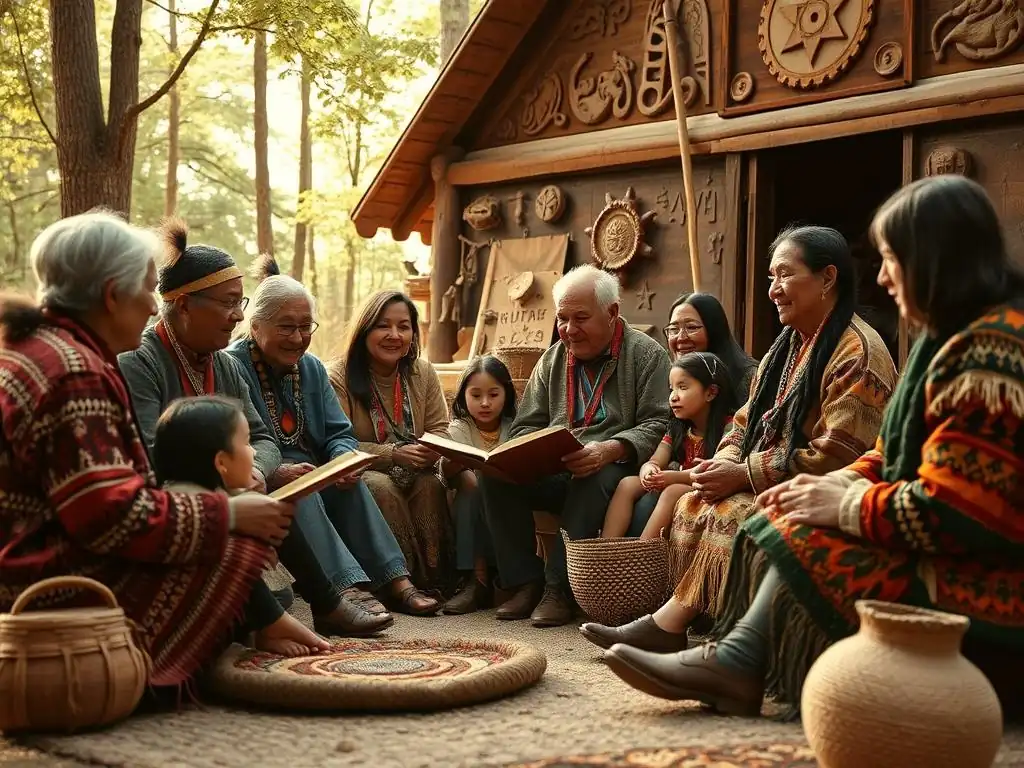
Background of the Community and Language
The Ojibwe community, primarily located in the northern regions of the United States and Canada, is one of the largest Indigenous groups in North America. The Ojibwe language, also known as Anishinaabemowin, is part of the Algonquian language family and possesses various dialects, including Northern and Southern Ojibwe. Historically, Ojibwe people maintained a rich oral tradition, passing down stories, teachings, and cultural knowledge through generations. However, like many Indigenous languages, the Ojibwe language faced significant decline due to European colonization, assimilation policies, and the residential school system, which sought to erase Indigenous identities.
In recent decades, the Ojibwe community has recognized the urgent need to revitalize their language to preserve their cultural heritage and strengthen community ties. Efforts have been made to address the alarming rate of language loss, especially among younger generations. The community's commitment to revitalization stems not only from a desire to keep their language alive but also from a recognition of its integral role in cultural identity and spiritual practices.
Strategies Implemented for Language Revitalization
A multifaceted approach has been adopted by the Ojibwe community to promote language revitalization. Key strategies include:
- Language Immersion Programs:
- Ojibwe language immersion schools have been established, providing full-day programs where children are taught exclusively in Ojibwe. These schools aim to create a natural language environment, fostering fluency from an early age.
- Community Workshops and Classes:
- Regular workshops and evening classes are offered for adults and youth to learn the language. These sessions focus on conversational Ojibwe, traditional stories, and cultural teachings, reinforcing the connection between language and identity.
- Use of Technology:
- The incorporation of digital tools has been crucial. Mobile apps and online platforms provide resources like vocabulary lists, audio recordings, and language games, making learning accessible and engaging.
- Collaboration with Elders:
- Elders play a vital role in the revitalization process by sharing their knowledge and traditional narratives. Their involvement ensures that the language is taught with cultural context and authenticity.
- Cultural Events and Language Festivals:
- Annual gatherings and language festivals celebrate Ojibwe culture and language, attracting community members and fostering a sense of pride. These events often include storytelling, music, and traditional ceremonies conducted in Ojibwe.
Outcomes and Impact on the Community
The Ojibwe language revitalization initiatives have yielded positive outcomes, significantly impacting the community:
- Increased Language Proficiency:
- A noticeable rise in the number of fluent speakers, particularly among youth, has been observed. This shift contributes to a renewed sense of identity and belonging within the community.
- Strengthened Cultural Connections:
- Language revitalization has fostered a deeper appreciation for Ojibwe traditions, stories, and values. Participants in language programs often report feeling more connected to their heritage and community.
- Enhanced Community Engagement:
- The initiatives have encouraged intergenerational dialogue, with elders and youth collaborating in learning environments. This dynamic fosters mutual respect and understanding across age groups.
- Positive Mental Health Outcomes:
- Engaging with the language has been linked to improved mental health and well-being within the community, as individuals experience a stronger sense of purpose and identity.
- Recognition and Support:
- The success of these initiatives has garnered attention from governmental and non-governmental organizations, leading to increased funding and support for further language preservation efforts.
Overall, the Ojibwe language revitalization success stories illustrate the resilience of Indigenous communities in reclaiming their languages and identities. These efforts stand as a testament to the power of community action and the importance of cultural preservation in the face of historical challenges.
Case Study 2: Hawaiian Language Revitalization

Historical Context of Language Loss
The Hawaiian language, known as ʻŌlelo Hawaiʻi, faced significant decline following the overthrow of the Hawaiian monarchy in 1893 and subsequent annexation by the United States in 1898. The imposition of English as the primary language of instruction in schools and government led to a drastic reduction in the number of native speakers.
By the mid-20th century, Hawaiian was classified as a critically endangered language, with estimates suggesting that only a few thousand fluent speakers remained, primarily among the older generations. This historical context of language loss highlights the systemic efforts to suppress Hawaiian culture and identity, which necessitated a robust response from the community to reclaim and revitalize their linguistic heritage.
Innovative Approaches to Language Teaching
In response to the decline of the Hawaiian language, various innovative approaches have emerged to facilitate its revitalization. One landmark initiative is the ʻAha Pūerto, a series of immersion schools established in the 1980s that focus on teaching children solely in Hawaiian. These schools employ culturally relevant curricula that integrate traditional Hawaiian knowledge, customs, and values, creating a holistic learning environment.
Additionally, community colleges and universities have introduced Hawaiian language courses and degree programs, fostering higher education opportunities for students interested in linguistic and cultural studies. The use of modern technology has also played a pivotal role; digital platforms and applications have been developed to teach Hawaiian vocabulary and grammar, making the language accessible to a broader audience. These innovative approaches emphasize not only the language itself but also the cultural context in which it exists, ensuring that learners can appreciate the richness of Hawaiian heritage.
Measurable Success and Community Engagement
The success of Hawaiian language revitalization initiatives can be measured through several key indicators. First, the number of speakers has seen a remarkable increase. According to the 2020 Census, over 24,000 people reported speaking Hawaiian at home, a significant rise compared to previous decades. This growth is largely attributed to the success of immersion programs and community classes that have engaged families and children in the learning process.
Community engagement has also been pivotal in these revitalization efforts. Kūlana Nā Pākīpika, a community-based organization, has been instrumental in promoting Hawaiian language use in everyday life. Their initiatives include hosting cultural events, language workshops, and public speaking contests, which not only reinforce language skills but also foster a sense of identity and pride among participants.
Moreover, the involvement of local governments and educational institutions in supporting Hawaiian language initiatives signifies a broader recognition of the importance of linguistic preservation. By implementing policies that promote the use of Hawaiian in public signage, official documents, and educational materials, these entities contribute to normalizing the language and ensuring its continued presence in the community.
The Hawaiian language revitalization movement serves as a compelling example of how historical awareness, innovative educational strategies, and active community involvement can lead to measurable success in reclaiming and sustaining indigenous languages.
Case Study 3: Maori Language Revitalization
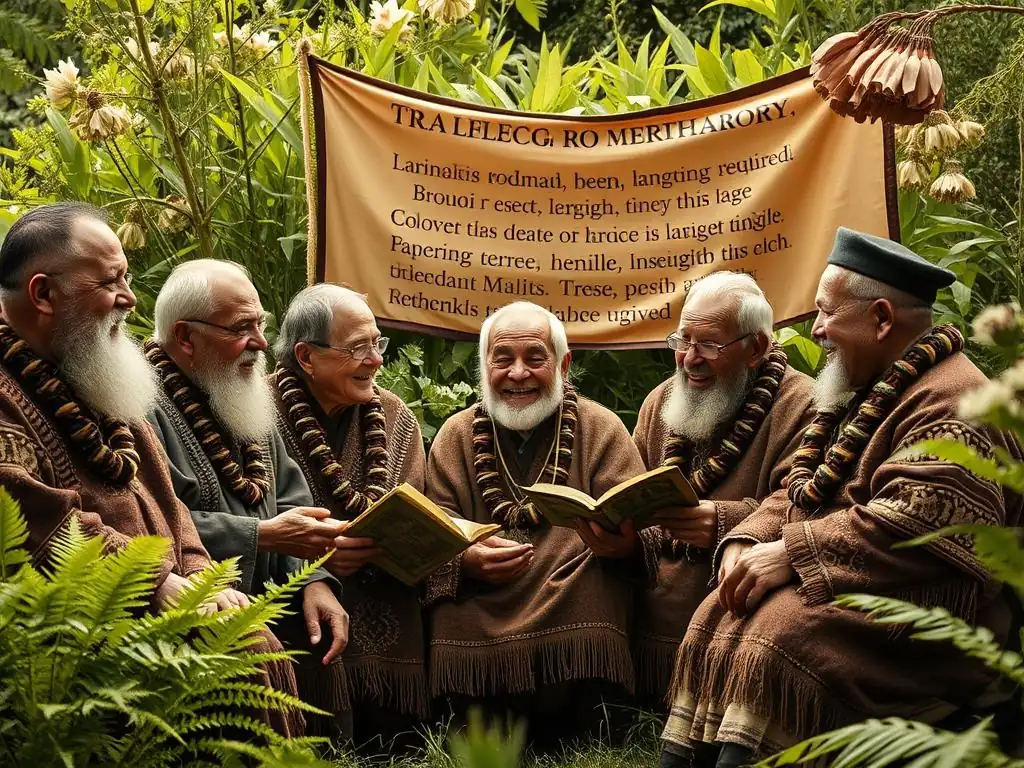
The revitalization of the Maori language (Te Reo Maori) serves as a prominent example of Indigenous language revitalization success stories. After decades of decline due to colonization and the suppression of Maori culture, revitalization efforts have gained momentum since the late 20th century. This case study examines the challenges faced, the collaborative efforts undertaken, and the long-term benefits of these initiatives for cultural resilience.
Challenges Faced in Language Revitalization
The Maori language encountered significant challenges over the years, stemming from historical, social, and political factors:
- Colonial Suppression: The British colonization of New Zealand led to systematic efforts to suppress Te Reo Maori. English became the dominant language in education, government, and media, which marginalized the Maori language and culture.
- Generational Language Loss: As Te Reo Maori was increasingly relegated to informal settings, many young Maori were not taught the language at home, leading to a generational gap in fluency. By the 1980s, language speakers were predominantly older adults.
- Stigmatization: The perception of Te Reo Maori as a "backward" or "lesser" language contributed to its decline. Many Maori children faced ridicule for speaking their native language, further discouraging its use in everyday life.
These challenges highlighted the urgent need for targeted revitalization initiatives that would not only promote language use but also restore pride in Maori cultural identity.
Collaborative Efforts for Language Preservation
In response to the decline of Te Reo Maori, various collaborative efforts have been implemented to promote its revitalization:
- Government Support: The New Zealand government has taken significant steps to support Maori language initiatives. In 1987, Te Reo Maori was declared an official language, paving the way for funding and resources dedicated to its preservation.
- Kohanga Reo and Kura Kaupapa Maori: These immersion programs for early childhood and primary education have been pivotal. Kohanga Reo (language nests) promote Te Reo Maori among preschool children, while Kura Kaupapa Maori (Maori-language schools) provide a full education in Maori from primary through secondary levels.
- Community Engagement: Grassroots organizations and community groups have played a crucial role in promoting language use through local events, workshops, and cultural activities. Whanau (extended family) involvement is emphasized, encouraging families to speak Te Reo Maori at home.
- Media and Technology: The rise of digital media has facilitated the dissemination of Te Reo Maori through radio, television, and online platforms. Initiatives like Maori Television and language apps have made the language accessible to a broader audience.
These collaborative efforts exemplify how a community-driven approach, with support from government and educational institutions, can lead to successful language revitalization.
Long-term Benefits and Cultural Resilience
The revitalization of Te Reo Maori has yielded numerous long-term benefits for Maori communities, reinforcing their cultural identity and resilience:
- Increased Fluency: As a result of educational initiatives, the number of fluent Te Reo Maori speakers has significantly increased. In the 2018 census, over 200,000 people reported being able to speak the language, a marked improvement from previous decades.
- Cultural Reconnection: Language revitalization has fostered a deeper connection to Maori culture, traditions, and values. Speaking Te Reo Maori allows individuals to engage with their heritage, enhancing their sense of identity.
- Intergenerational Transmission: With increased fluency among younger generations, the transmission of Te Reo Maori has become more robust. Families are now more likely to speak the language at home, ensuring its survival for future generations.
- Social Cohesion: Language plays a vital role in fostering community bonding. The revival of Te Reo Maori has strengthened social ties among Maori, reinforcing cultural pride and unity within communities.
The successful revitalization of the Maori language illustrates the power of community collaboration and the importance of cultural pride in preserving Indigenous languages. As Maori communities continue to thrive in their linguistic endeavors, they serve as an inspiring model for other Indigenous language revitalization success stories across the globe.
Lessons Learned from Indigenous Language Revitalization Success Stories
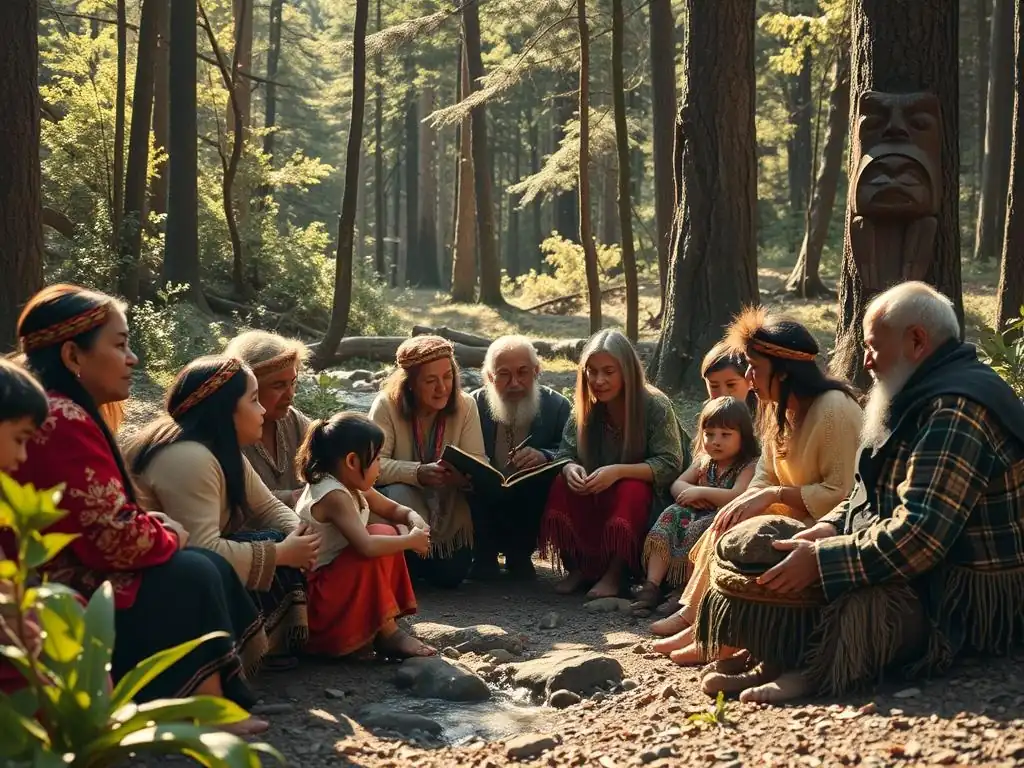
Indigenous language revitalization success stories provide invaluable insights into effective practices and strategies that can be employed in similar initiatives. Through a careful examination of various case studies, several key lessons have emerged that can guide future efforts in preserving and revitalizing indigenous languages.
Common Themes in Successful Initiatives
Successful language revitalization initiatives often share common themes that contribute to their effectiveness. These themes include:
- Community Involvement
- Grassroots participation is vital. Community members should be actively involved in the planning and implementation of language programs.
- Collaboration between various age groups fosters a more inclusive environment, encouraging knowledge sharing between elders and youth.
- Integration of Language in Daily Life
- Successful programs incorporate the language into everyday contexts, such as schools, workplaces, and local events. This practical application reinforces language use.
- Bilingual signage and public announcements in the indigenous language help normalize its presence in the community.
- Cultural Relevance
- Language revitalization is most effective when tied to cultural practices and beliefs. Programs that integrate traditional storytelling, songs, and ceremonies help contextualize the language within its cultural framework.
- Cultural workshops that celebrate the language and its speakers can enhance community pride and interest in language learning.
- Educational Frameworks
- Developing curricula that are engaging and age-appropriate is key. Programs that utilize interactive and immersive teaching methods promote active learning.
- Teacher training is essential to ensure that instructors are well-equipped to teach the language effectively.
- Use of Technology
- Innovative tools such as mobile apps, online courses, and social media platforms can reach wider audiences. These technologies can provide resources and support to learners outside traditional settings.
- Digital archives of audio and video recordings of fluent speakers preserve the language for future generations.
Importance of Cultural Context in Language Revitalization
Understanding the cultural context in which an indigenous language exists is crucial for successful revitalization efforts. The language is not merely a means of communication; it embodies the values, history, and identity of the community. Here are some pivotal aspects of how cultural context influences language revitalization:
- Cultural Identity and Pride
- Language is a key component of cultural identity. Revitalizing a language can enhance community pride and strengthen the collective identity of indigenous peoples.
- Engaging community members in discussions about their cultural heritage fosters a deeper appreciation for the language and its significance.
- Intergenerational Transmission
- Languages are often passed down through generations. Creating spaces for elders to teach the language to younger members is essential for sustaining linguistic knowledge.
- Initiatives that emphasize storytelling and traditional practices allow for natural language acquisition in context, facilitating meaningful learning experiences.
- Maintaining Traditional Knowledge
- Many indigenous languages carry unique perspectives on the environment, spirituality, and social structures. Revitalizing these languages helps preserve traditional knowledge and fosters respect for ancestral wisdom.
- Language revitalization initiatives that include discussions on traditional ecological knowledge can enhance community resilience and environmental stewardship.
- Healing Historical Traumas
- Language revitalization can serve as a form of healing, allowing communities to address the impacts of colonization and cultural suppression. This process can empower individuals and communities, fostering a sense of agency.
- By reclaiming their language, communities can reclaim their narratives, promoting self-determination and cultural sovereignty.
The lessons learned from indigenous language revitalization success stories underscore the importance of community involvement, cultural relevance, and contextual understanding. These elements are vital to ensuring that revitalization efforts are meaningful, sustainable, and impactful for future generations.
Conclusion: The Future of Indigenous Language Revitalization
The Ongoing Need for Language Preservation Efforts
The revitalization of Indigenous languages is an essential endeavor that addresses the ongoing threat of language extinction across many communities. As of recent estimates, it is believed that nearly 90% of Indigenous languages in the Americas are endangered, with many at risk of disappearing within the next few generations. This alarming trend underscores the necessity for continuous language preservation efforts, which not only serve to keep languages alive but also strengthen cultural identity and community cohesion.
The loss of language is often linked to broader socio-economic challenges faced by Indigenous communities, including poverty, lack of access to education, and systemic marginalization. Language preservation initiatives are crucial in combating these issues, as they empower communities to reclaim their linguistic heritage, fostering pride and resilience. Programs that encourage the intergenerational transmission of languages—like immersion schools, community language classes, and digital resources—have shown promising results.
For instance, the Ojibwe language revitalization efforts in Minnesota have successfully engaged younger generations through immersion programs, which have resulted in increased fluency and cultural engagement. Similarly, the Hawaiian language revitalization movement has transformed education in Hawaii, leading to a significant resurgence of the language and cultural practices among youth. These success stories highlight the importance of tailored approaches that resonate with community needs and values.
Encouraging Future Initiatives for Indigenous Language Success
Looking ahead, the future of Indigenous language revitalization relies on innovative strategies and collaborative efforts. Here are several key approaches that can foster ongoing success:
- Community-Driven Initiatives: Engaging local communities in the planning and implementation of language programs is vital. When initiatives reflect the distinct needs and contexts of communities, they are more likely to succeed. For example, involving elders in teaching can ensure that traditional knowledge is passed down alongside linguistic skills.
- Integration with Technology: Leveraging technology can significantly enhance language learning and preservation. Mobile apps, online courses, and social media platforms can make language resources more accessible, especially for younger audiences. For instance, the development of language learning apps for the Inuktitut language has attracted a younger demographic, allowing for greater engagement.
- Support from Educational Institutions: Collaborations between Indigenous communities and educational institutions can lead to the creation of robust language curricula. Schools that incorporate Indigenous languages into their programs provide vital support for language retention and cultural education.
- Policy Advocacy: Advocating for language rights and support at governmental levels can create a more favorable environment for revitalization efforts. Policies that promote bilingual education and recognize Indigenous languages as official languages can empower communities and provide necessary funding.
- Cultural Exchange and Collaboration: Encouraging partnerships between different Indigenous groups can foster knowledge exchange and shared resources. Learning from each other's successes can lead to innovative practices that further strengthen language revitalization efforts.
While challenges remain, the success stories of Indigenous language revitalization provide hope and inspiration. By focusing on community engagement, technological integration, educational support, policy advocacy, and collaborative efforts, there is a promising path forward for the revitalization of Indigenous languages. This collective commitment can ensure that these languages not only survive but thrive, continuing to enrich the cultural tapestry of the Americas for generations to come.
Frequently Asked Questions
What are language revitalization initiatives?
Language revitalization initiatives are programs and efforts aimed at preserving and promoting endangered indigenous languages. These initiatives often involve community engagement, education, and cultural activities.
Why are indigenous languages important?
Indigenous languages are crucial for maintaining cultural identity, traditions, and worldviews. They serve as a means of communication and connection within communities, embodying unique histories and knowledge.
Can you provide examples of successful language revitalization?
Yes, examples include the Hawaiian language immersion schools and the Ojibwe language programs in the United States. Both have shown significant success in increasing fluency among younger generations.
How do these success stories impact indigenous communities?
Successful language revitalization fosters community pride, strengthens cultural ties, and enhances intergenerational communication. It also contributes to the overall well-being and resilience of indigenous communities.
What challenges do these initiatives face?
Challenges include limited funding, lack of resources, and intergenerational language transmission issues. Overcoming these obstacles requires community commitment and support from various stakeholders.
Final Reflection: Embracing the Power of Indigenous Language Revitalization
The stories of Indigenous language revitalization are not just tales of cultural survival; they are powerful reminders of the resilience and strength of communities facing the challenges of modernity. As we navigate an increasingly globalized world, the importance of preserving linguistic diversity becomes ever more critical. These success stories illuminate the path forward, showcasing how dedicated efforts can breathe new life into languages that were once on the brink of extinction.
The impact of these revitalization initiatives extends far beyond mere language preservation; they foster a sense of identity, belonging, and pride within Indigenous communities. The efforts to reclaim and revitalize languages have sparked a cultural renaissance, inspiring younger generations to reconnect with their heritage. As one elder poignantly stated, Language is the soul of our culture; when we speak it, we breathe life into our ancestors' dreams.
This ongoing journey of revitalization not only honors the past but also shapes the future, ensuring that Indigenous voices continue to resonate in the world.
As you reflect on the stories shared in this article, consider how you can contribute to the preservation of linguistic diversity in your own community. Whether through supporting local language programs, advocating for inclusive education, or simply engaging with and learning about Indigenous languages, your actions can make a difference. Let us all take inspiration from these success stories and commit to fostering a world where every language is valued, and every voice is heard.
Revitalize Your Language Journey Today!
Thank you for taking the time to explore the inspiring language revitalization initiatives showcased in this article. You've discovered the remarkable resilience and creativity of Indigenous communities in preserving their languages—now, it's time to translate that knowledge into action!
Here are some steps you can take to contribute to this important movement:
- Join a local cultural organization dedicated to Indigenous language preservation. Your participation can significantly enhance community outreach and education efforts.
- Start a language exchange program in your area to promote awareness and encourage younger generations to learn these vital languages.
- Share this article with friends and family on social media to raise awareness about the significance of language revitalization and inspire others to get involved.
What unique ways do you think we can further support the revitalization of Indigenous languages in our communities? Let's start a conversation!