
Mayan Medicine: Ancient Practices and Their Influence on Modern Healthcare

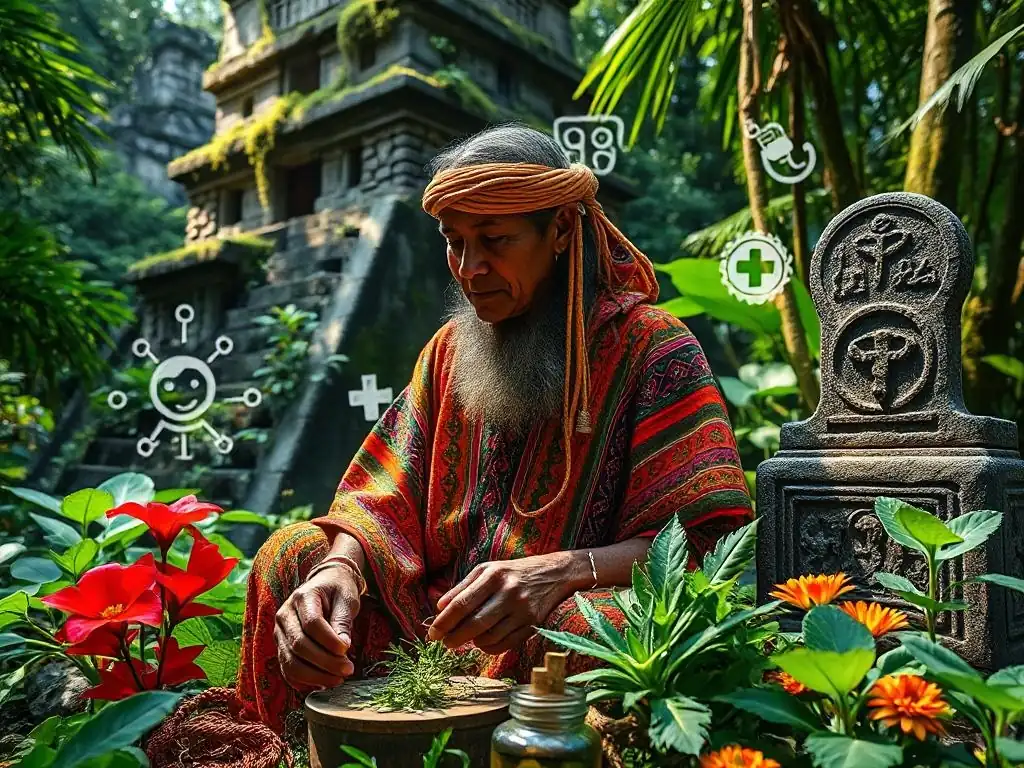
Welcome to Indigenous Civilizations of the Americas, where we embark on a fascinating journey through the rich tapestry of indigenous cultures that flourished long before European contact. Dive into our spotlight article, “Mayan Medicine: Ancient Practices and Their Influence on Modern Healthcare,” and discover the profound knowledge and innovative practices of the Mayan civilization. How did their ancient healing techniques shape contemporary medical practices? Join us as we unravel the enduring legacy of these remarkable societies and their contributions to our world today. Your exploration begins here!
- Introduction to Mayan Medicine and Its Historical Context
- Key Elements of Mayan Medicine
- Comparative Analysis of Mayan Medicine and Modern Healthcare
- The Legacy of Mayan Medicine in Modern Healthcare
- Conclusion: The Lasting Impact of Mayan Medicine on Health Practices
-
Frequently Asked Questions
- What is the main focus of the article on Mayan medicine?
- How did Mayan medicine differ from modern healthcare practices?
- What are some key achievements of the Mayan civilization in medicine?
- How has Mayan medicine influenced modern healthcare systems?
- Are there ongoing studies related to Mayan medicine and its applications today?
- Final Reflection: Bridging Ancient Wisdom and Modern Healing
- Embrace the Healing Wisdom of the Ancients!
Introduction to Mayan Medicine and Its Historical Context
Mayan medicine, a remarkable aspect of the sophisticated Mayan civilization, encompasses a wide variety of practices and beliefs that were integral to health and wellness in ancient Mesoamerica. This article delves into the rich tapestry of Mayan medicine, exploring its origins, methodologies, and how these ancient practices have laid a foundation for modern healthcare.
The Mayans were not merely passive observers of nature; they engaged deeply with their environment, developing a complex system of medicine that combined herbal remedies, spiritual healing, and a profound understanding of the human body. Understanding Mayan medicine not only illuminates the cultural and scientific achievements of this civilization but also highlights its enduring influence in contemporary health practices.
Overview of Mayan Civilization and Healthcare Practices
The Mayan civilization flourished in present-day Mexico, Guatemala, Belize, and parts of Honduras and El Salvador from around 2000 BC until the Spanish conquest in the 16th century. Known for their impressive architectural achievements, advanced agricultural techniques, and intricate social structures, the Mayans also developed a sophisticated approach to healthcare that was closely linked to their cosmology and social organization.
- Medicinal Plants: The Mayans utilized an extensive knowledge of local flora to create a vast pharmacopoeia. They identified numerous plants with healing properties, such as:
- Cacao: Used both as a food and for medicinal properties.
- Chaya: Considered a superfood that aids in digestion and boosts energy.
- Sage: Employed for its antiseptic and calming effects.
- Healing Rituals: Healing was often a communal activity, involving rituals led by shamans or healers who invoked spiritual forces to aid recovery. These practices included:
- Ceremonial Purification: To cleanse the spirit and body before treatment.
- Offerings and Prayers: To appease deities and seek their assistance in healing.
- Diagnosis and Treatment: The Mayans had a unique approach to diagnosis, which involved observing physical symptoms and spiritual conditions. Treatments could include:
- Herbal Remedies: Tailored to specific ailments.
- Massage and Manipulation: Techniques that resemble modern chiropractic methods.
Significance of Mayan Medicine in Ancient Society
Mayan medicine was not only a means of treating illness but also a reflection of the civilization's values and beliefs. It played a critical role in maintaining the social fabric and spiritual health of the community. The significance of Mayan medicine can be outlined as follows:
- Cultural Identity: Healing practices were intertwined with Mayan mythology and cosmology, reinforcing a sense of identity and community cohesion.
- Social Structure: Healers held esteemed positions in society, often acting as advisors and leaders in health-related matters. Their knowledge was crucial for the welfare of the community.
- Legacy in Modern Healthcare: Many aspects of Mayan medicine have persevered through generations, influencing contemporary herbal medicine and holistic practices in Latin America and beyond. This enduring legacy highlights the importance of indigenous knowledge in modern healthcare systems.
The exploration of Mayan medicine reveals not only the scientific achievements of this ancient civilization but also its profound impact on contemporary health practices, emphasizing the value of traditional knowledge in today's medical landscape.
Key Elements of Mayan Medicine
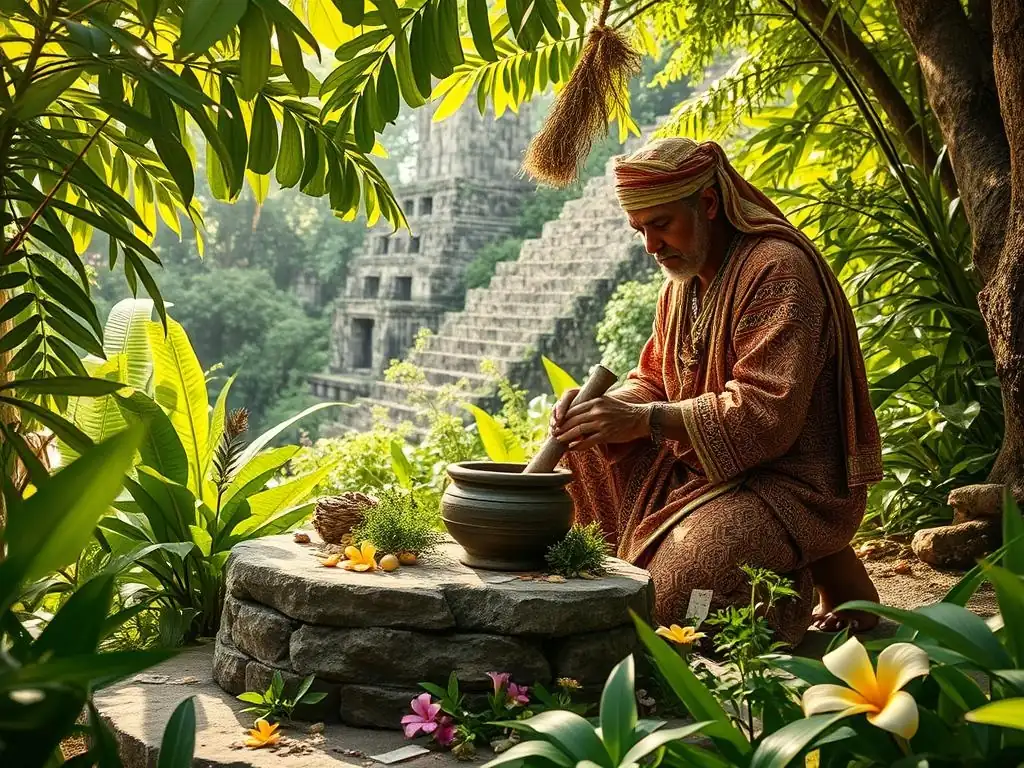
Mayan medicine is a rich tapestry of practices that intertwines natural healing methods with spiritual beliefs. This unique system reflects the Mayans' deep understanding of the human body, the environment, and the cosmos. The key elements of Mayan medicine can be categorized into several vital components, including herbal remedies, rituals, and the roles of healers. These aspects not only reveal the sophistication of ancient healing practices but also highlight their enduring influence on modern healthcare.
Herbal Remedies and Plant-Based Treatments
Herbal remedies formed the backbone of Mayan medicine, showcasing an extensive knowledge of local flora. The Mayans utilized a variety of plants for medicinal purposes, with each serving specific healing needs. Some notable examples include:
- Achiote (Bixa orellana): Used for its anti-inflammatory and antioxidant properties, achiote seeds were often ground into a paste and applied to wounds.
- Chaya (Cnidoscolus chayamansa): This leafy green was consumed for its high nutritional value and was believed to have healing properties for various ailments.
- Cacao (Theobroma cacao): Besides being a staple in their diet, cacao was used in rituals and believed to have mood-enhancing effects, contributing to overall well-being.
The Mayans had a systematic approach to herbal medicine, where specific plants were prescribed for particular illnesses based on centuries of observation and experience.
| Plant | Uses | Preparation |
|---|---|---|
| Achiote | Anti-inflammatory, wound healing | Ground into a paste |
| Chaya | Nutritional, health benefits | Eaten raw or cooked |
| Cacao | Mood enhancer, ceremonial use | Consumed as a beverage |
Rituals and Spirituality in Healing Practices
Healing in Mayan culture was not solely a physical process; it was deeply intertwined with spiritual beliefs and rituals. The Mayans viewed health as a balance between the physical, spiritual, and cosmic realms. Healing rituals often involved:
- Ceremonial Cleansing: This practice was used to remove negative energies and restore balance. It typically included the use of incense, such as copal, and the participation of family members.
- Offerings to Deities: Healers would often make offerings to specific gods associated with health and healing, seeking their guidance and support.
- Music and Dance: Rituals frequently incorporated music and dance, believed to invoke healing energies and connect participants to the spiritual world.
These practices were designed not only to treat physical ailments but also to address emotional and spiritual distress, emphasizing the holistic nature of Mayan medicine.
The Role of Healers and Shamans in Mayan Society
Healers and shamans were central figures in Mayan medicine, serving as both medical practitioners and spiritual leaders. Their roles encompassed various responsibilities, including:
- Diagnosis and Treatment: Healers employed a combination of observation, intuition, and traditional knowledge to diagnose illnesses. They would prescribe herbal remedies or recommend spiritual practices based on their findings.
- Cultural Preservation: As custodians of ancient knowledge, shamans played a crucial role in preserving medicinal practices and passing down wisdom through generations.
- Community Leaders: Healers were often respected members of their communities, called upon not just for medical issues but also for guidance in personal and communal matters.
The respect and authority held by these practitioners underscore the integral role of Mayan medicine in the broader context of their society. Today, the influence of these ancient practices can still be seen in modern healthcare, where a growing appreciation for holistic and plant-based treatments mirrors the Mayan approach to health and well-being.
Comparative Analysis of Mayan Medicine and Modern Healthcare
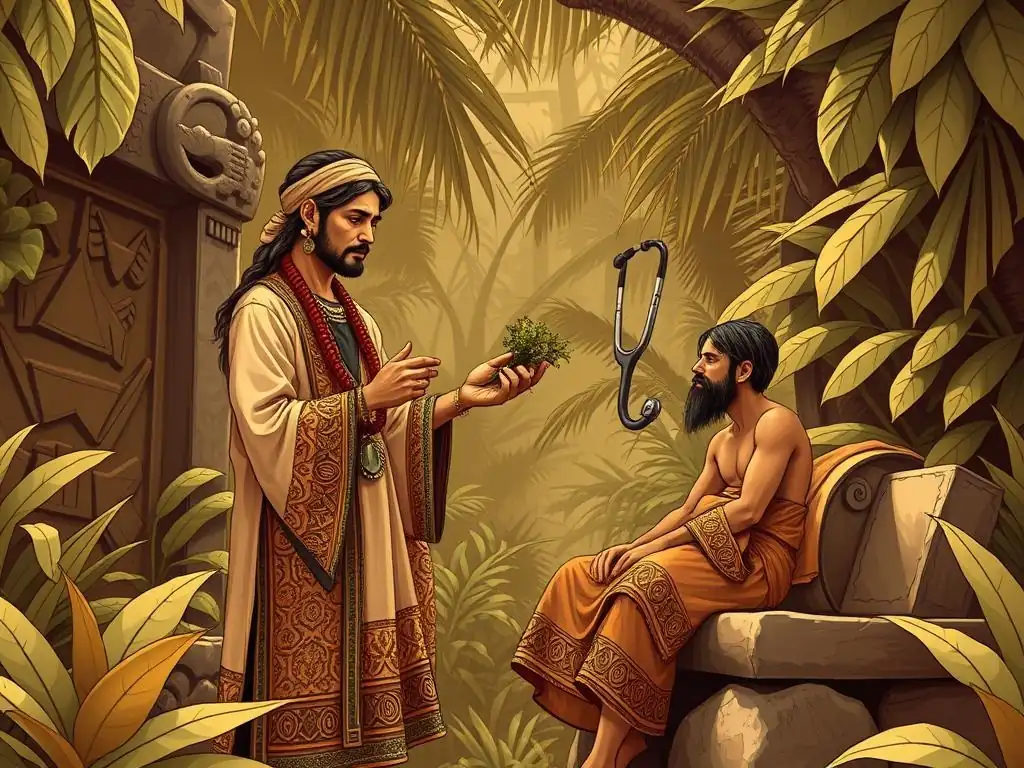
Similarities Between Ancient Practices and Contemporary Medicine
Mayan medicine, deeply rooted in the spiritual and physical well-being of individuals, shares several similarities with modern healthcare practices. Both systems recognize the importance of holistic approaches to health, emphasizing the interconnection between mind, body, and spirit.
- Holistic Healing:
- Both Mayan medicine and modern healthcare advocate for holistic healing. The Mayans employed a combination of herbal remedies, spiritual rituals, and community support to address health issues, similar to how contemporary medicine often incorporates mental health services alongside physical treatments.
- Use of Natural Remedies:
- The Mayans utilized a wide range of plants and herbs, many of which are still relevant in today's alternative and complementary medicine practices. For instance, plants like Chaya (tree spinach) and Aloe Vera are recognized for their health benefits in both Mayan and modern medicinal traditions.
- Preventive Care:
- Just as modern healthcare emphasizes preventive measures—such as vaccinations and regular check-ups—the Mayans practiced preventive care through rituals and dietary practices aimed at strengthening the body and spirit against ailments.
Differences in Approach to Health and Wellness
While there are notable similarities, significant differences exist between Mayan medicine and modern healthcare systems.
- Philosophical Foundations:
- Mayan medicine is deeply intertwined with spirituality and cosmology. Healing practices often involve rituals, prayers, and the invocation of deities, which contrasts with the scientific foundation of modern healthcare that emphasizes empirical evidence and biological mechanisms.
- Diagnosis and Treatment:
- The diagnostic methods in Mayan medicine often rely on observation, intuition, and community input, whereas modern healthcare utilizes advanced technologies, such as imaging and laboratory tests, to diagnose conditions.
- Cultural Context:
- The practice of Mayan medicine is heavily influenced by cultural traditions and community beliefs, which can result in varying treatments based on local customs. In contrast, modern healthcare tends to standardize treatments across broader populations, often relying on clinical guidelines and protocols.
Influence of Mayan Medicine on Alternative Medicine Today
Mayan medicine continues to hold relevance in today's alternative healthcare practices, influencing various aspects of holistic health approaches.
- Integration of Herbal Remedies:
- Many herbal treatments derived from Mayan practices have found their way into modern herbal medicine. For example, Peppermint and Chamomile, used by the Mayans for digestive issues and relaxation, are now commonplace in alternative treatments.
- Spiritual and Emotional Well-being:
- The focus on spiritual health in Mayan medicine has led to the integration of practices such as meditation, energy healing, and ritualistic therapies in modern holistic health circles. This reflects a growing recognition of the importance of mental and emotional health alongside physical well-being.
- Cultural Revitalization:
- As modern society increasingly values diverse cultural practices, there has been a resurgence in interest in Mayan medicine among both indigenous communities and the general public. Workshops, herbal medicine courses, and cultural exchanges are fostering a deeper understanding of these ancient practices and their applications in contemporary health contexts.
The fusion of Mayan medicine with modern healthcare illustrates a dynamic interplay between ancient wisdom and contemporary practices, showcasing a path towards a more integrated approach to health and well-being.
The Legacy of Mayan Medicine in Modern Healthcare
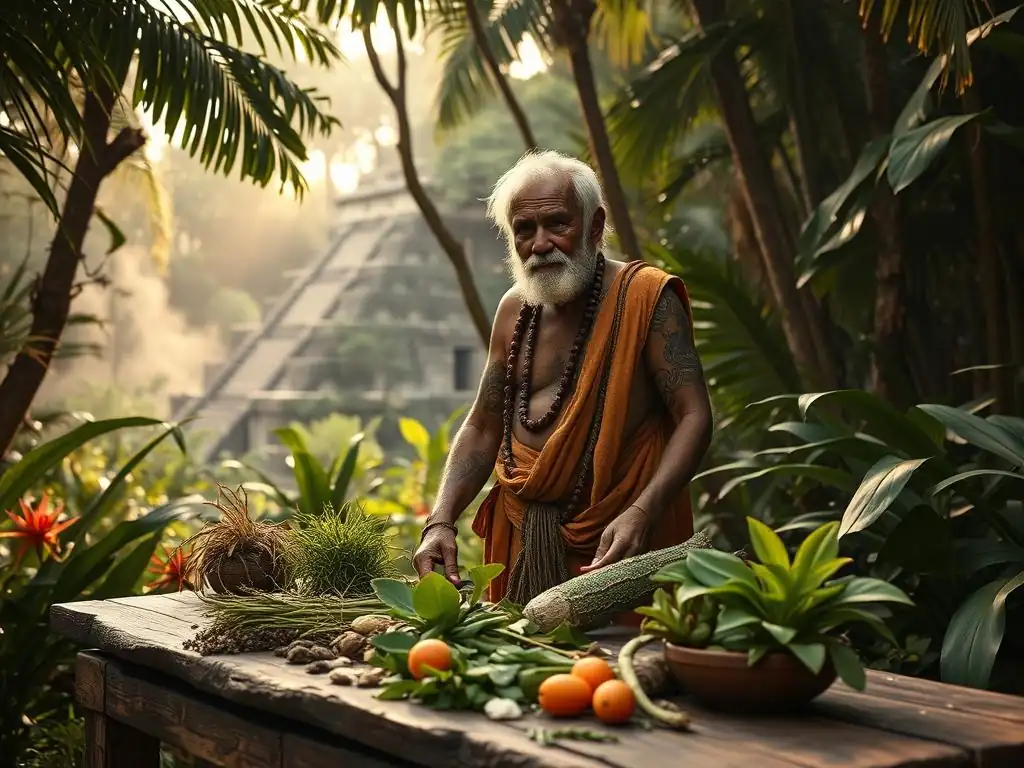
The legacy of Mayan medicine is a rich tapestry of knowledge and practices that have not only shaped the health and wellness of ancient societies but continue to resonate today in various aspects of modern healthcare. This ancient medical system, which emphasizes a holistic approach to healing, incorporates natural remedies, spiritual beliefs, and community involvement. Understanding the significance of Mayan medicine allows for a deeper appreciation of its influence on contemporary practices.
Mayan medicine is characterized by its use of herbs, rituals, and the integration of physical, emotional, and spiritual health. The application of these principles can be observed in various modern healthcare settings, where an increasing number of practitioners are recognizing the value of traditional healing methods. As a result, Mayan healing practices are being revisited, adapted, and incorporated into contemporary medical frameworks, leading to innovative approaches that respect and honor indigenous knowledge.
Case Studies of Modern Practices Inspired by Mayan Healing
Several modern healthcare practices have drawn inspiration from traditional Mayan healing methods. One notable example is the use of herbal remedies. Many clinicians today utilize plants that were traditionally used by the Maya, such as:
- Chaya (Cnidoscolus aconitifolius): Known for its nutritional benefits, chaya is often used to enhance overall health and wellbeing.
- Achote (Bixa orellana): This plant is recognized for its anti-inflammatory properties and is incorporated into topical applications for skin ailments.
- Peppermint (Mentha piperita): Historically used for digestive issues, peppermint is now commonly employed in both herbal teas and modern formulations.
Another fascinating case is the practice of temazcal, a traditional steam bath believed to purify the body and spirit. This ritualistic practice has found its way into wellness centers and spas, where it is marketed as a detoxifying experience. The temazcal not only serves as a physical cleansing ritual but also as a means of promoting mental and emotional health, which aligns with the holistic principles of Mayan medicine.
Furthermore, some hospitals and clinics in regions with significant indigenous populations have begun to integrate Mayan shamans into their healthcare teams. These shamans provide traditional healing alongside conventional medical treatments, creating a more inclusive model of care that recognizes the value of cultural beliefs and practices.
Integration of Traditional Knowledge in Contemporary Medical Practices
The integration of traditional Mayan knowledge into contemporary medical practices poses both challenges and opportunities. Many healthcare professionals are beginning to recognize the importance of cultural competence in treatment plans, especially when working with indigenous populations. This approach promotes a more personalized healthcare experience that acknowledges patients' cultural backgrounds and traditional beliefs.
One significant opportunity lies in research and education. Increasingly, academic institutions are exploring the medicinal properties of plants used in Mayan medicine, leading to a renewed interest in ethnobotany. Collaborative studies between botanists, anthropologists, and healthcare professionals are revealing the pharmacological potential of these traditional remedies. For example, research on the anti-cancer properties of certain Mayan herbs has opened new avenues for treatment options that combine ancient wisdom with modern science.
Moreover, workshops and training programs that teach healthcare practitioners about indigenous healing practices are becoming more prevalent. This education fosters respect and understanding, enabling practitioners to incorporate these methods into their approaches while ensuring that they are presented ethically and respectfully.
Challenges and Opportunities in Reviving Ancient Healing Techniques
Reviving ancient healing techniques such as those found in Mayan medicine presents various challenges. One major issue is the loss of traditional knowledge due to globalization and cultural assimilation. Many younger generations are increasingly disconnected from their ancestral practices, leading to a decline in the transmission of this invaluable knowledge.
Additionally, there is a need for validation and recognition of traditional practices within the scientific community. While many Mayan remedies have shown promise, further research is essential to substantiate their efficacy and safety. Establishing rigorous scientific studies can bridge the gap between traditional and conventional medicine, ensuring that ancient practices are respected and utilized appropriately.
However, the revival of Mayan healing techniques also comes with significant opportunities. There is a growing movement towards integrative medicine, which emphasizes the combination of conventional and alternative therapies. This trend offers a platform for Mayan medicine to be recognized not just as folklore but as a legitimate component of healthcare.
The legacy of Mayan medicine continues to influence modern healthcare in profound ways. By embracing the wisdom of the past, contemporary practitioners can create holistic and culturally sensitive healthcare models that honor the rich traditions of indigenous civilizations. As we move forward, the collaboration between traditional healers and modern healthcare providers will be crucial in ensuring the preservation and evolution of these ancient practices.
Conclusion: The Lasting Impact of Mayan Medicine on Health Practices
The ancient practices of Mayan medicine have left an indelible mark on modern healthcare systems, providing insights into holistic treatment approaches that continue to resonate today. The integration of herbal remedies, spiritual healing, and community-based care reflects a depth of understanding that transcends time and culture. This conclusion serves to highlight how these ancient practices not only survived colonization but have also influenced contemporary health practices, illustrating the resilience and adaptability of indigenous knowledge.
Reflection on the Importance of Preserving Indigenous Medical Knowledge
The preservation of indigenous medical knowledge, particularly that of the Mayans, is crucial for several reasons:
- Cultural Identity: Indigenous medical practices are an integral part of the cultural identity of communities. Preserving this knowledge helps maintain their heritage and traditions.
- Biodiversity and Natural Remedies: The Mayans utilized a vast array of local flora for medicinal purposes. Understanding these plants and their uses can lead to the discovery of new pharmaceuticals and treatments. For instance, the use of Chaya (Cnidoscolus aconitifolius) for its nutritional and medicinal properties continues to be relevant today.
- Holistic Health Approaches: The Mayan approach to health emphasizes the connection between the body, mind, and spirit. This holistic perspective is increasingly being recognized in modern healthcare as essential for comprehensive treatment plans.
In recognizing the importance of these practices, efforts must be made to document and share this knowledge through educational programs and community engagement. This not only benefits healthcare practitioners but also empowers indigenous communities to retain control over their medical traditions.
Future Directions for Research in Mayan Medicine and Healthcare
Research into Mayan medicine and its applications in modern healthcare holds immense potential. Future studies could explore several key areas:
- Clinical Trials of Herbal Remedies: There is a need for structured clinical trials to evaluate the efficacy and safety of traditional Mayan herbal remedies. By scientifically validating these practices, healthcare providers could integrate effective treatments into contemporary medicine.
- Cultural Competence in Healthcare: Research can also focus on developing culturally competent healthcare practices that respect and incorporate indigenous knowledge. This could improve health outcomes for indigenous populations and foster better relationships between healthcare systems and these communities.
- Interdisciplinary Approaches: Collaborations between anthropologists, pharmacologists, and healthcare professionals can lead to a more nuanced understanding of the benefits of Mayan medicine. Interdisciplinary research could illuminate how these ancient practices can address modern health issues.
- Education and Training Programs: Developing educational programs that teach both indigenous and non-indigenous health practitioners about Mayan medical practices can enhance the delivery of care and encourage the sharing of knowledge across cultures.
The exploration of Mayan medicine and its relevance to modern healthcare is just beginning. By preserving this rich cultural heritage and actively engaging in research, we can ensure that the wisdom of the Mayans contributes to the health and well-being of future generations.
Frequently Asked Questions
What is the main focus of the article on Mayan medicine?
The article explores ancient Mayan medical practices and their influence on modern healthcare, highlighting how traditional methods continue to impact contemporary medical approaches.
How did Mayan medicine differ from modern healthcare practices?
Mayan medicine emphasized holistic approaches, including spiritual and physical healing, while modern healthcare often relies on scientific methods and technology for diagnosis and treatment.
What are some key achievements of the Mayan civilization in medicine?
The Mayans developed an extensive understanding of herbal remedies, surgery, and the human body, laying foundational knowledge that still resonates in some modern medical practices today.
How has Mayan medicine influenced modern healthcare systems?
Certain herbal treatments and healing techniques from Mayan medicine are being integrated into alternative medicine and holistic health practices within contemporary healthcare settings.
Yes, researchers are actively studying Mayan medicinal plants and practices to explore their potential benefits and applications in modern healthcare, promoting greater understanding and integration.
Final Reflection: Bridging Ancient Wisdom and Modern Healing
Mayan medicine and modern healthcare are not just relics of the past; they are intertwined in a tapestry of healing that continues to resonate today. As we navigate an increasingly complex healthcare landscape, the ancient practices of the Maya remind us of the profound connection between body, mind, and spirit. The holistic approaches that have stood the test of time are not merely historical curiosities; they offer valuable insights that can enhance our contemporary medical practices.
The influence of Mayan medicine on modern healthcare is a testament to the enduring power of traditional knowledge. As we witness a growing movement towards integrative medicine, the principles of balance, community, and natural healing found in Mayan practices are gaining recognition. In the midst of chaos, there is also opportunity.
This quote resonates deeply as we explore how ancient healing methods can inform and enrich our current understanding of health and wellness. The ongoing dialogue between these two worlds fosters a richer, more inclusive approach to healthcare that honors diverse traditions.
As you reflect on the lessons of Mayan medicine, consider how you can incorporate these timeless practices into your own life. Embrace the idea that healing is not just a physical journey but a holistic experience that encompasses emotional and spiritual well-being. Whether it’s through mindfulness, herbal remedies, or community support, let the wisdom of the ancients inspire you to seek balance and harmony in your health. The future of healthcare may very well depend on our ability to learn from the past while innovating for a better tomorrow.
Embrace the Healing Wisdom of the Ancients!
Thank you for joining us on this exploration of Mayan medicine and its rich influence on modern healthcare. By delving into these timeless practices, you’ve uncovered invaluable insights into holistic healing that can inspire your own wellness journey. Now, it’s time to take action and integrate this wisdom into your life!
- Start your journey today by incorporating a Mayan healing practice into your daily routine—whether it’s using herbal remedies, engaging in meditation, or practicing mindful eating.
- Join online communities or forums dedicated to indigenous healing methods to connect with others who share your passion for holistic health.
- Consider documenting your own experiences with these practices and sharing them on social media to inspire others on their wellness paths.
What ancient healing wisdom have you discovered that resonates with you, and how will you incorporate it into your life?