
Warfare and Governance: How Conflict Shaped the Political Landscape of the Maya

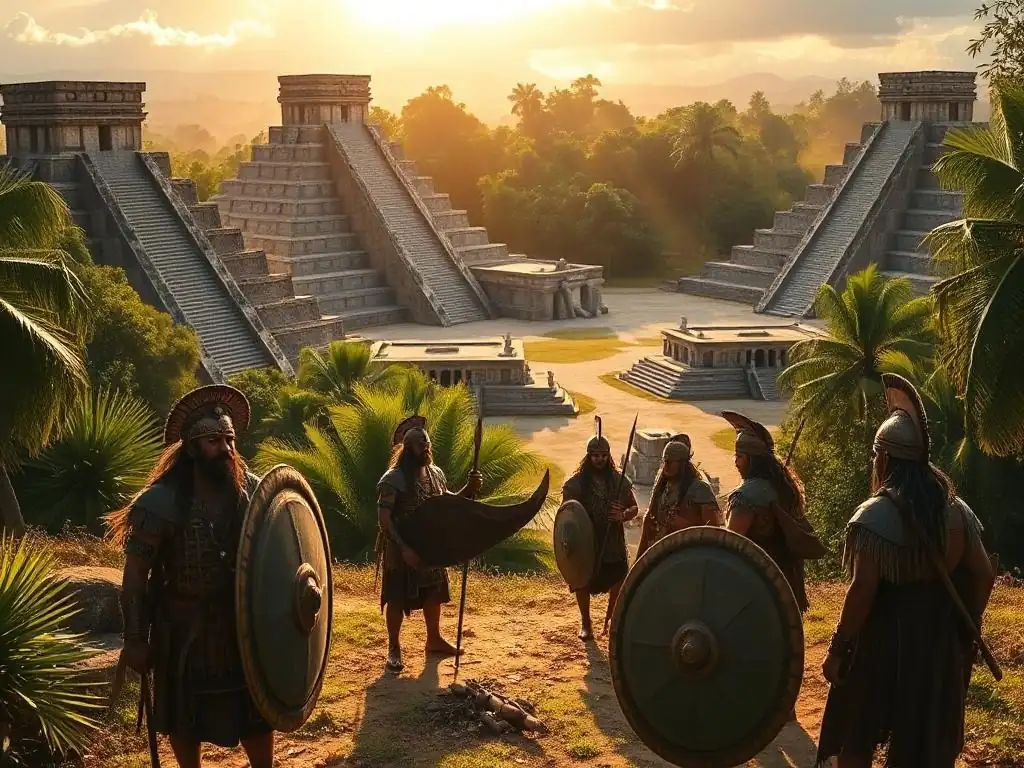
Welcome to Indigenous Civilizations of the Americas, where we embark on a fascinating journey through the rich tapestry of cultures that flourished long before European influence reshaped the continent. In our featured article, “Warfare and Governance: How Conflict Shaped the Political Landscape of the Maya,” we delve into the intricate dynamics of the Maya civilization, exploring how their sophisticated political structures and strategies of warfare interwove to create a lasting legacy.
Prepare to uncover the stories of resilience, power, and innovation that define these remarkable societies. Dive deeper with us and discover how conflict not only shaped governance but also the very essence of Maya identity!
Introduction to the Maya Political Landscape and Warfare
The Maya civilization, one of the most advanced and influential societies in pre-Columbian America, is renowned for its intricate political structures and rich cultural heritage. However, beneath the surface of its remarkable achievements in art, science, and architecture lies a complex relationship between warfare and governance. The interplay between conflict and political authority not only shaped the Maya political landscape but also influenced their social hierarchies and regional dynamics. This article delves into how warfare was not merely a means of territorial expansion but a critical factor in the consolidation of power and governance among the Maya city-states.
Overview of the Maya Civilization
The Maya civilization flourished in Mesoamerica, extending across present-day Mexico, Guatemala, Belize, Honduras, and El Salvador from approximately 2000 BC until the Spanish conquest in the 16th century. Known for their sophisticated writing system, impressive architectural achievements, and profound understanding of astronomy, the Maya developed a dynamic society with a complex political structure consisting of city-states, each ruled by a king or 'Ajaw.' These rulers held significant power, but their authority was often challenged by internal and external conflicts that necessitated military action.
Importance of Warfare in Maya Society
Warfare played a pivotal role in Maya society, serving as a mechanism for acquiring resources, asserting dominance, and establishing alliances. Military campaigns were not solely focused on conquest; they also aimed at capturing prisoners for rituals and sacrifices, which were believed to appease the gods. The successful waging of war could elevate a ruler's status, enhance their legitimacy, and ensure the stability of their reign. Thus, warfare was intricately woven into the fabric of Maya political and social life, influencing economic systems, religious practices, and cultural expressions.
Purpose of the Article
This article aims to provide an in-depth analysis of how warfare shaped the political landscape of the Maya civilization, exploring the nuances of conflict in relation to governance and societal structure. By examining key historical events, political strategies, and the broader implications of warfare, we seek to illuminate the complexities of Maya political dynamics and their enduring legacy in the Americas.
Historical Context of Maya Warfare
Pre-Columbian Era and Political Structures
During the pre-Columbian era, the Maya civilization was characterized by a decentralized political structure comprising numerous city-states, each with its own ruling elite and distinct cultural identity. These city-states often engaged in trade, diplomacy, and conflict, creating a landscape where alliances were frequently formed and broken. The political landscape was dynamic, with power shifting among various rulers as they navigated the challenges of warfare and governance.
Key Conflicts and Wars in Maya History
Throughout Maya history, several notable conflicts significantly impacted the political landscape. The Late Classic period (approximately 250-900 AD) was marked by intense warfare, with city-states like Tikal, Calakmul, and Caracol vying for dominance. Major conflicts, such as the Battle of Tikal and the Wars of the Tzolk'in, highlight the strategic importance of military engagements in asserting control over territory and resources. These wars often resulted in the rise and fall of city-states, illustrating the volatile nature of Maya politics.
The Role of Warfare in Consolidating Power
Warfare was instrumental in consolidating power among Maya rulers. Victorious leaders gained not only land but also the legitimacy to rule, as success in battle was seen as a divine endorsement of their authority. Ritualistic practices involving captured enemies reinforced the notion of power and control, embedding warfare deeply into the political ideology of the Maya. This relationship between conflict and governance ultimately shaped the trajectory of Maya civilization, leaving a lasting impact on their cultural and historical legacy.
The Relationship Between Warfare and Governance in the Maya
The intricate relationship between warfare and governance in the Maya civilization is a fundamental aspect of understanding their political landscape. Warfare was not merely a means of resolving disputes; it was deeply embedded in the social, economic, and political fabric of Maya life. The Maya viewed warfare as a vehicle for asserting power, expanding territory, and enhancing prestige among city-states. Political leaders often used military success to legitimize their rule and consolidate their authority.
In addition, warfare influenced the governance structures of the Maya. The roles of leaders were often defined by their military capabilities, with rulers typically being warriors who had proven themselves in battle. This militaristic aspect of governance reinforced a social hierarchy where military prowess could elevate individuals to positions of power. As a result, the political landscape of the Maya was heavily shaped by the outcomes of conflicts and the need for governance strategies that could effectively respond to both internal and external threats.
How Warfare Influenced Political Alliances
Political alliances among the Maya were frequently forged and reshaped in response to the realities of warfare. City-states often entered into alliances for mutual defense against common enemies or to launch joint military campaigns. These alliances could be temporary or more permanent, depending on the political climate and the balance of power.
For instance, during times of conflict, smaller city-states might ally with larger, more powerful ones for protection. Conversely, powerful states would often attempt to expand their influence by coaxing weaker neighbors into alliances, typically through marriage or tribute systems. These political alliances were not only strategic but also facilitated cultural exchanges and economic ties, further intertwining the fates of the allied states.
The shifting nature of these alliances illustrates how warfare necessitated flexibility in governance and diplomacy, leading to complex inter-state relationships that defined the Maya political landscape.
The Impact of Conflict on Leadership Structures
Conflict had a significant impact on the leadership structures within Maya society. As warfare became more prevalent, the criteria for leadership evolved. Leaders were expected to demonstrate not only political acumen but also military skill and courage. This created a warrior elite who were often the ruling class, as military achievements could elevate individuals to positions of power and influence.
Moreover, leadership was often contested during times of war. Successful military campaigns could lead to a leader's consolidation of power, or alternatively, failure could result in a loss of legitimacy. This dynamic meant that political stability was often precarious, with rulers needing to maintain military readiness and public support to fend off both external threats and internal dissent.
In essence, the interplay between conflict and governance shaped the very nature of leadership within the Maya civilization, leading to a political system that was as much about military capability as it was about administrative skill.
Governance Strategies During Times of War
During periods of conflict, the Maya employed various governance strategies to manage the challenges posed by warfare. These strategies often included mobilizing resources for military campaigns, fortifying city defenses, and maintaining social order amidst the chaos of war.
One approach was the centralization of authority, where rulers would consolidate power to facilitate quick decision-making in military matters. This could involve delegating authority to trusted generals or advisors who could act swiftly on the battlefield. Additionally, the Maya often implemented systems of tribute and taxation that allowed them to finance wars and support their armies.
Communal efforts were also crucial during times of war. The Maya relied on the participation of their population to support military endeavors, which included not only soldiers but also laborers who could assist in fortifications and logistics. The sense of shared responsibility fostered community cohesion, which was vital for maintaining morale and unity during conflicts.
Major Conflicts and Their Effects on the Maya Political Landscape
The major conflicts experienced by the Maya left profound effects on their political landscape, influencing power dynamics, territorial control, and the rise and fall of city-states. These conflicts shaped not only the immediate outcomes of battles but also the long-term trajectory of Maya civilization.
The Classic Period Wars: Causes and Outcomes
The Classic Period of Maya civilization (circa 250-900 CE) was marked by significant warfare, driven by competition for resources, territory, and prestige. The causes of these wars often stemmed from shifts in population, agricultural pressures, and the desire for control over trade routes.
The outcomes of these conflicts were varied but had lasting implications. Victorious city-states often expanded their influence, absorbing defeated rivals and establishing tributary relationships. However, the relentless cycle of warfare also led to instability, contributing to the eventual decline of some city-states as resources became depleted and populations diminished due to warfare and its associated societal stresses.
Moreover, the wars during this period catalyzed the development of more complex political structures, as leaders sought to adapt to the changing realities of power and conflict. This evolution in governance reflected the ongoing interplay between warfare and political authority.
The Role of City-States in Maya Warfare
City-states played a crucial role in the warfare strategies of the Maya. Each city-state operated as an independent political entity, often competing with neighboring states for dominance. This competition frequently resulted in military conflicts, where city-states would engage in raids, sieges, or full-scale wars to assert their power.
The relationships between city-states were marked by both rivalry and cooperation. Alliances were formed for mutual benefit, but betrayals and shifting loyalties were common. The political landscape was thus characterized by a dynamic interplay of conflict and collaboration, where the scale and intensity of warfare influenced the balance of power among the city-states.
Additionally, the geographic factors of the Maya region, including varied terrain and resources, also shaped how city-states engaged in warfare. The strategic positioning of a city-state could provide advantages in defense and territorial expansion, further emphasizing the importance of military strategy in the governance of the Maya.
Case Studies: Notable Battles and Their Political Implications
Several notable battles in Maya history illustrate the profound political implications of warfare. For example, the Battle of Tikal (circa 378 CE) was a pivotal conflict that resulted in the rise of Tikal as a dominant power in the region, while its adversary, Calakmul, faced significant setbacks. The outcome of this battle not only altered territorial control but also reshaped allegiances among neighboring city-states.
Another significant conflict was the wars between Copán and Quiriguá, where shifting alliances and military confrontations led to Copán's eventual decline. The impact of these battles extended beyond military outcomes, affecting trade, cultural exchanges, and political relationships, as victors often imposed tribute systems on the defeated.
These case studies exemplify how specific conflicts were not isolated events but rather catalysts for broader political changes, illustrating the intricate relationship between warfare and the political landscape of the Maya civilization.
Military Organization and Its Influence on Maya Governance
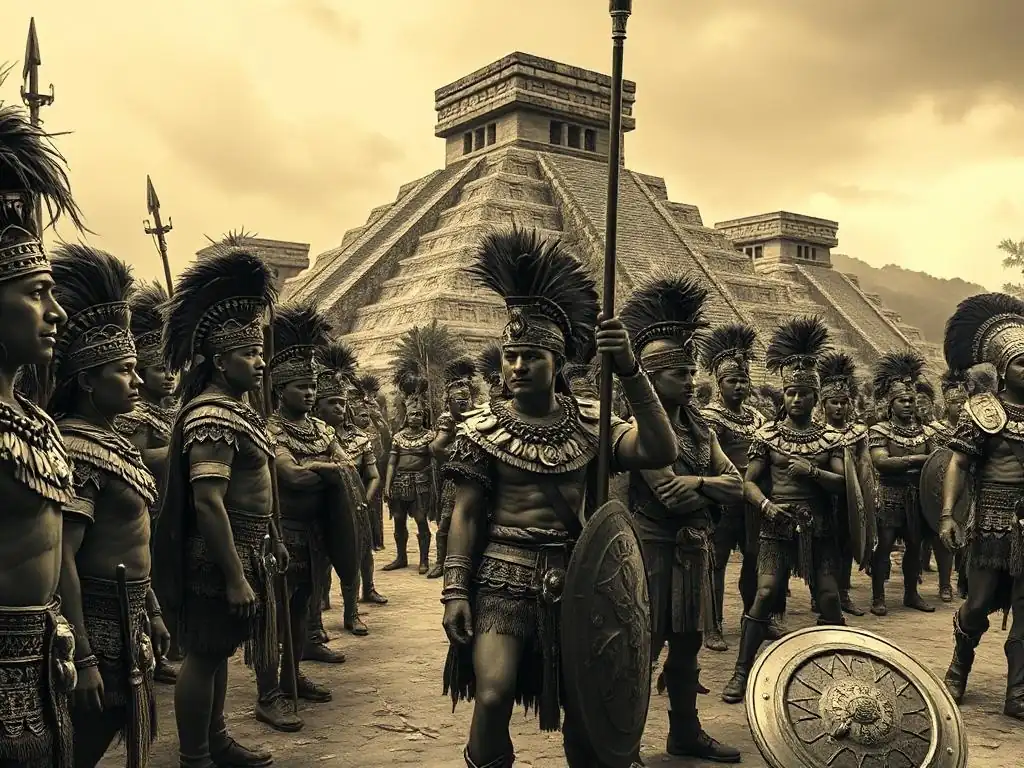
The military organization of the Maya civilization played a crucial role in shaping its political landscape. Warfare was not merely a tool for conquest but a fundamental aspect of Maya governance, influencing everything from the rise of political leaders to the establishment of city-states. The complex interplay between military might and political authority can be seen in various aspects of Maya society, where the two entities were often intertwined.
Structure of Maya Armies
Maya armies were typically composed of various units that specialized in different forms of combat, including infantry and archers. The structure was hierarchical, with a clear chain of command led by military leaders who often held significant political power. Armies were organized into smaller groups, allowing for flexibility and strategic adaptability during conflicts. Each city-state maintained its own military force, which was mobilized for defense against rival states or for offensive campaigns aimed at expanding territorial control.
The composition of these armies varied, often reflecting the socio-economic status of the city-state. Wealthier states could afford better equipment and training, while smaller or less affluent ones relied on a larger number of less-equipped soldiers. This disparity often influenced the outcomes of conflicts and the subsequent political dynamics between the city-states.
Military Leaders and Their Political Roles
Military leaders in Maya society were not just warriors; they were key figures in governance. Many were members of the elite class and held dual roles as both military commanders and political leaders. Their successes in warfare often translated into increased political power, enabling them to secure positions of authority within the city-state.
For example, leaders who achieved significant victories could claim divine favor, enhancing their legitimacy and control over their subjects. This intertwining of military and political roles underscored the belief that military prowess was essential for effective governance, as successful leaders could maintain stability and expand their influence through conquest.
The Use of Military Power in Governance
The use of military power was integral to the governance of the Maya. Conflicts were often waged not only for territorial expansion but also to exert control over trade routes and resources. Military campaigns could lead to the subjugation of rival city-states, allowing the victor to impose tribute systems that bolstered their economic and political power.
Furthermore, the threat of military action served as a tool for internal governance. Leaders would utilize the military to maintain order among their subjects, suppress dissent, and enforce laws. This reliance on military strength shaped the political landscape, as the fear of reprisal could deter rebellion and encourage compliance among the populace.
The Aftermath of Warfare: Shifts in the Political Landscape of the Maya
The aftermath of warfare often led to significant shifts in the political landscape of the Maya civilization. As conflicts unfolded, they brought about changes that would reshape governance structures and influence the stability of city-states.
Changes in Governance Post-Conflict
In the wake of military victories, victorious city-states frequently experienced changes in governance. New leaders could emerge from the ranks of military commanders, and existing political structures might be reorganized to reflect the new power dynamics. For instance, the subjugation of a rival city-state often resulted in the establishment of puppet rulers or vassal states, allowing the victor to exert control while maintaining a semblance of local governance.
Conversely, defeats could lead to political instability, with leaders deposed and new factions vying for control. This volatility necessitated adaptive governance strategies, as city-states sought to stabilize their political systems in the face of shifting allegiances and rivalries.
Long-term Effects of Warfare on Maya Political Systems
The long-term effects of warfare on Maya political systems were profound. Continuous conflict contributed to a cycle of rise and fall among city-states, with dominant powers eventually declining due to overextension, resource depletion, or internal strife. This cycle of warfare and governance cultivated an environment where political alliances were fluid, and city-states had to constantly negotiate their positions relative to one another.
Moreover, the frequent disruptions caused by warfare led to significant social changes, including shifts in population as people moved in search of security. Such movements impacted agricultural practices, trade networks, and cultural exchanges, further influencing the political landscape.
The Decline of Major City-States and Its Political Consequences
The decline of major city-states, often precipitated by prolonged warfare, had lasting political consequences for the Maya civilization. As powerful city-states fell into decline, the resulting power vacuum allowed smaller city-states and regional powers to rise. This fragmentation led to a more decentralized political landscape, characterized by increased local autonomy and the emergence of new alliances.
The decline also diminished the centralized authority that had characterized the height of Maya civilization. As a result, governance became more localized, with city-states focusing on internal stability rather than external conquest. This shift marked a significant transformation in the political systems of the Maya, illustrating how warfare not only shaped immediate outcomes but also influenced the long-term trajectory of their civilization.
Conclusion: The Enduring Legacy of Warfare on the Maya Political Landscape
The intricate dynamics of warfare played a crucial role in shaping the political landscape of the Maya civilization. Through their military endeavors, the Maya established and maintained power, influenced territorial boundaries, and navigated complex inter-state relationships.
The legacy of these conflicts is evident not only in the political structures that emerged but also in the cultural narratives that continue to resonate within contemporary Maya communities. Warfare was not merely a tool for conquest; it served as a catalyst for social organization, alliances, and eventually, the establishment of governance systems that reflected the nuanced interplay of conflict and cooperation among city-states.
Summary of Key Points
- Military Campaigns and Political Power: The Maya engaged in numerous military campaigns, which were essential for asserting dominance and expanding territories. These conflicts often led to the accumulation of resources and tribute from conquered states, thereby reinforcing the political power of victorious rulers.
- Rituals and Warfare: Warfare among the Maya was often intertwined with religious beliefs and rituals. Captured enemies were sometimes offered as sacrifices, highlighting the spiritual significance of conflict and its role in legitimizing political authority.
- Impact on Governance Structures: Warfare influenced the development of complex governance structures within Maya city-states. Leaders were often chosen based on their military prowess, and political alliances were frequently forged and dissolved through warfare.
- Enduring Cultural Narratives: The stories and legends surrounding Maya warfare have persisted, influencing contemporary understandings of leadership and governance in Maya communities today.
Reflection on the Importance of Warfare in Understanding Maya Governance
Understanding the role of warfare in Maya governance is essential for a comprehensive appreciation of their political landscape. Warfare was not merely a series of conflicts; it was an integral aspect of how power was constructed, maintained, and challenged. The interplay between war and politics reveals the sophistication of Maya statecraft and highlights how leaders utilized military success to bolster their legitimacy and control.
By examining these elements, scholars and enthusiasts alike can gain deeper insights into the values, priorities, and complexities of Maya society. Furthermore, it invites reflection on how these historical narratives inform contemporary Maya identities and governance practices.
Future Research Directions on Maya Political Structures and Warfare
Future research into the Maya political landscape and warfare should aim to explore several key areas:
- Comparative Analyses: Investigating the similarities and differences between Maya warfare and that of other Mesoamerican civilizations could provide broader insights into regional power dynamics and governance.
- Archaeological Evidence: Continued excavation and analysis of military sites, fortifications, and artifacts related to warfare can yield new understandings of strategic military practices and their implications for governance.
- Interdisciplinary Approaches: Integrating perspectives from anthropology, history, and political science can enrich the understanding of how warfare shaped social hierarchies and governance structures within the Maya civilization.
- Contemporary Implications: Examining how historical conflicts inform current political structures and cultural identities among modern Maya communities could enhance our grasp of their enduring legacy.
References and Further Reading
Suggested Literature on Maya Warfare and Governance
- "The Maya" by Michael D. Coe: This foundational text offers an overview of Maya civilization, including discussions on warfare and political structures.
- "War and Politics in the Maya Lowlands" by Christopher Jones: This work delves into the relationships between warfare and governance, emphasizing the significance of military actions in shaping political power.
- "The Politics of Warfare in the Maya Lowlands" by David Stuart: Stuart examines the socio-political implications of military campaigns and their impact on governance.
Additional Resources on Indigenous Civilizations of the Americas
- "Indigenous Peoples of the Americas" (Online Resource): This comprehensive resource provides insights into various indigenous cultures, including the Maya, and their political systems.
- "Mesoamerican Archaeology" (Journal): A scholarly journal that features articles on the archaeology of Mesoamerica, including studies on warfare and governance in Maya civilization.
- "The Handbook of Mesoamerican Mythology" by Barbara W. F. Wills: This book explores the mythological narratives that shaped the cultural and political landscapes of Mesoamerican civilizations, including the Maya.
- Introduction to the Maya Political Landscape and Warfare
- Historical Context of Maya Warfare
- The Relationship Between Warfare and Governance in the Maya
- Major Conflicts and Their Effects on the Maya Political Landscape
- Military Organization and Its Influence on Maya Governance
- The Aftermath of Warfare: Shifts in the Political Landscape of the Maya
- Conclusion: The Enduring Legacy of Warfare on the Maya Political Landscape
- References and Further Reading
Frequently Asked Questions
What were the key features of the Maya political landscape?
The Maya political landscape was characterized by city-states, each governed by its own ruler. These city-states often engaged in alliances and conflict, which significantly influenced their governance and territorial control.
How did warfare impact Maya society?
Warfare played a crucial role in the Maya society, affecting political power, resource distribution, and social structure. Victorious city-states gained access to land and tribute, enhancing their influence.
What were the primary causes of conflict among the Maya?
Conflicts among the Maya were often driven by competition for resources, territorial disputes, and power struggles among ruling elites. These factors led to frequent warfare and shifting alliances.
How did the Maya govern after a conflict?
After a conflict, the Maya would often establish new political alliances or restructuring of power. This could involve the installation of a new ruler or the integration of conquered peoples into the existing social framework.
What is the lasting impact of Maya warfare on modern understanding of their culture?
The study of Maya warfare provides insight into their political strategies, social hierarchies, and the complexity of their civilization. Understanding these dynamics helps modern scholars appreciate the resilience and adaptability of Maya cultures.
Final Reflection: The Enduring Legacy of Warfare in the Maya Political Landscape
The intricate relationship between warfare and governance in the Maya civilization remains profoundly relevant today, as it reveals the complexities of power dynamics and societal organization. In a world where conflicts continue to shape nations and influence political landscapes, understanding how the Maya navigated their tumultuous history offers invaluable insights into the enduring impact of warfare on governance. The lessons learned from their struggles and triumphs resonate with contemporary issues, reminding us that the past is not merely a series of events, but a continuous thread that informs our present and future.
The Maya political landscape was not only shaped by warfare but also by the resilience and adaptability of its people. This historical narrative serves as a powerful reminder of how societies can emerge from conflict with renewed strength and innovation. As we reflect on the Maya's ability to navigate their challenges, we are reminded of the words of historian David Graeber: The past is not a dead thing; it is a living part of our present.
The legacy of the Maya teaches us that the scars of conflict can lead to profound transformations, influencing cultural identity and governance structures for generations to come.
As we contemplate the lessons from the Maya civilization, I invite you to reflect on your own relationship with conflict and governance in your life and community. How can the understanding of past struggles inform your actions today? Embrace the opportunity to learn from history, recognizing that every conflict carries the potential for growth and change. Let us honor the legacy of the Maya by fostering dialogue, understanding, and resilience in our own political landscapes, ensuring that the lessons of the past guide us toward a more harmonious future.
Unleash Your Curiosity: Dive Deeper into Maya Governance!
Thank you for taking the time to explore how warfare influenced the political landscape of the Maya. Your interest helps to shed light on the rich tapestry of Indigenous civilizations! Now, let’s harness that curiosity and take meaningful steps to deepen your understanding of this fascinating topic.
Here are some ways you can engage further:
- Engage with Local History: Visit a museum or cultural center that features exhibits about Maya civilization to experience their legacy firsthand.
- Join a Community Discussion: Participate in online forums or local groups dedicated to Indigenous histories to share insights and learn collaboratively.
- Conduct In-Depth Research: Choose a specific aspect of Maya governance that captivates you and explore it further through books, documentaries, or scholarly articles.
What aspect of Maya governance do you find most intriguing, and how do you think it influences modern political systems? Let's start a conversation!