
The Art of Storytelling: Oral Traditions and Their Influence on Visual Arts in Indigenous Societies

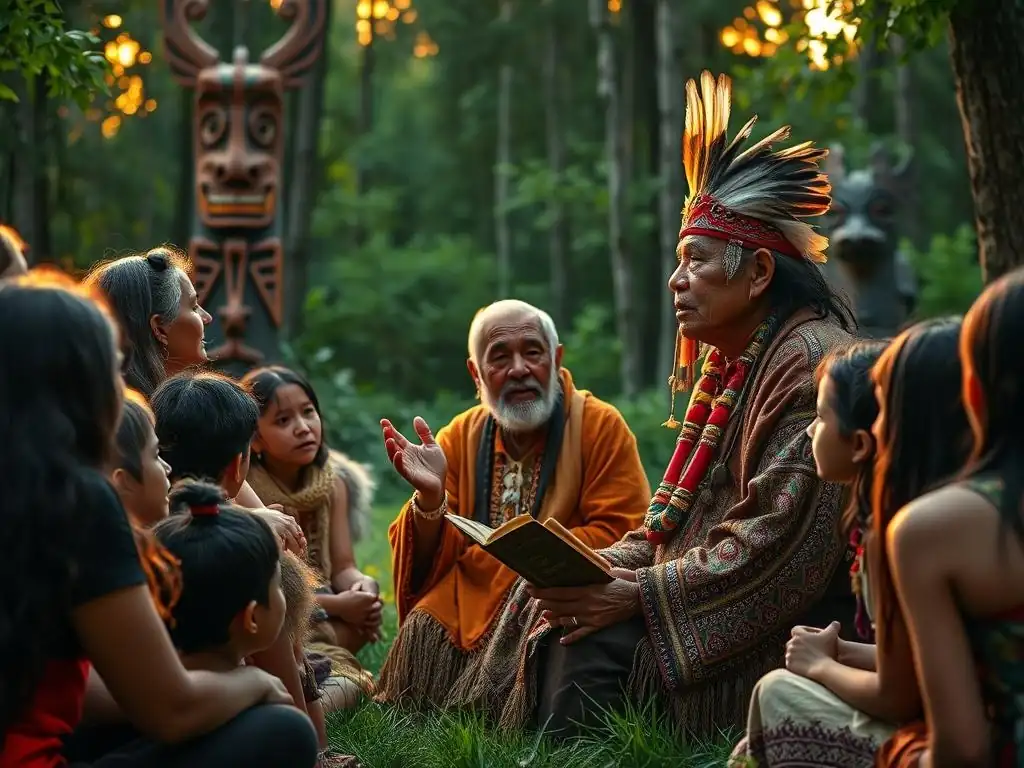
Welcome to Indigenous Civilizations of the Americas, where we invite you to embark on a captivating journey through the rich tapestry of indigenous cultures that flourished long before European contact. In our featured article, “The Art of Storytelling: Oral Traditions and Their Influence on Visual Arts in Indigenous Societies,” we delve into the profound role of indigenous storytelling and visual arts—an intersection that not only preserves history but also shapes identity and community.
Join us as we uncover the vibrant narratives and artistic expressions that continue to resonate today, sparking curiosity and inviting you to explore the enduring legacy of these remarkable societies.
The interplay between storytelling and visual arts in indigenous societies is a profound testament to the rich cultural heritage of the Americas. Indigenous storytelling serves not only as a means of communication but also as a vessel for preserving history, traditions, and values that have been passed down through generations.
This article delves into the intricate relationship between oral traditions and visual arts, shedding light on how these two forms of expression are interwoven and collectively contribute to the identity and continuity of indigenous cultures. By exploring the significance of storytelling in shaping visual art forms and the use of symbols and motifs, we aim to highlight the enduring impact of these art forms on society and culture.
Introduction to Indigenous Storytelling and Visual Arts
Indigenous storytelling is an essential component of cultural expression in many societies across North America. Through oral narratives, communities convey moral lessons, historical accounts, and spiritual beliefs, often using metaphors and allegories that resonate deeply with their identity. These stories are not merely entertainment; they act as a cultural glue, binding communities together and fostering a shared sense of belonging.
In parallel, the visual arts of indigenous peoples—ranging from pottery and weaving to painting and sculpture—reflect the narratives that define their existence. These art forms serve as visual representations of the stories told orally, capturing the essence of cultural practices, spiritual beliefs, and community values. The connection between storytelling and visual arts is not only a reflection of artistic expression but also an embodiment of a rich cultural tapestry that continues to thrive today.
The Importance of Oral Traditions in Indigenous Cultures
Oral traditions are pivotal in indigenous cultures, acting as a repository of knowledge and wisdom. They encompass a wide array of genres, including myths, legends, folktales, and historical narratives. These stories are often performed in communal settings, allowing for active participation and engagement from listeners.
- Cultural Identity: Oral traditions reinforce cultural identity by preserving languages, customs, and historical perspectives that might otherwise be lost.
- Education and Morality: Through storytelling, elders impart moral lessons and teachings to younger generations, ensuring that vital cultural knowledge is passed on.
- Community Cohesion: The act of storytelling fosters a sense of community, bringing people together to share experiences, laughter, and lessons.
Overview of Visual Arts in Indigenous Societies
Indigenous visual arts present a diverse array of styles and techniques, often influenced by the environment, resources, and traditions of each culture. These art forms range from intricate beadwork and textiles to powerful totem poles and pottery.
- Cultural Significance: Each piece of artwork carries a story, often reflecting the beliefs and practices of the community from which it originates.
- Techniques and Materials: Artists utilize materials sourced from their environments, such as clay, wood, stone, and natural dyes, showcasing their deep connection to the land.
- Continuity and Innovation: While traditional methods are honored, contemporary indigenous artists are also integrating modern techniques and themes, ensuring that the visual arts evolve while remaining rooted in their heritage.
The Interconnection Between Oral Traditions and Visual Arts
The relationship between indigenous storytelling and visual arts is characterized by a dynamic interplay where each form enriches the other. This connection manifests in various ways, illustrating how deeply intertwined these cultural expressions are.
How Indigenous Storytelling Shapes Visual Art Forms
Indigenous storytelling provides a narrative framework that influences the themes and subjects depicted in visual arts. Artists often draw inspiration from the stories they hear, translating oral narratives into visual representations.
- Narrative Elements: Visual artworks frequently incorporate characters, settings, and events from oral stories, creating a rich tapestry that invites viewers to engage with the narrative.
- Symbolism and Meaning: The use of symbols in art often stems from the stories themselves, providing layers of meaning that resonate with both the creator and the audience.
The Role of Symbols and Motifs in Indigenous Storytelling
Symbols and motifs play a crucial role in both storytelling and visual arts, serving as shorthand for complex ideas and beliefs. These elements are often derived from the natural world, mythology, and spiritual practices.
- Cultural Significance: Each symbol carries specific meanings, often tied to the beliefs and values of the community. For instance, the bear may symbolize strength, while the eagle may represent freedom and spirituality.
- Visual Language: Motifs found in visual arts can serve as visual echoes of oral traditions, reinforcing the connection between the two forms of expression and ensuring that cultural narratives continue to thrive across generations.
Regional Variations in Indigenous Storytelling and Visual Arts
Indigenous storytelling and visual arts exhibit rich regional variations that reflect the diverse cultures, languages, and histories of North American Indigenous tribes. These variations are influenced by geographical factors, available materials, and the specific experiences of each community. From the Plains to the Pacific Northwest, storytelling serves as a vehicle for cultural transmission, while visual arts manifest these narratives in unique forms.
Storytelling Practices Among North American Indigenous Tribes
Storytelling practices among North American Indigenous tribes are deeply rooted in oral traditions, where stories are passed down through generations. Each tribe has developed its own methods of storytelling, often incorporating elements such as music, dance, and ritual practices. For instance, the Navajo people utilize storytelling to teach moral lessons and preserve their history, often featuring complex characters and vivid imagery. Similarly, the Inuit employ storytelling to share knowledge about survival in harsh environments, emphasizing the relationship between the people and the land.
These practices also serve community functions: they foster social cohesion, impart cultural values, and provide entertainment. The rhythmic patterns and cadences of storytelling can vary significantly, with some tribes using a call-and-response format, while others may prefer a more linear narrative approach. This diversity enriches the overall tapestry of Indigenous storytelling, highlighting the unique cultural perspectives of each tribe.
Visual Arts Techniques Unique to Indigenous Cultures
Indigenous visual arts are characterized by distinctive techniques and materials that reflect the environment and cultural practices of each tribe. For example, the Potawatomi and Ojibwe tribes are known for their intricate beadwork, which often incorporates symbolic designs that tell stories of their heritage. In contrast, the wood carving traditions of the Pacific Northwest tribes, such as the Haida and Tlingit, produce totem poles and masks that serve both decorative and spiritual functions.
Additionally, Indigenous artists often utilize natural materials such as clay, stone, and plant fibers, embedding their artistic expressions with cultural significance. Techniques like sand painting, as practiced by the Navajo, are not only artistic expressions but also spiritual rituals, often used in healing ceremonies. These techniques highlight the intimate relationship between storytelling and visual arts in Indigenous cultures, as each artistic creation can encapsulate narratives that convey history, identity, and belief systems.
Comparative Analysis of Oral Traditions Across Different Regions
A comparative analysis of oral traditions across different regions reveals both similarities and divergences in storytelling practices. For example, the Plains tribes, such as the Lakota and Cheyenne, often emphasize themes of heroism and adventure in their narratives, reflecting their nomadic lifestyle and connection to the vast landscapes they inhabit. In contrast, the Southeast tribes, such as the Creek and Cherokee, frequently incorporate creation myths and legends about animals, illustrating their deep spiritual connection to nature and the cosmos.
Moreover, the storytelling techniques can vary from region to region. While some tribes may prefer elaborate, lengthy narratives filled with rich details, others may rely on concise storytelling that captures the essence of the message. This regional diversity not only highlights the adaptability of oral traditions but also underscores the varying cultural priorities and worldviews of Indigenous societies. The ongoing exchange of stories among tribes also enriches the collective narrative heritage, creating a dynamic dialogue that evolves over time.
Key Themes in Indigenous Storytelling and Their Artistic Representations
Key themes in Indigenous storytelling are often mirrored in the visual arts, revealing the interconnectedness of these two forms of cultural expression. The themes frequently explored include nature and the environment, spirituality and mythology, and community and identity.
Nature and Environment as Central Themes
Nature and the environment serve as central themes in Indigenous storytelling, with many narratives illustrating the relationship between humans and the natural world. Stories often convey respect for the land, animals, and plants, emphasizing the importance of maintaining balance and harmony within ecosystems. This theme is vividly represented in visual arts, where artists depict flora, fauna, and landscapes that hold significance in their cultures.
For example, the artwork of the Ojibwe often features the wild rice harvesting process, symbolizing sustenance and cultural identity. Similarly, the landscapes depicted in the paintings of the Inuit reflect the harsh yet beautiful Arctic environment, emphasizing survival and resilience. Through these artistic representations, Indigenous peoples convey their deep-rooted connection to nature, reminding viewers of the sacredness of the earth.
Spirituality and Mythology in Indigenous Narratives
Spirituality and mythology play a crucial role in Indigenous storytelling, providing explanations for the origins of the world and the existence of various elements within it. Many narratives feature creation stories, ancestral spirits, and deities that guide and protect the communities. Visual arts often serve to illustrate these spiritual themes, with symbols and motifs that represent sacred beliefs.
In the artwork of the Pueblo tribes, for example, Kachina dolls are crafted to embody spiritual beings that are believed to bring rain and fertility. These dolls not only serve as artistic expressions but also as educational tools for imparting spiritual teachings to younger generations. This interplay between spirituality in storytelling and visual arts underscores the profound ways in which Indigenous cultures understand and interact with the spiritual realm.
Community and Identity Reflected in Visual Art
Community and identity are pivotal themes in Indigenous storytelling, often illustrated through visual arts. Narratives frequently highlight communal values, historical events, and shared experiences that shape the identity of a tribe. Visual art becomes a medium for expressing these themes, allowing artists to reflect their community's stories and traditions.
For instance, the murals created by the Chicano artists in urban settings often draw on Indigenous storytelling to address themes of identity, resilience, and social justice. These murals serve not only as artistic expressions but also as a means of reclaiming cultural heritage and asserting community identity. The representation of communal narratives in visual arts reinforces the collective memory of Indigenous peoples, fostering a sense of belonging and continuity in an ever-changing world.
The Impact of Colonization on Indigenous Storytelling and Visual Arts
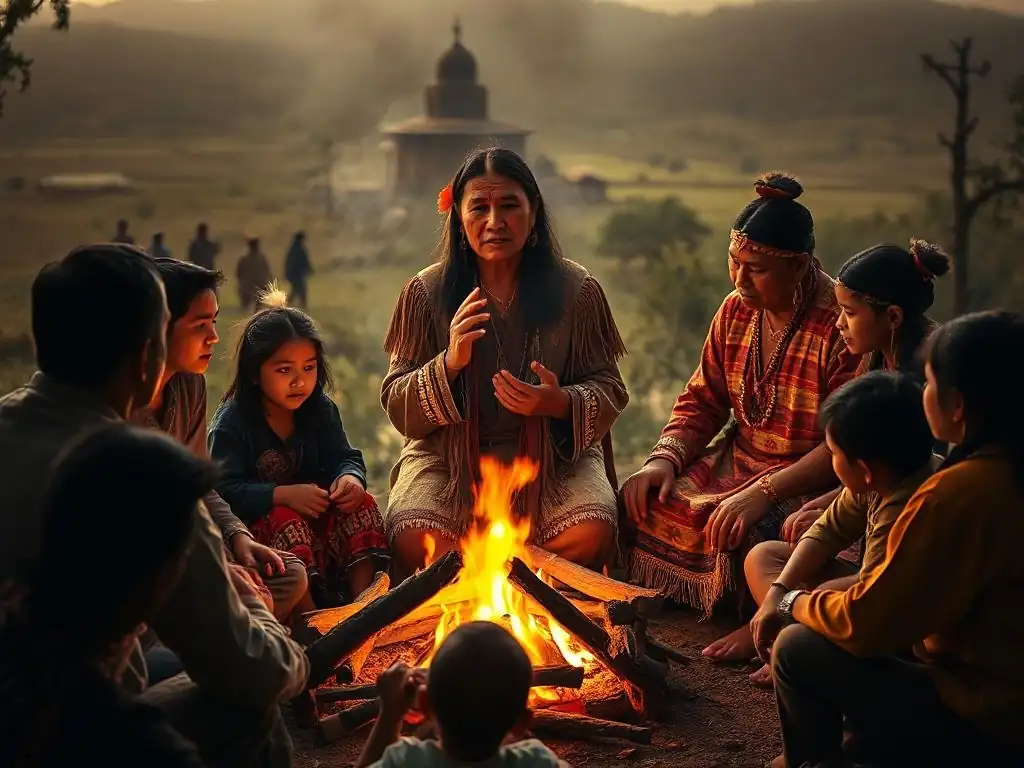
Colonization had a profound impact on Indigenous storytelling and visual arts, disrupting age-old traditions and practices that had flourished for centuries. European settlers brought their own narratives, values, and artistic expressions, which often clashed with the existing Indigenous cultural frameworks. The imposition of foreign languages, religions, and governance systems led to a significant decline in the transmission of Indigenous stories and the techniques associated with visual arts. Many Indigenous peoples were forced to adapt their narratives and artistic expressions to align with European perspectives, which often marginalized their experiences and histories.
Moreover, the colonization process included the systematic suppression of Indigenous languages, critical for storytelling. With the erosion of language, many stories lost their cultural context and meanings, leading to a dilution of traditional narratives. While some Indigenous artists were able to incorporate European styles into their work, this often resulted in a hybridization of art forms that obscured the original cultural significance. The enduring legacy of colonization continues to influence contemporary Indigenous storytelling and visual arts, creating a complex relationship between tradition and adaptation.
Changes in Narrative Forms Due to European Influence
The arrival of Europeans introduced new themes and narrative structures to Indigenous storytelling. Many Indigenous stories, once centered around creation myths, community values, and environmental stewardship, began to reflect European ideals and conflicts. This shift was not merely an exchange of ideas; it often represented a forced adaptation to survive in a changing world.
For instance, Indigenous narratives that emphasized communal living and harmony with nature became intertwined with European concepts of individualism and property. Consequently, many traditional stories were reinterpreted to resonate with imposed settler narratives, leading to a transformation in both content and form. Furthermore, the introduction of writing as a medium for storytelling allowed some Indigenous communities to document their oral traditions, although this was often a double-edged sword, as it could lead to further misinterpretation and loss of context.
Preservation of Oral Traditions and Artistic Practices
Despite the challenges posed by colonization, many Indigenous communities have actively worked to preserve their oral traditions and artistic practices. This preservation often involves intergenerational transmission of stories and techniques, ensuring that younger generations maintain a connection to their cultural heritage. Many communities have established programs focused on revitalizing traditional storytelling and artistic methods, recognizing their importance in maintaining cultural identity.
In addition to community-led efforts, collaborations with anthropologists and cultural organizations have facilitated the documentation of oral histories and art forms. These initiatives aim to create safe spaces for Indigenous voices, allowing them to share their stories on their terms. The resurgence of interest in Indigenous storytelling methods has also prompted a broader appreciation for visual arts, as these art forms are often deeply intertwined with oral narratives. Many artists draw inspiration from their cultural storytelling traditions, creating works that reflect their heritage while resonating with contemporary audiences.
Contemporary Indigenous Storytelling and Visual Arts
Contemporary Indigenous storytelling and visual arts reflect a dynamic interplay of traditional practices and modern influences. As Indigenous artists and storytellers navigate the complexities of their identities in a post-colonial world, they often seek to reclaim their narratives and challenge the dominant cultural discourses. This revival not only serves as a means of cultural expression but also plays a crucial role in the broader movement for Indigenous rights and recognition.
Revival of Traditional Practices in Modern Contexts
In many cases, contemporary Indigenous artists are reinterpreting traditional practices within a modern context. This revival often involves the fusion of historical techniques with contemporary themes and materials. For example, traditional weaving techniques may be utilized in modern textile art, while storytelling performances might incorporate new media formats. This blending of old and new not only honors ancestral practices but also makes them relevant to today's audiences.
Moreover, community art projects and cultural festivals are becoming platforms for showcasing Indigenous storytelling and visual arts. These events foster collaboration among artists, allowing them to share their knowledge and techniques while engaging with a wider audience. Such initiatives help to redefine the narrative around Indigenous art, emphasizing its vibrancy and relevance in contemporary society.
The Role of Technology in Indigenous Storytelling
Technology plays a significant role in the evolution of Indigenous storytelling, providing new avenues for expression and dissemination. Digital platforms enable Indigenous artists to reach global audiences, sharing their stories and artworks beyond geographical boundaries. This accessibility has led to a resurgence in interest in Indigenous narratives, as they are presented in innovative formats like podcasts, videos, and social media campaigns.
Furthermore, technology allows for the preservation and revitalization of oral traditions. Digital archiving projects help document and safeguard Indigenous stories, ensuring they are accessible for future generations. For instance, recordings of elders sharing traditional stories can be preserved and made available online, allowing community members and researchers to engage with their heritage in meaningful ways.
Case Studies of Contemporary Indigenous Artists
Several contemporary Indigenous artists exemplify the intersection of storytelling and visual arts, showcasing how these traditions can thrive in modern contexts.
- Emily Carr - While not Indigenous herself, Carr's work has been influential in portraying Indigenous themes and cultures, inspiring a dialogue about Indigenous identity in the arts.
- Raven Chacon - A member of the Fort Defiance Navajo Nation, Chacon uses sound installations and visual arts to explore Indigenous narratives, often drawing on oral histories and cultural memories.
- Marlene Creates - Creates integrates personal and cultural narratives into her art, utilizing photography, video, and installation to reflect on the relationship between land, memory, and identity.
These artists, among many others, are redefining what Indigenous storytelling and visual arts mean in the contemporary landscape, ensuring that their cultural legacies continue to thrive and evolve. Through their work, they challenge stereotypes, reclaim narratives, and foster a deeper understanding of Indigenous cultures within a global context.
Conclusion: The Lasting Influence of Indigenous Storytelling on Visual Arts
The legacy of Indigenous storytelling is deeply interwoven with the visual arts, offering a rich tapestry that showcases the creativity and resilience of Indigenous cultures. Through oral traditions, narratives have been passed down through generations, not only preserving history but also inspiring visual representations in various forms of art, such as pottery, weaving, painting, and sculpture. This enduring influence can be seen in the imagery, symbols, and themes that resonate within Indigenous artworks, reflecting the stories, values, and beliefs of their communities.
As modern artists continue to draw inspiration from these oral traditions, they play a crucial role in revitalizing and reinterpreting ancient narratives for contemporary audiences. The fusion of storytelling and visual arts has become a powerful medium for expressing identity, culture, and social issues, fostering a greater understanding of Indigenous perspectives. Ultimately, the interplay between storytelling and visual arts is a testament to the vibrancy of Indigenous cultures and their ongoing contributions to the broader narrative of art history.
The Significance of Preserving Oral Traditions in Indigenous Cultures
Preserving oral traditions is vital for Indigenous cultures as it serves multiple functions—cultural, educational, and spiritual. Oral storytelling allows communities to maintain their unique identities and heritage, enabling them to pass down knowledge, values, and lessons learned from ancestors to future generations. These narratives are often imbued with teachings about the natural world, social responsibilities, and community cohesion, reinforcing the importance of connection to land and culture.
Furthermore, oral traditions provide context and depth to visual arts, as many artists draw from these stories to inform their work. The rich symbolism found in art often has roots in the narratives that have been told for centuries, creating a dialogue between the spoken word and the visual representation. This interdependence enriches both forms of expression, ensuring that the meanings behind the art resonate deeply with those who understand the stories.
Additionally, the preservation of oral traditions combats cultural erasure and promotes resilience in the face of historical trauma. By continuing to share these stories, Indigenous communities assert their existence, celebrate their histories, and foster pride in their cultural legacy.
Future Directions for Indigenous Storytelling and Visual Arts
The future of Indigenous storytelling and visual arts is poised for exciting developments as contemporary Indigenous artists continue to innovate and redefine traditional practices. One significant trend is the integration of modern technology, such as digital storytelling, multimedia installations, and virtual reality, which are expanding the reach and accessibility of Indigenous narratives. These new platforms allow for a broader audience to engage with Indigenous stories and understand their significance in today's world.
Moreover, collaborations between Indigenous artists and scholars, as well as partnerships with non-Indigenous institutions, are becoming increasingly common. These collaborations can lead to more inclusive exhibitions and educational programs that highlight the complexities of Indigenous narratives and their relationship with visual arts. By fostering dialogue and understanding, these initiatives can help dismantle stereotypes and promote cultural appreciation.
Finally, as Indigenous communities continue to advocate for their rights and representation, storytelling remains a powerful tool for social change. Artists are increasingly using their work to address contemporary issues such as environmental concerns, social justice, and identity politics. Through storytelling and visual arts, Indigenous voices are asserting their perspectives and challenging dominant narratives, ensuring their stories are told and heard in meaningful ways.
The evolving landscape of Indigenous storytelling and visual arts promises to enrich the cultural fabric of society while honoring the rich traditions that have shaped Indigenous identities for centuries.
- Introduction to Indigenous Storytelling and Visual Arts
- The Interconnection Between Oral Traditions and Visual Arts
- Regional Variations in Indigenous Storytelling and Visual Arts
- Key Themes in Indigenous Storytelling and Their Artistic Representations
- The Impact of Colonization on Indigenous Storytelling and Visual Arts
- Contemporary Indigenous Storytelling and Visual Arts
- Conclusion: The Lasting Influence of Indigenous Storytelling on Visual Arts
- What is the significance of indigenous storytelling in cultural preservation?
- How do oral traditions influence visual arts in indigenous cultures?
- What role do myths and legends play in indigenous societies?
- Can you explain the connection between storytelling and community bonding?
- Why is it important to study indigenous visual arts alongside storytelling?
Frequently Asked Questions
What is the significance of indigenous storytelling in cultural preservation?
Indigenous storytelling serves as a vital tool for preserving history, traditions, and cultural values within communities, allowing knowledge to be passed down through generations.
How do oral traditions influence visual arts in indigenous cultures?
Oral traditions inspire and inform visual arts by providing themes, narratives, and symbols that artists incorporate into their works, creating a rich tapestry of cultural expression.
What role do myths and legends play in indigenous societies?
Myths and legends are central to indigenous societies as they convey moral lessons, explain natural phenomena, and reinforce community identity and values through storytelling.
Can you explain the connection between storytelling and community bonding?
Storytelling fosters community bonding by bringing people together, encouraging shared experiences, and nurturing a collective sense of belonging and understanding among members of the community.
Why is it important to study indigenous visual arts alongside storytelling?
Studying indigenous visual arts alongside storytelling reveals how both forms of cultural expression are interconnected, showcasing the ways in which narrative influences artistic representation and vice versa.
Final Reflection: The Enduring Legacy of Indigenous Storytelling in Visual Arts
The intricate relationship between Indigenous storytelling and visual arts is more relevant today than ever, as it serves as a vital conduit for cultural preservation and identity. In a world increasingly dominated by digital media and fleeting trends, the rich narratives woven through oral traditions remind us of the power of stories to shape our understanding of the world and ourselves. As we navigate a landscape that often overlooks the depth of Indigenous cultures, it becomes imperative to recognize and celebrate these art forms that have stood the test of time.
The influence of Indigenous storytelling on visual arts continues to resonate deeply within our cultural and social fabric. From traditional to contemporary artists, the themes and motifs derived from oral traditions not only enrich the visual arts but also foster a sense of community and belonging. As noted by Indigenous artist and storyteller, "Art is the language of the soul, and storytelling is the heartbeat that keeps it alive." > This sentiment encapsulates the profound connection between narrative and artistic expression, highlighting how these elements work in tandem to convey the essence of Indigenous identity.
As we reflect on the lessons embedded in Indigenous storytelling and visual arts, I invite you to consider how these narratives can inspire your own life and creativity. Embrace the stories that shape your identity and seek to share them with others, for in doing so, you contribute to a larger tapestry of understanding and appreciation. Let us honor the wisdom of the past while actively engaging with the present, ensuring that the art of storytelling continues to thrive and evolve for generations to come.
Unleash Your Creative Storytelling Journey!
Thank you for exploring the intricate relationship between oral traditions and visual arts in Indigenous societies. Your interest in these captivating narratives is a powerful step toward understanding and appreciating cultural heritage. Now, it’s time to take action and deepen your connection with storytelling!
- Dive into a local Indigenous storytelling event: Experience the power of oral traditions firsthand and connect with storytellers from the community.
- Capture your own story: Take some time to reflect and write about a meaningful experience from your life. Consider how your background and experiences shape your narrative.
- Share this article with friends: Help spread awareness and appreciation for Indigenous cultures by sharing the insights you’ve gained.
What personal story could inspire others, and how might it change their perspective on the world?